Networking Cocktail organisation that turns attendance into real connections
INNOV'events is a Brussels-based event agency delivering professional Networking Cocktail organisation for 50 to 800 guests. We handle venue sourcing, guest journey, catering, staffing, timing, AV, branding, and on-site coordination.
Whether it’s an after-work corporate event, a partner reception, or a client networking cocktail event, we protect your brand image and make networking feel effortless.
Sommaire
A Networking Cocktail is one of the fastest formats to create business value: it brings decision-makers into the same room with the right pretext, the right pace, and low friction to start conversations.
Done properly, it supports pipeline, partnership building, employer branding, and internal alignment—without the heavy production of a full gala.
Executives and HR teams expect three things: the right audience, a fluid guest flow, and a professional atmosphere that reflects the company’s standards.
Comms teams expect consistent branding, controlled messaging, and zero surprises in photos, sound, and service levels.
As an experienced event management company in Belgium, we plan operationally: run-of-show, staffing ratios, supplier coordination, and contingency plans.
We are present on-site with a clear chain of command, so your leaders can host—rather than troubleshoot.
Fast facts decision-makers ask us for
Brussels-first, Belgium-wide delivery: operational teams and suppliers mobilised across Brussels, Antwerp, Ghent, and Liège, with consistent service standards.
50–800 guests managed regularly: from compact executive receptions to multi-stakeholder professional networking events with registration, badges, and host teams.
Typical planning window: 4–10 weeks (can be accelerated to 10–15 working days for simpler formats with available venues).
Operational staffing approach: structured roles (event lead, floor managers, registration, hosts, AV, catering captain) to keep guest flow smooth.
How to organize a professional event ?
- Define the objective (cohesion, announcement, fidelity, performance).
- Set date, format and size (20–1 000 people).
- Secure the venue and accommodation according to seasonality.
- Lock down technical, suppliers and logistics.
- Drive the day J (timing, scene, entrance, flow).
We send you a first proposal within 24h.
Why organise a Networking Cocktail in Belgium right now?
In many Belgian organisations, leadership teams are asked to do more with less: keep key accounts close, motivate teams, and open new partnerships—while time is tight and attention is fragmented.
A well-structured networking cocktail event is a pragmatic response: it creates a high number of meaningful interactions in a short time window, with lower production complexity than a conference.
Accelerate commercial momentum without a heavy programme: a 90–120 minute peak networking window can outperform a half-day meeting when the guest mix is right and the space supports movement.
Strengthen stakeholder relationships: clients and partners feel valued when leadership is present and the hosting is polished (greeting, introductions, follow-up cues).
Support employer branding and retention: for HR, an after-work corporate event can create informal contact between management and teams, often improving engagement more than another internal email campaign.
Create cross-functional alignment: a controlled but relaxed setting allows internal teams (sales, operations, product, finance) to share context and reduce friction.
Enable targeted messaging without a “speech-heavy” vibe: short, well-timed remarks (3–6 minutes) can set direction while keeping the room in networking mode.
Collect business intelligence: with the right host team and a simple post-event follow-up framework, you capture leads, partnership signals, and client sentiment.
Belgian business culture values pragmatism and credibility. A Networking Cocktail fits that: professional, time-efficient, and relationship-driven—provided the execution is disciplined.
Which animations work for a business networking cocktail?
Animations are useful when they support conversation. The goal is not to entertain for entertainment’s sake; it is to create natural moments where people can approach each other without awkwardness.
Interactive animations
Hosted introductions (light-touch): trained hosts identify guests who should meet and make discreet introductions, especially effective for VIPs and key accounts.
Conversation zones: dedicated corners (e.g., innovation, sustainability, recruitment, partnerships) signposted subtly, helping guests self-select topics without feeling staged.
Micro-talks (2 x 6 minutes): a short insight from leadership or a guest speaker, timed after the room has warmed up, keeping the programme credible and concise.
Art animations
Acoustic trio or jazz duo at controlled volume: adds atmosphere while keeping voices comfortable; we place the act away from the main networking pockets.
Live illustrator: a visual summary of key themes or partnership stories displayed near the exit—useful for comms teams and post-event content.
Innovative animations
Signature cocktail bar: two brand-aligned cocktails plus premium non-alcoholic options; pre-batching reduces waiting time during peak arrivals.
Belgian tasting stations: concise and premium (chocolate pairing, local cheese, or seasonal bites) designed as natural meeting points rather than long queues.
Gourmand animations
Smart badge or QR networking: guests opt in to share contact details; scanning is faster than business cards and helps GDPR-compliant follow-up.
Quiet demo corner: for product or service showcases with headphones or low-volume screens to protect the main acoustic environment.
Real-time guest pulse: a short 2-question survey pushed after the event to capture intent (meet again / interested in demo / recruitment interest) and support ROI tracking.
Every animation must match your brand image and audience expectations. A law firm cocktail in Brussels and a tech scale-up reception in Ghent can both be modern—but they should not feel like the same event.
How to choose a venue in Brussels, Antwerp, Ghent or Liège
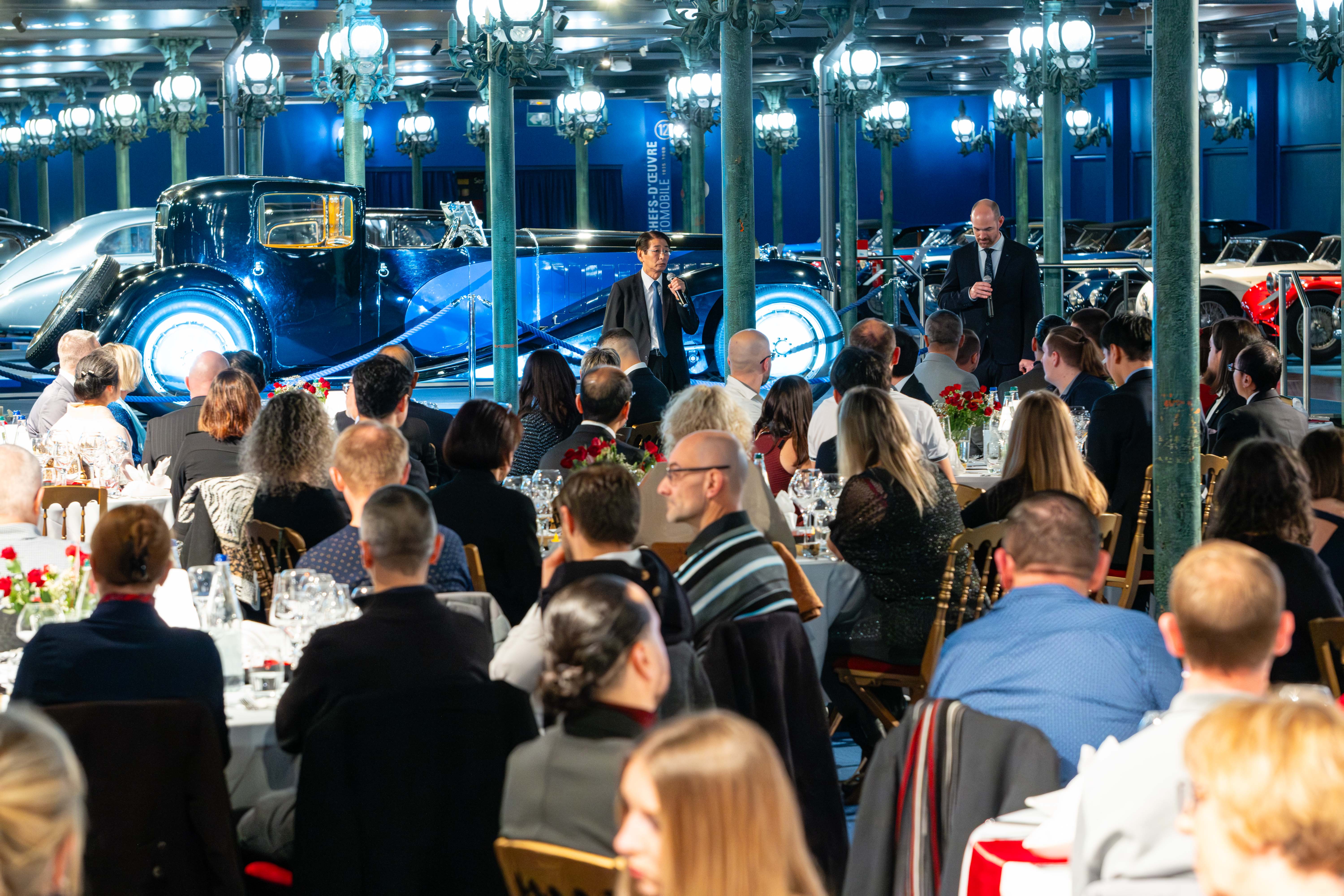
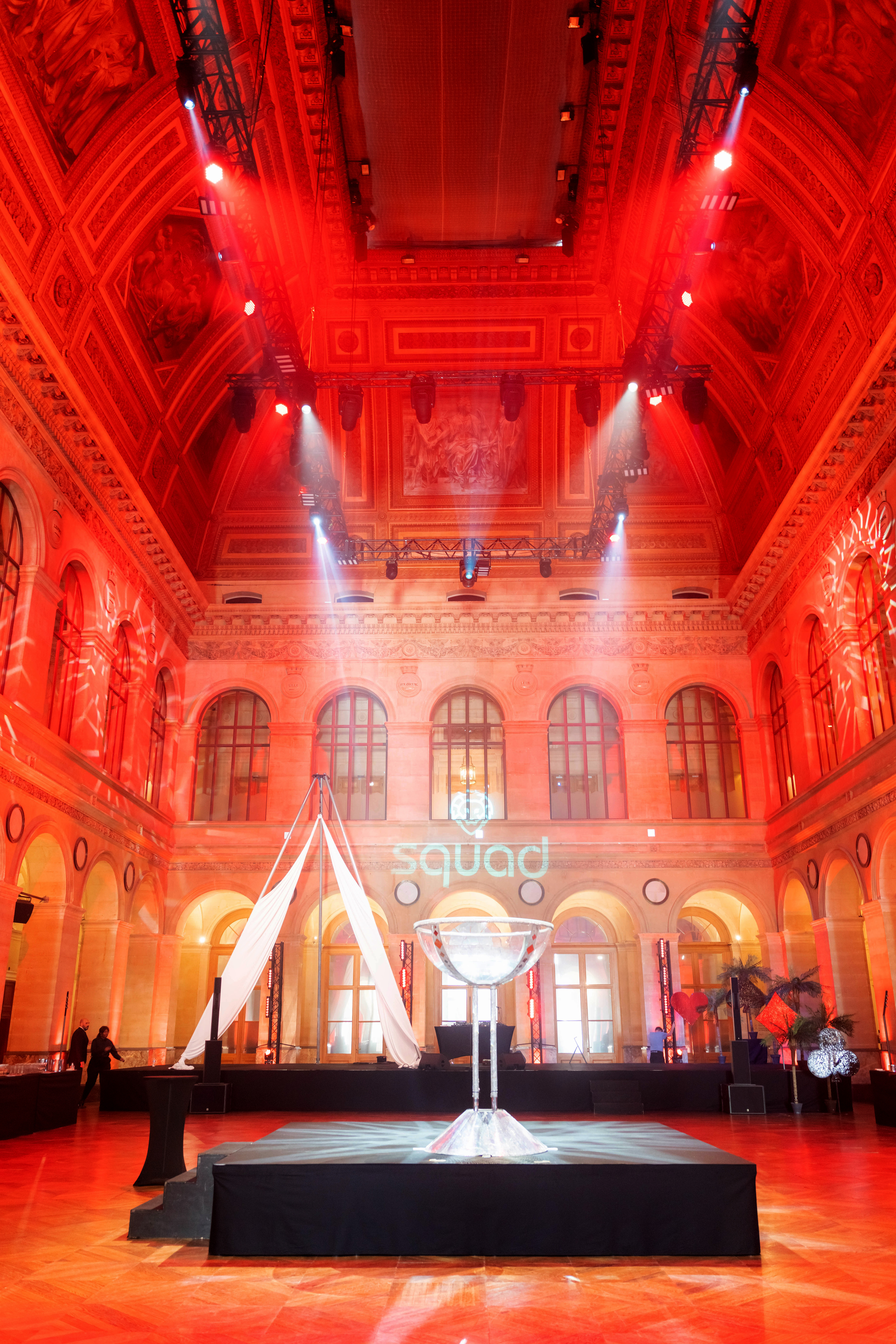
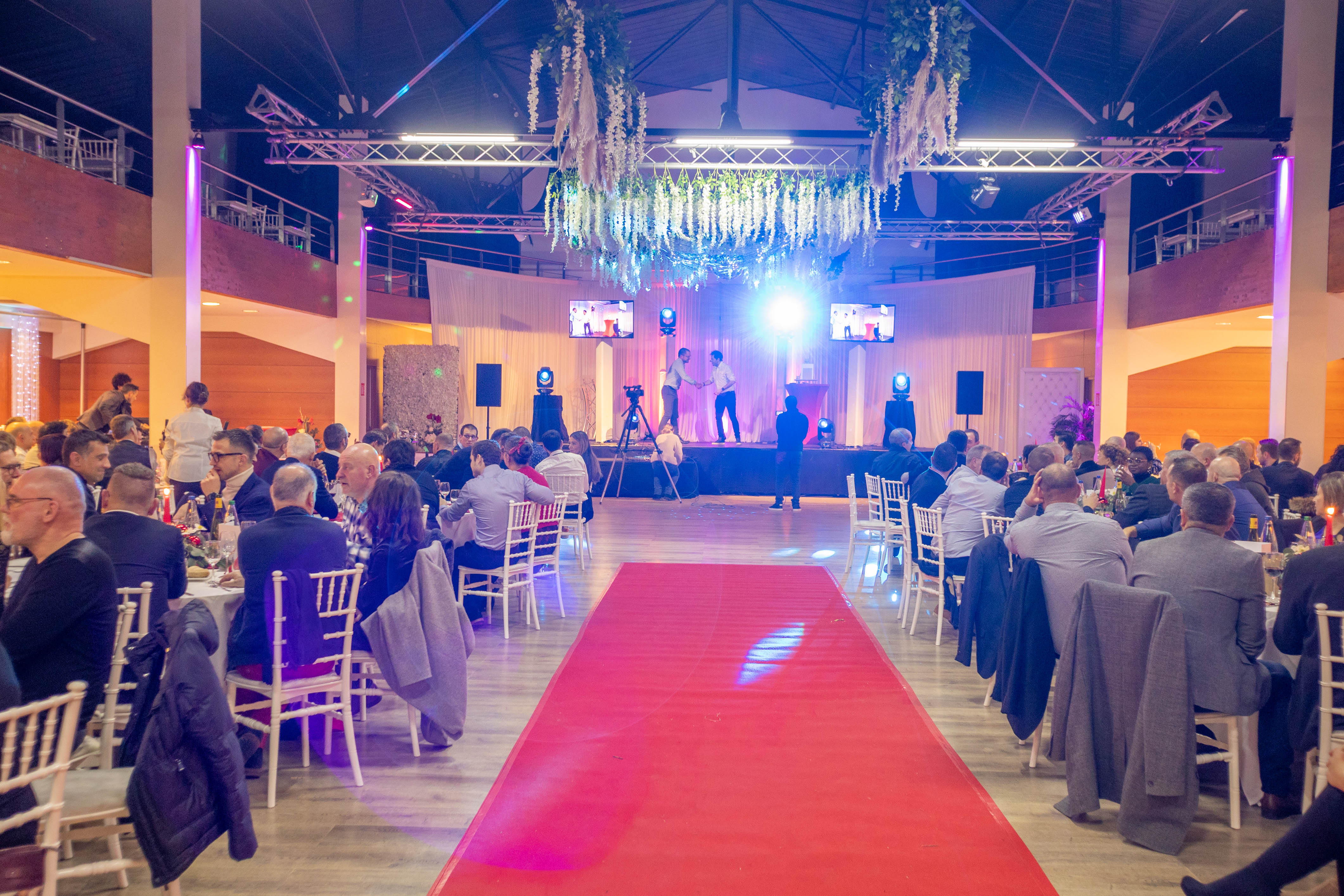
The venue is not just a backdrop; it drives guest flow, sound quality, bar performance, and the overall “business seriousness” of the evening. We shortlist venues based on access, layout, technical restrictions, supplier rules, and the hosting style you want.
Brussels (city centre & EU district): best for international guest lists and public transport access. Watch for strict loading rules, neighbour noise limits, and cloakroom capacity during winter months.
Antwerp: strong for client receptions linked to fashion, diamond, port and logistics ecosystems. Prioritise venues with efficient taxi access and a layout that avoids echo-heavy industrial halls.
Ghent: ideal for innovative and academic-adjacent communities. Look for venues with flexible zoning (quiet pockets + central bar) and robust AV for short talks.
Liège: excellent for regional stakeholder engagement and industry networks. Pay attention to parking, arrival signage, and a clear front-of-house path to avoid a fragmented arrival experience.
Practical checklist we apply: 1 bar point per 80–120 guests, a minimum of 1.2–1.5 m² per guest for comfortable circulation, acoustic mitigation options, and a dedicated backstage/service route for caterers.
We can source venues you already know, or propose alternatives that better fit your networking goals—always with transparent pros and cons, not just a pretty brochure.
What budget to plan for a corporate Networking Cocktail?
Budgeting a Networking Cocktail is mainly about guest count, venue constraints, and the level of service you want. We build budgets that are readable for finance: clear lines, assumptions, and optional upgrades.
Venue hire and technical constraints: some venues include furniture and basic AV; others require full rental. City-centre venues may add costs for loading, security, or limited set-up windows.
Catering and drinks format: standing bites vs food stations, open bar vs token system, premium spirits, and non-alcoholic offer. As a reference, many corporate cocktails sit around €45–€95 per person for catering and drinks, depending on selection and service level.
Staffing and hosting: bar staff, waiters, cloakroom, registration, hosts, security, and an on-site event lead. Understaffing is the most common false economy.
Branding and comms: signage, step-and-repeat wall, name badges, wayfinding, photography, and content capture for internal and external channels.
Entertainment and networking support: musicians, DJ, live illustrator, or interactive tools (QR networking, survey). Costs vary widely depending on duration and technical rider.
Guest management tools: RSVP platform, QR check-in, GDPR-compliant consent, and post-event reporting (attendance rate, show rate by segment, lead lists).
Return on investment is usually measured through attendance quality, introductions made, leads generated, and relationship strengthening. We help you define 3–5 measurable indicators before the event, so the cocktail is not just “nice”, but accountable.







What we deliver in practice: formats and scenarios
Our Networking Cocktail organisation work covers a wide range of real corporate needs.
- Client retention cocktail in Brussels: tight timing, VIP hosting, discreet branding, and a quiet zone for high-value conversations. We managed arrivals in waves, ensured bar speed, and built a run-of-show that kept leadership available for introductions rather than logistics.
- Partner networking reception in Antwerp: mixed audience (international partners + local stakeholders). We implemented multilingual-friendly signage in English, clear wayfinding, and a hosting plan to avoid “clusters” where guests only spoke to colleagues.
- After-work corporate event in Ghent for employer branding: HR-led objectives with department heads present. We designed a light programme, conversation zones, and a content capture plan that produced usable internal comms assets without disrupting guests.
- Stakeholder cocktail in Liège with demonstrations: we created a contained demo corner with controlled sound, keeping the main area dedicated to networking and avoiding the common “trade show” feel.
The common thread is discipline: clear objectives, a space designed for conversation, and an on-site team that manages details before they become issues.
Common mistakes that damage networking results
Overcrowding: trying to maximise attendance in a space that cannot handle circulation. Guests leave early when it feels chaotic.
Music too loud: it looks lively but kills conversation. Executives will not fight for airtime.
Slow bar service: queues create frustration and split the room into non-networking lines.
No hosting plan: internal teams stay together, VIPs are not greeted properly, and the “right people” never meet.
Food not adapted to standing guests: messy plates, hard-to-eat items, and poor dietary labelling create discomfort and wasted catering.
Unclear messaging: a long speech or a product pitch at the wrong time breaks the room’s energy and feels transactional.
Weak arrival experience: no signage, slow check-in, insufficient cloakroom—first impressions set the tone for the entire evening.
Our role as an event management company is to eliminate these risks through planning, supplier briefs, and on-site control. Your guests should feel hosted, not managed.
Why clients keep INNOV'events as their long-term partner
Repeat collaboration is usually driven by one thing: reliability under pressure. A cocktail looks simple until the first curveball—late speakers, a sudden rain shower, or a venue restriction you only learn on the day.
We build long-term relationships by documenting what worked, what to improve, and what to standardise for next time.
Post-event debrief within 5 working days: what happened, what we changed on-site, supplier feedback, and recommendations for the next edition.
Reusable event playbooks: guest flow plans, staffing templates, and brand guidelines applied consistently across Brussels, Antwerp, Ghent, and Liège.
Attendance and show-rate tracking: we report registrations vs arrivals by segment when the RSVP system is in scope.

Loyalty is proof of quality in corporate events: when leadership trusts the process, they can focus on relationships—the part that truly matters in a Networking Cocktail.
Our end-to-end method for Networking Cocktail organisation
👉 Step 1: Business objective and audience mapping
We clarify the purpose (client retention, partnerships, recruitment, internal alignment) and define the ideal guest mix. We also identify VIPs and “must-connect” pairs, then build a simple hosting map so your team knows who to prioritise.
👉 Step 2: Venue shortlisting with operational due diligence
We propose venues based on capacity, zoning, acoustics, accessibility, supplier rules, and set-up timing. You receive a realistic view of constraints (loading, noise limits, security) before you commit.
👉 Step 3: Guest journey design and programme structure
We design arrival, check-in, cloakroom, welcome moment, peak networking window, and closing. We keep speeches short and timed for maximum attention without freezing the room.
👉 Step 4: Supplier sourcing, briefs, and production plan
We lock catering, bar, furniture, AV, entertainment, and staffing. Each supplier receives a clear brief: timings, service style, brand requirements, and escalation contacts. We consolidate everything into a production schedule.
👉 Step 5: On-site delivery and real-time coordination
Our on-site team manages set-up, sound check, signage, staff briefing, and supplier arrivals. During the event, we monitor bar speed, acoustic comfort, guest flow, and timing, and we handle incidents discreetly.
👉 Step 6: Post-event follow-up and reporting
We provide a structured debrief and, when included, attendance lists, consented lead data, and recommendations for the next edition. The goal is continuous improvement, not a one-off delivery.
FAQ sur l'organisation Networking Cocktail
How long should a corporate networking cocktail last?
Most formats work best at 2 to 2.5 hours, often 18:00–20:30. Add 20–30 minutes for arrivals so the room doesn’t feel empty at the start.
What is a realistic budget per person in Belgium?
For catering and drinks, many companies plan €45–€95 per person. Total event cost depends on venue hire, staffing, AV, branding, and any entertainment. We provide a transparent budget with options to scale up or down.
How do you avoid guests staying with their colleagues?
We use a hosting plan (who welcomes whom), conversation zones, and discreet introductions by trained hosts. Small operational choices matter: bar placement, seating pockets, and timing of short remarks can all break internal clusters.
How many staff do we need for 200 guests?
A common baseline is 1 bartender per 80–100 guests (more if cocktails are complex) plus floor staff for tray service and clearing. Add registration/cloakroom and an on-site event lead. The exact number depends on venue layout and service style.
How far in advance should we book the venue?
For Brussels and peak season (spring and autumn), aim for 6–10 weeks to secure the best options. It can be done faster, but choice becomes limited and costs can rise due to supplier availability.
Request your free quote for a Networking Cocktail
If you are planning a Networking Cocktail in Brussels, Antwerp, Ghent, or Liège, we will propose a clear concept, an operational plan, and a transparent budget aligned with your objectives.
Share your target date, estimated guest count, audience type (clients, partners, internal), and any constraints (venue preference, branding, speeches). We will come back with practical recommendations and a free quote you can validate internally.