Product Launch Event organisation that turns a release into business impact
INNOV'events is a Brussels-based event agency delivering Product Launch Event projects for 30 to 1,500+ guests across Belgium. We manage concept, venue sourcing, technical production, content flow, guest journey, and on-the-day operations. You keep control of messaging and stakeholders; we keep the launch on time, on budget, and on brand.
Sommaire
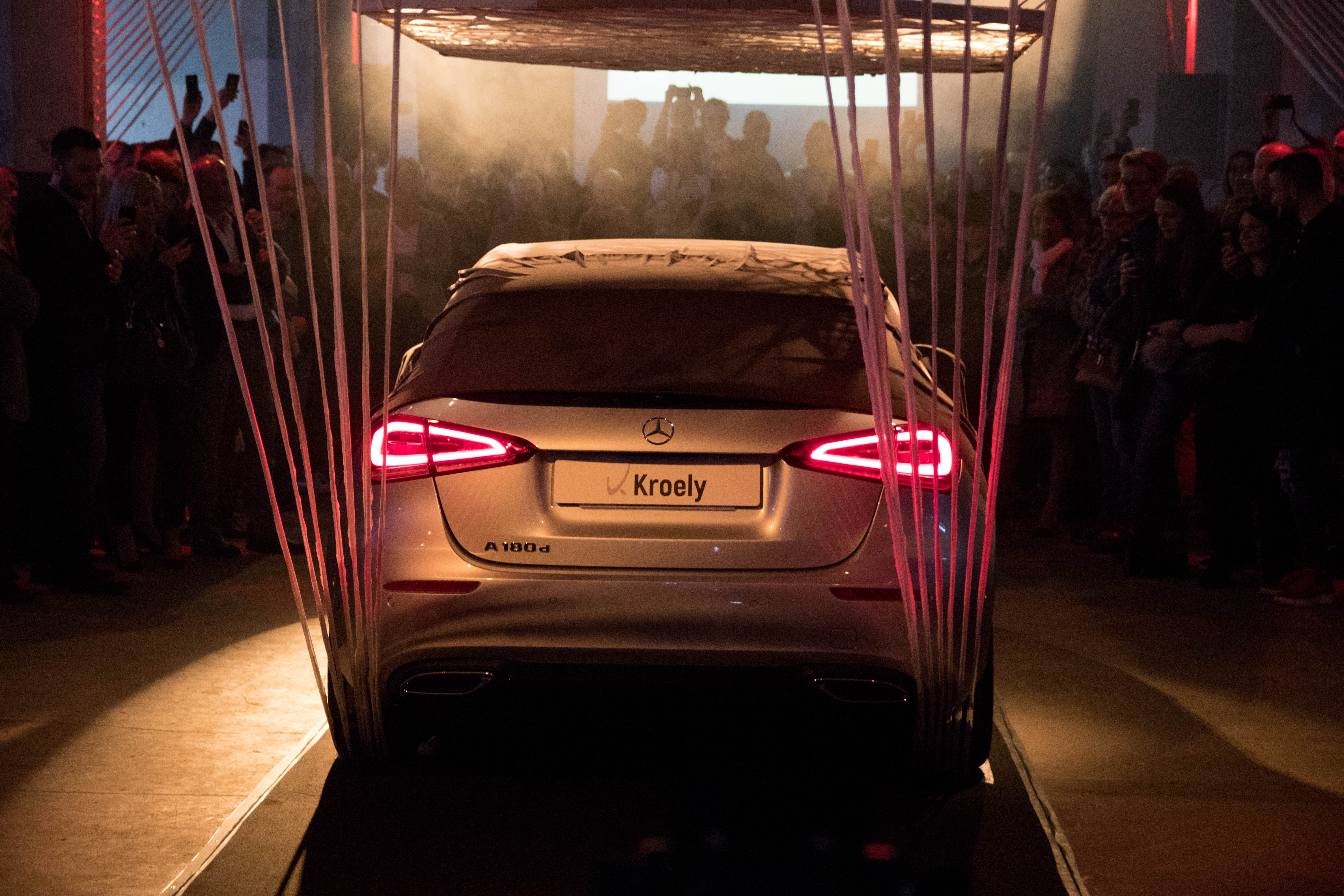
A Product Launch Event is not a party; it is a controlled commercial moment where positioning, proof points, and market confidence are put on stage. When it is done well, it accelerates sales conversations, equips teams with a clear narrative, and gives the press and partners a reason to pay attention.
Executives and comms teams typically expect three things: brand-safe production, measurable visibility (leads, meetings, content assets), and a programme that respects time. HR and internal stakeholders often add an extra requirement: a launch that mobilises teams and makes them feel proud to represent the product.
We bring field expertise from Brussels, Antwerp, Ghent and Liège: venue negotiation, supplier control, show-calling, speaker coaching, demo engineering, and risk management. Our role is to translate your business objectives into a launch format that works operationally, not just creatively.
INNOV'events in numbers: operational reliability you can audit
Brussels-based event management company with a national delivery footprint: Brussels, Antwerp, Ghent, Liège and throughout Belgium.
Delivery capability from 30 to 1,500+ participants, including executive roadshows, partner launches, press unveilings and hybrid formats.
Access to a vetted supplier network (AV, staging, catering, security, host staff) enabling fast scaling and consistent production standards.
Structured project governance: documented run-of-show, risk register, and stakeholder sign-off checkpoints to protect brand and timelines.
How to organize a professional event ?
- Define the objective (cohesion, announcement, fidelity, performance).
- Set date, format and size (20–1 000 people).
- Secure the venue and accommodation according to seasonality.
- Lock down technical, suppliers and logistics.
- Drive the day J (timing, scene, entrance, flow).
We send you a first proposal within 24h.
Why organise a Product Launch Event instead of “just” a campaign?
A launch is one of the few moments where you can synchronise leadership, sales, partners, and internal teams around a single story. A digital campaign can create reach, but a well-designed new product launch event creates conviction—because people can see, test, question, and commit in real time.
For executive teams, the value is often less about applause and more about speed: faster alignment, faster pipeline movement, and fewer misinterpretations in the market.
Accelerate commercial momentum: book partner meetings on-site, invite high-intent prospects, and create a controlled environment for decision-makers to engage with your experts.
Make complex value propositions tangible: live demos, side-by-side comparisons, and hands-on stations reduce the “sounds good but unclear” risk that often slows adoption.
Align internal stakeholders quickly: give sales, customer success, and country teams the same messaging, objection handling, and proof points on the same day.
Generate reusable content assets: keynote captures, short product clips, testimonials, and photography for LinkedIn, newsletters, recruitment, and partner toolkits.
De-risk market perception: a disciplined stagecraft (sound, lighting, timing, speaking notes) signals credibility—especially important for regulated sectors and B2B technology.
Strengthen employer branding: when teams see leaders present with clarity and customers react positively, pride and retention get a real boost—without forcing it.
Belgian business culture rewards substance and efficiency. A strong launch respects time, delivers proof quickly, and creates a professional setting where stakeholders can make decisions. That is exactly what a well-run Product Launch Event is designed to do.
Product launch animation ideas that support your message (not distract from it)
Activities work when they reinforce product understanding, increase dwell time with the right people, and create content moments that feel credible. We avoid “random entertainment” and instead design product launch animation that serves a purpose: demo flow, conversation starters, and brand recall.
Interactive animations
Guided demo routes: timed entry in small groups, with a host who keeps pace and ensures everyone experiences the key differentiator (ideal for innovation or technology launches).
Executive Q&A pods: short, moderated sessions where key accounts can ask tough questions without derailing the main stage programme.
Customer story stations: a corner where existing clients share use cases in 5 minutes, scheduled like mini-appointments—high credibility, low production cost.
Live comparison challenges: controlled “before vs after” demonstrations with measurable outcomes (speed, accuracy, waste reduction), designed with your product team to be defensible.
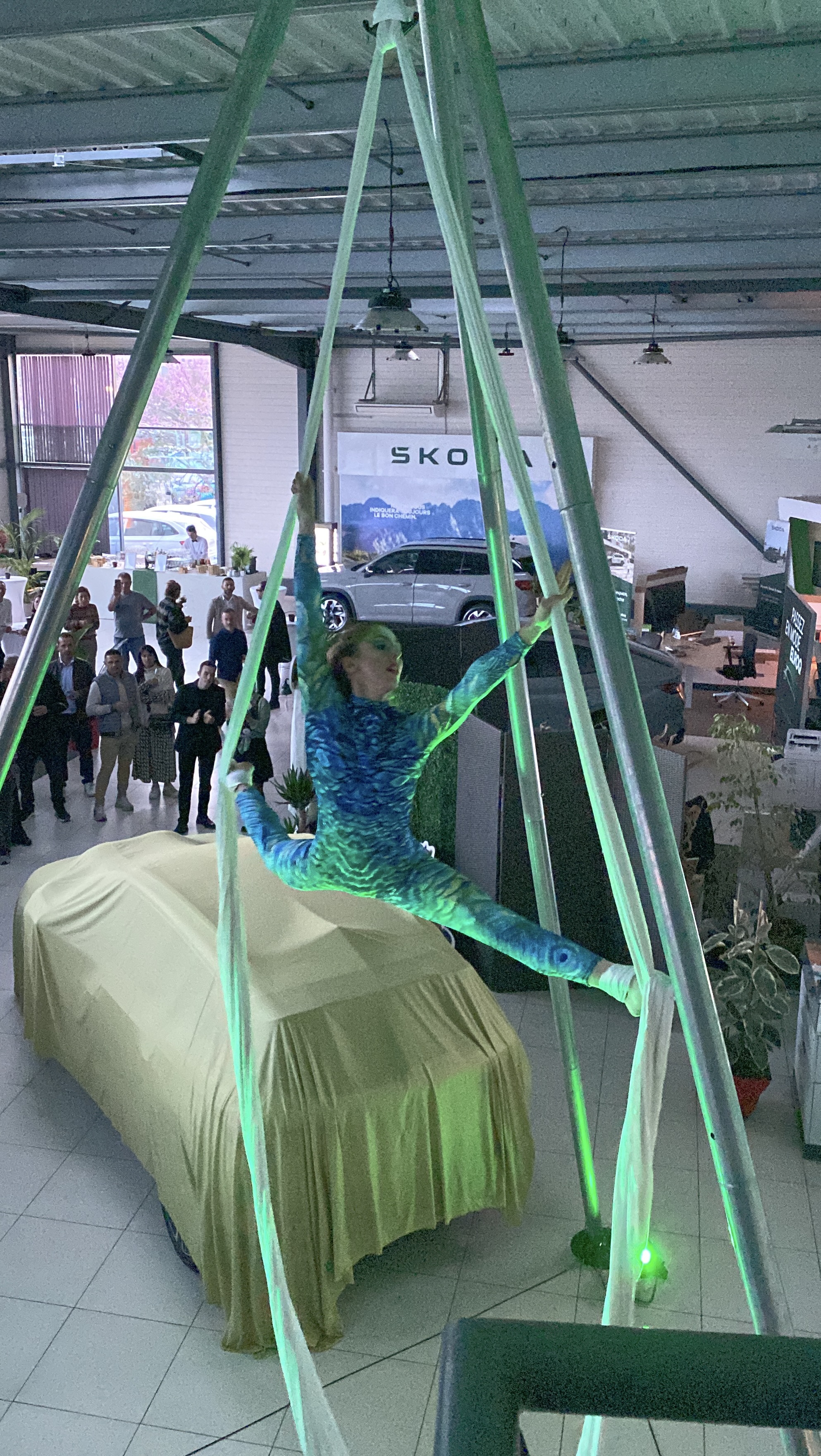
Art animations
Branded light and sound design: a disciplined cueing plan that supports your reveal moment without turning the event into a club night.
Spoken-word or narration tied to your positioning: useful when the product story is abstract (services, software, sustainability solutions).
Stage direction and speaker coaching: not entertainment, but often the highest-impact “performance” element—especially for leadership teams who present infrequently.
Innovative animations
Product-themed tasting stations: only when it can be linked to the narrative (e.g., “precision”, “craft”, “local sourcing”) and executed at corporate quality level.
Timed service for programme discipline: plated starters before the keynote, faster main service after demos—so the event does not lose energy or run late.
Non-alcoholic pairing options: increasingly important for inclusive corporate hospitality, and a simple way to improve guest experience.
Gourmand animations
AR/3D product visualisation: helpful for products that are large, industrial, or not yet widely available. We plan device logistics, staff guidance, and accessibility.
Hybrid demo broadcast: live stream from the demo floor to remote sales teams, with moderated Q&A and an edited recap delivered within 48–72 hours.
Lead capture with consent: badge scans or QR journeys that respect privacy, with clear opt-in wording and a data handover format your CRM team can actually use.
Whatever the activity, consistency matters: design language, tone of voice, music levels, staff briefings, and even menu choices should support your brand position. A launch can be energetic without feeling chaotic; it can be premium without being wasteful. Our role is to keep that balance.
Which venues work best for a product launch in Belgium?
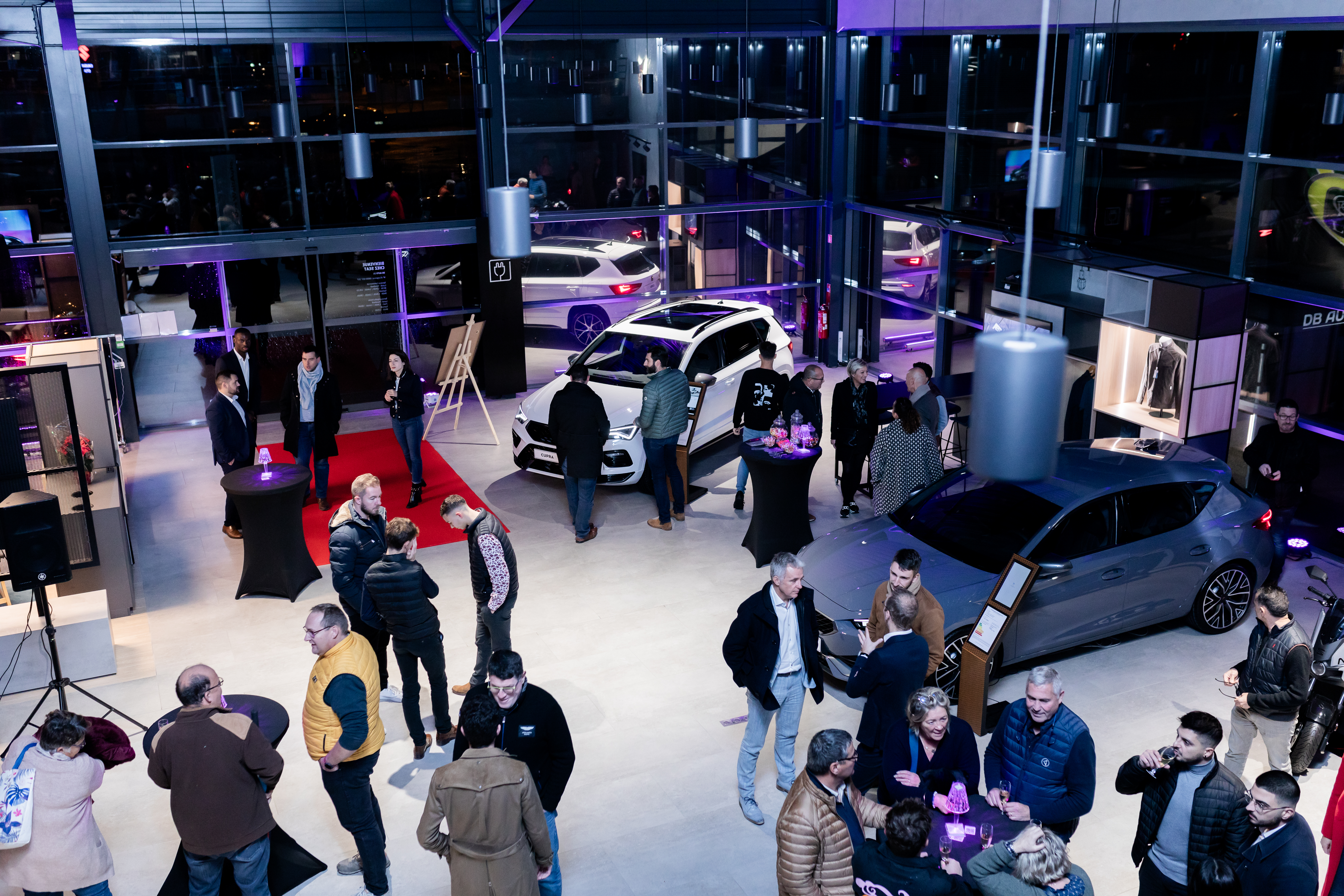
Venue choice is a strategic decision because it sets your production constraints: rigging points, ceiling height, acoustics, loading access, and curfews. It also signals intent to guests—an executive launch in Brussels reads differently from an industrial reveal near Antwerp’s logistics corridors.
We shortlist venues based on: audience profile, demo needs, confidentiality, accessibility by train and car, hotel capacity, and technical feasibility. Below are common venue directions we recommend, depending on the launch scenario.
- Brussels (city centre / EU quarter): best for press, institutional stakeholders, and international teams; prioritise venues with strong acoustics and controlled access for confidentiality.
- Antwerp (business districts / near port access): strong for industrial, logistics, and innovation ecosystems; loading and demo space are often easier to secure.
- Ghent (innovation hubs / university proximity): effective for technology and R&D narratives; venues here suit workshops and interactive demo formats.
- Liège (regional access / manufacturing context): solid option for engineering, production and cross-border audiences; consider parking and bilingual staffing needs (handled by us without mixing languages on stage content).
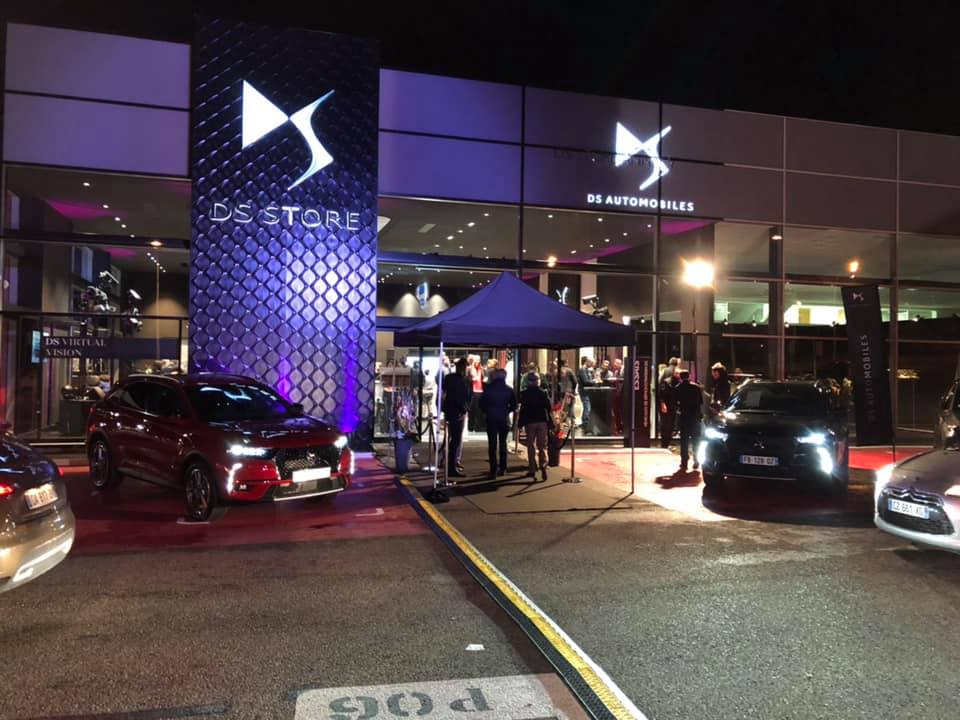
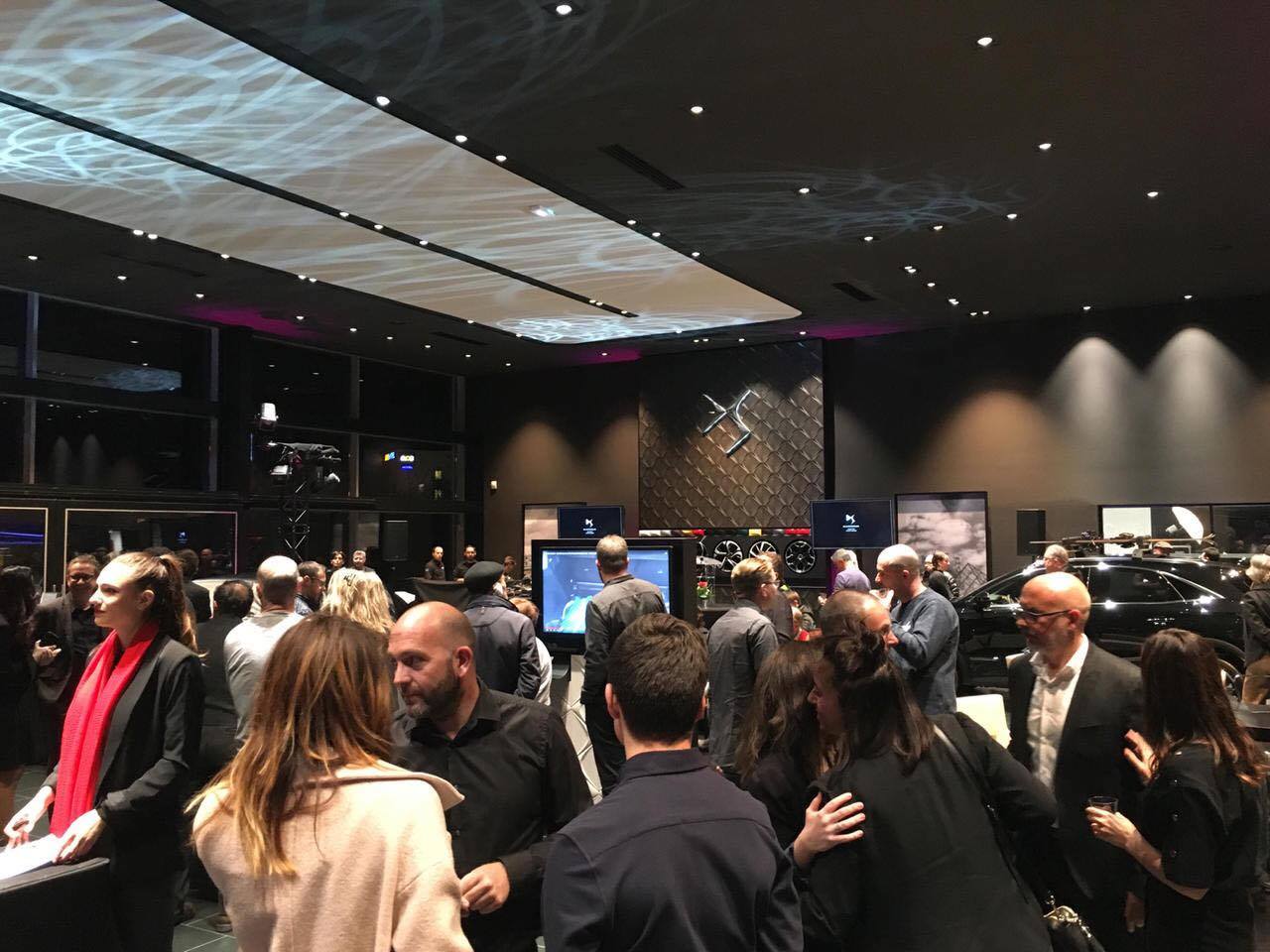
- Corporate HQ or showroom: ideal when you need full brand control and product access; requires stronger production build (power, network, guest flow, catering logistics).
- Industrial site reveal: high-impact for machinery, construction, energy; requires stricter safety planning, PPE logistics, and weather contingencies.
- Hotel conference venues: efficient for multi-day partner launches and training; choose based on breakout capacity, ceiling height, and AV flexibility.
We handle venue sourcing, site visits, technical recce, and contract negotiation. The goal is not a “nice room”, but a space where your reveal, demos, and networking can run without production compromises.
What does a Product Launch Event cost in Belgium?
Pricing depends on format, venue constraints, guest count, and how much you expect the event to produce (content, leads, press, internal enablement). A press reveal for 80 guests and a partner launch for 400 guests can have very different technical and staffing requirements even if they look similar on paper.
In Belgium, a professionally produced Product Launch Event typically ranges from €25,000 to €250,000+. We can work below or above that range depending on scope (especially for roadshows or hybrid productions), but we will always explain what each cost line delivers.
Venue and access constraints: city-centre locations often cost more and have stricter load-in/load-out windows, which impacts crew hours and logistics.
Technical production: sound, lighting, video screens, camera capture, and show-calling. A reveal moment needs reliable redundancy; we plan failovers for critical playback.
Scenography and branding: stage set, demo stations, signage, and wayfinding. Costs vary based on reusability (modular systems reduce spend across a roadshow).
Content creation: scripts, slide design support, video production, and speaker coaching. This is often underestimated and then causes late-night fixes.
Catering and hospitality: reception style vs seated meal, staffing ratios, and service timing. Also includes bar policy and non-alcoholic options.
Staffing and security: hosts, registration team, technicians, stage manager, security, VIP handling, and potentially medical support for higher-risk sites.
Demo engineering: network reliability, device management, backup units, and staff training time—especially for software or connected products.
Transport and accommodation: for speakers, executive teams, or multi-site logistics across Brussels, Antwerp, Ghent and Liège.
Insurance and compliance: public liability, equipment insurance, and safety measures depending on venue requirements.
We build budgets around return: what will the event generate in qualified meetings, partner commitment, media outputs, and content value? A controlled budget with clear deliverables is usually more profitable than a cheaper event that fails to convert attention into action.





Launch formats we deliver: from board-level unveilings to roadshows
Our projects cover a wide range of launch contexts because corporate needs vary: regulated sectors require stricter approvals and messaging discipline; technology launches require demo reliability; consumer-facing innovations often require stronger content production and social assets.
Typical Product Launch Event formats we deliver in Belgium include:
- Press & media reveal in Brussels with controlled embargo management, spokesperson scheduling, and a dedicated press pack workflow.
- Partner enablement launch (half-day) combining keynote, product training, and networking, designed to get partners selling within weeks.
- Internal launch for employees with leadership messaging, product story training, and Q&A structures that prevent misinformation spreading internally.
- Client advisory launch for key accounts where feedback is collected in structured sessions and turned into actionable product insights.
- Multi-city roadshow across Brussels, Antwerp, Ghent and Liège, using modular branding and repeatable technical set-ups to control cost and consistency.
- Hybrid new product launch event combining an in-room reveal with remote participation, ensuring consistent experience for distributed teams.
In all cases, we design the programme so that the “reveal moment” is supported by proof (demo, data, customer voice) and by a clear next step (meeting booking, trial sign-up, partner registration, internal rollout plan).
Common launch risks we actively prevent
Programme drift: too many speakers, unclear timing, and no authority to cut content on the day—leading to overruns and impatient guests.
Demo failure: unstable network, no backup units, or staff not briefed on reset procedures—often the single biggest credibility risk.
Venue mismatch: a beautiful room that cannot rig screens, has poor acoustics, or blocks load-in, causing last-minute compromises.
Brand inconsistency: slides, videos, stage design and signage not aligned—common when multiple departments contribute without a single production owner.
Weak guest management: long queues, unclear registration, insufficient hosts, or no VIP routing—small issues that feel “unprofessional” immediately.
Hidden costs: overtime, extra crew hours, last-minute rental additions—usually caused by missing technical planning early on.
Unclear data handling: lead capture without proper consent or a usable handover format, creating friction with legal and CRM teams.
Our job is to design the event so these risks are addressed before they become emergencies. That is what a disciplined event agency approach looks like in real corporate conditions.
Why clients come back to INNOV'events for launches and key moments
Repeat collaboration is rarely about “liking an agency”. It is about trust under pressure: leaders want confidence that the next event will be as controlled as the last, even with new stakeholders, a new product version, or a tighter timeline.
Clients stay with us because we run projects with clarity: realistic options, documented decisions, and operational ownership on the day.
High repeat-work patterns: many clients rebook for annual kick-offs, internal communications events, and consecutive launch cycles because the governance model remains stable.
Consistent delivery teams: you get continuity in project management and production leadership, reducing briefing time and avoiding “reinventing the wheel”.
Faster mobilisation: once we know your brand rules and approval flows, we can move from brief to proposal and supplier bookings more efficiently.

Loyalty is the most concrete proof in event work: it means the event delivered the business outcomes and the process was manageable for internal teams.
Our Product Launch Event delivery process at INNOV'events
👉 Step 1: Briefing and stakeholder alignment
We run a structured briefing with comms, product, sales, and leadership to define objectives, audience segments, success metrics, and decision rights. Output: a written launch blueprint including target guest list logic, key messages, and non-negotiables (brand, compliance, confidentiality).
👉 Step 2: Format recommendation and budget framework
We propose 2–3 realistic formats (e.g., press reveal, partner half-day, evening launch) with budget ranges and operational implications. Output: an option comparison that makes internal approvals easier, including what each option produces in terms of content and commercial outcomes.
👉 Step 3: Venue sourcing and technical feasibility
We shortlist venues in Brussels, Antwerp, Ghent or Liège based on accessibility, production constraints, and guest experience. We organise site visits and a technical recce, then negotiate contracts with clear clauses on access hours, rigging, noise limits, and cancellation terms.
👉 Step 4: Content flow and demo engineering
We build the narrative structure, run-of-show, and speaker needs (slides, teleprompter, confidence monitors). For demos, we design station layouts, staffing plans, queue management, and failover solutions (backup devices, offline modes, spare consumables).
👉 Step 5: Supplier production and project governance
We appoint and manage AV, staging, catering, hosts, security, and branding suppliers. You receive a consolidated production schedule, risk register, and sign-off points. This is where we protect timelines and prevent last-minute cost inflation.
👉 Step 6: Guest management and communications
We set up registration, invitation flows, and on-site welcome procedures, with privacy-conscious data handling. Output: guest lists, badge formats, staffing briefs, and a front-of-house plan that prevents queues and confusion.
👉 Step 7: Show day delivery and show-calling
Our team runs build-up, rehearsals, cueing, backstage management, and contingency decisions. We coordinate speakers, manage timing, and ensure demos run smoothly. Your leaders focus on guests and message; we manage the operational pressure.
👉 Step 8: Post-event wrap-up and ROI review
Within agreed timelines, we deliver content assets, a supplier debrief, and a results summary against the metrics defined upfront (attendance, engagement, meetings, content outputs). We also provide actionable recommendations for the next launch cycle.
FAQ sur l'organisation Product Launch Event
How far in advance should we plan a product launch?
For a corporate launch in Belgium, plan 8–12 weeks for a standard event (150–400 guests). If you need a premium venue, complex demos, or a hybrid set-up, allow 12–20 weeks. Rush projects are possible, but venue and supplier choice becomes limited and costs can rise due to accelerated production.
What guest number works best for a corporate launch?
It depends on your objective. For high-value B2B pipeline, 60–200 targeted guests often outperforms a large crowd. For internal alignment, 200–1,000+ can be relevant if the programme is designed for clear messaging and controlled Q&A. We recommend defining the audience mix first (clients, partners, press, employees) and then sizing the event.
How do you keep product demos reliable on the day?
We plan demos with redundancy: stable connectivity (dedicated lines where needed), backup devices, offline modes, spare consumables, and a reset script per station. We also schedule rehearsals and assign a demo owner per zone. This prevents the common failure where a great product is undermined by weak event execution.
Can you manage a launch across Brussels and Antwerp?
Yes. We deliver single-city launches and multi-city roadshows across Belgium. For Brussels and Antwerp, we typically standardise scenography and AV so the experience stays consistent while controlling costs. Travel time, supplier availability, and content adaptation are built into the production plan from the start.
What budget should we expect for a professional launch?
Most corporate launches fall between €25,000 and €250,000+, depending on guest count, venue, technical production, content creation, and demo complexity. After a short briefing, we provide a transparent budget structure with options (must-have vs nice-to-have) so you can decide with confidence.
Request your free quote for a Product Launch Event in Belgium
If you are planning a Product Launch Event in Brussels, Antwerp, Ghent or Liège, involve us early. Early planning protects your venue choice, improves demo reliability, and keeps budgets realistic.
Share your product context, target audience, preferred date window, and any non-negotiables (brand rules, compliance, confidentiality). We will come back with a clear format recommendation, a first budget framework, and an operational plan you can use internally. Contact INNOV'events to request your free quote.