
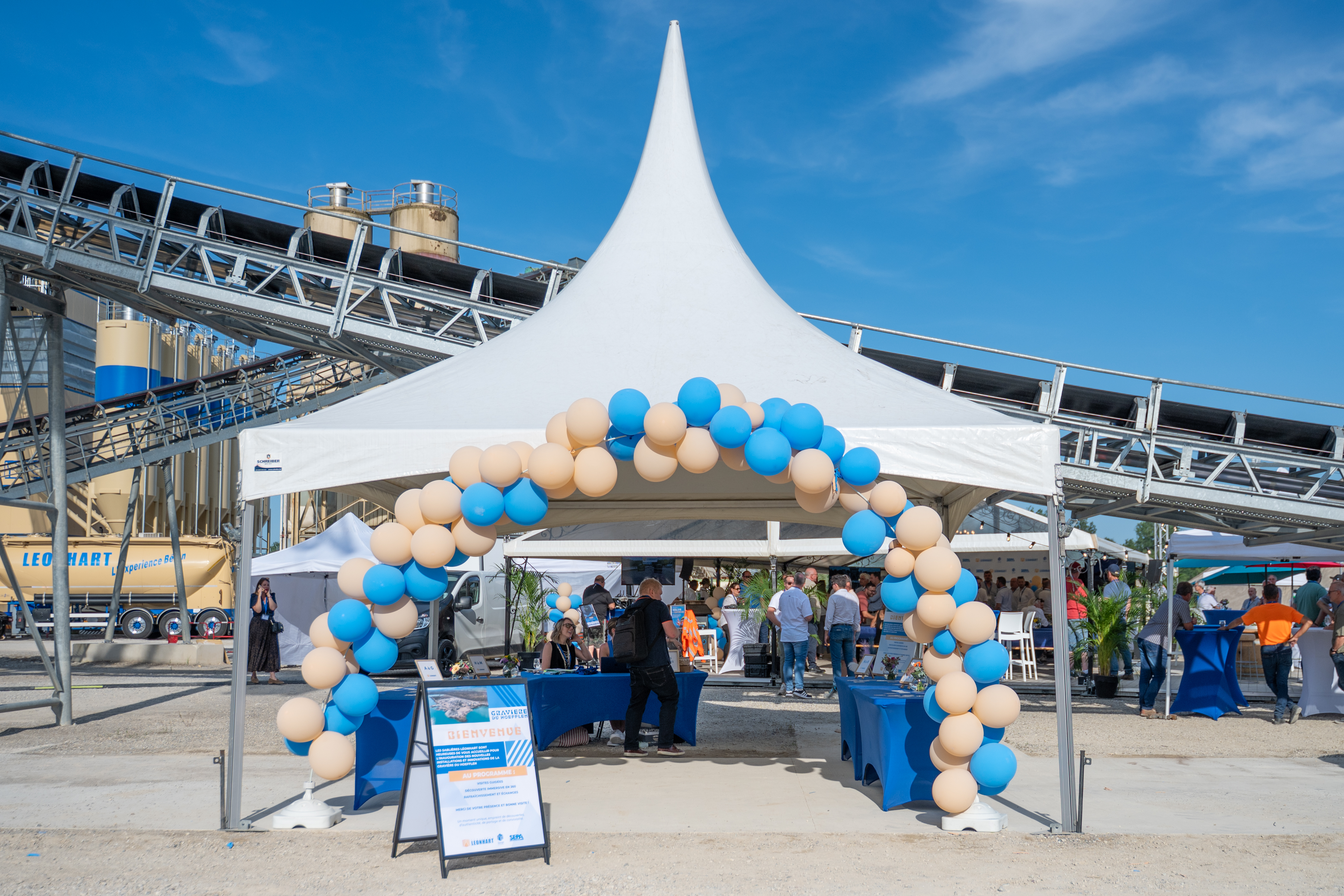
Open house organisation that protects your brand and delivers leads
INNOV'events is a Brussels-based event agency managing corporate open house events from 50 to 2,000+ visitors. We handle planning, permits, visitor journeys, staffing, suppliers, safety, and on-the-day operations so your teams can focus on hosting.
Whether you are opening a new site in Antwerp, showcasing innovation in Ghent, or strengthening employer brand in Liège, we build a controlled, measurable programme that fits your operational reality.
Sommaire
A corporate open house is not a “nice-to-have”. It is a high-stakes moment where prospects, partners, candidates, neighbours, and sometimes regulators see how you truly operate. Done well, it shortens sales cycles, builds trust, and aligns internal teams around a shared story.
Organisations typically expect three outcomes: a smooth visitor experience (no queues, no confusion), a credible message (not a showroom speech), and operational safety (clear zones, access control, and zero disruption to production). The challenge is delivering all three while your teams still run the business.
As an event management company, we bring structured open house organisation: visitor flow design, tour scripting, HSE coordination, vendor management, and a run-of-show that survives real-life constraints. Our approach is practical, field-tested, and designed for executive-level accountability.
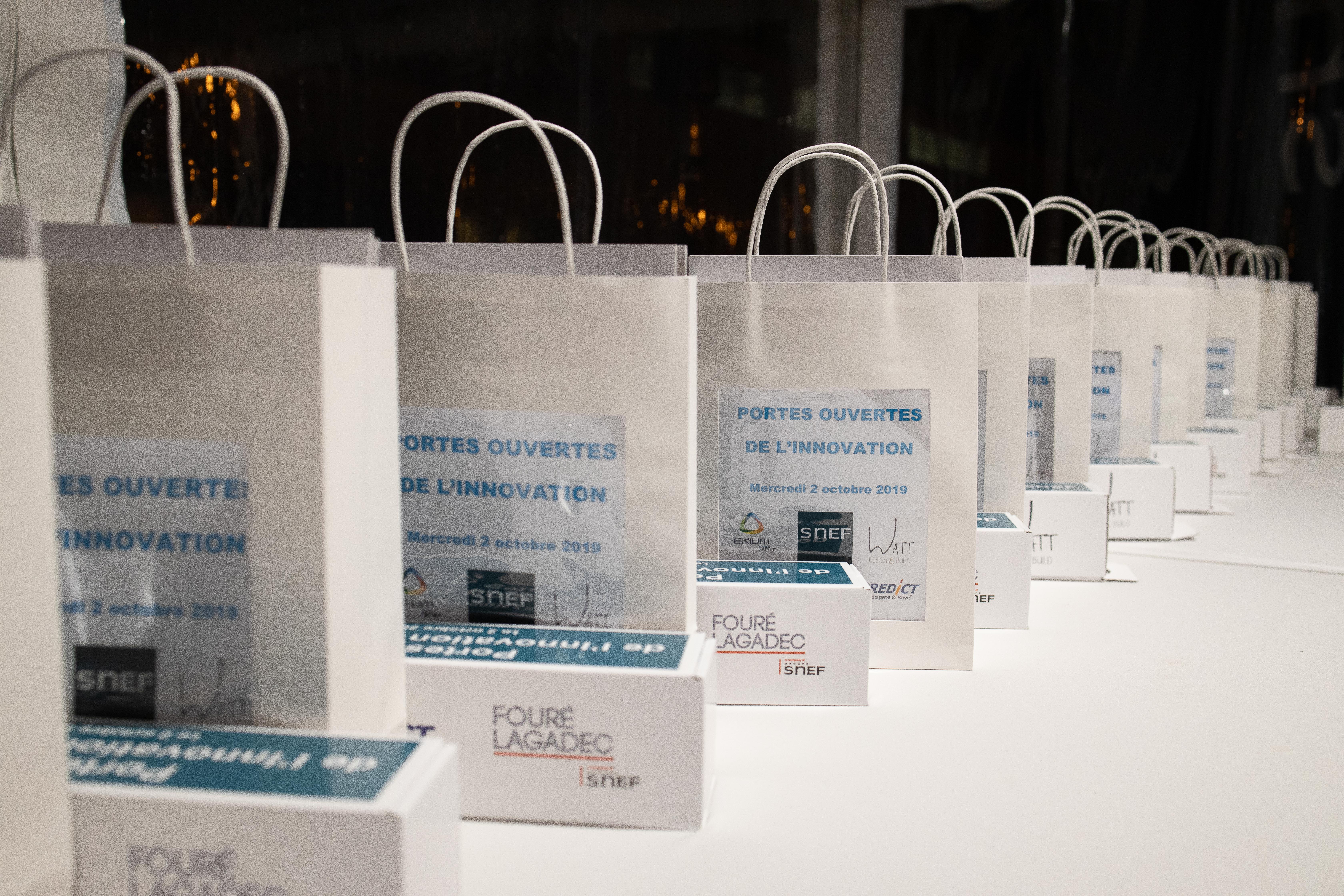
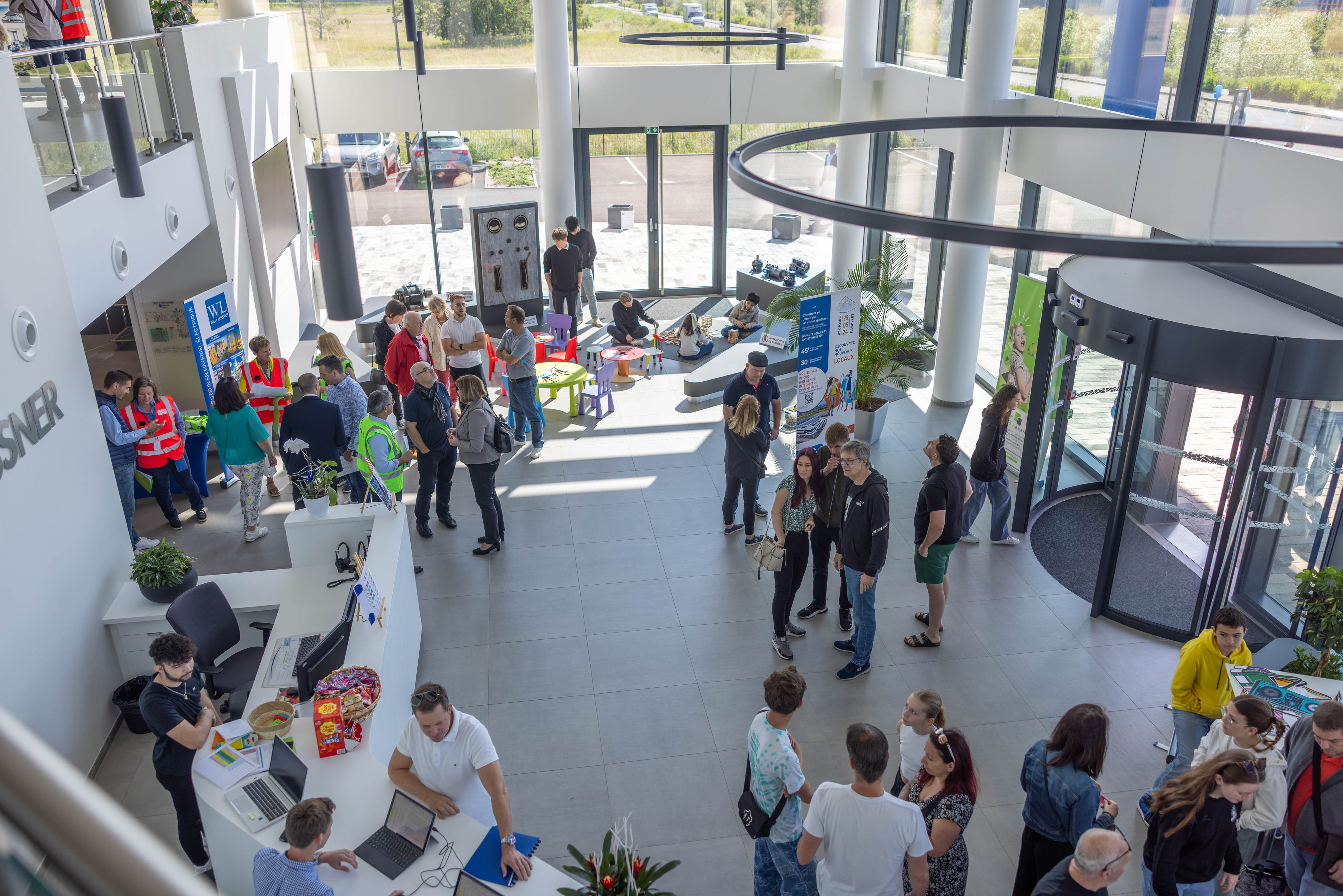
Credibility at a glance
Brussels-based operations with delivery across Belgium (Brussels, Antwerp, Ghent, Liège and beyond).
Access to a curated Belgian supplier network for structures, AV, security, catering, signage, host teams and transport—contracted with service-level expectations.
Operational readiness: documented run-sheets, briefing packs, and escalation paths used on every corporate open house event, regardless of size.
Multi-audience experience: clients, HR, procurement, local stakeholders, and press can each receive an adapted journey without diluting the message.
How to organize a professional event ?
- Define the objective (cohesion, announcement, fidelity, performance).
- Set date, format and size (20–1 000 people).
- Secure the venue and accommodation according to seasonality.
- Lock down technical, suppliers and logistics.
- Drive the day J (timing, scene, entrance, flow).
We send you a first proposal within 24h.
Why organise a corporate open house in Belgium?
A business open house event is one of the rare formats where you can combine brand, sales, HR, and stakeholder relations in a single controlled environment. It is strategic because it replaces assumptions with evidence: visitors see your people, your processes, your standards and your culture.
For executives, the value is not the number of attendees; it is the quality of interactions and what they enable afterwards (meetings, applications, partnerships, permits, community acceptance).
Accelerate commercial trust: for complex offers, an on-site visit reduces perceived risk. We structure guided tours and demo points so sales teams get qualified conversations, not just polite small talk.
Support recruitment and retention: HR can use a company open house animation programme to show teams at work, training paths, and real working conditions—more credible than a brochure and more engaging than a job fair.
Strengthen stakeholder relations: when neighbours, local authorities, or industry partners are invited into a well-managed environment, concerns are addressed before they become reputational issues. Clear zones and transparent messaging are key.
Showcase innovation with proof: R&D, engineering, and operations can demonstrate what is tangible today, not “future vision”. We help translate technical content into visitor-friendly narratives without oversimplifying.
Align internal teams: preparing an open house forces clarity—what you can show, what you should not show, who speaks for the company, and what the priority messages are. It becomes a disciplined internal alignment exercise.
Create measurable outcomes: we set up registration, segmentation, lead capture, and post-event follow-up structures so marketing and sales can track conversion rather than relying on anecdotal feedback.
Belgium’s business culture values substance: concise messaging, operational credibility, and respectful hosting. A well-organised open house fits that expectation by letting your organisation demonstrate quality without overclaiming.
Open house event ideas that feel professional, not gimmicky
Activities are not decoration. In a corporate open house event, the right animations help visitors understand, ask better questions, and remember specific proof points. The wrong ones create noise, slow down flows, and dilute credibility. We select formats that support your message, respect your environment, and work within safety constraints.
Interactive animations
Guided micro-demos (8–12 minutes): small stations where a specialist demonstrates one tangible capability, with a clear takeaway and a Q&A moment.
Meet-the-team corners: structured interactions with HR and line managers (scheduled, not random) so candidates and partners can have meaningful conversations.
Customer journey wall: a visual, step-by-step display of how you deliver—from brief to delivery—supported by real artefacts, timelines, and service metrics.
Mini roundtables (20 minutes): curated discussions for VIPs or key accounts, with a facilitator and a clear outcome (next meeting, pilot, site visit).
Art animations
Ambient musicians at arrival: subtle sound to improve atmosphere without competing with speeches or tour briefings.
Live illustration: a professional illustrator captures key messages in real time; useful for internal communications afterwards and for LinkedIn-ready content.
Branded lighting and scenography: focused on wayfinding and zones (welcome, demos, catering), improving clarity and perceived organisation rather than “show”.
Innovative animations
Timed catering waves: coffee and lunch planned by time slot to protect flow and avoid queues; ideal for large visitor volumes.
Local Belgian menu choices: quality, straightforward options (including vegetarian and allergen-safe) with clear labelling to reduce service friction.
Factory-safe catering layouts: when the site has strict hygiene or access rules, we use controlled service points and waste management plans that comply with your standards.
Gourmand animations
Digital registration and badge scanning: faster check-in, better segmentation, and reliable attendance data for follow-up.
Self-guided tour support (QR-based): for office environments, visitors can explore at their pace while staying within authorised zones.
Hybrid content capture: short, planned filming slots for internal and external use—without disrupting the event or putting staff on the spot.
Quiet room and executive holding area: essential for VIP hosting, last-minute briefings, and keeping leadership available but not overwhelmed.
The most effective open house event ideas are consistent with your brand image and your sector norms. A regulated environment (pharma, finance, energy) requires a different tone and control level than a creative or tech workplace. Our job is to keep the programme engaging while remaining credible, safe, and operationally efficient.
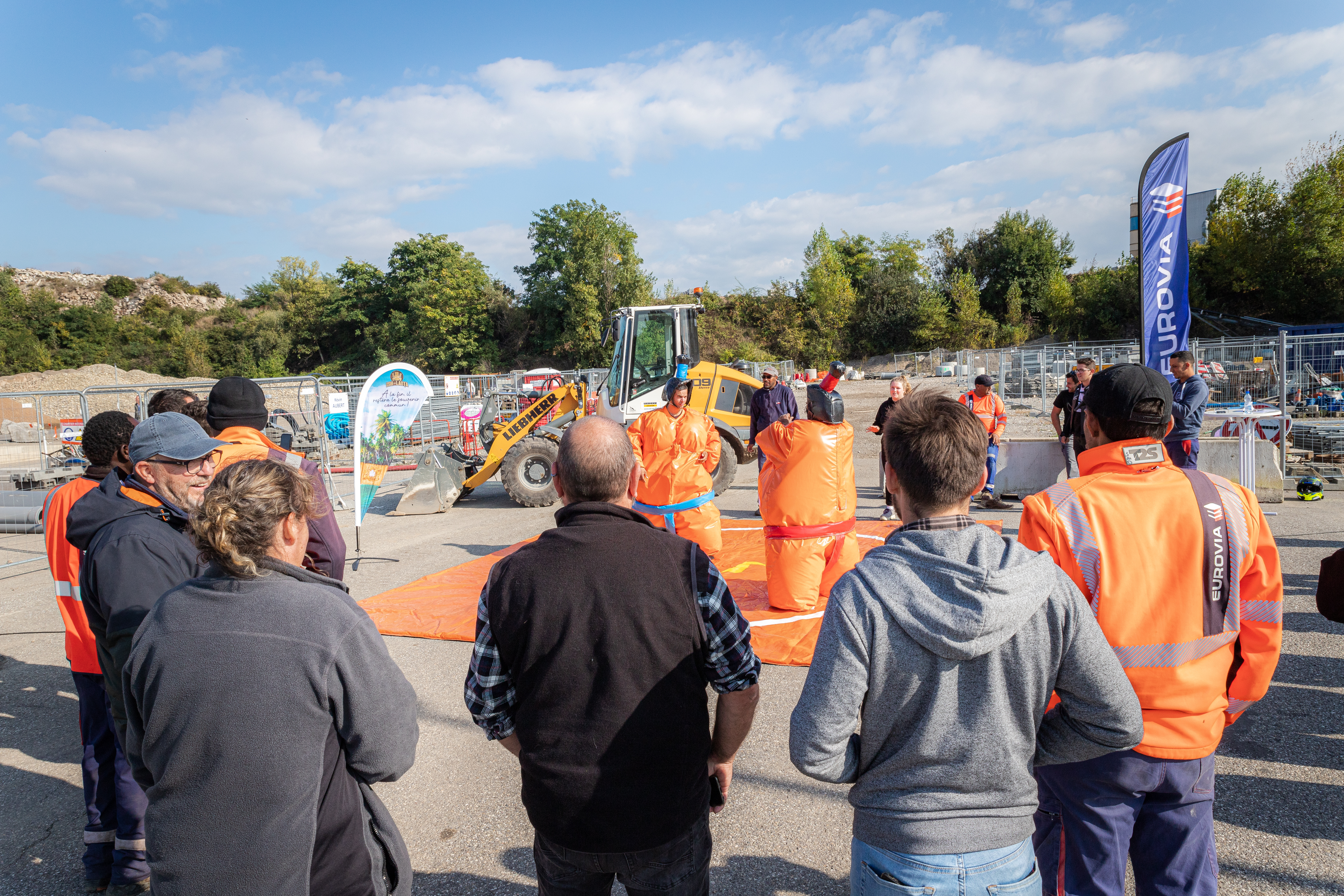
Which venues and sites work best for an open house?
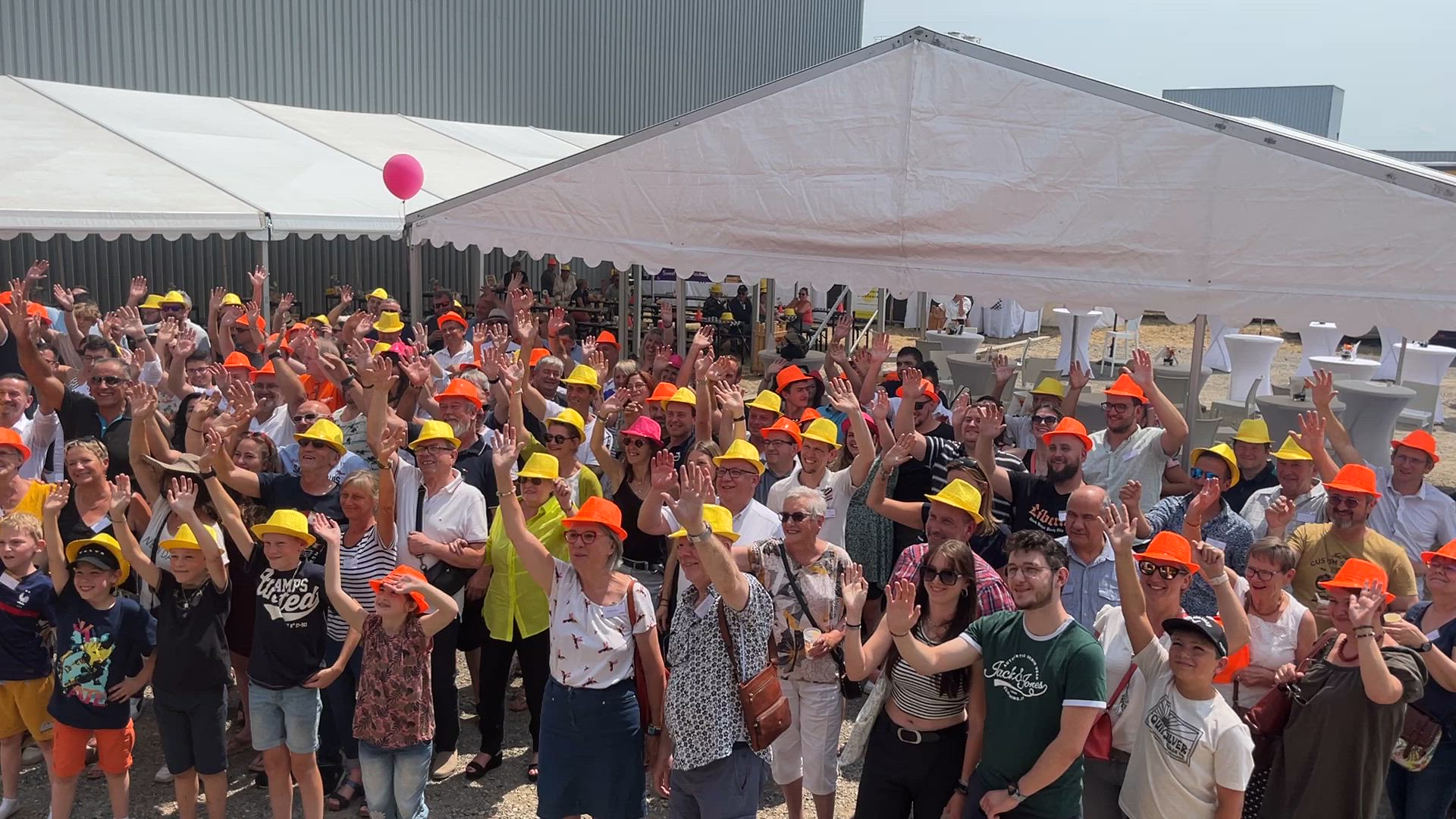
Many open house events happen on your own premises—because authenticity is the point. When on-site is not possible (confidentiality, safety, limited access), we can recreate key proof points in a nearby venue in Brussels, Antwerp, Ghent or Liège and organise controlled site shuttles for selected groups.
The right choice depends on visitor profile, accessibility (public transport, parking, coach drop-off), infrastructure (power, connectivity), and your risk profile (restricted areas, sensitive processes, IP).
Option: HQ or office floors
Best for: employer branding, culture, service teams, leadership visibility.
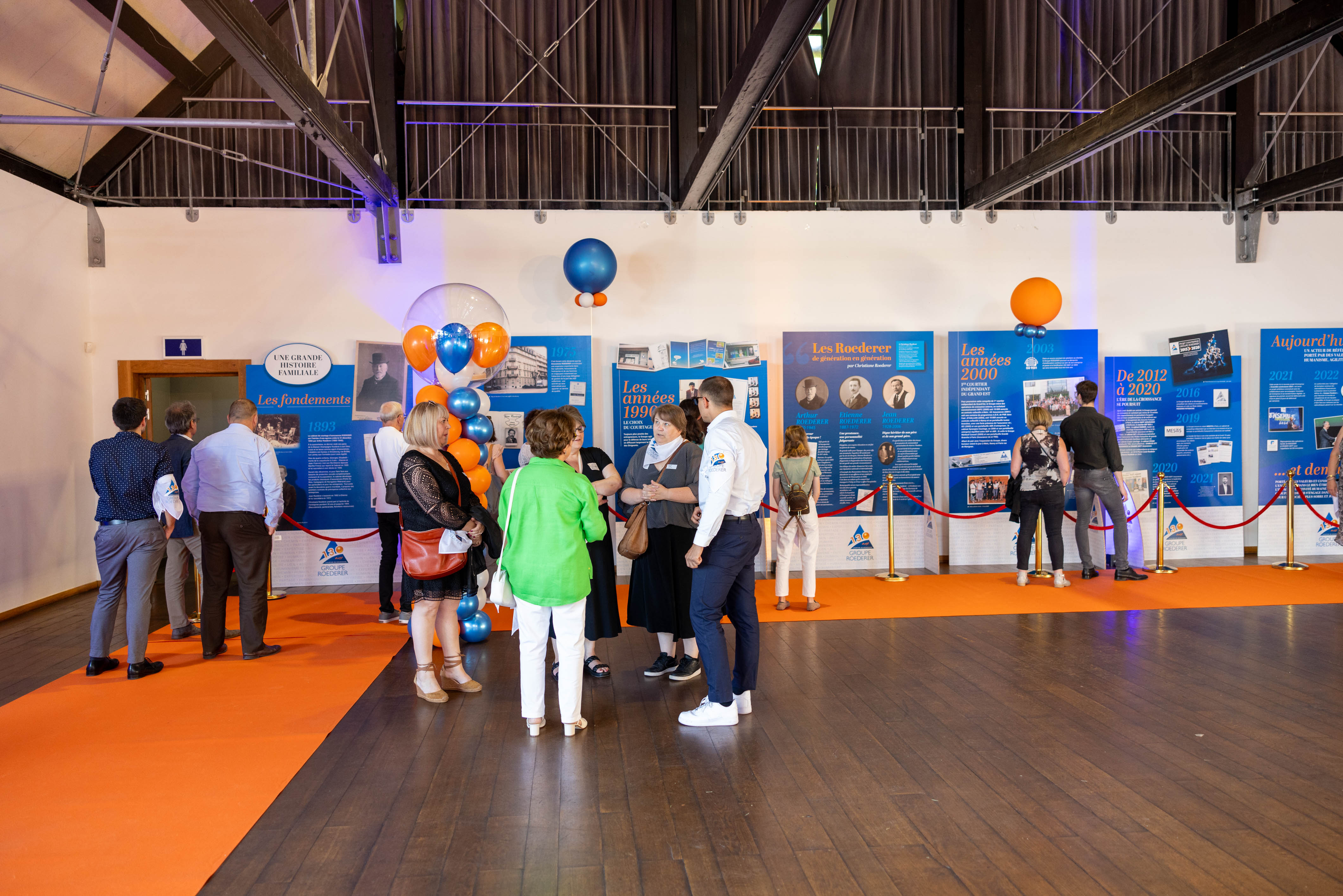
Operational focus: reception throughput, wayfinding, meeting room scheduling, confidentiality zones.
Option: Industrial site or plant
Best for: credibility, quality standards, capability proof for key accounts.
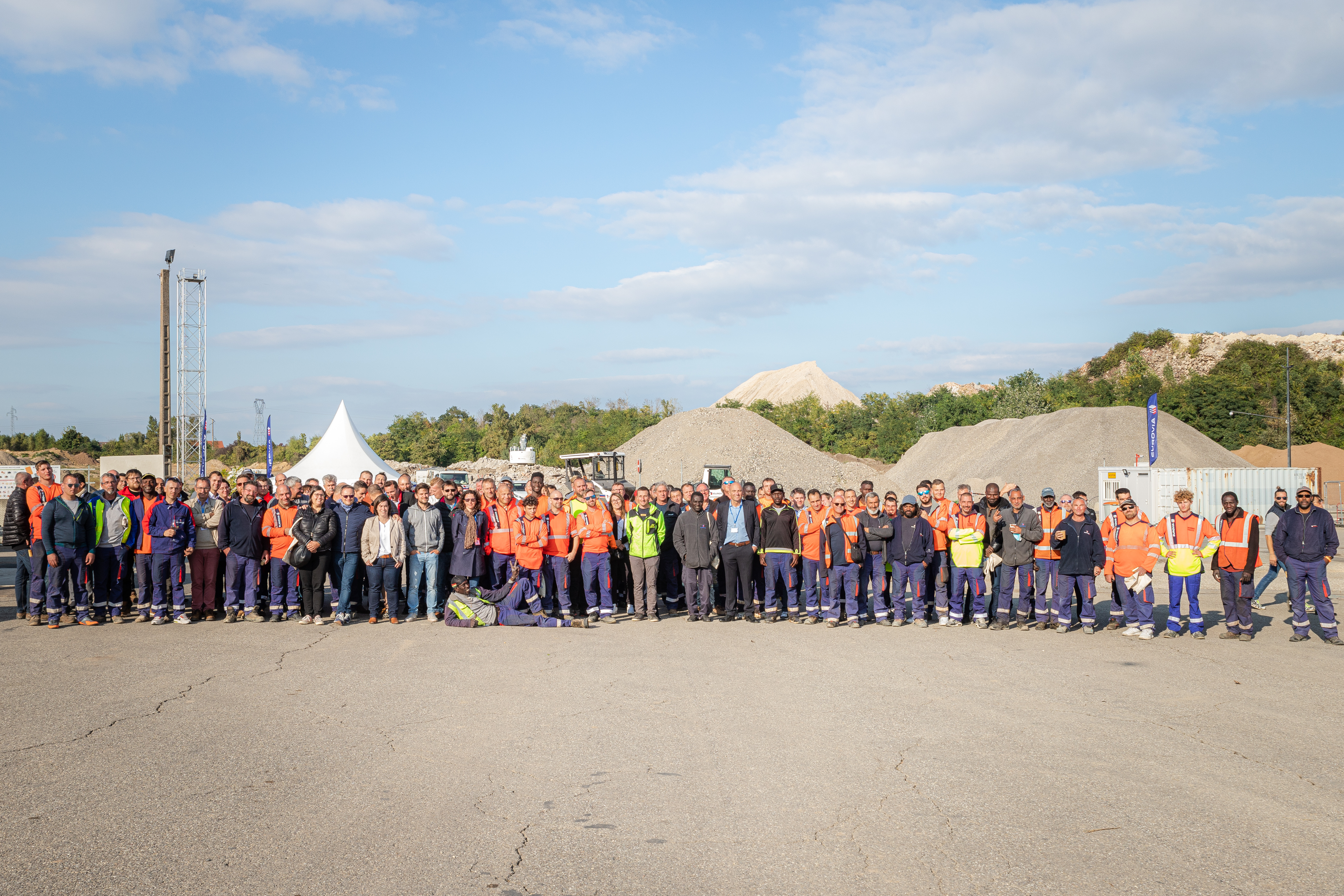
Operational focus: PPE, tour capacity, restricted zones, HSE approvals, noise management, emergency plans.
Option: Warehouse or logistics hub
Best for: demonstrating speed, organisation, scale, and service levels.
Operational focus: vehicle separation, safe walkways, timing around peak dispatch windows.
Option: External venue near your site
Best for: confidentiality-sensitive sectors, high VIP presence, or limited on-site capacity.
Operational focus: scenography to make content tangible, secure transport, precise scheduling to avoid idle time.
Option: Multi-site open house day
Best for: groups, mergers, or organisations with several Belgian locations.
Operational focus: standardised messaging, consistent visitor experience, central registration and reporting.
We advise on the venue decision early, because it drives the entire delivery model: staffing, security, catering, insurance, technical requirements, and the level of production needed to make your message clear.
Open house budget: what drives the cost in Belgium?
Pricing for a open house depends less on “event style” and more on operational complexity: number of visitors, site constraints, safety requirements, and how much content you need to explain. We build budgets that are defendable internally, with clear line items and options.
As a practical indication in Belgium, many corporate open houses fall between €10,000 and €80,000+, with larger multi-audience or industrial formats going beyond that when infrastructure, security, and multi-day staffing are required.
Visitor volume and time slots: 100 visitors over 3 hours is a different model than 1,000 visitors in rotating waves across a full day.
On-site constraints: restricted zones, noise, hygiene standards, confidentiality, and the need for physical separation from operations.
Infrastructure: marquees, flooring, heating, generators, additional power distribution, connectivity, and sanitation facilities.
AV and content: microphones for briefings, screens for demos, translation needs, signage systems, and branded wayfinding.
Staffing: host teams, marshals, security, first aid, cleaners, tour guides support, VIP liaison, and an event control point.
Catering: format (coffee only vs full catering), service style, dietary requirements, and timed waves to prevent queueing.
Compliance and risk: insurance requirements, safety equipment, PPE, and any mandatory inspections or permits.
Measurement tools: registration platform, badge printing/scanning, lead capture, and reporting.
We treat budget as an investment decision: what outcomes do you need (qualified leads, applications, stakeholder reassurance), and what is the most efficient production level to achieve them? A good open house organisation plan reduces hidden costs—overtime, operational disruption, reputational risk—and increases post-event conversion through structured follow-up.











What we deliver in real corporate environments
Our open house organisation work spans different realities: headquarters in Brussels with VIP tours and leadership talks; operational sites near Antwerp where safety and production continuity are non-negotiable; employer branding days in Ghent where HR needs structured candidate touchpoints; and stakeholder-focused visits in Liège where clarity and reassurance matter as much as the programme.
Across these contexts, we adapt the delivery model without changing the fundamentals: controlled visitor flow, clear messaging, and tight operations. For example, when a client needs to host both customers and candidates on the same day, we create separate time slots, distinct routes, and different hosting scripts—so neither audience feels like an afterthought. When confidentiality is a concern, we redesign demonstrations around approved proof points (process visuals, non-sensitive prototypes, controlled Q&A) and apply badge-based access zoning.
We also plan for what executives notice: whether the first 10 minutes feel organised, whether teams are briefed and consistent, whether questions are handled confidently, and whether the site looks like it is under control. Those details decide whether the corporate open house event strengthens trust—or creates doubt.
Common open house mistakes we actively prevent
One agenda for everyone: mixing VIPs, candidates, neighbours and clients without separate journeys leads to frustration and diluted messaging.
Underestimating check-in: slow registration creates queues and immediately damages perceived professionalism.
Tours without capacity planning: groups become too large, people cannot hear, and safety margins disappear.
Weak briefing for guides and hosts: inconsistent answers, off-message comments, and uncomfortable moments with “hard questions”.
No clear zoning: visitors drift into sensitive areas, creating security and confidentiality risks.
Catering that blocks circulation: poorly placed buffets create bottlenecks and slow down the programme.
Over-promising in content: flashy claims that do not match what visitors see undermine trust instead of building it.
No post-event follow-up plan: leads and goodwill decay quickly if there is no structured next step within 48–72 hours.
Your teams have enough operational pressure already. Our role as an event agency is to remove predictable risks through preparation, control, and calm on-site execution—so your leadership can focus on relationships and outcomes.
Why clients keep INNOV'events as their long-term partner
Open houses often repeat: a yearly stakeholder day, a recruitment cycle, a product or facility milestone. Clients stay with us because we document what works, improve it each year, and keep delivery consistent even when internal teams change.
Structured debriefs after each event: what happened, why it happened, and what we change next time—shared in a concise executive-friendly format.
Reusable assets: signage logic, tour scripts, staffing templates, and risk controls that reduce prep time and internal workload for the next edition.
Operational continuity: one project lead, clear back-up, and supplier consistency so quality does not depend on luck.

Loyalty is earned through predictable delivery. When a client returns for another open house, it is usually because the event ran on time, stakeholders felt respected, and internal teams did not pay for it with burnout.
Our open house organisation process
👉 Step 1: Discovery and constraints mapping
We run a working session with communications, HR, operations and (when relevant) HSE. We clarify audiences, objectives, sensitive zones, operational “no-go” times, and what success looks like. Output: a scoped event brief, initial risk register, and a realistic timeline.
👉 Step 2: Visitor journey and programme design
We design routes, tour capacity, time slots, content stops, and hosting roles. We define messaging per audience and create a draft run-of-show. Output: journey maps, tour scripts framework, staffing plan, and a first technical outline (AV, signage, catering zones).
👉 Step 3: Budget, suppliers and production planning
We present a transparent budget with options (nice-to-have vs required). We source suppliers, confirm lead times, and build a production schedule. Output: detailed budget, supplier shortlist, floorplans, technical specs, and brand-consistent signage approach.
👉 Step 4: Safety, access control and compliance
We coordinate with your internal safety team to validate routes, PPE, emergency procedures, first aid, security posts, and restricted zones. Output: safety plan integration, access zoning, briefing materials, and on-site control procedures.
👉 Step 5: Registration, invitations and communications alignment
We set up registration (segmentation, consent, confirmation emails), propose invitation waves, and align on tone of voice and practical info. Output: registration page, visitor comms pack, data capture plan, and on-site check-in workflow.
👉 Step 6: Rehearsal, delivery and event control
Before the event, we run key walkthroughs and final briefings. On the day, we operate an event control point, manage suppliers, keep timing on track, and handle incidents discreetly. Output: calm delivery, clear escalation, and leadership freed up to host.
👉 Step 7: Reporting and follow-up support
Within days, we share attendance, segmentation insights, operational learnings, and recommendations for follow-up actions (sales meetings, HR next steps, stakeholder comms). Output: actionable report and an improvement plan for the next edition.
FAQ sur l'organisation open house
How long does it take to organise an open house?
Plan for 6–10 weeks for a standard office or showroom open house (100–400 visitors). For industrial sites, multi-audience days, or events requiring structures and permits, allow 10–16 weeks. Shorter timelines are possible, but they increase risk and cost (supplier availability, overtime, limited rehearsal time).
What is a realistic budget for a corporate open house?
In Belgium, many formats sit between €10,000 and €80,000+. A small hosted reception with light AV and catering can be at the lower end; a high-volume, safety-heavy site visit with structures, security, and staffing moves upward. We provide a line-item budget with options so you can scale responsibly.
How do you manage visitor flow and avoid queues?
We use time-slot registration, capacity per tour, buffered arrivals, fast check-in (digital lists or badge printing), clear signage, and staff positioned at decision points. Practically, we design for peak loads (e.g., first 30 minutes) and add overflow holding areas so flow remains controlled even when arrivals cluster.
Can we run an open house on a sensitive site?
Yes, if we implement zoning and a validated route. We separate authorised and restricted areas, use badge-based access, brief guides on confidentiality, and coordinate with your HSE/security teams. Where needed, we replace sensitive demonstrations with approved proof points (visuals, samples, controlled Q&A) to keep the event credible without exposing IP or risk.
What should we measure after an open house event?
At minimum: attendance vs registrations, audience segmentation (clients, candidates, partners), tour completion, engagement at key demo points, and follow-up actions created (meetings booked, applications started). We recommend agreeing 3–5 KPIs upfront so reporting is useful for executives and actionable for sales/HR within 48–72 hours.
Request your free quote for open house organisation
If you are planning an upcoming open house in Brussels, Antwerp, Ghent, Liège or anywhere in Belgium, we can help you turn it into a controlled, measurable corporate moment—without disrupting operations.
Share your date window, estimated visitor volume, site constraints, and target audiences. We will come back with a practical proposal: delivery approach, timeline, and a transparent budget. Request your free quote and let’s secure the right plan early, while supplier availability and internal calendars are still flexible.