Event booth entertainment that turns stand traffic into real leads
INNOV'events is a Brussels-based event agency supporting exhibitors across Belgium, typically from 50 to 5,000+ visitors per day depending on the show. We design, staff and run Event booth entertainment organisation that attracts, qualifies and converts—without disrupting sales conversations.
From concept to on-stand delivery, we handle creative direction, staffing, technical set-up, compliance with venue rules, and day-of operations.
Sommaire
At a trade show, your stand is a live sales channel: you have seconds to stop the right people, minutes to qualify them, and one day to protect the brand image your teams build all year.
Organisations expect more than “fun”: they need a measurable uplift in qualified conversations, a smooth flow that doesn’t block the stand, and an activation that fits their sector’s compliance and tone.
We bring field-tested formats for Brussels, Antwerp, Ghent and Liège venues, with the operational discipline of an event management company: risk checks, rehearsals, cue sheets, and tight vendor coordination.
Quick facts executives care about before approving a stand activation
Brussels delivery base with operational coverage across Belgium (Antwerp, Ghent, Liège and beyond).
Access to a vetted Belgian network of booth animator event profiles: multilingual hosts, product demonstrators, magicians, MCs, live artists and technical operators.
On-site production approach: call time planning, run-of-show, queue management, and a clear escalation path—built for trade show realities (noise, rush hours, limited storage, strict venue slots).
Compliance-aware: we integrate venue regulations (rigging, sound limits, power distribution), brand/legal constraints, and safe public interaction.
How to organize a professional event ?
- Define the objective (cohesion, announcement, fidelity, performance).
- Set date, format and size (20–1 000 people).
- Secure the venue and accommodation according to seasonality.
- Lock down technical, suppliers and logistics.
- Drive the day J (timing, scene, entrance, flow).
We send you a first proposal within 24h.
Why invest in event booth entertainment instead of “just a nice stand”?
A stand design draws attention; event booth entertainment creates a reason to approach, stay, and talk. For executives, the strategic question is not whether it looks good, but whether it reliably increases the number and quality of sales and employer-brand conversations—while keeping operational risk low.
Increase qualified footfall, not random traffic: the right format attracts your ICP (decision-makers, buyers, candidates) by matching their interests—product value, sector challenges, or skills themes.
Shorten the “first contact” barrier: a structured activity gives your team a natural opener, reducing awkward cold approaches and improving conversation rate during peak hours.
Protect your sales team’s focus: we separate attraction from qualification with clear roles (animator/host vs sales) so sellers spend time on the right people, not crowd control.
Make your messaging consistent across staff: scripted prompts, demo steps and key proof points reduce “every person says something different” risk—especially when multiple business units share one stand.
Capture better data: a well-designed interaction can feed your CRM with consent-based lead details and interest tags (use case, timeline, budget range) rather than a pile of unqualified badge scans.
Stand out in high-noise halls: instead of competing on volume, we build stand animation that is visually clear and operationally controlled—important in venues with strict sound constraints.
Belgian business culture is pragmatic: if it does not contribute to pipeline, employer brand, or partner relationships, it will not be renewed. We design activations that respect that reality and can be defended in a management meeting.
Which corporate booth animation formats work best in Belgium?
The most effective corporate booth animation is the one that supports your commercial conversation. Below are formats we deploy regularly in Brussels, Antwerp, Ghent and Liège, selected for practicality: fast set-up, high engagement, and controlled brand impact.
Interactive animations
Guided micro-demos (3–5 minutes): a host runs a repeated demo loop with a clear “next step” handover to sales. Ideal for SaaS, telecoms, mobility and B2B services where the challenge is explaining value fast.
Qualification quiz with instant routing: visitors answer 4–6 questions on a tablet; the result routes them to the right expert (HR, product, partnership). Works well when multiple offerings share one stand.
Mini roundtable every 30 minutes: short “ask us anything” sessions for technical audiences. We provide the moderator, timing, and crowd handling to keep it sharp and non-disruptive.
Interactive leaderboard challenge: a skill-based game tied to your message (speed, accuracy, sustainability choices). The key is to keep it meaningful: score categories map to your value proposition and create natural talking points.
Art animations
Close-up magic with a product hook: used carefully, it is a high-performing icebreaker. We integrate branded objects, key claims you can prove, and a handover line that invites a product conversation without feeling forced.
Live illustration (visual note-taking): an artist captures visitor insights, product benefits or employer brand pillars in real time. It attracts attention while reinforcing credibility—popular for innovation and sustainability themes.
MC-led moments at fixed times: short, scheduled highlights (2–4 minutes) create predictable surges without constant noise. Useful when venue rules limit sound levels.
Innovative animations
Barista corner with lead qualification: coffee draws traffic, but we design it as a funnel: ordering prompt, quick question, then routing to the right person. We also plan the footprint so the queue does not block your stand.
Belgian-inspired tasting with moderation: small portions, controlled serving times, and clear hygiene processes. Good for partner networking, less suited if you need rapid throughput all day.
Water and wellness station: surprisingly effective at large fairs where visitors walk for hours. It positions your brand as helpful, and creates a natural pause for conversation.
Gourmand animations
AR product overlay: visitors point a tablet at a physical object and see layers of information. We use this when physical products are too large to bring, or when you need to show “inside” benefits (efficiency, safety, performance).
AI-assisted photo or video booth with brand controls: strong draw, but we implement strict brand templates, on-screen approvals, and data/consent wording so it stays corporate and compliant.
Live data wall: a visual display showing real-time insights from the stand (top challenges selected by visitors, most requested features). It supports thought leadership and gives your team conversation starters.
Whatever format you choose, the non-negotiable is consistency: tone of voice, visual design, and staff behaviour must match your company’s brand image. We actively avoid activations that look like a consumer fair if your audience expects executive-level credibility.
Where to deploy booth entertainment in Brussels, Antwerp, Ghent and Liège
Venue constraints change the success of a stand activation. Ceiling height, sound rules, loading schedules, and crowd density determine what is realistic. We adapt event booth entertainment to each site’s operational reality and to the show organiser’s regulations.
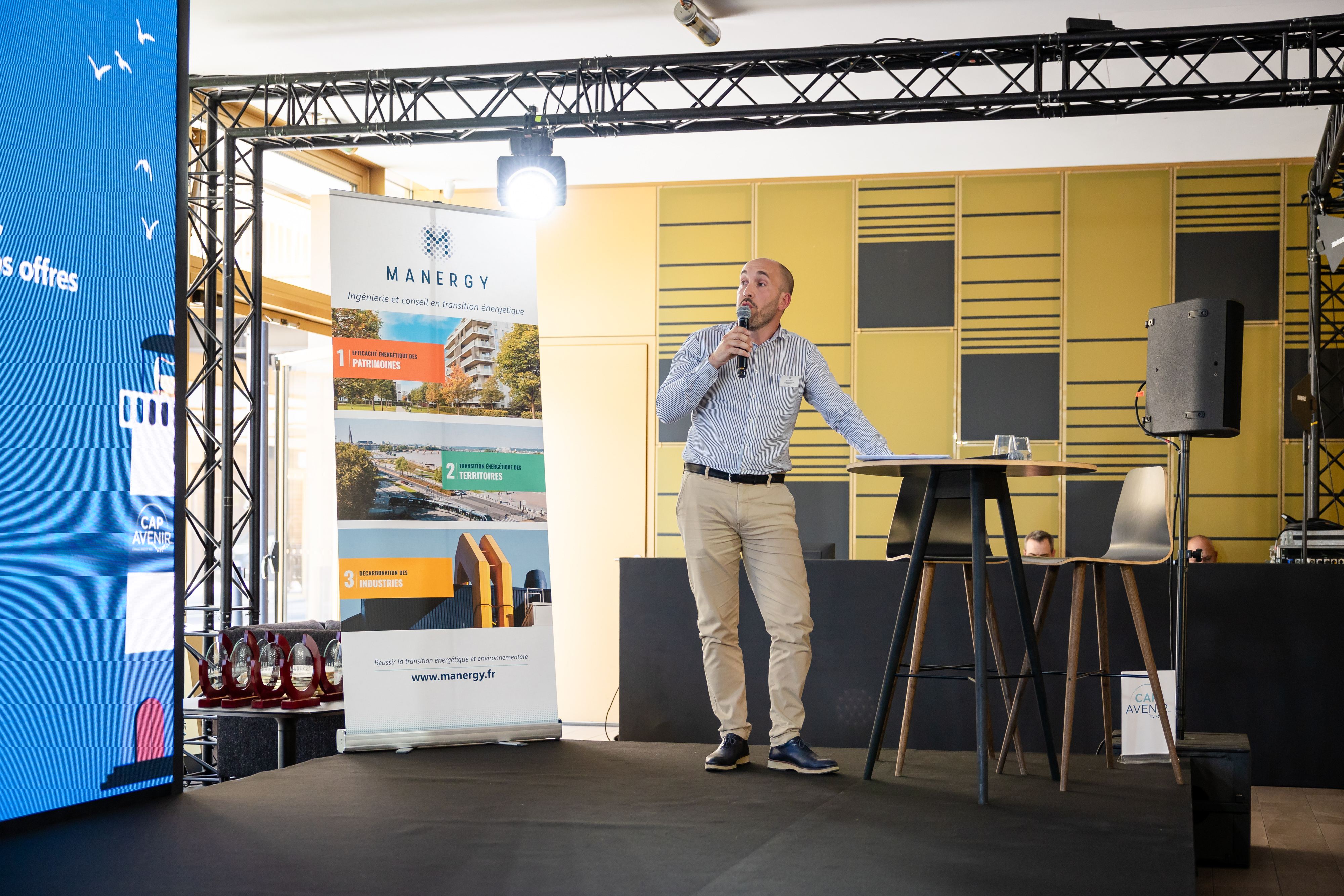
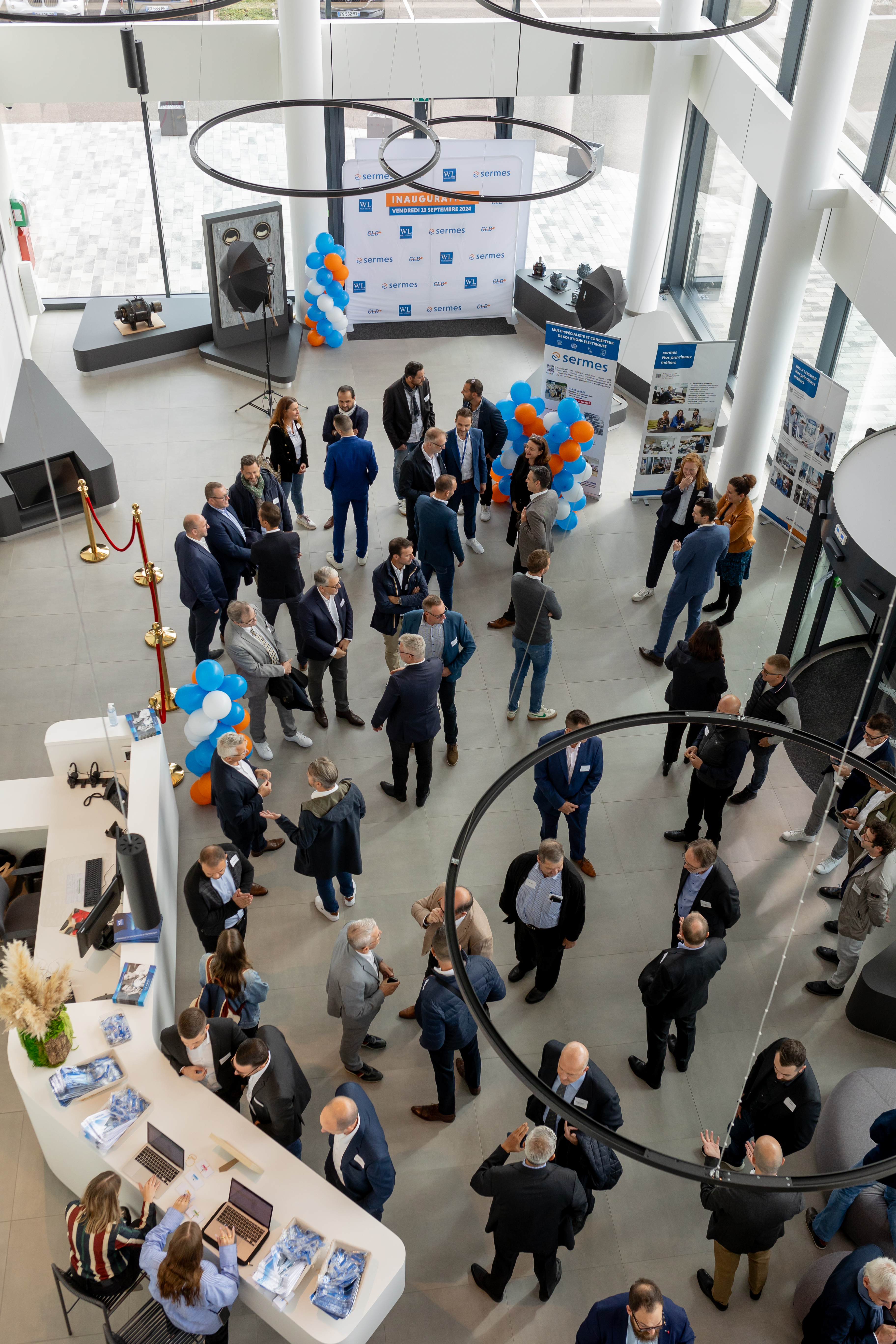
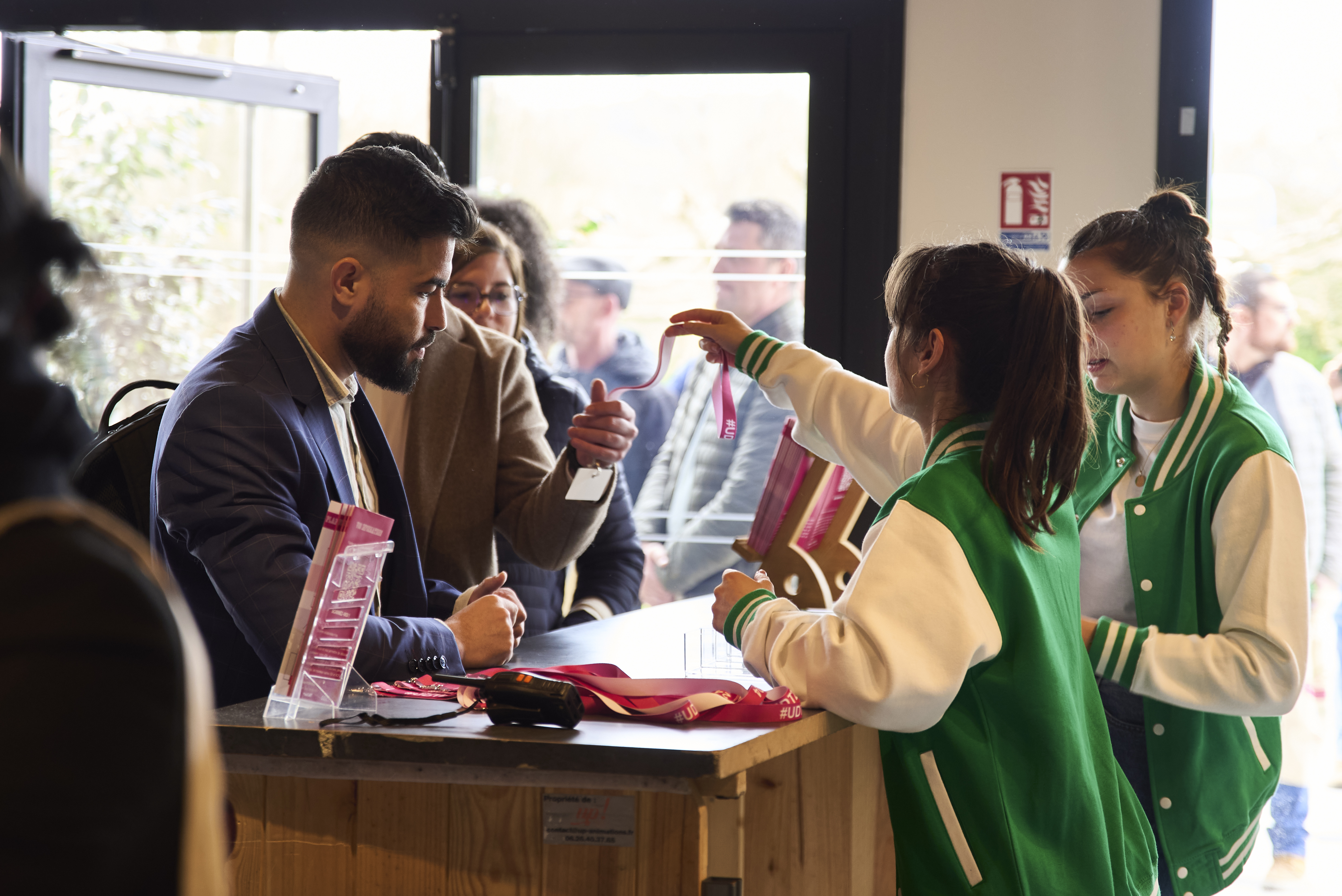
Brussels (Expo / city venues): high visitor density and tight time slots. Best with scheduled highlights, clear queue management, and formats that remain professional under heavy footfall.
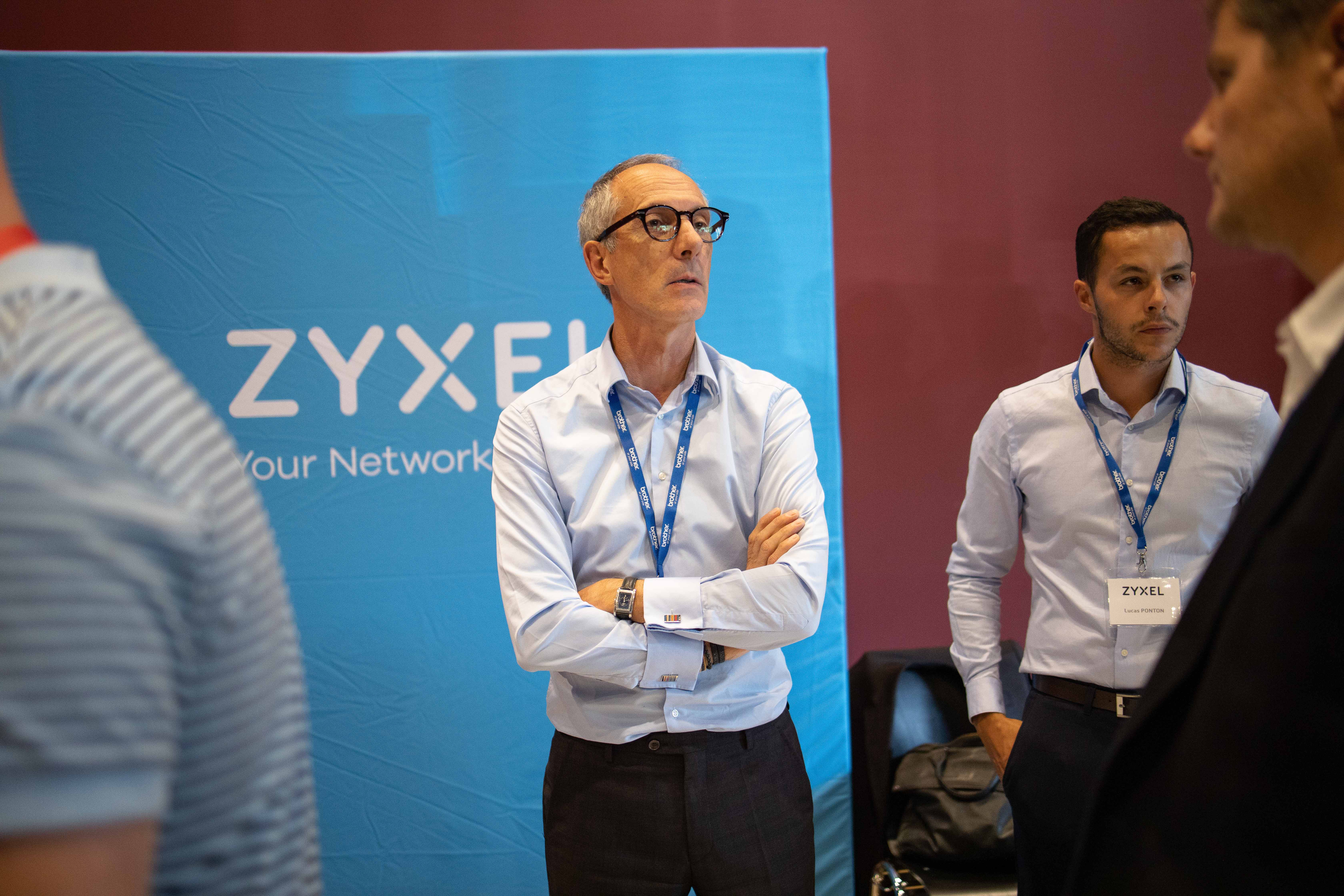
Antwerp (trade and industry audiences): strong B2B profile for many shows. Technical demos, guided challenges and credibility-first activations tend to outperform purely spectacle-driven ideas.
Ghent (conference + expo hybrids): good for content-led animations such as micro-talks, expert Q&A and visual note-taking that can be reused post-event.
Liège (regional reach and specialised sectors): audiences often value practical conversations. High-performing formats include hands-on demonstrations and staffed qualification points that respect visitor time.
If you share your show name, stand size and hall position, we will recommend formats that fit the venue rules and the traffic pattern—without surprises on build-up day.
How much does event booth entertainment cost in Belgium?
Pricing depends on complexity, staffing, and technical footprint. A simple host-led interaction costs less than a multi-station digital activation with AV, scenic build, permits and rehearsals. As an event management company, we present budgets transparently so you can defend them internally.
Duration and opening hours: one-day expo vs multi-day show; early access requirements; evening networking add-ons.
Staffing model: number of animators/hosts, languages required, seniority (e.g., MC/moderator), and whether you need a dedicated floor manager.
Technical needs: screens, sound (within venue limits), lighting, tablets, connectivity, power distribution, and backup equipment.
Scenic integration: whether the activation is stand-alone or needs custom counter builds, branded backdrops, storage, or rigging coordination.
Compliance and approvals: consent messaging, competition mechanics, age restrictions for tastings, and organiser rules.
Logistics: delivery slots, parking constraints, crew badges, and on-site storage limitations that may require more frequent restocking.
We recommend setting success metrics before signing off: target number of qualified leads per day, expected conversion rate to meetings, and the value of one converted opportunity. When those figures are clear, ROI discussions become grounded and decisions are easier.




Proof of experience: different sectors, different stand realities
Our projects cover a wide range of stand contexts: compact 12–24 m² pods where every square metre matters, shared stands between business units with competing messages, and large flagship builds where crowd movement must be controlled. We adapt trade show booth animation to the sector and the audience maturity.
For example, in technology and telecoms environments, we often deploy short guided demos with a scripted handover to account teams, supported by a host who manages the flow and protects senior sales time. In employer branding contexts, we focus on structured conversations: a light attraction mechanic paired with a clear qualification step so recruiters do not spend the whole day talking to mismatched profiles. For industrial and engineering audiences, we prioritise credibility: hands-on demonstrations, expert-led micro sessions and formats that respect technical questions without oversimplifying.
Across all of these, our constant is discipline: a clear objective, a format that fits throughput, and day-of execution that feels calm—because it has been planned.
Common mistakes that damage results at a trade show stand
Choosing entertainment that blocks the stand: queues in the aisle, crowd clustering at the entrance, and staff unable to reach prospects.
No defined handover: visitors enjoy the activity, then leave because nobody guides them to the right expert or next step.
Overly loud or overly playful formats: they can clash with a premium or B2B brand image, and may violate venue sound rules.
Understaffing at peak times: one animator cannot handle attraction, crowd management, and brand messaging simultaneously.
Unclear data capture and consent: leads are collected inconsistently, or the team is unsure what can be stored and followed up.
Ignoring logistics: no storage plan, missing power distribution, late deliveries, or no backup for critical equipment.
Our role is to remove these risks before you arrive on site. We plan the flow, test the technical set-up, brief the staff, and manage the day so your team can focus on stakeholders and results.
Why clients stay with INNOV'events for multiple show editions
Repeat collaboration is rarely about creativity alone. It is about reliability: showing up prepared, protecting the brand, and making the internal team’s life easier across successive editions of the same trade show in Brussels, Antwerp, Ghent or Liège.
Operational continuity: we keep your activation documentation (scripts, technical specs, staffing profiles) so the next edition is faster to launch.
Consistent brand delivery: the same tone, the same quality of staff, and the same attention to corporate boundaries even under show pressure.
Continuous improvement: we review what happened (peak times, conversion points, friction) and adjust the format rather than repeating the same set-up blindly.

Loyalty is the clearest proof: if an activation helps teams hit their targets and reduces day-of stress, it gets renewed. That is what we aim for.
Our process for event booth entertainment organisation
👉 Step 1: Define objectives, audience and success metrics
We start with a short working session with your sales/HR/communications stakeholders. We confirm your priority (leads, meetings, employer brand, product education), define the target audience, and agree measurable outputs: qualified leads per day, demo completions, booked follow-up meetings, or engagement rates.
👉 Step 2: Stand flow audit and feasibility check
We review your stand layout, hall position and organiser constraints. We map entry/exit points, storage, meeting zones, and where queues could form. This is where we prevent the classic issue: an activation that looks great on paper but is physically impossible on site.
👉 Step 3: Concept selection and scriptwriting
We propose 2–3 formats with clear pros/cons: engagement level, throughput, staffing needs, and brand fit. We then write the operational script: how the animator invites, what they say, how they qualify, and how they hand over to your internal team.
👉 Step 4: Staffing, rehearsals and production planning
We select the right profiles (hosts, MCs, artists, technicians) and brief them with your brand do’s/don’ts. We produce a run-of-show, cue sheets, and a practical day plan: call times, breaks, replenishment, and escalation contacts.
👉 Step 5: On-site delivery and active supervision
Our team manages set-up, sound checks (if relevant), and final positioning so the activation does not interfere with your meetings and demos. During the show, we supervise flow, adjust timing to footfall, and keep the stand team aligned to the agreed objectives.
👉 Step 6: Debrief and improvements for the next edition
After the event, we debrief with your team: what attracted the right audience, where conversations stalled, and what to adjust. For repeat exhibitors, we update the playbook so your next show in Brussels, Antwerp, Ghent or Liège starts with a proven baseline.
FAQ sur l'organisation Event booth entertainment
What booth entertainment generates the most qualified leads?
Formats that include a built-in qualification step perform best: guided micro-demos with a host, a short quiz that routes visitors to the right expert, or scheduled expert mini-sessions. In practice, the key driver is not the “wow” factor but the handover design: who speaks next, what is captured, and how quickly a sales conversation starts.
How far in advance should we book booth entertainment?
Plan 4 to 8 weeks ahead for standard activations (hosts, close-up magic, barista corners). For technical builds (AR, video, custom scenic), allow 8 to 12 weeks to secure suppliers, approvals and rehearsal time—especially for busy periods in Brussels and Antwerp.
Can entertainment work on a small 12 to 24 m² stand?
Yes, if it is designed for footprint and throughput. We use compact formats such as close-up interactions, tablet-based qualification, or short scheduled moments. The rule is simple: no activity should block the entrance or create an unmanaged queue. We can also deploy a roaming animator who attracts and guides visitors to your stand without crowding it.
How do you keep entertainment aligned with our brand image?
We align on tone, audience expectations and non-negotiables (claims, visuals, language, behaviour). We then script the interaction, select the right profiles, and enforce brand controls on any content output (photo/video templates, approval screens). For regulated sectors, we also define what cannot be said or implied on the stand.
What budget range should we expect for a trade show activation?
As a working range in Belgium: simple staffed engagement formats often start around €1,500 to €4,000 for a day, depending on staffing and duration. Multi-day shows, premium talent, barista/tasting setups, or digital/AV-heavy concepts can move into €5,000 to €25,000+. We scope it to your stand size, objectives and show constraints so you pay for impact, not complexity.
Request a free quote for event booth entertainment in Belgium
If you share your trade show name, stand size, city (Brussels, Antwerp, Ghent or Liège), and your objective (leads, recruitment, product education, partner visibility), we will come back with practical activation options and a clear budget range.
Contact INNOV'events to request a free quote. The earlier we are involved, the easier it is to secure the right talent, fit the venue rules, and build an activation that your sales and HR teams will genuinely use.