
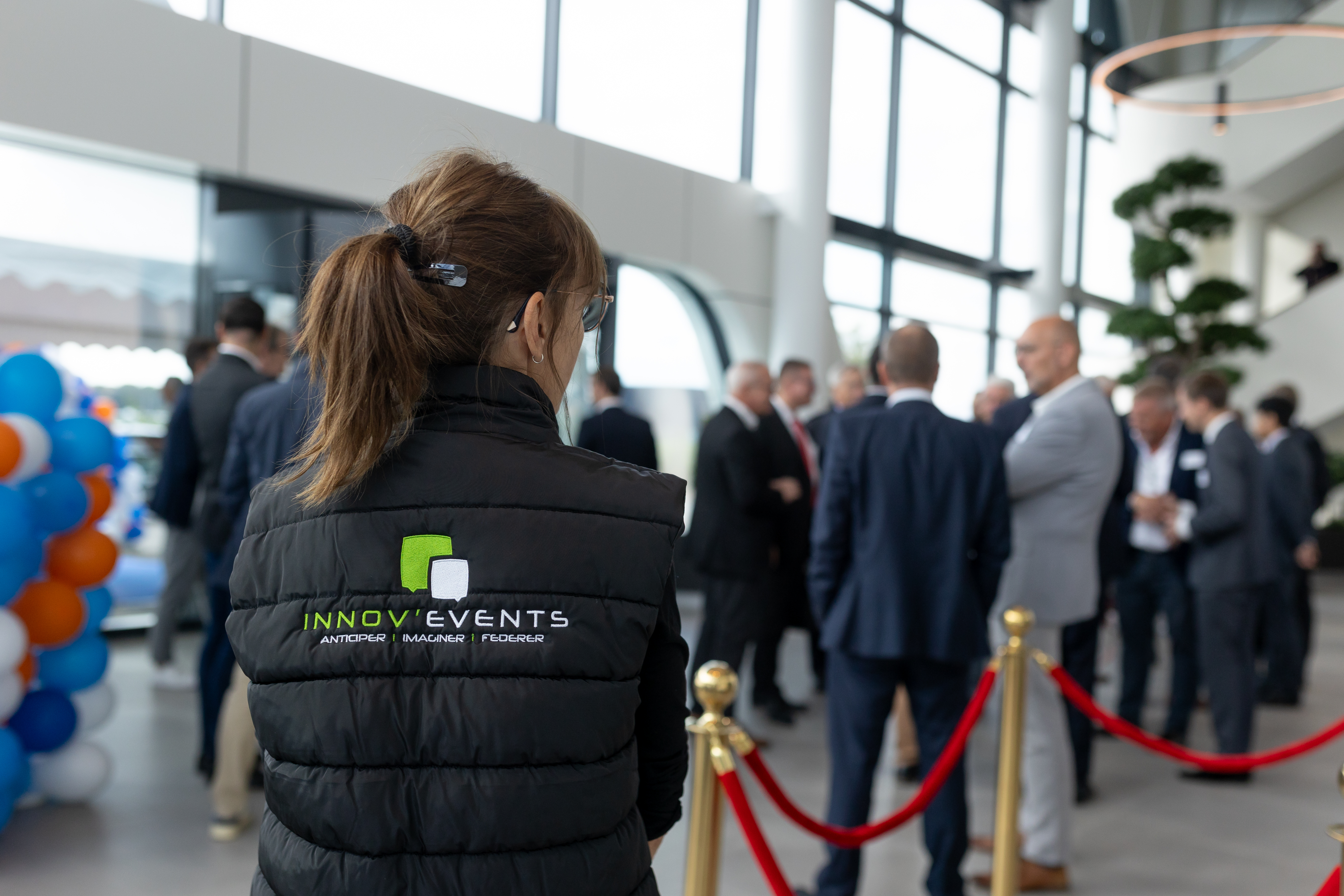
Eventhostess in Brussel to keep your corporate event smooth and on-brand
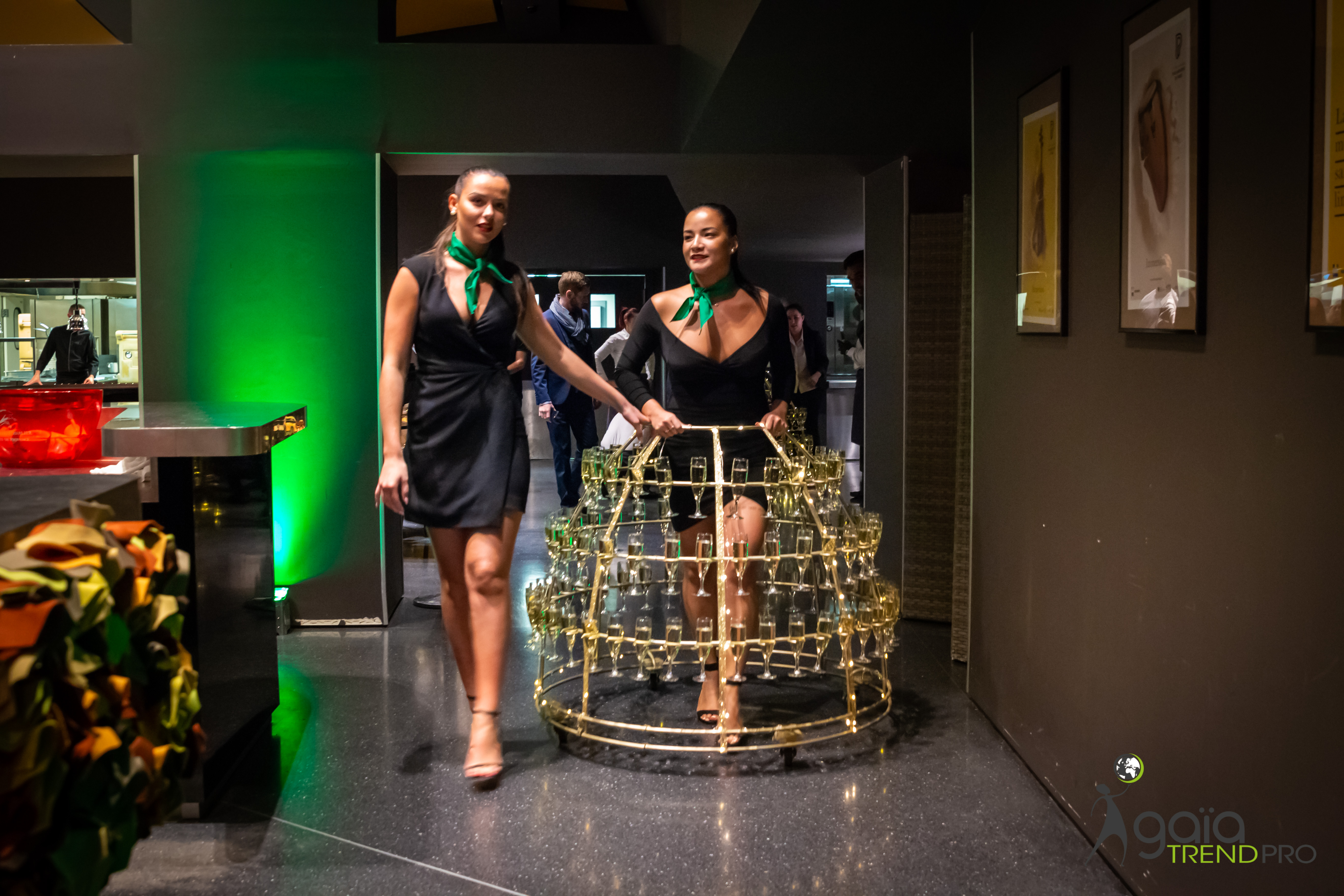
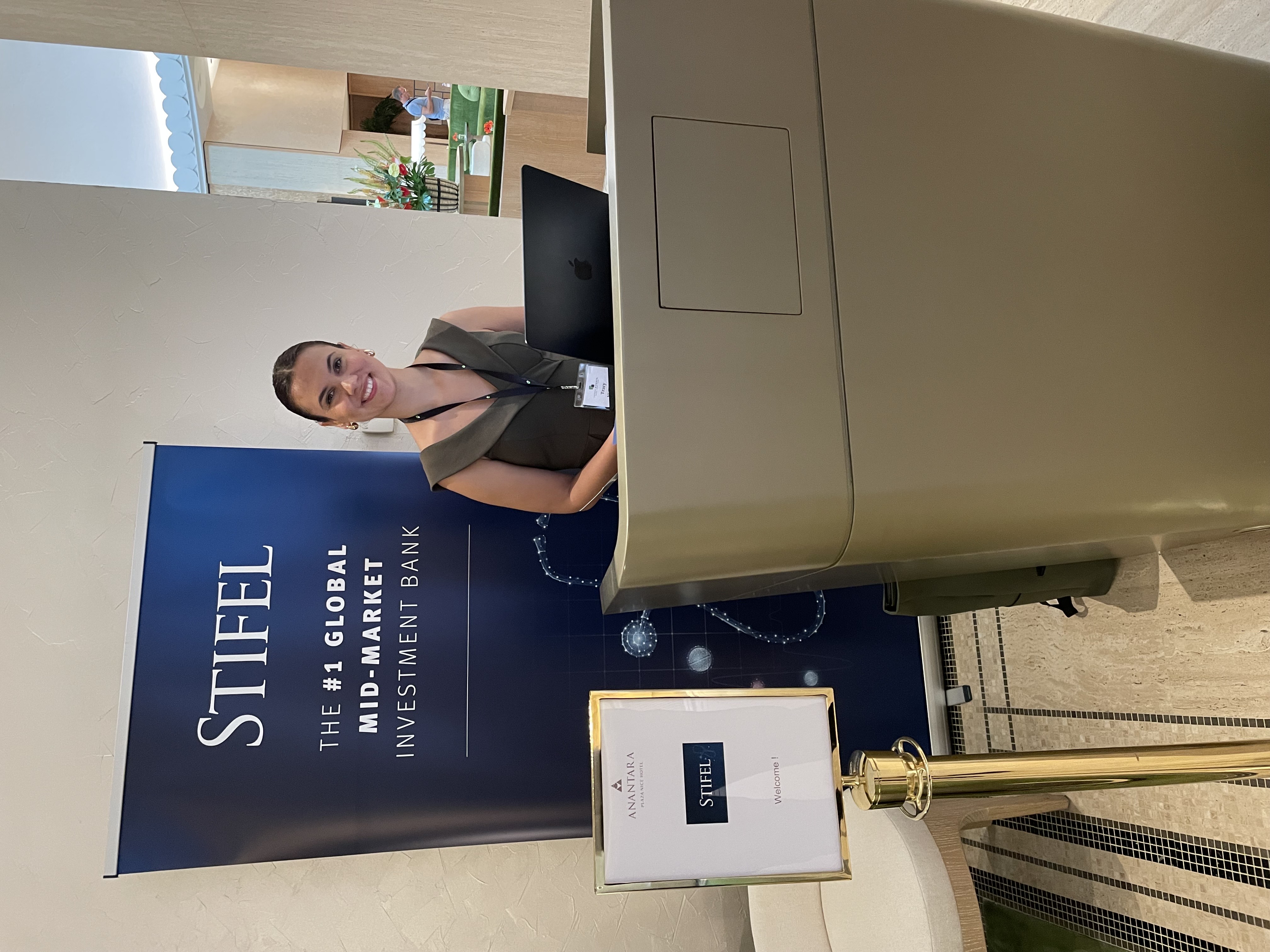
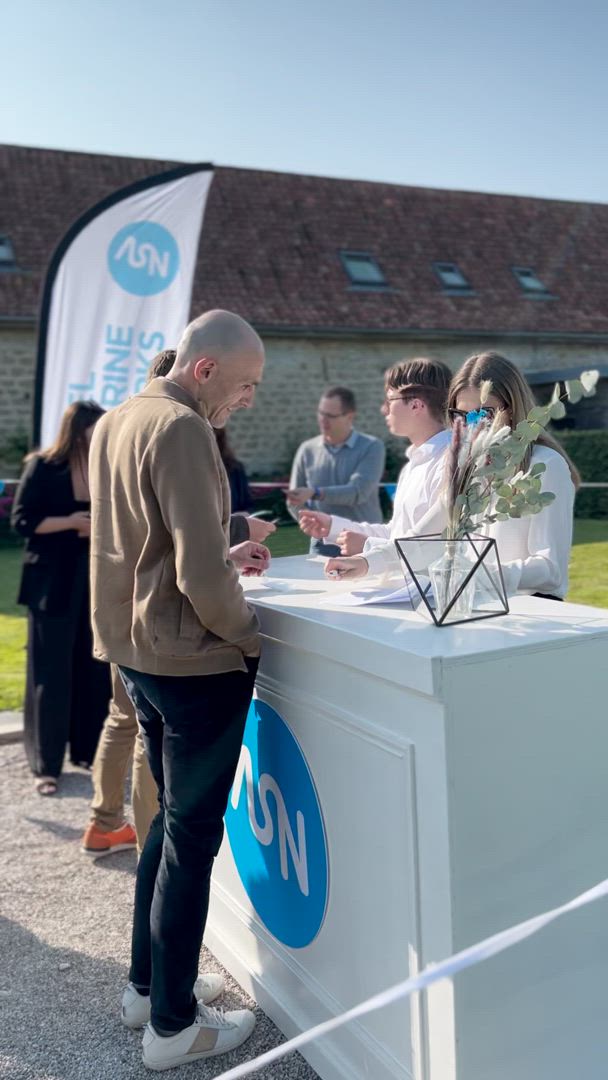
INNOV'events provides Eventhostess teams in Brussel for corporate events from 30 to 3,000+ attendees. We staff and manage reception, registration, VIP routing, stage-side support, and guest flow so your teams can focus on content and stakeholder relationships.
For executives, HR and communication leads, the difference is operational: shorter queues, clear badges, controlled access, and a guest experience aligned with your brand standards—without improvisation on event day.
Sommaire
In a corporate setting, “entertainment” is not a nice-to-have: it is a practical tool to protect the agenda. A strong Eventhostess in Brussel plan reduces friction at the door, secures the first impression, and keeps arrivals, transitions, and VIP moments on time.
Organizations in Brussel expect bilingual service (FR/NL, often EN), strict access control, and the ability to host mixed audiences: internal teams, partners, institutions, and international guests. They also expect discretion—especially for leadership presence, investor sessions, or press.
We operate locally with Brussels-based coordination and a vetted pool of hostesses and hosts used to corporate environments: conferences, product launches, employer branding events, EU-facing receptions, and multi-site roadshows.
What you can verify quickly in Brussel
10+ years of corporate event operations with structured staffing and on-site management.
Typical delivery in Brussel: from 2 to 40+ hostesses/hosts, depending on entry points, guest segmentation and program density.
72-hour contingency capacity for replacements (illness/no-show) via our local roster and standby coordination.
Experience with FR/NL/EN front-of-house teams and briefing packs aligned with corporate compliance (access lists, NDA, photo policy, ESG requirements).
Brussel delivery with recurring corporate clients
INNOV'events supports corporate and institutional event teams across Brussel, often on a recurring basis because reliability matters more than “big ideas” when the CEO is on site and the doors open at 18:00.
We typically collaborate year after year with communication and HR departments that need predictable execution: consistent grooming standards, bilingual guest handling, and a calm on-site chain of command. Many clients return because our staffing is documented (call times, role sheets, access rules) and because we debrief with facts: queue timings, peak loads, badge exceptions, VIP arrival patterns, and improvements for the next edition.
If you share your usual venue(s) and guest profile, we can benchmark the staffing plan against what we see in Brussels formats: evening receptions in the EU quarter, town-hall style internal events near the North district, and partner gatherings around Avenue Louise and the city center.
 Besoin d’un devis rapide ?
Nous vous envoyons une première proposition sous 24h.
Why invest in an Eventhostess plan in Brussel?
Most corporate event problems are not caused by the keynote or the catering—they happen at the interface between people and logistics: arrival, registration, seating, wayfinding, VIP routing, and last-minute exceptions. A professional Eventhostess team turns those “weak links” into controlled processes.
Protect leadership time: executives are not pulled into operational questions (“Where do I go?”, “Can we add a guest?”). Hostesses filter requests and route issues to the right owner.
Reduce reputational risk: guest experience starts at the door. In Brussel, where audiences can include institutions, partners and press, a messy check-in becomes a brand story—fast.
Increase attendance quality, not just quantity: with proper welcome and segmentation (VIP, speakers, staff, partners), the right people are in the right spaces at the right time.
Support HR objectives: for recruitment or internal culture events, hostesses keep the environment calm, inclusive and well-signposted—important for neurodiversity, accessibility and first-time visitors.
Keep the agenda realistic: controlled room turns, microphone runs, Q&A line management, and speaker timing support a program that finishes on schedule.
Brussel events often compress a lot into a short timeframe (after-work receptions, multi-stakeholder meetings, international arrivals). A hostess plan is a managerial tool: it stabilizes the day and gives your teams breathing room.
What Brussels guests and venues expect from your Eventhostess team
Brussels is operationally demanding: traffic variability, security protocols in certain districts, and multilingual audiences. The “standard hostess” approach fails when you combine multiple entry points, VIP arrivals, and a venue with strict access rules.
In practice, local expectations include:
- Language coverage: FR/NL is often non-negotiable; EN is frequently required for international guests. We plan language per station (welcome desk, cloakroom, VIP lounge, stage-side) rather than “everyone does everything”.
- Corporate posture: the tone in Brussels business events is controlled and discreet. Guests expect proactive help without over-familiarity, and strict respect of privacy (photo policy, badges, internal titles).
- Security-aware operations: more events require bag checks, access lists, QR code validation, or wristbands. Hostesses need to understand escalation: what they can decide, what needs security, what needs your comms lead.
- Guest flow literacy: Brussels venues vary from historic buildings with narrow corridors to modern congress spaces. Staff must prevent bottlenecks at cloakroom, bar, and room entrances—especially right after a plenary session.
We translate these constraints into a staffing map and a short, practical briefing pack: roles, scripts, routing, escalation contacts, and “what to do when…” scenarios.
What corporate entertainment works in Brussel with a hostess team
Entertainment is effective when it supports your business outcome: networking, employer branding, partner loyalty, product understanding, or internal alignment. In Brussel, formats that combine structure and spontaneity perform best—because guests often have limited time and high expectations.
Animations Interactives à Brussel
Guided networking prompts at check-in: hostesses distribute color-coded badges or subtle stickers linked to themes (innovation, HR, procurement, sustainability). It increases relevant conversations without forcing “icebreakers”.
Live agenda guidance: a hostess at each junction (plenary entrance, demo zone, meeting rooms) gives short, consistent directions and prevents late arrivals that disrupt speakers.
Digital feedback points: QR stations with a hostess encouraging a 20-second pulse survey. Works well for internal town halls and partner events; response rates are typically higher when someone is present to prompt.
Animations Artistiques à Brussel
Discreet roaming performers: suitable for premium receptions where you want atmosphere without noise. The hostess team coordinates timing so performances do not conflict with speeches.
Brand-led scenography moments: small, controlled “photo point” with lighting and a hostess managing flow and consent (important for privacy and corporate policies).
Animations Innovantes à Brussel
Tasting stations with controlled throughput: hostesses manage queueing and explain options (allergens, vegetarian, alcohol-free). This reduces bar pressure and keeps guests moving.
Signature non-alcoholic pairing bar: increasingly requested in Brussels corporate settings. A hostess supports signage and capacity so service remains fast at peak time.
Animations Gourmandes à Brussel
Badge-based personalization: scanning at entry to unlock content (agenda, workshop room, language preference). Hostesses assist guests who are less tech-comfortable and handle exceptions smoothly.
Micro-appointments desk: for partner events, a hostess-managed “meeting concierge” desk helps schedule short 10-minute slots. This is practical networking, not gimmicks.
The point is alignment: entertainment should match your brand posture, compliance level, and audience mix. A trained Eventhostess in Brussel team ensures the experience stays professional—especially when the room is busy and the program is tight.
Which venue types in Brussel fit Eventhostess-heavy formats?
The venue dictates what your hostess team can achieve: number of access points, acoustics, cloakroom capacity, and how easily guests can understand where to go. In Brussels, the same headcount can feel smooth or chaotic depending on corridor width, lift access, and how reception is positioned.
| Venue type | For which objective? | Main strengths | Possible constraints |
|---|---|---|---|
| Conference center / auditorium venue | Plenary sessions, keynotes, hybrid conferences | Clear zoning (plenary, breakout, foyer), built-in AV logistics, professional access control points | Peak arrival congestion if registration desks are under-sized; strict loading and timing rules |
| Hotel event spaces in central Brussel | Partner events, executive dinners, multi-room workshops | On-site catering, predictable service standards, good accessibility for international guests | Shared public areas require stronger signage and hostess guidance; limited branding in some spaces |
| Industrial / creative venues (converted spaces) | Product launches, employer branding, cocktail receptions | Strong atmosphere, flexible layouts, good for brand storytelling and demo zones | More effort needed for wayfinding, cloakroom, acoustics, and sometimes heating/cooling management |
We strongly recommend a site visit (or at minimum a technical walkthrough) before finalizing staffing. In Brussel, small layout details—one stairwell, one lift, one narrow entrance—can change the number of hostesses needed and the guest experience outcome.
How Eventhostess pricing is built in Brussel
Budgeting a Eventhostess in Brussel team is straightforward once you define the operational reality: entry points, peak load, language requirements, dress code, and the level of on-site supervision. A “per hostess” price only makes sense when the scope is clear.
Duration and call times: a 4-hour reception is not the same as a 10-hour conference day with early setup, rehearsals, and late breakdown.
Number of stations: registration desks, cloakroom, VIP lounge, stage-side, workshop corridors, demo zones. Each station needs continuity and breaks—this affects staffing.
Language and profile level: bilingual FR/NL is common; trilingual FR/NL/EN may be required for EU-facing audiences. Some formats require senior profiles used to C-level hosting.
Uniform and grooming standards: black suit, brand dress, safety shoes for build days, or specific corporate attire. Preparation time and sourcing may apply.
Tools and responsibility scope: badge printing, QR scanning devices, wristband management, handling cashless systems, or managing a meeting desk increases responsibility and briefing needs.
On-site management: adding a captain/supervisor reduces your internal load and decreases operational risk, especially in multi-zone venues.
From an ROI perspective, the cost is justified when it prevents visible failure points: a 20-minute queue at 18:30, VIPs waiting unattended, or a speaker delayed because the room turn is unmanaged. In Brussels corporate events, those issues quickly outweigh the staffing line on the budget.
Why choose a Brussel-based team for Eventhostess staffing
When you compare agencies, local presence is not a slogan—it affects your risk level. A Brussels-established partner can recruit and brief faster, replace staff more reliably, and coordinate with venues and suppliers without time loss.
INNOV'events operates as an event agency in Brussel with on-the-ground coordination. This matters when your guest list changes the day before, when security adds a checkpoint, or when a venue imposes a last-minute access route due to another event.
- Faster adaptation to Brussels realities: traffic, public transport disruptions, and venue-specific loading constraints are planned, not discovered.
- Stronger standby capacity: last-minute replacements are more realistic with a local roster and nearby supervisors.
- Venue and supplier alignment: coordination with catering, security, AV, and facility management reduces friction at the interfaces.
- Consistent bilingual delivery: local recruitment improves FR/NL coverage and cultural fit for Brussels corporate audiences.
From an ROI perspective, the cost is justified when it prevents visible failure points: a 20-minute queue at 18:30, VIPs waiting unattended, or a speaker delayed because the room turn is unmanaged. In Brussels corporate events, those issues quickly outweigh the staffing line on the budget.





Examples of Eventhostess use cases delivered in Brussel
Our Brussels assignments typically fall into recurring corporate patterns where details decide the outcome:
- Executive receptions with VIP routing: separate arrival flows (VIP, general guests, speakers), discreet escort to holding areas, and tight coordination with security and comms to manage photo moments and press inquiries.
- Internal town halls: high-volume arrival in a short window, badge distribution, seating guidance, microphone runners, and controlled Q&A line management to maintain a respectful, efficient format.
- Partner conferences and workshops: multi-room wayfinding, workshop capacity control, latecomer management without disrupting sessions, and a staffed information point for agenda changes.
- Product launches with demo zones: timed access to demos, queue management, and staff coordination so sales teams are not pulled away from conversations.
- Multi-day formats: same team continuity for brand consistency, daily briefings, and iterative improvements based on observed peaks and exceptions.
Across these projects, the common thread is operational discipline: role sheets, escalation rules, and calm on-site management so your internal stakeholders do not become the “help desk” during the event.
Common Eventhostess mistakes we prevent in Brussel
Underestimating peak arrival: staffing based on total headcount instead of the 30–45 minute peak window creates queues and frustration immediately.
No segmentation at the door: mixing VIPs, speakers, staff and guests at the same desk increases exceptions and slows everyone down.
Unclear authority: when hostesses do not know what they can decide (and what must be escalated), they either block too much or allow too much.
Missing offline backup: relying only on online check-in tools without printed lists and a reprint process is risky—Wi‑Fi and last-minute list updates happen.
Breaks not planned: a tired front-of-house team makes mistakes. Rotations and relief roles should be designed, not improvised.
Brand inconsistency: different answers to the same question (“Where is the workshop?” “Can I take a photo?”) damages credibility; scripts and briefing prevent this.
Our role is to turn these predictable risks into a controlled plan: staffing maps, scripts, tools, and on-site leadership. That is what makes a Eventhostess in Brussel deployment feel effortless for your guests—and manageable for your teams.
Why Brussels clients rebook our Eventhostess teams
Repeat business in event staffing is earned through consistency: showing up prepared, handling exceptions professionally, and documenting what happened so the next edition improves. Many clients in Brussel prefer a partner who knows their internal stakeholders, tone of voice, and decision paths.
1 on-site captain as standard on multi-station events to reduce client workload and protect the program.
Briefing pack delivered 24–48 hours before the event (roles, schedule, scripts, escalation contacts), updated if guest list changes.
Post-event debrief within 5 working days on request: what worked, what slowed check-in, and recommended staffing adjustments.

Loyalty is a signal that operations are repeatable. In Brussels, where events often involve sensitive stakeholders and tight timings, that repeatability is what you are actually buying.
Our Eventhostess staffing method for Brussel
👉 Define the guest journey in Brussel (not just the headcount)
We start by mapping arrival windows, guest segments (VIP, speakers, staff, partners), access rules, and the venue’s physical constraints. You receive a simple flow plan: where guests enter, where they queue, where exceptions are handled, and how they reach key zones.
👉 Build the staffing matrix and role sheets
We translate the flow plan into stations (registration, cloakroom, wayfinding, VIP lounge, stage-side, workshop corridors). Each station has a role sheet: objectives, scripts, tools, and escalation rules. We also plan rotations and relief coverage.
👉 Select profiles and language coverage for Brussel audiences
We allocate languages per station and match profiles to exposure level (e.g., senior hostess for VIP lounge, tech-comfortable staff for scanning and badge printing). We validate dress code, grooming standards, and any compliance requirements (NDA, photo policy).
👉 Run a practical briefing and tool test
Before doors open, we brief on-site: scripts, routing, timing, and “exception scenarios” (plus-ones, missing names, last-minute VIPs, accessibility needs). QR scanning and badge printing are tested with offline backups ready.
👉 On-site supervision and real-time adjustments
An on-site captain monitors queues and redeploys staff when peaks shift (cloakroom surge, workshop changeover, bar congestion). Issues are escalated to the right client owner only when needed, keeping your team focused.
👉 Debrief and improve for the next Brussel edition
We capture operational facts: peak queue time, throughput per desk, top exceptions, and guest questions. This allows you to justify staffing decisions internally and optimize the next event with concrete data.
FAQ sur l'organisation Eventhostess à Brussel
How many event hostesses do I need in Brussel?
As a working range in Brussel: 2–4 hostesses for a small reception (30–120 guests) with one entry, 6–12 for 150–500 guests with registration + cloakroom, and 15–40+ for 800–3,000 guests with multiple zones. The decisive factor is peak arrival and segmentation (VIP/speakers/general), not total headcount.
Do you provide bilingual FR/NL hostesses in Brussel?
Yes. For Brussel corporate audiences we plan coverage per station: typically FR/NL at reception and information points, and FR/NL/EN where international guests are expected. If you share your guest mix, we propose a language matrix rather than a generic promise.
What is the usual Eventhostess hourly rate in Brussel?
Rates vary by profile and scope, but corporate staffing in Brussel commonly falls in the €25–€45/hour range per hostess/host (higher for senior VIP profiles, trilingual coverage, or complex tool handling). We quote based on call times, stations, supervision, and contingency needs.
Can you cover last-minute replacements in Brussel?
In many cases, yes. With a local roster we can often replace within 2–6 hours depending on time of day and required language/profile. For high-stakes events in Brussel, we recommend planning a small standby buffer or a floating role.
Do you handle registration and badge printing in Brussel?
Yes. We can staff QR check-in, manage onsite exceptions, and run badge printing. For Brussel venues with variable connectivity, we also plan offline backups (printed lists, pre-printed badges, and a defined exception process) to avoid door delays.
Request an Eventhostess quote for Brussel with a clear staffing plan
If you want a reliable front-of-house operation in Brussel, send us your date, venue, estimated headcount, arrival window, language needs, and whether VIP/speakers are involved. INNOV'events will respond with a practical staffing plan (stations + roles), a realistic team size, and a transparent quote.
For Brussels corporate calendars, we recommend securing key profiles and an on-site captain early—especially for September–December and peak spring weeks. Contact us to align your guest journey before the venue doors make the decisions for you.
Agence INNOV'events Brussel
Justin JACOB est le responsable de l'agence événementielle Brussel. Contactez-le directement par mail via l'adresse belgique@innov-events.be ou par formulaire.
Contacter l'agence BrusselToutes nos prestations & animations Brussel, Belgique
Découvrez nos prestations événementielles
Découvrez nos animations événementielles disponibles au Belgique
- Hôtesse événementielle à Brussel
- Escape Game à Brussel
- Cours de cuisine type MasterChef à Brussel
- Magicien à Brussel
- Location de chapiteau à Brussel
- Atelier colorimétrie à Brussel
- Jeux gonflables à Brussel
- Service de voiturier à Brussel
- Simulateur de football à Brussel
- Location de mobilier lumineux à Brussel
- Flocage lumineux à Brussel
- Repas insolite à Brussel
- Light Painting à Brussel
- Murder Party à Brussel
- Jeu concours à Brussel
- PLV événementielle à Brussel
- Réalité virtuelle à Brussel
- Cuisine moléculaire à Brussel
- Animation Halloween à Brussel
- Feu d’artifice à Brussel
- Jeux géants à Brussel
- Animateur événementiel à Brussel
- Animation photo à Brussel
- Père Noël à Brussel
- Animation enfants à Brussel
- Visite guidée à Brussel
- Rallye urbain à Brussel
- Piscine à balles à Brussel
- Simulateur de vol à Brussel
- Location de food truck à Brussel
- Record du monde à Brussel
- Simulateur de surf à Brussel
- Casino du vin à Brussel
- Atelier relooking à Brussel
- Atelier création de parfum à Brussel
- Atelier acting à Brussel
- Animations RSE à Brussel
- Tir à l’arc à Brussel
- Agent de sécurité à Brussel
- Œnologie à Brussel
- Mime à Brussel
- Jeu télévisé à Brussel
- Fête foraine à Brussel
- Atelier gestion de crise à Brussel
- Atelier négociation de crise à Brussel
- Jeux d’arcade à Brussel
- Simulateur de chute libre à Brussel
- Simulateur de ski à Brussel
- Simulation circuit automobile à Brussel
- Baptême de l’air à Brussel
- Dégustation à Brussel
- Création de baby-foot à Brussel
- Rallye 2CV à Brussel
- Challenge LEGO à Brussel
- Animation casino à Brussel
- Interprète / traducteur à Brussel
- Goodies à Brussel
- Bus / transfert à Brussel