
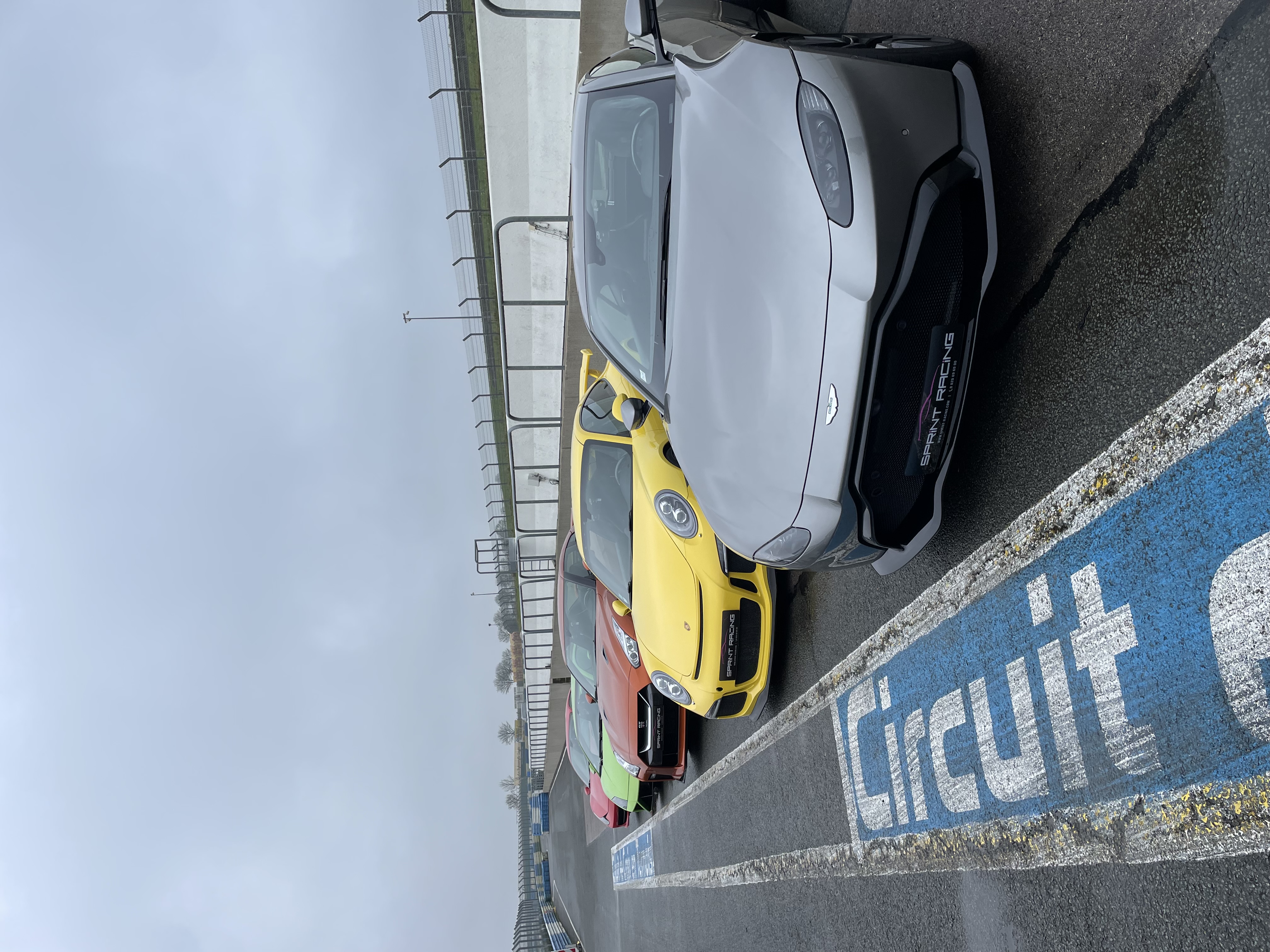
Valet parking service in Brussel that protects timing, image and security
INNOV'events delivers a Valet parking service for corporate events across Brussel, typically from 50 to 2,000 attendees. We manage the operational chain end-to-end: access flow, signage, drop-off zone, key management, parking logistics, and incident handling.
For executives, HR and Comms teams, valet parking is not a “nice-to-have”: it is a punctuality tool, a reputational safeguard, and a risk-management layer when you invite decision-makers, clients, or employees on a fixed agenda.
Sommaire
On a corporate agenda, arrivals are the first KPI: if VIPs queue, miss the welcome speech, or enter visibly stressed, the tone is set. A disciplined Valet parking service reduces late starts, protects speakers’ timing, and keeps your reception team focused on hospitality instead of traffic problems.
In Brussel, guests come with mixed mobility habits (company car, taxi, ride-hailing, international plates). They expect clarity: where to stop, how long it takes, who holds their keys, and what happens if their schedule changes. We design the arrival journey so your event feels controlled, not improvised.
INNOV'events is based in Brussel and works week after week with venues, building concierges, security teams, and local mobility constraints. We plan the valet operation like a production: staffing, zoning, communication, and contingency measures—so your stakeholders experience a smooth, premium arrival without operational noise.
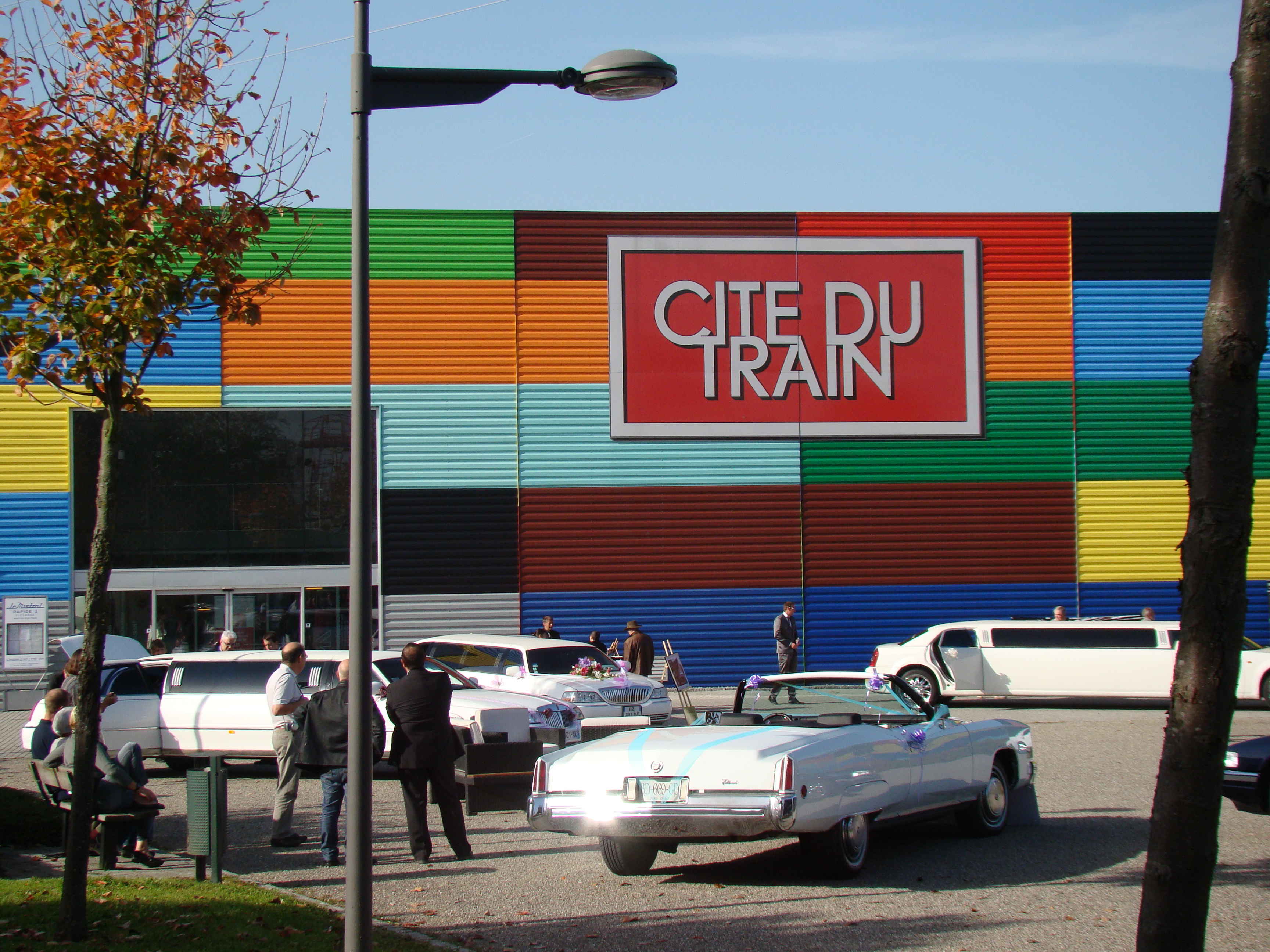
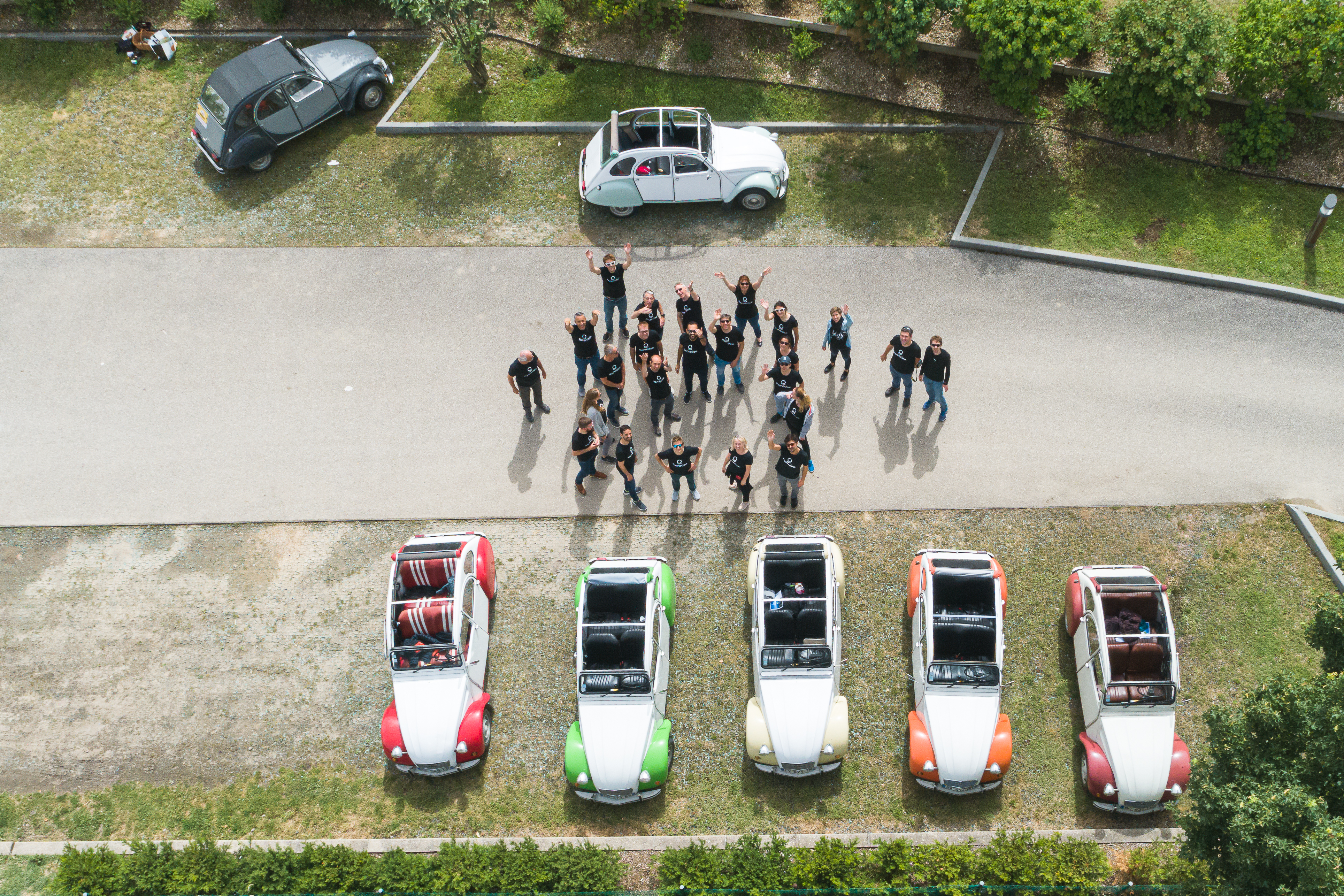
Operational figures that matter in Brussel
10+ years delivering corporate event logistics, including VIP arrival management and Valet parking service in Brussel and across Belgium.
Typical deployment: 4 to 18 valet staff depending on guest volume, vehicle turnover, venue constraints, and whether a separate VIP lane is required.
Realistic processing capacity (with correct zoning): 10–18 cars per valet per hour at peak arrival, with dedicated dispatch to prevent bottlenecks.
Operations sized for events from 50 to 2,000 guests, including multi-entrance sites and staggered arrival windows.
Incident-readiness: documented key-handling, vehicle check-in/out procedures, and escalation path for damaged vehicles, medical issues, or access interruptions.
Valet parking references across Brussel and the Brussels-Capital region
We regularly support corporate events in Brussel for organizations that run recurring calendars: executive breakfasts, product launches, employer-branding evenings, year-end receptions, and partner meetings where punctuality and discretion are non-negotiable.
In practice, many of our clients are repeat accounts because valet is rarely a one-off need. Once you have hosted a C-level audience near the European Quarter, Louise, or a constrained venue in the city center, you quickly realize that the arrival experience determines the perceived quality of the entire event. Teams who have lived a “traffic chaos” evening do not want to repeat it.
We coordinate with venue management, building concierges, private security, and—when required—local administrative steps that are typical for Brussel. Our focus is to keep your reception calm and your schedule intact, while ensuring every vehicle movement remains controlled and documented.
 Besoin d’un devis rapide ?
Nous vous envoyons une première proposition sous 24h.
Why add valet parking to a Brussel corporate event?
Valet parking is often booked after everything else—until the first event where arrivals go wrong. In Brussel, mobility constraints and varied guest profiles amplify the risk: a perfect venue and strong content can still be judged negatively if the first 15 minutes feel unmanaged.
Protect your agenda: when arrivals are processed quickly, your keynote starts on time and your catering service is aligned with real guest presence, not assumptions.
Reduce pressure on internal teams: HR and Comms should welcome people and manage stakeholder touchpoints, not answer calls like “where do I park?” or “I’m blocking the street.”
Improve VIP and client experience: dedicated drop-off and retrieval avoids awkward situations where key guests circle for 15 minutes or park far away in bad weather.
Control risk and accountability: a structured Valet parking service includes check-in, documentation, key custody rules, and a clear incident protocol—critical for executive vehicles and high-value cars.
Enhance site security: by managing flows and limiting uncontrolled parking, you reduce exposure around the entrance and keep pedestrian areas clear.
Support sustainability objectives: valet operations can include guidance toward EV charging spots, carpool prioritization, and clear instructions for taxis/shuttles to reduce idle traffic.
The business culture in Brussel is highly time-sensitive and international: meetings run back-to-back, guests come from multiple districts, and expectations of professional hosting are high. Valet parking is one of the most tangible ways to signal operational maturity before a single word is spoken on stage.
What Brussel guests expect at arrival in 2026
In Brussel, the “arrival problem” is rarely just about parking availability. It is about clarity, predictability, and reassurance. Guests want to know exactly where to stop, whether they can leave quickly after, and whether their vehicle will be handled professionally.
From a corporate standpoint, we see three recurring patterns:
- Mixed audience mobility: employees may arrive by public transport, while executives and partners arrive by car with tight schedules. The arrival setup must serve both without creating friction at the entrance.
- Dense urban context: narrow streets, limited curb space, and strict building access rules mean that “we’ll manage on the day” typically results in queues, blocked lanes, and tense interactions with neighbors or building management.
- International plates and VIP sensitivity: when guests come from outside Belgium, they have lower tolerance for unclear instructions. A professional Valet parking service in Brussel includes pre-event directions, signage, and multilingual front-of-house behavior.
Operationally, the expectation is also discretion. For executive events, you want a calm drop-off, no shouting across the driveway, and a consistent service posture that matches the brand and the audience.
How to pair valet parking with corporate reception in Brussel
While Valet parking service in Brussel is a logistics layer, it also influences engagement: a smooth arrival reduces stress and improves the quality of first conversations. For HR and Comms teams, we often connect valet with a reception setup that starts relationship-building immediately.
Animations Interactives à Brussel
Arrival concierge desk: a staffed point right after drop-off to confirm name badges, agenda highlights, and room direction—useful when guests come straight from EU district meetings and need rapid orientation.
Check-in by QR + human fallback: fast scanning for most guests, but a clear lane for VIPs and last-minute invite changes (a common reality in executive events in Brussel).
Animations Artistiques à Brussel
Low-profile live music at entrance: not volume, but ambiance control. The objective is to mask street noise and create a calm transition from outside to inside, especially for city-center venues.
Brand-aligned host/hostess styling: wardrobe and behavior standards set with your brand guidelines so the service feels consistent for partners and press.
Animations Innovantes à Brussel
Express welcome beverage: served within 2 minutes of check-in to prevent clustering at the entrance. Works well for winter events in Brussel, where coats and umbrellas slow down movement.
Timed tasting stations: if you expect staggered arrivals, multiple small stations reduce queue risk versus one central bar.
Animations Gourmandes à Brussel
EV charging guidance: clear instructions for guests who require charging, with a managed allocation policy to avoid conflict over limited chargers.
Real-time capacity tracking: a simple operational dashboard (radio/phone protocol) so the lead knows when to redirect cars to the secondary parking area before congestion is visible.
Reception elements should reinforce your brand position: discreet for board-level evenings, more dynamic for employer-brand events. The valet team’s posture, signage style, and guest communications must align with that image—because the arrival experience is one of the few event moments every guest shares.
Which venue setups work best for valet parking in Brussel?
The venue determines whether valet parking is effortless or a constant workaround. In Brussel, we assess curb space, turning radius, pedestrian flows, and the distance between drop-off and reception. A great ballroom is not enough if the arrival lane forces cars to stop in traffic.
| Venue type | For which objective? | Main strengths | Possible constraints |
|---|---|---|---|
City-center hotels with portico / dedicated driveway | VIP dinners, partner evenings, executive offsites with tight timing | Clear drop-off geometry, covered arrival, close reception; easier to enforce a single controlled entry point | Driveway capacity can saturate fast; strict hotel rules on staff positioning and signage; may require pre-agreed time slots for peak arrival |
Corporate HQ or office buildings with internal courtyard | Employer branding, townhalls, client briefings hosted on-site | High control over access, predictable security process, easier coordination with building management | Visitor parking often limited; badge/access procedures must be aligned; noise constraints for neighbors in dense Brussel areas |
Event venues with nearby off-site parking (private lots) | Large receptions where on-site space is insufficient | Scalable capacity; valet can run shuttle-style retrieval patterns; flexible zoning with cones and signage | Longer retrieval time at end of event; requires strong dispatch and communication; higher staffing to maintain 10–15 minute return targets |
We strongly recommend a site visit in Brussel before confirming valet. Photos rarely show critical issues like the actual curb height, the impact of pedestrian crossings, or how a taxi line interferes with the drop-off. A 30-minute walkthrough can prevent a two-hour problem on event day.
Valet parking pricing ranges in Brussel (what drives cost)
Budget for a Valet parking service in Brussel depends on volume, complexity, and risk profile. A small, single-lane valet at a hotel is not priced like a multi-parking, high-turnover corporate reception with VIP segregation and early departures.
Guest and vehicle volume: we size by expected cars, not only attendees. A 300-person event can mean 60 cars (high taxi share) or 180 cars (regional audience).
Peak arrival window: a 30–45 minute arrival wave requires more staff than a 90 minute wave to avoid queues and blocking public space.
Parking distance and split locations: if cars must be parked in multiple lots or farther away, the operation needs dispatch control and increases staffing time.
VIP requirements: separate lane, pre-allocated spaces, named vehicle handling, higher documentation level, or discreet retrieval during speeches.
Compliance and coordination: venue rules, building security protocols, and local constraints in Brussel that may require additional supervision and signage.
Operating hours: a 2-hour reception is different from a 6–8 hour evening with staggered departures and late-night retrieval.
We frame valet budget as risk-cost versus image-cost. If one VIP arrival goes wrong, the reputational impact can outweigh the service fee. The right approach is to set clear service targets (queue time, retrieval time, staffing posture) and fund the level of control your audience expects.
Why choose a Brussel-based team for valet parking?
For corporate events, locality is not a slogan; it is operational advantage. A Valet parking service must integrate with the realities of Brussel: dense streets, building-specific rules, mixed languages at reception, and the need for coordination with venue security and neighbors.
As a event agency in Brussel, we are present on the ground and can troubleshoot quickly: adjust signage, reposition staff, re-route flows when the street context changes, or coordinate with building management when a loading bay is unexpectedly occupied.
- Faster site alignment: we can validate access geometry, pedestrian safety, and parking logistics early—before you send invitations.
- Reliable supplier coordination: reception, security, and valet must act as one team. Local routines reduce friction and last-minute misunderstandings.
- Realistic timing estimates: we set expectations based on how traffic and arrivals behave in Brussel, not on generic assumptions.
- Day-of responsiveness: if conditions change (weather, street works, unexpected VIP arrival), a local lead can re-plan in minutes with the right contacts.
We frame valet budget as risk-cost versus image-cost. If one VIP arrival goes wrong, the reputational impact can outweigh the service fee. The right approach is to set clear service targets (queue time, retrieval time, staffing posture) and fund the level of control your audience expects.








Examples of valet parking setups delivered in Brussel
Our valet operations in Brussel range from discreet executive evenings to high-volume receptions where the main challenge is preventing traffic spillover into public space.
- Executive partner dinner: a venue with limited driveway space and high VIP concentration. We implemented a controlled drop-off sequence, dedicated key custody, and staged retrieval so that departures happened in waves without gathering crowds at the entrance.
- Employer branding evening: mixed audience with employees, candidates, and leadership. We separated taxi/rideshare from private cars, kept the entrance clear for pedestrians, and aligned valet flow with HR check-in to avoid queues forming in the lobby.
- Client launch event: staggered arrivals with a second peak after the keynote. We planned staff rotations and a dispatch rule so the second wave did not overload the same parking area, preserving retrieval targets at the end.
Across these projects, the common denominator is that valet is treated as a production function: guest psychology, risk control, timing, and brand perception—all managed with measurable operational targets.
Common valet parking mistakes we prevent in Brussel
Underestimating peak arrival: staffing sized for average flow instead of the real 30–45 minute peak creates immediate queues and stress at the entrance.
No clear zoning: when taxis, deliveries, and valet share the same curb space, the result is blocked access and unsafe pedestrian conditions.
Weak key custody: informal key handling increases risk of loss, confusion at departure, and accountability issues if a car is damaged.
Parking too far without dispatch control: retrieval becomes unpredictable, and guests wait outside—exactly where you don’t want them in Brussel weather.
No plan for early departures: board members often leave before the end; if retrieval requires breaking the parking sequence, you need a method to avoid reshuffling chaos.
Missing alignment with venue security: without early coordination, staff may be blocked from positioning correctly, and the whole flow collapses at the first barrier.
Our role is to eliminate these risks before your first guest arrives. We do it with site validation, documented procedures, and a lead on-site who manages decisions in real time—so your teams can focus on content and relationships.
Why Brussel clients renew valet parking year after year
Repeat business in valet parking is earned through consistency. Directors and HR teams come back when the arrival experience becomes predictable: no surprises, no last-minute improvisation, and no reputational exposure around VIP handling.
Most recurring clients keep the same arrival standards across events: defined drop-off, documented key custody, and clear guest instructions—because it reduces internal stress and support calls.
For recurring venues in Brussel, we maintain an operational file: access points, constraints, preferred staff positioning, and lessons learned—so each next event starts with a stronger baseline.

Loyalty is the clearest proof that the service works under pressure. When valet parking is reliable, it disappears from your list of worries—and that is exactly what executive teams are buying.
Our valet parking process for Brussel events
👉 Step 1 (Brussel): Define the arrival objectives and constraints
We start with your event format, audience profile, and schedule constraints: VIP count, speakers’ timing, early departures, and brand posture. We translate this into measurable targets: acceptable queue time, retrieval time, and staffing posture at the entrance in Brussel.
👉 Step 2 (1000): Site review and flow design
We validate the real arrival geometry: curb space, turning radius, pedestrian paths, safety points, and any conflicts with taxis or deliveries. Then we design the drop-off zone, signage, and staff positioning so the first 30 minutes run like clockwork.
👉 Step 3 (Brussel): Staffing plan and operating procedures
We size the team (valets + lead + optional dispatch), define roles, and document the operating procedure: check-in routine, key custody, parking allocation, and escalation rules. This is where we prevent the typical failure modes: confusion at departure and inconsistent handling.
👉 Step 4 (1000): Guest communication and internal alignment
We provide concise wording for invitations/reminders: where to go, what to expect, and what alternatives exist (taxi, public transport). We also align with reception, security and venue management so everyone understands the same plan.
👉 Step 5 (Brussel): On-site execution and live control
On event day, a lead manages the operation: adapting to real arrival waves, weather, or unexpected constraints. We keep the entrance calm, prevent queue formation, and ensure retrieval is staged to avoid a departure rush.
👉 Step 6 (1000): Debrief and improvements for next time
After the event, we capture operational learnings: actual peak times, any friction points, and what to adjust. For recurring events in Brussel, this debrief is what turns a good operation into a predictable standard.
FAQ sur l'organisation Valet parking service à Brussel
How many valet staff do we need in Brussel?
For corporate events in Brussel, a typical range is 4–6 staff for 50–150 guests, 8–12 staff for 200–500 guests, and 12–18 staff when vehicle volume and peak arrival are high. Final sizing depends on the arrival window (30 vs 90 minutes), number of drop-off lanes, and parking distance.
What is a realistic car retrieval time in Brussel?
With proper zoning and dispatch, we aim for 5–10 minutes average retrieval, with peaks managed to stay under 15 minutes. If parking is off-site or split, we plan staffing to protect that range and avoid guests waiting outside.
Can we run valet parking without blocking the street in Brussel?
Yes—if the drop-off is designed to buffer vehicles and keep the lane moving. We define a stopping point, a clear handover routine, and staff positioning so cars do not queue into public traffic. The key is planning around peak arrival waves rather than assuming “it will spread out”.
How do you secure keys and avoid mix-ups in Brussel?
We use a numbered ticketing workflow with controlled custody, and a check-in checklist (vehicle identity, handover confirmation, and parking allocation). For high-value or VIP vehicles, we can add a documented condition check. This reduces the two main risks: lost keys and wrong-car retrieval.
When should we book valet parking for a Brussel event?
For Brussel city-center venues, we recommend confirming valet 4–8 weeks in advance, and earlier (8–12 weeks) for high-guest-count events or complex sites. Early booking allows a site visit, flow design, and clear guest communications before invitations go out.
Request a valet parking plan for Brussel with clear service targets
If your event agenda is tight, your guest list includes VIPs, or your venue has limited access, valet parking should be planned early—especially in Brussel. Share your date, venue (or shortlist), estimated attendance, and the timing of your arrival window. We will come back with a concrete operational proposal: staffing, flow diagram, service targets (queue and retrieval time), and the associated budget.
Contact INNOV'events to secure a Valet parking service in Brussel that protects punctuality, brand image, and on-the-day peace of mind.
Agence INNOV'events Brussel
Justin JACOB est le responsable de l'agence événementielle Brussel. Contactez-le directement par mail via l'adresse belgique@innov-events.be ou par formulaire.
Contacter l'agence BrusselToutes nos prestations & animations Brussel, Belgique
Découvrez nos prestations événementielles
Découvrez nos animations événementielles disponibles au Belgique
- Hôtesse événementielle à Brussel
- Escape Game à Brussel
- Cours de cuisine type MasterChef à Brussel
- Magicien à Brussel
- Location de chapiteau à Brussel
- Atelier colorimétrie à Brussel
- Jeux gonflables à Brussel
- Service de voiturier à Brussel
- Simulateur de football à Brussel
- Location de mobilier lumineux à Brussel
- Flocage lumineux à Brussel
- Repas insolite à Brussel
- Light Painting à Brussel
- Murder Party à Brussel
- Jeu concours à Brussel
- PLV événementielle à Brussel
- Réalité virtuelle à Brussel
- Cuisine moléculaire à Brussel
- Animation Halloween à Brussel
- Feu d’artifice à Brussel
- Jeux géants à Brussel
- Animateur événementiel à Brussel
- Animation photo à Brussel
- Père Noël à Brussel
- Animation enfants à Brussel
- Visite guidée à Brussel
- Rallye urbain à Brussel
- Piscine à balles à Brussel
- Simulateur de vol à Brussel
- Location de food truck à Brussel
- Record du monde à Brussel
- Simulateur de surf à Brussel
- Casino du vin à Brussel
- Atelier relooking à Brussel
- Atelier création de parfum à Brussel
- Atelier acting à Brussel
- Animations RSE à Brussel
- Tir à l’arc à Brussel
- Agent de sécurité à Brussel
- Œnologie à Brussel
- Mime à Brussel
- Jeu télévisé à Brussel
- Fête foraine à Brussel
- Atelier gestion de crise à Brussel
- Atelier négociation de crise à Brussel
- Jeux d’arcade à Brussel
- Simulateur de chute libre à Brussel
- Simulateur de ski à Brussel
- Simulation circuit automobile à Brussel
- Baptême de l’air à Brussel
- Dégustation à Brussel
- Création de baby-foot à Brussel
- Rallye 2CV à Brussel
- Challenge LEGO à Brussel
- Animation casino à Brussel
- Interprète / traducteur à Brussel
- Goodies à Brussel
- Bus / transfert à Brussel