
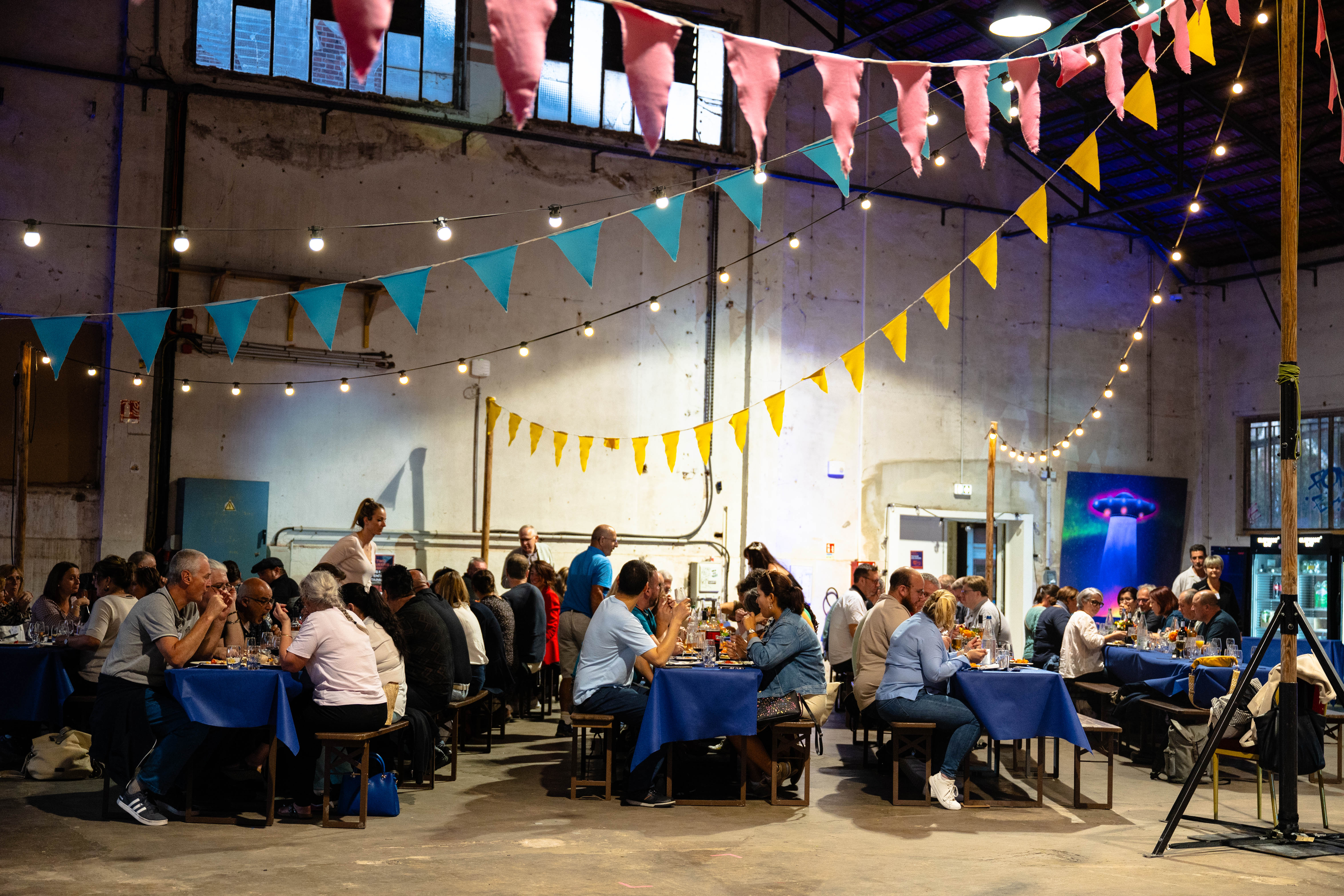
Culinaire belevenis in Brussel that serves your business goals, not just dinner
INNOV'events is a Brussels-based event partner delivering Culinaire belevenis formats for executive committees, HR moments and client hospitality, typically from 20 to 500 attendees. We manage the full chain: concept, venue, chefs & partners, logistics, dietary compliance, run-of-show and on-site coordination.
When you need a culinary moment that reinforces culture, rewards performance or supports a commercial narrative—without operational surprises—we build a format that fits your agenda, your brand constraints and your time window.
Sommaire
In a corporate setting, entertainment is never “extra”: it’s a lever to drive attention, retention of messages and interpersonal connections—especially when executives need a controlled environment to align teams or host clients. A Culinaire belevenis works when it is staged with the same rigor as a meeting: timing, flows, and clear responsibilities.
In Brussel, organisations expect operational precision: multilingual hosting, strict venue rules, fast transitions between content and tasting, and a polished guest journey that respects security and compliance. If the culinary sequence delays a keynote or creates queues at the cloakroom, the event’s credibility drops immediately.
INNOV'events operates on the ground in Brussel with a network of chefs, caterers, sommeliers and venues used to corporate constraints. We plan for real-life variables (late VIP arrivals, dietary last-minute changes, building access control) and keep the experience fluid from arrival to last coffee.
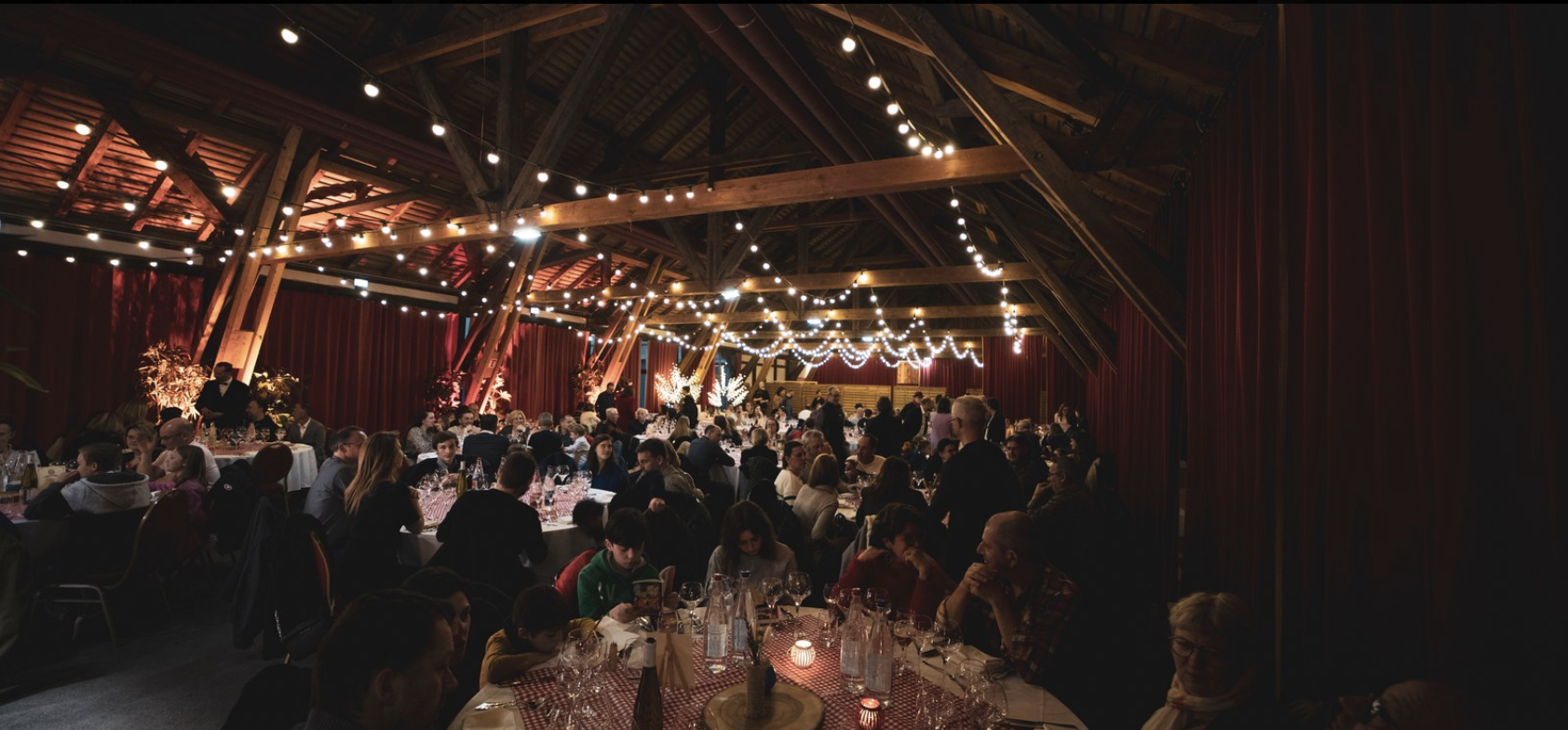
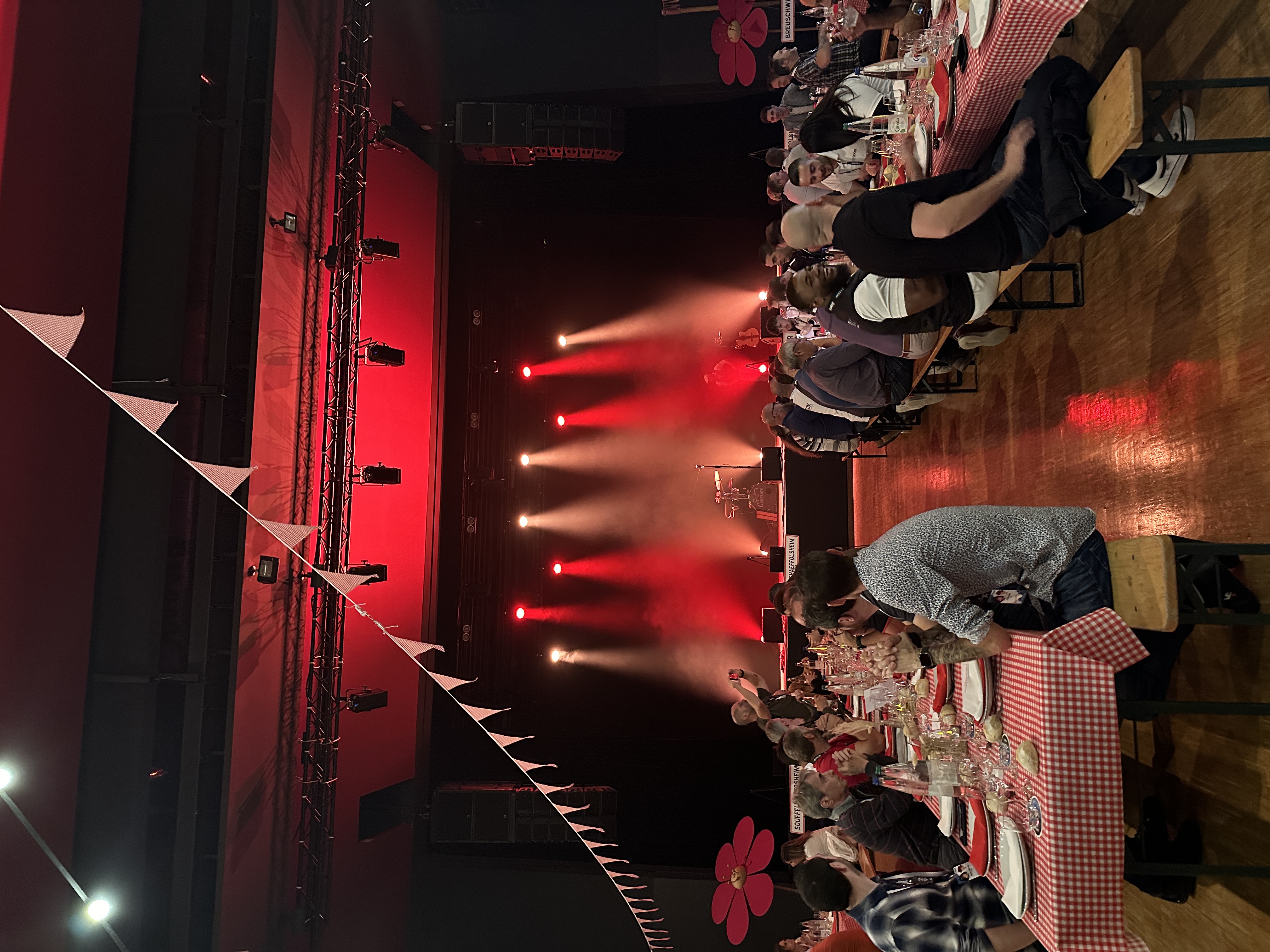
What we bring on Brussels culinary projects: measurable reliability
10+ years delivering corporate events and hospitality programs in Belgium, with a strong operational footprint in Brussel.
20–500 guests is our most common range for Culinaire belevenis in Brussel; we regularly design formats that scale without losing service quality.
1 single project lead accountable for your event end-to-end (brief → suppliers → run-of-show → on-site), backed by an operations team and on-site coordinators.
48–72h typical turnaround to provide a first structured proposal (concept, venue directions, indicative budget ranges, and critical risks to arbitrate).
Brussel references: recurring corporate expectations we handle
We support Brussels-based and Brussels-active organisations that run recurring moments across the year: leadership offsites, HR celebrations, onboarding waves, client hospitality around trade meetings, and internal communication milestones. In practice, the companies that renew with us do so because the operational burden is removed from their teams: fewer suppliers to chase, fewer unknowns on event day, and clearer decision points for directors.
Note: you mentioned “the company names I provided as references”, but no list was included in your message. If you share the names you want displayed (and any constraints such as “logo allowed / name only”), we will integrate them in a compliant way in this section.
Without naming brands, here are typical Brussels patterns we manage: EU-quarter venues with strict access lists; multinational HQ events needing bilingual (EN/FR/NL) guest handling; and high-visibility client evenings where brand reputation depends on punctuality, service level, and discreet problem-solving.
 Besoin d’un devis rapide ?
Nous vous envoyons une première proposition sous 24h.
Why plan a culinary experience in Brussel for leadership or HR?
A Culinaire belevenis is a strategic format when you need more than “networking”: you need a controlled setting where people stay present, conversations happen naturally, and your message lands without forcing it. Food provides a legitimate reason for attendees to commit time, and it creates structured touchpoints (tasting sequences, chef interventions, pairing moments) that keep energy high.
For executives and HR teams, the value is not the menu itself; it is the impact on alignment, recognition and stakeholder perception—provided the experience is designed around your agenda rather than around supplier habits.
Faster relationship-building with clients and partners: a guided tasting or chef-led sequence creates shared reference points. It helps sales and account teams move beyond small talk, especially with mixed seniority groups.
Internal cohesion without forced “team building” codes: cooking workshops and structured tastings offer collaboration naturally. This is often better accepted by senior profiles than games or stage entertainment.
Employer brand and recognition: for HR moments (anniversaries, performance recognition, onboarding), culinary quality signals respect and standards—if service is consistent and dietary needs are handled professionally.
Message retention through pacing: when we integrate short speeches between courses, we protect focus. A good run-of-show avoids the classic “speech during service noise” problem.
Operational control and risk management: we plan flows, staff ratios, and contingency. In Brussel, venue constraints (access, noise limits, timing) make this planning non-negotiable.
Multi-cultural inclusion: Brussels audiences are diverse. We design menus and formats that work across cultures (spice levels, alcohol alternatives, halal/vegetarian/vegan options) without turning dinner into a logistics crisis.
Brussel rewards professionalism: guests are used to high standards, punctual schedules and well-run hospitality. A culinary format that is thoughtfully produced reflects positively on leadership—while a disorganised service is immediately noticed.
What Brussels audiences expect from a corporate culinary format
Brussels corporate audiences are often time-constrained, international and used to structured events. That changes the way a Culinaire belevenis in Brussel must be produced. We see the same expectations repeatedly from executive assistants, HR managers and communications leads.
Timing discipline is the first expectation. Many events start after office hours but need to end at a predictable time because guests rely on trains, international departures, or security rules in office buildings. We therefore design precise service windows (arrival drink, first bite within 20–30 minutes, planned speech slots, dessert and closing coffee) and we brief all suppliers on the same timeline.
Multilingual guest journey is also standard: signage, host briefings and chef interventions must work in EN plus FR or NL depending on the company culture. We avoid long monologues; we use short, repeated cues and visual supports so the experience remains inclusive.
Dietary and compliance expectations are higher than in many cities. It’s not just “vegetarian options”: it’s allergen traceability, clear labelling, alcohol-free pairings that still feel premium, and the ability to update place settings when last-minute RSVP changes happen.
Finally, there is a strong reputation and brand-image sensitivity. In Brussels, guests can compare you to EU institutions, embassies and multinational HQ standards. That’s why we focus on service consistency (same glassware, same portion discipline, same staff posture) and on avoiding visible improvisation.
Which culinary entertainment options work best in Brussel corporate events?
Engagement in corporate hospitality comes from participation and pacing. A Culinaire belevenis creates natural engagement when guests can see, taste, ask, compare, and share—without losing the comfort and professionalism expected at executive level.
Animations Interactives à Brussel
Chef-led tasting with structured “talking points”: short interventions between bites (2–4 minutes) that explain sourcing, technique, or a brand-aligned narrative. Works well for leadership dinners where you want interaction but not a workshop.
Guided pairing stations (wine/beer/0% pairings): small groups rotate through 3–4 stations, each with a product story and clear service timing. This keeps the room moving and reduces the “stuck at one table” effect.
Cook-along micro-challenges for teams: not a full cooking class, but 15–20 minute modules (finishing a dish, plating, seasoning). Effective for HR and team cohesion, especially when teams are mixed across departments.
Market-style tasting with token system: guests receive a limited number of tasting tokens. It creates choice and conversation while keeping cost and portioning controlled.
Animations Artistiques à Brussel
Food styling and plating performance: a visual, silent “show” at the pass where guests can observe high-level plating. Works for premium client hospitality without increasing decibel level.
Live jazz trio timed around service: placed to avoid conflict with speeches and to maintain a business-friendly sound level. In Brussels venues with noise limits, we plan sets and breaks precisely.
Branded storytelling through table design: curated table objects, printed menus with message hierarchy, and subtle brand cues (not banners). This is often what executives mean by “premium” in practice.
Animations Innovantes à Brussel
Brussels terroir focus (done credibly): curated selection of Belgian cheeses, chocolate pairings, or beer pairings with clear sourcing and allergen labelling. We avoid clichés by selecting producers and giving precise tasting notes.
Walking dinner with executive pacing: 6–8 small plates served in waves, designed to keep hands free and allow conversation. We coordinate tray circulation to prevent bottlenecks at the bar.
Premium coffee & dessert lab: often underestimated, but the last 30 minutes define the closing perception. We design a structured dessert moment that encourages final conversations rather than early departures.
Animations Gourmandes à Brussel
Data-driven dietary planning: we use RSVP data to pre-assign dietary meals and reduce last-minute kitchen stress. The result is faster service and fewer visible “exceptions”.
Short-format culinary masterclass for executives: 25–35 minutes, high density, focused on one theme (pairing, knife skills, plating). Fits into leadership offsites where time is scarce.
Hybrid content + tasting: a short internal communication moment (e.g., strategy update) followed immediately by a tasting sequence designed to “reset attention”. We plan lighting and room transitions so the shift feels intentional, not chaotic.
Whatever the concept, we align the format with your brand image: a regulated, conservative sector will not use the same tone, service style or alcohol policy as a creative industry. We translate your brand constraints into concrete production choices: staff dress code, vocabulary used by hosts, menu risk level, and the balance between show and discretion.
For projects requiring an agency partner, our clients typically start by looking for an event agency in Brussel that can handle both creative direction and operational control—because a culinary event is only as strong as its execution.
Which venues in Brussel fit a corporate culinary experience?
The venue determines not only atmosphere but also service feasibility. A strong culinary concept can underperform if the kitchen is undersized, if deliveries are restricted, or if the room layout forces queues. In Brussel, we also factor in access (low-emission zones, limited parking), security procedures, and neighborhood noise constraints.
| Venue type | For which objective? | Main strengths | Possible constraints |
|---|---|---|---|
Premium restaurant with private room | Executive dinner (10–40), board hospitality, discreet negotiations | Stable kitchen, high service standard, controlled acoustics | Limited branding, fixed timings, less flexibility for speeches/AV |
Industrial/chic event space with caterer | Client evening (80–300), walking dinner, product storytelling | Branding freedom, modular layout, scalable stations | Requires stronger production: kitchen build, staffing, power & waste plan |
Company HQ / office reception area | Employer branding, internal celebration, onboarding moments | Convenient access for staff, strong brand immersion, cost control on venue | Security rules, lift constraints, limited kitchen facilities, neighbor noise |
We strongly recommend a site visit (or a technical recce) before locking the concept. It’s the fastest way to avoid hidden blockers: loading bay distances, elevator sizes, power distribution, storage, and the real guest flow from entrance to the main room.
What budget to plan for a Culinaire belevenis in Brussel (1000)?
Pricing depends on format complexity, venue constraints and service level. A seated dinner in a restaurant is not priced like a multi-station tasting in an empty venue that requires full production. For decision-makers, what matters is understanding the cost drivers early so you can arbitrate intelligently.
In Brussel, budget is also influenced by access and logistics: delivery windows, security, staffing, and sometimes union or venue-mandated suppliers. We build budgets transparently to avoid “surprises” hidden in production lines.
Format: seated dinner, walking dinner, workshop, tasting stations—each has different staffing ratios and kitchen requirements.
Guest count and service ratio: the difference between a smooth event and long queues is often an extra bar station or additional floor staff.
Venue kitchen capacity: a limited kitchen means more prep off-site, more transport, and more risk management (temperature control, timing buffers).
Dietary complexity: high proportion of special meals increases prep, labelling and segregation needs. We plan this rather than improvising.
Timing and access constraints: short set-up windows, security checkpoints, limited loading access, or strict end times can increase labor and transport costs.
Production level: furniture, lighting, sound, staging for speeches, signage, cloakroom, host teams—often necessary to keep a corporate standard.
Content integration: if you include speeches, awards, or a short presentation, we allocate technical rehearsal time and a show caller to protect timing.
We frame budget as ROI: the right spend is the one that protects your business objective and your brand. Saving on coordination or staffing is often a false economy—the cost of a visible operational failure (late service, queues, missing dietary meals) is reputational and internal, not just financial.
Why work with a Brussels-based agency for culinary events?
For culinary formats, local presence is not a slogan; it reduces operational risk. Brussels venues can be strict about access times, noise, and supplier compliance. A local agency knows which spaces tolerate a live cooking station, which buildings require pre-registered supplier lists, and which neighborhoods create transport bottlenecks at peak hours.
Beyond logistics, local anchoring helps with quality control. We can do tastings, technical recces, and supplier briefings without turning them into major projects. That speed matters when executive calendars shift and you need a plan B within days, not weeks.
- Faster arbitration: quick site visits and tastings to confirm feasibility before you commit.
- Supplier accountability: we work with partners who are used to corporate service standards and Brussels constraints.
- Operational redundancy: easier to secure backup options (staff, equipment, transport) when needed.
- Better guest journey design: realistic timing based on Brussels mobility, parking, and venue access patterns.
We frame budget as ROI: the right spend is the one that protects your business objective and your brand. Saving on coordination or staffing is often a false economy—the cost of a visible operational failure (late service, queues, missing dietary meals) is reputational and internal, not just financial.










Examples of Culinaire belevenis formats delivered in Brussel
Our Brussels culinary projects vary widely because corporate objectives vary. We regularly deliver executive dinners where discretion and timing are the priority, and larger client evenings where brand storytelling and flow management dominate. The common denominator is production control: clear roles, clear timing, and suppliers aligned to one run-of-show.
Typical situations we handle on the ground:
Last-minute agenda shift: a CEO arrives 25 minutes late due to traffic/security. We re-sequence the service so starters don’t die on the pass, keep the room engaged, and protect the speech moment without extending the end time.
Dietary changes at the door: a guest announces a severe nut allergy not declared during RSVP. We have a protocol with the kitchen (segregated prep, validated substitution, clear plate marking) and a communication chain so service staff stay consistent.
Mixed audience management: internal teams plus external clients. We design seating/rotation so departments don’t cluster, while keeping VIPs protected and giving sales teams the right proximity to their guests.
We can share relevant case studies in a call (format, constraints, budget range, and lessons learned) based on your sector and confidentiality requirements.
Common pitfalls in Brussel culinary events (and how we prevent them)
Underestimating venue constraints: limited loading access, strict end times, no open flame, or insufficient power. We validate these points early and adapt the concept accordingly.
Planning speeches during service noise: a classic issue that makes leadership look unprepared. We build a run-of-show around “quiet windows” and rehearse cues with the venue and caterer.
Insufficient staffing for a standing format: the result is queues and empty glasses. We calculate station counts and staff ratios based on guest volume and room layout.
Dietary handling treated as an afterthought: this creates reputational risk and discomfort for guests. We implement labelling, segregation and a clear escalation path.
Over-complex menus that collapse under timing: too many last-minute finishes or fragile plating increases delay risk. We balance ambition with robustness.
No contingency for mobility and arrivals: Brussels traffic and security checks can shift arrival curves. We plan reception pacing so early arrivals are comfortable and late arrivals are absorbed smoothly.
Our role is to remove these risks from your internal team. We challenge assumptions early, document responsibilities, and coordinate suppliers so that the event day feels controlled—even when variables occur.
Why Brussels clients renew with INNOV'events year after year
Recurring clients typically come back for one reason: predictability under pressure. Corporate events are judged on details, and internal teams cannot afford supplier chaos or unclear accountability—especially when executives, clients, or social partners are present.
We invest in long-term working methods: shared templates for run-of-show, consistent supplier briefings, post-event debriefs with action points, and budget structures that make next-year planning faster.
1 project lead remains your point of contact throughout the cycle, reducing re-briefing time and decision fatigue.
2 checkpoints minimum before event day: operational review (flows, staffing, constraints) and final show call (timing, scripts, responsibilities).
0 “black box” suppliers: we document who does what, when, and at which service level—so you can report internally with confidence.

Loyalty is not about habit; it’s a consequence of consistent delivery and transparent collaboration. When stakeholders know the event will run on time and reflect the brand correctly, it becomes easier to commit budgets and executive time.
How we produce your Culinaire belevenis project in Brussel
👉 Brussels brief alignment and decision framework
We start with a working session (30–60 minutes) to clarify: objective, audience mix, sensitivities (brand, compliance, alcohol policy), success criteria, and non-negotiables (date, end time, venue area). We also define the approval path so you’re not stuck in endless iterations.
👉 Concept, format and venue shortlisting in Brussel
We propose 2–3 formats with a clear rationale (why this structure fits your objective) and a shortlist of venues suitable for the chosen service style. We highlight critical constraints upfront (kitchen capacity, access, noise, security procedures) and recommend the lowest-risk option when timing is tight.
👉 Supplier sourcing: chefs, caterers, beverages, staffing
We source partners proven in corporate delivery. We validate tastings where relevant, define service ratios, and confirm who owns each operational area (bar, floor, cloakroom, VIP handling). We lock dietary and allergen processes early to avoid last-minute kitchen stress.
👉 Run-of-show, floorplan and guest journey design
We build a detailed schedule and floorplan: arrival curve, reception layout, station positioning, speech windows, and transitions. For standing formats we manage queue risk with serving points, signage and staff circulation paths.
👉 Production and compliance checks
We coordinate technical needs (sound for speeches, lighting for atmosphere, power distribution for stations), confirm access and loading timelines, and ensure insurance/safety requirements are met. If the venue imposes specific rules, we translate them into practical instructions for each supplier.
👉 Event day coordination and real-time adjustments
On site, we run supplier check-ins, staff briefing, and timeline cues. We manage real-time changes (VIP delays, last-minute dietary updates, agenda shifts) while protecting the guest experience and end time. After the event, we debrief and provide actionable notes for future editions.
FAQ sur l'organisation Culinaire belevenis à Brussel
What is a realistic budget in Brussel for 100 guests?
For 100 guests in Brussel, budgets often fall between €120 and €250 per person depending on format (seated vs. walking), venue requirements, beverage level and production (furniture/AV/hosts). Complex venues and strict timing usually increase staffing and logistics costs.
How early should we book a culinary venue in Brussel?
Plan 6–10 weeks ahead for premium restaurants and high-demand event spaces in Brussel. For year-end dates (Nov–Dec), 3–4 months is safer, especially if you need exclusivity or specific neighborhoods.
Can you handle allergies and dietary needs for Brussel events?
Yes. We set an RSVP process, implement clear allergen labelling, and agree a kitchen protocol for segregation and substitutions. On event day, plates can be marked and tracked so service remains consistent—even with last-minute changes.
What attendee formats work best in Brussel for executives?
For executive audiences in Brussel, the most effective formats are: private dining (10–40), guided tasting (30–120), and walking dinner with stations (80–300). The right choice depends on your need for discretion, networking density and timing control.
Do you manage logistics and on-site coordination in Brussel?
Yes. We manage venue coordination, supplier schedules, staffing, run-of-show and on-site supervision. The goal is a controlled delivery: punctual start, smooth service, minimal queues, and clear escalation paths if anything changes on the day.
Request a Brussels proposal and secure your date
If you are comparing agencies, we can provide a structured proposal that directors can actually arbitrate: recommended format, venue directions, critical risks, and clear budget ranges. Share your date window, guest count, objective and any constraints (alcohol policy, languages, dietary profile, security), and we will come back with options that are feasible in Brussel.
For the best venue and supplier availability—especially in peak seasons—start planning early. Contact INNOV'events to schedule a short briefing call and receive a first concept within 48–72 hours.
Agence INNOV'events Brussel
Justin JACOB est le responsable de l'agence événementielle Brussel. Contactez-le directement par mail via l'adresse belgique@innov-events.be ou par formulaire.
Contacter l'agence BrusselToutes nos prestations & animations Brussel, Belgique
Découvrez nos prestations événementielles
Découvrez nos animations événementielles disponibles au Belgique
- Hôtesse événementielle à Brussel
- Escape Game à Brussel
- Cours de cuisine type MasterChef à Brussel
- Magicien à Brussel
- Location de chapiteau à Brussel
- Atelier colorimétrie à Brussel
- Jeux gonflables à Brussel
- Service de voiturier à Brussel
- Simulateur de football à Brussel
- Location de mobilier lumineux à Brussel
- Flocage lumineux à Brussel
- Repas insolite à Brussel
- Light Painting à Brussel
- Murder Party à Brussel
- Jeu concours à Brussel
- PLV événementielle à Brussel
- Réalité virtuelle à Brussel
- Cuisine moléculaire à Brussel
- Animation Halloween à Brussel
- Feu d’artifice à Brussel
- Jeux géants à Brussel
- Animateur événementiel à Brussel
- Animation photo à Brussel
- Père Noël à Brussel
- Animation enfants à Brussel
- Visite guidée à Brussel
- Rallye urbain à Brussel
- Piscine à balles à Brussel
- Simulateur de vol à Brussel
- Location de food truck à Brussel
- Record du monde à Brussel
- Simulateur de surf à Brussel
- Casino du vin à Brussel
- Atelier relooking à Brussel
- Atelier création de parfum à Brussel
- Atelier acting à Brussel
- Animations RSE à Brussel
- Tir à l’arc à Brussel
- Agent de sécurité à Brussel
- Œnologie à Brussel
- Mime à Brussel
- Jeu télévisé à Brussel
- Fête foraine à Brussel
- Atelier gestion de crise à Brussel
- Atelier négociation de crise à Brussel
- Jeux d’arcade à Brussel
- Simulateur de chute libre à Brussel
- Simulateur de ski à Brussel
- Simulation circuit automobile à Brussel
- Baptême de l’air à Brussel
- Dégustation à Brussel
- Création de baby-foot à Brussel
- Rallye 2CV à Brussel
- Challenge LEGO à Brussel
- Animation casino à Brussel
- Interprète / traducteur à Brussel
- Goodies à Brussel
- Bus / transfert à Brussel