
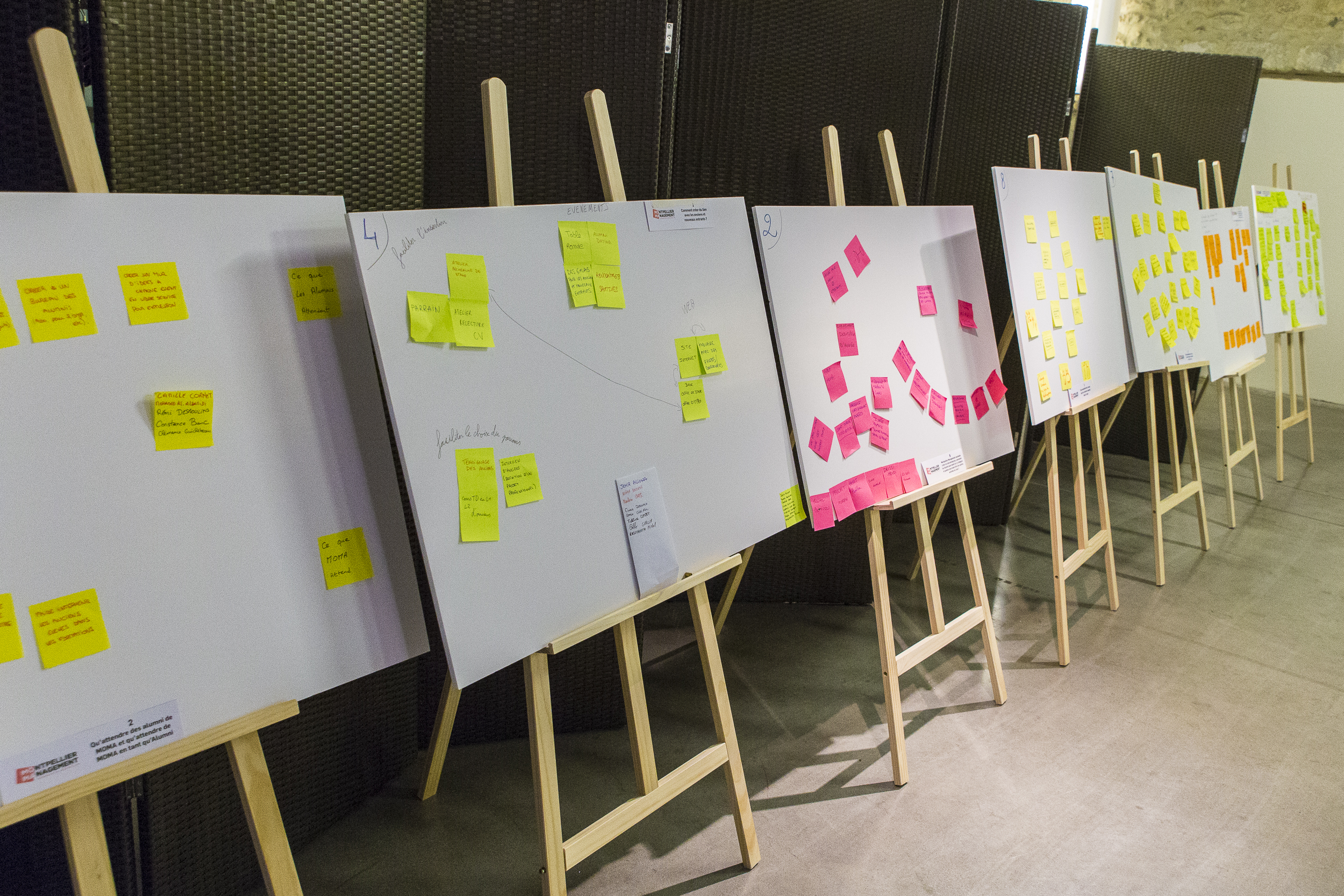
Crisismanagement workshop in Brussel to rehearse decisions under pressure
INNOV'events designs and runs Crisismanagement workshop formats in Brussel for executive teams, HR and communication departments. Typical groups range from 8 to 40 participants, with an option to run parallel cells for larger organisations. We handle scenario design, facilitation, crisis-room logistics, role players, and the full after-action review.
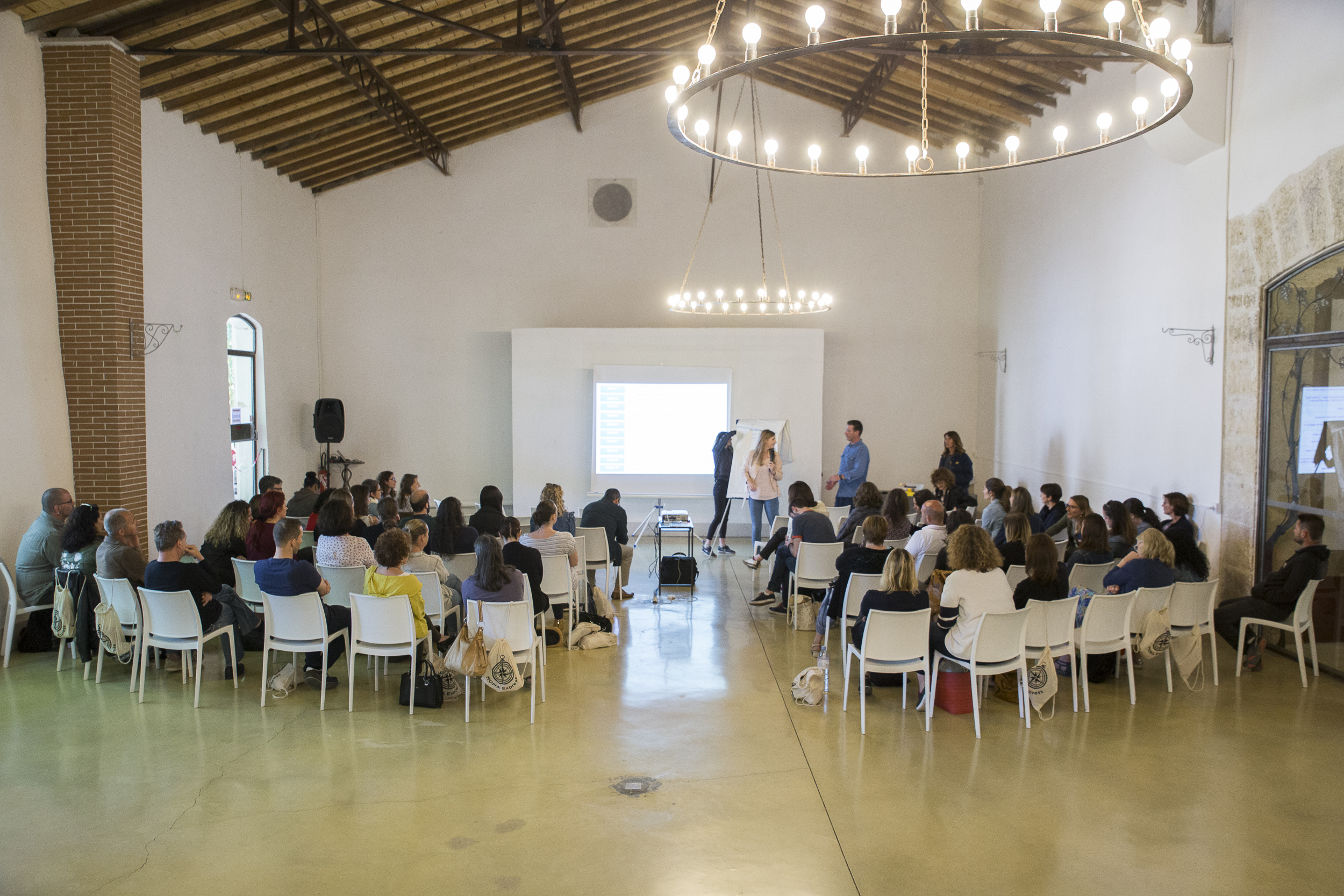
This is not a keynote: it is a controlled stress-test of your governance, your communications, and your operational reflexes—built around your business reality and the reputational exposure that comes with operating in the capital.
Sommaire
In a corporate context, “entertainment” only makes sense if it serves a managerial objective. In a Crisismanagement workshop, engagement is the fuel: you need participants to behave as they would on a real Monday morning—under time pressure, with incomplete information, and with reputational stakes.
Organisations in Brussel typically expect realism, discretion and a multilingual approach. They want to test how leadership, HR, Legal and Communications align when journalists call, regulators ask questions, or employees start posting screenshots internally.
INNOV'events is on the ground in Brussel. We work with local venues, local technical partners and Brussels-based facilitators who understand the rhythm of executive agendas, the constraints of EU-facing environments, and the practicalities of running a crisis exercise without disrupting business.
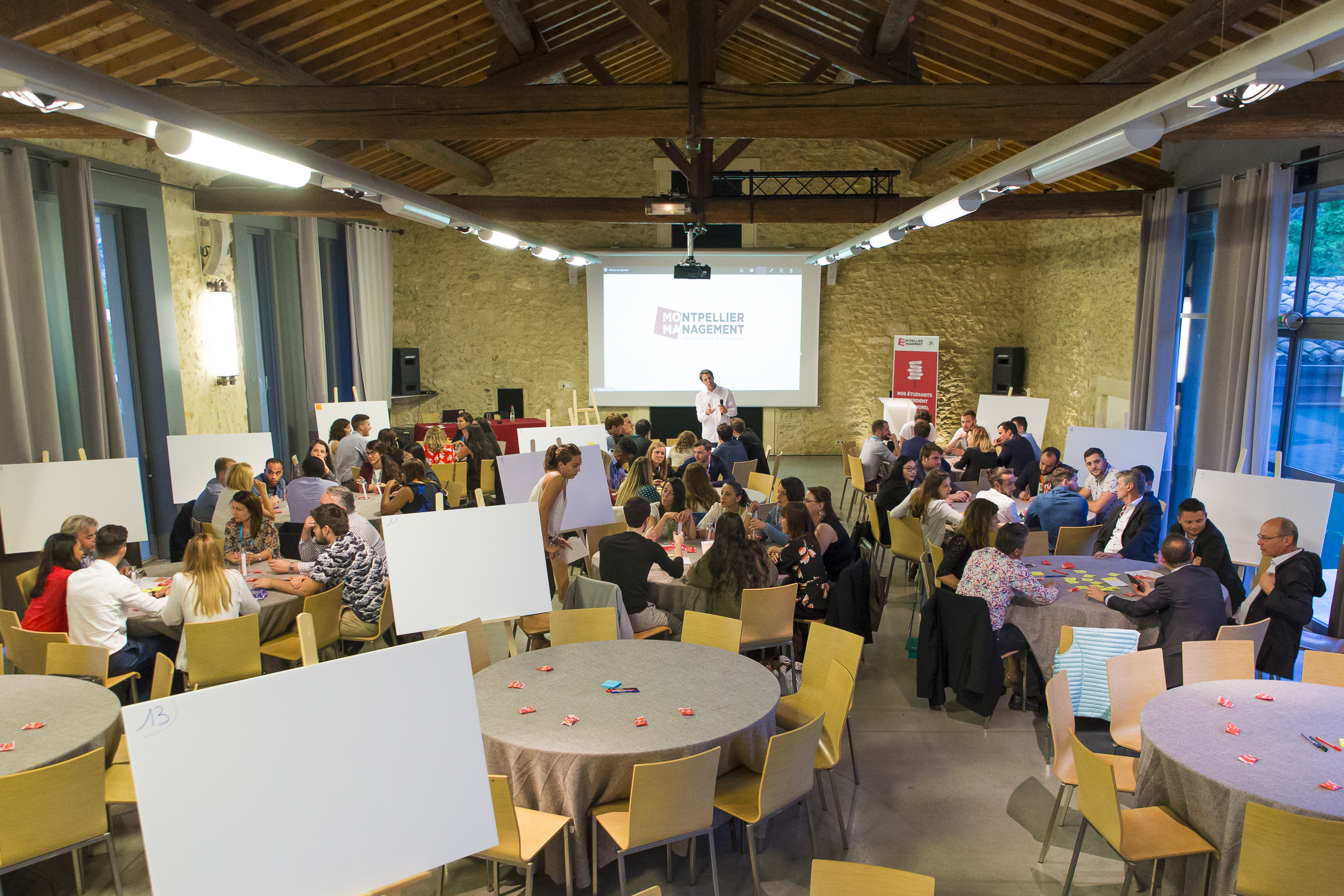
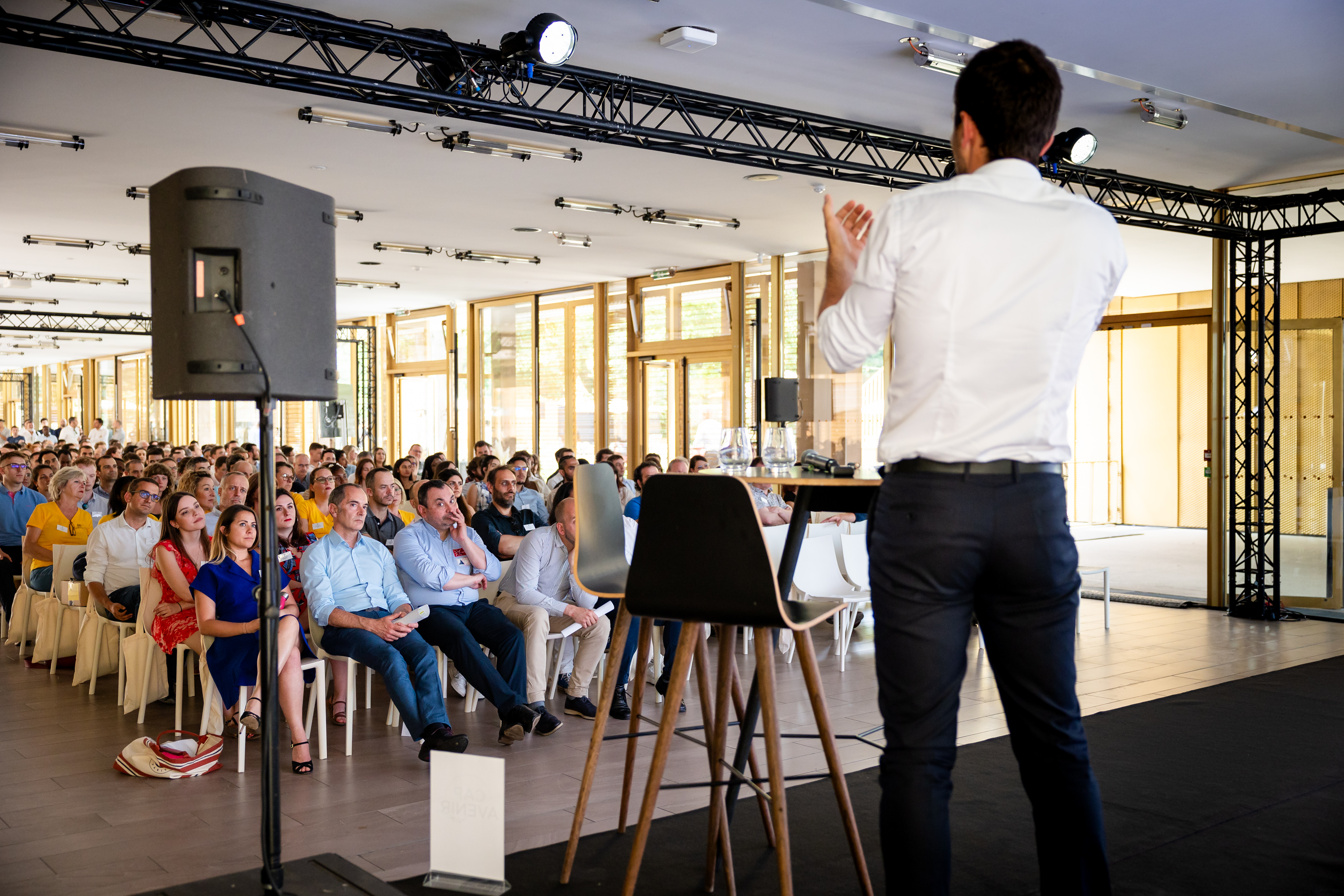
Operational indicators you can rely on in Brussel
10+ years producing corporate workshops and high-stakes executive sessions across Belgium, including Brussel.
30–90 minutes average response time during the workshop day for scenario pivots, technical adjustments and stakeholder role-play changes.
2 facilitation layers on most sessions: lead facilitator + backroom “exercise control” to keep tempo, inject updates and document decisions.
3 languages available depending on your audience (EN/FR/NL), with bilingual materials when required.
Brussel references and recurring teams we support
We regularly support Brussels-based organisations and teams who come back year after year because crisis readiness is not a one-off. A first workshop often reveals governance gaps; the second one validates corrective actions; the third one focuses on speed, tone and stakeholder choreography.
In Brussel, we frequently work with executive assistants and HR business partners who need a workshop that fits around board calendars and compliance constraints. We also collaborate with communication teams managing multilingual audiences and complex stakeholder ecosystems (employees, unions, regulators, clients, suppliers, landlords, and sometimes EU-related exposure). If you share your sector and risk priorities, we will provide relevant local examples from comparable organisations during the scoping call.
Because confidentiality is central to a Crisismanagement workshop in Brussel, we agree upfront on what can be named, what stays internal, and how we handle exercise artefacts (recordings, chat logs, call transcripts, decision timelines).
 Besoin d’un devis rapide ?
Nous vous envoyons une première proposition sous 24h.
What a crisis workshop changes for leadership in Brussel
A crisis plan on a shared drive does not protect your brand. What protects you is the ability of your leadership and key functions to make aligned decisions fast, communicate with discipline, and keep operations running while facts are still unclear.
A Crisismanagement workshop creates a safe but demanding environment to practice that reality: conflicting priorities, legal uncertainty, media pressure and internal anxiety—without paying the price of a real incident.
Clarify who decides what: executives see in real time where authority is ambiguous (CEO vs. country head vs. group, HR vs. Legal, Comms vs. Operations) and how to fix it.
Improve message discipline: spokespersons rehearse holding statements, bridging techniques, and what to never speculate on—especially when journalists push for names, numbers or blame.
Reduce time-to-first-action: we measure how long it takes to activate the crisis cell, appoint an incident lead, and publish an initial internal note. Speed is often the difference between control and chaos.
Stress-test internal communication: teams experience the reality of employees sharing information on Teams/WhatsApp, managers improvising, and the need for a consistent Q&A.
Rehearse stakeholder management: regulators, clients, unions, landlords, and strategic partners do not wait. We simulate calls and written requests so your team learns to respond with traceability.
Train cross-functional collaboration: HR, IT, Security, Finance and Communications practise working as one unit instead of sequential handovers.
Make post-crisis improvement actionable: you leave with a prioritised remediation plan (governance, templates, contact lists, escalation paths, tooling) rather than vague “lessons learned”.
Brussel is a visibility-heavy ecosystem: headquarters, institutions, international staff, and a dense media and stakeholder environment. That context increases the value of practicing tone, speed and documentation—because scrutiny arrives early and in multiple languages.
Brussel constraints that shape a credible crisis simulation
Running a crisis exercise in Brussel often means dealing with constraints that do not exist elsewhere: international leadership flying in for half a day, multilingual teams, and a stakeholder map that includes institutions, sector federations and cross-border media. The workshop must therefore be precise, timed, and built for executives who cannot “play along” for hours without clear value.
We design scenarios that reflect what Brussels-based organisations actually face: a cyber incident affecting shared services, a workplace safety event in a multi-tenant building, allegations going public on social media, a data protection concern with external vendors, or a disruption during an event with VIP attendees. The goal is not to scare people; it is to force the right decisions and communications at the right moment.
Local expectations also include discretion and professionalism. Many teams in Brussel have sensitive brand exposure. We agree on confidentiality rules, how observers participate (silent observers vs. active assessors), and how outputs are stored. In practical terms, we also plan around mobility constraints and security protocols common in Brussels venues (badge access, visitor registration, restricted filming).
Which crisis workshop formats work best in Brussel boardrooms
Engagement in a Crisismanagement workshop does not come from gimmicks. It comes from realism, pacing, and the feeling that “this could happen here”. We use formats that create the right level of pressure while staying respectful of executive dynamics and psychological safety.
Animations Interactives à Brussel
Timed decision sprints: participants have 7–10 minutes to decide, assign owners and craft a first message. This exposes governance gaps immediately.
Live stakeholder calls: role players simulate journalists, key clients, unions or a regulator. The team must respond without over-sharing and with proper documentation.
Hybrid crisis cell: part of the group in the room, part joining remotely—useful for Brussels-based HQ teams with international leaders. We test what breaks when decision-makers are not physically present.
Rumour management board: we inject internal rumours and social posts. Comms and HR practise what to address, what to ignore, and how to coordinate managers.
Animations Artistiques à Brussel
Professional spokesperson coaching on camera: short, high-impact recording sequences with playback. Focus on posture, wording, bridging, and avoiding legal pitfalls.
Audio-only pressure drills: simulated phone interviews (no visual cues). This is closer to reality when a journalist calls without warning.
Animations Innovantes à Brussel
Working lunch debrief: a structured debrief around a simple, discreet catering setup. In Brussel, this often fits better than a long dinner and keeps the focus on decisions and follow-ups.
“Shift handover” coffee break: we simulate leadership rotation and continuity risks (who briefs whom, what gets lost). This is surprisingly revealing in real organisations.
Animations Gourmandes à Brussel
Digital inject platform: participants receive emails, screenshots and “breaking updates” in a controlled way. This reproduces modern crisis noise without overwhelming the room.
Decision log with KPI tracking: we measure time-to-activation, time-to-first-internal-message, and number of off-script statements. You get a baseline to improve.
Scenario branching: if the team chooses option A or B, the situation evolves differently. This rewards real decision-making rather than “guessing the right answer”.
Whatever the format, we align the exercise with your brand and risk profile. A listed company will not train the same way as a healthcare organisation or a professional services firm in Brussel. The right tone protects your credibility while still challenging your team.
Where to host a crisis workshop in Brussel for realism
The venue influences behaviour. A crisis workshop requires focus, confidentiality and the ability to set up a real “decision room” (screens, breakout space, controlled access). In Brussel, the right setting also helps manage security and privacy constraints, especially when senior leaders participate.
| Venue type | For which objective? | Main strengths | Possible constraints |
|---|---|---|---|
| On-site meeting room (HQ in Brussel) | Test real internal processes and tools | Highest realism; access to actual channels; easier to involve IT/Security quickly | Harder to create “safe distance”; interruptions from day-to-day operations; confidentiality must be managed carefully |
| External boardroom or business center (Brussel) | Create focus and neutrality for executives | Controlled environment; easier pacing; professional AV setup; good for hybrid attendees | Less realistic access to internal systems; requires prep to mirror your tools and templates |
| Hotel conference room with breakout rooms (Brussel) | Run parallel crisis cells or multi-team exercises | Space for breakout; catering logistics; smooth flow for larger groups | Potential noise/footfall; ensure privacy and access control; costs vary by weekday and season |
We recommend a site visit (or at least a technical walk-through) before the day. For a Crisismanagement workshop in Brussel, small details matter: sight lines, door access, where observers sit, Wi‑Fi stability, and whether you can isolate the room from external noise.
What budgets look like for crisis workshops in Brussel
Pricing for a Crisismanagement workshop depends on the level of realism, the number of participants, and how much scenario work is needed. A simple tabletop is not the same as a multi-stakeholder simulation with role players, filming, and bilingual materials.
Preparation depth: interviews with leadership, review of existing crisis plans, and building a scenario aligned with your sector and governance.
Format and duration: from a 2-hour executive drill to a half-day or full-day exercise with breakout teams.
Number of roles simulated: journalist calls, regulator requests, client escalation, internal leaks—each role adds facilitation and control workload.
Languages and documentation: EN/FR/NL materials, translated templates, and whether the debrief report is delivered in one or multiple languages.
Technical setup: screens, recording (if agreed), hybrid participation, secure connectivity, and on-site tech support.
Deliverables: decision timeline, KPI baseline, improvement roadmap, updated templates (holding statement, internal memo, Q&A), and optional follow-up coaching.
We frame budget as risk reduction and response speed. One avoided reputational escalation, one better-handled employee communication, or one earlier containment decision typically justifies the investment—especially in a high-visibility environment like Brussel.
Why choosing a Brussel agency reduces execution risk
In crisis training, execution details determine credibility. A locally established team in Brussel means faster logistics, reliable technical partners, and facilitators who can read the room with the cultural nuance Brussels requires (international executives, bilingual teams, and complex stakeholder landscapes).
As an event agency in Brussel, we also know the practical constraints that can derail an exercise: venue access rules, last-minute agenda shifts, and the need to keep the workshop discreet while still being professionally produced. You do not want your crisis simulation to look like theatre; you want it to feel like operations.
- Shorter lead times for site visits, technical testing and room setup.
- Local supplier reliability for AV, security, catering and printing when timelines change.
- On-the-day resilience: if an executive is delayed by Brussels traffic or a meeting overruns, we can re-sequence injects without losing the learning objectives.
- Discretion-first operations: controlled signage, neutral room naming, and careful handling of exercise artefacts.
We frame budget as risk reduction and response speed. One avoided reputational escalation, one better-handled employee communication, or one earlier containment decision typically justifies the investment—especially in a high-visibility environment like Brussel.



What we have delivered for Brussel-based teams
Our crisis workshops in Brussel range from compact executive drills to multi-team simulations involving HR, IT, Legal, Communications and Operations. We have supported organisations that needed to rehearse a first response after a suspected data leak, teams preparing for media attention around a workplace incident, and leadership groups who wanted to test governance after a merger or reorganisation.
Across these projects, the pattern is consistent: the scenario is less important than the decisions it forces. We therefore design exercises around real friction points—approval bottlenecks, unclear escalation thresholds, dependency on one expert, lack of internal Q&A, or inconsistent manager communication.
We also adapt to your maturity level. If your crisis documentation is mature, we will challenge speed and coordination. If it is still evolving, we focus on building a usable backbone: who convenes the crisis cell, which templates exist, what the first internal note should look like, and how to keep a defensible decision log.
Common mistakes in Brussel crisis workshops and how we avoid them
Too generic scenarios: if the story could apply to any company, executives disengage. We anchor injects in your operations, stakeholders and brand exposure in Brussel.
No decision pressure: long discussions without deadlines do not reveal real behaviour. We use timed injects and required outputs (decision + owner + message).
Overloading participants with noise: realism is not chaos. We calibrate information volume so the team can prioritise and document.
Ignoring HR and internal comms: many crises escalate internally before they escalate externally. We ensure HR and Comms are part of the core decision loop.
Skipping the debrief: the learning is lost without a structured after-action review. We run a disciplined debrief and deliver an actionable improvement plan.
Unclear confidentiality: if people fear blame, they will not engage. We set rules for psychological safety while still holding teams accountable for decisions.
Our role is to prevent these risks and deliver a workshop that stands up to executive scrutiny: realistic, measurable, and directly useful for governance and communications in Brussel.
Why Brussel clients repeat crisis simulations with INNOV'events
Crisis readiness improves through iteration. Many Brussels-based clients schedule an annual or biannual Crisismanagement workshop to validate changes in leadership, suppliers, tooling and risk exposure.
They come back because we keep the process efficient: we remember prior decisions, track progress on remediation, and raise the bar each time—without turning the workshop into an exhausting “full-day show”.
12-month cadence is the most common rhythm we see for crisis drills in Brussel organisations with high reputational exposure.
3 deliverable layers clients typically request: a decision timeline, a prioritised remediation backlog, and updated message templates.

Repeat business is not about habit; it is about measurable progress. Loyalty is a practical proof that our workshops in Brussel deliver clarity, speed and stronger coordination.
How we build your crisis workshop in Brussel from briefing to debrief
👉 Brussel scoping call focused on decision points
We start with a 45–60 minute scoping call with a sponsor (CEO/COO/HRD/Comms Director) to identify the top risks, the stakeholders that matter, and the decisions you want to stress-test. We also confirm who must be in the room and who can observe.
👉 Scenario design and materials preparation in Brussel context
We interview key functions (typically Comms, HR, Legal, IT/Security, Operations) and review existing documentation. We then write a scenario with timed injects, role briefs, and required outputs (holding statement, internal note, Q&A, decision log). If needed, we prepare bilingual packs for Brussel teams.
👉 Technical and room setup for a realistic crisis cell
We define room layout, breakout spaces, screens, and the “exercise control” backroom. We agree on how injects will arrive (email, printed, WhatsApp-style screenshots) and we validate what can be recorded. We also plan security and confidentiality measures appropriate for Brussel venues.
👉 Facilitation, role play and live documentation
On the day, we brief participants, run the simulation with controlled pacing, and document decisions live. We challenge gently but firmly when messages drift, approvals stall, or responsibilities blur—exactly where real crises fail.
👉 After-action review and measurable next steps
We close with a structured debrief: what happened, what decisions were made, what worked, what slowed you down, and what to change. Within an agreed timeline (often 5–10 business days), we deliver a concise report with priorities, owners, and a recommended follow-up plan for your next Crisismanagement workshop in Brussel.
FAQ sur l'organisation Crisismanagement workshop à Brussel
How long should a crisis workshop in Brussel last?
Most executive-focused formats in Brussel work best in 2 to 4 hours (briefing + simulation + debrief). For multi-team coordination or hybrid participation, plan half a day. Full-day formats are relevant when you need parallel cells and deeper remediation work.
How many participants for a crisis simulation in Brussel?
A practical range is 8 to 20 for one crisis cell (leadership, Comms, HR, Legal, Operations/IT). For larger organisations in Brussel, we can run 2 parallel cells (e.g., executive cell + operational cell) up to 40–60 participants, with observers.
What budget range for a crisis workshop in Brussel?
For Brussel, a well-prepared tabletop exercise typically starts around €4,500–€8,500 depending on prep depth and deliverables. A higher-realism simulation with role players, hybrid setup and filmed spokesperson coaching is often €9,000–€18,000+. Exact pricing depends on scope, languages and the number of simulated stakeholders.
Can you run a multilingual crisis workshop in Brussel?
Yes. We commonly run sessions in EN/FR or FR/NL in Brussel. We can also produce bilingual participant packs and message templates. The key is agreeing upfront who speaks which language in the simulation (spokesperson vs. internal comms) so the exercise reflects your real operating model.
Do you adapt scenarios to Brussels-specific stakeholder pressure?
Yes. In Brussel, we often include early stakeholder scrutiny (media inquiries, institutional questions, landlord/security constraints, employee networks, international leadership involvement). We design injects that force decisions on approval chains, documentation, and message consistency across channels.
Plan your crisis workshop in Brussel with a clear scope
If you want a Crisismanagement workshop that your executives will respect, start with a focused scope: the decisions you want to test, the stakeholders you fear most, and the messages you cannot afford to get wrong. INNOV'events will propose a concrete format, a realistic scenario outline, and the operational setup required in Brussel.
Contact us to schedule a scoping call and receive a structured proposal (format options, timeline, deliverables and budget ranges). Early planning is recommended when you need multilingual materials, hybrid participation, or a venue with controlled access in Brussel.
Agence INNOV'events Brussel
Justin JACOB est le responsable de l'agence événementielle Brussel. Contactez-le directement par mail via l'adresse belgique@innov-events.be ou par formulaire.
Contacter l'agence BrusselToutes nos prestations & animations Brussel, Belgique
Découvrez nos prestations événementielles
Découvrez nos animations événementielles disponibles au Belgique
- Hôtesse événementielle à Brussel
- Escape Game à Brussel
- Cours de cuisine type MasterChef à Brussel
- Magicien à Brussel
- Location de chapiteau à Brussel
- Atelier colorimétrie à Brussel
- Jeux gonflables à Brussel
- Service de voiturier à Brussel
- Simulateur de football à Brussel
- Location de mobilier lumineux à Brussel
- Flocage lumineux à Brussel
- Repas insolite à Brussel
- Light Painting à Brussel
- Murder Party à Brussel
- Jeu concours à Brussel
- PLV événementielle à Brussel
- Réalité virtuelle à Brussel
- Cuisine moléculaire à Brussel
- Animation Halloween à Brussel
- Feu d’artifice à Brussel
- Jeux géants à Brussel
- Animateur événementiel à Brussel
- Animation photo à Brussel
- Père Noël à Brussel
- Animation enfants à Brussel
- Visite guidée à Brussel
- Rallye urbain à Brussel
- Piscine à balles à Brussel
- Simulateur de vol à Brussel
- Location de food truck à Brussel
- Record du monde à Brussel
- Simulateur de surf à Brussel
- Casino du vin à Brussel
- Atelier relooking à Brussel
- Atelier création de parfum à Brussel
- Atelier acting à Brussel
- Animations RSE à Brussel
- Tir à l’arc à Brussel
- Agent de sécurité à Brussel
- Œnologie à Brussel
- Mime à Brussel
- Jeu télévisé à Brussel
- Fête foraine à Brussel
- Atelier gestion de crise à Brussel
- Atelier négociation de crise à Brussel
- Jeux d’arcade à Brussel
- Simulateur de chute libre à Brussel
- Simulateur de ski à Brussel
- Simulation circuit automobile à Brussel
- Baptême de l’air à Brussel
- Dégustation à Brussel
- Création de baby-foot à Brussel
- Rallye 2CV à Brussel
- Challenge LEGO à Brussel
- Animation casino à Brussel
- Interprète / traducteur à Brussel
- Goodies à Brussel
- Bus / transfert à Brussel