
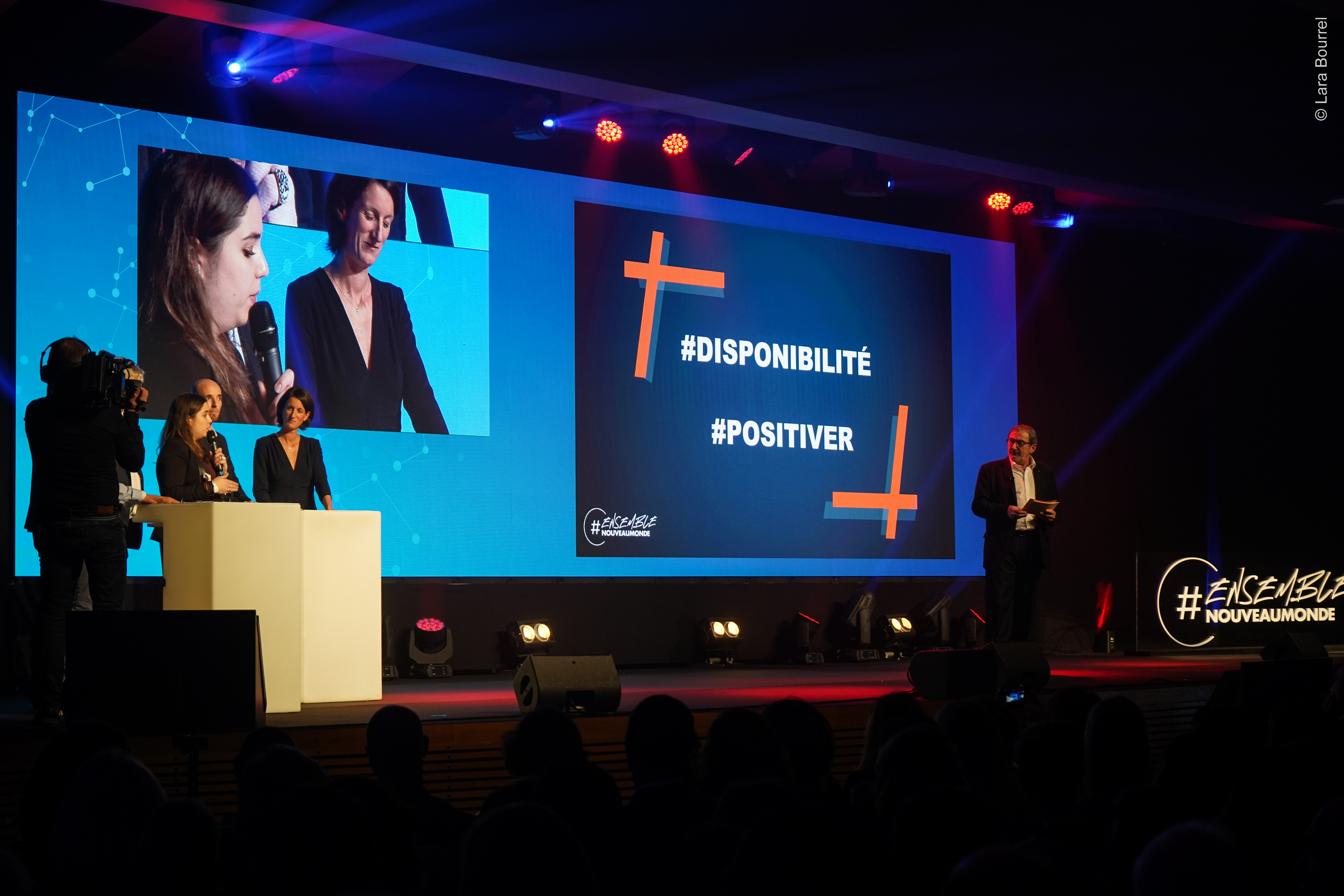
Tolk / vertaler in Brussel for executive-grade corporate events
INNOV'events provides Tolk / vertaler solutions for corporate events in Brussel, from leadership town halls to EU-facing conferences, typically 10 to 2,000 attendees. We secure the right interpreter profiles, the technical setup (IR, headsets, booths), and the on-site coordination so speakers can focus on decisions and messaging.
Whether you need simultaneous interpretation in EN/FR/NL, consecutive for VIP meetings, or discreet whispering during board-level negotiations, we manage the full chain: briefing, terminology, rehearsals, run-of-show, and contingency plans.
Sommaire
In a corporate event, language access is not “nice to have”: it protects message accuracy, reduces friction in Q&A, and prevents reputational risk when executives speak under pressure. A professional Tolk / vertaler also accelerates decision-making by keeping every stakeholder aligned in real time.
In Brussel, audiences are often mixed: headquarters teams, international colleagues, public affairs, unions, works councils, and external partners. The expectation is clear: flawless EN/FR/NL delivery, strict confidentiality, and a technical setup that works without improvisation.
As an events agency based in Brussel, INNOV'events works with vetted interpreter teams and local AV partners used to corporate constraints: short set-up windows, security badges, hybrid streams, and last-minute speaker changes.
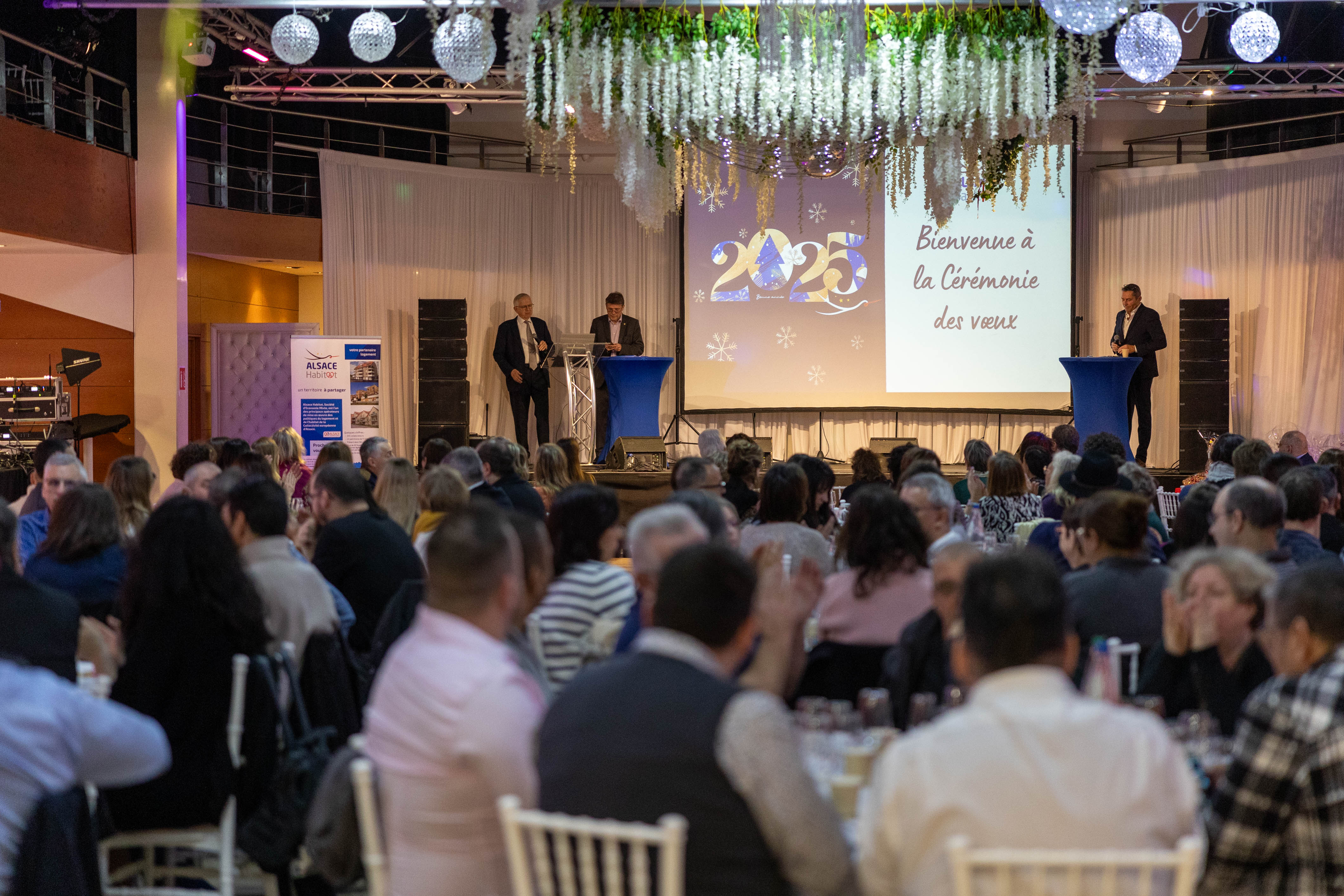
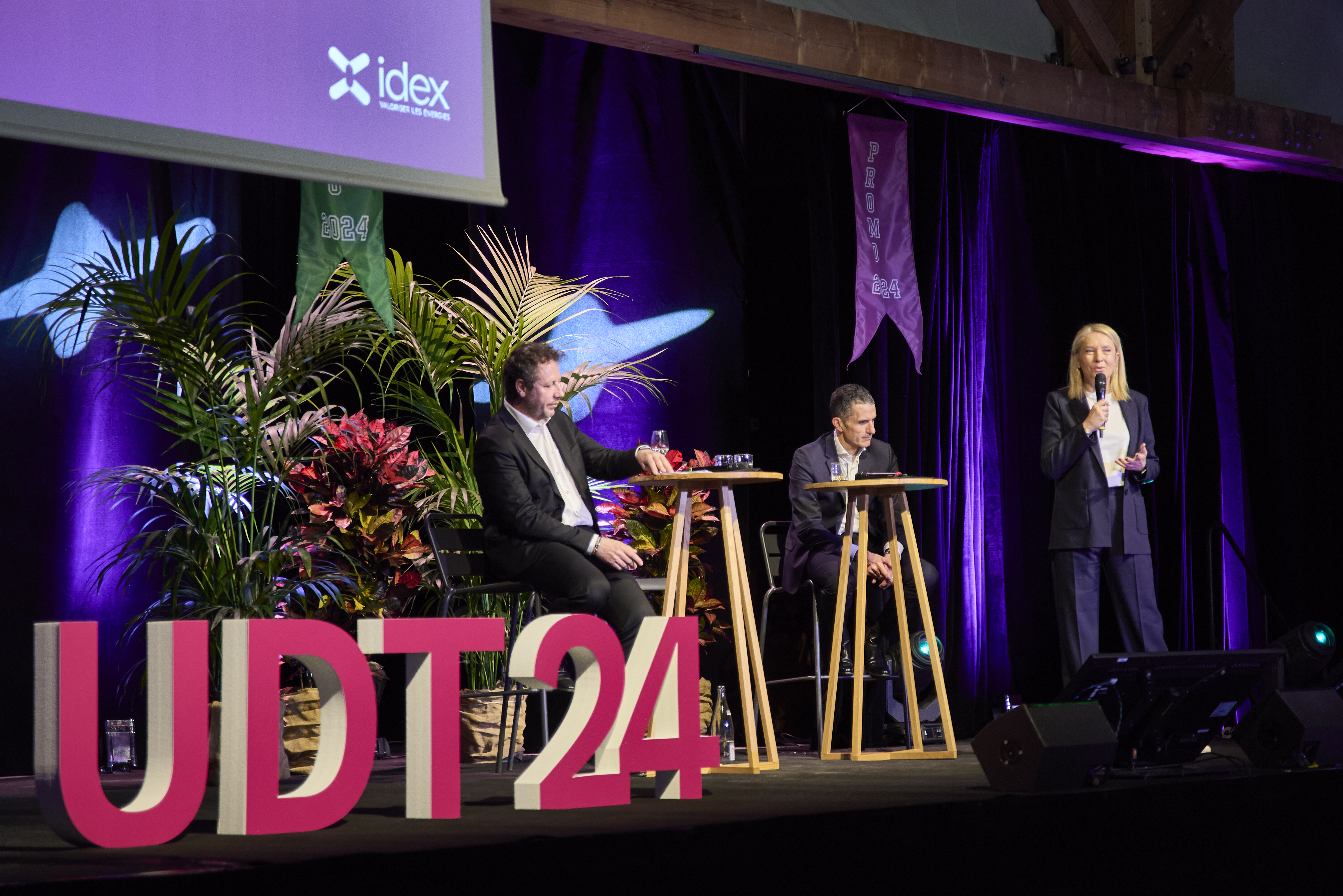
Key figures for interpretation delivery in Brussel
15+ years coordinating corporate events where Tolk / vertaler in Brussel services are critical (executive communication, HR, public affairs).
Operational coverage from 10 to 2,000 participants, including hybrid formats with multilingual streaming.
EN / FR / NL as standard, plus DE/ES/IT on request via our interpreter network used for Brussels-based international programs.
24–48h turnaround possible for urgent meetings (subject to interpreter availability and technical constraints).
Who we support year after year in Brussel
We regularly support organizations operating in Brussel where multilingual communication is non-negotiable: European-facing institutions, corporate HQs, federations, and fast-scaling teams with international workforces. Some clients come back annually because interpretation is not a “one-off purchase” for them: it is part of a recurring rhythm of town halls, quarterly business reviews, leadership offsites, and stakeholder briefings.
In practice, this continuity matters. It means we already know your internal language rules (what must be delivered in EN/FR/NL, what can remain in one language), your brand tone, your sensitive terms, and your approval workflow for scripts and decks. It also means faster onboarding of interpreters because we can provide structured briefings, event glossaries, and a run-of-show that matches how Brussels-based executive events are actually run.
If you share your sector and typical audience mix, we will confirm the most relevant interpreter profiles (conference interpreters vs. liaison interpreters, HR-sensitive communication experience, EU-policy vocabulary, technical/industrial terminology) and propose a delivery plan aligned with your internal governance.
 Besoin d’un devis rapide ?
Nous vous envoyons une première proposition sous 24h.
Why book an interpreter in Brussel for leadership communications
When you communicate to employees, partners, or external stakeholders in Brussel, you are not only sharing information—you are managing trust. A professional Tolk / vertaler ensures that intent, nuance, and commitments survive the language switch, especially when messages are sensitive: reorganizations, policy changes, compliance topics, or strategic pivots.
Message control for executives: simultaneous interpretation reduces the temptation to “simplify” content on the fly. Your CEO can deliver one coherent narrative while audiences receive it in their language—without distortions.
HR risk reduction: during employee town halls, imperfect translation can create misunderstandings that escalate quickly (benefits, working conditions, performance rules). Professional interpreters are trained to stay accurate under tension and manage fast exchanges during Q&A.
Higher engagement in mixed-language rooms: when attendees can listen in their native language, they participate more. That translates into better feedback loops and fewer post-event clarifications.
Confidentiality and governance: vetted interpreters follow strict ethics and NDAs. We also define who receives headsets, where the booths are placed, and how to handle off-the-record segments.
Operational speed: with correct interpreter staffing (number of booths, rotations, and breaks), you avoid timing overruns that impact catering, security, and venue slots—common pressure points in Brussel venues.
Brussel is a decision-making hub where stakeholders expect professionalism and linguistic inclusion. Interpretation done properly is a managerial tool: it protects the organization while keeping communication efficient and credible.
What Brussel audiences expect from interpreters during corporate events
Brussels-based corporate events have a specific profile: multilingual by default, time-constrained, and often attended by people used to high standards (international colleagues, public affairs, legal/compliance, works councils, external advisors). That context creates very concrete expectations for a Tolk / vertaler in Brussel:
- EN/FR/NL readiness without debate: many events require at least these three languages. The question is not “do we translate?” but “what is the most efficient setup: simultaneous, consecutive, relay, or hybrid?”
- Terminology discipline: Brussels organizations often operate with formal vocabulary—policy terms, governance language, KPI frameworks, legal definitions. Interpreters must receive decks, scripts, and acronyms early enough to build a glossary.
- Hybrid reliability: it is common to have speakers onsite and audiences partly remote. Interpretation must integrate with the streaming platform, audio routing, and recording rules (some segments are not to be recorded).
- Security and access constraints: badges, loading dock schedules, limited set-up time, and strict venue rules are frequent in central Brussel. The interpretation equipment plan must match these realities.
- Protocol and VIP handling: executive arrivals, closed-door side meetings, and last-minute agenda changes require interpreters who stay calm and adaptable without compromising accuracy.
Our role is to translate these expectations into an operational plan: staffing, technical design, rehearsals, and contingency measures that fit your schedule and your internal approval process.
Which formats work best with interpreters in Brussel events
Interpretation is not only for formal conferences. In Brussel, many companies want interaction while keeping language inclusion. The key is to design formats that remain interpretable: clear facilitation, controlled speaking turns, and audio discipline.
Animations Interactives à Brussel
Moderated panel with multilingual Q&A: ideal for leadership town halls. We manage question intake (app or microphones), brief the moderator on pacing, and ensure interpreters can follow rapid exchanges.
Workshops with bilingual facilitation: small groups where a liaison interpreter supports the facilitator. Best when you need participation rather than broadcast-style delivery.
Investor/partner roundtables: consecutive interpretation keeps the conversation precise and controlled—useful when commitments and numbers are discussed.
Animations Artistiques à Brussel
Scripted keynote + brand film: interpreters can deliver the keynote while subtitles or voice-over cover the film. We coordinate timing so language channels stay synchronized.
Awards segment with multilingual stage cues: short, high-pressure moments where names, titles, and brand terms must be exact. We prepare pronunciation notes and stage scripts for interpreters.
Animations Innovantes à Brussel
Networking cocktail with roaming liaison interpreters: practical for mixed-language stakeholder events in Brussel, where conversations shift quickly and VIPs need discreet support.
Seated dinner with short interpreted interventions: we recommend limiting speeches to defined slots and using consecutive to preserve intimacy and avoid over-technical setups.
Animations Gourmandes à Brussel
Hybrid event with interpreted streaming channels: remote participants select EN/FR/NL channels. We ensure platform compatibility, audio latency management, and clear audience instructions.
AI-assisted captioning with human supervision: useful for accessibility and speed, but we position it correctly: as captions support, not as a replacement for a Tolk / vertaler when legal or reputational risk is high.
Whatever the format, we align interpretation with your brand image: tone, terminology, and the level of formality expected from your organization in Brussel. A technically perfect setup is not enough if the delivery does not match your executive communication standards.
Where to host interpreted meetings in Brussel without technical surprises
The venue influences everything: booth placement, acoustics, streaming reliability, security access, and how credible your event feels to a Brussels-based audience. For interpreted events, we prioritize: quiet rooms, ceiling height and sight lines, stable power, and sufficient backstage space for AV and interpreter teams.
| Venue type | For which objective? | Main strengths | Possible constraints |
|---|---|---|---|
| Hotel conference rooms (Brussel centre/EU quarter) | Town halls, leadership updates, partner days with Tolk / vertaler booths | Built-in AV culture, predictable logistics, easy catering, reception staff used to multilingual audiences | Room acoustics vary; booth placement can be restricted; union/works council rules may require specific setups |
| Corporate HQ meeting suites in Brussel | Board meetings, sensitive negotiations, HR consultations with consecutive/whispering | Confidentiality, access control, familiar environment for executives, fast decision cycles | Limited space for booths and headsets; stricter IT/security policies for hybrid connections |
| Conference centres near EU institutions | External-facing conferences, policy briefings, multi-language plenaries | Scale, professional infrastructure, experience with EN/FR/NL flows and protocol | Higher cost; longer booking lead times; tighter technical rules and schedules |
We strongly recommend a site visit (or at minimum a technical walk-through) before confirming the interpretation plan. In Brussel, many venues look similar on paper, but small constraints—rigging points, ceiling height, backstage access—can change the equipment list and staffing needs.
How much does a Tolk / vertaler cost in Brussel for events
The budget for a Tolk / vertaler in Brussel depends on both human expertise and technical architecture. A single bilingual moderator is not the same as two booths of simultaneous interpretation with headset distribution for hundreds of attendees. We price based on risk, complexity, and the service level you need on the day.
Interpretation mode: simultaneous generally requires booth(s), headsets, and interpreter teams; consecutive may reduce equipment but increases agenda time.
Number of languages and channels: EN/FR/NL can require 2–3 channels; adding a fourth language can affect staffing, booth space, and audio routing.
Duration and working hours: half-day vs. full-day vs. evening; early call times and strict venue time slots influence staffing and logistics.
Interpreter staffing and rotations: for simultaneous, you typically need 2 interpreters per language for sustained sessions to maintain accuracy and prevent fatigue-related errors.
Technical setup: booths (mobile or built-in), IR or RF headsets, microphones, mixing desk routing, backup units, and on-site technicians.
Preparation level: highly technical content (legal, medical, industrial) or sensitive HR topics require more prep and may affect the profile and rate.
Hybrid/streaming integration: extra audio interfaces, platform configuration, remote interpreter options, latency management, and tests.
We approach budget with a return-on-risk lens: the cost of professional interpretation is usually small compared with the impact of a miscommunicated policy, a derailed Q&A, or a leadership message that lands differently across language groups. We can propose options (e.g., simultaneous plenary + consecutive breakouts) to keep spend under control without compromising key moments.
Why choose a Brussel-based agency for interpreter coordination
Interpretation is one of the areas where “remote planning only” can fail quickly. Having an agency established in Brussel means faster site access, known venue constraints, and a network of interpreters and AV partners accustomed to local realities: security procedures, last-minute agenda changes, and multilingual audiences that are demanding by default.
It also means your internal teams can work with one accountable partner. Instead of managing interpreters, booth providers, headset counts, and on-site troubleshooting separately, you get a single operational lead who speaks the language of HR, Comms, and executive assistants—and who can make decisions under time pressure.
When relevant, we integrate interpretation within the broader event production via our event agency in Brussel approach, so the stage management, AV, and speaker handling remain consistent from planning to live day.
- Faster troubleshooting on the day: if a microphone feed is wrong, we fix routing immediately—no blame game between vendors.
- Local venue knowledge: realistic load-in times, power availability, and booth placement options based on what is actually permitted.
- Access to appropriate interpreter profiles: conference-level simultaneous interpreters vs. liaison interpreters for closed-door meetings.
- Better stakeholder experience: clear signage, headset distribution flow, and support staff who can answer attendee questions in EN/FR/NL.
We approach budget with a return-on-risk lens: the cost of professional interpretation is usually small compared with the impact of a miscommunicated policy, a derailed Q&A, or a leadership message that lands differently across language groups. We can propose options (e.g., simultaneous plenary + consecutive breakouts) to keep spend under control without compromising key moments.






Examples of interpretation setups delivered in Brussel
Our interpretation projects in Brussel range from discreet executive support to full-scale multilingual conferences. A few realistic examples of what we deliver (formats anonymized for confidentiality):
- Leadership town hall (500–900 attendees, hybrid): simultaneous EN/FR/NL, headset distribution onsite, interpreted audio channels online, moderated Q&A with controlled microphone points. Key success factor: strict run-of-show and speaker coaching to avoid speed issues.
- HR consultation day (40–120 participants, multiple sessions): consecutive interpretation for sensitive discussions, plus liaison interpreters in breakouts. Key success factor: confidentiality rules, consistent terminology (benefits, policies), and clear session boundaries.
- Partner conference in the EU quarter (200–600 participants): plenary simultaneous + breakouts with bilingual facilitation, signage and attendee instructions in EN/FR/NL. Key success factor: room acoustics checks and booth placement to preserve sight lines.
- Board and investor meetings (10–25 participants): consecutive or whispering interpretation, with strict NDA handling and pre-briefing on financial and legal terms. Key success factor: ensuring interpretation does not slow down decision cycles.
In each case, we focus on the same promise: language access that strengthens leadership authority and keeps the event running on time.
Common mistakes when booking interpreters in Brussel
Underestimating prep needs: sending slides the night before and expecting perfect terminology. Even experienced interpreters deliver better when they receive materials 3–7 days in advance.
Choosing the wrong mode: using consecutive for a large plenary saves equipment but can double speaking time and damage audience attention.
Not planning interpreter rotations: simultaneous interpretation is cognitively intense; without proper staffing, accuracy drops precisely when executives accelerate.
Audio shortcuts: relying on room speakers instead of clean interpreter feeds, or skipping soundchecks. In Brussel venues with challenging acoustics, this is the main cause of complaints.
Ignoring headset logistics: distribution points, deposits, collection, spare batteries, and attendee instructions. A great interpretation team can still be “judged” poorly if attendees cannot access the channel quickly.
No plan for last-minute speaker changes: when a speaker joins remotely, changes language, or deviates from the script, the run-of-show must absorb it without panic.
Our role is to prevent these risks with a disciplined method: clear briefs, tested technical architecture, and on-site coordination that protects both your schedule and your leadership image.
Why Brussel clients keep the same interpreter partner
Companies come back when interpretation becomes predictable: not in output (every event is different), but in process and accountability. For HR and Comms teams, the real value is reducing cognitive load—knowing that the multilingual layer will not become the stress point on event day.
Most recurring programs include at least one multilingual moment (town hall, compliance update, partner briefing) where EN/FR/NL is expected.
For annual cycles, we typically maintain a core interpreter pool so terminology and speaker style are retained from one edition to the next.
We standardize essentials (glossary templates, headset counts, cue sheets) to shorten planning time by 20–30% on repeated formats, depending on content stability.

Loyalty is the most pragmatic proof point in Brussel: demanding teams do not repeat collaborations unless delivery is reliable under real event pressure.
Our interpretation delivery process in Brussel
👉 Scoping call in Brussel: stakes, audience, and language mix
We confirm objectives (internal alignment, external positioning, negotiation), attendee profiles, and the exact language matrix (who needs which language, and in which moments). We also identify sensitive segments (legal, HR, M&A, compliance) and define confidentiality rules and recording constraints.
👉 Interpreter selection and staffing plan for Brussel formats
We propose interpreter profiles based on mode (simultaneous vs. consecutive) and content domain. We validate team sizing (typically 2 interpreters per language for sustained simultaneous sessions), working hours, and break planning to protect accuracy.
👉 Technical design: booths, headsets, audio routing, hybrid channels
We map the technical architecture: microphone plan, interpreter feeds, headset distribution, booth placement and sight lines, and platform integration for hybrid. We also plan backup (spare headsets, batteries, additional microphones, redundancy for critical audio paths).
👉 Briefing pack and terminology control
We collect decks, scripts, speaker bios, brand terms, and internal vocabulary. We build or update an event glossary and confirm “no-translation” items (product names, trademarks, program names). When needed, we organize a short rehearsal with key speakers to calibrate pace and cues.
👉 On-site coordination in Brussel and live run-of-show management
On the day, we coordinate interpreter arrival, technical checks, channel labeling, and attendee instructions. During the event, we manage cues with the stage manager and AV team, protect timing, and handle changes (speaker swaps, remote interventions, extended Q&A) without compromising interpretation quality.
👉 Post-event debrief and improvement for the next Brussel edition
We collect feedback (speaker comfort, audience access, timing, technical incidents), document what worked, and update glossary and counts for the next event. For recurring clients, this is how we continuously reduce friction and planning time.
FAQ sur l'organisation Tolk / vertaler à Brussel
How many interpreters do I need in Brussel for EN/FR/NL?
For simultaneous interpretation, plan 2 interpreters per language for sessions longer than 60–90 minutes. For EN/FR/NL in a plenary, that commonly means 4 to 6 interpreters depending on the source language(s) and agenda structure.
Simultaneous or consecutive interpretation for Brussel town halls?
For town halls above 80–100 attendees, simultaneous is usually the right choice: it keeps timing under control and maintains speaker authority. Consecutive can work for small executive audiences, but it can add 30–80% extra time to the agenda.
How early should we book a Tolk / vertaler in Brussel?
For standard EN/FR/NL, book 2–4 weeks ahead when possible. For peak periods (end-of-quarter, major conferences) or niche domains, aim for 6–8 weeks. We can sometimes support urgent requests within 24–48 hours, but options become limited.
What equipment is required for interpreters in Brussel venues?
For simultaneous: interpreter booth(s), interpreter consoles, clean audio feeds, and attendee receivers (often IR headsets) plus spare batteries. For hybrid: an audio interface to your streaming platform and tested language channels. For consecutive: typically microphones and a clear seating plan, with fewer technical elements.
Can we use AI instead of a human interpreter in Brussel?
For low-risk internal updates, AI captions can help, but for executive communication, HR-sensitive topics, legal/compliance, or external-facing events in Brussel, a professional Tolk / vertaler remains the safer option. AI still struggles with nuance, acronyms, and fast Q&A, and errors can create reputational or HR issues.
Request a quote for a Tolk / vertaler in Brussel
If you are planning a multilingual event in Brussel, contact INNOV'events early with three elements: date/venue (or shortlist), audience size, and required languages. We will propose a clear interpretation plan (mode, staffing, equipment, timing), identify risks before they become day-of issues, and provide a transparent quote aligned with your executive and HR constraints.
When time is tight, we can also step in to audit an existing setup—interpreter staffing, booth placement, audio routing, and run-of-show—to secure delivery before the event goes live.
Agence INNOV'events Brussel
Justin JACOB est le responsable de l'agence événementielle Brussel. Contactez-le directement par mail via l'adresse belgique@innov-events.be ou par formulaire.
Contacter l'agence BrusselToutes nos prestations & animations Brussel, Belgique
Découvrez nos prestations événementielles
Découvrez nos animations événementielles disponibles au Belgique
- Hôtesse événementielle à Brussel
- Escape Game à Brussel
- Cours de cuisine type MasterChef à Brussel
- Magicien à Brussel
- Location de chapiteau à Brussel
- Atelier colorimétrie à Brussel
- Jeux gonflables à Brussel
- Service de voiturier à Brussel
- Simulateur de football à Brussel
- Location de mobilier lumineux à Brussel
- Flocage lumineux à Brussel
- Repas insolite à Brussel
- Light Painting à Brussel
- Murder Party à Brussel
- Jeu concours à Brussel
- PLV événementielle à Brussel
- Réalité virtuelle à Brussel
- Cuisine moléculaire à Brussel
- Animation Halloween à Brussel
- Feu d’artifice à Brussel
- Jeux géants à Brussel
- Animateur événementiel à Brussel
- Animation photo à Brussel
- Père Noël à Brussel
- Animation enfants à Brussel
- Visite guidée à Brussel
- Rallye urbain à Brussel
- Piscine à balles à Brussel
- Simulateur de vol à Brussel
- Location de food truck à Brussel
- Record du monde à Brussel
- Simulateur de surf à Brussel
- Casino du vin à Brussel
- Atelier relooking à Brussel
- Atelier création de parfum à Brussel
- Atelier acting à Brussel
- Animations RSE à Brussel
- Tir à l’arc à Brussel
- Agent de sécurité à Brussel
- Œnologie à Brussel
- Mime à Brussel
- Jeu télévisé à Brussel
- Fête foraine à Brussel
- Atelier gestion de crise à Brussel
- Atelier négociation de crise à Brussel
- Jeux d’arcade à Brussel
- Simulateur de chute libre à Brussel
- Simulateur de ski à Brussel
- Simulation circuit automobile à Brussel
- Baptême de l’air à Brussel
- Dégustation à Brussel
- Création de baby-foot à Brussel
- Rallye 2CV à Brussel
- Challenge LEGO à Brussel
- Animation casino à Brussel
- Interprète / traducteur à Brussel
- Goodies à Brussel
- Bus / transfert à Brussel