
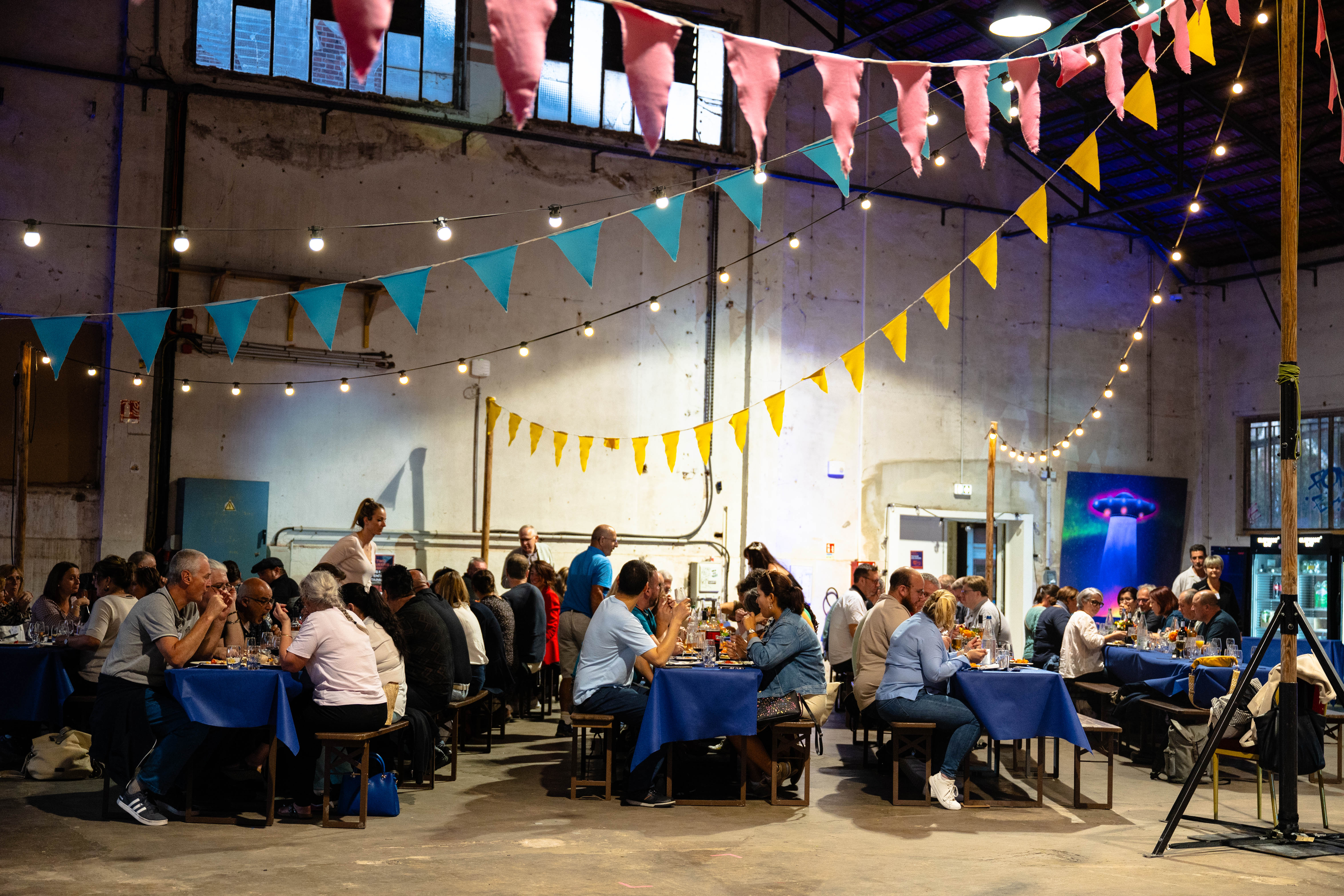
Culinaire belevenis in Antwerpen that delivers measurable team impact
INNOV'events (Brussels) designs and produces Culinaire belevenis formats in Antwerpen for executive committees, HR, and communication teams—typically 20 to 600 attendees. We handle the full chain: concept, chefs/partners, venue, production, guest flow, dietary management, and day-of coordination. You get a controlled, brand-consistent experience that works for both internal culture and external stakeholder moments.
Sommaire
In a corporate context, a Culinaire belevenis is not “nice to have”: it is a high-impact lever to create cross-team interaction without forcing it, to reward performance credibly, and to host clients in a setting where conversation quality improves. In practice, food-driven formats are one of the few activities that executives can justify because the outcome is visible: attendance, engagement, and relationship-building.
Organizations in Antwerpen expect operational discipline: punctual starts (often after traffic-sensitive arrivals), short queue times, clear language choices (NL/FR/EN), and reliable handling of allergies and corporate compliance. They also expect a concept that fits the moment—board dinner, employer branding, sales kick-off—without diluting the company’s image through gimmicks.
We combine Brussels-level production standards with on-the-ground supplier routines in Antwerpen: chefs, artisanal producers, and venues that can sustain peak service. Our role is to de-risk the day: we translate your objectives into a run-of-show, a service design, and a guest journey that remains controlled even when last-minute changes happen.
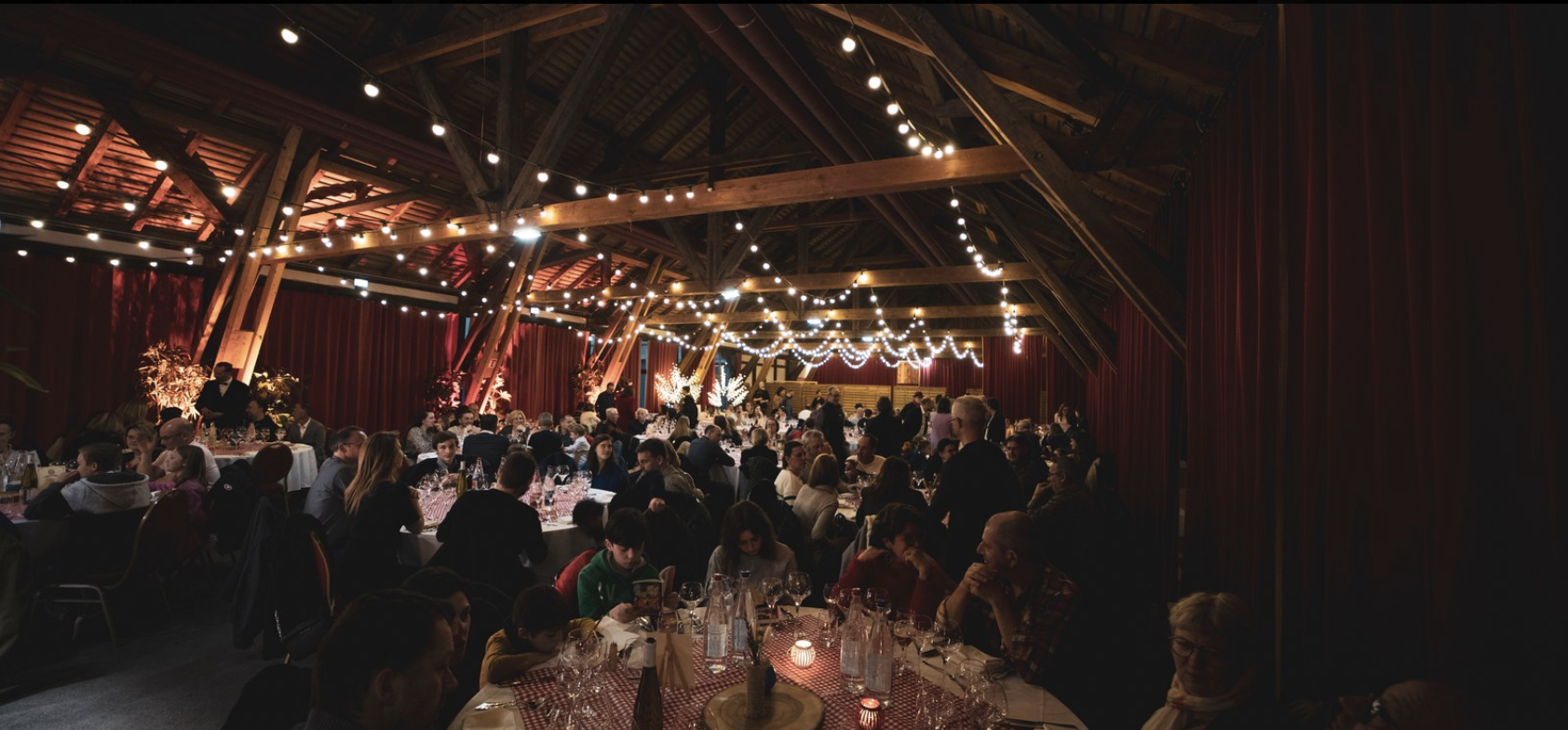
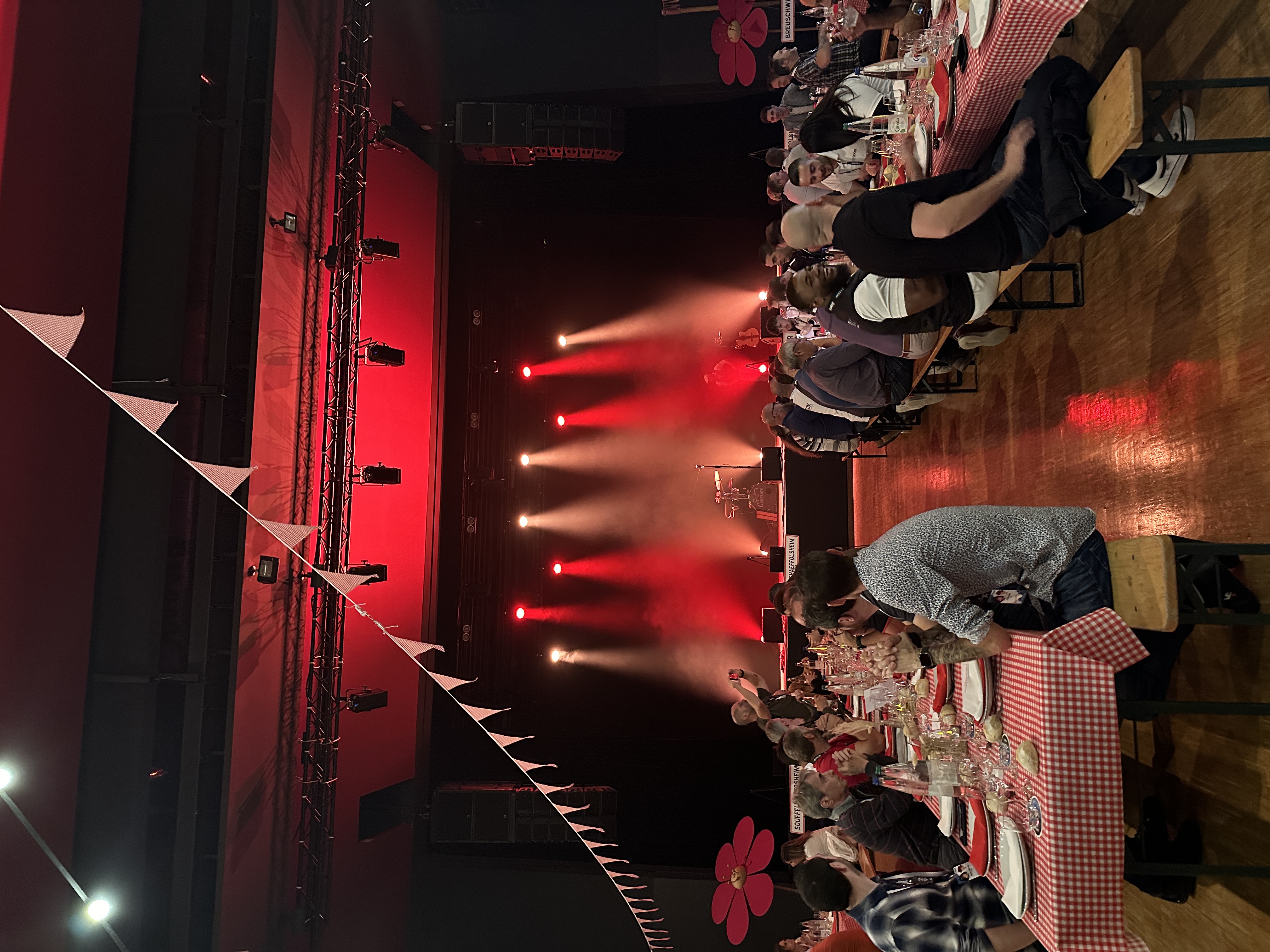
Operational proof points in Antwerpen
10+ years producing corporate events across Belgium, with recurring programs for HR and communication departments.
150+ vetted partners (venues, caterers, chefs, technical production) in our Belgian network, including frequent operations in Antwerpen.
20–600 guests is our most common range for culinary formats; we also handle smaller executive dinners and larger staff moments.
1 single project lead accountable from briefing to on-site production, with a documented run-of-show and risk register.
Who we support in Antwerpen year after year
In Antwerpen, we regularly support companies that need repeatable, controlled formats: quarterly leadership dinners, onboarding evenings, client hospitality around trade periods, and end-of-year moments where attendance is non-negotiable. Some of our local clients return because their internal stakeholders change (new CHRO, new comms lead), but the event quality and reporting need to remain consistent.
You mentioned specific reference names—please share them and we will integrate them precisely and responsibly (with the right phrasing depending on what can be disclosed). In the meantime, what we see most often in Antwerp-based organizations is a preference for discreet excellence: a clear concept, excellent service cadence, and a guest journey that respects time and privacy.
When clients repeat an annual culinary concept, we treat it as a program rather than a one-off: supplier performance reviews, updated dietary databases, continuous improvement on flow (cloakroom, reception, table plan), and budget calibration based on what created real value the previous year.
 Besoin d’un devis rapide ?
Nous vous envoyons une première proposition sous 24h.
What a culinaire belevenis can solve for leadership in Antwerpen
A well-produced Culinaire belevenis in Antwerpen creates a rare balance: it is warm enough to build relationships and structured enough to meet corporate constraints. For executive teams, it is often the most efficient “culture moment” because it generates interaction across silos while staying socially comfortable for different profiles (sales, finance, engineering, operations).
Leadership visibility without forcing speeches: a curated welcome, short remarks, and table rotation can achieve more than a long stage program—especially when you want leadership to feel present but not performative.
Employer branding that feels authentic: showcasing local producers from Antwerpen (or a chef with a clear story) creates content for internal comms and LinkedIn without looking staged.
Client trust in a controlled environment: for B2B hospitality, the quality of service rhythm (arrival drink, first course timing, noise level) directly affects conversation depth and perceived professionalism.
Cross-team connection with measurable outcomes: structured mingling (pairing stations, chef-led mini-briefings, table prompts) increases the number of new interactions per person—useful after reorganizations or mergers.
Retention and recognition: culinary formats are perceived as “real value” when they are executed flawlessly—good food, no waiting, dietary respect—making recognition credible.
Risk reduction versus informal dinners: the moment you move beyond a small group, unmanaged restaurant logistics become a reputational risk. A produced format gives you control over timing, privacy, and contingency.
Antwerpen has a pragmatic, quality-driven business culture. When your event delivers tangible comfort—good pacing, good acoustics, good service—people remember it as professional. That is the benchmark we design for.
How Antwerpen constraints shape your culinaire belevenis
Running a culinary corporate event in Antwerpen has practical constraints that directly impact guest satisfaction—and your internal credibility as the event owner.
Mobility and arrival windows: many guests commute from the port area, Kontich, Mechelen corridor, or Brussels. A concept that assumes everyone arrives at the same time often creates queues and late starts. We design staggered arrivals (two welcome stations, pre-poured aperitif control, scan/hosted check-in) and a service rhythm that can absorb delays without punishing on-time guests.
Language and stakeholder mix: Antwerp events frequently combine Dutch-speaking teams with international stakeholders. That affects signage, host briefing, menu descriptions, and even chef talk tracks. We align language choices with your brand: bilingual where needed, and never “half translated” on key touchpoints like allergen labeling.
Compliance, privacy, and brand control: listed companies and regulated industries often require photo rules, restricted supplier access, and clear alcohol policies. We plan this upfront: wristband logic, discreet security, and a beverage strategy that supports the tone (including premium non-alcoholic pairings).
Dietary complexity: Antwerp’s corporate population is diverse; ignoring dietary expectations will show immediately. We implement a proper collection method (RSVP forms with structured allergens), kitchen briefing, and on-site labeling so that dietary guests feel considered rather than “handled as an exception.”
Content expectations from Comms: communication teams want usable content quickly. We coordinate a shot list, a photo moment that doesn’t disrupt service, and a narrative that is defensible (local sourcing, sustainability measures, waste reduction). That’s how the event becomes a communication asset—not a scramble.
Which culinaire belevenis formats work best in Antwerpen
Engagement in a culinary format comes from interaction that feels natural: tasting, talking, discovering, and sharing. The best concepts in Antwerpen respect professional boundaries: people should be able to participate without being put on stage, and the flow must allow meaningful conversation.
Animations Interactives à Antwerpen
Guided tasting stations with timed rotations: small groups rotate every 12–15 minutes (cheese/beer, chocolate, coffee, or alcohol-free pairings). This creates structured mingling without forced networking.
Table topic prompts for leadership dinners: discreet cards aligned with your strategy themes (customer obsession, safety, innovation). Useful after reorganizations, because it helps teams speak about shared priorities.
“Meet the maker” corner: a local producer from Antwerpen explains sourcing and quality. It gives authenticity and content for comms, while staying subtle.
Animations Artistiques à Antwerpen
Acoustic duo or jazz trio with controlled SPL: the objective is conversation support, not performance. We plan speaker direction and set a maximum dB level to keep the room comfortable.
Live illustration of menu stories: an illustrator captures key moments (chef, ingredients, guest interactions). This is useful for internal communication when photography is restricted.
Animations Innovantes à Antwerpen
Chef’s counter with plated “mini courses”: higher perceived value with smaller portions, allowing better pacing and lower waste. Works well for 60–180 guests in venues with strong kitchen access.
Pairing experience (beer, wine, or 0.0): curated flights with clear allergen and alcohol policy. In Antwerp, we often recommend including a premium non-alcoholic pairing to support inclusivity and corporate responsibility.
Corporate-friendly street food market: multiple quality stations with an engineered queue plan. The key is spacing, signage, and portion strategy so no station becomes a bottleneck.
Animations Gourmandes à Antwerpen
Data-driven preference collection: RSVP with structured dietary inputs and preference tags. On-site, this enables fast routing (e.g., color coding) and reduces kitchen stress.
Waste and impact dashboard: tracking portions, leftovers, and donation options where possible. Communication teams can report tangible outcomes instead of vague sustainability claims.
Short-format culinary masterclass: 20–30 minutes led by a chef, designed for corporate attention spans. We keep it optional and schedule it so it doesn’t block service.
Whatever the concept, we align the corporate event entertainment in Antwerpen with your brand image: understated luxury for executive hospitality, energetic market format for staff celebration, or content-rich tastings for employer branding. The benchmark is always the same: guests should feel the quality through pacing, comfort, and attention to detail.
How to choose a venue in Antwerpen for a culinaire belevenis
The venue is not a backdrop; it dictates service quality, noise level, flow, and the perceived status of your invitation. In Antwerpen, the best results come from matching the culinary concept to the operational realities of the space: kitchen access, loading, refrigeration, and guest circulation.
| Venue type | For which objective? | Main strengths | Possible constraints |
|---|---|---|---|
| Industrial-chic event lofts (city & docks area) | Networking receptions, product/company milestones, modern employer branding | Strong visual identity, flexible layouts for stations, easy branding integration | Acoustics can be challenging; kitchen infrastructure varies—often requires mobile production |
| Premium restaurants with private dining | Executive dinners, client trust-building, board-level hospitality | High culinary baseline, controlled service rhythm, less production overhead | Limited capacity; privacy and exclusivity must be secured contractually |
| Historic venues & galleries | Brand storytelling, stakeholder evenings, press-friendly moments | Prestige, strong narrative, excellent for content capture | Restrictions on cooking on-site; complex load-in and strict timing windows |
| Hotels with banqueting kitchens | Large groups, multi-language corporate audiences, tight scheduling needs | Reliable logistics, parking options, experienced staffing | Can feel generic if not staged; require careful design to avoid “standard banquet” perception |
We strongly recommend a site visit in Antwerpen before final selection—especially for culinary formats. A 30-minute walkthrough can reveal bottlenecks (bar placement, cloakroom capacity, loading access) that are invisible in photos and can make or break the guest experience.
What budgets look like for culinaire belevenis in Antwerpen
Pricing for a Culinaire belevenis in Antwerpen depends less on “food quality” alone and more on operational design: staffing, format complexity, venue constraints, and technical requirements. As a working reference, most corporate culinary events fall between €120 and €350 per person all-in, with executive dinners higher and large receptions lower—depending on choices below.
Guest count and format: plated dinners require more kitchen precision; receptions need more points of service to avoid queues. The same menu can cost more if the flow is complex.
Venue constraints: limited kitchen or strict load-in times mean additional equipment, crew, and transport. In Antwerpen, docks-area locations can require more logistics planning for deliveries.
Service level: staffing ratios for bar, floor, and runners directly impact perceived quality. Cutting staffing is the fastest way to create visible problems.
Timing and scheduling: weekday evenings often need faster pacing; late finishes increase staffing hours and sometimes venue surcharges.
Dietary and compliance management: structured allergen handling, labeling, and alternative pairings add planning time and sometimes dedicated staff, but reduce reputational risk.
Technical production: sound for speeches, lighting for ambiance and content capture, and discreet staging can represent a meaningful part of the budget—especially in echo-prone spaces.
Content capture: photo/video with a clear shot list, approvals, and brand guidelines avoids unusable assets and rework.
We look at ROI in practical terms: reduced no-show rates, stronger client relationships, internal communication assets, and fewer operational risks. A well-budgeted plan protects your credibility on the day—often the most expensive outcome is a “cheap” event that fails in service and is remembered for the wrong reasons.
When to choose an event agency in Antwerpen for culinary formats
Even if your HQ is not in the city, choosing an agency that operates frequently in Antwerpen reduces friction where it matters: supplier reliability, venue negotiation, and day-of responsiveness. For culinary events, local execution is a multiplier because small delays quickly cascade into service issues.
As INNOV'events, we bring national production standards while activating local routines through our network and frequent operations. If you specifically need a local footprint, we can coordinate seamlessly with our dedicated resources via event agency in Antwerpen support to secure the right partners and faster on-site decision-making.
- Faster supplier coordination: you want partners who can do a technical recce at short notice and adapt quickly when a venue imposes constraints.
- Realistic planning on mobility: understanding local traffic patterns and parking realities avoids late starts and guest frustration.
- Venue literacy: knowing what a space can truly handle (power, load-in, kitchen) prevents unpleasant surprises after signing.
- On-site leverage: when a critical element is late or wrong, local escalation and replacement options make the difference.
We look at ROI in practical terms: reduced no-show rates, stronger client relationships, internal communication assets, and fewer operational risks. A well-budgeted plan protects your credibility on the day—often the most expensive outcome is a “cheap” event that fails in service and is remembered for the wrong reasons.









What we have delivered in Antwerpen across different corporate contexts
In Antwerpen, we deliver culinary concepts across a wide spectrum because corporate needs vary by moment and audience:
- Executive hospitality: discreet dinners with pre-approved guest lists, controlled photography, and tight timing around leadership agendas. Typical challenge: last-minute VIP changes and confidential discussions requiring the right room configuration.
- HR culture moments: onboarding or recognition evenings where teams need to mix across departments. Typical challenge: ensuring introverts and new joiners participate without uncomfortable “activities.” Culinary stations with light structure solve this.
- Client events: relationship-building with a clear brand narrative. Typical challenge: maintaining a premium, calm pace while allowing enough time for conversations—this is mostly about service rhythm and acoustics.
- Large team celebrations: formats that remain high quality at scale. Typical challenge: avoiding queues and cold food. We engineer multiple service points, clear signage, and robust back-of-house logistics.
What stays constant is our production discipline: a documented timeline, supplier call sheets, a floor plan that reflects real circulation, and an on-site command structure so the event owner is not stuck “solving logistics” during the experience.
Common mistakes we prevent in Antwerpen culinary events
Underestimating queues: one bar and one station for 250 guests is a predictable bottleneck. We design service capacity from the guest journey, not from intuition.
Choosing a beautiful venue with weak kitchen access: the result is delayed service and compromised quality. We verify load-in routes, refrigeration, power, and prep space.
Dietary management handled “by email”: information gets lost and the kitchen improvises. We use structured collection, labeling, and a clear escalation process.
Sound levels that kill conversation: too loud music or echoey rooms reduce the value of networking. We plan acoustic solutions and set maximum levels.
No clear decision chain on the day: when a keynote runs over or a delivery is late, someone must decide fast. We define roles and a contingency playbook.
Alcohol policy misalignment: open bar without guidelines can clash with brand culture. We propose beverage strategies, including premium non-alcoholic options.
Our role is to anticipate these risks in Antwerpen and remove them before guests notice. That is what you are buying when you work with a professional producer: fewer surprises, better control, and a guest experience that reflects well on leadership.
Why Antwerpen clients renew their culinary events with us
Client loyalty is rarely about “creativity”; it is about reliability under pressure. Teams come back to INNOV'events when they need a partner who documents decisions, respects internal governance, and can repeat quality even when stakeholders change.
High repeat-rate on annual programs: many clients turn culinary events into recurring rituals (year-end, leadership offsite dinners, onboarding series) because the format is stable and easy to justify internally.
Planning lead times typically improve by 20–30% after the first edition because we reuse validated suppliers, floor plans, and run-of-show templates, then optimize based on feedback.
Fewer day-of escalations: once roles and contingency are set, the event owner spends less time firefighting and more time hosting.

Loyalty is proof of quality when it is earned across different years, different budgets, and different internal stakeholders. In Antwerpen, where expectations are pragmatic and high, repeat business is the strongest signal that the event delivered real value.
How INNOV'events runs a culinaire belevenis project in Antwerpen
👉 Antwerpen briefing that clarifies what success means
We start with a working session with the event owner (HR/Comms/Executive Assistant) and, if relevant, a business sponsor. We define: audience profile, sensitivity (privacy, listed company constraints), desired interactions, and non-negotiables (timing, speeches, brand tone). Output: a written brief, initial budget guardrails, and a decision calendar.
👉 Concept and format design for Antwerpen guest flow
We propose 2–3 format routes (e.g., chef’s counter, premium reception, private dining), each with a rationale: service rhythm, space needs, staffing, and what it achieves for your objectives. We include practical implications: number of stations, expected queue times, and a draft run-of-show.
👉 Supplier sourcing and contracting in Antwerpen
We secure chefs/caterers, venues, and technical partners, then lock down deliverables in writing: menus with allergens, staffing plan, technical needs, load-in times, and cancellation terms. We manage the back-and-forth that typically consumes internal time—especially with multi-stakeholder approvals.
👉 Production planning and risk controls in 2000
We produce operational documents: floor plan, signage needs, call sheets, run-of-show, and a risk register (mobility, weather, supplier delays, VIP changes). We set a clear decision chain for the day and validate compliance requirements (photo rules, alcohol policy, access badges).
👉 On-site delivery in Antwerpen with a single command structure
On the day, we coordinate arrivals, service pacing, speeches, and supplier timing. We troubleshoot discreetly: if a station is overloaded, we rebalance staffing; if timing slips, we adjust the sequence without degrading guest experience. Your team can focus on hosting, not operations.
👉 Post-event debrief and improvement plan for Antwerpen editions
Within a short timeframe, we debrief: attendance vs RSVP, flow feedback, supplier performance, and budget reconciliation. For recurring clients, we propose concrete improvements (e.g., add a second bar point, change station order, adjust timing) so the next edition is objectively better.
FAQ sur l'organisation Culinaire belevenis à Antwerpen
What is the ideal group size in Antwerpen for a culinaire event?
Most Culinaire belevenis in Antwerpen formats work best for 40–250 guests. Below 40, a private dining concept is usually more credible; above 250, you need multiple service points (often 3–6 stations) to keep queues under control.
How far in advance should we book a venue in Antwerpen?
Plan 8–12 weeks ahead for standard corporate dates in Antwerpen. For peak periods (end-of-year, major trade weeks), 3–6 months is safer—especially if you need exclusivity or a specific venue style.
What budget per person should we expect in Antwerpen?
As a realistic range, expect €120–€350 per person all-in in Antwerpen, depending on venue, service style (reception vs plated), staffing, and technical production. Executive private dining can exceed this range if exclusivity and premium pairings are required.
Can you handle allergies and dietary needs at scale in Antwerpen?
Yes. We use structured RSVP collection, pre-service kitchen briefings, and on-site labeling. For larger groups in Antwerpen, we often implement a simple identification method (e.g., discreet color coding) so dietary guests are served quickly without public discussion.
How do you avoid queues at bars and food stations in Antwerpen?
We design capacity: typically 1 bar point per 80–120 guests depending on complexity, plus station spacing and a serving order that disperses traffic. In Antwerpen, we also plan arrival waves and duplicate the first touchpoint (check-in or aperitif) to prevent an initial bottleneck.
Request a quote for your culinaire belevenis in Antwerpen
If you are comparing agencies, a useful next step is a short scoping call: attendee count, objective (HR, client, leadership), preferred date window, and any constraints (privacy, languages, alcohol policy). We will respond with a clear format recommendation, indicative budget range, and a realistic planning timeline for Antwerpen.
Contact INNOV'events to build a Culinaire belevenis that is operationally controlled, brand-consistent, and easy to justify internally—without unpleasant surprises on the day.
Agence INNOV'events Antwerpen
Justin JACOB est le responsable de l'agence événementielle Antwerpen. Contactez-le directement par mail via l'adresse belgique@innov-events.be ou par formulaire.
Contacter l'agence AntwerpenToutes nos prestations & animations Antwerpen, Belgique
Découvrez nos prestations événementielles
Découvrez nos animations événementielles disponibles au Belgique
- Hôtesse événementielle à Antwerpen
- Escape Game à Antwerpen
- Cours de cuisine type MasterChef à Antwerpen
- Magicien à Antwerpen
- Location de chapiteau à Antwerpen
- Atelier colorimétrie à Antwerpen
- Jeux gonflables à Antwerpen
- Service de voiturier à Antwerpen
- Simulateur de football à Antwerpen
- Location de mobilier lumineux à Antwerpen
- Flocage lumineux à Antwerpen
- Repas insolite à Antwerpen
- Light Painting à Antwerpen
- Murder Party à Antwerpen
- Jeu concours à Antwerpen
- PLV événementielle à Antwerpen
- Réalité virtuelle à Antwerpen
- Cuisine moléculaire à Antwerpen
- Animation Halloween à Antwerpen
- Feu d’artifice à Antwerpen
- Jeux géants à Antwerpen
- Animateur événementiel à Antwerpen
- Animation photo à Antwerpen
- Père Noël à Antwerpen
- Animation enfants à Antwerpen
- Visite guidée à Antwerpen
- Rallye urbain à Antwerpen
- Piscine à balles à Antwerpen
- Simulateur de vol à Antwerpen
- Location de food truck à Antwerpen
- Record du monde à Antwerpen
- Simulateur de surf à Antwerpen
- Casino du vin à Antwerpen
- Atelier relooking à Antwerpen
- Atelier création de parfum à Antwerpen
- Atelier acting à Antwerpen
- Animations RSE à Antwerpen
- Tir à l’arc à Antwerpen
- Agent de sécurité à Antwerpen
- Œnologie à Antwerpen
- Mime à Antwerpen
- Jeu télévisé à Antwerpen
- Fête foraine à Antwerpen
- Atelier gestion de crise à Antwerpen
- Atelier négociation de crise à Antwerpen
- Jeux d’arcade à Antwerpen
- Simulateur de chute libre à Antwerpen
- Simulateur de ski à Antwerpen
- Simulation circuit automobile à Antwerpen
- Baptême de l’air à Antwerpen
- Dégustation à Antwerpen
- Création de baby-foot à Antwerpen
- Rallye 2CV à Antwerpen
- Challenge LEGO à Antwerpen
- Animation casino à Antwerpen
- Interprète / traducteur à Antwerpen
- Goodies à Antwerpen
- Bus / transfert à Antwerpen