
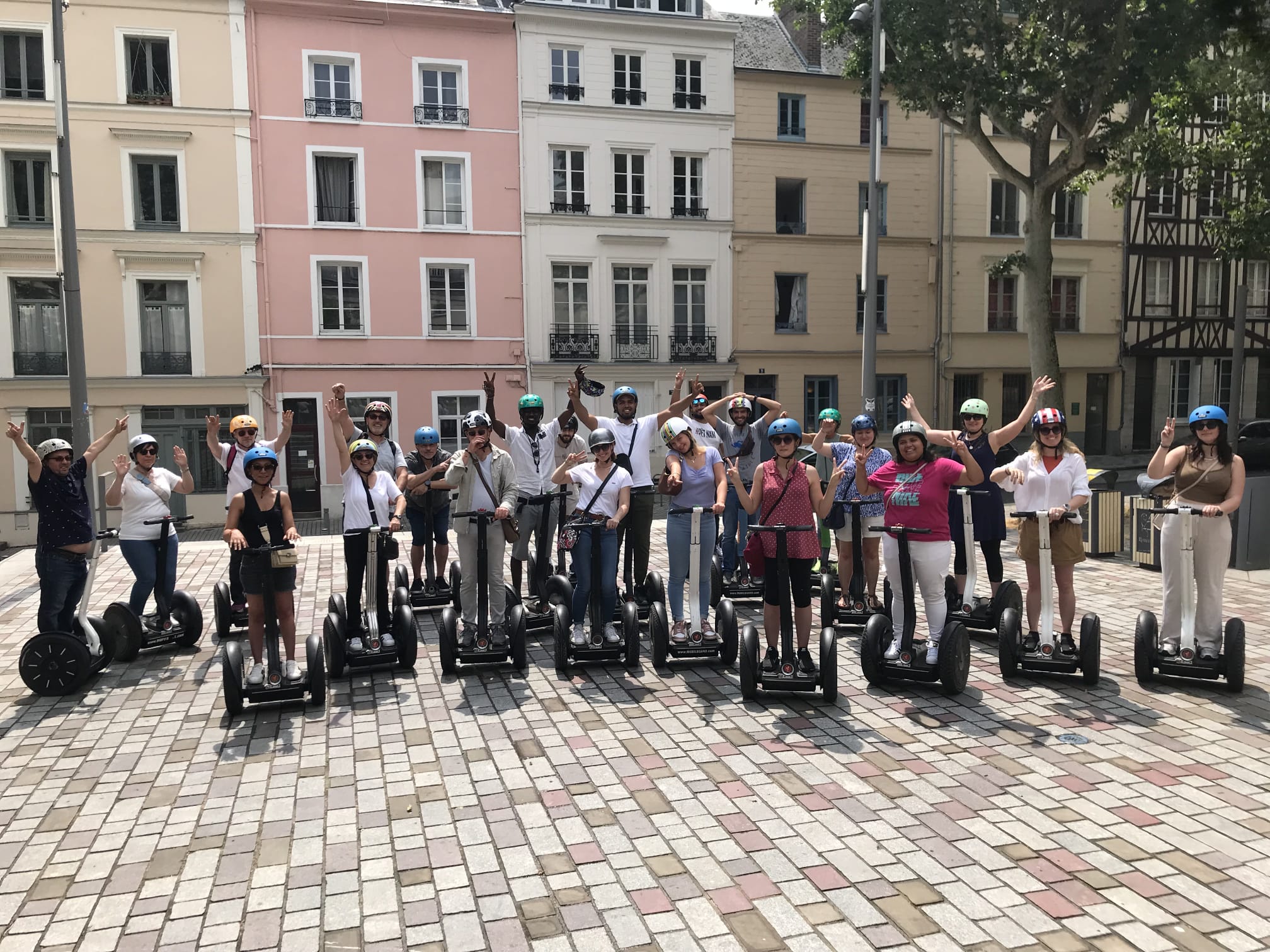
Stadsrally in Antwerpen that aligns teams and protects your brand
INNOV'events (Brussels) designs and runs Stadsrally formats across Antwerpen for 20 to 600 participants, from executive offsites to large HR team days. We handle route design, permits, risk controls, facilitation, scoring, and on-the-ground production so your people managers can focus on engagement, not logistics.
Expect a corporate-grade framework: clear timing, bilingual facilitation (EN/NL/FR on request), a measurable team dynamic, and contingency plans for weather, mobility disruptions, and last-minute attendee changes.
Sommaire
In a corporate agenda, entertainment is not a “nice extra”: it is a controlled environment where collaboration, communication and decision-making become visible in a few hours. A well-designed Stadsrally in Antwerpen gives leaders concrete signals (who takes initiative, who aligns, who follows) while keeping the experience inclusive for all profiles.
Organizations around Antwerpen typically expect efficiency and predictability: fast access by public transport, strict timeboxing (often between meetings), and a format that works for mixed groups (operations + HQ, multiple languages, varying physical abilities). They also expect brand-safe execution in public space—no awkward scenes in front of clients or partners.
We bring field experience from Belgian corporate events and a local production approach: tested rally routes, vetted checkpoints, backup indoor options, and a facilitator team trained to manage pace, crowd flow and participant energy. The result is a corporate event entertainment in Antwerpen that looks simple from the outside—and is professionally engineered behind the scenes.
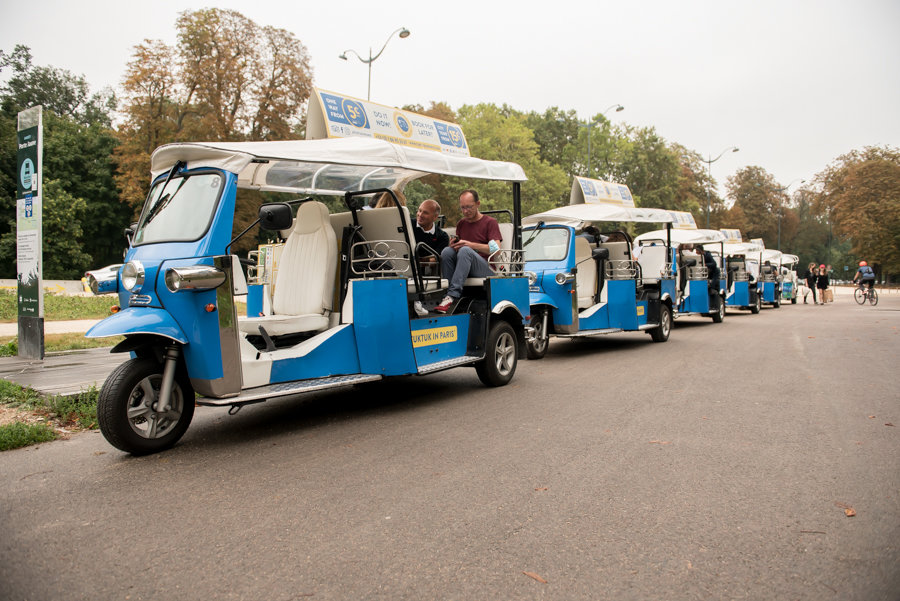
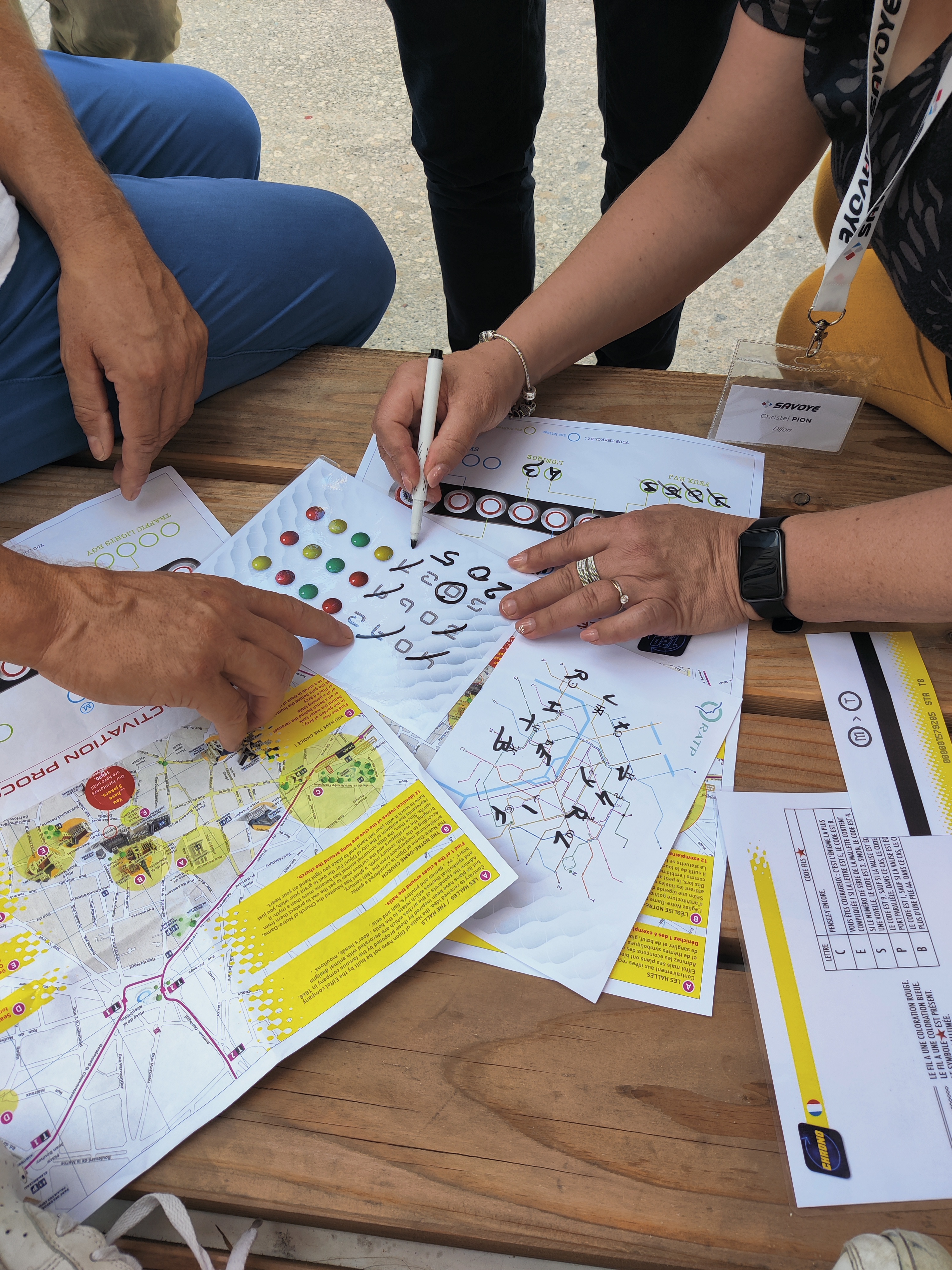
What decision-makers in Antwerpen usually ask first: proof and capacity
10+ years delivering corporate team events in Belgium, with repeat clients across HR, internal comms and leadership teams.
20–600 participants per Stadsrally format, with scalable facilitation ratios and multi-wave starts to avoid crowding in the city center.
3 languages available (EN/NL/FR) with consistent rules, scoring and briefing quality across groups.
1 operational lead + 1 safety lead on production day for medium/large groups, plus checkpoint staff and roaming troubleshooters.
90–180 minutes typical rally duration, with optional extensions (briefing, awards, catering handover) to fit your run-of-show.
Local references in Antwerpen you can verify with your peers
We regularly support organizations that operate in and around Antwerpen, including teams that return year after year because the format is reliable and easy to integrate into a broader corporate program (strategy day, onboarding, sales kick-off, employer branding). If you have provided specific company names, we will integrate them here as references in a way that respects confidentiality and approval processes.
In practice, our recurring clients tend to be HR and Communication departments that need a partner who can manage the full chain: pre-event alignment with leadership, participant communication, clear on-site governance, and a post-event debrief with measurable observations. That is typically what differentiates a “fun city activity” from a corporate-grade Stadsrally in Antwerpen.
 Besoin d’un devis rapide ?
Nous vous envoyons une première proposition sous 24h.
Why executives in Antwerpen choose a Stadsrally for team alignment
A Stadsrally works when it is designed as a management tool, not just a city walk with questions. In a few hours in Antwerpen, you can create controlled constraints—time pressure, resource allocation, information sharing—that mirror real work situations, without the friction of the office context.
Faster cross-silo connection: by mixing departments and seniority, teams build practical rapport quickly. We deliberately design tasks that require switching roles (navigator, timekeeper, spokesperson) so the usual hierarchy does not dominate every decision.
Observable collaboration under pressure: leaders often tell us they learn more in a 2-hour rally than in half a day of meeting discussions. You see who aligns the group, who listens, who rushes, who validates assumptions—and you can turn that into a constructive debrief.
Integration for newcomers: for companies hiring in the Antwerpen region, a rally provides a low-risk onboarding touchpoint. We can include “company culture” cues as optional content (values, safety rules, customer promises) without turning it into a quiz.
Employer brand consistency: a well-run public-space activity signals professionalism. With clear briefing, staff presence, and respectful city interaction, participants experience “this company is organized,” which matters in retention and internal pride.
Communication leverage: internal comms teams appreciate that the rally naturally generates content (team photos at checkpoints, short video prompts). We provide guidelines so what is captured is usable and compliant (consent, brand look, no sensitive location exposures).
Time efficiency: if your agenda is tight, we structure the experience with precise start waves, fixed checkpoint windows, and a clear finish protocol—so you can move participants to the next program element without drift.
Antwerpen has a pragmatic business culture: people value speed, clarity and concrete outcomes. A rally that is built with those expectations in mind becomes a credible management moment—not a distraction from “real work.”
What changes when you run a corporate rally in Antwerpen
Running a Stadsrally in Antwerpen is not the same as running it in a smaller town. The city is dynamic: pedestrian areas, busy intersections, tourist density around key landmarks, and occasional disruptions due to events, road works or public transport changes. For companies, the risk is not only logistics—it is reputation. A group that blocks sidewalks or looks unmanaged can become a brand issue.
We therefore design for flow and discretion. That means avoiding bottlenecks, planning multiple micro-checkpoints rather than a single crowded one, and selecting tasks that do not require shouting, running, or filming in sensitive areas. We also adapt to corporate realities: mixed fitness levels, formal footwear, accessibility constraints, and the fact that executives may join only part of the program.
In the Antwerpen corporate ecosystem, we also see more bilingual or international teams (port-related industries, logistics, fashion/retail HQs). So we keep instructions extremely clear, with a standardized format: same rule set, same scoring logic, same timekeeping—regardless of language group. That is what protects fairness, and fairness is what protects engagement.
Which Stadsrally formats work best in Antwerpen for corporate groups
Engagement comes from meaningful constraints: limited time, smart choices, and a structure that encourages everyone to contribute. In Antwerpen, we modernize the Stadsrally with tasks that are fast to understand, fair to execute, and compatible with public space.
Animations Interactives à Antwerpen
Role-rotation missions: teams must rotate leadership roles at predefined checkpoints. This prevents one dominant profile from taking over and creates a more inclusive dynamic—useful for mixed seniority groups.
Negotiation and trade-offs challenges: teams receive limited “resource cards” (time, hints, bonus points) and must choose where to invest. This mirrors real project prioritization and is easy to debrief.
Client-scenario briefings: short cases based on typical corporate situations (service recovery, project delay, stakeholder conflict). The answer is not “right or wrong”; it is evaluated on reasoning and clarity.
Animations Artistiques à Antwerpen
Architecture and design lens: tasks that use the city’s visual identity to train observation and alignment. Participants produce a short “moodboard” style selection of details (materials, shapes, signage) to link back to brand and customer experience.
Sound and storytelling prompts: instead of loud performances, teams capture a short scripted message in a calm location. This respects the city environment while still generating engaging internal content.
Animations Innovantes à Antwerpen
Structured tasting checkpoints: small, controlled tastings with time slots so groups do not queue. This works well when you want a reward mechanism without turning the rally into a pub crawl.
Budgeted “procurement” mission: teams receive a fixed allowance and must source a small set of items within constraints (dietary, time, location). It becomes a practical exercise in planning and delegation.
Animations Gourmandes à Antwerpen
Hybrid paper + mobile scoring: we keep a physical backup so the experience is resilient if connectivity drops, but scoring is consolidated digitally for speed and transparency.
Accessibility-friendly design: alternative task variants (no stairs, shorter distances, seated options) without creating a “separate” track. This is increasingly important for HR policy compliance.
Live ops dashboard: for larger groups, we can track waves and checkpoint timing to prevent congestion and keep your run-of-show accurate for catering and venue handover.
Whatever the theme, we align the rally with your brand image: tone of voice, behavior expectations in public, photo guidelines, and the level of competitiveness. A Stadsrally in Antwerpen should feel like your company, not like a generic city game.
How to choose a meeting point in Antwerpen for a Stadsrally
The venue is not just a start location—it dictates punctuality, group flow, and the perceived professionalism of the day. In Antwerpen, the best choice depends on arrival patterns (train vs. car), whether you need a private briefing space, and how quickly you must transition to lunch, plenary or a partner venue.
| Venue type | For which objective? | Main strengths | Possible constraints |
|---|---|---|---|
| Central business hotel meeting room | Fast executive briefing + controlled start waves | Private space, AV options, washrooms, easy signage, weather-proof | Cost, must manage group departure to avoid lobby congestion |
| Company office / HQ in Antwerpen | Culture + security + easy internal communication | Brand immersion, simple check-in, direct link to leadership messages | Route must be engineered from your site; elevator and access flows matter |
| Event venue with catering handover | Rally followed by awards + meal | One operational partner for timing, smooth transition, controlled finish | Requires strict timekeeping; late teams can disrupt kitchen/service timing |
| Transport hub-adjacent start point (near major station) | Large groups arriving by train | Predictable arrivals, less coach logistics, easier latecomer handling | Public space: need discreet briefing approach and anti-clustering plan |
We strongly recommend a site visit (or at minimum, a technical recce) in Antwerpen to validate walking flows, safe crossings, and realistic briefing space. This is where many agencies overpromise and underdeliver—especially when the group size exceeds 120 participants.
What a Stadsrally in Antwerpen costs for corporate groups
Budget for a Stadsrally in Antwerpen is driven by production reality: staffing, route complexity, timing constraints, and the level of facilitation and reporting you need. To help you benchmark, corporate projects typically fall into €45–€140 per person depending on scope, with minimum production thresholds for small groups.
Group size and wave management: 20, 80 or 300 participants do not scale linearly. Above roughly 120 participants, you often need wave starts, more checkpoint staff, and stricter crowd-flow design.
Duration and run-of-show integration: a 90-minute rally that must end at 16:30 sharp (because a plenary starts at 17:00) requires tighter operational staffing than a flexible afternoon activity.
Language and facilitation level: bilingual briefings, multiple facilitator teams, and consistent judging increase staffing and preparation time—but also reduce complaints and perceived unfairness.
Content complexity: custom case scenarios, brand integration, and a structured debrief add value when the event has managerial objectives.
Tech layer and resilience: apps, live dashboards, devices, and data handling can help—but we always plan a low-tech fallback to protect continuity.
Risk controls: additional safety staffing, first-aid presence, and contingency planning for weather or city disruptions can be necessary depending on your profile and timing.
We frame ROI in practical terms: fewer lost hours from disorganized logistics, stronger onboarding cohesion, a clearer internal narrative for Communication, and a leadership team that can observe collaboration patterns. For many HR teams, avoiding one “event-day failure” already justifies professional production.
Why working with an event agency in Antwerpen reduces risk
In a city rally, the smallest local detail can become a big operational issue: a narrow passage that creates a crowd, a renovation that blocks a planned checkpoint, a market day that changes pedestrian flow, or a venue that cannot handle a sudden group arrival. That is why local execution matters as much as creative concept.
When your benchmark is a credible event agency in Antwerpen, the advantage is not “being nearby” in a vague sense—it is having tested routes, a network of reliable suppliers, and staff who know how to operate discreetly in public space while protecting your brand image.
From Brussels, INNOV'events works with local production partners and crew in Antwerpen so you get both: structured project management and on-the-ground responsiveness. For decision-makers, that combination is what protects timing, safety and participant experience.
- Faster problem-solving on the day: if a checkpoint becomes unusable, we can reroute teams using pre-planned alternates without “inventing” solutions under pressure.
- Better supplier reliability: local catering handovers, briefing spaces, and support staff reduce last-minute cancellations and hidden costs.
- Stronger compliance and discretion: local crews understand how to manage noise, crowding and public interaction, which is critical for brand-sensitive companies.
- More accurate timing: realistic walking buffers, traffic-light wait times, and city flow knowledge lead to schedules that actually hold.
We frame ROI in practical terms: fewer lost hours from disorganized logistics, stronger onboarding cohesion, a clearer internal narrative for Communication, and a leadership team that can observe collaboration patterns. For many HR teams, avoiding one “event-day failure” already justifies professional production.






Examples of Stadsrally projects delivered in Antwerpen contexts
Our Stadsrally work is not “one format fits all.” We adapt to business objectives and constraints—because the day is rarely just a rally. Typical examples we deliver around Antwerpen include:
- Leadership + managers offsite (30–60 pax): short, high-quality route with case-based tasks, followed by a structured debrief tied to leadership behaviors (decision speed, delegation, stakeholder alignment).
- HR team day (80–180 pax): wave-based starts, inclusive task design, clear fairness rules, and a finish protocol that flows into a sit-down dinner or plenary without delays.
- Onboarding cohort (40–120 pax): city discovery + company culture prompts, with facilitation that encourages new hires to meet peers outside their future department.
- Client/partner day (40–150 pax): brand-safe content, discreet staff presence, and a focus on networking behaviors rather than competitiveness.
Across these projects, the constant is operational discipline: one clear owner, tight participant comms, rehearsed timing, and a contingency plan that leadership never has to see—because it is already in place.
What typically goes wrong in Antwerpen city rallies (and how we prevent it)
Congestion at the first checkpoint: if everyone starts at the same minute, you get queues and frustration. We use wave starts, dispersed checkpoints, and timing windows.
Unclear rules and “unfair scoring” complaints: especially in competitive corporate cultures, this can poison the mood. We standardize scoring, publish tie-breakers, and train facilitators to judge consistently.
Routes that ignore mobility and footwear reality: executives in dress shoes and participants with accessibility needs are common. We plan realistic distances, optional shortcuts, and inclusive task variants.
Weather denial: Antwerp weather can change fast. We prepare rain-proof materials, optional indoor touchpoints, and a clear decision protocol.
Brand-risk behavior in public space: shouting, blocking sidewalks, or inappropriate photo prompts can create reputational issues. We design “city-respectful” tasks and brief behavior expectations.
Poor handover to the next program element: late finishes disrupt catering, plenaries and transport. We implement a finish control point, firm cut-off rules, and an awards format that fits your timebox.
Our role is to remove these risks before they show up on event day. That is what corporate clients pay for: not only ideas, but operational protection for leadership, HR and Communications.
Why Antwerpen-based teams rebook the same agency
Repeat business is rarely about novelty—it is about reliability under pressure. HR and Communication teams come back when the agency makes them look organized internally, and when leaders feel the day supported their objectives.
High repeat rate on annual team days: clients often keep the Stadsrally structure but refresh the content theme (strategy, safety culture, customer promise) so it stays relevant.
Lower internal workload: returning clients reuse proven comms templates (what to bring, timing, meeting point, safety rules), reducing last-minute questions and inbox overload.
Predictable run-of-show: once the organization trusts the timing model, it becomes easier to integrate the rally into a broader corporate agenda in Antwerpen.

Loyalty is not a slogan; it is an operational indicator. If teams rebook, it is because the event held its timing, the rules were fair, and there were no brand incidents.
Our production process for Antwerpen Stadsrally projects
👉 Step 1 (Antwerpen) — Objectives and constraints workshop
We start with a structured call (typically 45–60 minutes) with HR/Comms and an executive sponsor if possible. We clarify: objective priority (cohesion, onboarding, leadership alignment, client networking), participant profile, languages, dress code constraints, mobility/accessibility needs, and what can/cannot be done in public space. We also lock the hard constraints: start/finish times, venue handovers, transport windows.
👉 Step 2 (2000) — Route engineering and checkpoint plan
We design one or several route options with timing buffers, safe crossings, and dispersed checkpoints. For larger groups, we build wave schedules and staff allocations. At this stage we also define the “public footprint”: where groups will gather, how we avoid congestion, and how staff will be positioned discreetly.
👉 Step 3 (Antwerpen) — Content design, rules and scoring
We produce the mission content, scoring grid, and tie-breakers. If your internal comms wants a culture layer, we integrate it as optional prompts so the game stays fun and not like an exam. We validate tone, brand do’s/don’ts, and photo guidelines.
👉 Step 4 (2000) — Participant communication pack
We provide ready-to-send participant messages: meeting point instructions, what to bring, timing expectations, weather guidance, accessibility information, and contact numbers. This reduces day-of questions and supports punctuality—critical in city-center operations.
👉 Step 5 (Antwerpen) — Production day delivery and live control
On the day, we run check-in, briefing, wave starts, checkpoint operations, and finish management. We handle incidents with a clear escalation path. For large groups, we coordinate via a simple live ops channel so decisions are fast and consistent.
👉 Step 6 (2000) — Wrap-up and debrief for HR/Comms
After the event, we deliver results (scores, winners, key observations if requested) and a short operational debrief: what worked, what to refine for next time, and practical recommendations for your internal communication follow-up.
FAQ sur l'organisation Stadsrally à Antwerpen
How long should a Stadsrally in Antwerpen last?
Most corporate groups choose 90–180 minutes. Add 15–20 minutes for briefing and 10–20 minutes for awards. If you have a tight plenary schedule, we recommend a 120-minute rally with wave starts and a hard cut-off rule.
What group size works best for Antwerpen city rally formats?
We regularly run 20–600 participants. The “sweet spot” for smooth city flow is 40–160. Above 120, we typically use multiple start waves, more checkpoints, and a stricter timekeeping model to avoid congestion in busy areas of Antwerpen.
Can we run a Stadsrally in Antwerpen in rain?
Yes—if it is designed for it. We prepare weather-proof materials, alternative tasks that work under shelter, and clear clothing guidance. If conditions become unsafe (storms/high winds), we activate a predefined indoor/covered variant or shorten the route with controlled scoring adjustments.
How do you keep a rally brand-safe in Antwerpen public spaces?
We avoid tasks that create noise, running, or crowding; brief expected behavior; position staff to manage flow; and use dispersed checkpoints. We also provide photo/video guidance (consent-aware) so your internal comms content is usable and compliant.
What is a realistic budget per person in Antwerpen?
Typical corporate budgets range from €45 to €140 per person, depending on facilitation intensity, language needs, tech layer, duration, and group size. Smaller groups may have a minimum production cost; larger groups require additional staffing and wave logistics.
Request a proposal for a Stadsrally in Antwerpen
If you are comparing agencies, we suggest starting with three inputs: your target date/time window, expected headcount range, and the outcome you want leadership to see (cohesion, onboarding, alignment, networking). With that, we can propose a realistic Stadsrally in Antwerpen route concept, an operational plan, and a transparent budget structure.
Contact INNOV'events early—city-center availability, venue handovers and staffing ratios are easier to secure when we can plan calmly. We will challenge assumptions when needed (timing, crowd flow, accessibility) so your event runs smoothly and reflects well on your organization.
Agence INNOV'events Antwerpen
Justin JACOB est le responsable de l'agence événementielle Antwerpen. Contactez-le directement par mail via l'adresse belgique@innov-events.be ou par formulaire.
Contacter l'agence AntwerpenToutes nos prestations & animations Antwerpen, Belgique
Découvrez nos prestations événementielles
Découvrez nos animations événementielles disponibles au Belgique
- Hôtesse événementielle à Antwerpen
- Escape Game à Antwerpen
- Cours de cuisine type MasterChef à Antwerpen
- Magicien à Antwerpen
- Location de chapiteau à Antwerpen
- Atelier colorimétrie à Antwerpen
- Jeux gonflables à Antwerpen
- Service de voiturier à Antwerpen
- Simulateur de football à Antwerpen
- Location de mobilier lumineux à Antwerpen
- Flocage lumineux à Antwerpen
- Repas insolite à Antwerpen
- Light Painting à Antwerpen
- Murder Party à Antwerpen
- Jeu concours à Antwerpen
- PLV événementielle à Antwerpen
- Réalité virtuelle à Antwerpen
- Cuisine moléculaire à Antwerpen
- Animation Halloween à Antwerpen
- Feu d’artifice à Antwerpen
- Jeux géants à Antwerpen
- Animateur événementiel à Antwerpen
- Animation photo à Antwerpen
- Père Noël à Antwerpen
- Animation enfants à Antwerpen
- Visite guidée à Antwerpen
- Rallye urbain à Antwerpen
- Piscine à balles à Antwerpen
- Simulateur de vol à Antwerpen
- Location de food truck à Antwerpen
- Record du monde à Antwerpen
- Simulateur de surf à Antwerpen
- Casino du vin à Antwerpen
- Atelier relooking à Antwerpen
- Atelier création de parfum à Antwerpen
- Atelier acting à Antwerpen
- Animations RSE à Antwerpen
- Tir à l’arc à Antwerpen
- Agent de sécurité à Antwerpen
- Œnologie à Antwerpen
- Mime à Antwerpen
- Jeu télévisé à Antwerpen
- Fête foraine à Antwerpen
- Atelier gestion de crise à Antwerpen
- Atelier négociation de crise à Antwerpen
- Jeux d’arcade à Antwerpen
- Simulateur de chute libre à Antwerpen
- Simulateur de ski à Antwerpen
- Simulation circuit automobile à Antwerpen
- Baptême de l’air à Antwerpen
- Dégustation à Antwerpen
- Création de baby-foot à Antwerpen
- Rallye 2CV à Antwerpen
- Challenge LEGO à Antwerpen
- Animation casino à Antwerpen
- Interprète / traducteur à Antwerpen
- Goodies à Antwerpen
- Bus / transfert à Antwerpen