
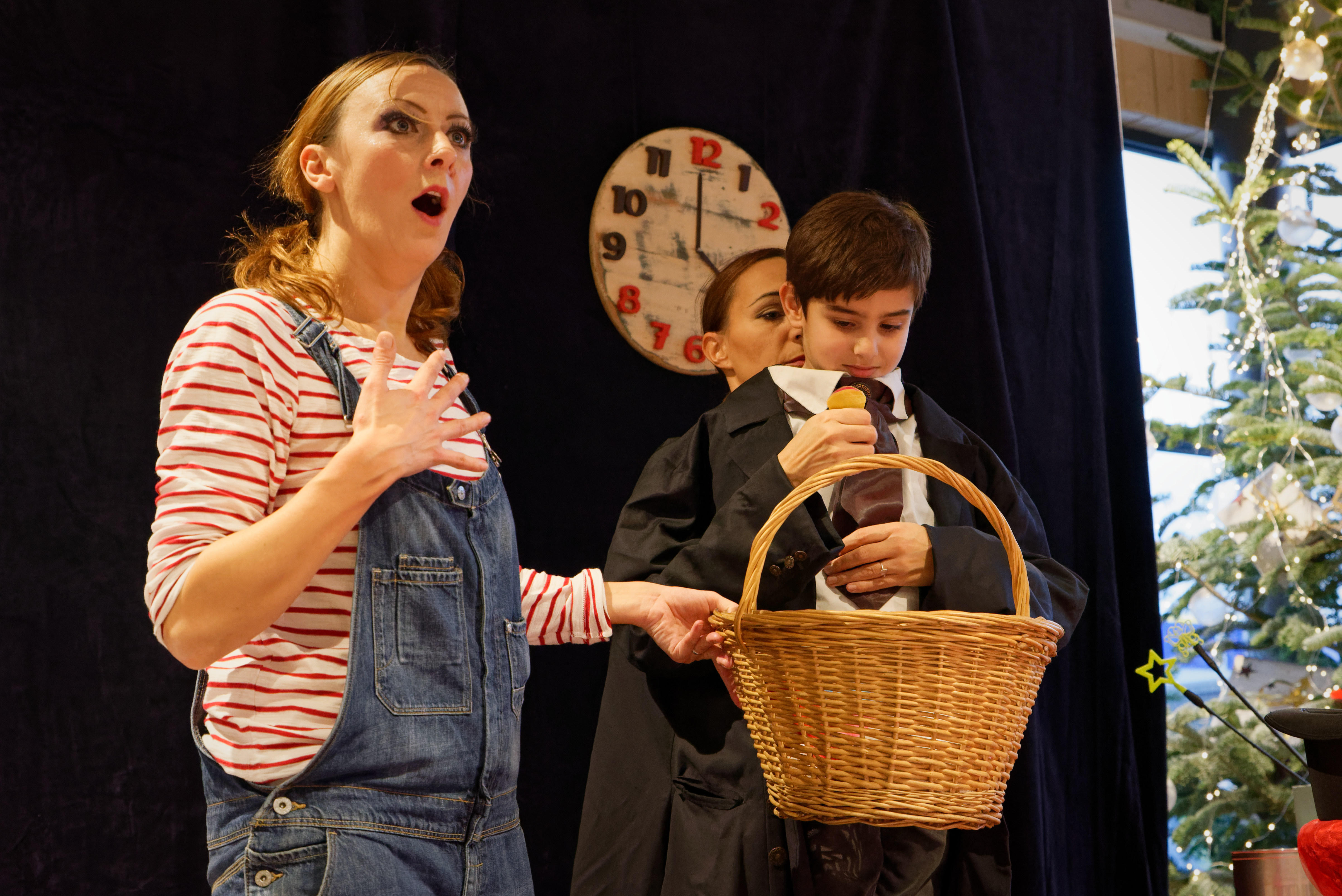
Acteerworkshop in Antwerpen to sharpen leadership presence and team communication
INNOV'events (Brussels) delivers a structured Acteerworkshop in Antwerpen for executives, HR and communication teams—typically 8 to 80 participants. We manage the facilitator(s), scenario design, logistics, timing, and on-the-day coordination, so your people can focus on learning and performance.
Formats range from a 90-minute energiser inside a conference program to a half-day or full-day skills workshop linked to leadership, customer conversations, or internal communication.
Sommaire
In corporate events, entertainment only “works” when it supports a business objective. A well-run Acteerworkshop is a fast way to improve presence, clarity and listening—skills that immediately impact leadership credibility, employer brand and customer experience.
In Antwerpen, organisations often combine international stakeholders, operational teams and fast-paced commercial functions. They expect a workshop that respects time, delivers measurable takeaways, and feels professional—not like a theatre class.
We bring field-tested facilitation and event discipline: clear briefing, scenario work aligned with your reality, and tight production standards. We regularly operate across Belgium and coordinate seamlessly with venues and suppliers in Antwerpen.
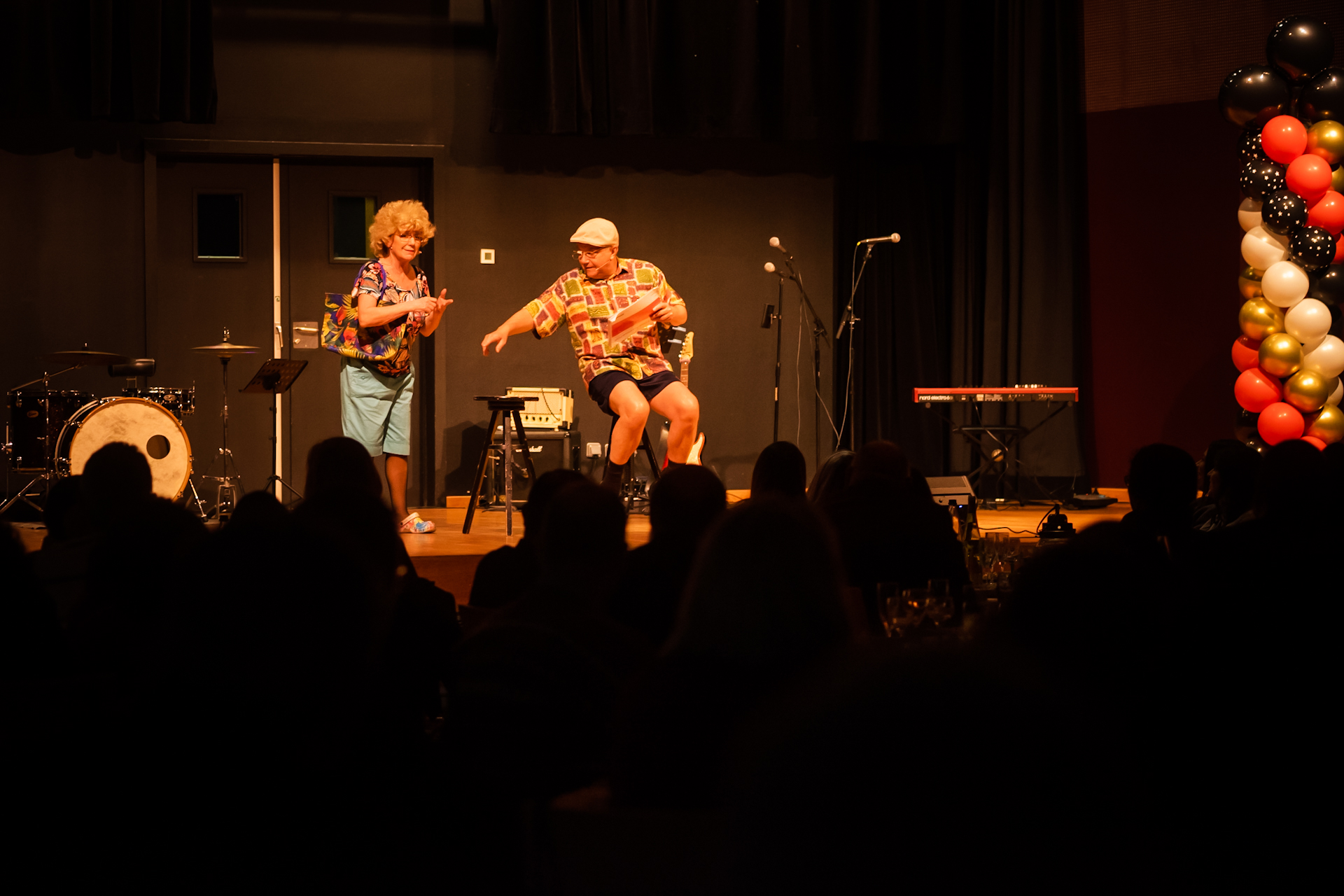
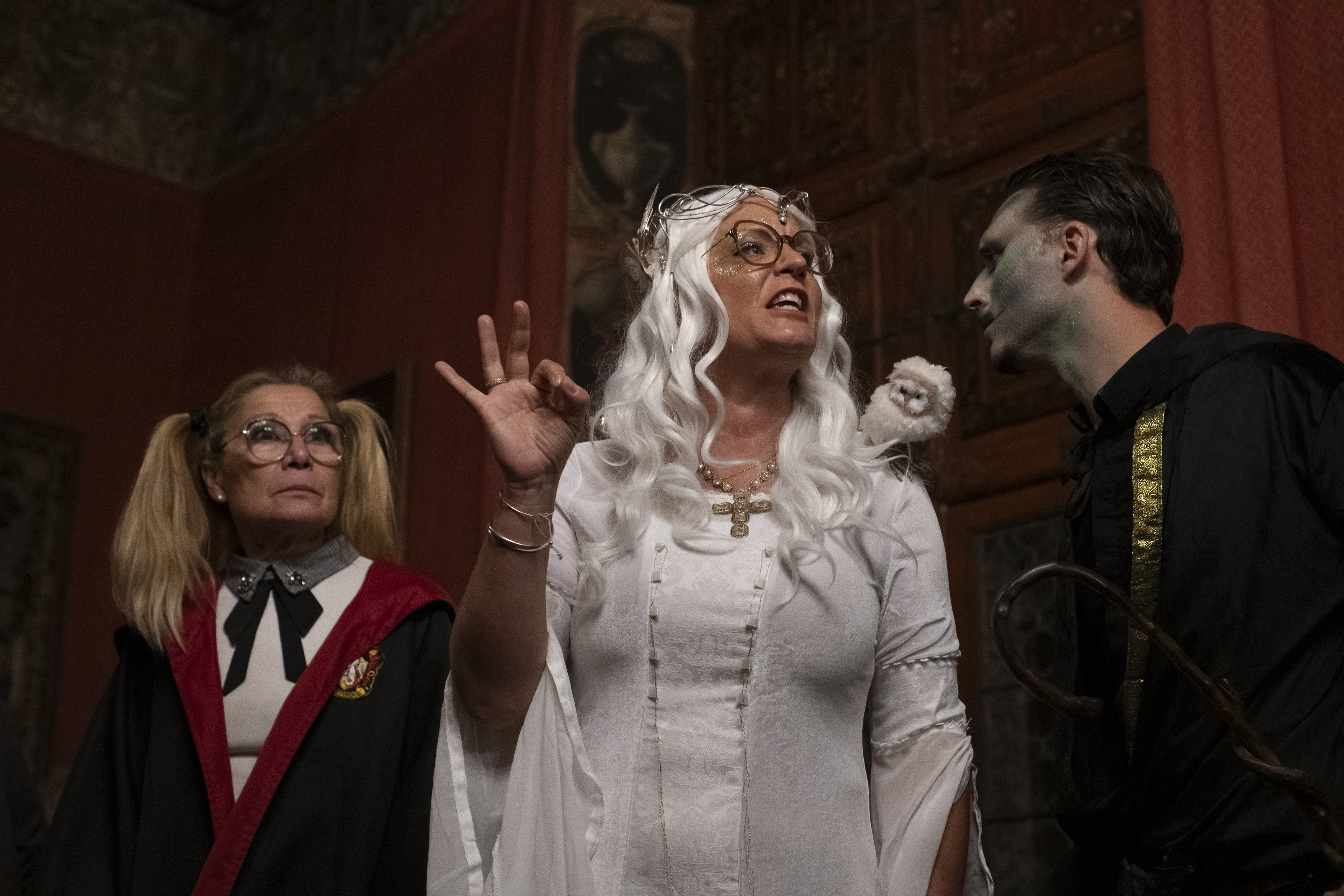
Key figures that matter for Antwerp event delivery
10+ years producing corporate workshops and facilitated formats across Belgium, with repeat programmes for HR and communication departments.
Typical delivery capacity: 1 to 4 facilitators in parallel streams, enabling 8 to 80 participants with consistent quality and timing.
Operational reliability: detailed run-of-show, venue tech checks, and contingency planning (late arrivals, room changes, AV failure) as standard—not as an afterthought.
Corporate clients we support around Antwerpen
We deliver workshops and event entertainment for organisations active in Antwerpen and the wider region—often with the same teams returning year after year when they need a format that is engaging but still business-correct. Typical profiles include HQ functions, sales organisations, logistics and port-related businesses, and multi-site industrial groups that use Antwerpen as a meeting point.
If you want, we can share relevant anonymised case snapshots (context, objectives, format, constraints, results) during a short call. For confidentiality reasons, we only disclose company names and internal references after we understand your scope and stakeholders.
 Besoin d’un devis rapide ?
Nous vous envoyons une première proposition sous 24h.
Why run a leadership Acteerworkshop in Antwerpen now
A corporate Acteerworkshop in Antwerpen is not about acting for fun. It is about giving leaders and teams a safe, structured environment to test behaviours under pressure: clarity of message, handling resistance, and projecting confidence without becoming “performative”. When your organisation is scaling, merging, changing strategy or facing reputational sensitivity, communication quality becomes a business risk—this workshop addresses that risk directly.
Executives typically come to us with a concrete trigger: a high-stakes town hall, a series of difficult performance conversations, a cross-border project where misunderstandings are costly, or a customer-facing team that needs consistency of tone and message.
Sharper executive presence: participants learn how posture, pace, silence and eye contact influence credibility in boardroom updates, investor meetings and internal all-hands.
More effective difficult conversations: the workshop makes “say it clearly and humanly” actionable, with structured feedback and repeat attempts—not theory.
Better listening under pressure: we work on reacting to what is actually said (and implied), rather than defaulting to scripted corporate answers.
Consistent messaging across functions: communication teams use the format to align leadership narratives before a launch, reorg or change programme.
Faster integration of new managers: a practical way to build confidence for newly promoted leaders who need to “show up” quickly in a visible role.
Team cohesion without forced fun: people connect because they tackle real scenarios together—useful for cross-site teams meeting in Antwerpen.
Observable progress: you can see improvement between round 1 and round 3 (message structure, calmer delivery, better handling of interruptions).
Antwerpen is pragmatic, commercial and internationally connected. Workshops that respect that culture—direct feedback, efficient exercises, and relevance to real meetings—get the best engagement from participants and the strongest ROI for leadership teams.
What Antwerp companies expect from corporate event entertainment
Local organisations in Antwerpen typically have a high bar for professionalism: strong punctuality, high-quality venues, and an expectation that facilitators can handle mixed audiences (blue-collar and white-collar, multilingual groups, senior executives alongside first-time managers). They are rarely impressed by “high-energy” facilitation if it lacks structure.
In practice, this translates into specific constraints we design for:
- Time-boxing: leadership agendas are tight. We design workshop blocks that can be delivered in 45, 60 or 90 minutes without losing coherence.
- Psychological safety: acting exercises can feel exposing. We use progressive difficulty, clear boundaries and opt-in mechanics so people engage without feeling manipulated.
- Multilingual reality: it is common to mix English with Dutch/French contexts. We keep instructions simple, offer bilingual facilitation when needed, and build scenarios that work across languages.
- Operational credibility: many Antwerp participants are used to process excellence (logistics, port, industry). They immediately notice if the workshop is sloppy (unclear brief, poor room setup, weak debrief).
- Brand and reputation sensitivity: for visible employers, internal videos, social content, or external guests can be part of the event. We plan consent, image rights and “no-surprise” rules upfront.
Our role is to bring a format that is engaging while remaining aligned with corporate standards, HR policy, and your internal communication tone.
Which Acteerworkshop formats work best in Antwerpen events
Engagement comes from relevance and rhythm. For corporate audiences in Antwerpen, we design exercises that mirror real moments: a leadership update, a crisis response, a sales meeting, or a cross-functional alignment call. The workshop becomes “entertainment” because it is dynamic and human—but it remains a business tool.
Animations Interactives à Antwerpen
Forum theatre for leadership dilemmas: we play a short scene (e.g., manager avoids conflict, meeting derails). Participants can pause, propose a different approach, and test it live. Works well for culture change and management development.
Role-play rotations with calibrated difficulty: participants practice the same conversation three times with escalating complexity (neutral stakeholder → sceptical stakeholder → hostile stakeholder). This creates visible progress within 60–90 minutes.
Executive Q&A pressure training: we simulate a town hall or media-style Q&A. Communication teams can test message discipline, bridging, and staying calm under interruptions.
Stakeholder alignment rehearsal: cross-functional leaders rehearse a joint narrative (strategy, transformation, safety). We focus on coherence: same message, different voice, without sounding scripted.
Animations Artistiques à Antwerpen
Professional actors as “difficult counterparts”: trained actors can consistently reproduce behaviours like passive aggression, political ambiguity or emotional escalation—far more realistic than colleagues improvising.
Playback theatre for internal storytelling: employees share short work situations; actors reflect them back. Useful for engagement surveys follow-up, values work and psychological safety—when handled with care and clear boundaries.
Voice and presence coaching: targeted work on breathing, articulation and pacing for leaders who present in large rooms in Antwerpen venues where acoustics and distance amplify weaknesses.
Animations Innovantes à Antwerpen
“Conversation tables” with moderated prompts: pair light catering with facilitated micro-scenarios (“how do you open a tough message?”, “how do you disagree upward?”). This keeps networking purposeful.
Break design around energy peaks: we coordinate coffee, timing and room reset so the most demanding role-plays happen when attention is highest, not after a heavy lunch.
Animations Gourmandes à Antwerpen
Video micro-feedback (optional): short recordings (30–60 seconds) for individual review. We apply strict consent rules and can run “no storage” workflows depending on your compliance standards.
Hybrid stakeholder simulation: for distributed teams, one group is in the room in Antwerpen while another joins remotely as stakeholders. We design the interaction so it feels realistic rather than chaotic.
Scenario design from your real materials: we can build scenes from anonymised emails, meeting patterns, or customer feedback. This avoids generic role-plays and increases adoption.
Whatever the format, we align it with your brand image: tone of voice, behavioural standards, inclusion policy, and the level of “edginess” you are comfortable with. A strong Acteerworkshop is always consistent with how you want leaders to show up internally and externally.
Where to host an Acteerworkshop in Antwerpen for best impact
The venue affects behaviour. A Acteerworkshop in Antwerpen needs space to move, good acoustics, and a layout that supports observation and feedback. The wrong room (fixed classroom seating, echo, no breakout space) will reduce participation and make the session feel awkward—especially with senior audiences.
| Venue type | For which objective? | Main strengths | Possible constraints |
|---|---|---|---|
Hotel meeting room in central Antwerpen | Leadership offsite segment, HR academy module, compact agenda with catering | Predictable service levels, easy access, breakout rooms, reliable AV | Some rooms have fixed layouts or limited “stage” space; sound can be dry without proper setup |
Corporate HQ training room (Antwerp area) | Management development day, repeat sessions, confidential scenarios | Low travel friction, easier follow-up, access to internal context | Risk of “work mode” distractions; often needs room reconfiguration and AV upgrades |
Creative studio / rehearsal space | Deep behavioural work, strong energy shift, team reset after change | Best physical conditions for acting exercises, freedom of movement, inspiring setting | Requires stricter logistics planning (access, catering, comfort); may feel too informal if not framed well |
We strongly recommend a site visit (or at minimum a video walkthrough) before confirmation. We check sight lines, acoustics, HVAC noise, breakout flow and the exact footprint for exercises—small details that prevent last-minute compromises on the day.
What an Acteerworkshop in Antwerpen costs in practice
Budget depends on the delivery model and the level of realism required. A short, high-impact segment inside an event is priced differently than a full-day skills programme with multiple facilitators and actors. We price transparently based on staffing, preparation time and production constraints—so you can compare options and make trade-offs without surprises.
Duration: 60–90 minutes (energiser or focused skill block) vs. half-day vs. full-day with progressive practice and coaching.
Group size and ratio: smaller groups allow real practice and feedback; larger plenaries require a different design (forum theatre, demonstrations, structured audience interventions).
Facilitator profile: senior facilitator with executive experience, bilingual facilitation, or specialist focus (media training, crisis communication) affects the fee.
Actors and complexity: adding professional actors for difficult counterpart simulation increases realism and consistency, but also staffing and rehearsal time.
Custom scenario design: using your real contexts (anonymised) takes additional prep workshops and validation with HR/Comms/legal where relevant.
Production requirements: AV, mics, filming, room resets, additional breakouts, and on-site coordination in Antwerpen can change the operational load.
Travel and timing: early call times, night schedules, or multi-session days influence staffing plans and costs.
ROI is typically seen in fewer escalations, clearer leadership messaging, and better meeting effectiveness—especially when HR and communication teams embed follow-up actions (coaching prompts, meeting templates, message cards) after the event. We can advise on the minimal design that still produces observable behaviour change.
When to choose an event agency in Antwerpen for this workshop
Local execution is a real advantage when the workshop sits inside a broader event with multiple moving parts. A partner who knows Antwerpen helps you avoid friction: venue constraints, supplier reliability, delivery access, and realistic scheduling around city mobility.
Even when strategy is developed with our Brussels team, we work hand-in-hand with local operations and, when relevant, we coordinate via our network as an event agency in Antwerpen partner route for venue liaison and on-site responsiveness.
- Faster troubleshooting on the day: room swap, missing cables, delayed catering, sound issues—solved quickly with local routines and contacts.
- Better venue-fit: we choose spaces that support acting exercises (movement, acoustics, layout) instead of forcing the format into a boardroom.
- More realistic planning: timing, access, loading, parking and city constraints are factored in from the start, protecting your run-of-show.
- Stakeholder comfort: local suppliers and venues are used to corporate standards and discretion, which matters when senior leadership is present.
ROI is typically seen in fewer escalations, clearer leadership messaging, and better meeting effectiveness—especially when HR and communication teams embed follow-up actions (coaching prompts, meeting templates, message cards) after the event. We can advise on the minimal design that still produces observable behaviour change.






Examples of corporate use cases in Antwerpen programmes
Our Acteerworkshop formats are used across different corporate contexts because the underlying skills—presence, clarity, listening, influence—are universal. What changes is the scenario design and the facilitation posture.
- Leadership offsite in Antwerpen: a 90-minute forum theatre segment to surface “elephants in the room” safely, followed by small-group practice on how leaders address them in real meetings.
- HR management academy: a half-day module focused on performance conversations and giving feedback, using actor-led scenarios that reflect typical resistance patterns (deflection, emotional escalation, silence).
- Communication team rehearsal: executive message delivery and Q&A training ahead of a strategy announcement, with structured feedback on bridging, clarity, and non-verbal signals.
- Customer-facing teams: role-play rotations for objection handling and empathy, aligned with brand standards and compliance rules.
What clients value most is not the “show”; it is the discipline: the right level of tension, realistic behaviours, and a debrief that turns experience into actions participants can reuse the next morning.
Common pitfalls we prevent on Antwerp event days
Making it too theatrical: when exercises feel disconnected from work reality, senior audiences disengage. We anchor everything in your scenarios and vocabulary.
Wrong group size for the chosen format: expecting skills practice with 60 people in plenary leads to frustration. We design for the real ratio and space available.
No clear ground rules: without confidentiality and respect rules, people take fewer risks and learning drops.
Poor room layout: fixed tables or insufficient “playing space” kills dynamics. We specify layout requirements and check them on site.
Weak debrief: without structured feedback, participants remember the fun but not the skill. We debrief on observable behaviours and transfer to workplace situations.
Underestimating AV: bad sound or visibility undermines authority and learning. We plan microphones, speaker placement and run a tech check.
Misalignment with HR/Comms: if the workshop contradicts leadership principles or internal tone, it creates internal noise. We validate the approach with your stakeholders early.
Our job is to protect your event and your leadership image: anticipate friction, manage details, and deliver a workshop that feels credible for a demanding corporate audience in Antwerpen.
Why Antwerp teams rebook this Acteerworkshop
Repeat business is rarely about novelty; it is about trust. Clients come back when the workshop is delivered with consistency, when senior stakeholders feel respected, and when HR can see behavioural change—not just participation.
Typical repeat patterns: quarterly management cohorts, annual leadership offsites, or pre-launch communication rehearsals tied to major business cycles.
Common rebooking drivers: the same scenario library can be evolved (new tension, new stakeholder types), so the programme stays relevant without rebuilding from scratch.
Operational consistency: fixed run-of-show standards, clear facilitation roles, and post-session summaries that help HR follow up.

Loyalty is a practical proof point: it means the workshop delivered value under real constraints—time pressure, mixed audiences, and the reality of corporate dynamics in Antwerpen.
How we deliver an Acteerworkshop in Antwerpen from brief to debrief
👉 Step 1 in Antwerpen: scope and stakeholder alignment
We run a short scoping call with HR/Comms and the business sponsor to clarify the purpose (skills, culture, rehearsal, engagement) and the audience profile. We confirm constraints: timing inside the event, language needs, sensitivity topics, and what “success” looks like for leadership.
👉 Step 2 in Antwerp area: scenario design and validation
We translate your objectives into 2 to 5 realistic scenarios (e.g., strategy pushback, safety incident communication, performance feedback, customer escalation). We validate tone and boundaries with your stakeholders to avoid reputational or internal policy issues.
👉 Step 3 in Antwerpen: format architecture and staffing plan
We define the facilitation approach (forum theatre, role-play rotations, executive simulation), group sizes, and the facilitator/actor ratio. We build a minute-by-minute run-of-show including transitions, instructions, and debrief questions that connect directly to the workplace.
👉 Step 4 in Antwerpen: venue and technical readiness
We specify room layout, AV needs, and flow (entrance, breaks, breakout corners). When possible, we do a site check or coordinate with the venue team to confirm acoustics, microphone setup, and space for movement—critical for a Acteerworkshop.
👉 Step 5 in Antwerpen: delivery and on-the-day coordination
On the event day, we manage participant framing (why we do it, how to participate safely), pacing, and energy. We handle timekeeping, transitions, and any last-minute changes (late start, smaller/larger group, room switch) while maintaining quality.
👉 Step 6 in Antwerpen: debrief and practical follow-up
We close with a structured debrief: key behaviours observed, what worked, and what to try next. If requested, we provide a concise summary for HR/Comms with actionable follow-up suggestions (meeting openers, feedback scripts, rehearsal routines) that reinforce the workshop after the event.
FAQ sur l'organisation Acteerworkshop à Antwerpen
How long should an Acteerworkshop in Antwerpen last?
Most corporate formats work in 60–90 minutes for a conference segment, 3–4 hours for real skills practice, or a 6–7 hour full-day module when you want repeated practice with feedback and consolidation.
What group size works best for Antwerp corporate teams?
For hands-on role-play and feedback, 8–16 participants per facilitator is ideal. For 30–80 participants, we recommend forum theatre or parallel breakouts with multiple facilitators/actors to keep participation meaningful.
Can you run this workshop in English in Antwerpen?
Yes. We frequently deliver in English for international groups in Antwerpen. If you need bilingual facilitation (e.g., English/Dutch or English/French), we plan staffing and scenario language accordingly.
Is filming allowed during an Acteerworkshop in Antwerpen?
It can be, but we only do it with clear consent rules. Options include: no filming, filming only facilitators/actors, or individual recordings for private feedback. If recording is used, we define retention (often 0–30 days) and access rights upfront.
How far ahead should we book in Antwerpen?
For a standard slot, plan 3–6 weeks. For custom scenarios, multiple facilitators, or peak dates (spring and Q4), book 6–10 weeks ahead to secure the right talent and allow proper scenario validation.
Request a quote for an Acteerworkshop in Antwerpen
If you are comparing agencies, the fastest way to decide is to align on three points: your business objective, the audience profile, and the real constraints of your Antwerpen event (timing, venue, language, sensitivity). Send us your date, location, participant count and desired outcomes, and we will propose 2–3 concrete workshop options with staffing, timing and budget logic.
Because the quality of a Acteerworkshop in Antwerpen depends heavily on preparation and the right facilitator/actor mix, early planning is the safest way to protect your leadership image on event day.
Agence INNOV'events Antwerpen
Justin JACOB est le responsable de l'agence événementielle Antwerpen. Contactez-le directement par mail via l'adresse belgique@innov-events.be ou par formulaire.
Contacter l'agence AntwerpenToutes nos prestations & animations Antwerpen, Belgique
Découvrez nos prestations événementielles
Découvrez nos animations événementielles disponibles au Belgique
- Hôtesse événementielle à Antwerpen
- Escape Game à Antwerpen
- Cours de cuisine type MasterChef à Antwerpen
- Magicien à Antwerpen
- Location de chapiteau à Antwerpen
- Atelier colorimétrie à Antwerpen
- Jeux gonflables à Antwerpen
- Service de voiturier à Antwerpen
- Simulateur de football à Antwerpen
- Location de mobilier lumineux à Antwerpen
- Flocage lumineux à Antwerpen
- Repas insolite à Antwerpen
- Light Painting à Antwerpen
- Murder Party à Antwerpen
- Jeu concours à Antwerpen
- PLV événementielle à Antwerpen
- Réalité virtuelle à Antwerpen
- Cuisine moléculaire à Antwerpen
- Animation Halloween à Antwerpen
- Feu d’artifice à Antwerpen
- Jeux géants à Antwerpen
- Animateur événementiel à Antwerpen
- Animation photo à Antwerpen
- Père Noël à Antwerpen
- Animation enfants à Antwerpen
- Visite guidée à Antwerpen
- Rallye urbain à Antwerpen
- Piscine à balles à Antwerpen
- Simulateur de vol à Antwerpen
- Location de food truck à Antwerpen
- Record du monde à Antwerpen
- Simulateur de surf à Antwerpen
- Casino du vin à Antwerpen
- Atelier relooking à Antwerpen
- Atelier création de parfum à Antwerpen
- Atelier acting à Antwerpen
- Animations RSE à Antwerpen
- Tir à l’arc à Antwerpen
- Agent de sécurité à Antwerpen
- Œnologie à Antwerpen
- Mime à Antwerpen
- Jeu télévisé à Antwerpen
- Fête foraine à Antwerpen
- Atelier gestion de crise à Antwerpen
- Atelier négociation de crise à Antwerpen
- Jeux d’arcade à Antwerpen
- Simulateur de chute libre à Antwerpen
- Simulateur de ski à Antwerpen
- Simulation circuit automobile à Antwerpen
- Baptême de l’air à Antwerpen
- Dégustation à Antwerpen
- Création de baby-foot à Antwerpen
- Rallye 2CV à Antwerpen
- Challenge LEGO à Antwerpen
- Animation casino à Antwerpen
- Interprète / traducteur à Antwerpen
- Goodies à Antwerpen
- Bus / transfert à Antwerpen