
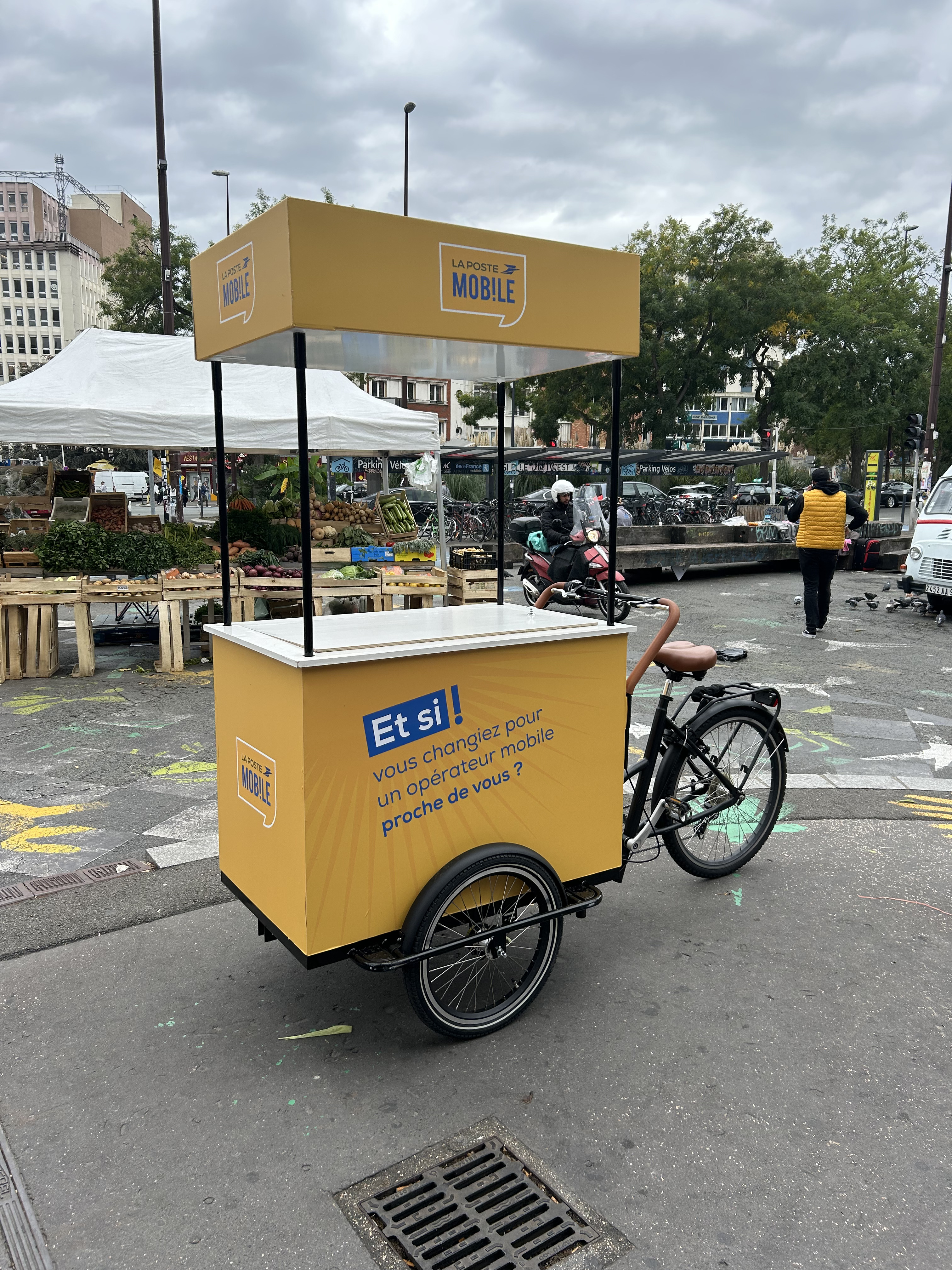
Promotiemateriaal (POS) in Luik that performs on event day
INNOV'events is a Brussels-based event agency delivering Promotiemateriaal (POS) for corporate events in Luik, from concept to on-site installation. Typical formats range from 30 to 2,000 attendees, with constraints that look simple on paper but become critical on event day.
We handle the full chain: print-ready files, production follow-up, transport, venue coordination, installation, and dismantling—so your teams stay focused on guests, messaging, and business outcomes.
Sommaire
In a corporate event, Promotiemateriaal (POS) is not decoration: it is the physical layer that makes your message legible under pressure—when people arrive, queues form, photos are taken, and executives need consistency across every touchpoint.
In Luik, organizations expect pragmatic execution: bilingual considerations, tight access windows in venues, and materials that survive real traffic (hands, drinks, rolling flight cases) without looking “temporary” in front of clients or partners.
We bring field experience from Belgian roll-outs and a local operational approach in Luik: supplier coordination, realistic lead times, and on-site supervision so the branding is correct, compliant, and installed where it actually influences flow and perception.
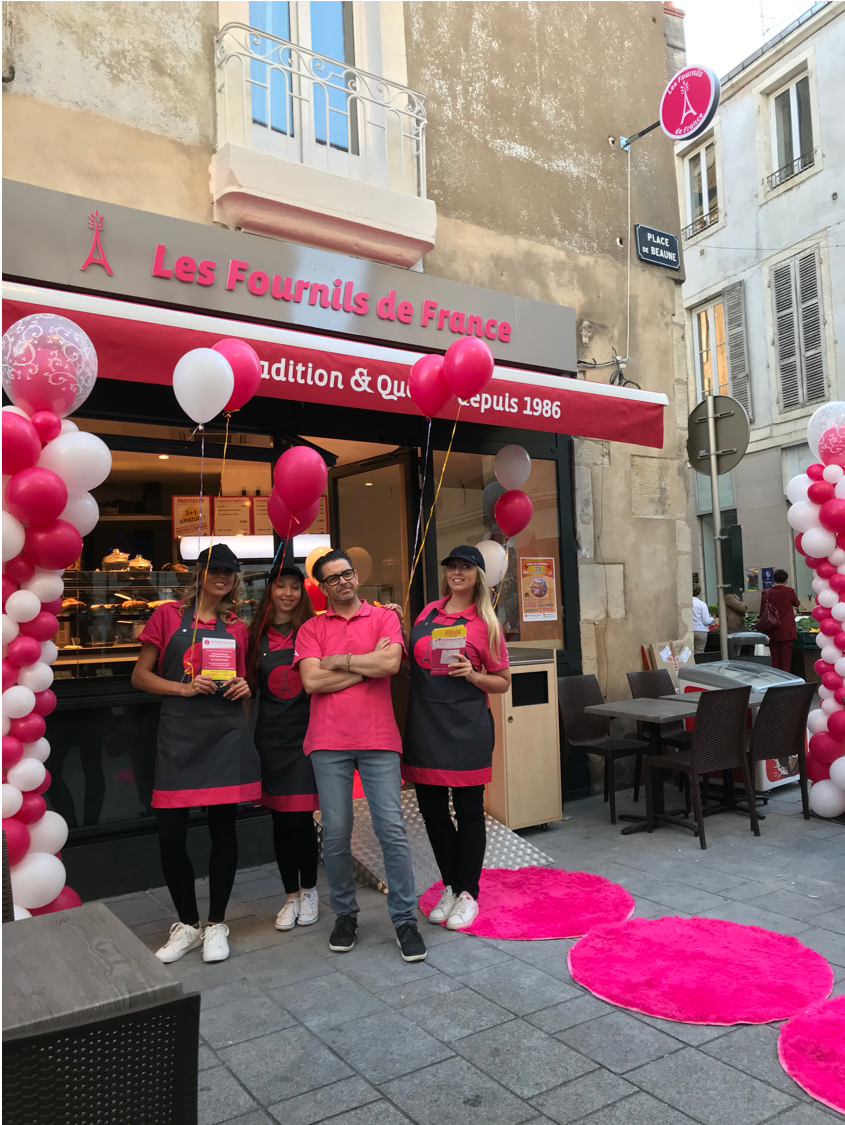
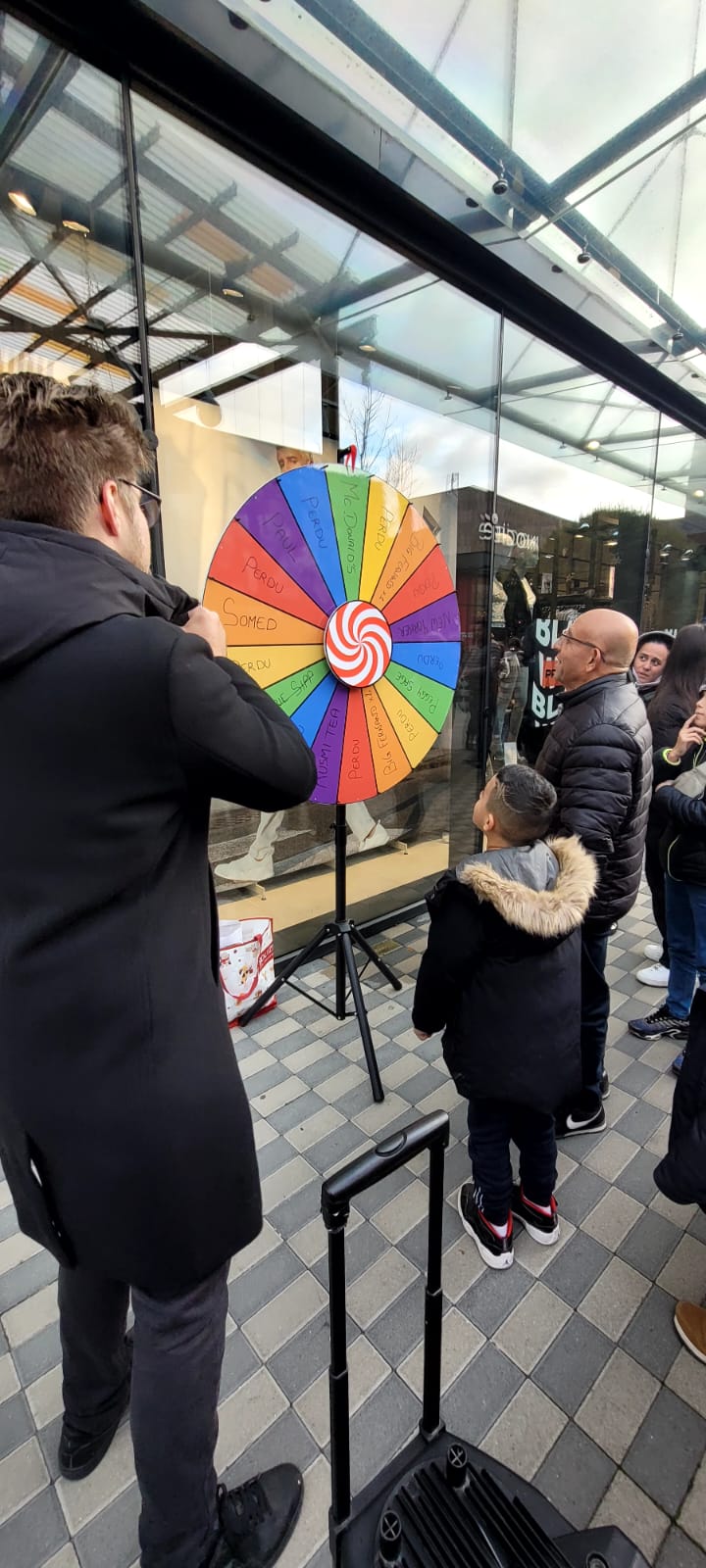
Operational credibility for Luik projects
1 single point of contact: one project lead accountable from brief to dismantling (no handover gaps between design and production).
48–72 hours typical turnaround to deliver a first POS plan and production schedule after a complete brief (brand assets, venue, quantities).
5 to 35 distinct POS items managed on a standard corporate event: from wayfinding to backdrops, menus, sponsor walls, and safety signage.
2 levels of QC: print proof validation + on-site check against placement plan (avoids last-minute “wrong logo / wrong language / wrong size” issues).
Belgium-wide production network: print, rigid supports, textile, signage, and installation partners used for recurring national deployments.
Companies we support in Luik year after year
We regularly support companies and institutions active in Luik and the wider Liège economic area (healthcare, logistics, industrial groups, public stakeholders, and services). Many of these teams come back because Promotiemateriaal (POS) is one of those topics that becomes risky when it is treated as “just printing”.
You mentioned sharing specific company names as references; integrate them here to strengthen local proof (e.g., groups with a Liège site, HR departments that run recurring recruitment events, or communication teams that deploy consistent branding across several internal moments). In practice, what we see is recurring needs: yearly employer branding events, safety days, partner days, and customer roadshows, where POS must remain coherent while the venue and audience change.
Our role is to provide continuity: the same logo versions, correct legal mentions, consistent color profiles, and predictable installation standards—so your brand is recognized immediately, whether the event is in a central venue, an industrial site, or a conference space in Luik.
 Besoin d’un devis rapide ?
Nous vous envoyons une première proposition sous 24h.
What POS changes for leadership teams in Luik
For executives, HR, and communication teams, Promotiemateriaal (POS) in Luik is a governance tool as much as a branding tool. It structures the attendee journey, reduces friction on the day, and protects brand reputation in the moments where stakeholders form an opinion quickly.
Message control under real conditions: when rooms are noisy and schedules shift, clear signage and stage branding ensure your key priorities (strategy, safety, employer value proposition) remain visible and consistent.
Flow and operational efficiency: wayfinding, check-in markers, queue separators, and zone labeling reduce bottlenecks. This directly impacts staff workload and attendee satisfaction—especially for events with staggered arrivals.
Stakeholder confidence: investors, clients, unions, and partners interpret operational maturity through details. A clean, well-installed sponsor wall and coherent room branding suggest preparation and control.
Employer brand and HR impact: for recruitment fairs or open days, POS influences how candidates perceive seriousness. Simple elements (job family mapping, skill matrices, “ask me about” badges) increase the quality of conversations.
Risk reduction: safety signage, emergency routing, restricted zones, and compliance notes are part of POS. Done correctly, they support venue rules and reduce exposure if an incident occurs.
Measurement and learning: QR codes, session counters, and clearly defined zones enable post-event analysis (traffic, content interest, lead capture), not just “we think it went well”.
Luik combines industry, higher education, and cross-border logistics. That culture values clarity and execution. POS that is robust, readable, and operationally realistic fits this environment—and it shows in how stakeholders engage with your event.
Local constraints to plan for in Luik venues
In Luik, the success of Promotiemateriaal (POS) often depends on constraints that appear late if no one asks the right questions. We routinely anticipate points such as access restrictions, freight elevators, loading bay schedules, and the difference between “doors open” and “installer access”.
Typical expectations and constraints we plan around include:
- Short setup windows (sometimes 60–120 minutes) when the space hosts multiple events or has strict opening times.
- Wall and surface limitations: some venues forbid adhesive on painted walls or historic surfaces. We plan alternative mounting (self-standing structures, tension frames, weighted bases).
- Bilingual realities: even if your internal language is EN or FR, guest populations can be mixed. We define where bilingual signage is mandatory (registration, safety, wayfinding) versus where it is optional.
- Lighting and photo angles: sponsor walls and stage backdrops that look fine in a PDF can fail under harsh LED lighting. We select materials and finishes that avoid glare and moiré.
- Transport realities in dense areas: parking limitations, last-50-meters logistics, and the need for compact packaging that fits elevators or corridors.
This is why we build a placement plan that matches the venue’s reality—not only the floorplan—and validate it with the site manager before anything goes to print.
Which POS formats drive engagement in Luik corporate events
Well-designed Promotiemateriaal (POS) supports engagement because it guides attention and creates “decision points”: where to go, what to learn, who to talk to, and how to participate. In Luik, we often see higher engagement when POS is functional first (clarity, flow), then branded (visual identity).
Animations Interactives à Luik
Live agenda and room totem signage: large-format schedules that can be updated (magnetic panels, replaceable inserts) reduce confusion when sessions shift.
QR-driven station cards: each stand or zone has a QR linking to a controlled landing page (brochure, product sheet, job roles). This reduces printed waste and improves lead capture quality.
Decision-tree wall: a simple “If you are X, start here” graphic for HR (candidates), procurement (suppliers), or partners. It improves routing and shortens first conversations.
Animations Artistiques à Luik
Textile backdrops and tension frames: cleaner finish than roll-ups, better on camera, faster to install. Often used behind speakers or in photo zones.
Branded scenography elements: lightweight structures (arches, cubes, pedestal towers) that create depth on stage without heavy build costs.
Premium material choices: matte laminations, fabric textures, or wood-look panels to match an executive audience and avoid a “trade fair” feel.
Animations Innovantes à Luik
Branded menu and allergen signage: practical, compliant, and aligned with guest experience. In many corporate events, this is where frustration appears if not handled.
Bar and coffee corner branding: small-format POS (counter cards, queue markers) that influences dwell time and photos without being intrusive.
Reusable table talkers: conversation prompts linked to your theme (innovation, safety, ESG). Works well for networking lunches.
Animations Gourmandes à Luik
Digital signage with controlled content: screens for agenda, sponsor rotation, and directional arrows. We define screen ratios, brightness needs, and content update processes.
Wayfinding zones by color system: a color-coded route (floor decals + matching wall arrows) that reduces questions to staff—effective in multi-room buildings.
Modular POS kits for multi-site roll-outs: standardized “event-in-a-box” for companies with multiple offices or roadshows around Luik and Belgium.
The decisive point is alignment with your brand image: we translate brand rules into materials that work operationally (durability, install speed, photo quality). Good POS is consistent, readable at the right distance, and placed where it actually shapes attendee behavior.
Which venue setups in Luik work best for POS impact
The venue determines what POS can achieve: ceiling height, wall materials, entrance flow, and lighting define where brand elements should be placed and which supports are realistic. In Luik, choosing a space without checking installation constraints can multiply costs (extra structures, last-minute reprints) or reduce impact (poor visibility, blocked lines of sight).
| Venue type | For which objective? | Main strengths | Possible constraints |
|---|---|---|---|
Conference center / auditorium | Keynote + content delivery with clear routing | Strong stage visibility, easy agenda signage, good AV integration | Strict rigging rules, limited adhesive options, fixed entrance/exit flows |
Industrial site / company premises | Open day, customer visit, safety day | Authenticity, immersion, strong employer brand leverage | Safety compliance signage, restricted zones, weather-proofing and durability needs |
Hotel meeting spaces | Executive workshop, HR training, partner meeting | Predictable logistics, fast setup, good service flow | Brand visibility can feel “small” unless POS is planned; lighting and wall finishes vary |
Exhibition hall / large event space | Internal fair, recruitment event, multi-stand format | High capacity, flexible zoning, strong wayfinding potential | Needs more signage to avoid “empty” feel; higher production volumes |
We strongly recommend a site visit (or at minimum a technical call with photos/video and exact measurements). This is where we validate mounting options, power points for digital signage, and realistic installation timing—before committing budgets and print runs.
How to budget POS in Luik without losing control
The price of Promotiemateriaal (POS) in Luik depends on format, quantities, materials, finishing, and especially logistics (access, install time, and whether items can be reused). We budget transparently so communication and procurement teams can arbitrate without hidden surprises.
Quantities and versions: one bilingual sign can cost more than two monolingual signs if it forces smaller fonts or a redesign. Multiple sponsor tiers increase versioning work.
Support type: roll-ups vs textile frames vs rigid panels; each has different durability, transport volume, and on-site handling time.
Finishing: matte vs gloss lamination, anti-scratch coatings, reinforced edges for high-traffic zones.
Installation complexity: number of rooms, height work, time windows, and whether the venue requires approved installers or specific fixings.
Design and DTP workload: adapting one master to 20 deliverables is often where time goes. Clear content ownership on your side reduces iterations.
Reuse strategy: modular elements cost more upfront but lower total cost over multiple events; we help decide what should be reusable versus event-specific.
We frame budget decisions through ROI: fewer operational incidents, a cleaner brand footprint in photos and videos, and better navigation that reduces staff workload. For many corporate events, that operational reliability is the difference between “acceptable” and “executive-grade”.
When to choose an agency for POS in Luik
Choosing a partner with real operational capacity in Luik matters when deadlines are short, venues are strict, or your internal team cannot babysit production. An agency that understands local constraints will ask the questions that prevent reprints, delays, and awkward brand exposure on event day.
As part of broader event delivery, our team also operates as an event agency in Luik, which means POS is integrated into the overall run-of-show, guest journey, and venue coordination—not treated as an isolated print order.
- Faster coordination with venues and local suppliers: access rules, delivery slots, and on-site contacts are managed proactively.
- On-site accountability: someone is there to validate placement, fix issues, and make trade-offs when reality deviates from the plan.
- Risk-based choices: we invest in proofs and premium materials only where it protects impact (stage, photo zone), not everywhere.
- Operational continuity: we maintain POS inventories and templates for recurring events, reducing time and errors year over year.
We frame budget decisions through ROI: fewer operational incidents, a cleaner brand footprint in photos and videos, and better navigation that reduces staff workload. For many corporate events, that operational reliability is the difference between “acceptable” and “executive-grade”.




Examples of POS deployments in Luik executives recognize as professional
In the field, POS challenges rarely come from “not enough branding”. They come from operational complexity: last-minute speaker changes, sponsor upgrades, room swaps, and simultaneous deliveries. We design systems that absorb these changes without breaking the event.
Examples of real-life situations we routinely manage in Luik contexts:
- Leadership townhall with late agenda updates: we implement modular agenda boards and digital slides with controlled update procedures, so changes do not trigger emergency reprints.
- Recruitment event with multiple job families: we structure zones with color coding and clear “start here” signage, reducing repeated questions to HR staff and improving candidate routing.
- Partner day with sponsor hierarchy: we lock sponsor tier rules early, build a placement plan for logo visibility (photo angles included), and avoid “why are we not on the wall?” escalations.
- Industrial open day: we integrate safety signage, restricted areas, and visitor guidance into the branding system, ensuring compliance while maintaining corporate tone.
The common thread: we treat Promotiemateriaal (POS) as an operational layer that supports your objectives—communication clarity, HR outcomes, and reputation protection.
Common POS mistakes we prevent in Luik projects
Printing before confirming mounting constraints: leads to unusable items when the venue bans adhesive or requires specific fixings.
Underestimating version control: outdated logos, wrong sponsor tiers, or inconsistent language versions across rooms.
Wrong scale for viewing distance: text that is readable at 1 meter but not at 5–10 meters, especially for wayfinding and agendas.
Ignoring lighting and photography: glossy materials that glare, patterns that moiré on camera, backdrops that look washed out.
No installation sequence: teams start with “nice-to-have” items, while registration and wayfinding remain unfinished when doors open.
No contingency: lack of spare fixings, backup files, or a plan for damage during transport or handling.
Our role is to de-risk these points with a clear production plan, validation gates, and on-site supervision—so your teams are not making stressful decisions in front of guests.
Why Luik clients renew POS support with INNOV'events
Long-term relationships happen when an agency reduces internal workload and protects outcomes consistently. With Promotiemateriaal (POS), loyalty is earned through reliability: correct files, predictable lead times, clean installation, and calm problem-solving when changes occur.
Year-over-year reuse rates: for recurring events, we aim for 30–60% of POS elements to be reusable (frames, structures, generic wayfinding), lowering total cost of ownership.
Installation time predictability: with a validated placement plan and pre-labeled kits, on-site setup is typically reduced by 20–40% versus ad-hoc approaches.
Error prevention: structured proofing and checklists drastically reduce reprints—often the hidden cost that destroys budgets and timelines.

Loyalty is not about habit; it is proof that the operational model works. In Luik, where many organizations run recurring internal and external moments, a stable POS partner becomes a quiet competitive advantage.
Our POS delivery process for Luik from brief to dismantling
👉 Brief and constraints capture in Luik
We start with objectives (HR, comms, commercial), audience profile, and event format. Then we capture constraints: venue rules, access hours, languages, sponsor requirements, safety needs, and what must be reusable. Output: a written scope and a first POS list with priorities (critical / important / optional).
👉 POS architecture and placement plan
We translate your journey into zones: arrival, registration, plenary, breakout rooms, catering, networking, photo zone, and restricted areas. For each zone, we define what the POS must achieve (direction, reassurance, brand proof, call-to-action). Output: a placement plan aligned with real mounting methods and sightlines.
👉 Design, DTP, and content governance
We produce print-ready files based on your brand rules and validate content ownership (who signs off claims, sponsor names, job titles). We implement version control and lock cut-off dates to avoid uncontrolled changes. Output: approved files and a proofing checklist.
👉 Production follow-up and quality control
We select the right materials (textile, rigid, stickers, laminations) based on durability and photo quality. We validate proofs when risk is high and control finishing details (hem, eyelets, base stability). Output: QC sign-off before dispatch.
👉 Transport, installation, and on-site adjustments
We coordinate delivery slots, access badges, and loading. On-site, we install in a sequence that protects opening readiness: registration and wayfinding first, then stage and photo areas, then secondary items. We bring fixings and backup solutions for unforeseen constraints. Output: walk-through validation with your team before doors open.
👉 Dismantling, storage, and post-event reporting
We dismantle safely, pack items labeled by zone, and separate reusable elements from event-specific prints. We provide a post-event note: what worked, what was damaged, and what can be optimized for the next edition in Luik. Output: lower cost and fewer errors next time.
FAQ sur l'organisation Promotiemateriaal (POS) à Luik
How early should we order POS for Luik events?
Plan 3–6 weeks for standard POS (design, proofing, production, logistics). For complex builds or multiple language versions, target 6–10 weeks. Rush options exist, but they increase risk (limited proofing) and cost (express production/transport).
What POS items are essential for a corporate event in Luik?
In most cases: entrance signage, registration branding, wayfinding (rooms, toilets, exits), stage backdrop (or screen content), and photo/sponsor wall if stakeholders will share images. Add safety and restricted-zone signage when relevant.
What budget range for Promotiemateriaal (POS) in Luik?
As a working range, small corporate setups often start around €1,500–€4,000 (basic signage + backdrops). Medium events typically fall in €4,000–€12,000 (multiple zones, better supports, more versions). Large multi-zone events can exceed €12,000–€30,000+, mainly driven by volumes, structures, and installation complexity.
Do we need bilingual POS for Luik audiences?
Often yes for wayfinding, safety, and attendee instructions. For brand storytelling walls or internal messaging, bilingual is a strategic choice depending on guests. We recommend deciding zone by zone to protect readability and avoid overcrowded designs.
Can POS be reused across multiple events around Luik?
Yes—if planned upfront. Reusable options include textile frames, modular totems, generic directional signage with interchangeable inserts, and durable sponsor wall structures. Many clients reach 30–60% reuse across editions, reducing total spend and last-minute stress.
Request a POS plan for your next Luik event
If you are preparing an internal event, partner day, recruitment moment, or customer gathering in Luik, we can propose a clear Promotiemateriaal (POS) plan: deliverables list, placement map, production schedule, and a controlled budget—before you commit to printing.
Share your date, venue (or shortlist), estimated attendance, languages, and brand assets. We will respond with a structured proposal and realistic lead times, including logistics and on-site installation options.
Agence INNOV'events Luik
Justin JACOB est le responsable de l'agence événementielle Luik. Contactez-le directement par mail via l'adresse belgique@innov-events.be ou par formulaire.
Contacter l'agence LuikToutes nos prestations & animations Luik, Belgique
Découvrez nos prestations événementielles
Découvrez nos animations événementielles disponibles au Belgique
- Hôtesse événementielle à Luik
- Escape Game à Luik
- Cours de cuisine type MasterChef à Luik
- Magicien à Luik
- Location de chapiteau à Luik
- Atelier colorimétrie à Luik
- Jeux gonflables à Luik
- Service de voiturier à Luik
- Simulateur de football à Luik
- Location de mobilier lumineux à Luik
- Flocage lumineux à Luik
- Repas insolite à Luik
- Light Painting à Luik
- Murder Party à Luik
- Jeu concours à Luik
- PLV événementielle à Luik
- Réalité virtuelle à Luik
- Cuisine moléculaire à Luik
- Animation Halloween à Luik
- Feu d’artifice à Luik
- Jeux géants à Luik
- Animateur événementiel à Luik
- Animation photo à Luik
- Père Noël à Luik
- Animation enfants à Luik
- Visite guidée à Luik
- Rallye urbain à Luik
- Piscine à balles à Luik
- Simulateur de vol à Luik
- Location de food truck à Luik
- Record du monde à Luik
- Simulateur de surf à Luik
- Casino du vin à Luik
- Atelier relooking à Luik
- Atelier création de parfum à Luik
- Atelier acting à Luik
- Animations RSE à Luik
- Tir à l’arc à Luik
- Agent de sécurité à Luik
- Œnologie à Luik
- Mime à Luik
- Jeu télévisé à Luik
- Fête foraine à Luik
- Atelier gestion de crise à Luik
- Atelier négociation de crise à Luik
- Jeux d’arcade à Luik
- Simulateur de chute libre à Luik
- Simulateur de ski à Luik
- Simulation circuit automobile à Luik
- Baptême de l’air à Luik
- Dégustation à Luik
- Création de baby-foot à Luik
- Rallye 2CV à Luik
- Challenge LEGO à Luik
- Animation casino à Luik
- Interprète / traducteur à Luik
- Goodies à Luik
- Bus / transfert à Luik