
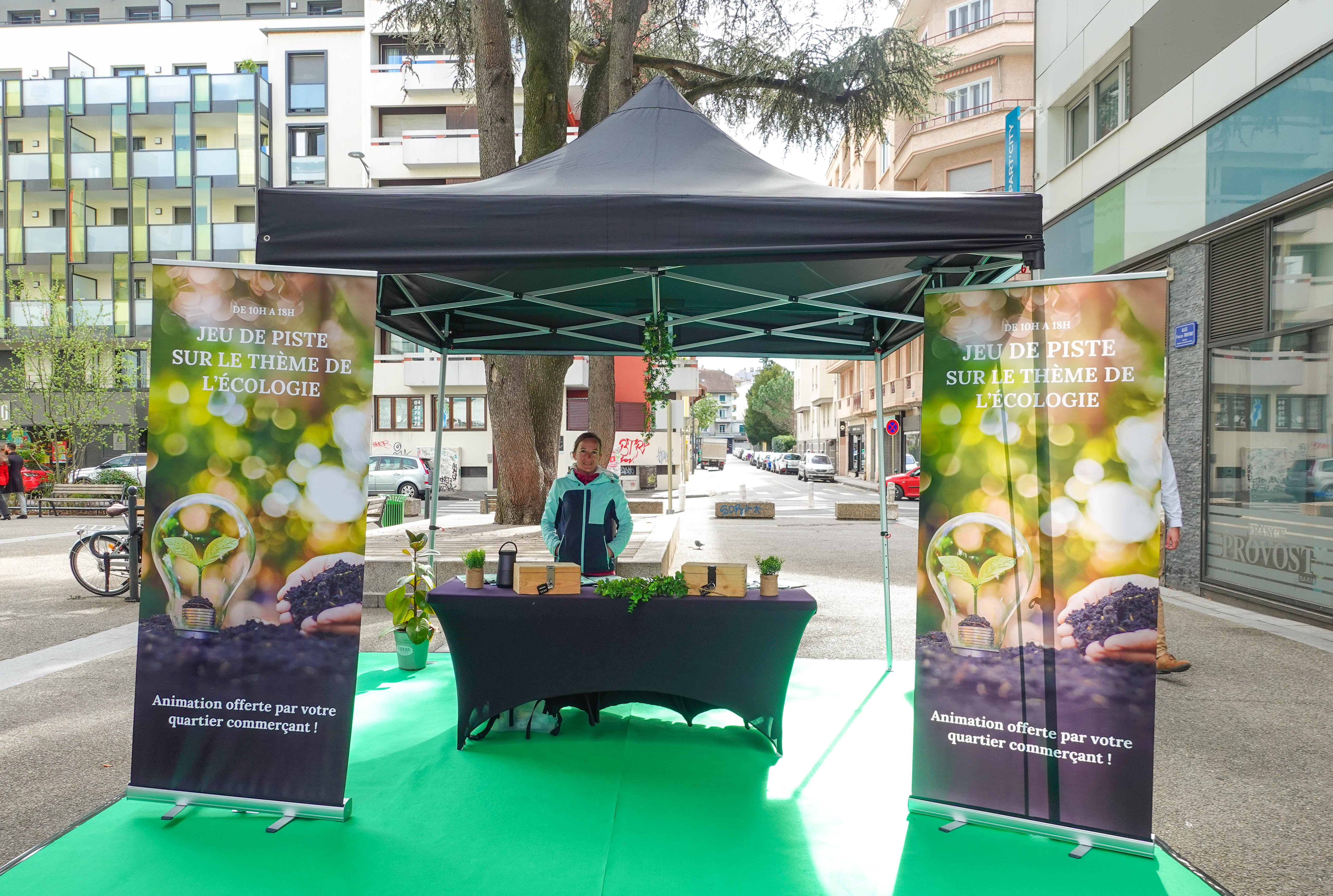
CSR activiteiten in Luik that teams take seriously—and executives can report on
INNOV'events is a Brussels-based event partner delivering CSR activiteiten for corporate groups in Luik, typically from 20 to 600 participants. We design the concept, manage partners and logistics, and secure a smooth run-of-show on the day—while keeping compliance, brand risk, and measurable impact in scope.
Whether you need a half-day team engagement or a full-day corporate program, we handle on-site production, safety, timings, vendor coordination, and post-event reporting so your HR and Comms teams can focus on the message and the people.
Sommaire
In a corporate context, entertainment only works if it supports your objectives. With CSR activiteiten, the “fun” must not undermine credibility: leadership expects tangible outcomes, and employees expect authenticity—not a photo-op.
Organizations in Luik usually ask for practical formats that fit shift patterns, multi-site teams, and tight timelines—while remaining aligned with internal ESG targets and external stakeholder expectations (clients, unions, local authorities).
INNOV'events operates across Belgium with a strong operational footprint in Luik: local suppliers, tested venues, and production habits that prevent last-minute surprises (access, unloading, waste streams, safety briefings, and contingency plans).
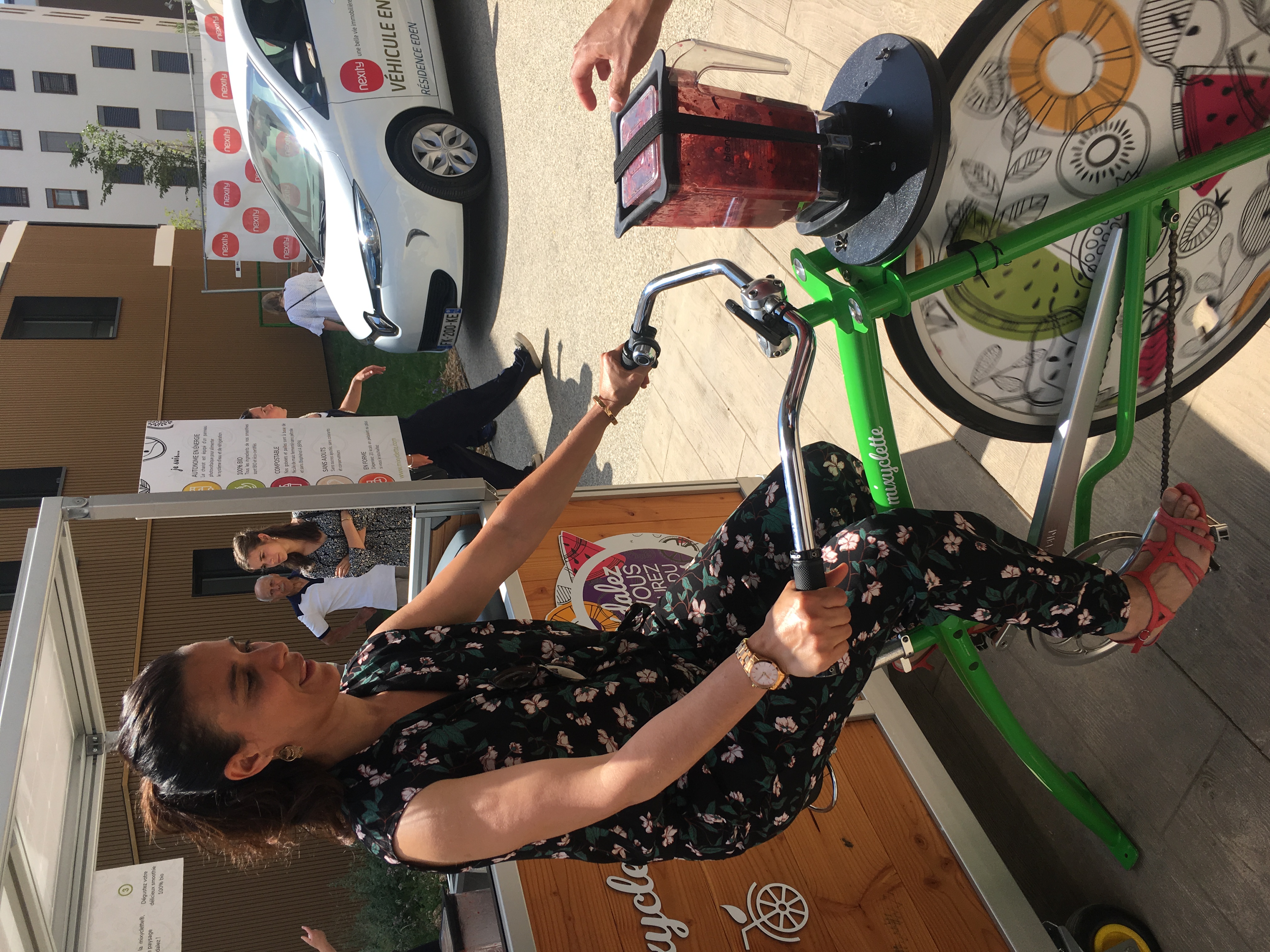
INNOV'events in numbers for Luik decision-makers
10+ years delivering corporate events across Belgium, with repeat programs in Wallonia and the Liège area.
150+ corporate projects/year across team events, internal communications, and brand moments—giving us strong vendor leverage and realistic budgeting.
20–600 participants is our most frequent range for CSR activiteiten in Luik; we also manage multi-wave formats for plants, logistics hubs, and 24/7 operations.
48h average turnaround for a first structured proposal (scope, options, estimated budget ranges, key risks).
1 production lead + 1 safety/logistics lead on-site as a standard for medium programs, ensuring a clear chain of command and controlled timing.
Trusted CSR delivery in Luik with recurring local teams
In Luik, our work is often built with the same operational partners year after year: venue managers who know corporate constraints, caterers who can document allergens and waste sorting, and local social-economy actors able to scale without compromising impact.
You mentioned specific company names as references; we integrate them in proposals and case discussions where appropriate (scope, constraints, and outcomes) to help your committee compare options on facts—participant mix, run time, safety constraints, and measurable deliverables. In practice, the clients who renew are those who need reliability under pressure: leadership visits, multiple languages on-site, late confirmations, and strict brand rules.
For confidentiality and procurement compliance, we share exact references and contactable testimonials upon request and according to your internal policy. What we can guarantee upfront: local execution discipline and reporting that stands up to scrutiny.
 Besoin d’un devis rapide ?
Nous vous envoyons une première proposition sous 24h.
What CSR activiteiten in Luik solve for HR and leadership
A CSR event is not a “nice-to-have” when it is designed as a management tool: it reduces disengagement risk, supports culture, and creates evidence for internal and external communication—provided the action is real, structured, and documented.
For executives and HR, the question is rarely “should we do CSR?” but “how do we do it without reputational risk, operational chaos, or a vague impact story?” That is exactly where a well-produced CSR activiteiten program brings value.
Credible ESG activation: translate annual ESG statements into concrete actions with proof (quantities, hours, beneficiaries, partner validation) usable in internal reporting.
Cross-team cohesion: mix departments that do not naturally work together (operations, finance, sales, engineering) through roles-based tasks that require coordination, not just attendance.
Employer branding with control: create content and storytelling guidelines that respect privacy, dignity of beneficiaries, and your corporate communication policy.
Manager enablement: equip line managers with a simple facilitation kit and talking points so the activity becomes a leadership moment rather than an outsourced initiative.
Risk reduction: safety briefings, PPE when required, insurance checks, and clear responsibilities—especially relevant for outdoor actions in the Liège area where weather and terrain can change quickly.
Operational fit: scheduling and wave planning for shift-based teams common around Luik (industrial sites, logistics, mobility), so participation does not disrupt critical operations.
Luik has a pragmatic economic culture: people expect usefulness. CSR activities that respect time, do real good, and are professionally managed tend to be the ones employees support—and the ones leadership can stand behind.
How CSR expectations differ in Luik corporate environments
In Luik, CSR initiatives are often evaluated with a “show me the facts” mindset. Teams are used to operational realities: deadlines, safety, and measurable output. That means the activity must be structured like a project, not like a symbolic gesture.
Common constraints we plan for in the Liège area include: multi-site attendance with late confirmations, bilingual or multilingual teams (FR/NL/EN on the same site), and the need to coordinate with works councils or local management. We also see stricter expectations on transparency—who benefits, how donations are used, and how partners ensure ethical practices.
Finally, logistics matter: traffic patterns, parking capacity for vans and coaches, delivery time windows, and the availability of local partners who can operate within corporate compliance rules (purchase orders, invoices, insurance, and data privacy). Our job is to align these constraints with an activity that still feels human and engaging.
Which CSR activiteiten in Luik engage teams without greenwashing
Engagement comes from clarity: participants need to understand the purpose, see progress, and feel their contribution is real. The best CSR activiteiten combine a visible output with a team structure that creates coordination and pride—while staying aligned with your brand and risk appetite.
Animations Interactives à Luik
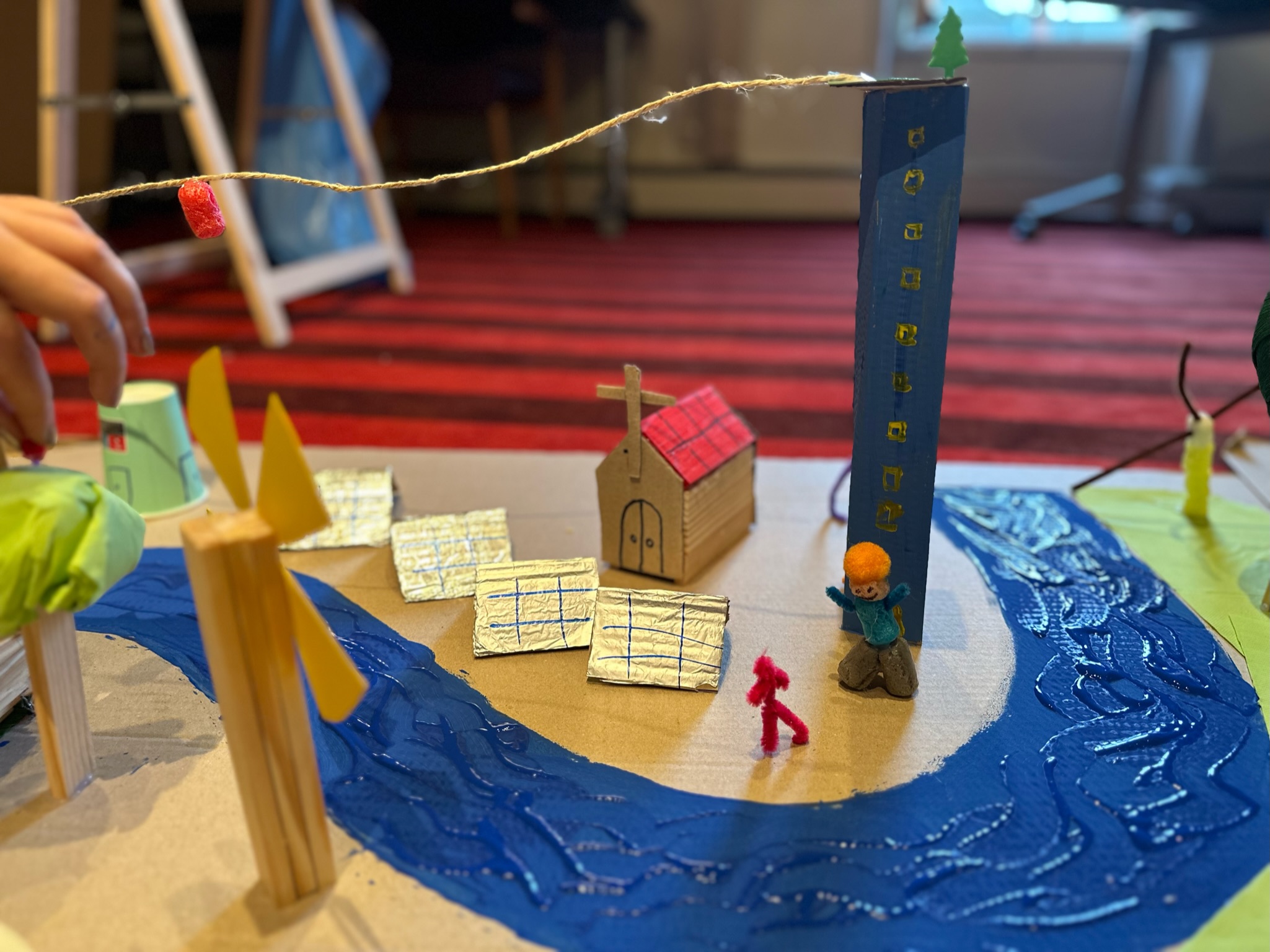
Impact sprint with measurement: teams complete time-boxed workstations (sorting, assembling, refurbishing, packing) with real-time dashboards (units/hour, defect rate, quality checks). Works well for analytical cultures and creates data you can report.
Skill-based volunteering clinic: short sessions where employees apply expertise (CV review, mentoring, digital support) coordinated with local associations in Luik. We structure sign-ups, confidentiality, and facilitation to avoid awkwardness and ensure usefulness.
CSR negotiation game based on your industry: a facilitated scenario reflecting procurement, supply chain, and emissions trade-offs. Not a “party game”—a controlled simulation that surfaces real dilemmas and helps leadership drive consistent decisions.
Animations Artistiques à Luik
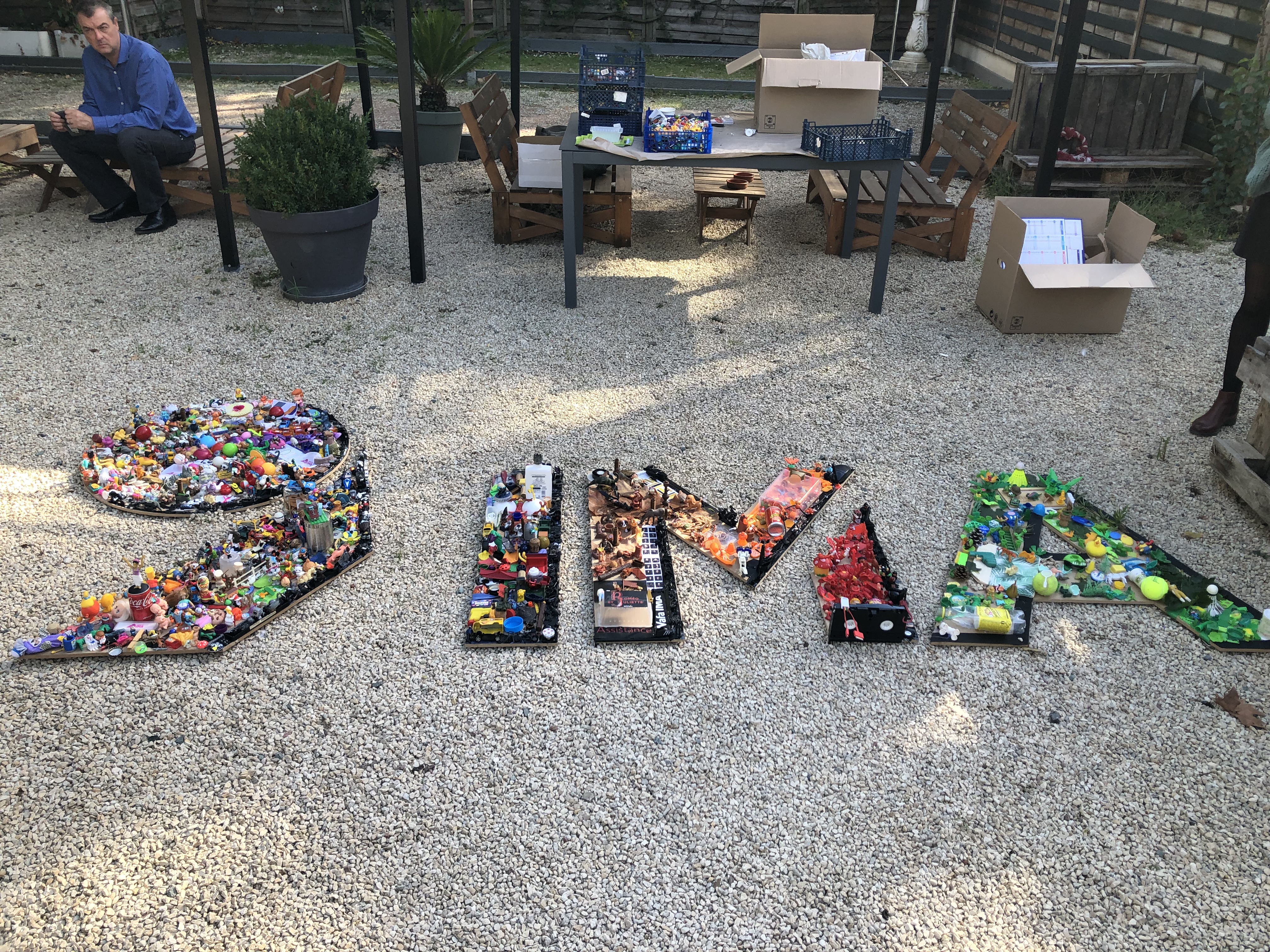
Community mural with governance: a professional artist leads teams to co-create panels that are donated to a local community space. We manage permissions, durability, and messaging so the result is appropriate and not perceived as corporate takeover.
Upcycling design workshop: teams transform recovered materials into usable objects for partner organizations (storage solutions, small furniture). We define quality standards and safety (tools, supervision), then coordinate delivery.
Animations Innovantes à Luik
Solidarity meal production with traceability: teams prepare meal kits with a social-economy kitchen partner. We document quantities, ingredients sourcing, allergens, cold chain, and distribution so the activity is operationally credible.
Local sourcing challenge in Luik: a guided activity built with local producers, ending with a structured tasting. The CSR angle is explicit (short supply chain, fair pricing, waste reduction), with clear “do’s and don’ts” for communication.
Animations Gourmandes à Luik
Repair & reuse pop-up lab: bring technicians and tools on-site to repair small equipment, bikes, or IT accessories for donation. We set acceptance criteria, data-wiping procedures for IT, and liability boundaries.
Mobility and inclusion challenge: a program combining accessibility audits, route mapping, and small improvements around a site in Luik. It suits companies with mobility stakes and produces a concrete deliverable (audit + action plan).
The strongest programs align three elements: your brand image (what you can credibly claim), participant reality (what they can actually do), and partner capacity (what they can absorb). We help you choose a format that is engaging, but also defensible in a board meeting and in front of external stakeholders.
Where to host CSR activities in Luik for maximum credibility
The venue is not neutral in Luik: it signals how serious you are. A CSR action in a polished corporate setting can work, but only if logistics and the beneficiary experience are managed properly. Conversely, an activity on a partner site can be powerful, but it increases constraints on safety, transport, and comfort.
We assess venues through a corporate lens: access for coaches and suppliers, unloading zones, indoor fallback, heating/ventilation, noise limits, availability of meeting rooms for briefings, and waste sorting infrastructure. We also check what your stakeholders will see in the first 5 minutes—because that sets the perceived professionalism of the whole day.
| Venue type | For which objective? | Main strengths | Possible constraints |
|---|---|---|---|
Corporate site in Luik (HQ, plant, warehouse) | Internal culture, operational pride, high participation rate | Easy attendance, low transport time, strong control of brand and safety procedures | Requires strict zoning, production noise management, and clear separation from ongoing operations |
Partner association premises in Luik | Authenticity and direct beneficiary connection | High meaning, credible storytelling, strong local anchoring | Capacity limits, privacy considerations, and comfort/safety constraints that must be professionally mitigated |
Neutral event venue with workshop capacity (industrial hall, multi-room venue) | Large-scale assembly/packing or hybrid plenary + action | Good flow control, weather-proofing, reliable utilities, easier catering and AV | Cost line for rental; impact must be made visible to avoid feeling like a “CSR show” |
We strongly recommend a site visit for any program over 80 participants or involving tools, food, or public space. In Luik, many operational issues are solved before the event simply by checking access points, storage, and fallback areas on-site.
What CSR activities cost in Luik and what drives the price
The budget for CSR activiteiten in Luik depends less on “creativity” and more on production reality: participant count, safety, logistics, partner capacity, and the level of measurement/reporting you require. We build budgets in transparent layers so you can arbitrate quickly (must-have vs. optional).
As a practical benchmark, many corporate CSR formats in Luik land between €75 and €220 per person for half-day to full-day programs, excluding VAT and depending on venue, catering, and complexity. High-touch formats with multiple workstreams, professional facilitation, and robust reporting can go beyond that—especially with smaller groups where fixed costs are spread over fewer participants.
Participant volume and waves: one group of 200 is not the same as 4 waves of 50; waves increase staffing and timing constraints.
Venue and infrastructure: rental, heating, cleaning, waste management, loading constraints, and any required permits.
Safety and supervision: PPE, certified instructors, security, first aid, and risk assessment when tools, food, or public space are involved.
Impact materials: assembly kits, refurbishment components, packaging, transport, and storage before/after the event.
Partner costs and donations: fair compensation for social-economy partners and transparent donation models tied to outputs.
Content and reporting: photo/video with consent management, post-event impact report, and internal comms toolkit.
Weather contingency: indoor fallback or rescheduling provisions for outdoor actions around Luik.
ROI is not only “feel-good.” Done correctly, CSR events reduce attrition risk, strengthen manager alignment, and create usable proof points for ESG narratives. We help you define measurable outputs upfront so the value is auditable, not anecdotal.
Why choosing a Luik-based delivery partner reduces risk
CSR events fail for the same reasons as any event: late changes, unclear responsibilities, and suppliers that do not understand corporate constraints. In Luik, local execution matters because logistics and partner ecosystems are highly contextual: access rules, unloading realities, and the availability of social-economy organizations that can scale safely.
Working with a team that is operationally established in Luik means fewer assumptions. We know which suppliers can handle purchase-order processes, who has the right insurances ready, and which venues have the infrastructure to support assembly lines, food safety, or multi-room briefings. If you need broader support, you can also consult our local positioning as an event agency in Luik—useful when your program mixes CSR action with plenaries, awards, or client-facing moments.
- Faster feasibility checks: quick validation of capacity, access, and constraints without “surprises” during set-up.
- More reliable staffing: local supervisors and technicians reduce travel risk and improve responsiveness.
- Partner due diligence: we vet local associations and suppliers for capacity, safety, and reputational fit.
- Contingency readiness: backup options for weather, transport delays, or last-minute participation shifts.
ROI is not only “feel-good.” Done correctly, CSR events reduce attrition risk, strengthen manager alignment, and create usable proof points for ESG narratives. We help you define measurable outputs upfront so the value is auditable, not anecdotal.






What we have delivered in Luik across different CSR formats
Our experience in Luik covers the full spectrum of CSR activation: from practical assembly and donation programs to skill-based volunteering and multi-stakeholder days that mix internal engagement with controlled external communication.
For industrial and logistics clients, we often implement wave-based participation to respect production constraints: short briefings, clear roles, tight rotation planning, and a strong focus on safety and timing. For service organizations, we design formats that create meaningful dialogue—mentoring, inclusion-focused workshops, or simulations that connect directly to decision-making in procurement and operations.
Across these formats, the common denominator is operational control: vendor onboarding, on-site zoning, waste stream management, and impact reporting that stands up to internal audit questions. We adapt to your governance model—whether decisions sit with HR, Communications, or a sustainability committee—and we document everything so you can defend choices internally.
Typical CSR pitfalls we prevent in Luik programs
Picking a partner that cannot scale: the association is great, but cannot host 150 people or handle the logistics—resulting in idle time and frustration.
Underestimating safety and liability: tools, food, transport, and public spaces require supervision, procedures, and insurance checks.
Over-claiming impact: messaging that goes beyond what was actually delivered creates reputational risk. We keep claims evidence-based.
Weak run-of-show: too many speeches, unclear transitions, and no time buffers—leading to delays and a stressed internal host.
No consent framework: photos taken without proper permissions (employees or beneficiaries) can create HR issues and partner mistrust.
Ignoring operational constraints: shift workers or multi-site teams are invited without a wave plan; attendance drops and managers push back.
Unclear waste and transport plan: CSR actions that generate waste or require deliveries without a logistics plan undermine the whole purpose.
Our role is to remove these risks before they become problems: feasibility first, then design, then production discipline. That is how CSR activiteiten in Luik remain credible on the day—and defensible afterwards.
Why Luik clients renew CSR programs with INNOV'events
Renewal does not happen because an activity was “nice.” It happens because the internal sponsor felt safe: the day ran on time, stakeholders were respected, budgets stayed controlled, and the impact story was documented without exaggeration.
In practice, recurring clients in Luik often standardize a CSR format annually, then vary the theme or partner. This creates continuity for culture while keeping engagement fresh. We support that approach with a stable production framework and a partner pipeline adapted to your governance and compliance rules.
Year-on-year repeat programs: many corporate clients rebook because the operational template is proven and procurement-friendly.
Standardized reporting: recurring clients value a consistent KPI set (hours, units, beneficiaries, CO2/logistics notes when relevant) to compare editions.
Reduced internal workload: HR and Comms teams typically save significant coordination time once the process is established and vendor onboarding is done.

Loyalty is a practical indicator: it means the agency handled real constraints, not just the creative concept. In Luik, where operational credibility is quickly tested, that is the benchmark we work against.
How we build CSR activities in Luik from brief to impact report
👉 Step 1 (Luik) — Clarify objectives and non-negotiables
We run a structured scoping call with HR/Comms/leadership: purpose (culture, ESG activation, employer brand), participant profile, constraints (timing, waves, languages), and your red lines (brand safety, political neutrality, privacy). We also define what “measurable” means for you: units delivered, hours contributed, beneficiaries reached, or operational improvements.
👉 Step 2 (Luik) — Feasibility, partners, and risk mapping
We shortlist local partners and venues in Luik, then validate capacity, insurance, safety, and operational readiness. We map risks (access, weather, tools, food safety, public space) and propose mitigation: staffing ratios, PPE, zoning, indoor fallback, and consent procedures.
👉 Step 3 (Luik) — Program design and run-of-show
We design the participant journey: arrival flow, briefing, team allocation, workstations, breaks, and closing. We build a minute-by-minute run-of-show and a production book: supplier contacts, delivery times, floor plan, signage, and escalation rules so decision-making is clear on the day.
👉 Step 4 (Luik) — Production and on-site coordination
We manage vendor onboarding, purchase order requirements, and technical logistics. On-site, we coordinate set-up, safety briefing, activity supervision, and timing adjustments. We protect your internal host from constant questions by centralizing coordination through our production lead.
👉 Step 5 (Luik) — Measurement, communication kit, and debrief
Within agreed timelines, we deliver an impact summary (validated outputs, photos/videos with consent, partner statement if relevant) and recommendations for the next edition. If you need it, we align the wording with your ESG narrative so claims remain accurate and compliant.
FAQ sur l'organisation CSR activiteiten à Luik
How early should we book CSR activities in Luik?
Plan 6–10 weeks ahead for formats involving partners, venues, or public space. For on-site assembly formats on your premises in Luik, 3–5 weeks can work if decisions are fast and participant numbers are stable.
What budget range is realistic for CSR activiteiten in Luik?
Most corporate programs fall between €75 and €220 per person (excl. VAT), depending on venue, catering, safety supervision, materials, and reporting level. Fixed costs (staffing, logistics) make small groups more expensive per person.
Can we run CSR activities in Luik for shift workers?
Yes. We typically build 2–6 participation waves with identical briefing content, short station cycles, and a clear staffing plan. This keeps operations running while ensuring every participant gets a real role and measurable output.
How do you avoid greenwashing for Luik CSR events?
We define verifiable outputs (units, hours, deliveries), confirm partner capacity, and align messaging with what was actually done. We also implement consent rules and avoid beneficiary storytelling that could be perceived as exploitative.
Do you provide impact reporting after CSR activiteiten in Luik?
Yes. Depending on your needs, we deliver a concise report within 5–10 business days: participation data, outputs, partner validation, photos with permissions, and a short debrief on what to improve next time.
Request a Luik CSR proposal with clear options and real numbers
If you are comparing agencies, we recommend starting with a short scoping exchange: participant count, timing, constraints (languages, waves, location), and what your leadership wants to report afterwards. Based on that, INNOV'events will propose 2–3 CSR activiteiten scenarios for Luik with transparent budget ranges, a realistic timeline, and key operational risks already addressed.
Contact us early—especially if your date is linked to a leadership visit, an ESG communication milestone, or year-end peaks. The best CSR outcomes come from planning the impact and the production with the same rigor.
Agence INNOV'events Luik
Justin JACOB est le responsable de l'agence événementielle Luik. Contactez-le directement par mail via l'adresse belgique@innov-events.be ou par formulaire.
Contacter l'agence LuikToutes nos prestations & animations Luik, Belgique
Découvrez nos prestations événementielles
Découvrez nos animations événementielles disponibles au Belgique
- Hôtesse événementielle à Luik
- Escape Game à Luik
- Cours de cuisine type MasterChef à Luik
- Magicien à Luik
- Location de chapiteau à Luik
- Atelier colorimétrie à Luik
- Jeux gonflables à Luik
- Service de voiturier à Luik
- Simulateur de football à Luik
- Location de mobilier lumineux à Luik
- Flocage lumineux à Luik
- Repas insolite à Luik
- Light Painting à Luik
- Murder Party à Luik
- Jeu concours à Luik
- PLV événementielle à Luik
- Réalité virtuelle à Luik
- Cuisine moléculaire à Luik
- Animation Halloween à Luik
- Feu d’artifice à Luik
- Jeux géants à Luik
- Animateur événementiel à Luik
- Animation photo à Luik
- Père Noël à Luik
- Animation enfants à Luik
- Visite guidée à Luik
- Rallye urbain à Luik
- Piscine à balles à Luik
- Simulateur de vol à Luik
- Location de food truck à Luik
- Record du monde à Luik
- Simulateur de surf à Luik
- Casino du vin à Luik
- Atelier relooking à Luik
- Atelier création de parfum à Luik
- Atelier acting à Luik
- Animations RSE à Luik
- Tir à l’arc à Luik
- Agent de sécurité à Luik
- Œnologie à Luik
- Mime à Luik
- Jeu télévisé à Luik
- Fête foraine à Luik
- Atelier gestion de crise à Luik
- Atelier négociation de crise à Luik
- Jeux d’arcade à Luik
- Simulateur de chute libre à Luik
- Simulateur de ski à Luik
- Simulation circuit automobile à Luik
- Baptême de l’air à Luik
- Dégustation à Luik
- Création de baby-foot à Luik
- Rallye 2CV à Luik
- Challenge LEGO à Luik
- Animation casino à Luik
- Interprète / traducteur à Luik
- Goodies à Luik
- Bus / transfert à Luik