
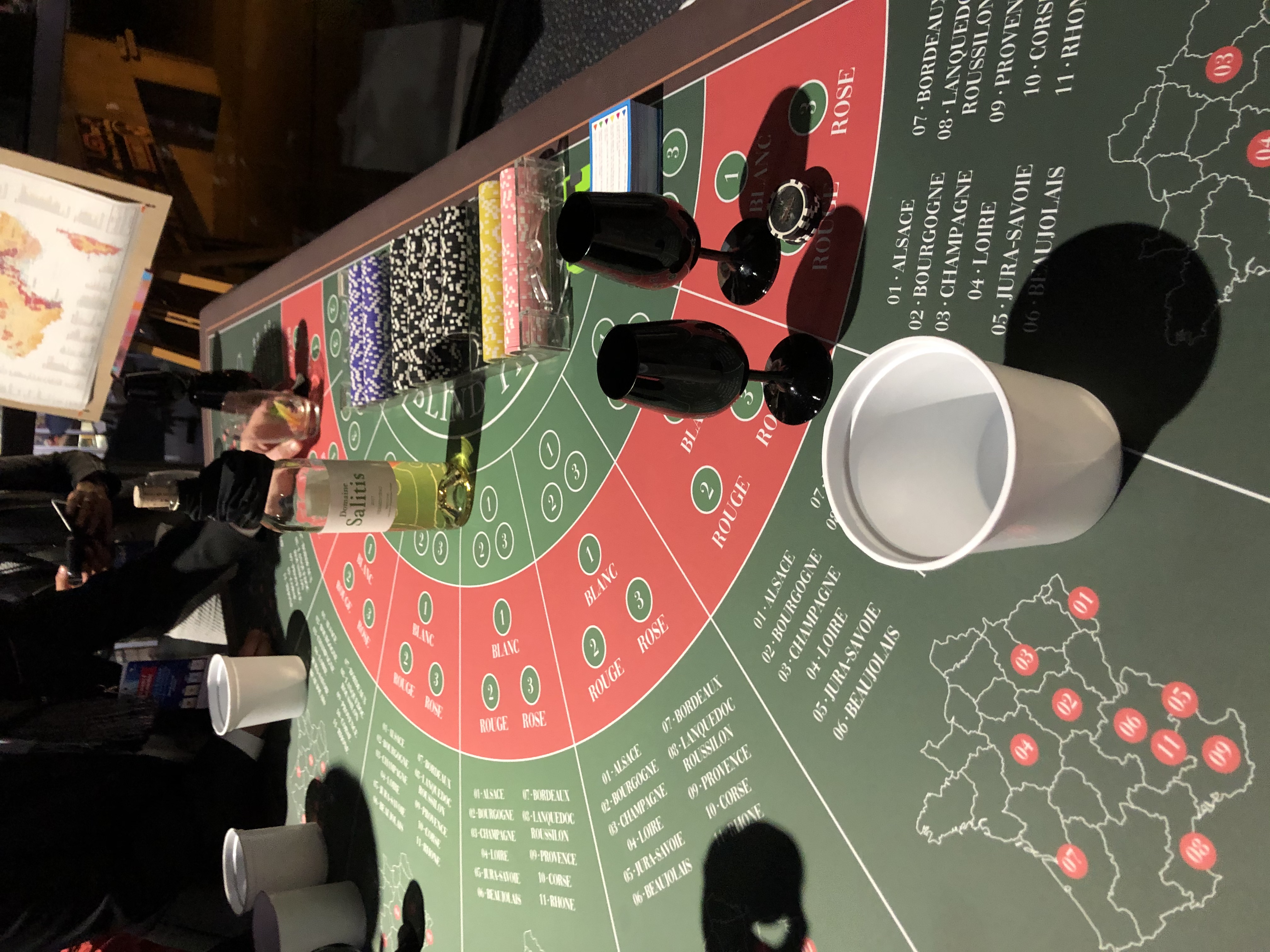
Wijnproeverij in Luik that strengthens relationships and decision-making
INNOV'events is a Brussels-based corporate event agency delivering Wijnproeverij in Luik for 15 to 300 attendees, from executive dinners to company-wide networking nights. We handle the full chain: venue selection, sommelier curation, glassware, service staff, timing, and compliance (including alcohol policy and duty of care).
For HR, Comms, and leadership teams, the objective is simple: a controlled, premium moment that creates meaningful conversation without turning into “just drinks”. We design tasting formats that keep people engaged, protect your brand, and fit your operational constraints in Luik.
Sommaire
Entertainment is strategic when it is managed like a business tool: it sets the tone, governs who speaks to whom, and influences how your organization is perceived by clients and employees. A well-structured Wijnproeverij creates calm, paced interactions—particularly effective for senior stakeholders who dislike noisy formats and value substance.
Organizations in Luik typically expect practicality: accessible locations, punctual start/end times, bilingual facilitation (FR/NL where needed), and a format compatible with real agendas. We build tasting sequences that respect attention spans, allow networking “slots”, and keep service flowing even with tight venue constraints.
INNOV'events operates across Belgium with a strong operational footprint in Wallonia; our teams know the supplier reality in Luik (caterers, venues, transport, staffing). That local knowledge is what prevents last-minute improvisation on event day and keeps your internal team out of firefighting mode.
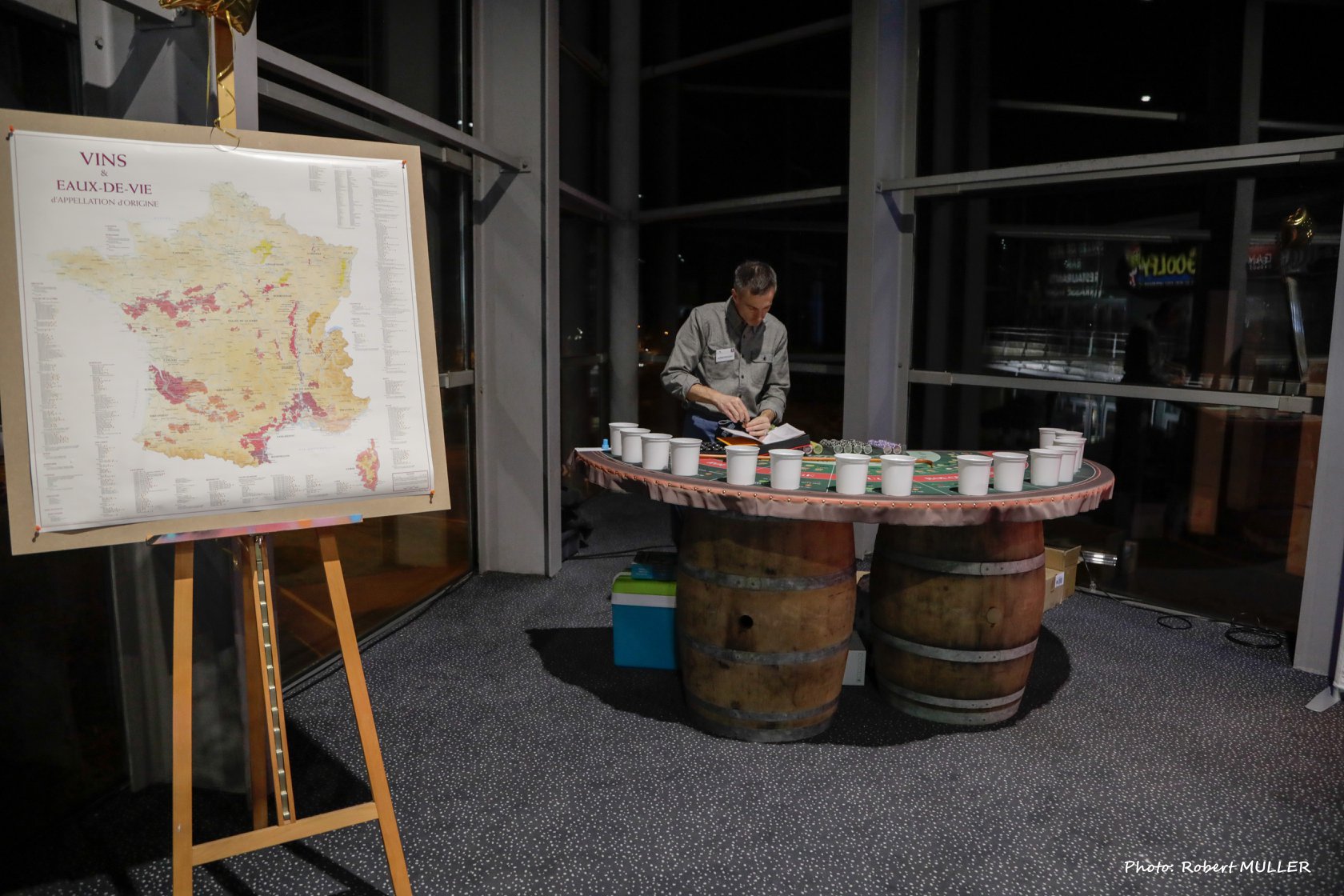
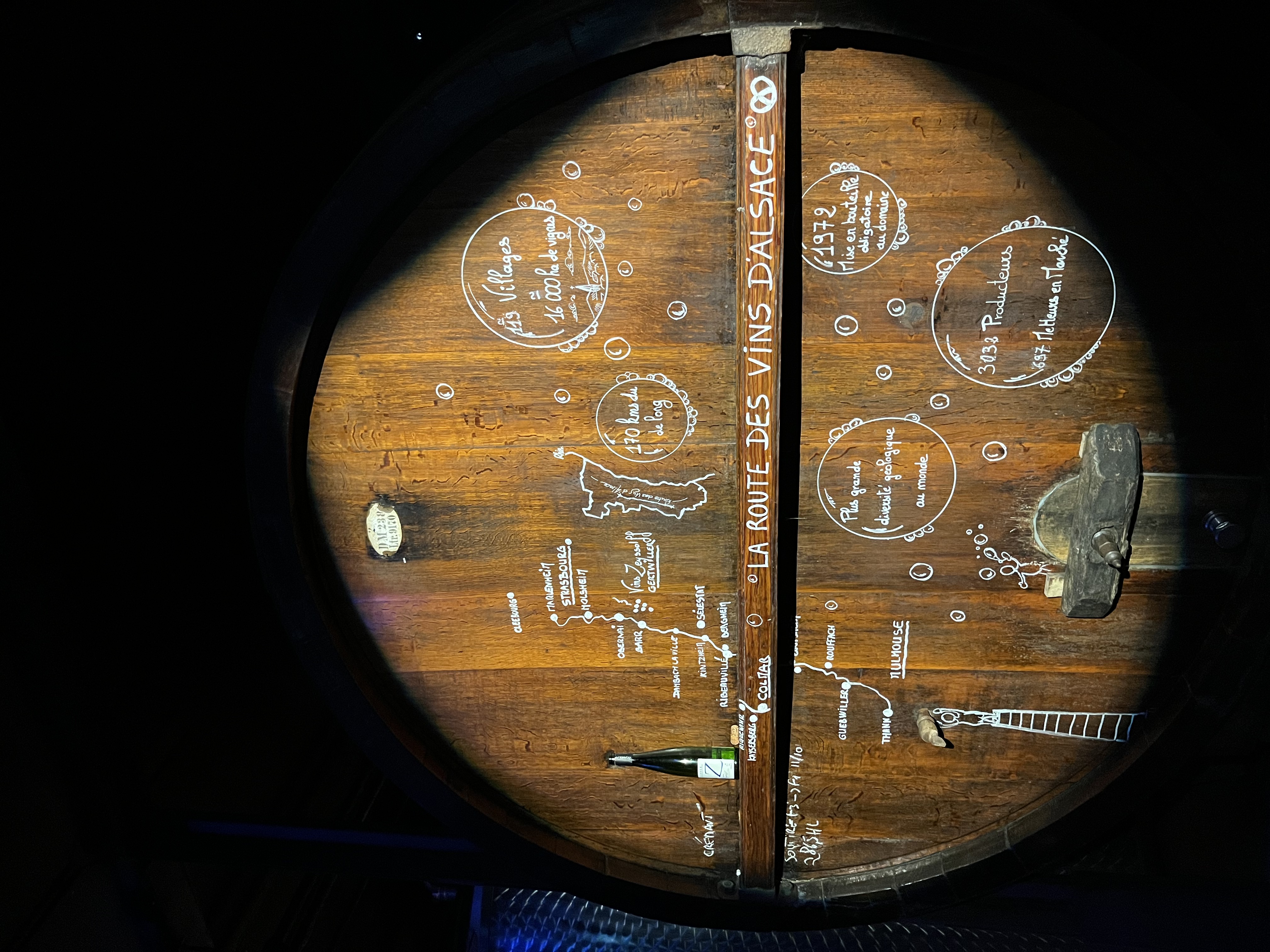
INNOV'events delivery capacity in Belgium and in 4000
10+ years producing corporate events in Belgium (executive dinners, client evenings, HR moments, conferences). We bring process discipline: briefs, run-of-show, supplier SLAs, and contingency planning.
150+ corporate events/year across Belgium through our network of vetted partners (sommeliers, caterers, venues, AV, staffing). This volume gives you reliable availability and realistic lead times—especially in high-demand periods (Sep–Dec).
15–300 participants is our typical operating range for a Wijnproeverij in Luik, with formats designed for seated tastings (higher focus) or stand-up stations (higher circulation).
1 project owner + 1 on-site lead minimum for corporate tastings: clear roles, a single point of contact, and controlled vendor coordination from load-in to strike.
Which organizations in Luik typically repeat this format year after year?
In Luik, Wijnproeverij formats are most often requested by organizations that need a “quiet prestige” moment: professional services, industry, public-facing institutions, and headquarters teams hosting partners. We routinely see the same pattern: the first tasting is used to test attendance and internal buy-in; from the second year onwards, it becomes a reliable pillar in the relationship calendar (client retention, partner appreciation, or internal recognition).
Because no specific company names were provided in your brief, we do not publish client references here. In a selection call, we can share anonymized case examples from the Liège area and, when contractually possible, provide verifiable references (sector, size, objectives, attendee profile). This is standard for corporate procurement in Belgium and avoids “name-dropping” without context.
What matters operationally is that recurring clients come back for the same reasons: predictable quality, disciplined timing, transparent budgeting, and a format that supports business conversation—not a generic “drinks reception”. That is the benchmark we apply to every Wijnproeverij in Luik we deliver.
 Besoin d’un devis rapide ?
Nous vous envoyons une première proposition sous 24h.
Why schedule a Wijnproeverij in Luik for executives and teams?
A corporate Wijnproeverij in Luik works when it is used to create structured interaction. Unlike a classic cocktail, the tasting sequence provides a natural agenda: short explanations, guided comparison, and conversational prompts. For leadership, that translates into better stakeholder engagement with less noise and less risk of “uncontrolled” dynamics.
It is also a format that respects mixed profiles: wine enthusiasts get depth, and non-experts can participate without embarrassment if the facilitation is well designed. This is especially valuable in cross-functional settings (sales, operations, finance, HR) where you want inclusion without forcing extroversion.
Client retention with a measurable structure: we can design stations aligned to your pipeline (e.g., 3 tasting segments = 3 relationship moments), with clear networking windows and a host who keeps flow on time.
Executive presence without social fatigue: shorter, higher-quality exchanges replace long noisy mingling. This is a frequent request in Luik when senior leaders have limited time and want an event that “works” in 90 to 120 minutes.
Employer branding with operational credibility: for HR, a tasting with responsible service signals care and professionalism. We integrate alcohol policy, food pairing, and transport guidance to reduce duty-of-care risk.
Internal cohesion without forced games: a tasting creates shared reference points (“what did you notice?”) that work even for analytical personalities. This is useful after reorganizations, integration phases, or post-project recognition.
Communication teams keep control of brand codes: glassware, signage, script, and visual rhythm can be aligned with your identity. We avoid staging that conflicts with compliance, sustainability claims, or tone-of-voice.
Luik has a pragmatic, relationship-driven business culture—direct conversations, strong local networks, and appreciation for quality without excess. A well-run Wijnproeverij fits that culture: it is premium, but it stays grounded and professional.
What are the corporate expectations in Luik for this type of event?
Decision-makers in Luik often judge an agency on operational realism. Venues can be beautiful but logistically tight; traffic patterns, loading constraints, and staffing availability matter. We plan with the practical questions your internal teams will ask: Where does the supplier park? How many glasses are needed per person? Who is responsible for breakage? What is the service ratio to avoid queues?
Another local reality is the diversity of audiences: headquarters visitors, Dutch-speaking colleagues coming from Flanders, French-speaking teams, and international partners. We therefore design the tasting content with bilingual elements when required (FR/EN or FR/NL), and we brief the sommelier on company context: are we hosting clients, rewarding employees, or launching a product? The tone and level of detail change significantly.
Finally, budgets in the Liège area are typically scrutinized line by line. We provide cost drivers transparently (wine selection tier, staffing, venue corkage, glassware rental, insurance, transport). That transparency prevents last-minute cuts that damage the guest experience.
Which wine tasting formats work best in Luik corporate events?
Entertainment creates engagement when it gives people a role and a shared language. In a Wijnproeverij, that engagement comes from guided comparison, sensory prompts, and smart pacing—not from pushing people to “perform”. For corporate audiences in Luik, we prioritize formats that protect conversation quality and keep the room calm.
Animations Interactives à Luik
Guided tasting with decision checkpoints: 4–6 wines, each with a 3-minute framing + 7-minute discussion window. Ideal for executive groups who want a structured moment and a predictable end time.
Blind tasting as a team exercise: small teams identify style/region rather than “guessing the price”. Works well for cross-department cohesion because it rewards observation and collaboration, not wine expertise.
Food-pairing stations: controlled bites (cheese, charcuterie alternatives, vegetarian options) paired with specific pours. This reduces alcohol absorption risk and keeps guests circulating without queues.
“Client table” hosting protocol: we design seating and rotation so key clients meet the right internal sponsors. This is frequently requested by sales directors who want networking outcomes, not random mingling.
Animations Artistiques à Luik
Live acoustic set at controlled volume: background music that supports conversation. We brief musicians with a decibel target and a schedule (e.g., 2 x 20 minutes) to avoid drowning out the sommelier.
Illustrator for label storytelling: a visual artist captures tasting notes and your brand narrative on boards or digital tablets. This works well for Comms teams looking for post-event content without staging a “show”.
Photography with a compliance brief: corporate-ready visuals (not party shots). We define the shot list: leadership moments, brand elements, group interactions, and discreet coverage respecting GDPR and internal policies.
Animations Innovantes à Luik
Local Walloon focus: selection integrating producers relevant to the region’s identity, positioned professionally (provenance, production method, sustainability claims verified). This supports local anchoring in Luik without turning the event into a market.
Low- and no-alcohol pairing: curated alternatives (dealcoholized wine, kombucha-style pairings) presented with the same seriousness. This is increasingly requested by HR for inclusivity and duty of care.
Chocolate or coffee pairing module: a 15–20 minute optional segment that keeps late arrivals engaged and diversifies the experience for non-wine-centric guests.
Animations Gourmandes à Luik
Digital tasting cards with QR: guests access tasting notes, producer info, and internal messages (e.g., CEO note) on their phone. Useful when you need bilingual content and want to reduce printing.
Sustainability audit of the tasting: waste plan (bottles, corks, food), transport guidance, and supplier selection criteria. Comms teams appreciate this when ESG claims must be defensible.
Micro-learning angle: a short “how to taste professionally” module designed like a leadership training micro-session (10 minutes). Works for companies that want development value, not just hospitality.
Whatever the format, we align the tasting to your brand image: premium vs. approachable, formal vs. warm, and risk posture. A luxury brand will not use the same room layout, language, or photo style as an industrial group hosting suppliers in Luik.
How to choose the right venue in Luik for a corporate tasting
The venue determines perceived quality before the first glass is poured. In Luik, we pay particular attention to access (parking, public transport), loading routes, noise control, and whether the venue allows corkage or requires in-house beverages. These points have direct budget and timing impact.
| Venue type | For which objective? | Main strengths | Possible constraints |
|---|---|---|---|
Private room in an upmarket restaurant (Luik center) | Executive dinner, client retention with controlled seating | Service quality, kitchen integration for pairings, strong comfort for senior guests | Corkage fees, limited branding options, strict time slots |
Industrial-chic event space in 4000/4020 | Company-wide networking, partner evening (80–200 pax) | Flexible layout, room for stations, easier branding and AV | Acoustics to manage, requires more technical setup (light/sound) |
Hotel meeting room with adjacent bar area in Luik | Safe option for mixed audiences and out-of-town guests | Parking, bedrooms available, predictable operations and staffing | Less character, beverage exclusivity, package pricing constraints |
We strongly recommend a site visit (or at minimum a technical recce) in Luik before confirming. It is the fastest way to validate sound, flow, storage temperature, and supplier access—four factors that most often create last-minute pressure.
What budget to plan for a Wijnproeverij in Luik (4000)?
Pricing depends on format, wine tier, staffing intensity, venue rules, and how much of the event you want managed end-to-end. For corporate buyers, the goal is not the lowest price—it is cost predictability and the avoidance of hidden extras (corkage, glass breakage, overtime, last-minute staffing).
As a reference in Luik, many corporate tastings land between €55 and €140 per person (excl. VAT) depending on venue and wine selection. Smaller executive formats with high-end bottles and seated service can exceed that range; stand-up formats with controlled pours and simplified pairings can come in lower.
Wine selection tier: number of wines (often 4–6), appellations, vintage level, and whether you include sparkling or prestige bottles.
Sommelier and facilitation: one host vs. two hosts for parallel groups; bilingual facilitation; microphone/AV needs.
Venue economics: rental fee vs. minimum spend; corkage; exclusivity clauses; kitchen availability for pairings.
Service and glassware: stemware types, wash-up logistics, backup stock, and staffing ratios that prevent queues.
Food pairing scope: simple bites vs. curated pairing plates; dietary coverage; timing with kitchen.
Branding and content: menus/cards, signage, digital tasting notes, photographer, or content capture for internal comms.
Risk and compliance: insurance, security if required, transport guidance, and duty-of-care measures.
From an ROI perspective, the question to ask is: what is the value of the relationships in the room? If your event supports retention of even 1 key account or accelerates a partnership, the budget becomes proportionate. Our job is to design the format so that business outcomes are realistic—through pacing, seating, and hosting—not left to chance.
Why work with an event agency in Luik for a wine tasting?
On paper, a tasting looks simple. In practice, the difference between a smooth corporate moment and a stressful evening is local execution: who can deliver staff on time, how venues handle corkage, where to source glassware quickly, and how to solve last-minute constraints without escalating costs.
Working with an agency that knows Luik reduces procurement risk. We can confirm what is feasible before you announce it internally, and we can coordinate site-specific details that remote planning often misses (noise limitations, elevator access, loading hours, neighbor constraints).
If you are comparing partners, you can also review our local capability via our page for event agency in Luik, which explains how we structure on-the-ground delivery.
- Supplier reliability under time pressure: local staffing, glassware rental, and transport options when plans change late.
- Venue negotiation realism: understanding of corkage practices, minimum spend, and what venues will actually accept in terms of branding and timing.
- Operational contingency: backup bottles, alternative staff, and clear escalation paths if a delivery is delayed.
- Cost control: fewer “unknowns”, fewer last-minute surcharges, and better forecasting of total cost of ownership.
From an ROI perspective, the question to ask is: what is the value of the relationships in the room? If your event supports retention of even 1 key account or accelerates a partnership, the budget becomes proportionate. Our job is to design the format so that business outcomes are realistic—through pacing, seating, and hosting—not left to chance.






What we have delivered in 4000: formats, audiences, constraints
Our Wijnproeverij in Luik projects range from small executive settings to larger multi-station evenings. The common denominator is operational control: clear objectives, a format adapted to the audience, and disciplined on-site management.
Typical real-world scenarios we handle include:
- Post-M&A integration: two cultures in one room, where HR needs a calm format that encourages mixing without forcing it. We use structured rotations and neutral tasting prompts to prevent “two groups in two corners”.
- Client appreciation with strict brand tone: Comms teams requiring discreet signage, controlled photography, and a sommelier briefed to avoid overly casual language.
- Sales pipeline evening: seating strategy built around account ownership, with timed “host moments” to ensure the right introductions happen.
- Leadership offsite: a tasting used as a transition between workshop blocks, designed to keep people energized but not impaired (smaller pours, more food, water points, time boxing).
In each case, we build an event file that your internal stakeholders can trust: schedule, supplier contacts, responsibilities matrix, and contingency measures.
Which risks to avoid for a corporate Wijnproeverij in Luik?
Underestimating glassware logistics: not enough glasses, no washing plan, or breakage not anticipated—leading to delays and visible stress.
No sound plan: a sommelier speaking into a noisy room creates frustration and disengagement; the event becomes “a bar with background talk”.
Queue creation: too few staff or poor station layout. Executives notice wasted time immediately.
Ignoring duty of care: no food, no water, no transport guidance, unclear serving boundaries. This is a reputational risk and an HR issue.
Overloading content: too many wines, too much technical detail, or a format that drags beyond the promised end time.
Misalignment with brand and culture: overly “party” tone for a formal organization, or conversely a stiff format for a relationship-driven client audience in Luik.
Our role is to prevent these risks with planning discipline and on-site leadership. You should not need your HRBP or Comms manager to solve operational issues during the event; they should be hosting stakeholders.
Why Luik clients repeat with INNOV'events
Repeat business is rarely about “creative ideas”. It is about reliability: the event starts on time, the experience matches what was promised, and internal stakeholders are protected from stress. That is what makes teams comfortable booking again—especially when leadership is present.
We also document what worked and what to improve, so the second edition is not a restart. In corporate environments, that continuity matters: procurement processes are tighter, calendars are saturated, and expectations rise once a format becomes recurring.
70–80% of our corporate activity is driven by repeat clients and referrals (Belgium-wide, depending on the year). This reflects operational trust more than marketing.
2–3 weeks average lead time for a robust concept note + budget framework once the brief is clear; faster for smaller formats, longer for peak season or complex venues in Luik.
1 consolidated budget with clear options (good/better/best) to help directors decide without reopening procurement every time.

Loyalty is proof of quality because it means the internal sponsor is willing to put their name on the event again. In demanding organizations, that only happens when delivery is consistently controlled.
Our delivery process for a Wijnproeverij in Luik
👉 Step 1 (Luik): brief, constraints, and success criteria
We run a working session (30–45 minutes) to capture your objective (retention, HR cohesion, partner relations), audience profile, compliance constraints, and the non-negotiables: end time, speeches, language needs, accessibility, and budget framework. We also identify internal roles (who hosts which clients) so the format supports your stakeholder map.
👉 Step 2 (4000): format design and wine narrative
We propose 2–3 tasting formats with different levels of structure (seated guided vs. stations). For each, we outline number of wines (4–6 typical), pacing, hosting script, and food pairing approach. This is where we prevent common issues: too long, too technical, or too informal for your brand.
👉 Step 3 (Luik): venue and supplier locking
We shortlist venues based on access, acoustics, corkage policy, and service capacity. We then lock sommelier, staff, glassware, and any AV requirements. You receive a supplier plan and a consolidated budget with options so leadership can decide without ambiguity.
👉 Step 4 (4000): production file and run-of-show
We produce the operational pack: floor plan, station layout, staffing schedule, minute-by-minute run-of-show, signage and branding plan, and contingency measures (backup bottles, extra glasses, late arrival handling). This is the “anti-stress” layer that protects your internal teams.
👉 Step 5 (Luik): on-site management and close-out
On event day, our on-site lead coordinates load-in, briefing, timing, and quality control (temperature, pours, queues, sound). After the event, we provide a close-out: incident log if any, supplier debrief, and recommendations for next edition (format tweaks, timing, wine tier adjustments).
FAQ sur l'organisation Wijnproeverij à Luik
What is the ideal duration for a corporate tasting in Luik?
90 to 120 minutes is the sweet spot for most corporate audiences in Luik. If you include speeches or a seated pairing, plan 2 to 3 hours, with a clear last-pour time to protect the end time.
How many wines should we serve at a Wijnproeverij in 4000?
Typically 4 to 6 wines. Below 4 feels light for clients; above 6 often creates pacing issues and increases duty-of-care risk. For executive groups, 4 with stronger storytelling can be more effective than 8 with rushed explanations.
What budget per person for Wijnproeverij in Luik?
Most corporate projects in Luik fall between €55 and €140 per person (excl. VAT), depending on venue model (rental vs. minimum spend), wine tier, pairing food, staffing, and AV needs.
Can you run a bilingual tasting for teams in Luik?
Yes. We can deliver FR/EN or FR/NL facilitation depending on your audience. In practice, we keep spoken guidance concise and provide bilingual tasting cards (digital or printed) so the room stays fluid and not “stopped” for translation.
How early should we book a venue in Luik for Q4?
For September–December in Luik, book 8 to 12 weeks ahead for the best venue choice and staffing. For executive dinners, 4 to 6 weeks can work, but availability becomes limited quickly around end-of-year dates.
Request a concrete proposal for your Luik wine tasting
If you share your date range, attendee count, audience profile (clients vs. employees), and any constraints (language, venue preference, end time), we will respond with a practical concept and a transparent budget framework for your Wijnproeverij in Luik. The earlier we align on venue rules and service flow, the more we can protect quality and cost predictability.
Contact INNOV'events to plan a tasting that supports your business objectives in Luik—with disciplined on-site execution and no last-minute surprises.
Agence INNOV'events Luik
Justin JACOB est le responsable de l'agence événementielle Luik. Contactez-le directement par mail via l'adresse belgique@innov-events.be ou par formulaire.
Contacter l'agence LuikToutes nos prestations & animations Luik, Belgique
Découvrez nos prestations événementielles
Découvrez nos animations événementielles disponibles au Belgique
- Hôtesse événementielle à Luik
- Escape Game à Luik
- Cours de cuisine type MasterChef à Luik
- Magicien à Luik
- Location de chapiteau à Luik
- Atelier colorimétrie à Luik
- Jeux gonflables à Luik
- Service de voiturier à Luik
- Simulateur de football à Luik
- Location de mobilier lumineux à Luik
- Flocage lumineux à Luik
- Repas insolite à Luik
- Light Painting à Luik
- Murder Party à Luik
- Jeu concours à Luik
- PLV événementielle à Luik
- Réalité virtuelle à Luik
- Cuisine moléculaire à Luik
- Animation Halloween à Luik
- Feu d’artifice à Luik
- Jeux géants à Luik
- Animateur événementiel à Luik
- Animation photo à Luik
- Père Noël à Luik
- Animation enfants à Luik
- Visite guidée à Luik
- Rallye urbain à Luik
- Piscine à balles à Luik
- Simulateur de vol à Luik
- Location de food truck à Luik
- Record du monde à Luik
- Simulateur de surf à Luik
- Casino du vin à Luik
- Atelier relooking à Luik
- Atelier création de parfum à Luik
- Atelier acting à Luik
- Animations RSE à Luik
- Tir à l’arc à Luik
- Agent de sécurité à Luik
- Œnologie à Luik
- Mime à Luik
- Jeu télévisé à Luik
- Fête foraine à Luik
- Atelier gestion de crise à Luik
- Atelier négociation de crise à Luik
- Jeux d’arcade à Luik
- Simulateur de chute libre à Luik
- Simulateur de ski à Luik
- Simulation circuit automobile à Luik
- Baptême de l’air à Luik
- Dégustation à Luik
- Création de baby-foot à Luik
- Rallye 2CV à Luik
- Challenge LEGO à Luik
- Animation casino à Luik
- Interprète / traducteur à Luik
- Goodies à Luik
- Bus / transfert à Luik