
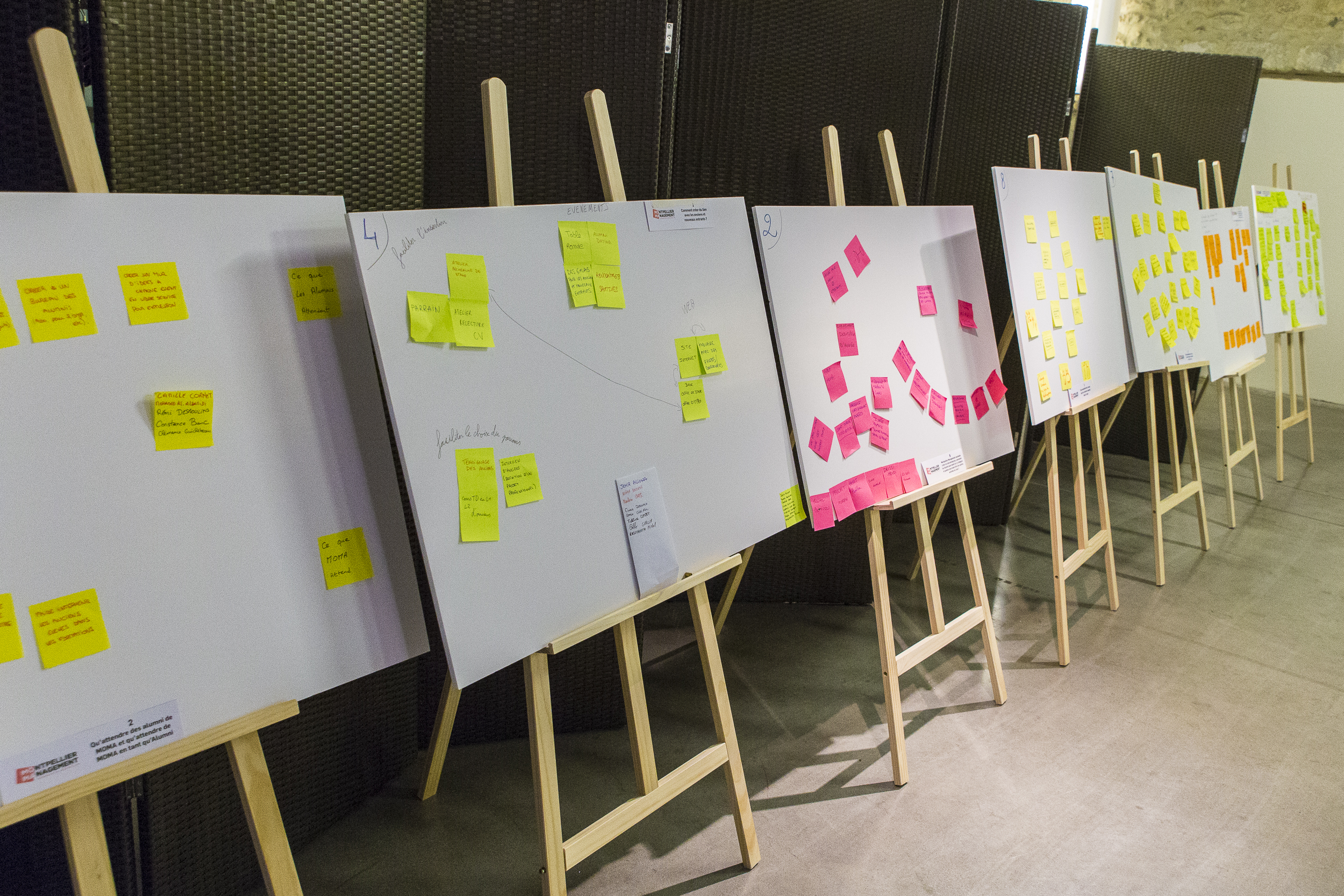
Crisismanagement workshop in Luik for leaders who need real-time decisions
INNOV'events designs and runs Crisismanagement workshop formats in Luik for executive committees, HR and communication teams—typically 8 to 60 participants. We handle scenario design, facilitation, role-play (media, stakeholders), room set-up, and post-exercise debrief with an actionable improvement plan.
Whether you need a half-day decision drill or a full-day simulation with parallel cells (Comms/Operations/Legal), we keep the exercise realistic, controlled, and aligned with your governance model.
Sommaire
In a corporate setting, a Crisismanagement workshop is not “entertainment” in the casual sense—it is a high-engagement format that forces attention, shared language and disciplined decision-making under pressure. When done correctly, the immersive mechanics (time pressure, information asymmetry, stakeholder play) create the conditions for learning that a slide deck never produces.
Organizations around Luik often ask for a workshop that is operationally credible: realistic injects, clear escalation paths, and a debrief that results in concrete governance updates (who approves what, in which timeframe, with which templates). They also expect confidentiality, discreet facilitation, and scenarios that reflect local stakeholder realities (media landscape, unions, public authorities, cross-border supply chains).
Based in Brussels and active on the ground in Wallonia, INNOV'events brings field facilitation experience and a strong network of local venues and partners. We run simulations with executive-level pacing and deliver outputs you can immediately plug into your crisis plan, communication playbooks, and HR continuity procedures.
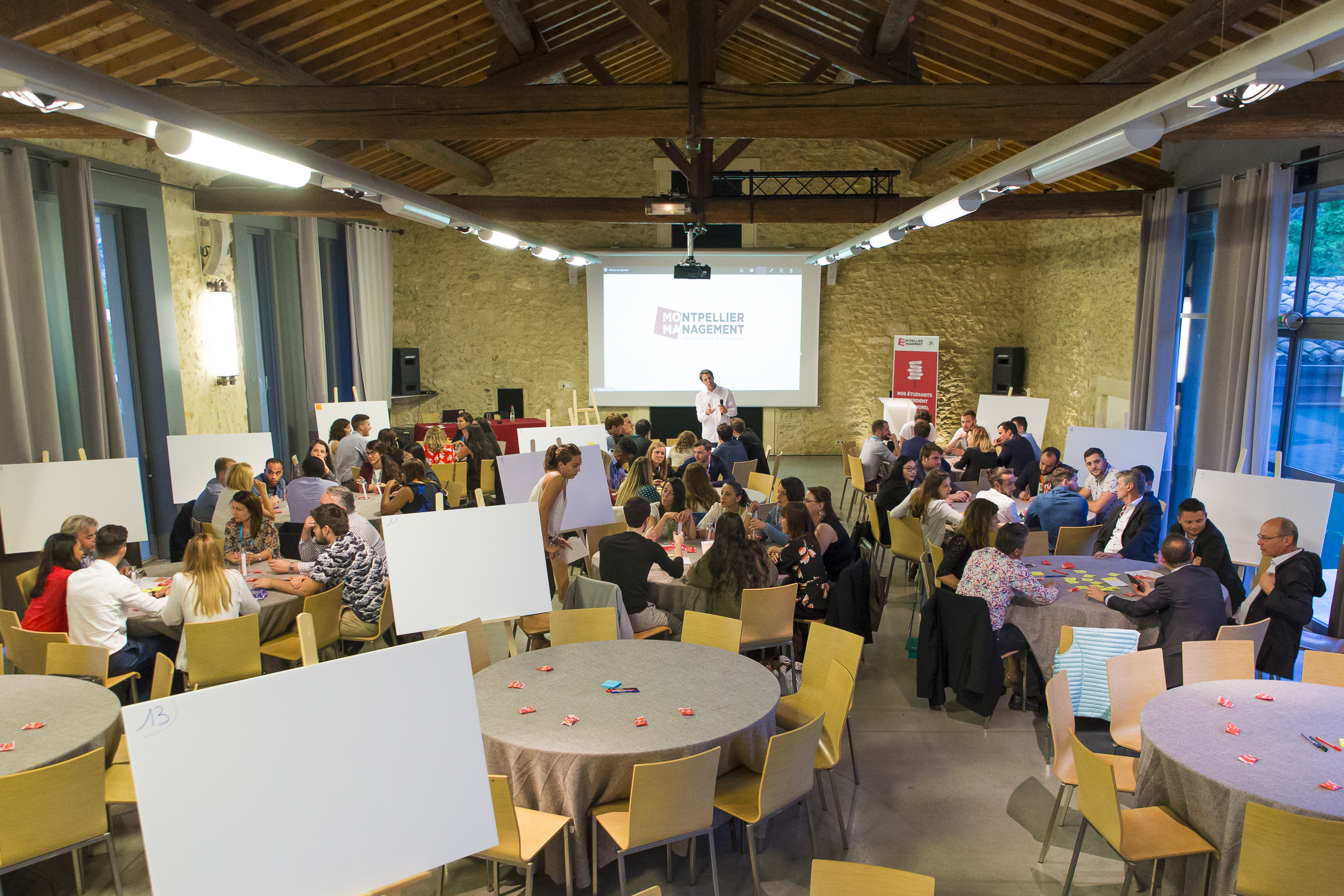
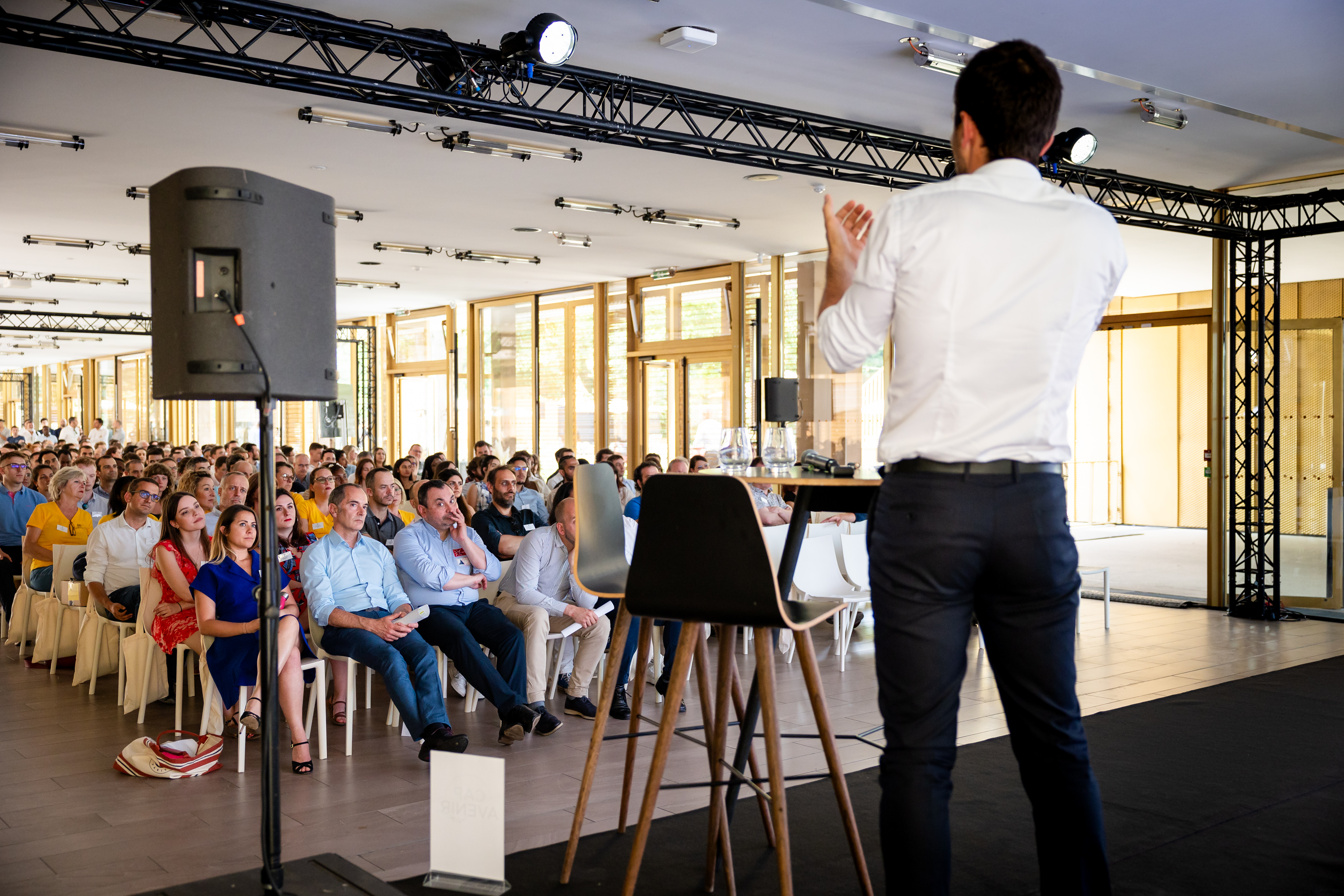
Key figures that matter for workshops in Luik
10+ years supporting corporate events and high-stakes workshops across Belgium, with recurring programs for multi-site organizations.
50–300 corporate projects delivered per year through our Brussels hub and partner network (facilitation, production, venues, suppliers).
24–72 hours typical mobilization time for an urgent tabletop exercise when leadership needs a quick readiness check (scope dependent).
Facilitation capacity up to 3 parallel cells (e.g., Executive/Comms/Operations) for larger crisis simulations requiring realistic coordination.
Local references and recurring collaborations in Luik
We regularly support organizations operating in and around Luik, including industrial groups, public-facing services, logistics and healthcare-adjacent players. Several clients come back year after year because crisis readiness is not a one-off: teams change, suppliers rotate, and new risks appear (cyber, supply chain, reputational, employee safety).
You mentioned providing company names to use as references; to keep this page accurate and compliant, we will integrate them as soon as you validate the exact entities and what we are authorized to disclose (full name vs. sector-only mention). In practice, many leadership teams in Luik prefer discreet referencing (sector + challenge + format) rather than public logos—especially when scenarios touch on safety incidents, data breaches, or regulatory exposure.
If you want, we can share a short list of comparable engagements during a call: scope, number of participants, exercise objectives, and what changed after the debrief (templates, governance, spokesperson training, escalation matrices).
 Besoin d’un devis rapide ?
Nous vous envoyons une première proposition sous 24h.
Why run a crisismanagement workshop in Luik this quarter?
A well-designed Crisismanagement workshop in Luik is a managerial tool: it tests how your leadership behaves when information is incomplete, clocks are ticking, and stakeholders demand answers. Beyond the exercise, it produces a shared operating model—who leads, who advises, who speaks, what gets documented, and what must be escalated.
For executives, HR and communication teams, the workshop is often the fastest way to identify the gap between a written crisis plan and real decision-making dynamics.
Executive decision discipline: clarify what decisions must be made in the first 15, 30 and 60 minutes of a crisis, and who holds authority when the CEO is unavailable.
Communication chain under stress: test spokesperson readiness, message approval workflows, and internal communication cadence (employee updates, union contacts, line managers).
Cross-functional alignment: force Operations, Legal/Compliance, HR, IT and Communications to work from the same “single source of truth” and avoid parallel narratives.
Reputation protection: rehearse how to address local press questions, social media rumors, and stakeholder pressure without overpromising or contradicting ongoing investigations.
Operational continuity: validate fallback procedures (site access, shift management, supplier alternatives, customer notifications) and document what is missing.
Governance hardening: update escalation matrices, call trees, decision logs, and pre-approved holding statements so you are not inventing them during a live event.
Team confidence: not “feel-good” confidence—measurable confidence based on tested roles, rehearsed tools, and a debrief that assigns owners and deadlines.
Luik is a territory where industry, services, public stakeholders and cross-border flows meet; that mix increases the number of parties you must coordinate in a crisis. Running the workshop locally makes it easier to integrate real constraints: site logistics, language choices, and the stakeholder ecosystem you actually face.
What companies in Luik typically require from a crisis workshop
In Luik, decision-makers usually come to us with a very practical brief: “We have a plan, but we are not sure it works in real time.” They want an exercise that respects operational reality, not an abstract leadership seminar.
Common local expectations we design for:
- Multi-site complexity: a crisis may start on one site while decision power sits elsewhere. We simulate information delays and handovers between locations.
- Union and workforce communication: in many organizations, HR must coordinate quickly with line managers and social partners; we include injects that force disciplined internal messaging.
- Regulatory exposure: safety, environmental, and data obligations require careful wording. We work with your Legal/Compliance constraints and integrate them into decision gates.
- Media and community sensitivity: local communities react fast when employees, mobility, or safety are impacted. We incorporate stakeholder pressure without turning the exercise into a PR show.
- Language and audience: bilingual or mixed teams are common. We define upfront the language rules for the simulation (and for “public statements”) to avoid confusion.
Finally, leadership teams in Luik often ask us to keep the exercise “hard but safe”: demanding enough to reveal weaknesses, but structured so people do not feel personally exposed. That is a facilitation craft—clear rules, respectful pacing, and a debrief focused on systems, not blame.
Which crisis workshop formats work best in Luik?
Engagement in a Crisismanagement workshop in Luik comes from credible pressure, not gimmicks. The “animation” is the simulation mechanism: timed decision gates, stakeholder friction, and realistic communication constraints. Below are formats we use depending on your maturity level and objectives.
Animations Interactives à Luik
Executive tabletop with decision gates: a structured scenario with checkpoints at T+15 / T+30 / T+60. Best for ExCom alignment, escalation clarity, and authority mapping.
Parallel-cell simulation: Comms, Operations, HR and IT work in separate rooms, exchanging information via controlled channels. This reveals coordination issues and “competing truths” early.
Call-tree and alert drill: a rapid test of your notification process (who is reachable, within what time). Often combined with a short scenario to validate first messaging.
Stakeholder negotiation role-play: simulated calls with a regulator, a key customer, an angry employee representative, or a supplier. Useful to test tone, consistency, and concession control.
Animations Artistiques à Luik
Camera-based spokesperson training: filmed statements and hostile interview segments with structured feedback on clarity, legal risk, and message discipline. This is pragmatic training, not “acting”.
Voice and clarity coaching for leaders: short, targeted sessions to improve delivery under stress (pace, wording, avoidance of absolutes). Especially useful for first-time spokespersons.
Animations Innovantes à Luik
Working lunch with controlled injects: for leadership groups with limited time, we run a scenario over a lunch format while maintaining documentation discipline (decision log, key messages). In Luik, this works well when executives need to stay close to operations.
“No-alcohol” crisis reception rule: for evening sessions, we keep the environment professional and the cognitive load high; the goal is readiness, not a social event.
Animations Gourmandes à Luik
Cyber + comms hybrid simulation: IT receives technical injects while Communications handles rumor escalation and customer pressure. We synchronize both tracks to reflect real ransomware dynamics.
Data-room exercise: participants must build a verified timeline from fragmented inputs. This is extremely effective to reduce speculation and improve fact-check discipline.
“Red team” reputational attack: controlled social media and stakeholder pressure play, designed to test approval workflows and the threshold for public response.
Whatever the format, we align the workshop with your brand and governance: what you can legally say, how you protect employees, and how you preserve trust with customers and partners in Luik. The objective is not drama—it is decision quality and operational control.
Where to host a crisismanagement workshop in Luik for confidentiality
The venue influences outcomes more than many teams expect. A crisis simulation requires confidentiality, focus, and logistics that support parallel workstreams. In Luik, we typically choose locations that allow separation between the simulation rooms and the control cell, with reliable connectivity and discrete access.
| Venue type | For which objective? | Main strengths | Possible constraints |
|---|---|---|---|
| Private meeting rooms in a business hotel (Luik center) | Executive tabletop, spokesperson training, fast setup | Confidential setting, professional AV, easy access by train/car, catering on-site | Higher day rates; ensure sound insulation and reserved corridors for discretion |
| On-site company boardroom + adjacent breakout rooms | Scenario anchored in real operations; crisis committee rehearsal | Real tools and people available; minimal travel time; easier to involve site leadership | Risk of interruptions; must separate simulation from real incident channels; requires strict room discipline |
| Offsite seminar venue near Luik (quiet environment) | Full-day simulation with parallel cells and deep debrief | Focus, space for multiple rooms, reduced “walk-in” interruptions, more privacy | Transport coordination; confirm Wi‑Fi quality and backup connectivity; emergency contact protocol needed |
We strongly recommend a site visit (or a technical recce) before the session in Luik: room adjacency, sound leakage, Wi‑Fi resilience, arrival flow, and where the control cell can operate without being seen. These details directly affect realism and confidentiality.
What a crisismanagement workshop in Luik typically costs
Budget depends on exercise complexity, number of participants, and how many roles we simulate. In Luik, we generally scope costs around preparation time (scenario and materials), facilitation on the day, and the quality of the debrief deliverables.
To be transparent: a workshop that genuinely changes behavior requires design work. A “cheap” session often ends up being an expensive day off-site with limited operational impact.
Format and duration: 3–4 hours tabletop vs. full-day simulation; single-room vs. multi-room.
Participants: typical groups of 8–20 for ExCom; 20–60 for broader crisis community (HR, Comms, IT, Ops, Legal).
Scenario build: off-the-shelf adaptation vs. company-specific design (stakeholders, assets, governance, templates).
Role-play intensity: simple injects vs. live “media calls”, regulator pressure, customer escalation, and internal workforce issues.
Deliverables: debrief only vs. updated crisis playbook components (decision log template, holding statements, Q&A tree, escalation matrix).
Venue and AV: number of rooms, filming needs for spokesperson training, connectivity requirements.
Most leadership teams look at ROI in terms of avoided time loss and reputational damage: faster decisions, fewer contradictory messages, and clearer escalation. A Crisismanagement workshop in Luik is often justified the first time it prevents a delayed response, a misaligned statement, or a governance vacuum during a real incident.
When choosing an event partner in Luik, what changes?
For crisis readiness, local execution capability is not a “nice to have.” In Luik, an agency that can move fast, secure the right venue layout, and coordinate discreet suppliers reduces operational risk on the day of the exercise.
At INNOV'events, we combine Brussels-level standards with on-the-ground capacity in Wallonia. When leadership asks for a short lead time, or when confidentiality requires careful venue selection and supplier management, local coordination becomes a concrete advantage.
For broader event support in the area, you can also consult our local hub as an event agency in Luik—useful when you want one partner for workshops, leadership offsites and internal communication moments across the year.
- Faster logistics validation: quick access to venue options, room configurations, and technical checks.
- Discreet supplier coordination: AV, filming, catering and signage handled with confidentiality and clear briefings.
- Local contingency planning: backup rooms, connectivity alternatives, and last-minute adjustments without compromising the agenda.
- Stakeholder realism: scenarios and role-play that sound credible for the local ecosystem (press dynamics, workforce communication patterns, public authorities).
Most leadership teams look at ROI in terms of avoided time loss and reputational damage: faster decisions, fewer contradictory messages, and clearer escalation. A Crisismanagement workshop in Luik is often justified the first time it prevents a delayed response, a misaligned statement, or a governance vacuum during a real incident.






Examples of crisis workshop outcomes delivered in Luik-style contexts
Our projects vary by sector, but the patterns are consistent: leadership teams want clarity and speed. Examples of outcomes we regularly deliver for organizations operating in territories like Luik:
- Rebuilt escalation matrix after discovering that “everyone was waiting for approval” in the first 30 minutes.
- Spokesperson bench expanded beyond one person, with message discipline rules and a substitution plan when the designated spokesperson is unavailable.
- Internal comms playbook reinforced after a simulation showed that employees heard rumors before official messages.
- Decision logging habit implemented (who decided what, when, based on which facts) to reduce legal and reputational exposure.
- Cyber/IT and Comms coordination improved by defining what technical detail can be shared externally at each stage.
We also adapt to maturity levels. Some clients need a first “baseline” tabletop to validate roles. Others are ready for multi-cell simulations with aggressive injects and filmed spokesperson drills. In both cases, we keep the tone professional: challenging, but controlled and respectful.
Common mistakes we prevent on crisis workshop days in Luik
Unclear objectives: “Let’s test our plan” is too vague. We define measurable outcomes (approval times, escalation thresholds, message consistency checks).
Wrong participants in the room: too senior without operational voice, or too operational without decision authority. We align attendance with governance.
Overly fictional scenarios: if it does not sound like your reality in Luik, people disengage. We anchor in credible assets, stakeholders and constraints.
No separation between simulation and real operations: we set clear labels, channels and rules to avoid confusion with live incidents.
Debrief without ownership: insights die if no one owns them. We end with actions, owners, deadlines, and a follow-up cadence.
Spokesperson “performance” over substance: we focus on factual discipline, legal caution and empathy—because that is what holds up in real crises.
Our role is to remove avoidable risk: not only during the exercise, but also in what happens after. A Crisismanagement workshop should reduce exposure—not create internal tension or operational disruption.
Why leadership teams in Luik renew crisis workshops annually
Crisis readiness decays. People change roles, suppliers rotate, and the threat landscape evolves. In Luik, many organizations choose an annual or bi-annual rhythm: one executive simulation, plus targeted modules (spokesperson, call-tree, cyber coordination).
Clients who renew usually do so because we deliver usable outputs and keep the format proportionate to their operational constraints.
Typical renewal cycle: 12–18 months for executive simulations, with shorter refreshers in between.
Common improvement plan horizon: 30 / 60 / 90 days after the workshop, with a quick follow-up checkpoint.
Usual number of prioritized actions per debrief: 10–20 (beyond that, execution drops).

Loyalty is not about habit—it is evidence that the exercise was useful, feasible, and respectful of leadership time. In crisis readiness, repeatability with increasing maturity is the strongest proof of quality.
Our delivery process for Luik crisis simulations
👉 Scoping call with leadership (Luik)
We clarify objectives, participants, and constraints: what you want to test (decision speed, comms approval, cross-functional coordination), what cannot be tested (live systems, sensitive details), and what success looks like. We also confirm language rules, confidentiality boundaries, and whether filming is permitted.
👉 Scenario design and stakeholder mapping
We build a scenario based on your risk priorities and local reality in Luik: stakeholders, media pressure points, operational constraints, and regulatory obligations. We prepare injects, timelines, role briefs, and decision gates. If required, we align in advance with Legal/Compliance on wording boundaries.
👉 Logistics and room architecture
We secure the venue, plan room adjacency (Executive room, Comms cell, Ops/IT cell, control cell), define technical needs (Wi‑Fi backup, filming, screens), and set confidentiality protocols (signage, check-in, document handling). A short technical recce is done when the setup is non-standard.
👉 Facilitation on the day: simulation + discipline
We run the exercise with strict timekeeping and controlled information flow. We observe behaviors (not personalities), capture decision points, record message iterations, and track bottlenecks. If discussions drift, we bring the group back to priorities: safety, facts, stakeholders, decisions, documentation.
👉 Debrief, deliverables and follow-up
We deliver a structured debrief with strengths, gaps, and root causes. You receive an action plan with owners and deadlines, plus updated tools when in scope (holding statements, Q&A tree, escalation matrix, decision log template). We can also facilitate a short follow-up session to validate progress and retest key fixes.
FAQ sur l'organisation Crisismanagement workshop à Luik
How long should a crisismanagement workshop in Luik last?
Most executive sessions in Luik work best in 3–4 hours (tabletop) or a full day for multi-cell simulations. If you add filmed spokesperson training, plan an extra 60–90 minutes.
How many participants are ideal in Luik for a simulation?
For ExCom decision drills: 8–15 participants. For a broader crisis community (HR, Comms, IT, Ops, Legal): 15–40. Beyond that, we split into cells and add facilitators to keep realism and pace.
Can we run a confidential workshop in Luik offsite?
Yes. We typically use discrete business venues or seminar locations with controlled access. We set confidentiality rules (no shared public screens, labeled documents, controlled role-play calls) and ensure the simulation channels cannot be confused with real incident channels.
What deliverables do you provide after a Luik workshop?
Standard deliverables include a debrief report, a prioritized action plan (10–20 actions), and updated templates when in scope (holding statements, Q&A, escalation matrix, decision log). If filming is included, we add spokesperson feedback notes and a short improvement checklist.
How quickly can INNOV'events organize this in Luik?
For a light tabletop using an adapted scenario, we can often mobilize within 2–3 weeks. For a company-specific multi-cell simulation with tailored injects and stakeholder mapping, expect 4–6 weeks to do it properly (depending on leadership availability and validation cycles).
Request a proposal for a crisismanagement workshop in Luik
If you are comparing agencies, we suggest a short scoping call first: objectives, participant list, and what you want to test in the first 60 minutes of a crisis. Based on that, we will send a clear proposal for your Crisismanagement workshop in Luik: format, facilitation team, scenario approach, deliverables, timing, and budget parameters.
Early planning makes the difference—especially when you want the right venue setup, confidentiality safeguards, and the right people in the room. Contact INNOV'events to schedule the scoping call and secure a date.
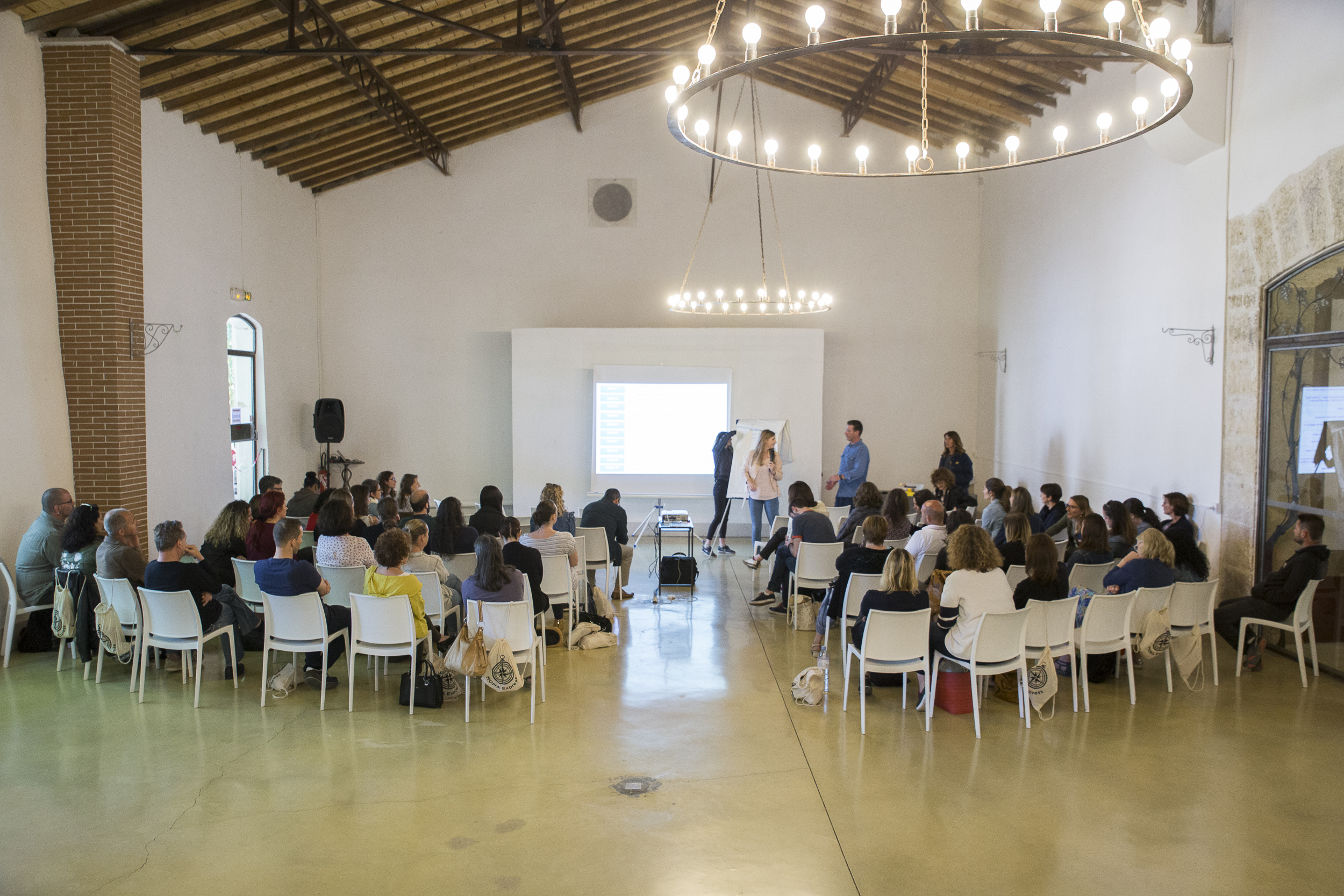
Agence INNOV'events Luik
Justin JACOB est le responsable de l'agence événementielle Luik. Contactez-le directement par mail via l'adresse belgique@innov-events.be ou par formulaire.
Contacter l'agence LuikToutes nos prestations & animations Luik, Belgique
Découvrez nos prestations événementielles
Découvrez nos animations événementielles disponibles au Belgique
- Hôtesse événementielle à Luik
- Escape Game à Luik
- Cours de cuisine type MasterChef à Luik
- Magicien à Luik
- Location de chapiteau à Luik
- Atelier colorimétrie à Luik
- Jeux gonflables à Luik
- Service de voiturier à Luik
- Simulateur de football à Luik
- Location de mobilier lumineux à Luik
- Flocage lumineux à Luik
- Repas insolite à Luik
- Light Painting à Luik
- Murder Party à Luik
- Jeu concours à Luik
- PLV événementielle à Luik
- Réalité virtuelle à Luik
- Cuisine moléculaire à Luik
- Animation Halloween à Luik
- Feu d’artifice à Luik
- Jeux géants à Luik
- Animateur événementiel à Luik
- Animation photo à Luik
- Père Noël à Luik
- Animation enfants à Luik
- Visite guidée à Luik
- Rallye urbain à Luik
- Piscine à balles à Luik
- Simulateur de vol à Luik
- Location de food truck à Luik
- Record du monde à Luik
- Simulateur de surf à Luik
- Casino du vin à Luik
- Atelier relooking à Luik
- Atelier création de parfum à Luik
- Atelier acting à Luik
- Animations RSE à Luik
- Tir à l’arc à Luik
- Agent de sécurité à Luik
- Œnologie à Luik
- Mime à Luik
- Jeu télévisé à Luik
- Fête foraine à Luik
- Atelier gestion de crise à Luik
- Atelier négociation de crise à Luik
- Jeux d’arcade à Luik
- Simulateur de chute libre à Luik
- Simulateur de ski à Luik
- Simulation circuit automobile à Luik
- Baptême de l’air à Luik
- Dégustation à Luik
- Création de baby-foot à Luik
- Rallye 2CV à Luik
- Challenge LEGO à Luik
- Animation casino à Luik
- Interprète / traducteur à Luik
- Goodies à Luik
- Bus / transfert à Luik