
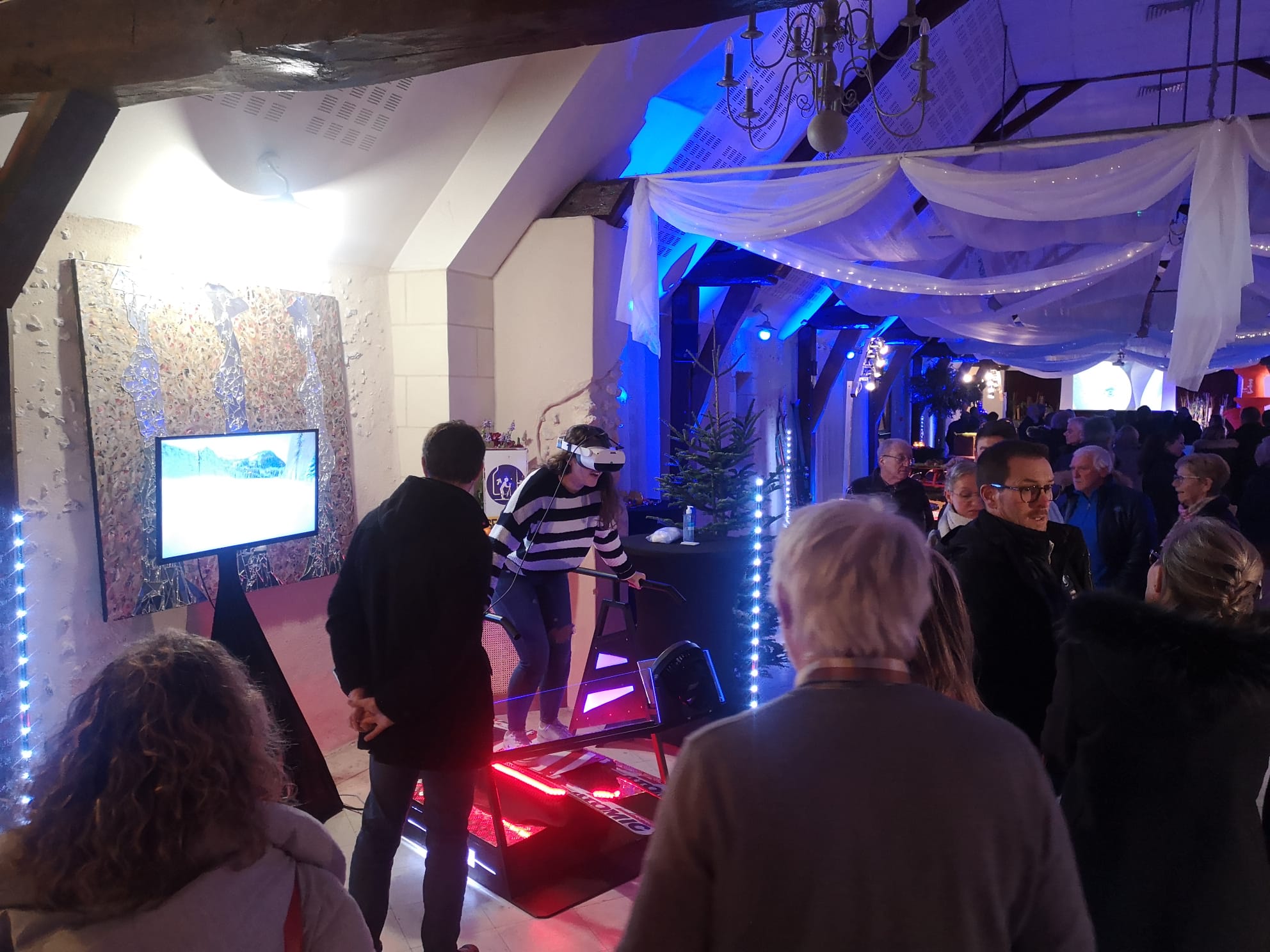
Skisimulator in Luik to energize your corporate event without operational risk
Sommaire
In a corporate event, entertainment is not decoration: it is a lever to manage energy levels, create structured networking moments, and offer a shared challenge that people can talk about in the corridor after the plenary.
In Luik, organisations typically expect strict timing (tight agendas), robust safety (HSE requirements), and smooth multilingual facilitation (FR/NL/EN) to avoid “dead zones” between sessions.
We bring a field-tested approach: precise footprint planning, queue management, operator scripts, and contingency scenarios adapted to Liège venues—so the Skisimulator in Luik lands as a professional activation, not a gadget.
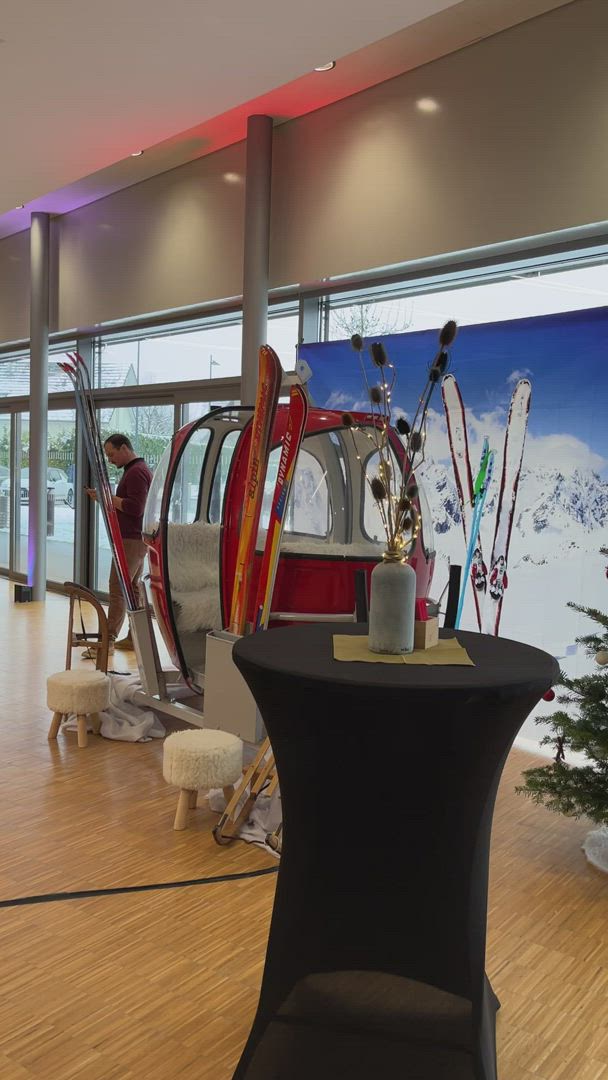
INNOV'events numbers that matter in Luik procurement decisions
10+ years of corporate event operations across Belgium, with repeat delivery constraints (procurement, insurance, HSE, venue rules).
300+ activations delivered nationally (team-building, brand activations, HR events), with documented run sheets, staffing plans, and safety briefs.
24–72h typical turnaround for a complete quote pack (spec sheet, footprint, power needs, staffing, timing plan) once requirements are clear.
1 on-site lead accountable to your event manager: one contact, one run-of-show, one escalation path.
Corporate references around Luik and why they renew
We regularly support companies and institutions active in and around Luik, with some clients rebooking year after year because they want predictable delivery: clear timing, risk control, and an activation that does not steal attention from the host’s message. When a communication team invests in a flagship moment (townhall, client evening, employer branding), the expectation is simple: the entertainment must be “plug-and-play” for participants, and “zero-surprises” for organisers.
If you share the names of the companies you want us to cite, we can integrate them here in a compliant way (public references only, or anonymised case descriptions when NDAs apply). In the meantime, we can already align our proposal to your internal constraints: procurement documents, vendor onboarding, venue access windows, and brand guidelines.
 Besoin d’un devis rapide ?
Nous vous envoyons une première proposition sous 24h.
Why add a Skisimulator to a corporate event in Luik?
Executives and HR teams use entertainment when they need more than “people enjoyed it”. A Skisimulator is a practical tool to create measurable participation, manage the room’s rhythm, and generate a common experience that helps cross-department conversations start naturally.
Structured networking without forced icebreakers: a ski run creates a reason to comment, compare, and laugh—especially effective between teams who rarely meet (HQ vs. field, blue-collar vs. white-collar, BU A vs. BU B).
Participation tracking for HR/Comms reporting: we can set up registration slots, heat formats, or a scoreboard to provide participation numbers, peak times, and throughput.
Energy management across a tight agenda: in a 3–5 hour corporate reception, a simulator helps avoid the “soft drop” after speeches by creating a visible activity zone that pulls people back into the space.
Employer branding with substance: instead of generic photo moments, you get a challenge-based activity where colleagues encourage each other—useful content for internal channels (with your consent workflow).
Client experience that stays professional: the activation gives guests something to do while sales teams keep conversations business-focused; it prevents the room from splitting into closed clusters.
Luik has a pragmatic economic culture: people value authenticity, operational competence, and clear outcomes. A well-run simulator activation fits that mindset—provided it is executed with the same seriousness as the rest of the event.
What Luik organisers typically require from a simulator supplier
Liège events frequently combine mixed audiences: management, union reps, operational teams, clients, public stakeholders, and partners. That mix creates specific expectations for a Skisimulator setup: it must be inclusive (first-timers and confident participants), safe under real-time supervision, and quiet enough not to disrupt speeches or networking zones.
From experience in Wallonia, the most common constraints are:
- Venue access windows: limited load-in times (often 2–3 hours), shared docks, and strict teardown deadlines.
- Floor and structural protection: many venues require protective layers, documented point loads, and a clean “leave no trace” exit.
- Noise and visual control: the activation must attract participants without turning into a nightclub corner; audio levels and microphone coordination matter.
- Language and facilitation: a bilingual brief (FR/NL) with optional EN is appreciated in Luik when external guests come from Brussels, Flanders, or international sites.
- Risk ownership: clear operator responsibilities, participant rules, and an incident response plan aligned with your HSE culture.
We integrate these constraints from the first technical call, so the simulator supports your event—not the other way around.
What to combine with a Skisimulator for Luik corporate engagement
Entertainment creates engagement when it is designed as a system: one flagship activity (the Skisimulator) plus complementary micro-activations that distribute people across the venue and keep conversations moving. In Luik, this is especially useful when your audience includes both operational and executive profiles, with different comfort levels in participatory activities.
Animations Interactives à Luik
Timed challenge format with leaderboard: ideal for internal events where departments compete. We set rules that reward consistency, not only performance, so beginners still join.
Team relay mode: 3–5 participants per team, one run each. Works well for sites with shift-based staff because it builds cross-shift recognition.
VIP fast lane: a controlled “skip line” option for clients or speakers, managed discreetly to avoid frustration in the main queue.
Animations Artistiques à Luik
MC moderation (bilingual FR/NL): useful when you want atmosphere without chaos. A good MC keeps the tone corporate and prevents unsafe behaviour.
Compact acoustic set near the networking zone: keeps sound levels compatible with conversation, while the simulator remains the visual anchor.
Animations Innovantes à Luik
Local tasting corner (Walloon products): a pragmatic way to anchor your event in the territory while giving non-participants a reason to stay engaged.
Hot drinks bar with service speed targets: we often see queues at bars become the bottleneck; a designed beverage station reduces congestion near the simulator.
Animations Gourmandes à Luik
Instant highlight clips workflow: short video captures with a pre-approved consent process for internal comms (Teams/SharePoint) or employer branding. We define who can be filmed and how approvals work.
Data-light participation metrics: without collecting sensitive data, we can still report volume by time slot and participation rate versus attendance.
The key is alignment with your brand image: a finance group may prefer a restrained setup with clear signage and controlled sound, while an industrial site celebration can embrace higher energy—without compromising safety or professionalism in Luik.
Which venue type in Luik fits a Skisimulator installation?
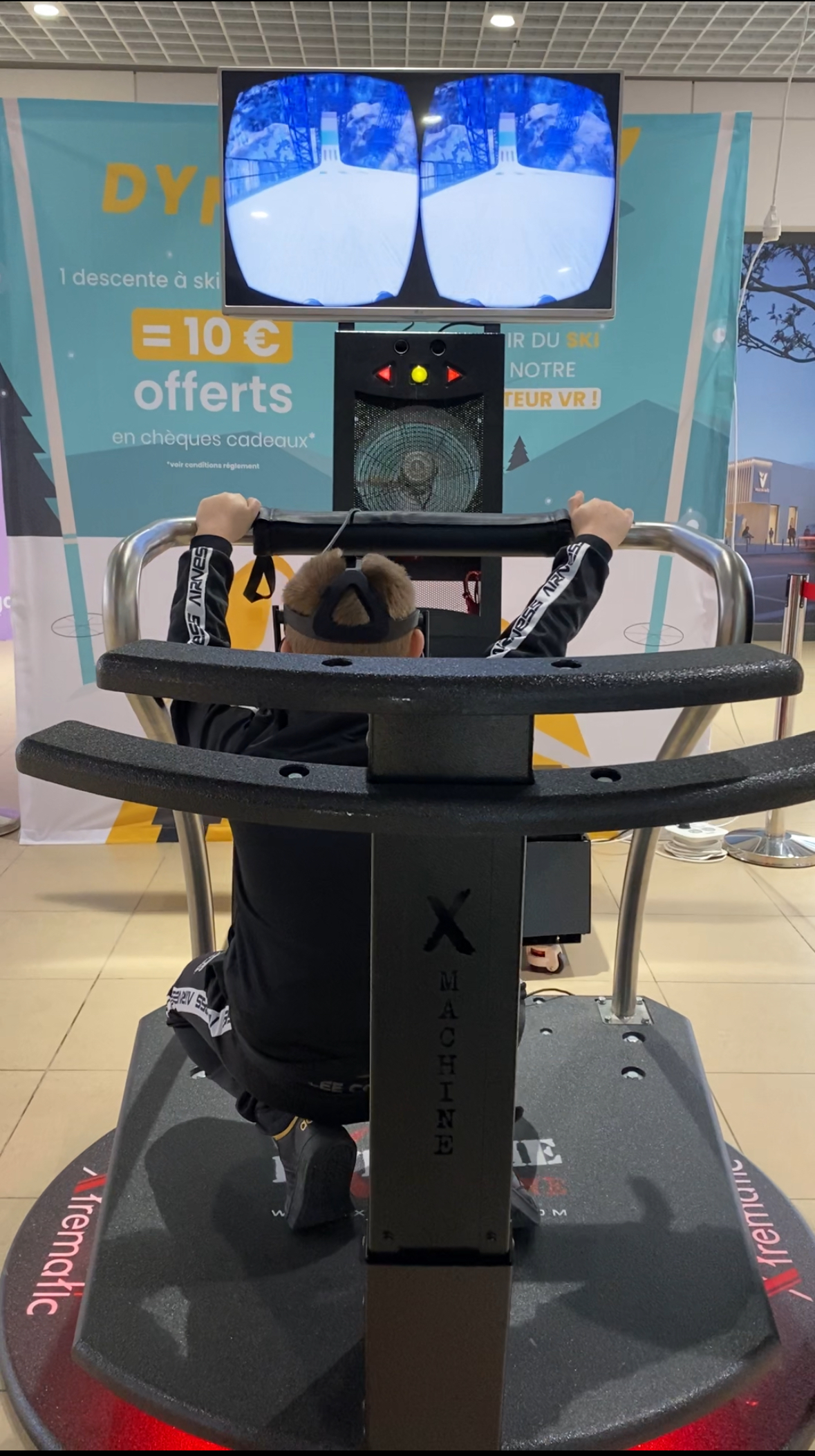
The venue influences everything: acoustics, ceiling height, floor robustness, access for load-in, and how visible the activation is from the main flow. For a Skisimulator in Luik, we focus on footprint, queue space, and the ability to separate “participants” from “spectators” without blocking emergency routes.
| Venue type | For which objective? | Main strengths | Possible constraints |
|---|---|---|---|
| Conference center / auditorium foyer | Townhall with controlled entertainment between sessions | Predictable technical standards, good signage, strong perception for executives | Sound restrictions during plenary, strict load-in windows, limited queue space |
| Hotel ballroom / event floor | Client evening or internal celebration with cocktail | All-in-one logistics (catering, staff), easy guest comfort, strong rain-proof option | Floor protection requirements, ceiling height constraints, shared access with other events |
| Industrial or HQ site (large hall) | Site anniversary, safety milestone celebration, employer branding day | Large footprint, easy throughput, authentic proximity to teams | HSE approvals, delineation needed, power distribution planning, noise management |
We recommend a short site visit (or at minimum a technical walkthrough with photos and a floorplan) to validate access routes, storage, and exact placement—this is where most last-minute stress in Luik events can be eliminated.
Budgeting a Skisimulator in Luik without hidden lines
Pricing for a Skisimulator in Luik depends on the format and the operational constraints of your venue. The main cost driver is not the machine alone; it is the combination of staffing, timing, transport, and the level of event integration you expect.
Duration on site: half-day vs. full-day vs. evening (including setup/teardown). Longer windows may require shift staffing.
Staffing level: 1–2 operators depending on throughput, plus an on-site coordinator if the activation is a central feature with VIP timing.
Throughput objective: a high-throughput format (short runs, fast reset) needs tighter flow design and sometimes additional queue management.
Technical constraints: power distance, cable routing, floor protection, limited access (stairs, elevators), and loading dock schedules.
Branding and comms: signage, scoreboard display, photo/video workflow, consent handling, and integration into your event’s visual identity.
Compliance needs: insurance documents, risk assessment, and alignment with your internal HSE procedures.
From an ROI perspective, the simulator pays off when it increases participation density: more conversations started, fewer “empty minutes”, and a clearer internal narrative for HR/Comms reporting. We help you choose a format that matches your business goal rather than overspending on features you will not use.
When you need an event agency in Luik for operational control
When your reputation is on the line, proximity is not a slogan—it is response time, venue familiarity, and local supplier coordination. Working with an event agency in Luik helps reduce operational friction: quicker site checks, smoother liaison with venue teams, and better anticipation of access and timing realities. Even when strategy and project management come from Brussels, local execution in Luik is where the event either stays on rails or becomes reactive.
For executives and communication leads, the practical benefit is governance: one accountable party that can align the simulator activation with the run-of-show, brand constraints, and stakeholder expectations—without improvisation on event day.
- Faster technical validation: placement, power, and circulation checked before the day.
- Reduced day-of risk: fewer surprises with loading docks, security checks, and access badges.
- Better stakeholder coordination: venue manager, catering, AV team, and your internal HSE all aligned on the same plan.
- Credible on-site authority: operators and coordinators who can enforce rules politely but firmly.
From an ROI perspective, the simulator pays off when it increases participation density: more conversations started, fewer “empty minutes”, and a clearer internal narrative for HR/Comms reporting. We help you choose a format that matches your business goal rather than overspending on features you will not use.






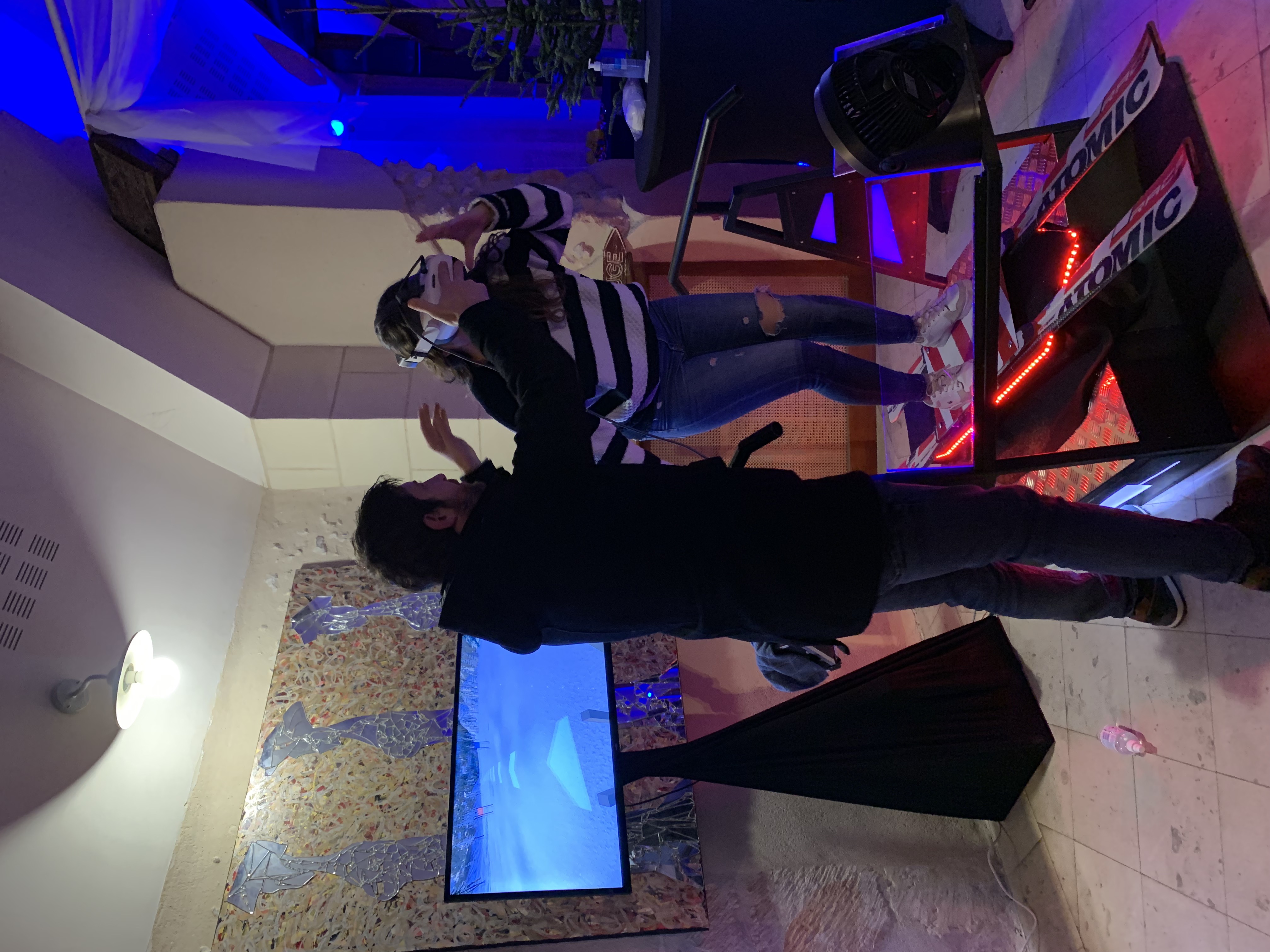
Examples of Skisimulator formats used by companies in Luik
In practice, a Skisimulator is used in several recurring corporate scenarios in Luik:
- End-of-year reception (200–400 guests): we run a high-throughput mode with short runs and a visible but controlled queue. The simulator sits near the cocktail flow, while speeches remain protected from noise. The success factor is rhythm: opening peak, post-speech relaunch, and a final “leaderboard push” in the last hour.
- Safety milestone celebration on an industrial site (150–300 guests): we design a rules-first experience (briefing signage, operator script, clear exclusion criteria) and integrate it with internal HSE messaging. The activation becomes a reward moment, not a contradiction to the safety culture.
- Client hospitality (50–120 guests): we choose longer runs with coaching, plus a discreet VIP access plan. The goal is quality interaction: clients feel hosted, and sales teams can schedule participation around key conversations.
- Recruitment / employer branding day (300+ visitors): the simulator is a magnet, but we manage it as a funnel: participation slots tied to campus tours or HR booths, with content capture planned in advance and compliant approvals.
Across these formats, the constant is operational discipline: without queue design, staffing, and timing control, a simulator can become a bottleneck. With proper design, it becomes a reliable engagement engine.
Common mistakes we prevent on Skisimulator events in Luik
Placing the simulator where it blocks circulation: the “just put it in the corner” decision often kills throughput and creates safety issues. We plan queue space and spectator space.
No clear participation rules: footwear, intoxication, and medical limitations must be stated and enforced. Corporate events require visible governance.
Underestimating sound and timing conflicts: speeches, awards, or panel transitions suffer if the activation is not coordinated with AV and the run-of-show.
Insufficient staffing for peak moments: one operator cannot both coach, enforce safety, reset, and manage an impatient queue during a 300-person cocktail peak.
Ignoring venue technical constraints: power distance, cable routing, floor protection, and load-in paths are typical last-minute stress points in Luik venues.
No contingency plan: every activation needs a fallback scenario and clear escalation so the organiser is not “debugging” on event day.
Our role is to prevent these risks with upfront technical validation, a documented operating plan, and on-site accountability—so your leadership team experiences a controlled, professional event in Luik.
Why Luik clients rebook INNOV'events for recurring moments
Recurring clients are usually not chasing novelty—they are protecting consistency. HR and Comms teams are judged on delivery quality, not on how original the idea sounded in a pitch. We earn loyalty by being predictable under pressure.
Single point of contact: one project lead who stays accountable from brief to teardown.
Documented run sheets: timing, staffing, venue constraints, and escalation paths written and shared.
Operational transparency: clear assumptions (access hours, power, space, audience profile) to prevent budget surprises.
Consistent participant experience: fast onboarding, clear rules, and a queue that feels fair.

Loyalty is a proof of quality because it means the activation worked within real corporate constraints—budget, brand image, and the pressure of event day in Luik.
Our Skisimulator delivery process for Luik corporate events
👉 Step 1 (Luik): Define the objective and success metrics
We start with a short executive-level alignment: why the simulator is there (cohesion, hospitality, celebration, recruitment), what “success” means (participation rate, throughput per hour, content output, or simply energy management), and the non-negotiables (HSE, brand, timing, VIP constraints). This prevents a common mismatch: a great-looking activation that fails operationally.
👉 Step 2 (Luik): Technical validation and footprint plan
We confirm the footprint, ceiling and clearance needs, power availability, floor protection, cable routing, and the load-in/load-out path. When floorplans are available, we produce a simple placement plan including queue and spectator zones. If the venue is strict, we prepare a technical sheet for their approval.
👉 Step 3 (Liège): Participant flow and staffing design
We choose the operating mode (short heats, coached runs, relay format) and set staffing accordingly: operator(s), queue management, and optionally an on-site coordinator. We also define the briefing script (FR/NL/EN as required), participation rules, and escalation if someone refuses to comply.
👉 Step 4 (Luik): Run-of-show integration with AV and catering
We coordinate with your stage/AV contact and catering lead to avoid bottlenecks: sound levels during speeches, activation peaks aligned with cocktail rhythm, and the placement so that bar queues and simulator queues do not collide. This is where the event feels “managed” rather than improvised.
👉 Step 5 (Luik): On-site delivery, supervision, and close-out
On event day, we manage installation, testing, safety briefing signage, and operator readiness. During the event we monitor throughput and adjust intensity to keep it safe and inclusive. After teardown, we leave the area clean, share quick operational feedback, and—if requested—deliver participation metrics and a short debrief for your internal report.
FAQ sur l'organisation Skisimulator à Luik
How much space is needed for a Skisimulator in Luik?
Plan a minimum of 20–30 m² including the unit, safe clearance, and a short queue. For high attendance (200+ guests), we recommend adding space for a proper waiting line and a small spectator area to avoid blocking circulation.
What is the typical throughput per hour at a Liège event?
In a corporate setting, a realistic range is 25–60 participants/hour depending on run duration (30–90 seconds), briefing strictness, and how disciplined the queue is. We size staffing to match the throughput target.
Can the Skisimulator be used during speeches in Luik?
Yes, but we usually pause runs or reduce sound during key moments. The safest approach is to schedule activity peaks before and after speeches, so the simulator supports attention management rather than competing with your stage content.
What are the main safety rules for a Skisimulator in Luik?
Core rules: operator-controlled intensity, mandatory briefing, no participation under obvious intoxication, appropriate footwear, and exclusion for certain medical conditions (e.g., recent injuries). We also keep clear emergency access and manage the queue to prevent pushing or dares.
How far in advance should we book in Luik?
For peak corporate periods (November–December, and May–June), book ideally 4–8 weeks ahead to secure the desired time slot and allow venue approvals. For simpler setups, 2–3 weeks can work if access and technical conditions are straightforward.
Request a Skisimulator quote in Luik with a clear operating plan
If you are comparing agencies, we suggest starting with a 15–20 minute technical and objective call. Share your venue, attendance range, agenda, and audience profile, and we will respond with a concrete proposal: footprint, power needs, staffing, throughput expectations, safety protocol, and a transparent budget structure for your Skisimulator in Luik.
Early planning reduces cost and risk: it allows better placement, cleaner integration with AV/catering, and a smoother participant experience. Contact INNOV'events to lock the operational plan before your event date becomes constrained.
Agence INNOV'events Luik
Justin JACOB est le responsable de l'agence événementielle Luik. Contactez-le directement par mail via l'adresse belgique@innov-events.be ou par formulaire.
Contacter l'agence LuikToutes nos prestations & animations Luik, Belgique
Découvrez nos prestations événementielles
Découvrez nos animations événementielles disponibles au Belgique
- Hôtesse événementielle à Luik
- Escape Game à Luik
- Cours de cuisine type MasterChef à Luik
- Magicien à Luik
- Location de chapiteau à Luik
- Atelier colorimétrie à Luik
- Jeux gonflables à Luik
- Service de voiturier à Luik
- Simulateur de football à Luik
- Location de mobilier lumineux à Luik
- Flocage lumineux à Luik
- Repas insolite à Luik
- Light Painting à Luik
- Murder Party à Luik
- Jeu concours à Luik
- PLV événementielle à Luik
- Réalité virtuelle à Luik
- Cuisine moléculaire à Luik
- Animation Halloween à Luik
- Feu d’artifice à Luik
- Jeux géants à Luik
- Animateur événementiel à Luik
- Animation photo à Luik
- Père Noël à Luik
- Animation enfants à Luik
- Visite guidée à Luik
- Rallye urbain à Luik
- Piscine à balles à Luik
- Simulateur de vol à Luik
- Location de food truck à Luik
- Record du monde à Luik
- Simulateur de surf à Luik
- Casino du vin à Luik
- Atelier relooking à Luik
- Atelier création de parfum à Luik
- Atelier acting à Luik
- Animations RSE à Luik
- Tir à l’arc à Luik
- Agent de sécurité à Luik
- Œnologie à Luik
- Mime à Luik
- Jeu télévisé à Luik
- Fête foraine à Luik
- Atelier gestion de crise à Luik
- Atelier négociation de crise à Luik
- Jeux d’arcade à Luik
- Simulateur de chute libre à Luik
- Simulateur de ski à Luik
- Simulation circuit automobile à Luik
- Baptême de l’air à Luik
- Dégustation à Luik
- Création de baby-foot à Luik
- Rallye 2CV à Luik
- Challenge LEGO à Luik
- Animation casino à Luik
- Interprète / traducteur à Luik
- Goodies à Luik
- Bus / transfert à Luik