
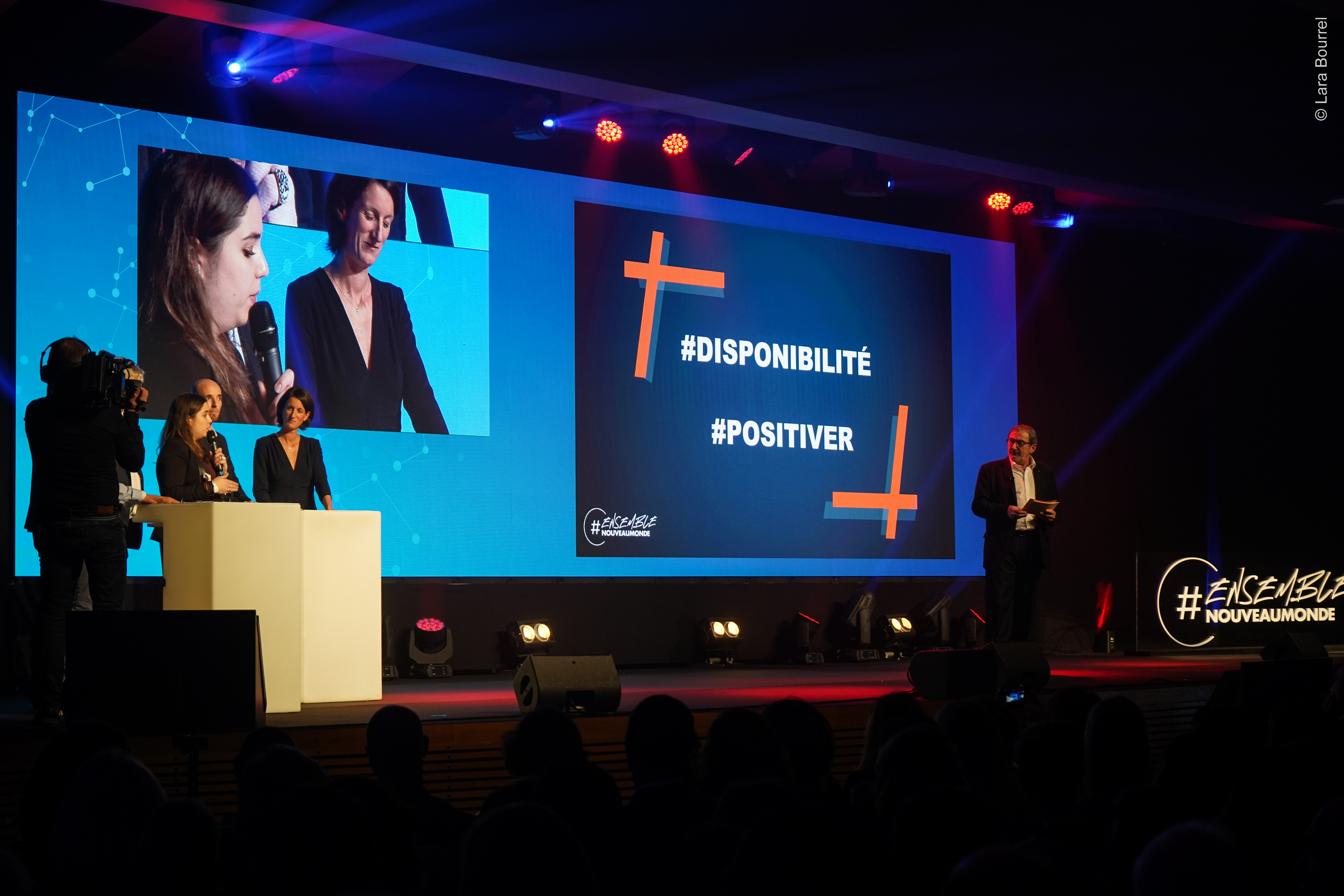
Tolk / vertaler in Luik for executive-grade multilingual events
INNOV'events supports HR, executives and communication teams with Tolk / vertaler solutions in Luik, from a 20-person board meeting to a 800+ attendee conference. We secure language quality, technical setup, speaker prep and day-of coordination so your message lands precisely in every room.
Sommaire
In a corporate event, language is not “nice to have”: it directly impacts negotiation outcomes, safety briefings, governance votes and the credibility of leadership. A single mistranslation in a KPI, a legal clause or a Q&A can trigger reputational and operational damage.
Organizations in Luik expect linguistic accuracy, strict timing, and discretion—especially in industrial, academic and public-facing contexts where French, Dutch, English and German can coexist in the same agenda. They also expect interpreters who understand the local pace: tight agendas, late speaker changes, and hybrid rooms.
Based in Brussels and operational weekly in Luik, INNOV'events manages interpreters, translators, and the full interpretation ecosystem (booths, receivers, sound checks, run-of-show integration). You deal with one accountable team, not a chain of freelancers.
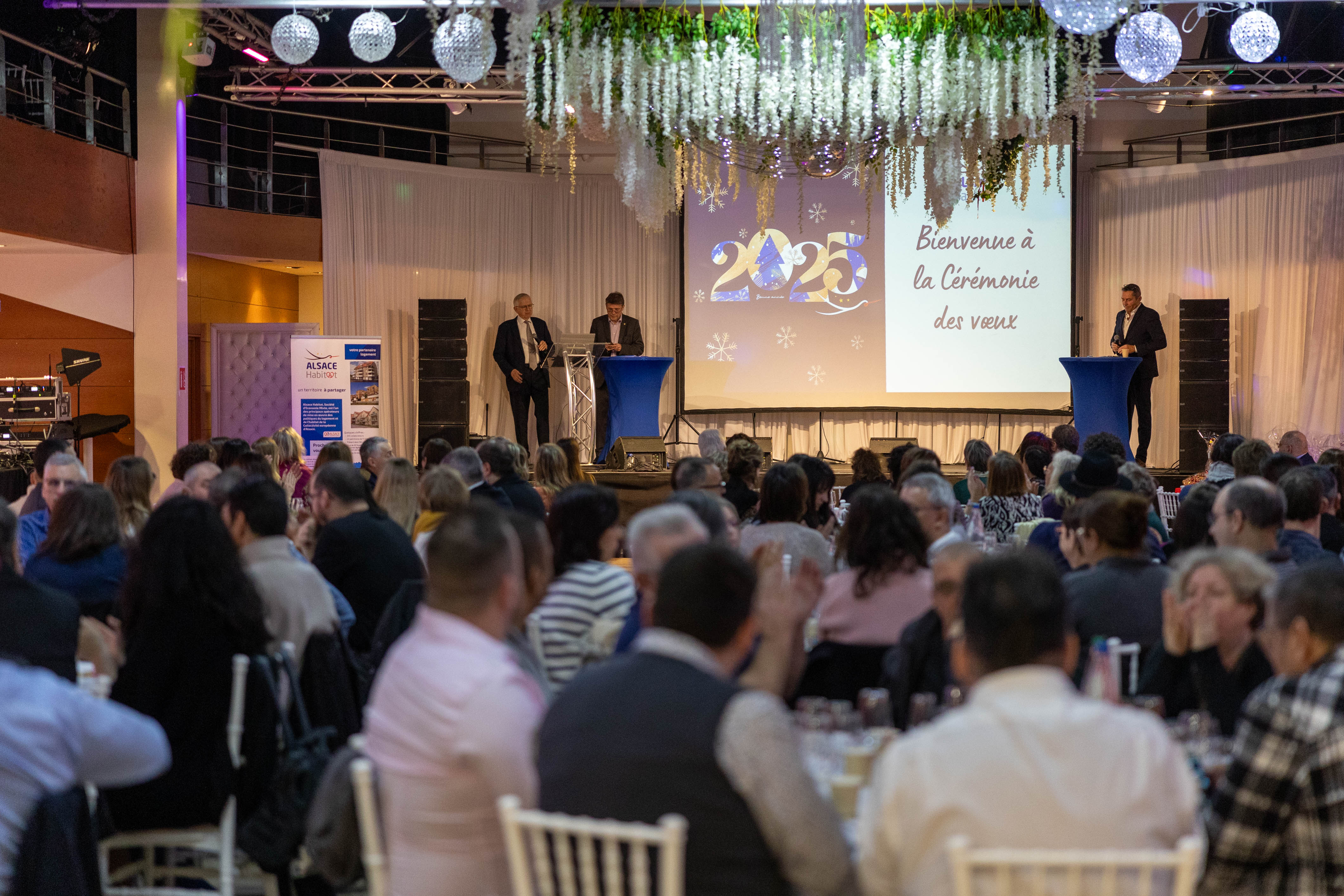
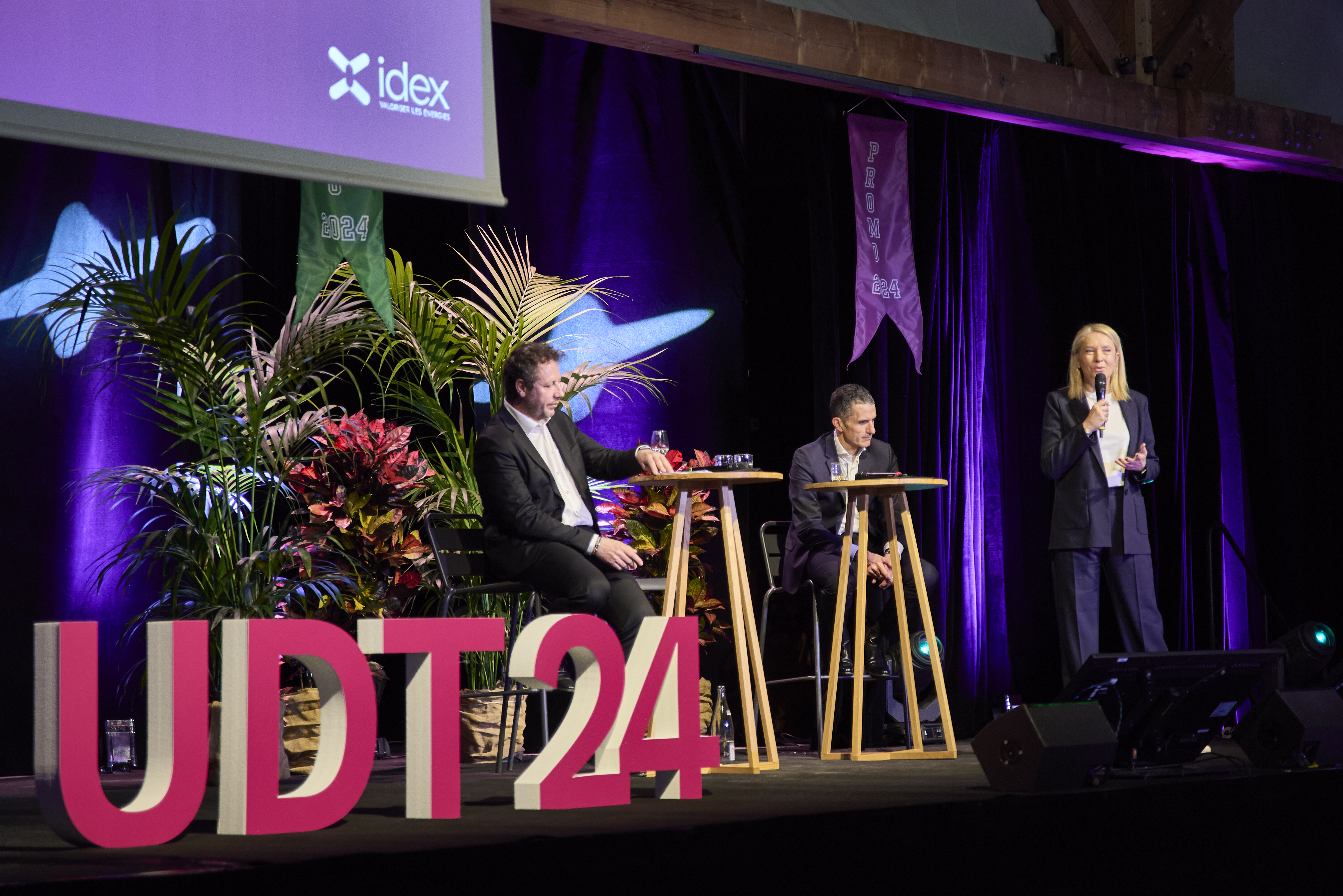
INNOV'events in numbers for Luik decision-makers
15+ years delivering corporate events across Belgium, including recurring multilingual formats.
1 single project lead accountable for language services, AV integration and on-site run-of-show.
24–72h typical turnaround for last-minute interpreter additions when agendas shift.
4 languages commonly covered on the same event in Belgium (FR/NL/EN/DE), with scalable teams for parallel breakouts.
References and recurring collaborations in Luik
We regularly support organizations operating in Luik and the wider Liège basin—where industry, logistics, research and public institutions often require precise multilingual communication. Many clients come back year after year because the language layer is one of the first things that breaks when it is treated as a “supplier-only” line item: changes in speakers, terminology, or room setup are frequent, and the event still needs to run on time.
When we step in, we typically integrate with your internal comms/HR workflow (approval loops, brand tone, confidentiality constraints) and with your AV or venue teams (sound, stage, streaming). The goal is simple: ensure that every participant hears the same message, with the same nuance, regardless of language channel.
If you share the company names you want us to mention as local references, we will incorporate them here in a compliant way (only with your approval and the right wording for procurement and communications).
 Besoin d’un devis rapide ?
Nous vous envoyons une première proposition sous 24h.
What a Tolk / vertaler unlocks for leadership in Luik
Adding a Tolk / vertaler to a corporate format in Luik is not about formality; it is a managerial lever. It protects message integrity, accelerates decision-making, and prevents the “second meeting” that happens when part of the audience did not fully understand the first one.
Governance-grade clarity: board updates, works council exchanges, or compliance briefings require exact wording and controlled tone—especially when minutes or recordings may be reused.
Faster alignment across sites: in Liège-based groups with teams in Flanders, Brussels, Germany or Luxembourg, interpretation reduces friction and improves adoption of new policies or project plans.
Better Q&A quality: executives get sharper questions when people can ask in their strongest language; interpreters also help avoid “false agreement” caused by partial comprehension.
Risk reduction: safety, HR, legal and technical messaging needs consistency; we manage terminology lists and pre-briefs to prevent hazardous approximations.
Brand protection: your employer brand and corporate narrative stay coherent across languages (tone, formality, inclusive language, product naming).
Luik is a pragmatic, engineering-driven and internationally connected ecosystem. When you invest in language quality, you speak the region’s business culture: precise, operational, and respectful of expertise.
Understanding multilingual constraints in Luik event operations
In Luik, multilingual events often mix audiences with very different expectations: operational teams (who need clear instructions), executive stakeholders (who need strategic framing), and external guests (who need context). The challenge is not only language coverage but also the way interpretation interacts with the pace of the day.
Typical local constraints we plan for include:
- Hybrid realities: a site in Liège hosts the stage, while speakers join remotely from Brussels, Antwerp, Aachen or London—requiring clean audio routing, return feeds, and disciplined speaking tempo.
- Technical vocabulary: energy, logistics, life sciences, engineering, and public procurement terminology are common; we collect glossaries in advance and validate acronyms with your SMEs.
- Time pressure: plant visits, back-to-back plenaries, or constrained union/HR slots leave no room for “we’ll see on the day.” We lock run-of-show timing and interpreter rotation early.
- Confidentiality expectations: negotiations, restructuring communications, tender briefings or R&D announcements demand NDAs, controlled document circulation and careful backstage access.
- Access and mobility: some venues have strict loading windows or limited parking; we schedule delivery and setup to avoid conflicts with guest arrival and security checks.
This is why we treat interpretation as a production topic, not a procurement checkbox.
Which language formats fit corporate events in Luik
Interpretation is not entertainment, but it directly shapes engagement: when people understand, they participate. We select the right format based on your agenda, risk level and audience behavior—then we integrate it into the production plan so it feels seamless rather than “added on.”
Animations Interactives à Luik
Multilingual moderated Q&A: a moderator manages question flow while interpreters ensure every question and answer is heard clearly. Works well for executive town halls in Luik where employee trust depends on transparency.
Workshops with language support: consecutive or small-group interpretation for breakouts where outcomes (action plans, commitments) matter more than speed.
Live polling in multiple languages: we align poll wording across languages so results are comparable; this is often overlooked and can bias feedback.
Animations Artistiques à Luik
Voice-over and script adaptation: for brand films, safety videos or CEO messages, we coordinate translation, timing, and voice talent to keep the same authority and tone across languages.
Stage-managed bilingual hosting: when a bilingual host is used, we still assess when professional interpretation is required (complex content, legal statements, or external stakeholders).
Animations Innovantes à Luik
Multilingual culinary stations signage: if your event includes food experiences, we translate allergen and ingredient information accurately (a real operational and liability topic), aligned with venue requirements.
Networking prompts: short translated conversation starters on tables/badges can increase cross-language interactions without forcing people into awkward English-only networking.
Animations Gourmandes à Luik
Hybrid interpretation (remote + on-site): when you need niche expertise or last-minute language additions, we can combine on-site booths with remote interpreters—provided the audio chain is engineered properly.
Terminology management: we build event-specific glossaries (project names, product lines, safety terms) and validate them with your internal experts before interpreters go live.
Accessibility alignment: we coordinate interpretation with captioning where required, ensuring roles and responsibilities are clear (captions are not a substitute for interpretation in many contexts).
Whatever format you choose in Luik, we check one principle: it must align with your brand image and governance standards. A premium message delivered through low-grade audio or inconsistent terminology undermines authority—especially in front of partners, unions, regulators or the press.
How to choose a venue in Luik for interpreter logistics
The venue influences interpretation quality more than most teams expect. Booth placement, sightlines, acoustics, and control-room access are operational constraints that must be validated early. In Luik, many venues are excellent but vary widely in ceiling height, rigging options, and backstage circulation—details that matter for simultaneous interpretation.
| Venue type | For which objective? | Main strengths | Possible constraints |
|---|---|---|---|
| Conference hotel with integrated meeting rooms | Board meetings, trainings, 100–300 pax conferences requiring tight scheduling | Built-in AV, predictable room division, easier interpreter booth positioning, controlled acoustics | Limited load-in windows; some rooms lack space for ISO booths; RF coverage must be tested |
| Academic or institutional auditorium | Keynotes, research presentations, public-private forums in Luik | Good sightlines, fixed seating, natural “conference” layout; often has existing interpretation infrastructure | Restricted technical changes; strict rules on rigging and streaming; rehearsal slots can be limited |
| Industrial or corporate site (plant / HQ) | Leadership roadshows, safety briefings, operational town halls close to teams | High authenticity; minimal travel for staff; easier to connect content to operations | Noise, PPE requirements, security access; acoustics may require extra sound engineering and receiver management |
We systematically recommend a site visit (or at least a technical walk-through) in Luik with your AV partner: we check booth placement, audience flows, RF risks, and where interpreters can work without interruption. It is faster and cheaper than fixing the setup during doors opening.
What does a Tolk / vertaler cost in Luik
Budget for a Tolk / vertaler in Luik depends on the language combination, the interpreting mode, the number of rooms, and the technical architecture (on-site booths, receivers, streaming integration). We price to remove surprises: clear deliverables, clear assumptions, and clear overtime rules.
Interpreting mode: simultaneous (most demanding), consecutive (slower but lighter technically), whispered (limited use cases), or remote/hybrid.
Duration: half-day vs full-day, plus rehearsals, speaker sound checks, and early call times.
Number of languages and rooms: plenary + breakouts can multiply requirements quickly; we optimize by mapping where interpretation is truly needed.
Technical package: ISO booth(s), infrared/RF receivers, channel distribution, technician presence, backup stock and testing time.
Content complexity: highly technical/regulated sectors require heavier preparation, terminology management and sometimes specialist interpreters.
Document translation: if you need slides, invitations, signage, scripts or minutes translated, we scope it separately with QA and brand-tone checks.
From an ROI perspective, the main value is avoiding failure modes: delayed decisions, diluted messages, repeated meetings, and reputational risk. For executive events in Luik, language services are typically a small percentage of the total event cost—yet they protect the most expensive asset: leadership communication time.
Why choose an event partner familiar with Luik
Even when interpreters are excellent, multilingual execution fails when coordination is weak. Working with a partner who is operationally present in Luik reduces friction on the topics that matter to directors: reliability, speed of decision, and single accountability.
We operate as an event agency in Luik through our on-the-ground network: venues, AV providers, technicians and bilingual staff. That means fewer handovers, quicker technical validations, and a clearer escalation path when something changes at the last minute.
- Faster technical alignment: booth placement, RF checks, and sound routing can be validated with local teams without endless back-and-forth.
- Better risk management: we know typical venue constraints and local access rules; we plan load-in and security accordingly.
- Speaker-ready discipline: we push for rehearsals, provide speaker instructions (pace, numbers, acronyms), and protect the run-of-show.
- Procurement-friendly clarity: clear scope, clear options, and documented assumptions—useful for internal approvals.
From an ROI perspective, the main value is avoiding failure modes: delayed decisions, diluted messages, repeated meetings, and reputational risk. For executive events in Luik, language services are typically a small percentage of the total event cost—yet they protect the most expensive asset: leadership communication time.




Examples of multilingual delivery scenarios in Luik
Our work spans formats where the language layer is mission-critical. In Luik, we often intervene in scenarios such as:
- Executive town hall with live Q&A: simultaneous interpretation for FR/NL/EN, with strict moderation to keep answers concise and interpretable. We coordinate speaker prep, cueing, and a disciplined microphone protocol to avoid “off-mic” questions.
- Safety and operational briefing on a corporate site: bilingual delivery supported by consecutive interpretation for supervisors, ensuring terminology consistency for procedures and incident reporting.
- Partner day with external stakeholders: interpretation integrated with brand films, product demos and panel discussions, including pre-validated translations of sensitive claims and disclaimers.
- Hybrid conference: remote keynote speakers, on-site panel, and streamed audience. We align interpretation audio with the streaming mix so remote attendees receive the correct language channel without delay.
Across these projects, the difference is not “talent” alone—it is production discipline: preparation, technical checks, and a single team coordinating everyone’s timing.
Common mistakes to avoid with interpreters in Luik venues
Booking interpreters without validating the audio chain: if the room mix is poor, the interpretation will be poor—no matter who is in the booth.
Late delivery of slides and scripts: last-minute decks are common, but without at least key terms and acronyms, accuracy drops exactly where you need it most (numbers, names, legal wording).
Underestimating staffing: simultaneous interpretation requires rotation; “one interpreter per language all day” is a false economy that increases fatigue and error risk.
Ignoring rehearsal needs: videos, walk-on cues and speaker transitions must be rehearsed so interpreters can follow timing and reference the right content.
Letting the room run ‘open mic’: unmanaged questions, side conversations and no microphone discipline make interpretation unreliable and frustrate participants.
Assuming bilingual employees can replace professionals: internal bilingual staff are valuable, but asking them to interpret live creates conflict of roles and exposes the company if wording is challenged later.
Our role is to prevent these risks with a structured approach: scoping, technical validation, speaker preparation and on-site control. In Luik, this is what protects your agenda, your message and your credibility.
Why Luik clients renew year after year
Repeat business happens when the experience is predictable for leadership: clear preparation, no operational surprises, and measurable comfort for speakers and participants. In multilingual events, loyalty is earned through consistency, not promises.
1 point of contact from scoping to event day, reducing internal coordination load for HR and communications.
Zero-guesswork deliverables: documented language plan, technical checklist, and run-of-show integration shared ahead of time.
Proactive escalation: when a speaker changes or a deck arrives late, we re-brief interpreters and adjust cues without derailing production.

Loyalty is the most credible proof: when teams in Luik invite us back, it is because the event ran smoothly and the leadership message remained controlled under pressure.
Our operating process for interpretation projects in Luik
👉 Scoping and language mapping in Luik
We start with a 30–45 minute operational call: objectives, audience profile, risk level (HR/legal/technical), languages needed, sessions requiring interpretation, and whether the event is on-site, hybrid, or remote. Output: a clear language plan with options (must-have vs nice-to-have) and an initial technical architecture.
👉 Interpreter selection and preparation
We assign interpreters based on subject matter and format. We request decks, scripts, speaker bios, acronyms and “do-not-translate” terms, then produce a terminology pack. For sensitive content, we agree on NDAs and document handling rules (who can see what, when, and in which version).
👉 Technical validation and run-of-show integration
We coordinate with the venue and AV: booth placement, audio routing, receiver distribution plan, channel labeling, and test slots. We integrate interpretation into the show flow: speaker cues, video playback, panel mic management, and a protocol for last-minute changes.
👉 Event day delivery and control
On-site, we manage interpreter call times, rotations, and briefing updates. We verify sound checks, monitor audience issues (channel selection, receiver failures), and maintain a rapid fix loop with technicians. If sessions run over, we manage overtime decisions transparently.
👉 Post-event wrap and translation follow-ups
When relevant, we support post-event deliverables: translated minutes, subtitles, or adapted CEO recap messages. We also run a short debrief: what worked, what to adjust next time, and how to optimize costs without reducing reliability.
FAQ sur l'organisation Tolk / vertaler à Luik
How many interpreters do we need in Luik?
For simultaneous interpretation, plan 2 interpreters per language for a half-day or full-day plenary to allow rotation. For short segments or workshops, 1 may work with consecutive, but it slows the agenda. We confirm after reviewing your run-of-show and session density.
Do we need interpretation booths for Luik conferences?
If you use simultaneous interpretation for more than brief segments, yes: an ISO booth (or equivalent compliant setup) is recommended for sound isolation and interpreter performance. For smaller groups, whispered or consecutive can avoid booths, but it changes the room dynamic and timing.
What is the typical lead time in Luik?
For standard FR/NL/EN setups, 2–4 weeks is comfortable to secure the right team and validate technical logistics. For high-stakes or niche topics, aim for 4–8 weeks. Last-minute support is possible (sometimes 48–72h), but options and costs can change.
Can you combine remote and onsite interpreters in Luik?
Yes, with the right audio engineering. We can mix on-site booths with remote interpreters for extra languages or last-minute additions. The non-negotiable requirement is a stable audio feed, clear talkback rules, and a tested platform/streaming chain before doors open.
What languages are most requested in Luik events?
Most corporate formats in Luik require French plus Dutch and/or English. German is frequent for cross-border stakeholders. We confirm language needs by audience registration data, not assumptions, to avoid paying for unused channels.
Request a quote for a Tolk / vertaler in Luik
If you are planning a board meeting, town hall, partner day or hybrid conference in Luik, share your date, venue (if known), audience size, languages and agenda structure. We will return a clear proposal with options (mode, staffing, technical package) and an operational checklist to secure delivery. The earlier we align on run-of-show and technical constraints, the less you spend on last-minute fixes—and the more control leadership keeps on message.
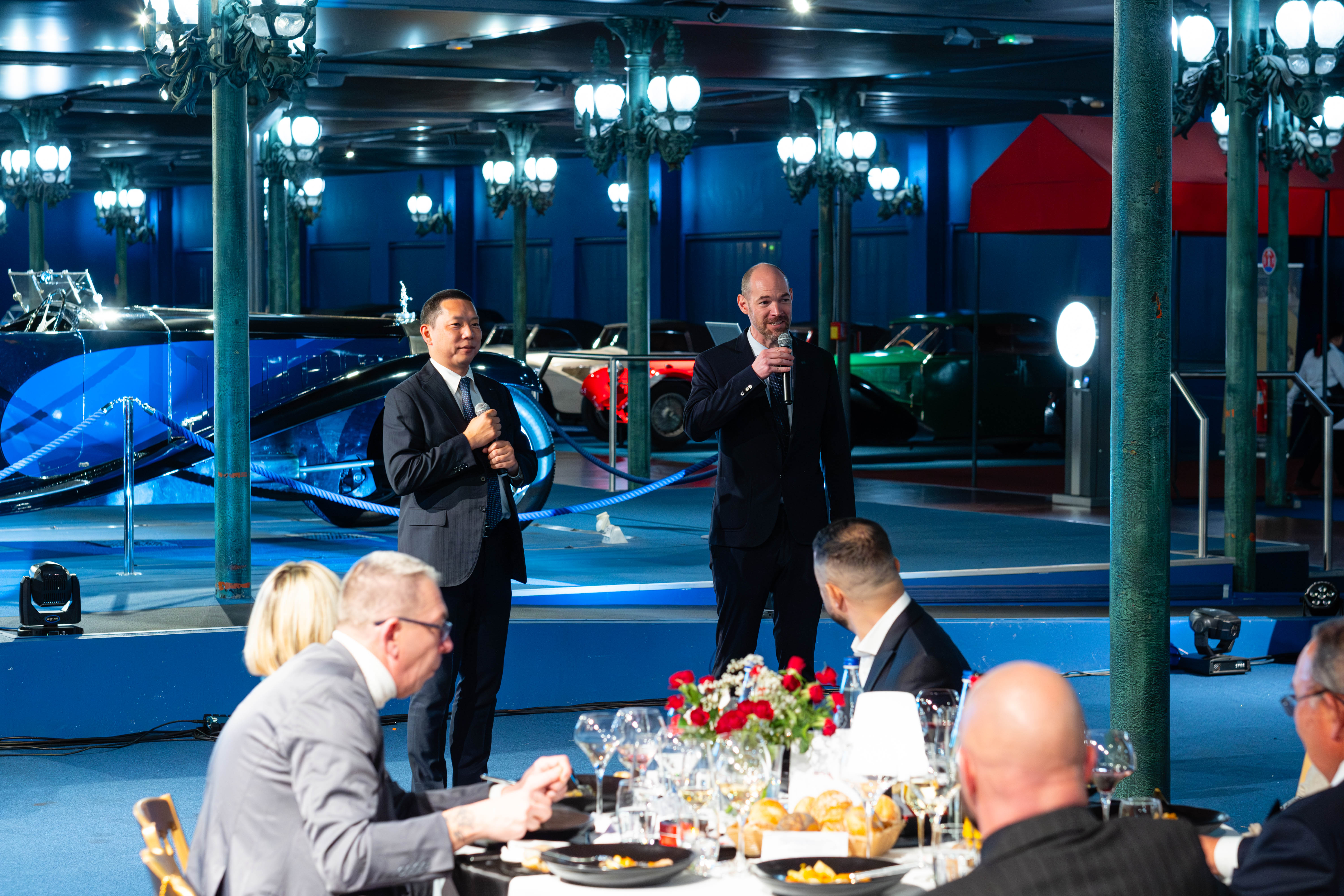
Agence INNOV'events Luik
Justin JACOB est le responsable de l'agence événementielle Luik. Contactez-le directement par mail via l'adresse belgique@innov-events.be ou par formulaire.
Contacter l'agence LuikToutes nos prestations & animations Luik, Belgique
Découvrez nos prestations événementielles
Découvrez nos animations événementielles disponibles au Belgique
- Hôtesse événementielle à Luik
- Escape Game à Luik
- Cours de cuisine type MasterChef à Luik
- Magicien à Luik
- Location de chapiteau à Luik
- Atelier colorimétrie à Luik
- Jeux gonflables à Luik
- Service de voiturier à Luik
- Simulateur de football à Luik
- Location de mobilier lumineux à Luik
- Flocage lumineux à Luik
- Repas insolite à Luik
- Light Painting à Luik
- Murder Party à Luik
- Jeu concours à Luik
- PLV événementielle à Luik
- Réalité virtuelle à Luik
- Cuisine moléculaire à Luik
- Animation Halloween à Luik
- Feu d’artifice à Luik
- Jeux géants à Luik
- Animateur événementiel à Luik
- Animation photo à Luik
- Père Noël à Luik
- Animation enfants à Luik
- Visite guidée à Luik
- Rallye urbain à Luik
- Piscine à balles à Luik
- Simulateur de vol à Luik
- Location de food truck à Luik
- Record du monde à Luik
- Simulateur de surf à Luik
- Casino du vin à Luik
- Atelier relooking à Luik
- Atelier création de parfum à Luik
- Atelier acting à Luik
- Animations RSE à Luik
- Tir à l’arc à Luik
- Agent de sécurité à Luik
- Œnologie à Luik
- Mime à Luik
- Jeu télévisé à Luik
- Fête foraine à Luik
- Atelier gestion de crise à Luik
- Atelier négociation de crise à Luik
- Jeux d’arcade à Luik
- Simulateur de chute libre à Luik
- Simulateur de ski à Luik
- Simulation circuit automobile à Luik
- Baptême de l’air à Luik
- Dégustation à Luik
- Création de baby-foot à Luik
- Rallye 2CV à Luik
- Challenge LEGO à Luik
- Animation casino à Luik
- Interprète / traducteur à Luik
- Goodies à Luik
- Bus / transfert à Luik