
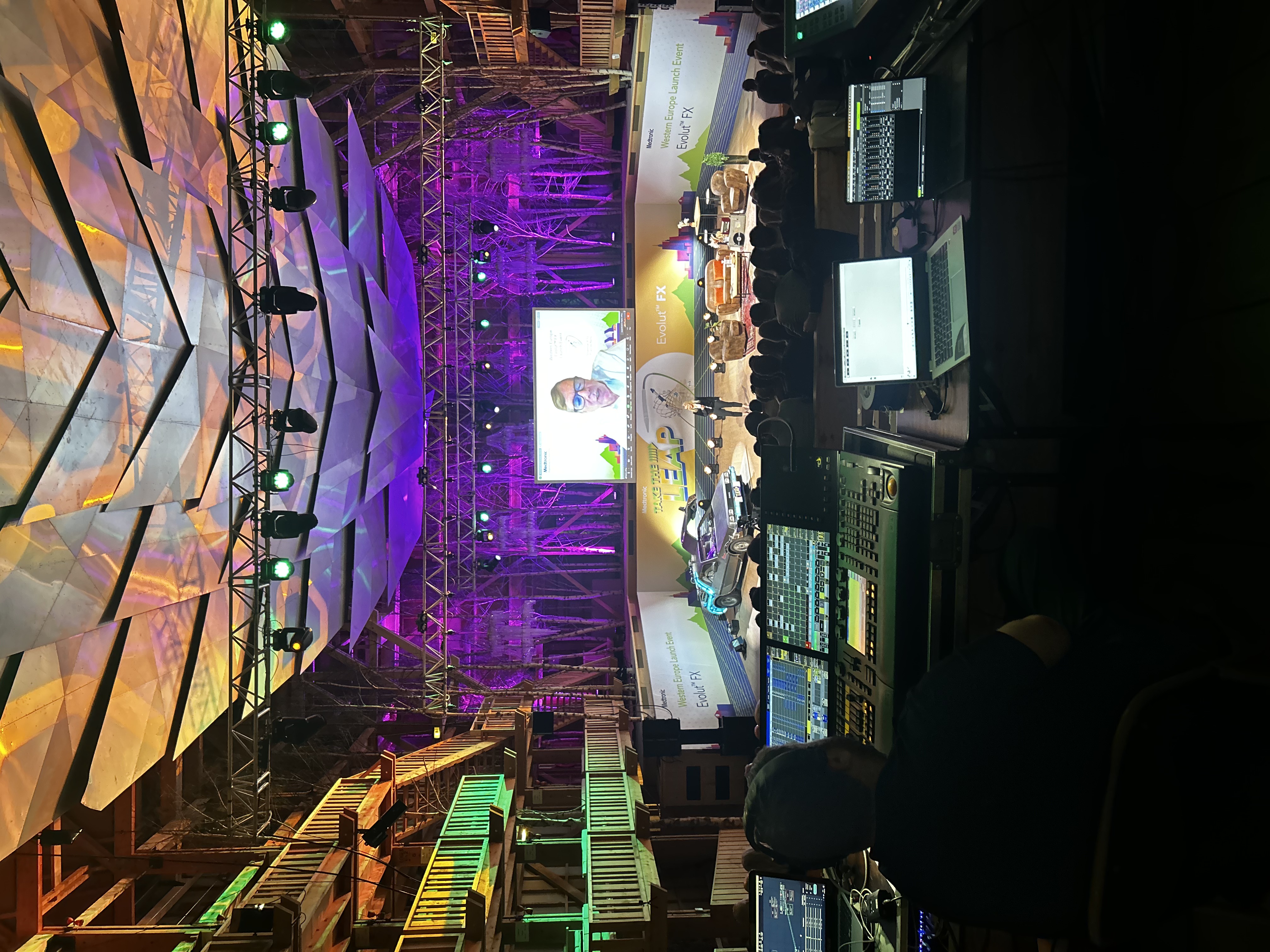
Corporate convention organisation that aligns leaders, teams and results
INNOV'events is a Brussels-based event management company specialised in corporate convention delivery across Belgium, typically for 150 to 1,500 participants. We handle the full programme: venue sourcing, speaker support, staging and AV, registration, F&B, branding, run-of-show, and on-site operations.
Whether you are planning an annual corporate convention, a leadership kick-off, or a multi-site company convention event, we secure a professional experience that protects your message, your people and your reputation.
Sommaire
A corporate convention is one of the rare moments where top management can synchronise strategy, culture and execution at scale. When it is well structured, it reduces misalignment, accelerates decision-making and gives managers a clear narrative to cascade to their teams the day after.
Executives, HR and communications teams typically need three things at once: message discipline (no contradictions on stage), operational reliability (no queues, no technical surprises), and a format that keeps attention from the first plenary to the closing moment—without wasting time.
As your Belgian event agency, we bring field-proven corporate convention organisation: governance with your steering committee, robust production planning, and a calm on-site team. We work in Brussels, Antwerp, Ghent and Liège, with the same standard of control and reporting.
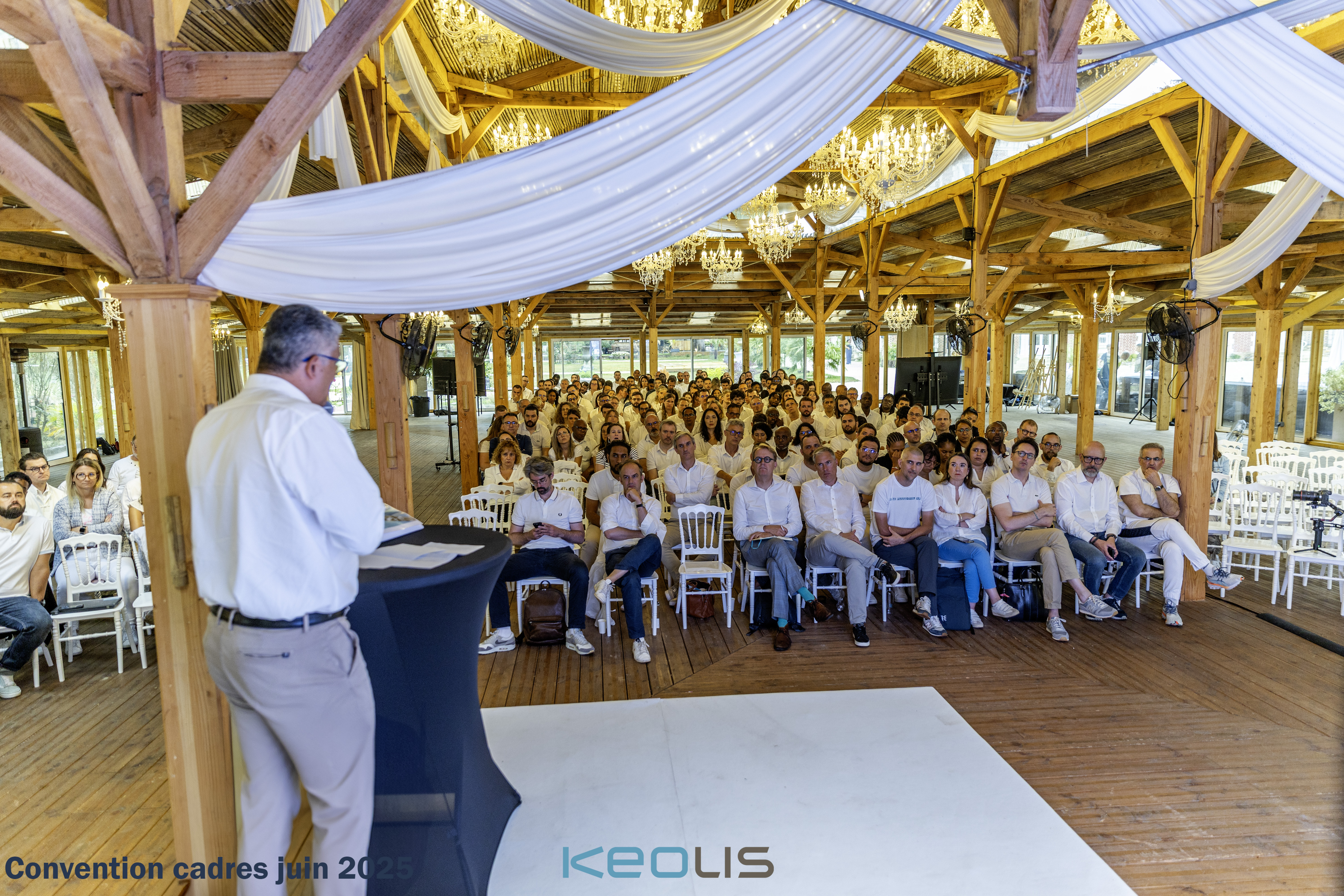
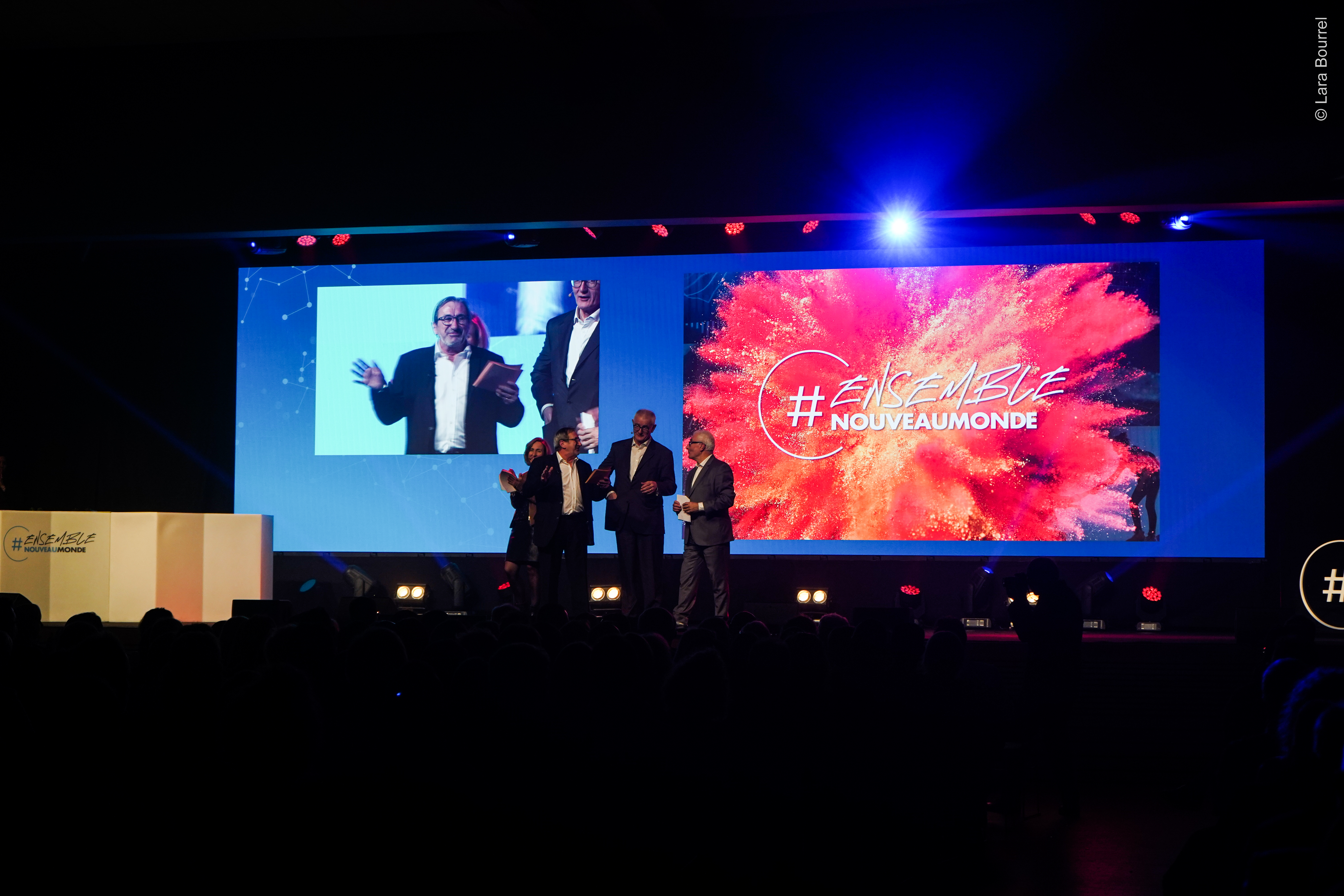
What you can expect from INNOV'events at scale
Belgium-wide operations: Brussels, Antwerp, Ghent, Liège and nationwide venue networks, with supplier coordination managed centrally.
Typical convention scale: 150 to 1,500 participants, with proven flows for registration, plenary seating, break-outs and catering rotations.
Operational coverage: run-of-show, stage management, speaker handling, AV and streaming coordination, branding deployment, security and contingency planning.
Decision-ready reporting: clear budget tracking, supplier comparison sheets, risk register, and post-event debrief with measurable recommendations.
How to organize a professional event ?
- Define the objective (cohesion, announcement, fidelity, performance).
- Set date, format and size (20–1 000 people).
- Secure the venue and accommodation according to seasonality.
- Lock down technical, suppliers and logistics.
- Drive the day J (timing, scene, entrance, flow).
We send you a first proposal within 24h.
Why organise a corporate convention instead of another meeting?
A convention is not a larger meeting; it is a structured moment of leadership. In companies, strategy often fails at the handover: it sounds clear in the boardroom, then becomes diluted across layers. A corporate convention is where you compress ambiguity, create shared language, and give managers practical talking points to drive execution.
In Belgium, where many organisations operate across regions and languages, a single well-produced convention also prevents fragmentation: one narrative, one direction, one set of priorities—with space for local realities through break-outs.
Strategic alignment in one cycle: turn annual priorities into a structured storyline (context → choices → consequences → actions), so teams can repeat it accurately.
Manager enablement: equip people leaders with ready-to-use toolkits (talking points, Q&A lines, KPI definitions, next-step actions) to cascade within 48 hours.
Culture and behaviours: make desired behaviours concrete through case examples, recognition moments, and leadership modelling on stage—more credible than posters or emails.
Change management acceleration: when reorganisations, new operating models or system migrations are underway, a convention reduces rumours and creates a controlled space for questions.
Cross-silo execution: break-out tracks can force collaboration: commercial + operations, HR + line managers, IT + business owners, with pre-defined outputs.
Employer positioning: used wisely, an annual corporate convention reinforces retention by showing clarity, fairness and leadership presence—especially valuable after a demanding year.
For Belgian organisations, conventions often sit at the intersection of performance and culture. When you treat the event as a business tool—agenda governance, message discipline, operational control—you get a measurable effect on decision speed, engagement and follow-through.
Corporate convention animation ideas that keep attention without losing credibility
In conventions, “animation” should serve a business goal: attention, retention, participation, or behaviour change. The best formats in corporate environments are controlled, time-boxed and aligned with the company’s tone. We propose options that work in Belgium for mixed seniority audiences—without turning the programme into a show that undermines seriousness.
Interactive animations
Executive-led live polling with decision framing: use polls to reveal trade-offs (e.g., customer speed vs. quality), then have leaders comment on results. This makes strategy concrete and reduces corridor scepticism.
Structured Q&A with moderation rules: pre-collect questions during registration, combine with live questions, and moderate for clarity. We brief leaders with “answer lanes” to stay aligned across speakers.
Break-out outputs that matter: instead of “discussion tables”, we design templates: 3 actions, 2 blockers, 1 owner. Outputs are captured and consolidated for leadership review.
Manager cascade workshop: a short session where people managers practise delivering the key messages in their own words, with a ready-to-use slide and FAQ pack.
Art animations
Opening segment with restrained scenography: a short, high-quality opener (music sting, lighting cue, branded motion graphics) that signals professionalism without feeling like a festival.
Corporate storytelling through guest interview: a moderated conversation with a credible external voice (industry expert, client, partner) to support your narrative with real-world tension and insight.
Awards with governance: recognition moments work when criteria are clear and nominations are validated. We structure staging, scripts and pacing so it does not feel improvised.
Innovative animations
Belgian-focused catering that supports flow: compact lunch formats (bowl stations, plated service, or managed buffets) selected based on timing and venue logistics, not only menu preference.
Networking breaks engineered for conversation: shorter queues, multiple coffee points, and seating clusters that encourage cross-team mixing rather than department regrouping.
Dietary compliance and transparency: we manage allergens, labelling and pre-ordered dietary meals, crucial for large audiences and duty of care.
Gourmand animations
Hybrid participation with clear roles: remote participants are not an afterthought. We define a dedicated moderator, separate chat Q&A, and camera coverage that serves remote viewers.
Content capture for internal comms: short interview corners (2–3 minutes per leader) to create post-event clips that reinforce the key messages for teams not attending.
Operational dashboards: live tracking of arrivals, room occupancy and session attendance to support real-time adjustments and accurate post-event reporting.
Whatever the format, we protect consistency with your brand image: tone of voice, visual identity, speaker style, and the level of formality expected by your leadership and employee base. The goal is engagement that reinforces credibility, not entertainment that distracts from the message.
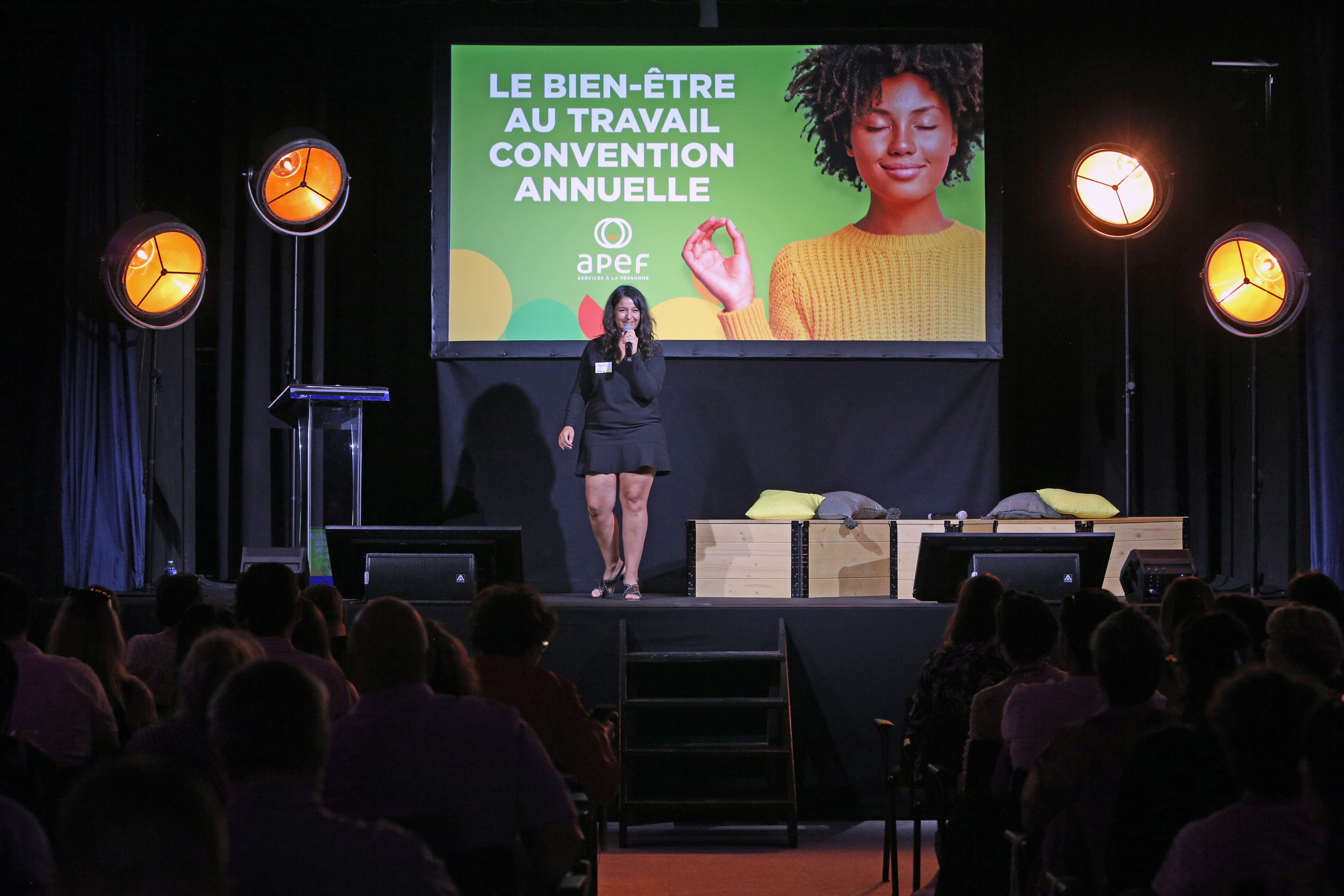
How to choose a corporate convention venue in Belgium
Venue choice is not only about prestige; it is about audience flow, acoustics, break-out capacity, loading access, and the venue team’s ability to deliver under pressure. For conventions, we assess venues with a production lens: sightlines, ceiling height, rigging points, backstage space, truck access, and the time allowed for set-up and rehearsals.
We also factor in participant travel reality in Belgium: rail connections into Brussels, ring-road traffic, parking capacity, and the practicality of coach transfers for sites outside city centres.
Brussels (city centre): best for rail access and international attendees; watch for loading constraints, limited backstage space, and stricter time windows for deliveries.
Brussels (periphery): easier parking and truck access; often better value for larger plenaries and break-outs; ensure the venue has strong acoustics and professional in-house AV policies.
Antwerp: strong for regional and international business audiences; confirm hotel inventory during peak periods and plan arrival buffers to avoid congestion.
Ghent: excellent for mid-size conventions and strong local supplier ecosystem; validate break-out adjacency to prevent long corridor transfers between sessions.
Liège: efficient for audiences from the east of Belgium; pay attention to technical inventory and whether additional production needs to be brought in.
Non-city venues (destination style): useful for leadership conventions requiring focus; plan carefully for transfers, duty-of-care, and evening programme noise restrictions.
We shortlist venues based on your programme, headcount, desired set-up time, and technical needs. This avoids costly surprises such as insufficient rigging capacity, restricted sound levels, or break-out rooms that force a diluted agenda.
Corporate convention budget: what drives costs in Belgium
The cost of a corporate convention depends on format, headcount, production level and timing. Two conventions with the same number of participants can differ significantly in budget because the agenda complexity, staging requirements and venue constraints change the production workload.
As an event management company, we build budgets that are transparent and decision-ready: clear lines, comparable options, and explicit assumptions (guest count, service level, rehearsal time, hybrid needs).
Participants and format: 200 in plenary only vs. 200 with 6 break-outs requires more rooms, crew, signage, and timing control.
Venue and date: peak season availability in Brussels and Antwerp can push costs; limited load-in time often increases labour and equipment needs.
Stage and AV production: screens, sound reinforcement for speech, lighting, camera capture, streaming platform, recording, graphics and operator staffing are major drivers.
Content support: slide design, motion graphics, video editing, speaker coaching, rehearsal days and teleprompter services add cost but reduce on-stage risk.
Registration and access control: badge printing, scanning lanes, staffing and data handling requirements vary based on security expectations.
Catering and hospitality: coffee stations, lunch style, dietary management, VIP hospitality and service timing impact both cost and operational stability.
Branding and wayfinding: the amount of on-site visibility (stage sets, backdrops, signage, digital displays) depends on your brand standards and the venue’s surfaces.
Staffing and risk management: stage managers, floor managers, safety roles, and contingency resources are often the difference between an event that “holds” and one that drifts.
We treat budget as a lever for return: where to invest for clarity and risk reduction (sound, stage management, rehearsal time), where to simplify without harming the experience, and how to measure outcomes (attendance, engagement, manager cascade completion, content reuse). A convention that converts into action is where ROI becomes real.






What we deliver in real corporate convention scenarios
Our projects range from compact leadership conventions to full-day annual corporate convention programmes with multiple break-outs and hybrid participation. We adapt to different corporate cultures: highly formal listed-company settings, fast-moving scale-ups, and complex industrial organisations with strong safety requirements.
Typical assignments include:
Annual corporate convention in Brussels for several hundred participants, combining a strategic plenary, leadership panel, and break-out tracks for functional priorities.
Company convention event in Antwerp with strong employer branding constraints, where we aligned stage visuals, speaker scripts, and content capture for internal comms reuse.
Hybrid convention with remote sites in Belgium: dedicated moderation, clearly defined interaction rules, and a production plan that kept remote audiences engaged rather than passive viewers.
Turnaround support when an internal team faced late agenda changes: we restructured the run-of-show, secured additional crew, and created a robust cueing system to protect timing.
What stays constant is the delivery standard: clear governance, disciplined production, and calm on-site leadership.
Common corporate convention risks we actively prevent
Overloaded agendas: too many speakers, too many messages, no breathing space. We structure content so people remember and can act on it.
Late-stage slide chaos: multiple versions, inconsistent branding, missing videos. We apply version control, formatting checks, and technical rehearsal discipline.
Underestimating audience flow: queues at registration, crowded catering, delayed session starts. We design flows, staffing and signage based on headcount and venue reality.
Technical set-ups not built for speech: sound that works for music but not for clear speech, poor sightlines, insufficient confidence monitors. We design for intelligibility first.
No plan for overruns: one speaker runs long and the whole day collapses. We build time buffers and pre-agreed compression decisions.
Unclear roles on-site: internal teams end up firefighting. We define who decides what, and we keep your stakeholders protected.
Weak post-event conversion: no recap, no manager toolkit, no content reuse. We plan deliverables so the convention drives action.
Our role is to make sure your leadership team can focus on the message and stakeholder management while we prevent operational risks—before they become visible issues in the room.
Why convention clients stay with the same agency
Conventions improve when you build continuity: you learn what your audience reacts to, which speakers need support, where timing typically slips, and how the venue team behaves under pressure. That learning has value, and it compounds year after year.
Clients return to INNOV'events because we document what worked, what did not, and what to change next time—without defensiveness. We treat each edition like a programme, not a one-off.
Continuity planning: we keep structured event files (run-of-show, technical plans, supplier notes, floor flow logic) to reduce cost and risk for the next edition.
Stakeholder confidence: leadership teams value predictability—clear timelines, realistic options, and no surprise add-ons.
Operational stability: recurring events benefit from a consistent show-calling approach and a team that knows how your organisation makes decisions.

Loyalty is not about habit; it is about risk management and efficiency. When you can rely on a stable event agency, you protect your message, your time and your internal teams.
Our corporate convention organisation process
👉 Step 1: Brief, objectives and decision governance
We start with a working session with the executive sponsor and HR/Comms leads to define objectives, audience segments, constraints, and what success looks like. We then set governance: who approves message, budget, venue, and production choices. Output: a clear brief, decision calendar, and roles matrix.
👉 Step 2: Programme architecture and narrative map
We shape the storyline and translate it into a programme: plenary rhythm, break-out tracks, interaction moments, and time buffers. We identify message owners, dependencies (e.g., results release dates), and sensitive topics that require aligned wording. Output: programme blueprint and speaker plan.
👉 Step 3: Venue sourcing and feasibility checks
We propose venue options that match your headcount, technical needs and access requirements in Brussels, Antwerp, Ghent, Liège or elsewhere in Belgium. We run feasibility checks: loading, rigging, acoustics, backstage space, catering capacity and rehearsal time. Output: venue comparison sheet and recommendation.
👉 Step 4: Production design (AV, staging, branding, registration)
We build the technical and operational design: stage layout, screen configuration, sound plan, lighting, camera coverage if needed, as well as registration flows, staffing plan, signage and wayfinding. Output: production plan, floor plans, and a detailed budget with options.
👉 Step 5: Content preparation and speaker handling
We manage slide templates, version control, video integration, and rehearsals. We brief each speaker on timing, transitions and Q&A handling. Output: final show deck, cue sheets, rehearsal notes, and speaker schedule.
👉 Step 6: On-site delivery and show calling
We run the event with a stage manager and floor team: registration set-up, backstage coordination, timekeeping, break-out transitions, catering rotations and incident response. Output: an event that stays on time, protects your leadership, and keeps participants informed and moving.
👉 Step 7: Post-event wrap, reporting and next-edition recommendations
Within agreed timelines, we coordinate replays and content delivery, gather feedback, and provide a debrief with what to keep, improve or stop. Output: a practical report that supports planning of the next annual corporate convention.
FAQ sur l'organisation corporate convention
How early should we start planning a corporate convention?
For 300–800 participants in Belgium, plan 4–6 months ahead for good venue choice and speaker preparation. For 800–1,500+ participants or hybrid formats, plan 6–9 months, especially if you need a rehearsal day, multiple break-outs, or a high-production plenary.
What is a realistic budget range for a Belgian convention?
As a practical range, many corporate conventions fall between €150 and €450 per participant, depending on venue, catering level, AV/staging, content support and staffing. Leadership-only conventions with heavier production per attendee can sit higher, while simpler plenary-only formats can sit lower. We provide option-based budgets so you can choose what drives impact versus what can be simplified.
How do you keep the programme on time?
We use a detailed run-of-show with time ownership, cues, and pre-agreed compression rules (what can be shortened first). We also manage rehearsals, speaker briefings, and stage timekeeping. On-site, a dedicated show caller coordinates AV, stage, and floor teams so transitions are controlled and breaks stay realistic.
Can you manage a hybrid corporate convention across Belgium?
Yes. We design the hybrid format so remote participants have a defined experience: a moderator, a Q&A process, camera coverage that serves remote viewers, and clear interaction moments. We also coordinate recording and replay delivery, and we build technical redundancy for critical segments.
What do you need from us to start a quote?
We can start with five inputs: estimated headcount, preferred city (Brussels/Antwerp/Ghent/Liège), target date window, programme shape (plenary only or with break-outs), and your must-haves (e.g., streaming, awards, interpretation, CEO keynote). With that, we can provide a structured first proposal and budget options.
Request your free quote for a corporate convention in Belgium
If you are comparing agencies, we are happy to work in a transparent, procurement-friendly way: clear scope, option-based budgeting, and a delivery plan that shows how we will protect timing, message and operational reliability.
Share your date window, city preference (Brussels, Antwerp, Ghent or Liège), and expected headcount, and we will come back with a structured proposal and a free quote. The earlier we align on venue feasibility and programme architecture, the more control you keep over budget and risk.