Corporate team building event organisation that strengthens collaboration and delivery
INNOV'events is a Brussels-based event agency delivering corporate team building event programmes across Belgium for groups from 20 to 800 participants. We handle concept, venues, suppliers, facilitation, safety, and on-the-day operations so your leadership team can stay focused on outcomes.
Whether you need a half-day cohesion boost in Brussels, a full offsite near Ghent, or a multi-site format for Antwerp and Liège teams, we build a plan that matches your culture, your risk profile, and your calendar constraints.
Sommaire
A corporate team building event is not a ‘nice-to-have’ when teams are under delivery pressure. Used well, it is a management tool to reset collaboration habits, reduce friction between functions, and create a shared operating rhythm that carries into daily work.
Organisations typically expect three things: a programme that feels credible to senior profiles, flawless logistics (timings, accessibility, catering, safety), and outcomes that can be reported back to leadership. HR and Communications also need brand alignment: the activity must fit the company’s tone, not fight it.
We bring field experience from corporate environments in Brussels, Antwerp, Liège, and Ghent: realistic scenarios, tight run-of-show management, and facilitators who can keep momentum without forced enthusiasm. Our role is to turn your objective into a controlled, high-quality event day.
INNOV'events in numbers decision-makers care about
Brussels-based delivery across Belgium, with teams and suppliers used to corporate standards in Brussels, Antwerp, Liège, and Ghent.
20–800 participants handled regularly for internal events, including multi-group rotations and plenary moments.
4–12 weeks typical lead time for smooth venue and supplier booking; faster turnarounds possible with limited custom builds.
Single point of contact from scoping to show-calling, with documented timelines, budgets, and risk controls.
How to organize a professional event ?
- Define the objective (cohesion, announcement, fidelity, performance).
- Set date, format and size (20–1 000 people).
- Secure the venue and accommodation according to seasonality.
- Lock down technical, suppliers and logistics.
- Drive the day J (timing, scene, entrance, flow).
We send you a first proposal within 24h.
Why organise a corporate team building event in a high-pressure year?
In many Belgian organisations, teams have moved fast for several years: hybrid work patterns, changing priorities, and higher expectations on delivery. A corporate team building event creates a structured moment to repair collaboration issues that are otherwise handled informally (and often poorly) in meetings.
Executives typically do not ask for ‘fun’. They ask for fewer handovers gone wrong, clearer ownership, and better cross-functional behaviour. That is exactly how we design the day: the activity is a vehicle; the real target is day-to-day performance.
Faster decision-making between functions: activities can be built to mirror typical friction points (Sales vs Operations, HQ vs site, Product vs Delivery) and create a shared language for escalation and prioritisation.
Reduced silo behaviour: a well-facilitated programme makes the cost of ‘local optimisation’ visible and moves the team towards shared KPIs.
Onboarding and cohesion after reorgs: after a merger, new leadership structure, or team reshuffle, employee team building programs help create working agreements quickly, instead of waiting months for norms to form by chance.
Better meeting hygiene: we can integrate practical behaviours (how to disagree, how to close actions, how to document decisions) without turning the day into training.
Employer brand with substance: when the programme is aligned with your culture and values, people talk about it internally for the right reasons: “this felt like us”, not “this was a forced activity”.
Early detection of team risk: leadership often sees dynamics more clearly during structured group team building activities than in a standard meeting context. We build debrief points that make observations actionable.
In Belgium’s economic context, teams are expected to deliver with tight margins and controlled headcount. A properly designed corporate team cohesion activities programme supports operational efficiency: fewer misunderstandings, clearer ownership, and stronger collaboration under pressure.
Which team building activities work best for corporate teams today?
Engagement is created when people understand why they are doing something and how it relates to their work. The best team building activities corporate programmes balance three elements: a shared challenge, the right level of discomfort (enough to learn, not enough to embarrass), and a debrief that turns the experience into usable behaviours.
Interactive animations
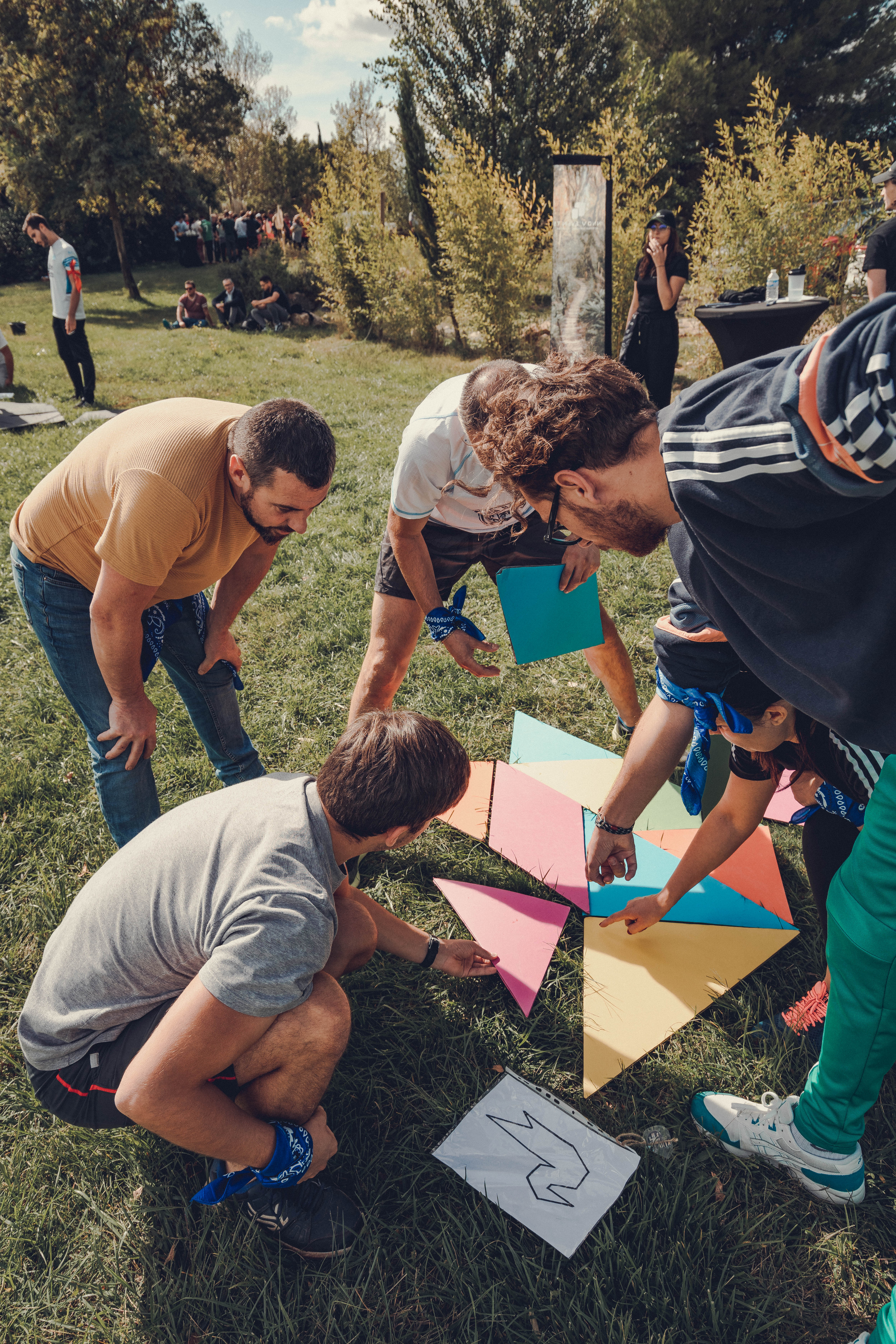
Cross-functional mission sprint: teams receive a simulated business challenge (capacity constraints, client escalation, conflicting KPIs) and must deliver a plan under time pressure. Works well for leadership teams and mixed departments because it mirrors real decision-making.
Urban collaboration rally (Brussels, Antwerp, Ghent): GPS-guided tasks with role rotation (navigator, budget holder, spokesperson). We add corporate-relevant constraints such as compliance checks, stakeholder approvals, and timeboxed handovers.
Problem-solving circuits: short, rotating stations (logic, negotiation, resource allocation) designed for mixed seniority. Useful when you need inclusive engagement without physical intensity.
Communication under pressure workshop: not a classroom session—participants practise structured briefings and feedback in a timed scenario. Ideal for client-facing teams and project environments.
Art animations
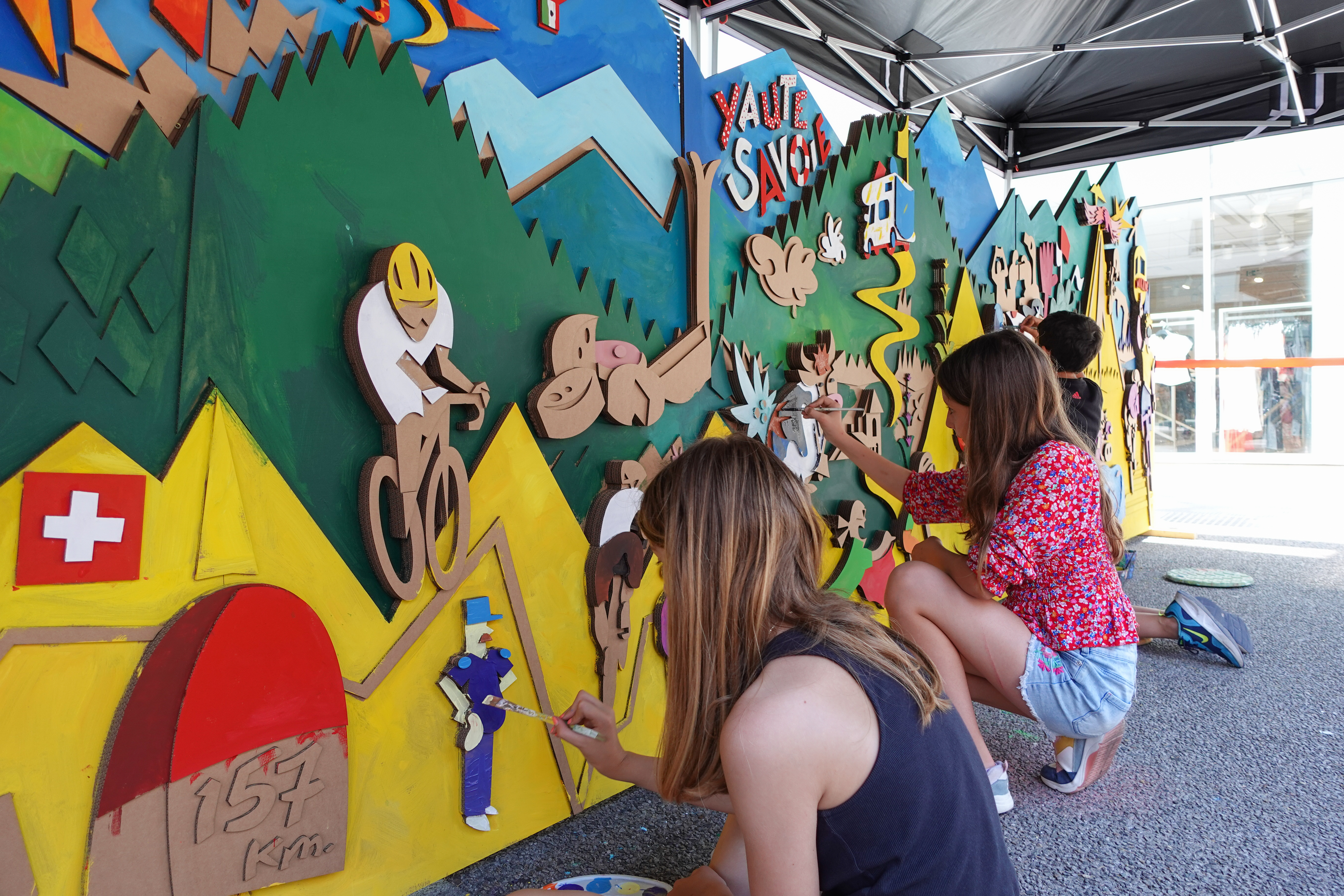
Brand story build: teams create a short narrative or storyboard around a strategic message (innovation, safety, customer experience). Particularly effective when Communications wants internal alignment without forcing scripted speeches.
Rhythm and coordination session: a facilitated ensemble exercise focusing on listening and timing. We position it for corporate audiences as a coordination model, not as entertainment.
Innovative animations
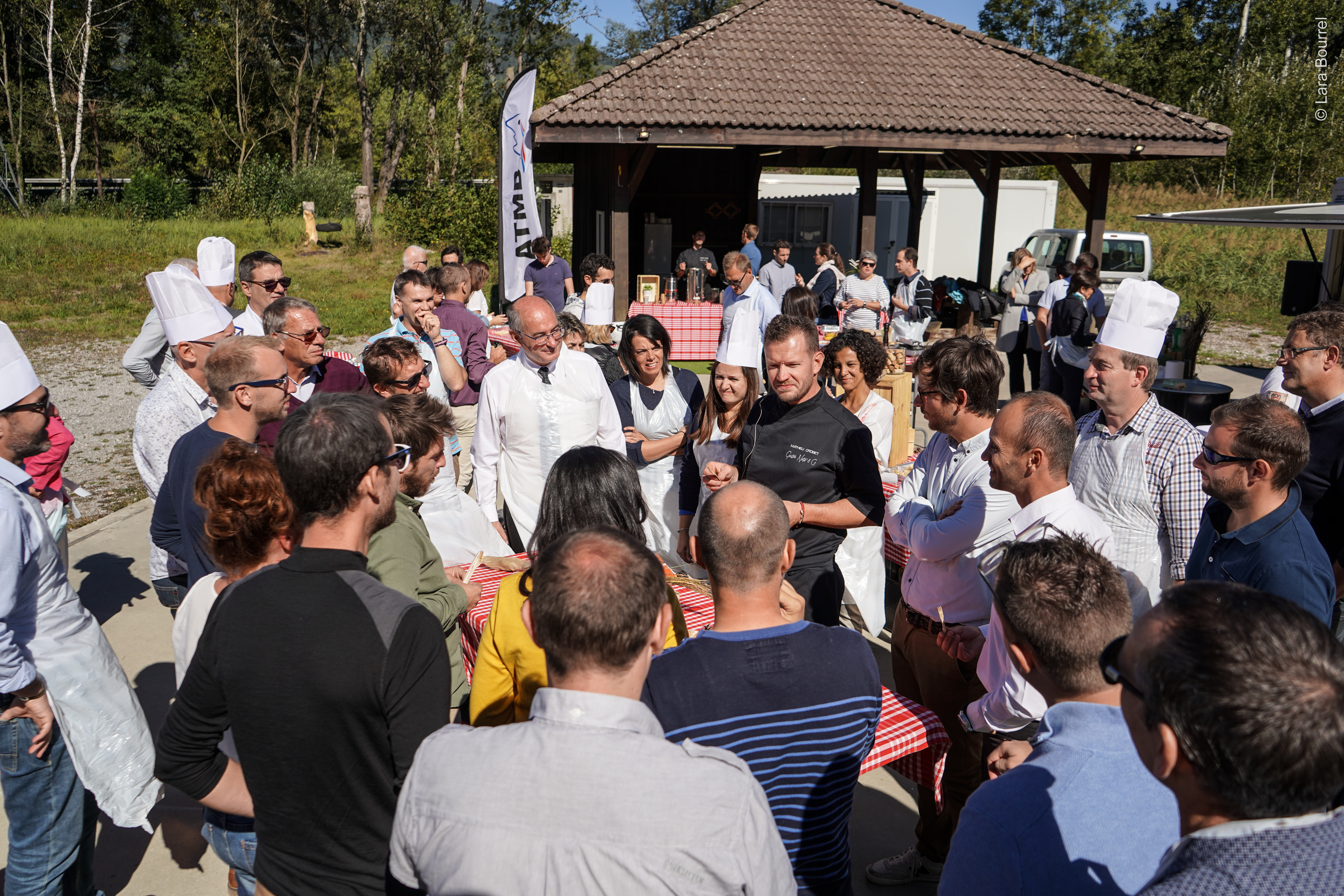
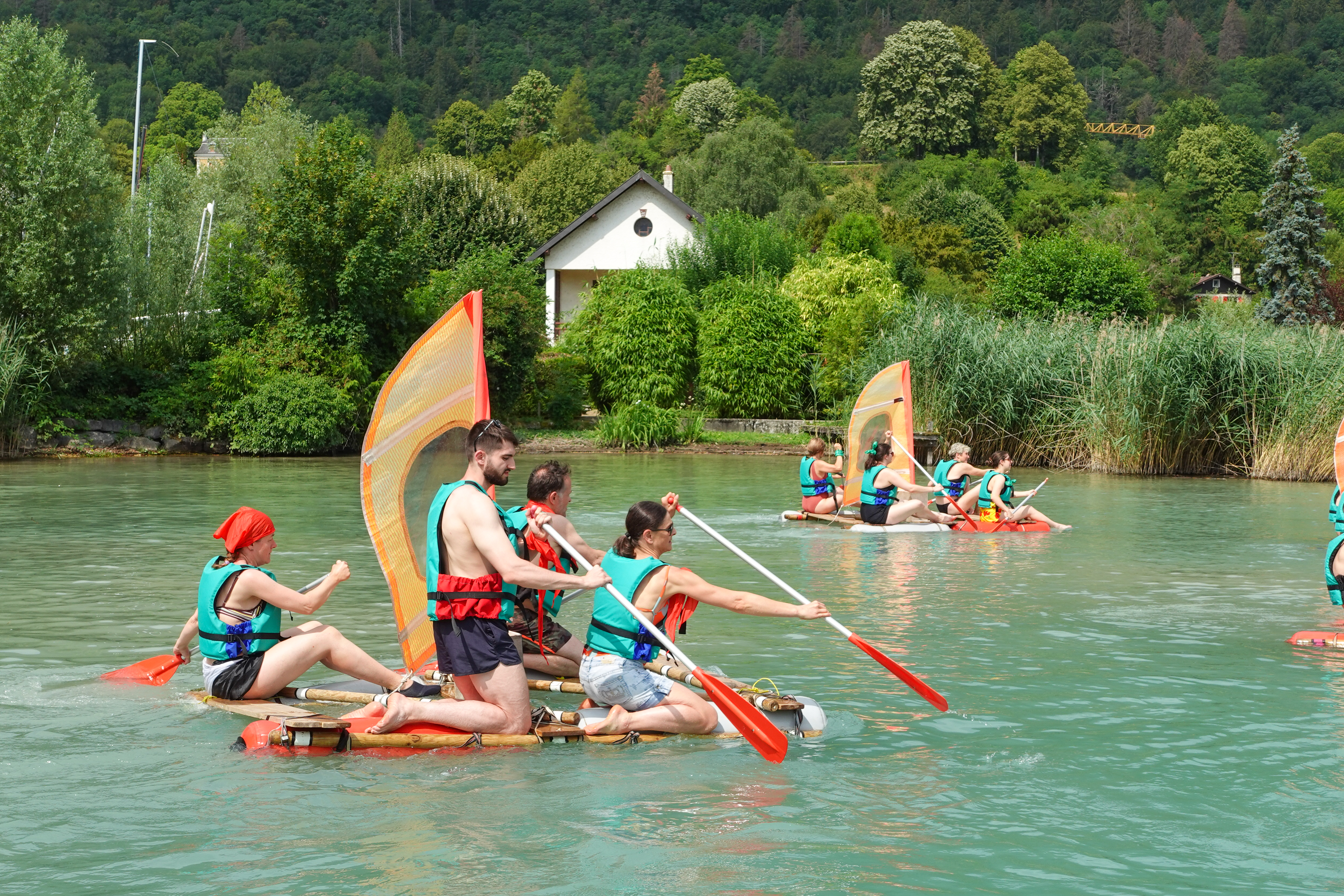
Collaborative menu challenge: teams plan, budget, and execute a menu with shared equipment and timing dependencies. Works well for diverse groups because everyone can contribute (planning, quality control, presentation).
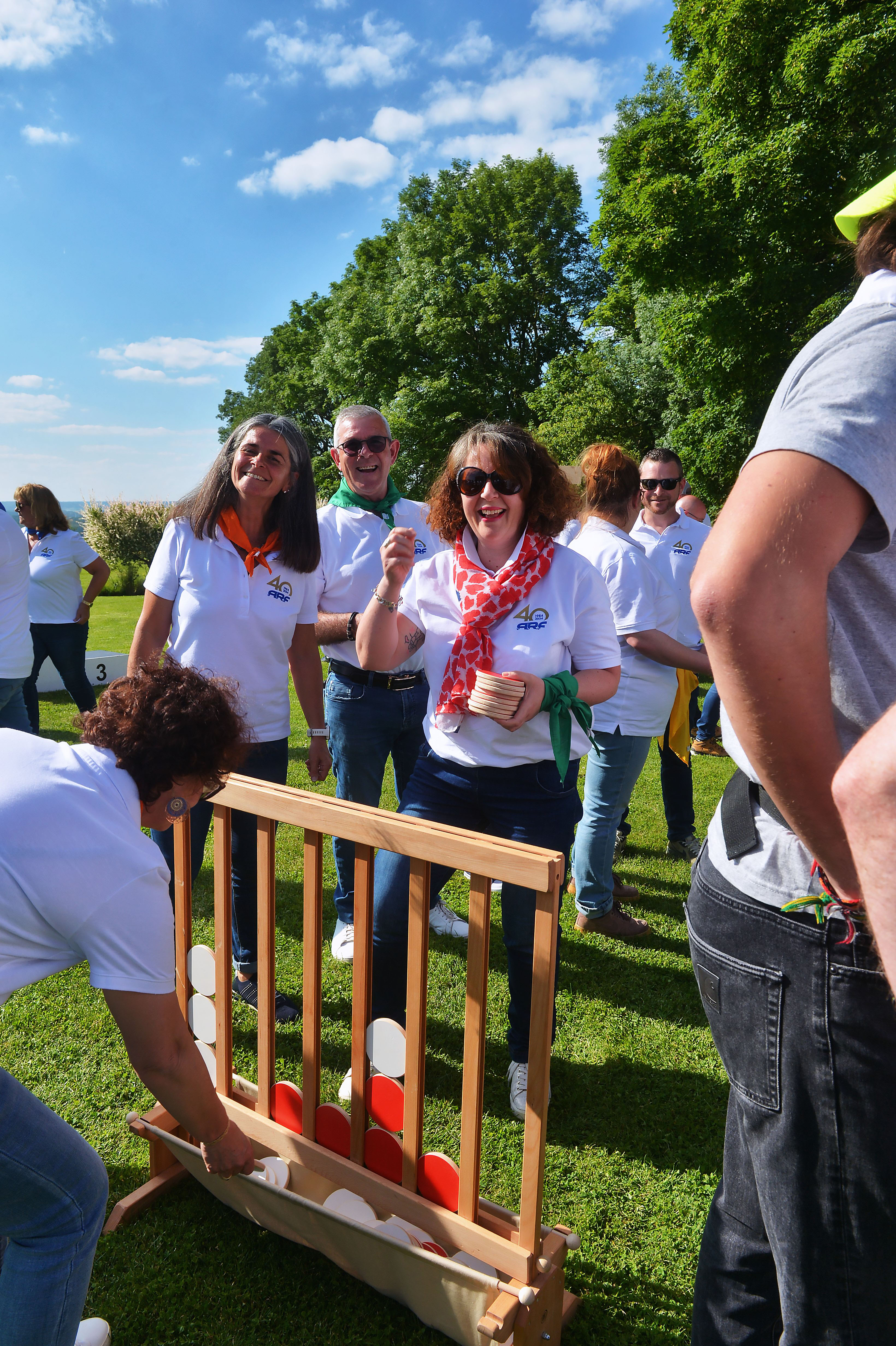
Belgian tasting with decision trade-offs: a guided tasting becomes a negotiation exercise (limited tokens, changing constraints). Good for teams that need sharper prioritisation behaviour.
Gourmand animations
Hybrid-ready team missions: for organisations with remote staff, we design a format where on-site teams and remote participants contribute meaningfully (decision gates, digital evidence, live scoring). This avoids the common “remote audience as spectators” problem.
Data-driven cohesion pulse: light pre-event survey to identify friction points (handover quality, meeting load, decision clarity). We use aggregated results to tailor the debrief and propose realistic next steps for managers.
Operational excellence simulation: teams run a miniature process with quality and time constraints, then improve it through short iterations. It resonates with manufacturing, logistics, and service operations because it feels familiar and practical.
Whatever the format, consistency with your brand image matters. A regulated sector may need a calmer tone, tight safety framing, and clear boundaries. A creative industry may accept more improvisation. As your event agency, we ensure the activity matches your culture, your leadership style, and the message you want people to take back to work.
Where should we host a corporate team building event in Belgium?
Venue choice is not a backdrop decision; it is a performance decision. The right space supports punctuality, clear facilitation, acoustic comfort, and smooth transitions between plenary moments and breakout activities. We typically start with three filters: accessibility (train and parking), layout flexibility (plenary + breakouts), and operational reliability (catering timing, technical readiness, supplier access).
For Brussels-based organisations, we often prioritise venues with predictable access and a professional feel. For mixed-country teams arriving via train, proximity to main stations is a real attendance driver. For larger groups, the ability to manage crowd flow at check-in and breaks makes a visible difference to perceived quality.
Brussels: Best for multi-office convenience and executive attendance. Ideal when you need a half-day programme with a short travel footprint and strong AV for a leadership segment.
Antwerp: Strong option for larger teams and modern venues, especially when your participant base includes the port, logistics, or commercial teams. Works well for full-day formats with dinner.
Ghent: A good balance for teams coming from Brussels and the coast; suitable for offsites where you want focus and fewer last-minute drop-outs due to travel fatigue.
Liège: Practical for Wallonia and cross-border teams. Useful when you need to signal inclusion across regions and reduce the ‘HQ-centric’ perception.
Nature-access locations near major cities: Effective for teams that need a clean break from daily operations, provided travel timing is managed and the venue can deliver corporate-grade catering and AV.
We propose venues only after validating your non-negotiables: accessibility, noise limits, data/privacy constraints, and the level of technical production required. If you have internal venue policies or preferred supplier lists, we integrate them into the planning from day one.
What budget should you plan for a corporate team building event?
Pricing depends on the format, the group size, and the operational complexity. In corporate settings, the real budget drivers are often invisible at first: facilitation ratios, venue logistics, technical production, and the risk controls needed for your audience.
To help you benchmark, Belgian corporate clients commonly plan a per-person budget that scales with programme depth. For a well-run half-day with a strong facilitation layer, budgets often start around €85–€140 per person. For a full day with workshop elements, higher-end venues, and dinner, a realistic range is €160–€290 per person. For premium offsites with accommodation or complex production, budgets typically move above €300 per person.
Participants and facilitation ratio: interactive formats often require 1 facilitator per 20–40 participants, plus stage management for plenary moments.
Venue and room configuration: plenary + multiple breakouts costs more than a single room. Accessibility and parking can also affect venue pricing in city centres.
Timing and catering: coffee receptions, lunch, and dinner each add operational complexity. Service style (seated vs buffet) changes staffing and timing risk.
Technical production: microphones, screens, sound reinforcement, and show-calling are essential when leadership wants a clear message moment. Poor AV is one of the fastest ways to lose credibility.
Activity build and materials: custom scenarios, branded assets, and high-quality props increase cost but can be justified when you need close alignment with internal messaging.
Transport and accessibility: shuttles, luggage handling for offsites, and staggered arrivals require coordination and buffers.
Risk and compliance: insurance, safety briefings, and site checks are not optional for certain activities and participant profiles.
Return on investment is not measured by applause; it is measured by reduced friction and clearer collaboration. We help you define 2–3 outcomes you can credibly report (for example: agreed escalation rules, cross-team commitments, or a concrete action plan owned by managers) so the spend can be defended internally.




What we deliver in real corporate contexts
Our projects range from compact cohesion moments to full-scale offsites. A typical scenario: a Brussels HQ wants a single day to reconnect a cross-functional team after a reorganisation. The constraint: directors can only join for a 90-minute window, and the rest of the group needs a programme that still feels meaningful. We design a structure where the leadership segment is a clear, well-produced plenary moment (proper AV, timed messaging, moderated Q&A), followed by smaller mission-based work that turns the message into practical commitments.
Another frequent case: a company with teams in Antwerp and Liège wants inclusion without forcing everyone to travel. We propose a multi-node format: local hubs run the same activity at the same time, with shared scoring and a live final. This keeps travel costs under control while still creating a common story across the organisation.
We also handle sensitive contexts: after a difficult quarter, teams may be sceptical. In these cases, we avoid gimmicks and focus on credibility: clear framing, realistic challenges, and a closing segment where managers capture actions and owners on the spot. The objective is to leave the day with improved working agreements, not just photos.
Common mistakes that make team building backfire (and how we prevent them)
Starting without a clear objective: “boost morale” is not a plan. We insist on a short scoping session to define outcomes and audience constraints.
Choosing an activity that does not fit the audience: senior profiles disengage fast if the format feels childish. We propose options with the right tone and explain the rationale.
Underestimating logistics: check-in, room resets, catering timing, and transport buffers make or break the day. We produce a detailed run-of-show and supplier timing sheet.
Too much programme, no breathing space: teams need time to connect naturally. We balance structured sequences with controlled breaks.
No debrief, no transfer to work: without a practical debrief, learning evaporates. We build a short, structured reflection and an action capture moment.
Ignoring privacy and brand constraints: photography, social posts, and venue choices can conflict with internal policies. We confirm rules early and brief suppliers accordingly.
Your role is to sponsor the objective, not to carry the operational risk. Our role as your event agency is to prevent these pitfalls with planning discipline, tested formats, and calm execution on the day.
Why clients come back to INNOV'events
Repeat business is earned in the details: budgets that stay under control, suppliers who deliver, and a partner who says early when something will not work. Many clients return because their internal stakeholders trust the process and know the day will be professionally managed.
High repeat-client behaviour: many corporate teams rebook for annual department days, leadership offsites, or seasonal internal events once the operational model is validated.
Consistency across locations: clients appreciate having one Brussels-based partner who can deliver the same standard in Antwerp, Ghent, and Liège.
Predictable governance: clear budgets, documented timelines, and transparent supplier management support procurement and internal approvals.

Loyalty is a practical signal: it means the event ran smoothly, the internal sponsor felt supported, and leadership saw value beyond the day itself.
Our corporate team building event organisation process
👉 Step 1: Objective and audience scoping
We run a structured briefing with HR, Communications, and the business sponsor. We confirm: desired outcomes, audience profile (seniority mix, languages, mobility constraints), cultural tone, and what must be avoided. This is where we decide whether the programme should emphasise cohesion, strategy alignment, or cross-functional execution.
👉 Step 2: Concept options and practical recommendations
We present 2–3 programme routes with clear implications: facilitation style, timing, venue requirements, and the level of physical intensity. Each option includes what it achieves, what it does not achieve, and what decisions you need to make to move forward confidently.
👉 Step 3: Budget build and supplier lock-in
We produce a transparent budget with cost drivers explained (venue, catering, facilitation, AV, transport). We confirm supplier availability, contract terms, and operational dependencies, so you avoid late surprises. If you need to align with procurement, we provide the documentation you typically require.
👉 Step 4: Planning, participant journey, and risk controls
We finalise the run-of-show, rooming plan, signage needs, check-in flow, and accessibility requirements. We also set clear rules for photography and data handling if relevant. For outdoor or travel-heavy programmes, we define contingencies and decision points (weather calls, plan B spaces).
👉 Step 5: Event delivery and show-calling
On the day, we manage suppliers, timings, and facilitation transitions. We brief speakers, coordinate AV cues, and keep the programme on time. Your internal hosts can focus on the people, not the production.
👉 Step 6: Debrief and actionable follow-up
We close with a structured debrief designed for transfer to work: key observations, agreed behaviours, and next-step actions. If you want, we provide a short post-event summary that HR and Communications can share with leadership, including participation feedback and recommendations for sustaining impact.
FAQ sur l'organisation corporate team building event
How far in advance should we book team building?
Plan for 6–10 weeks for the best venue choice and supplier availability in Belgium. For peak periods (May–June and September–December), 10–14 weeks is safer. We can deliver faster if you accept a proven format and flexible timing.
What is the right duration for a corporate team building?
Most corporate teams get the best balance with either a 3–4 hour half-day (focused cohesion, minimal travel impact) or a 6–8 hour full day (deeper collaboration work plus social time). For leadership offsites, adding an evening dinner can strengthen informal alignment.
How much does a corporate team building event cost?
Common Belgian ranges are €85–€140 per person for a half-day and €160–€290 per person for a full day with stronger production and catering. Premium offsites with accommodation typically start above €300 per person. Final pricing depends on group size, venue, facilitation ratio, and technical needs.
Can you run team building for 200+ participants?
Yes. For 200–800 participants, we use structured rotations, multiple facilitators, and clear crowd-flow planning (check-in, breaks, room resets). We also build a robust plenary moment with reliable AV and show-calling, so leadership messaging lands cleanly.
How do you measure success after the event?
We agree 2–3 measurable outcomes upfront (for example: agreed escalation rules, cross-team commitments, or a prioritisation framework). We combine quick participant feedback (short survey) with a practical debrief capturing actions and owners. If needed, we provide a concise post-event summary for leadership reporting.
Request a free quote for your corporate team building event
If you want a corporate team building event that is credible for executives and smooth for participants, we will propose a clear programme and budget within a practical timeline. Share your date range, city preference (Brussels, Antwerp, Liège, Ghent or elsewhere in Belgium), estimated headcount, and what you want to improve in day-to-day collaboration.
Contact INNOV'events to request your free quote. The earlier we align on objectives and constraints, the more options we can secure for venues, facilitators, and technical production.