
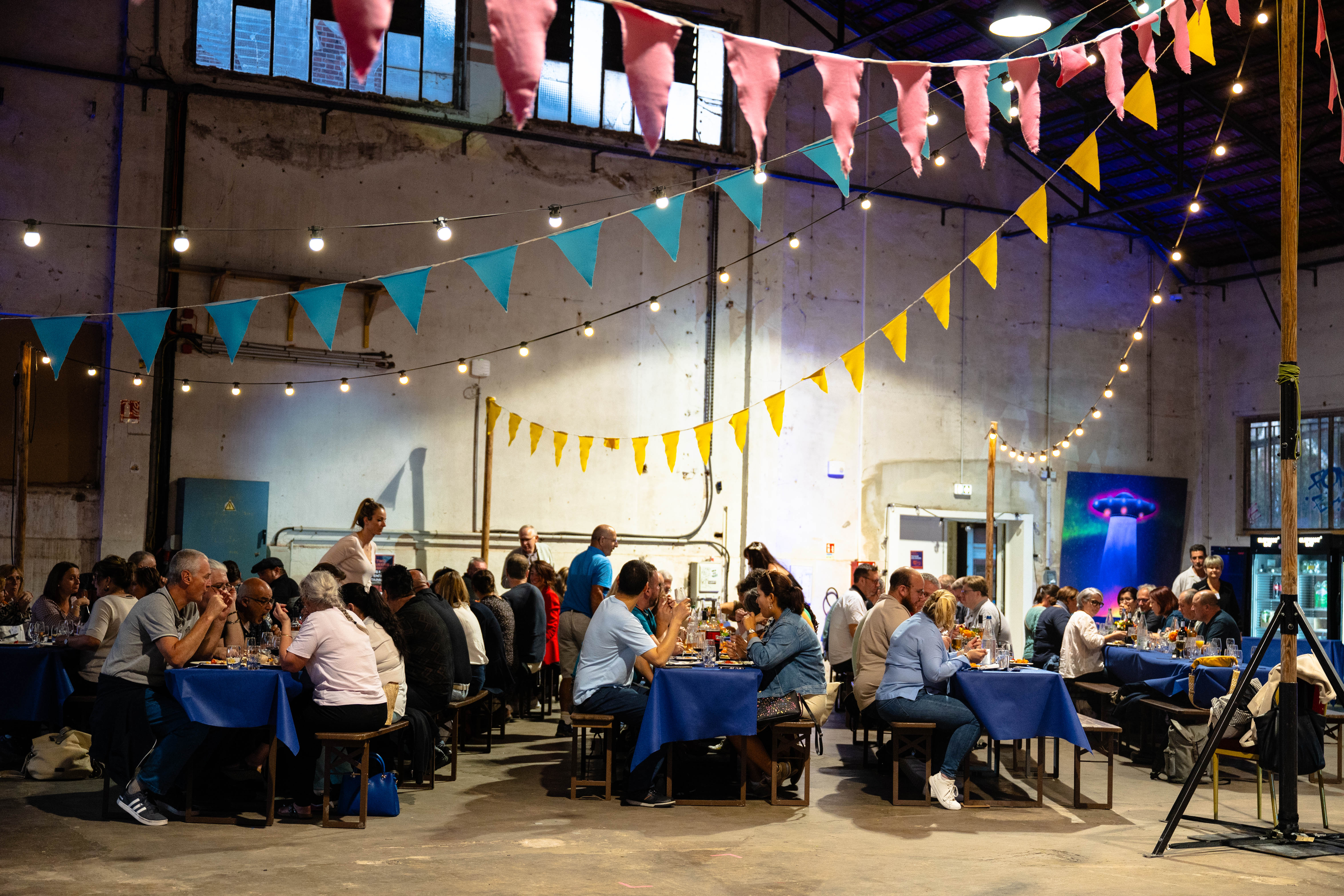
Corporate Team Dinner organisation that keeps people engaged and logistics invisible
INNOV'events is a Brussels-based event agency supporting executives, HR and communications teams with Corporate Team Dinner organisation for 20 to 800+ guests across Belgium. We manage venue sourcing, guest flow, catering, seating plans, technical set-up, suppliers, and on-site coordination so your leadership can stay present with the team.
Whether it is a year-end celebration, leadership dinner, onboarding evening, or post-merger team moment, we translate your objectives into a dinner format that works in real corporate conditions: short timelines, brand sensitivity, and multi-site teams.
Sommaire
A Corporate Team Dinner is not “just a meal”: it is one of the rare formats where leadership can create alignment without slides, strengthen retention, and recognise effort in a way people actually remember. When it is well structured, it supports culture, reduces internal friction, and gives managers a clear moment to reconnect with teams after intense quarters.
Organisations typically expect three things from a professional team dinner: (1) a smooth operational flow (arrivals, seating, speeches, service pace), (2) a tone that matches the company’s reality (not forced, not childish), and (3) risk control (dietaries, accessibility, invoices, reputational and safety considerations). We plan the evening to deliver on those expectations without adding workload to your internal teams.
As an event management company, we work daily with Belgian corporate constraints: governance approvals, procurement rules, complex guest lists, multilingual audiences, and venues with strict neighbourhood rules in Brussels, Antwerp, Ghent and Liège. Our value is practical: we anticipate what can go wrong and we build a plan that keeps your evening on time and on brand.
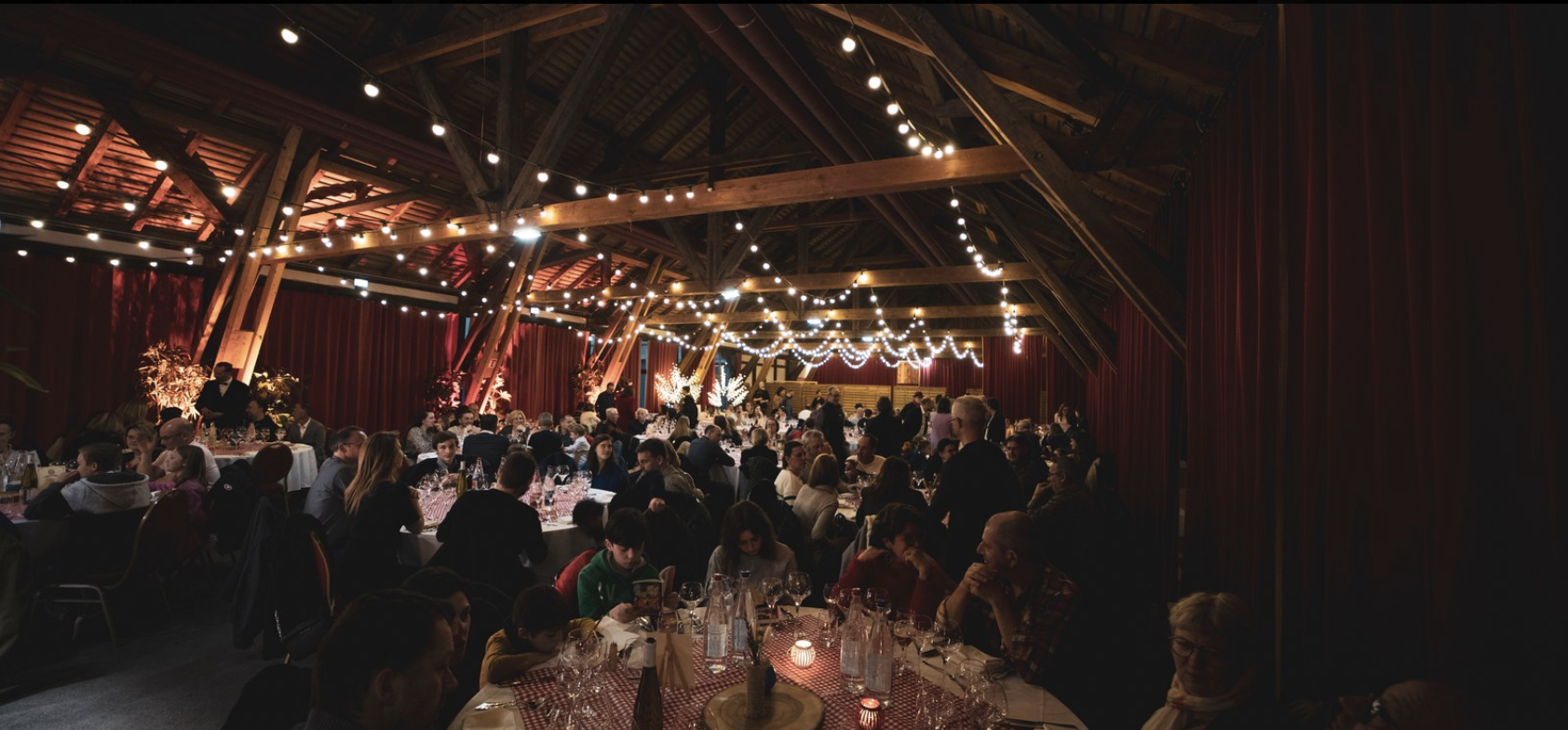
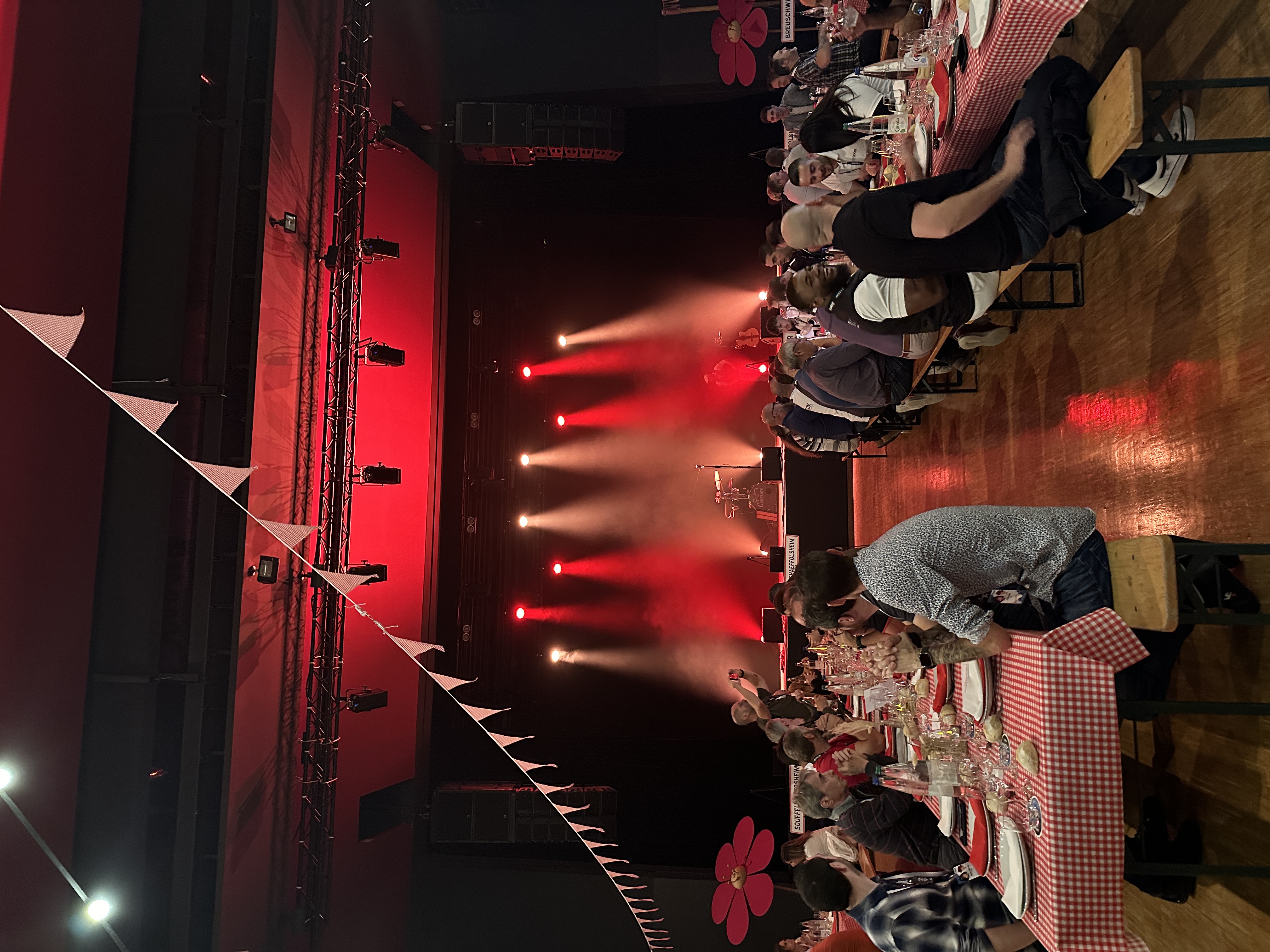
Quick facts decision-makers ask for before they shortlist an agency
Belgium-wide delivery: Brussels, Antwerp, Ghent, Liège and satellite hubs, with one production method and one point of contact.
20 to 800+ guests handled for corporate dinners, including seated dinners, walking dinners and hybrid formats with internal awards.
48-hour proposal window for most requests once objectives, date flexibility and guest count are confirmed.
Supplier network across Belgium: venues, caterers, AV, hosts, entertainment and transport partners used repeatedly and assessed after each event.
How to organize a professional event ?
- Define the objective (cohesion, announcement, fidelity, performance).
- Set date, format and size (20–1 000 people).
- Secure the venue and accommodation according to seasonality.
- Lock down technical, suppliers and logistics.
- Drive the day J (timing, scene, entrance, flow).
We send you a first proposal within 24h.
Why organise a Corporate Team Dinner in a high-pressure business year?
In Belgian companies, calendars are tight and budgets are scrutinised. A corporate team dinner event becomes strategic when it is designed as a management tool: not an expense line, but a structured moment that supports engagement, recognition and cross-team cohesion.
We often see the dinner used at three key moments: after a peak delivery phase, when a new leadership direction needs to land with teams, and when different sites or departments need a “neutral ground” to reconnect outside meeting rooms.
Stronger leadership visibility without a town hall: a short welcome, a clear message, and time at tables creates more trust than a long presentation.
Retention and recognition in a concrete way: managers can recognise contribution publicly with the right tone and timing, without awkwardness.
Cross-silo conversation: a seating plan and service rhythm can be designed to mix teams and reduce “department islands”.
Post-change or post-merger integration: a well-run dinner helps people see each other as colleagues again, not just email addresses.
Employer brand lived internally: consistency between what the company says externally and how it treats its people internally.
Better participation than classic afterworks: dinners, when accessible and well scheduled, tend to bring a wider demographic (including colleagues who avoid loud networking drinks).
Belgian corporate culture values substance, modesty and efficiency. A professional team dinner works when it respects that: clear intent, correct hospitality, and a programme that leaves space for real conversation.
Professional team dinner ideas that feel modern and still corporate-appropriate
Activities should support the dinner’s purpose, not compete with it. We recommend adding engagement when you need to mix departments, energise a multi-site group, or create a structured recognition moment. The best options are light-touch, inclusive and easy to understand without forcing participation.
Interactive animations
Table conversation prompts designed for your context: discreet cards aligned to your values or year themes (safety, innovation, customer focus) to spark natural discussion.
Short hosted moment (10–12 minutes): a professional host guides one simple interaction (e.g., “team highlights”) that keeps energy up without becoming a show.
Company quiz with live voting: 12–15 questions, mixed difficulty, including business milestones and fun cultural references; works well between starter and main course.
Recognition segment with structure: 3–5 awards maximum, clearly framed, with pre-approved scripts to avoid improvised speeches that drag on.
Art animations
Background live music with volume control: jazz trio or acoustic set during reception and starter; the key is sound engineering, not the genre.
Roaming close-up magician: effective for mixed groups because it creates small, shared moments without pulling everyone into one focal point.
After-dinner DJ set (optional): planned as a second phase with a clear transition, so guests who leave after dessert still feel the evening is complete.
Innovative animations
Chef’s station or finishing touch at table: adds theatre without slowing service (e.g., final plating or sauce finishing).
Belgium-inspired dessert moment: refined interpretation rather than heavy nostalgia; we align with dietary constraints and service time.
Alcohol-free pairing: increasingly requested by HR; we propose options that are as premium as wine pairings.
Gourmand animations
Digital seating plan and dietary tracking: reduces last-minute confusion and gives your internal stakeholders confidence before the event.
Light brand scenography: subtle colour palette and set elements aligned to your identity, without turning the dinner into a product launch.
Micro-story video (60–90 seconds): a single, well-produced clip is often more effective than a long speech, especially for multi-site teams.
The rule we apply: any activity must be consistent with your brand image and your company culture. A finance team in Antwerp and a creative team in Ghent will not respond to the same tone. We propose options with a clear rationale, not a catalogue.
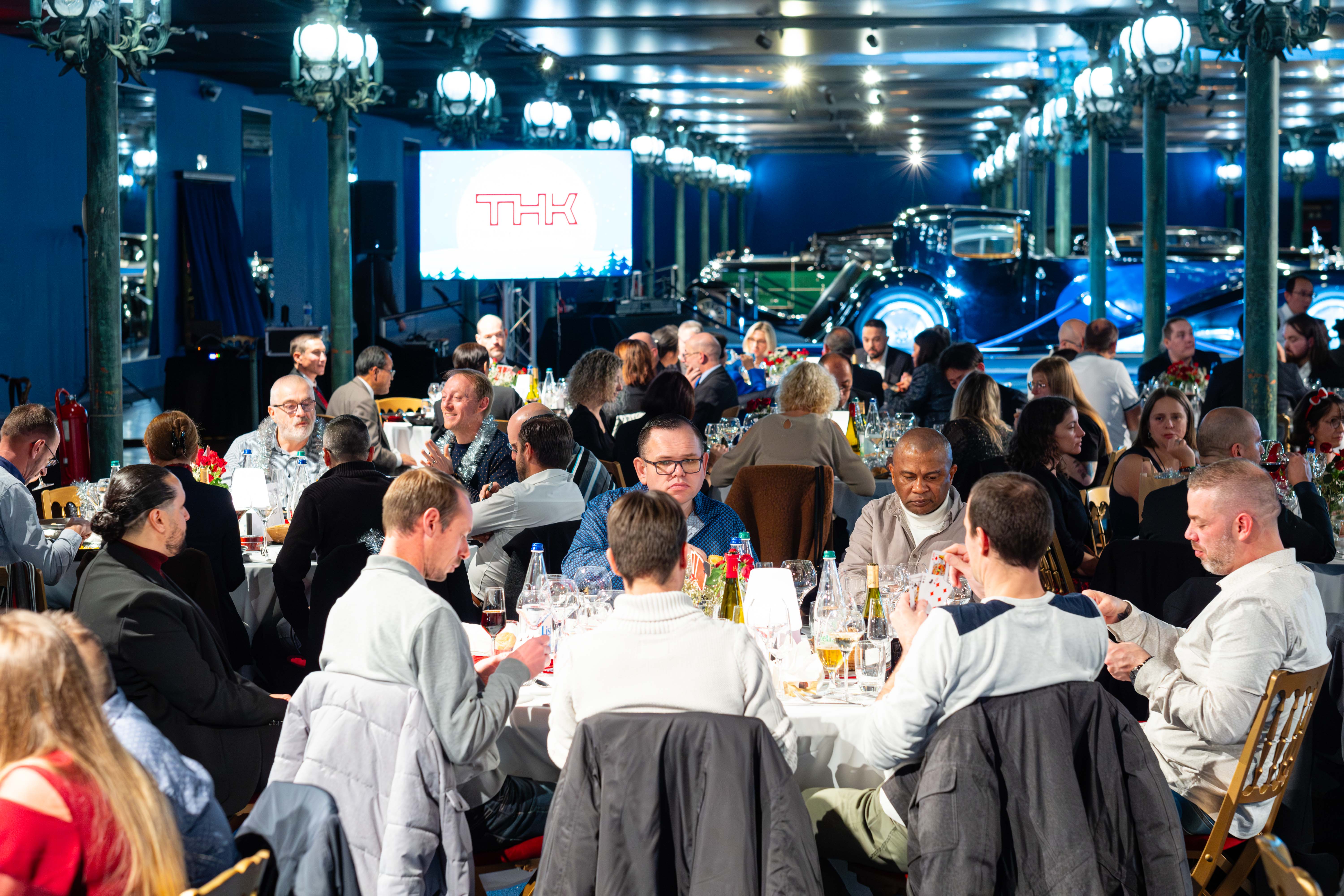
How to choose the right venue in Brussels, Antwerp, Ghent or Liège
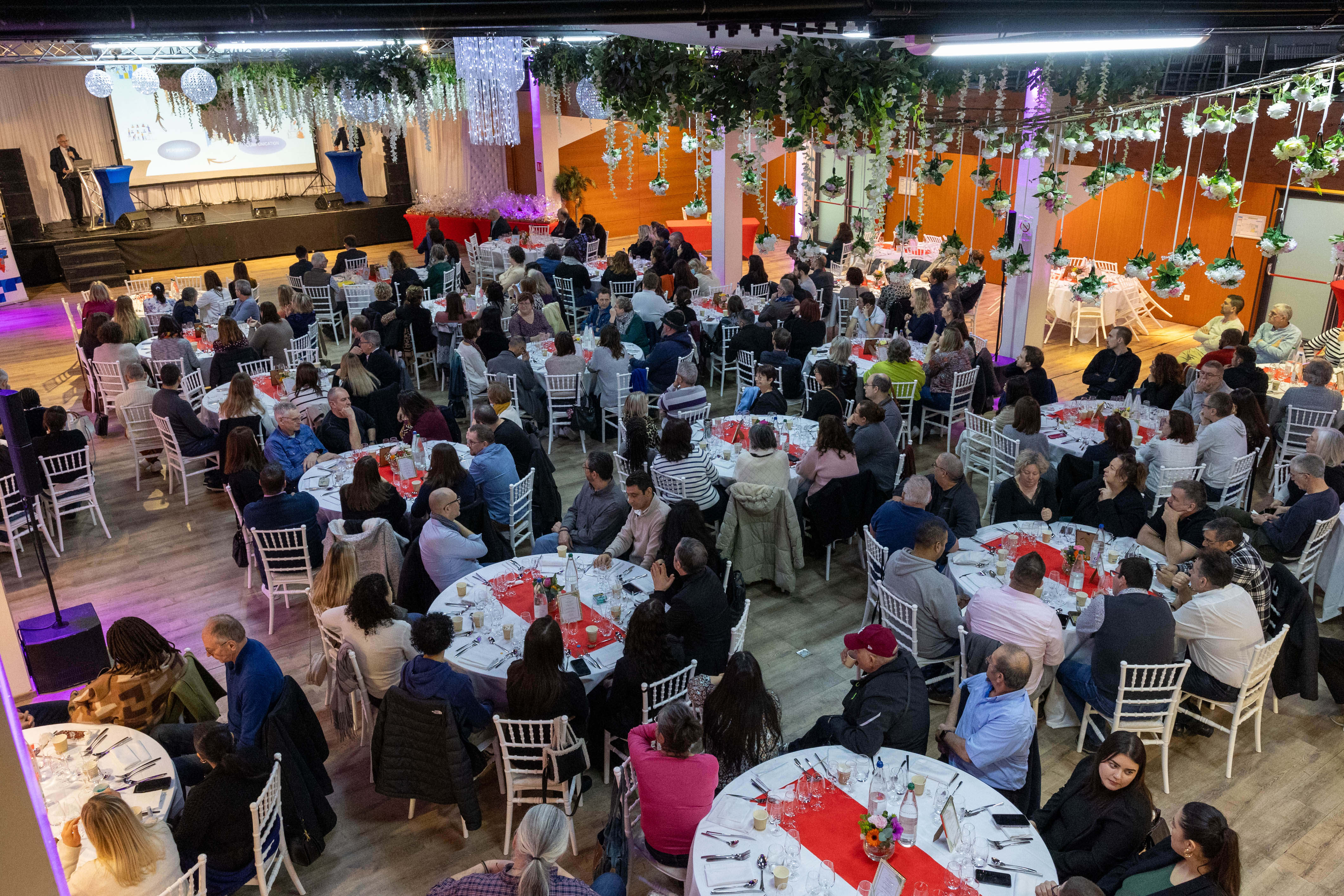
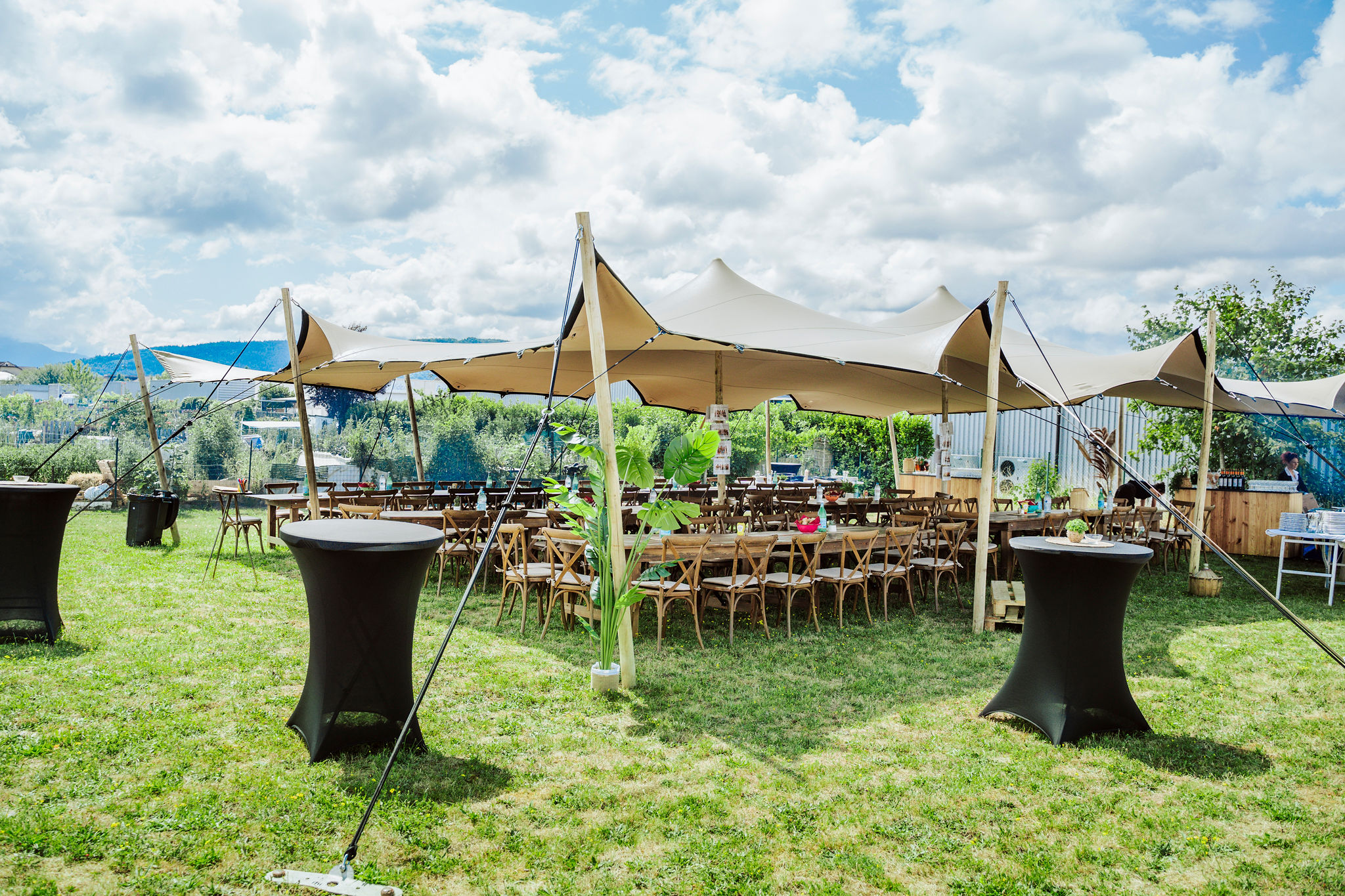
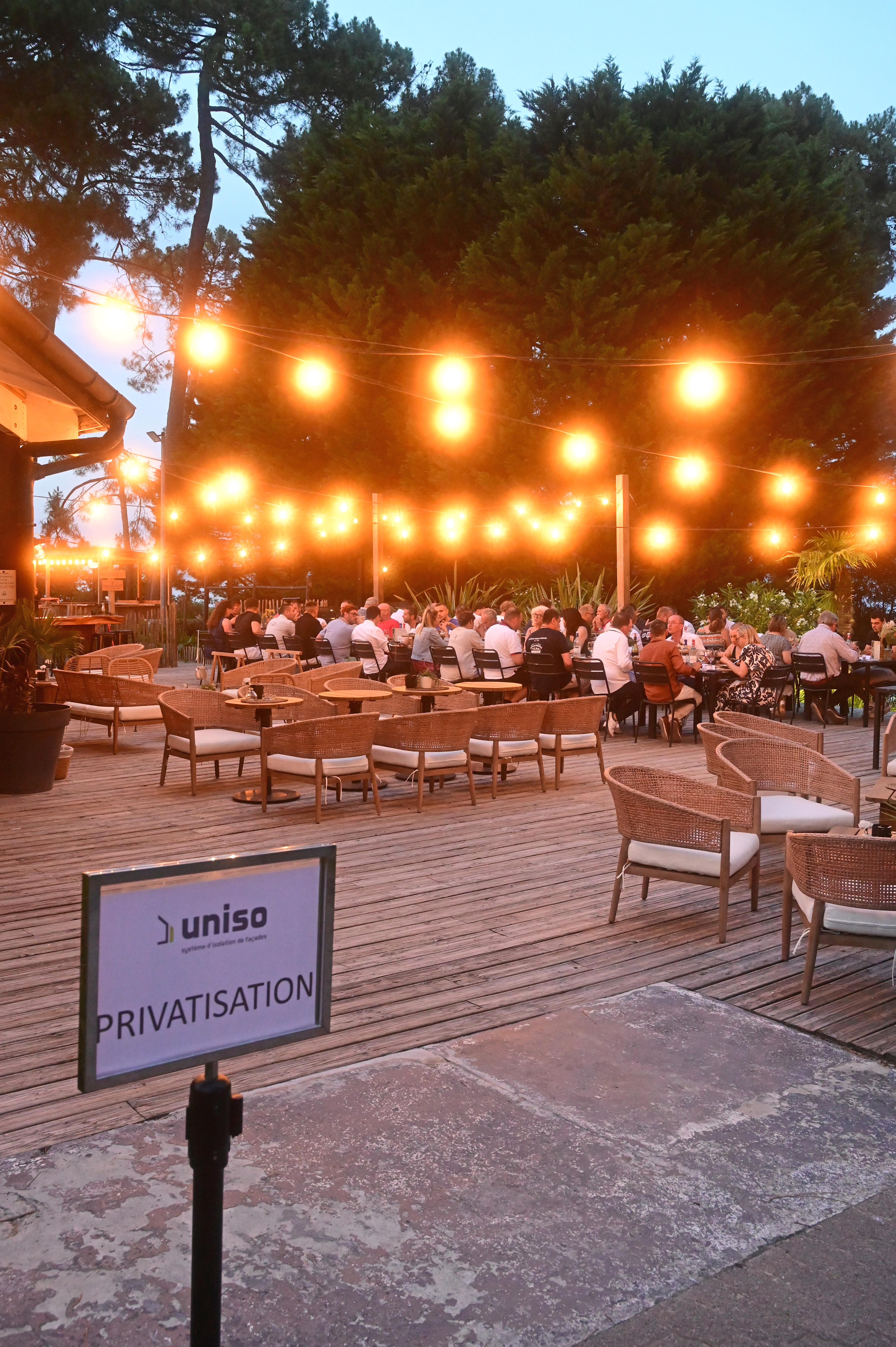
Venue choice determines 70% of guest experience: acoustics, service flow, accessibility, and whether the evening feels controlled or chaotic. For company team dinner planning, we shortlist venues based on your guest profile (public transport vs parking), schedule (weekday vs weekend), and the desired atmosphere (formal seated dinner vs relaxed walking dinner).
We also check the operational details that often cause last-minute stress: loading access for AV, cloakroom capacity, neighbours and noise restrictions, and whether the kitchen can deliver your menu at your scale.
City focus: Brussels | Best for: HQ teams, international audiences, leadership dinners | Venue criteria we prioritise: easy access from EU quarter and stations, controlled acoustics, discreet branding options, professional service standards.
City focus: Antwerp | Best for: large teams, industrial and port-linked companies, premium dining | Venue criteria we prioritise: parking/coach access, room flexibility, late-evening transport options, strong catering execution.
City focus: Ghent | Best for: innovation hubs, universities, tech and scale-ups | Venue criteria we prioritise: contemporary spaces, relaxed vibe, good AV integration, walkable locations for group hotels.
City focus: Liège | Best for: multi-site groups in Wallonia, manufacturing teams, regional leadership dinners | Venue criteria we prioritise: accessibility from surrounding areas, reliable service teams, clear indoor-outdoor contingency options.
Format choice: Seated dinner | Best for: speeches, awards, formal recognition | Watch-outs: long service times if kitchen capacity is limited; we test timing and adjust menu complexity.
Format choice: Walking dinner | Best for: networking, mixing departments | Watch-outs: needs enough high tables and circulation; we plan the flow to avoid food queues.
We can manage venue search end-to-end: shortlist, site inspections, technical checks, option holds, contracting, and the coordination with venue operations on the day. This is where a strong event management company prevents costly surprises.
Corporate staff dinner event budgets in Belgium: what drives the cost
Budget for a corporate staff dinner event depends on the guest count, location, date, catering style, and the level of technical and staffing support required. What matters for leadership teams is not only the total, but cost predictability: no hidden extras, no last-minute supplier add-ons, and clear options to scale up or down.
As a reference, many Belgian corporate dinners fall in the range of €120 to €250 per person all-in for a well-executed evening (venue + catering + basic AV + coordination), with premium formats, complex entertainment, or high-end venues going above that. We confirm realistic ranges once we know your constraints.
Guest count and service model: seated (3-course) vs walking dinner; staffing levels and kitchen throughput drive cost more than menu wording.
Venue hire and exclusivity: private room vs full buy-out; city centre locations in Brussels and Antwerp can require earlier bookings and higher minimum spends.
Food and beverage structure: welcome drink, wine pairing, alcohol-free pairing, open bar duration; we plan consumption realistically to avoid waste.
Technical production: microphones, speakers, lighting, stage, screens; even “simple” speeches require professional sound to avoid embarrassment.
Branding and scenography: signage, table styling, subtle brand colours; we keep it corporate and clean, not promotional.
Entertainment and hosting: from a discreet musician to a host-led segment; pricing depends on duration, riders and rehearsal time.
Transport and accommodation: shuttles, taxis, hotel blocks for multi-site teams; often crucial for attendance and duty of care.
Timing and seasonality: November–December and key Thursdays are in high demand; earlier planning improves venue choice and pricing.
Return on investment is measured in outcomes you can observe: higher attendance, better cross-team interaction, leadership visibility, and fewer internal complaints about organisation. We help you spend where it changes the experience (flow, sound, service) and cut what does not.









What we deliver in practice: formats and constraints we handle
Our dinner projects range from intimate executive dinners to large-scale end-of-year celebrations. We adapt the format to your company’s footprint and operational reality, not the other way around.
Examples of situations we routinely manage in Belgium:
- Multi-site attendance: teams coming from different offices across Belgium, requiring transport planning, staggered arrivals, and a start time that works for commuters.
- Mixed seniority at the same tables: designing seating that supports openness while respecting hierarchy and team dynamics.
- Strict timing: dinners that must end at a fixed hour due to venue rules or last trains; we plan speeches and service accordingly.
- Dietary complexity: high percentage of allergies and preferences; we implement a robust tracking and kitchen communication process.
- Brand sensitivity: discreet corporate branding that looks professional in photos without feeling like a marketing activation.
This is what clients mean when they say they want a “smooth evening”: not luck, but structured production and experienced on-site management.
Common Corporate Team Dinner risks (and how we prevent them)
Speeches that run too long: we set a running order, rehearse transitions, and brief speakers with realistic timing.
Bad acoustics: we do a technical check and specify sound equipment that matches the room, not the venue’s default package.
Queues at arrivals or bar: we plan staffing, points of service, and room layout to keep circulation fluid.
Kitchen timing issues: we validate menu complexity against guest count and service windows, and we manage dietary execution.
Unclear responsibilities on-site: we implement a command structure (client liaison, venue lead, catering lead, AV lead).
Budget drift: we provide option tiers and track changes with written approvals, so procurement is never surprised.
Last-minute guest list changes: we set cut-off dates and a realistic process for late edits, including table rebalancing.
Your role should be to host, not to troubleshoot. Our job as an event management company is to foresee these risks early and build a plan that keeps them invisible on the night.
Why corporate clients return: consistency, not promises
Recurring clients typically do not come back for “ideas”. They come back because execution is reliable, communication is clear, and the agency understands internal pressures: approvals, brand risk, and the expectation that everything runs to the minute.
We build long-term relationships by documenting what matters: supplier performance, timings, guest feedback, and the operational decisions that improved the experience.
Recurring formats supported: annual year-end dinners, quarterly leadership dinners, project milestone evenings, onboarding dinners for new cohorts.
Operational continuity: we keep your event files updated (preferences, pitfalls, venue learnings) to reduce workload each year.
Scalable delivery: the same method works for 40 guests in Brussels or 400 across Belgium, with the right adjustments.

Loyalty is proof of quality in corporate events because the benchmark is not creativity; it is dependable delivery under real constraints.
Our Corporate Team Dinner planning process, step by step
👉 Step 1: Define the objective, constraints, and success criteria
We run a focused briefing with your sponsor (executive), HR, and communications. We confirm the purpose (celebration, recognition, integration, leadership message), the guest profile, the tone, and non-negotiables such as end time, accessibility, and compliance constraints. Output: a written event brief and first budget corridor.
👉 Step 2: Venue and format shortlist with operational checks
We propose a curated shortlist (typically 2–4 options) with pros/cons linked to your objective: acoustics, service rhythm, transport, parking, and contingency options. We check access times, neighbour restrictions, and kitchen capacity. Output: comparative venue note and a recommended option.
👉 Step 3: Catering design and dietary process
We design a menu and beverage structure that matches your timing and audience. We implement a dietary collection method (invite data, tracking sheet) and align labelling with the caterer. Output: final menu proposal, service plan, and dietary workflow.
👉 Step 4: Programme, seating plan, and content support
We build a realistic running order (arrival, starter, main, speeches, awards, dessert, after-dinner). We prepare speaker briefs and coordinate any visuals, music cues, and scripts. We also design a seating approach (open seating vs assigned, leadership placement, team mix). Output: detailed timeline and seating logic.
👉 Step 5: Technical production and supplier coordination
We specify AV (sound intelligibility first), lighting, staging if needed, and any branding elements. We align load-in, rehearsals, and supplier call times. Output: technical plan, supplier schedule, and risk register with mitigations.
👉 Step 6: On-site delivery and discreet issue management
Our team manages arrivals, guest flow, timing, supplier coordination, and last-minute changes (late arrivals, speech edits, table adjustments). We keep you informed only when decisions are needed; otherwise we solve issues quietly. Output: a smooth evening where your leadership can focus on people.
👉 Step 7: Debrief and next-edition improvements
After the event, we provide a debrief: what worked, what to improve, supplier performance notes, and recommended adjustments for next year. Output: a clear improvement plan that saves time and budget for the next edition.
FAQ sur l'organisation Corporate Team Dinner
How far in advance should we book a team dinner?
For peak season (mid-November to mid-December), plan 8–12 weeks ahead for the best venues in Brussels and Antwerp. Outside peak season, 3–6 weeks is often workable, depending on guest count and day of the week.
What is a realistic budget per person in Belgium?
For a professionally delivered Corporate Team Dinner, many companies spend €120–€250 per person all-in. Premium venues, complex entertainment, or high production requirements can push budgets above €300 per person.
Seated dinner or walking dinner: which works best?
Choose seated if you need speeches, awards, or formal recognition. Choose walking if your goal is networking and mixing departments. For 150+ guests, walking dinners reduce long service times, but they require enough space and service points to avoid queues.
How do you manage allergies and dietary requirements?
We collect dietaries in advance, structure them into a kitchen-ready format, and implement a service identification method (labels, table plan notes, or token system depending on venue). For large groups, we recommend a cut-off date and a controlled late-change process to avoid service errors.
Can you organise a team dinner across multiple Belgian sites?
Yes. We can centralise everyone in one city with transport support, or deliver parallel dinners in Brussels, Ghent, Antwerp and Liège under one concept and one governance process. The right approach depends on travel time, leadership availability, and whether you want one shared moment or local cohesion.
Request your free quote for a Corporate Team Dinner
If you are comparing agencies, we can help you decide quickly with a clear proposal: venue options, recommended format, a realistic running order, and an itemised budget structure. Share your date(s), city preference (Brussels, Antwerp, Ghent, Liège), guest count, and any non-negotiables, and we will revert with a free quote within 48 hours for most projects.
For end-of-year periods, earlier planning gives you better venue choice and smoother procurement approvals. Contact INNOV'events to secure options and reduce risk before calendars fill up.