
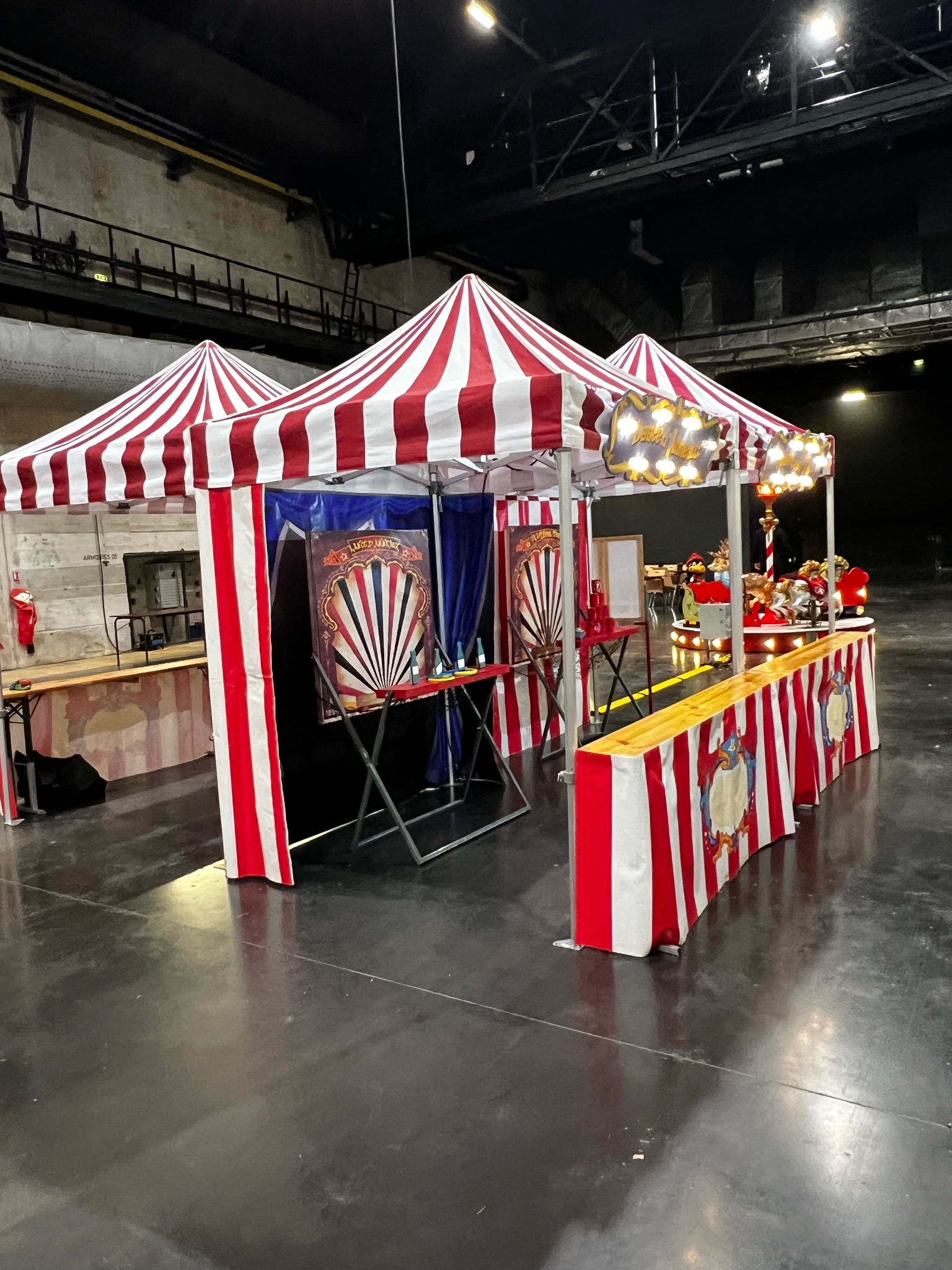
Kermisanimatie in Brussel that keeps guests moving, smiling, and on schedule
INNOV'events is a Brussels-based team delivering Kermisanimatie for corporate events from 50 to 2,000 attendees. We manage concept, staffing, set-up, safety, timing, and on-site coordination so your HR and Comms teams can focus on people and messaging.
Whether you need a compact fair corner for an afterwork or a full mini-fair for a family day, we build a controlled experience: clear guest flow, reliable power, weather plan, and a run sheet that respects your agenda.
Sommaire
Entertainment is not “nice to have” in a company event: it is a practical tool to create circulation, reduce awkward downtime, and make networking easier across departments. Done properly, Kermisanimatie turns a passive cocktail into an active format where guests naturally mix, managers are visible without being pushed, and participation becomes measurable.
In Brussel, organisations typically expect multilingual hosting (FR/NL/EN), strict timing (venues with fixed noise windows), and a premium look that aligns with brand standards. Decision-makers also want predictable operational risk: no messy queues, no improvised power solutions, no last-minute supplier surprises.
Our team operates weekly across Brussel and the wider region, with a supplier network built for corporate constraints: compliant equipment, trained staff, and logistics adapted to city access rules. We approach entertainment like an operational module of your event, not a standalone “show”.
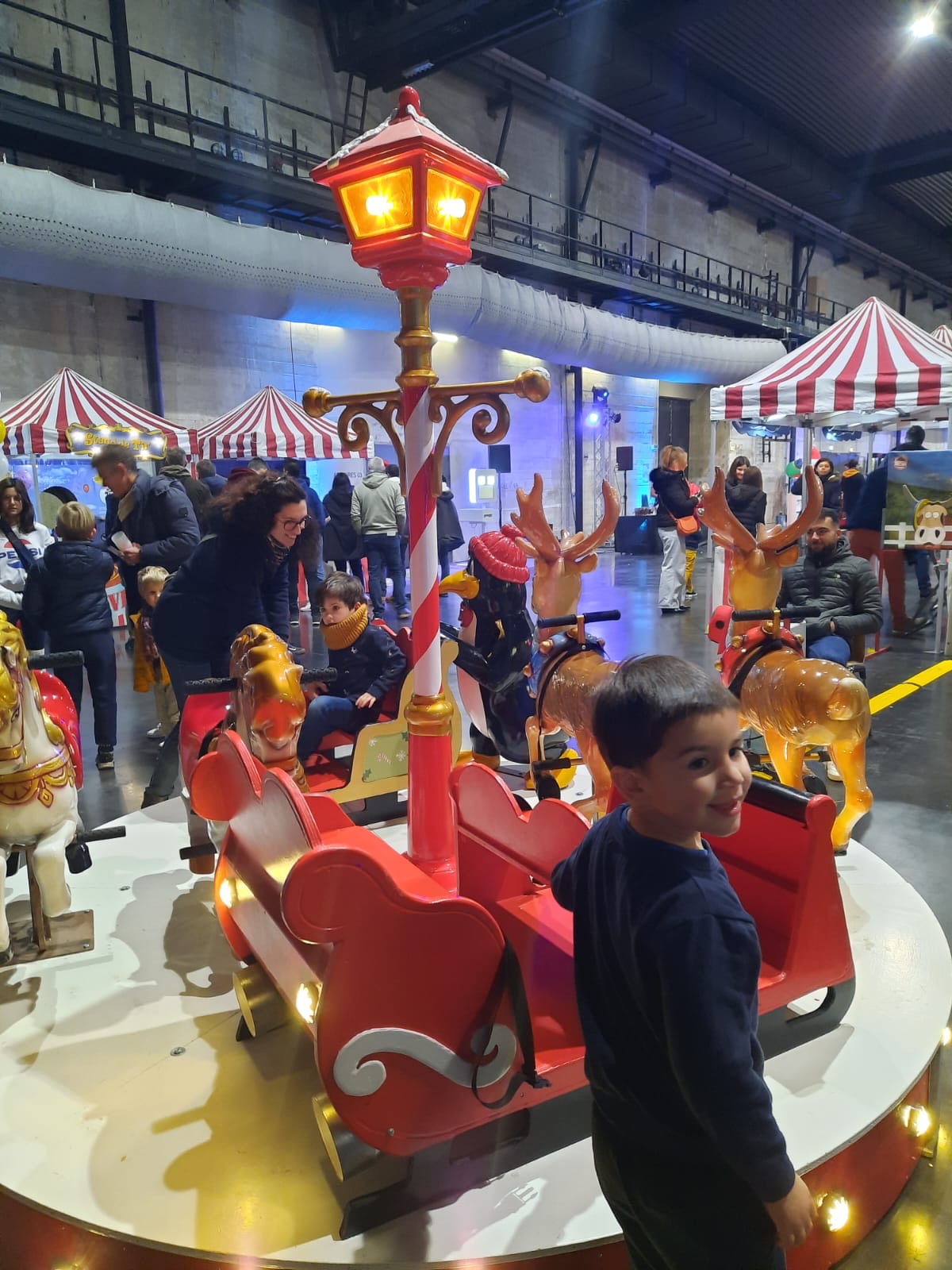
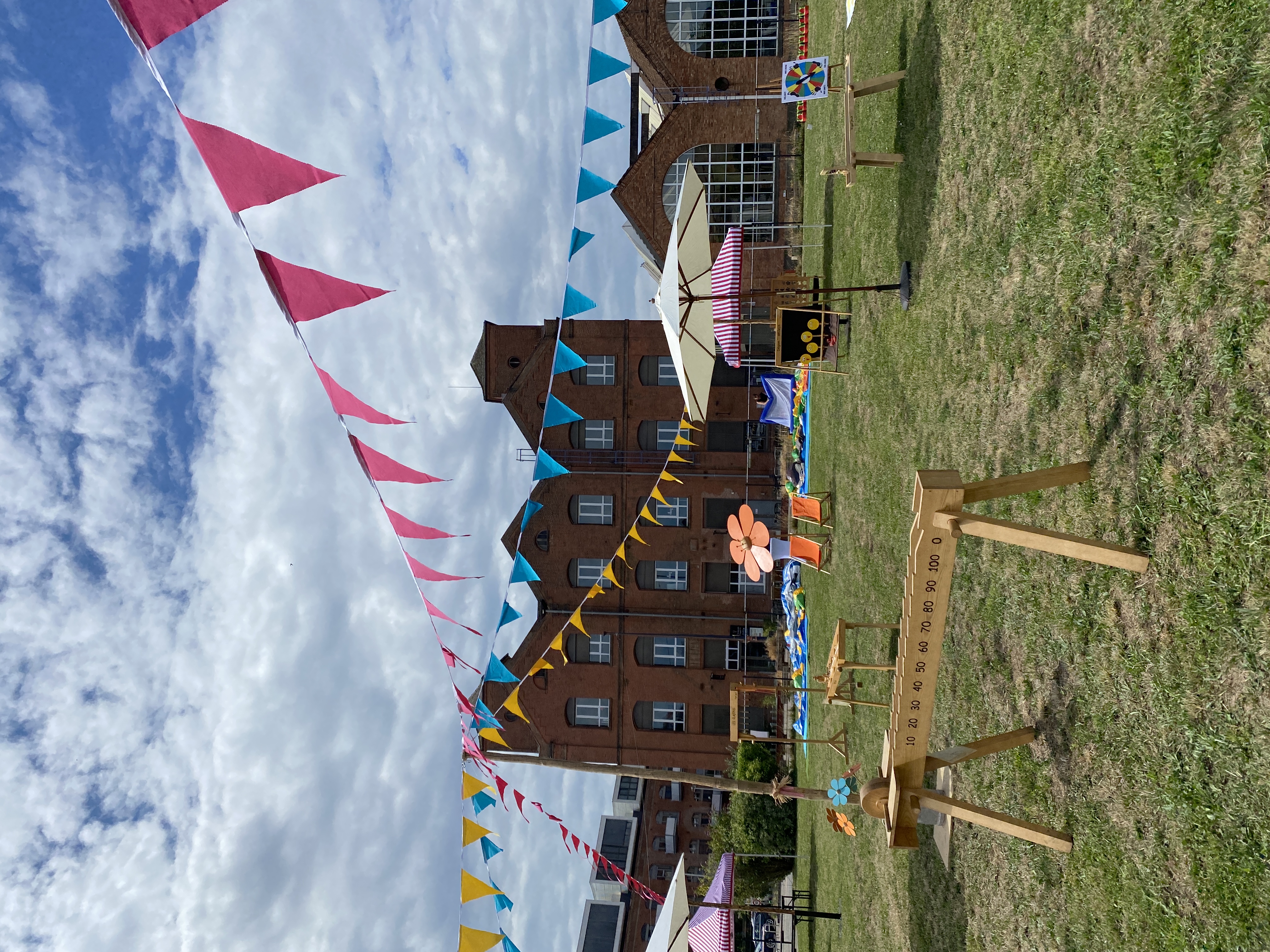
Brussel credibility checkpoints executives ask for
10+ years producing corporate entertainment formats, including structured Kermisanimatie in Brussel for internal and public-facing events.
50–2,000 guests: proven capacity from compact indoor corners to multi-zone fairs with timed rotations and controlled queues.
Multilingual staffing (FR/NL/EN) and briefing culture aligned with Brussels audiences and international HQ standards.
Single production lead on-site: one accountable person for timing, vendors, and safety coordination.
Brussels references and recurring corporate partnerships
INNOV'events supports organisations active in Brussel that need reliable event execution under brand, HR, and security constraints. A significant share of our clients renew year after year because they want continuity: the same agency that knows their internal approval cycle, their venue preferences, and their non-negotiables (access badges, insurance requirements, multilingual signage, and data protection when photos are involved).
If you share the company names you want us to mention, we will integrate them as local references in this section in a compliant way (e.g., “annual family day” or “end-of-year internal event” without disclosing sensitive details). In the meantime, what matters most for you as a director is our operating model in Brussel: stable teams, pre-approved vendor pools, and a production approach designed for corporate governance rather than festival improvisation.
 Besoin d’un devis rapide ?
Nous vous envoyons une première proposition sous 24h.
Why Brussel leadership teams use Kermisanimatie to drive participation
For executives and HR leaders, the goal is rarely “fun” as a standalone objective. The strategic value is the behavioural impact: participation, cross-team interaction, and a positive memory linked to the organisation’s culture. A fair-format works because it creates multiple micro-moments (play, taste, win, laugh, talk), which reduces social friction and gives every profile a comfortable entry point.
Higher participation without forcing it: fair games create a natural reason to join in, even for colleagues who avoid dance floors or long speeches.
Better mixing across silos: by designing stations with short cycles (2–4 minutes) and a visible flow, you reduce “department clusters” around the same tables.
Manager visibility in a non-intrusive way: executives can circulate, hand out small prizes, or host a station for 15 minutes—high impact, low “formal speech” pressure.
Employer branding you can control: a clean, well-produced corporate event entertainment in Brussel format photographs well, looks safe, and avoids anything that could harm reputational standards.
Family inclusion with clear boundaries: for family days, we separate kid-friendly zones (supervised, age-appropriate) from adult areas, so the event feels inclusive without becoming chaotic.
Measurable engagement: tokens, scorecards, or RFID-based participation (when appropriate) can provide basic data: station popularity, peak times, and total participation—useful for HR reporting.
Brussel is a dense business ecosystem with many international teams. A structured fair format works particularly well here because it bridges languages and cultures through simple, universal interactions—provided the production is tight and the guest journey is designed.
What companies in 1000 expect from entertainment production
Operating in Brussel is not the same as operating in a warehouse zone outside the city. Access windows, loading constraints, and venue rules often dictate the entire production plan. We routinely adapt to:
- Complex logistics: narrow loading bays, limited elevators, booking time slots, and strict rules for parking and unloading. We plan compact, modular equipment and pre-assemble what can be pre-assembled.
- Noise and neighbourhood constraints: many venues and office locations impose strict sound limits and end times. We use low-noise formats (skill games, visual animation, silent scoring) and schedule any sound moments tightly.
- Multilingual audiences: stations need staff who can welcome and explain quickly in FR/NL/EN; signage must be clear and not overloaded. We brief teams with approved wording and escalation paths.
- Security and compliance: corporate sites may require background checks, badge lists, or safety documents. We prepare a vendor file (insurance, risk notes, electrical specs) early to avoid last-minute friction.
- Brand governance: communication teams want visual coherence—colours, typography, and no “cheap fair” look. We specify materials, counter finishes, and signage templates aligned with your brand guidelines.
A common Brussels reality: the agenda is tight (speech, awards, networking, dinner) and entertainment must enhance flow rather than compete with content. We therefore design Kermisanimatie as a timed module with clear “start/peak/close” moments.
Which Kermisanimatie options work best for corporate events in Brussel
Engagement comes from short cycles, clear rules, and immediate reward. In a corporate setting, the best stations are those that can handle volume, avoid embarrassment, and encourage colleagues to cheer each other on. Below are formats we regularly deploy in Brussel, with practical notes on where they work and what they require.
Animations Interactives à Brussel
Token-based challenge circuit: guests receive 5–10 tokens and choose stations (ring toss, ball-in-bucket, mini basketball). Works well for mixed audiences because it creates autonomy and smooth circulation. Operational note: tokens reduce cash handling and speed up participation.
Team scorecard competition: departments or cross-functional teams collect points across stations. Ideal for HR objectives (mixing). We recommend 60–90 minutes for meaningful participation and a short award moment at the end.
Quick-win skill games: tests of precision or reflexes with a 2–3 minute cycle time. These are excellent for cocktail formats because they don’t “trap” guests for long.
Photo checkpoint: a controlled photo corner (branded backdrop, props that match corporate tone). We align with your privacy policy and provide a clear opt-in approach when needed.
Animations Artistiques à Brussel
Strolling characters with a corporate-friendly aesthetic: rather than loud mascots, we use elegant fair-inspired hosts who can guide guests, hand out tokens, and trigger participation. This is particularly effective in Brussels venues with strict noise constraints.
Mini mentalism or close-up segments between game areas: short, repeatable sets that do not interrupt the flow. Best for executive attendance because it feels premium while remaining operationally light.
Live signage and calligraphy for prizes or personalised cards: works well for client events where you want a take-away that does not look like “cheap merchandise”.
Animations Innovantes à Brussel
Waffle or crêpe station with controlled throughput: in Brussel, this reads as authentic but must be engineered to avoid queues. We limit the menu (2–3 toppings), pre-portion key ingredients, and define a service lane.
Popcorn and candy floss as a “moving snack” solution: ideal to keep guests circulating. We plan placement away from technical areas to avoid sticky surfaces near equipment.
Chocolate or speculoos tasting corner: works for premium internal events and client receptions. We can integrate a short “pairing” script (1 minute) to create a shared moment without turning it into a workshop.
Animations Gourmandes à Brussel
Cashless wristband or QR participation: useful for large crowds where you want participation metrics and queue speed. We keep data minimal and compliant, focusing on station counts rather than personal profiling unless explicitly requested.
Hybrid fair + CSR mechanics: points earned convert to a donation cap (agreed in advance). This is effective for Brussels organisations that want engagement linked to purpose without making the event feel like a fundraiser.
Design-led fair booths: modern materials, clean counters, subtle lighting. This is the difference between “office fun” and entertainment that fits a board-level brand environment.
The key decision is alignment: the station list must reflect your brand image, your audience profile, and the venue constraints in Brussel. We help you avoid the common mismatch—great ideas on paper that fail on the night because of noise, throughput, or visual standards.
Where to host Kermisanimatie in Brussel without logistics pain
The venue determines what is realistically possible: ceiling height, access doors, power distribution, and acoustic rules shape the entertainment plan. For corporate Kermisanimatie, we look for spaces that allow clean circulation and safe installation—especially in dense Brussels areas where load-in is time-boxed.
| Venue type | For which objective? | Main strengths | Possible constraints |
|---|---|---|---|
Corporate HQ atrium or lobby (Brussels office) | Afterwork engagement, employer branding, internal milestone | High attendance, familiar environment, strong brand control, easy comms | Strict building rules, limited load-in time, noise limits, power distribution constraints |
Event venue / dedicated reception hall in 1000 | End-of-year party, awards + entertainment module | Professional infrastructure, better acoustics, easier vendor access, higher production ceiling | Cost per hour, fixed schedules, exclusivity constraints, preferred supplier lists |
Indoor industrial-style space (converted site) | Large-scale fair with multiple stations and food corners | Space for circulation, strong visual impact, flexible zoning | Heating/comfort planning, additional power needs, more signage needed for wayfinding |
We strongly recommend a site visit (or at minimum a technical call with photos, plans, and access details). In Brussel, the difference between a smooth build and a delayed opening is often one door width, one elevator, or one loading time slot.
What budgets look like for Kermisanimatie in 1000
Pricing for Kermisanimatie in Brussel depends on operational parameters more than on “ideas”. The same station list can vary significantly based on access, staffing hours, and production level. For corporate clients, we build budgets that are defendable internally: clear line items, assumptions, and options.
Number of stations and throughput target: 3–5 stations for 80–150 guests; 6–10 stations for 200–500; beyond that, we design zones and rotation to avoid saturation.
Staffing and supervision: animators, a floor manager, host/MC if needed, and dedicated supervision for kids’ areas in family formats.
Production finish level: basic fair props vs. design-led booths, branded signage, lighting, and coherent staging that meets corporate visual standards.
Food & beverage integration: cooking on site changes needs (power, hygiene, waste, service lanes). “Serve-and-go” formats are faster and usually cheaper to operate than made-to-order menus.
Venue constraints in Brussel: access windows, loading distance, elevator limitations, and time restrictions can increase crew time.
Timing: half-day vs. evening vs. full-day with family access impacts staffing, set-up, and breakdown.
Compliance and documents: insurance certificates, risk notes, venue method statements, and security coordination can require additional production time—often essential in corporate buildings.
We frame budget choices around ROI: reducing queues (and frustration), protecting schedule, and maintaining brand perception are measurable outcomes. In practice, the cost of “under-producing” is often paid on the event day through delays, safety stress, and negative internal feedback.
Why choosing a Brussel-based agency reduces risk on event day
With Kermisanimatie, many issues only appear on site: access delays, power surprises, last-minute agenda shifts, and crowd behaviour. Working with a team established in Brussel reduces these risks because we know the city realities and can react fast with nearby resources.
As an event agency in Brussel, we also understand corporate expectations here: multilingual hosting, international guest profiles, and the governance level that comes with EU-facing organisations and headquarters. That local fluency is operational, not just geographic.
- Faster site coordination: easier scouting, technical checks, and last-minute adjustments.
- Supplier reliability: vetted local partners who respect corporate timings, appearance standards, and documentation.
- Logistics realism: planning based on Brussels access constraints, not assumptions.
- On-site accountability: one production lead empowered to make decisions to protect your schedule and brand.
We frame budget choices around ROI: reducing queues (and frustration), protecting schedule, and maintaining brand perception are measurable outcomes. In practice, the cost of “under-producing” is often paid on the event day through delays, safety stress, and negative internal feedback.




What we deliver in Brussel: from compact corners to full fair formats
Our Brussels projects range from “add energy to a formal reception” to “build an all-afternoon family event with controlled kids’ zones”. We adapt the same core principles—flow, safety, and brand alignment—to very different contexts.
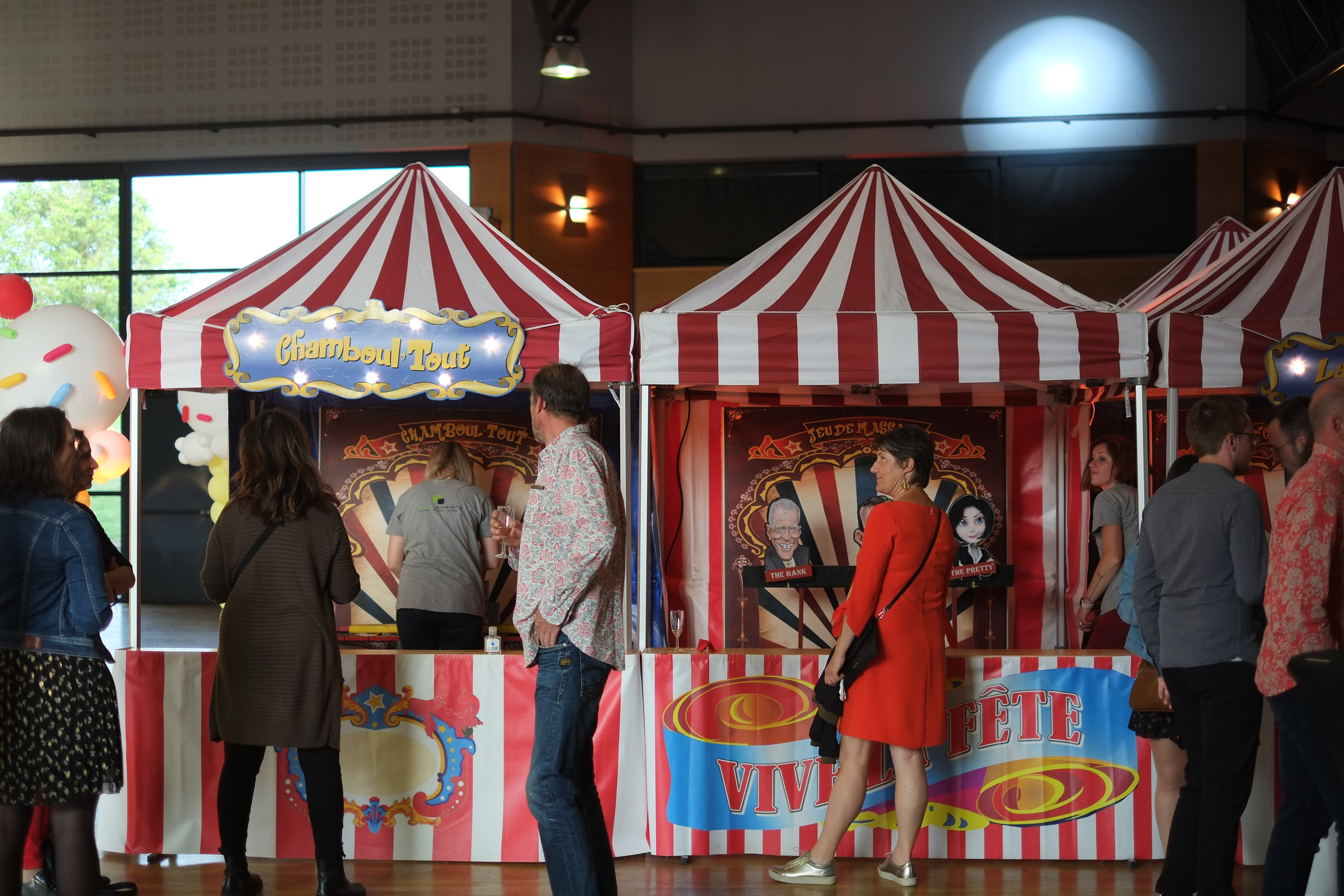
- Afterwork in a headquarters lobby: 3–4 fast-cycle stations, light food corner, multilingual hosts, and a strict timing plan that respects neighbours and building management rules. The success metric here is smooth circulation and short queues, not the number of props.
- End-of-year corporate party: fair module integrated between speeches and dinner, with a defined “peak moment” (prize draw or team challenge results) that supports internal communication objectives.
- Family day in Brussels: separated zones by age group, dedicated supervision, clear signage, and a safety-first installation. The success metric is parent confidence and consistent control, not maximal intensity.
- Client-facing reception: premium-looking booths, elegant hosts, and low-noise formats where conversations remain possible. The success metric is brand perception and hospitality quality.
In each case, we build the production file the way corporate stakeholders need it: assumptions, staffing plan, venue requirements, and a practical run sheet.
Common mistakes companies make with Kermisanimatie in Brussel
Underestimating queues: one popular station can stall an entire event. We prevent this through parallel options and cycle-time design.
Ignoring access constraints: Brussels load-in restrictions can delay opening. We plan modular builds and realistic timelines based on site checks.
Weak power planning: plugging “as we go” creates outages and safety hazards. We provide a circuit plan and cable management.
Too much noise for the venue: the event becomes stressful and complaints follow. We select low-noise formats and control sound moments.
Brand mismatch: cheap-looking props harm image, especially with external guests. We specify finishes, signage, and staff dress code.
No clear ownership on the day: without a single production lead, issues bounce between suppliers. We assign one accountable on-site coordinator.
Our role is to anticipate these risks before you commit budget and internal communication around the event. In Brussel, prevention is what keeps the day calm for leadership, HR, and venue stakeholders.
Why Brussel clients renew with INNOV'events year after year
Recurring clients are usually not looking for “new ideas” every year—they want predictable delivery with enough refresh to keep employees engaged. Loyalty is built when an agency respects internal processes and reduces workload for HR and Comms teams.
Single point of contact from briefing to on-site: fewer misunderstandings, faster approvals.
Documented learnings from one edition to the next: what peaked, where queues formed, what the venue required, what leadership preferred.
Option-based budgeting: we propose clear upgrades/downgrades so you can adapt to annual budget cycles without redoing everything.
Reliable staffing: consistent quality of animators matters more than many companies expect; it’s often the difference between a polished experience and a messy one.

In practice, loyalty is the strongest proof of quality in Brussel: teams come back when the event day is calm, the brand is protected, and feedback from employees is clearly positive.
Our Brussel delivery process from brief to debrief
👉 Step 1 (Brussel): Operational brief and success criteria
We start with what matters internally: audience profile, purpose (HR, employer branding, client hospitality), timing constraints, and non-negotiables (brand rules, security, multilingual needs). We define measurable success criteria: participation targets, queue tolerance, and key moments to protect in the agenda.
👉 Step 2 (1000): Concept, station architecture, and flow plan
We translate objectives into a station plan: number of modules, cycle time per station, and a layout that supports circulation. You receive a clear proposal with options (e.g., compact 4-station corner vs. 8-station multi-zone) and the operational implications of each choice.
👉 Step 3 (Brussel): Venue technical alignment and compliance file
We confirm access, loading, power, and venue rules. We prepare the vendor/compliance pack typically requested in Brussels venues and corporate buildings: insurance, risk notes, electrical needs, staffing list, and timing. This step prevents day-of friction with building management or security.
👉 Step 4 (1000): Production, staffing briefings, and run sheet integration
We lock suppliers, staffing, and a minute-by-minute run sheet that integrates catering, speeches, and entertainment peak moments. Animators receive a scripted briefing (welcome lines, rules, escalation) and appearance guidelines aligned with your brand and audience.
👉 Step 5 (Brussel): On-site execution and real-time adjustments
Our production lead manages build, opening, and operations: queue management, station balancing, and coordination with venue and catering. If the agenda shifts (common in executive events), we adapt the entertainment module without losing control of flow or safety.
👉 Step 6 (1000): Debrief and next-edition recommendations
After the event, we provide a practical debrief: what worked, what to change, and how to optimise budget and flow next time. For recurring Brussels clients, this documentation is what reduces internal workload year after year.
FAQ sur l'organisation Kermisanimatie à Brussel
How early should we book Kermisanimatie in Brussel?
For peak periods (June, September–December), plan 6–10 weeks ahead. For smaller indoor formats, 3–5 weeks can work if the venue confirms access and power early.
What is a realistic budget for Brussel corporate Kermisanimatie?
For corporate events, you typically see €2,500–€6,000 for a compact 3–5 station set-up, and €7,000–€18,000 for multi-zone formats with food corners, higher finish level, and reinforced staffing. Final pricing depends on access constraints, hours, and production level.
How many stations do we need for 200 guests in 1000?
As a baseline, plan 6–8 stations with fast cycle times plus one “overflow” option (photo corner or quick snack) to absorb peaks. If you have a tight time window (under 60 minutes), you’ll need more parallel stations or a rotation system.
Can Kermisanimatie in Brussel work in an office building?
Yes, if we validate access routes, floor protection, and power availability with building management. We prioritise low-noise, compact stations and plan a strict load-in/load-out schedule to respect corporate site rules.
Do you provide multilingual animators in Brussel events?
Yes. We staff in FR/NL/EN depending on your audience and we brief teams with approved wording and escalation rules. For international HQ events, we can also add a bilingual host to keep announcements and prize moments consistent.
Request a Brussel quote with a clear operational plan
If you are comparing agencies, we can make your decision easier: share your date, venue (or shortlist), estimated attendance, and the role of the event (internal, client, family day). We will come back with a structured proposal for Kermisanimatie in Brussel: station architecture, staffing plan, timing assumptions, and a transparent budget with options.
For Brussels venues, early planning is the best cost control tool—access and technical constraints drive time and staffing. Contact INNOV'events to secure availability and lock a production plan your leadership team can approve with confidence.
Agence INNOV'events Brussel
Justin JACOB est le responsable de l'agence événementielle Brussel. Contactez-le directement par mail via l'adresse belgique@innov-events.be ou par formulaire.
Contacter l'agence BrusselToutes nos prestations & animations Brussel, Belgique
Découvrez nos prestations événementielles
Découvrez nos animations événementielles disponibles au Belgique
- Hôtesse événementielle à Brussel
- Escape Game à Brussel
- Cours de cuisine type MasterChef à Brussel
- Magicien à Brussel
- Location de chapiteau à Brussel
- Atelier colorimétrie à Brussel
- Jeux gonflables à Brussel
- Service de voiturier à Brussel
- Simulateur de football à Brussel
- Location de mobilier lumineux à Brussel
- Flocage lumineux à Brussel
- Repas insolite à Brussel
- Light Painting à Brussel
- Murder Party à Brussel
- Jeu concours à Brussel
- PLV événementielle à Brussel
- Réalité virtuelle à Brussel
- Cuisine moléculaire à Brussel
- Animation Halloween à Brussel
- Feu d’artifice à Brussel
- Jeux géants à Brussel
- Animateur événementiel à Brussel
- Animation photo à Brussel
- Père Noël à Brussel
- Animation enfants à Brussel
- Visite guidée à Brussel
- Rallye urbain à Brussel
- Piscine à balles à Brussel
- Simulateur de vol à Brussel
- Location de food truck à Brussel
- Record du monde à Brussel
- Simulateur de surf à Brussel
- Casino du vin à Brussel
- Atelier relooking à Brussel
- Atelier création de parfum à Brussel
- Atelier acting à Brussel
- Animations RSE à Brussel
- Tir à l’arc à Brussel
- Agent de sécurité à Brussel
- Œnologie à Brussel
- Mime à Brussel
- Jeu télévisé à Brussel
- Fête foraine à Brussel
- Atelier gestion de crise à Brussel
- Atelier négociation de crise à Brussel
- Jeux d’arcade à Brussel
- Simulateur de chute libre à Brussel
- Simulateur de ski à Brussel
- Simulation circuit automobile à Brussel
- Baptême de l’air à Brussel
- Dégustation à Brussel
- Création de baby-foot à Brussel
- Rallye 2CV à Brussel
- Challenge LEGO à Brussel
- Animation casino à Brussel
- Interprète / traducteur à Brussel
- Goodies à Brussel
- Bus / transfert à Brussel