
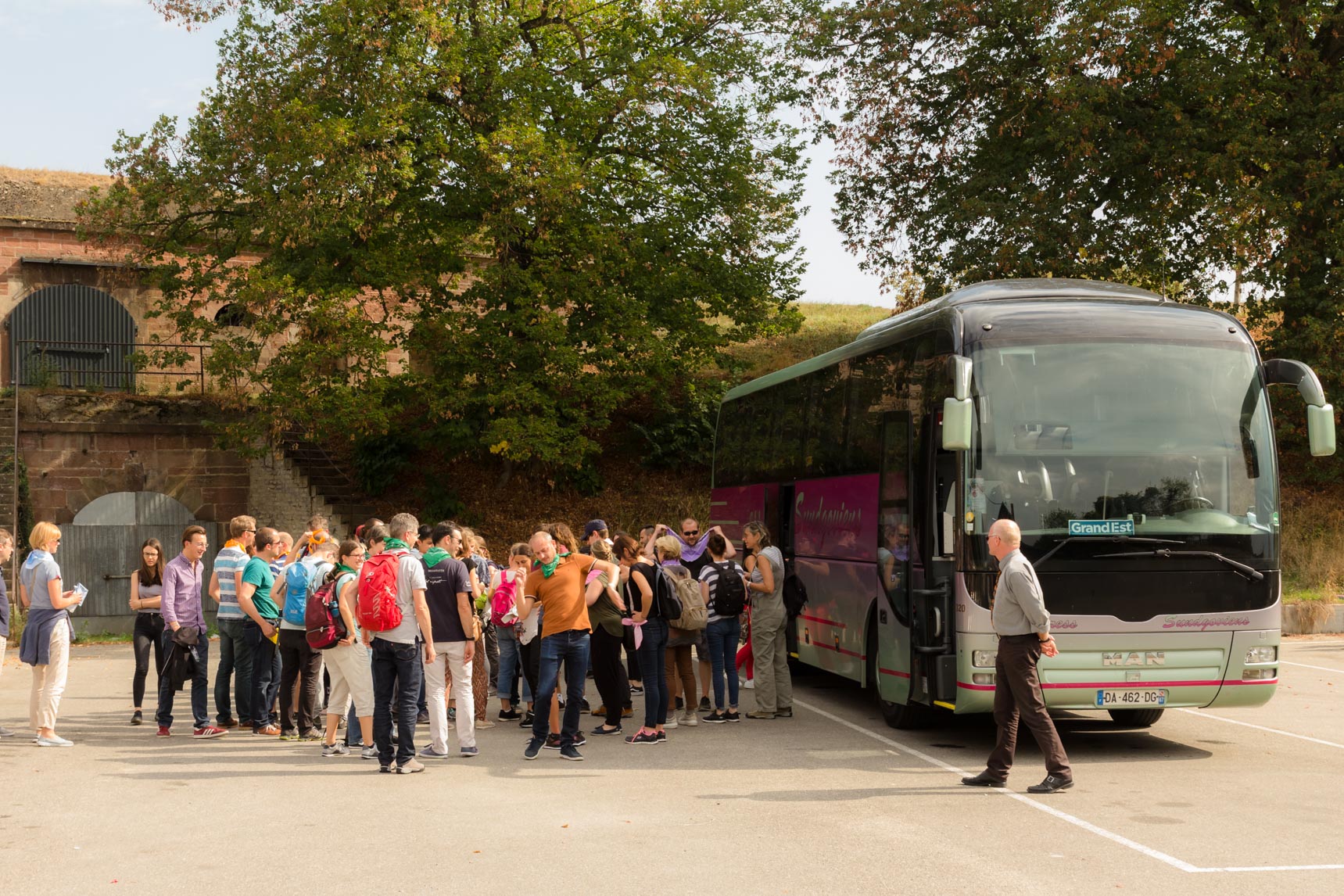
Shuttle transport in Luik that keeps your event on schedule
Sommaire
On a corporate event day, transport is not a “logistics detail”: it dictates punctuality, speaker timing, catering flow and the first impression your leadership makes. A late first wave can push back the agenda by 20–45 minutes and creates immediate pressure on HR and comms teams.
In Luik, organizations typically expect reliable last-mile links between stations, hotels, industrial sites and venues—often across split schedules (VIPs, teams, suppliers). They want clear passenger information, controlled boarding, and a single accountable contact when traffic or rail delays hit.
Our role is to de-risk the day: we build a transport plan you can defend internally (timings, capacity, costs), and we operate it on-site with dispatchers and backups. We know the local constraints around the Meuse valley, station access and event peaks.
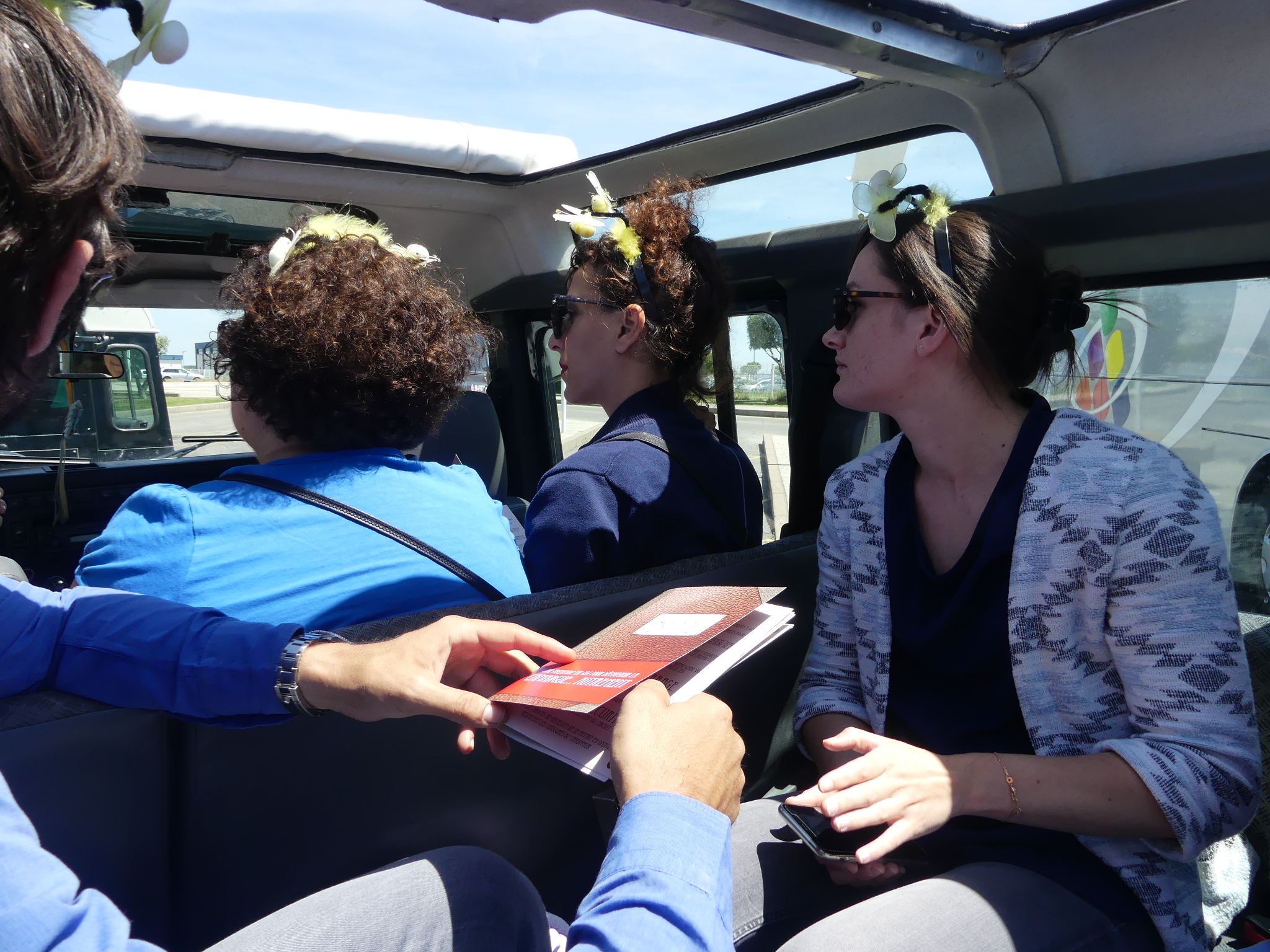
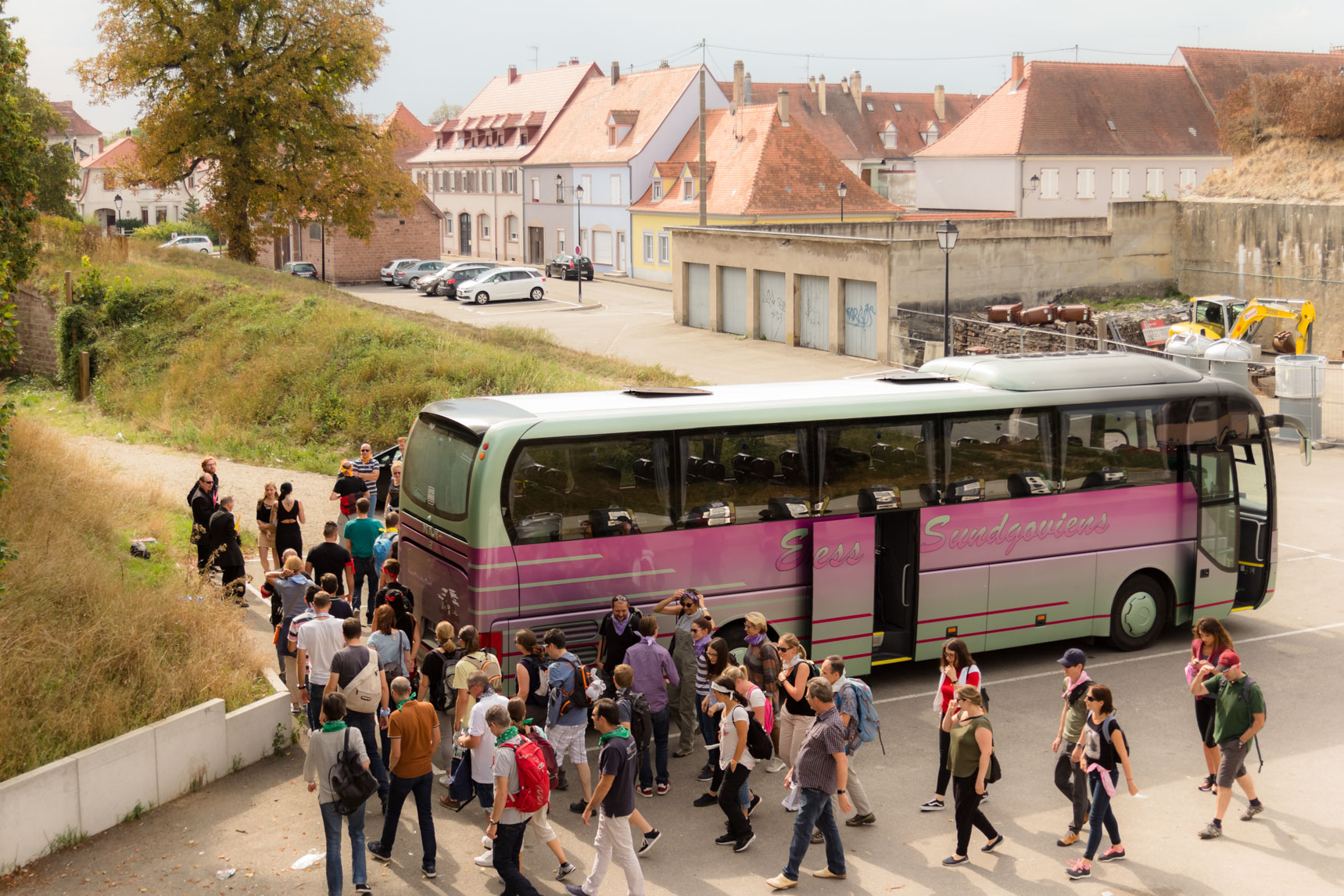
Key operational figures for Luik transport planning
12+ years delivering corporate event logistics across Belgium, with recurring shuttle operations in Wallonia.
Fleet access from 8-seater VIP vans to 90-seat coaches, allowing mixed-capacity waves without overpaying for empty seats.
Typical planning lead times: 10–15 business days for standard events; 3–5 weeks for multi-hotel, multi-wave schedules.
On-site operating standard: 1 dispatcher per loading zone + radio/phone driver line + live passenger count per departure.
Corporate shuttle projects delivered around Luik
We regularly support organizations active in and around Luik—from industrial groups on the outskirts to service companies hosting client days in the city center. Several clients renew year after year because transport is one of the few event components that cannot “improvise” on the day: either the flow works, or it creates a chain reaction.
If you have internal reference constraints (procurement frameworks, approved supplier lists, or a specific transport partner you must use), we can integrate into that environment and still take ownership of routing, passenger comms and on-site coordination.
If you want, we can share anonymized examples during a call (wave schedules, signage plans, staffing ratios) that reflect real corporate conditions in Luik without disclosing sensitive client data.
 Besoin d’un devis rapide ?
Nous vous envoyons une première proposition sous 24h.
What shuttle transport changes for executives in Luik
Shuttle transport is one of the clearest levers to protect the event agenda and your internal credibility. Executives usually judge an event by pace and control; HR judges it by attendee experience and safety; communications teams judge it by consistency and brand signals. Transport sits at the intersection of all three.
Agenda protection: planned arrival windows (waves) reduce late starts and avoid compressing keynote/Q&A time. This is critical when leadership has hard stop times.
Employee experience: eliminating uncertainty (“Where do I go? Is there a bus? Am I late?”) lowers frustration and improves participation—especially for distributed teams coming from different sites.
Cost control: capacity modeling avoids “one coach per hotel” reflexes. We often reduce vehicles by combining close hotels, optimizing turnarounds, and right-sizing to demand.
Risk management: pre-defined contingencies (spare vehicle, driver replacement, reroute options) prevent a single incident from becoming an HR or PR issue.
Brand and stakeholder care: VIP routing, discreet boarding zones and consistent signage reflect professionalism for clients, board members and partners.
Luik is a city where industrial punctuality and operational discipline matter. When your transport plan is tight, it aligns naturally with that business culture—and it shows.
How Luik constraints affect your shuttle plan
Transport in Luik is rarely “one route, one departure.” Many corporate events combine a central arrival point (often Liège-Guillemins), several hotels across the city and nearby business areas, plus a venue that may have limited coach access or a restricted loading zone.
Concrete constraints we plan around:
- Station peak times: passenger surges after major train arrivals can overload a single loading lane. We plan staggered pick-ups, queue management and clear “next departure” info.
- Road topology: the Meuse corridor and hillside routes can create bottlenecks and variability. We choose boarding windows with buffers rather than optimistic point-to-point estimates.
- Venue access rules: some sites require pre-registered plates, specific turning radii, or off-site coach parking. We validate access early and avoid last-minute reversals.
- Multilingual attendee base: it is common to host NL/FR/EN audiences in Luik. We provide signage and driver instructions that reduce confusion without overloading messages.
- Supplier timing: AV, staging, catering and security often arrive in parallel. We separate attendee flows from supplier flows to avoid conflicts at gates and loading bays.
For HR and comms teams, the practical outcome is simple: fewer inbound questions, fewer “where is my bus” escalations, and a calmer control room.
How to integrate transport into the attendee experience in Luik
Even for a page focused on Shuttle transport in Luik, the reality is that transport and “event experience” are linked. When boarding is chaotic, the mood is already negative before the first coffee. When it is smooth, you start the day with calm and focus.
Animations Interactives à Luik
Timed check-in by cohort: assign boarding windows by department or badge color. This reduces queue time and helps HR manage attendance lists without policing.
Live departure board: a simple screen or printed board at the pickup point showing next departures and estimated travel times. It cuts repetitive questions and increases perceived control.
Host-based boarding: one host per line who validates destination and guides attendees to the correct vehicle. This is especially effective when you run parallel shuttles from Liège-Guillemins.
Animations Artistiques à Luik
Discreet brand touchpoints: branded flags, consistent typography, and a clean “welcome” script from hosts. It is not decoration; it’s operational clarity that also supports brand perception.
Audio brief: for longer transfers, a short recorded message (multi-language) can share agenda highlights or safety reminders without making drivers handle announcements.
Animations Innovantes à Luik
Water + coffee at pickup peaks: small but strategic when trains arrive and attendees wait 5–10 minutes. It improves comfort and reduces impatience at boarding.
Return-shuttle snack planning: if your program ends after dinner, a light option at departure points prevents discomfort on late transfers and reduces complaints.
Animations Gourmandes à Luik
Pre-event passenger micro-survey: a short form asking “hotel / station / parking / special needs” improves routing accuracy. It is often more reliable than assumptions from registration exports.
Geofenced driver updates: drivers receive automatic reminders when approaching key zones (station, venue) to reduce missed turns and late arrivals.
Hybrid transport desk: one on-site desk + one remote operator monitoring changes (train delays, weather). This lets the on-site team focus on passenger flow.
These elements only work when aligned with your internal image constraints. A listed company will prioritize discretion and compliance; a high-growth tech firm may prioritize speed and digital messaging. We adapt the transport layer to match that identity—without adding complexity that could fail on the day.
Which pickup and drop-off points work best in Luik
For Shuttle transport, your “venue choice” includes the boarding zones: stations, hotels, parkings, and the final drop-off. In Luik, a good plan favors places that allow safe stopping, clear pedestrian flow, and predictable turnarounds—more than what looks convenient on a map.
| Venue type | For which objective? | Main strengths | Possible constraints |
|---|---|---|---|
| Station pickup zone (e.g., Liège-Guillemins area) | Centralized arrivals for distributed attendees | High accessibility, clear landmark, easy to communicate | Peak-time congestion, limited stopping time, requires strong queue management |
| Hotel cluster pickup points in Luik | Reduce morning friction and late arrivals | Predictable passenger groups, easy headcount, repeatable routes | Multiple stops increase run time; need tight time windows to avoid cascading delays |
| Remote parking + shuttle (P+R approach) | Manage car traffic and keep venue access clean | Frees venue perimeter, improves safety, scalable for large audiences | Requires signage, lighting, and stewarding; weather plan needed |
We strongly recommend at least one site visit (or a joint walkthrough with venue ops) to validate turning radii, safe pedestrian paths, exact stopping locations and backup positions. On paper, many spots look feasible; in reality, one poorly placed coach can block access and create reputational damage in minutes.
What shuttle transport costs in Luik and what drives it
Pricing for Shuttle transport in Luik is driven by time on duty and operational complexity, not only by kilometers. A short distance with long waiting times can cost more than a longer continuous route. For procurement and finance, the key is to compare offers on identical assumptions.
Fleet mix: VIP vans, minibuses, standard coaches, double-deck options. Right-sizing matters more than “bigger is safer.”
Service duration: half-day vs full-day duty, evening returns, split shifts. Waiting time is a real cost driver.
Number of pickup points: each stop adds time variability and requires more coordination.
Wave intensity: moving 400 people in 30 minutes requires more vehicles than moving the same volume over 90 minutes.
On-site staffing: dispatchers, hosts, signage installation, radio/phone line management. This is often what separates a “bus booking” from an event-grade operation.
Constraints and compliance: access permits, security checks, vehicle standards, driver rest rules, insurance certificates, and contingency vehicles.
We frame budget with a return-on-control perspective: what is the value of protecting your start time, avoiding speaker disruption, reducing attendee complaints, and preventing a safety incident? For many executive teams, that risk-adjusted view is more relevant than a lowest-line transport quote that assumes everything goes perfectly.
Why working with a Luik partner reduces event-day risk
For transport, proximity is not a slogan—it is response time and local knowledge. A team used to operating in Luik understands where coaches can actually stop, how long turnarounds take in reality, and which alternatives exist when a route becomes unreliable.
As an agency, we coordinate the full chain: venue operations, security, hotels, and transport providers. When something shifts (a plenary runs long, a VIP changes hotel, a train arrives late), you do not want five suppliers debating responsibility. You want one operator who makes decisions and informs stakeholders.
If you need broader support beyond transport (flow, staffing, supplier coordination), we can integrate this into a full event production scope through our local network and our Brussels operations team, including via our event agency in Luik capabilities.
- Faster replanning: local teams can reposition vehicles and staff quickly when timing changes.
- Better access validation: fewer surprises with loading zones, parking rules and last-meter constraints.
- Vendor accountability: one run sheet, one escalation path, one dispatcher making calls.
- Local communication: bilingual passenger messaging and coordination with local venue/security staff.
We frame budget with a return-on-control perspective: what is the value of protecting your start time, avoiding speaker disruption, reducing attendee complaints, and preventing a safety incident? For many executive teams, that risk-adjusted view is more relevant than a lowest-line transport quote that assumes everything goes perfectly.






Examples of shuttle scenarios handled around Luik
Our shuttle operations typically fall into a few high-pressure patterns, each with different risks:
- Executive & client day: discrete transfers with tight time windows (hotel → venue → dinner). The main risk is reputational: late arrivals and visible confusion. We use dedicated VIP vehicles, pre-briefed drivers, and a controlled pickup protocol.
- Large internal town hall: high volume, predictable waves, strict start time. The main risk is capacity mismatch at station exits and badge check-in saturation. We coordinate arrival waves with check-in throughput and allocate dispatchers per loading lane.
- Multi-site industrial visit: transfers between sites around the wider Luik area, PPE constraints, and security procedures. The main risk is losing time at gates and creating safety exposure. We plan gate timings, passenger lists, and separate staff/supplier flows.
- Evening gala return: split departures, alcohol considerations, and late-night driver rules. The main risk is insufficient late capacity and “stranded” attendees. We schedule staggered returns and keep backup capacity on standby for peak exits.
Across these scenarios, the differentiator is not the vehicle; it is the operational discipline: run sheets, people on the ground, and clear decisions under time pressure.
Common shuttle mistakes we prevent in Luik
Assuming one pickup point is enough: when attendees actually arrive via different modes (train, car, hotel). This causes late clusters and frustrated teams.
Planning by distance instead of time variability: a “15-minute route” can become 30 minutes during peaks or with multiple stops.
No defined boarding ownership: if nobody is responsible for counting passengers and closing doors on time, departures slip and the day drifts.
Over-reliance on digital-only instructions: QR codes fail when batteries die or roaming is weak; physical signage and hosts remain essential.
Ignoring venue perimeter capacity: too many vehicles arrive at once, blocking access for catering/AV and creating visible chaos.
No contingency vehicle or backup driver plan: one breakdown becomes a reputational crisis instead of a manageable incident.
Our job is to build a plan that survives real life: late trains, last-minute VIP changes, weather, and agenda drift. We aim for robustness, not optimistic best-case routing.
Why Luik clients renew their shuttle provider
Clients renew when transport becomes “invisible” in the best sense: no escalations, no last-minute negotiations at the curb, no agenda rescue operations. That stability is the result of repeatable methods and transparent reporting.
Post-event transport debrief delivered within 5 business days (what worked, where delays occurred, and what to adjust).
Operational KPIs tracked per wave: planned vs actual departure times, loading duration, and incidents.
Standardized run sheets reused and improved year-to-year for recurring formats (town halls, client days, end-of-year events).

Loyalty is rarely about price alone; it is about predictability. When your leadership trusts that arrivals and returns will be controlled, it removes a major hidden stress from event ownership.
How we deliver shuttle transport for Luik events
👉 Step 1 — Scope and risk review in Luik
We start with a short working session (30–45 minutes) to capture your event mechanics: attendee count range, arrival modes, VIP profiles, agenda constraints, venue access rules, and internal obligations (approved suppliers, insurance, safety). We identify “non-negotiables” (hard start time, speaker constraints, security) and the biggest operational risks specific to Luik.
👉 Step 2 — Routing, waves and capacity model
We translate inputs into a wave plan and fleet mix. You receive a draft routing map, estimated turn times, and a capacity model with assumptions (occupancy target, no-show rate, buffer policy). This is where we avoid the classic trap of overbooking coaches “just in case” and instead build an auditable plan.
👉 Step 3 — Supplier booking and compliance pack
We book the vehicles and confirm driver assignments, then collect the compliance documents typically requested by corporate procurement and venue security (insurance, licenses, vehicle specs). We also validate access needs: plates, time slots, designated stopping points, and parking instructions.
👉 Step 4 — Passenger communication and signage
We prepare clear passenger instructions (pickup point photos when useful, timing windows, and contact channel). On-site, we deploy physical signage and define host scripts. For multi-language audiences, we keep messages short and consistent to reduce misrouting.
👉 Step 5 — On-site dispatch and live adjustments
On the event day, our dispatcher runs departures, counts passengers, manages queues, and keeps a direct line with drivers. If reality diverges (delays, agenda shift), we apply predefined decision rules: hold, reroute, add capacity, or reallocate vehicles between waves.
👉 Step 6 — Post-event reporting and next-time optimization
We provide a concise debrief: timing performance by wave, incident log (if any), and recommendations to reduce cost or improve flow next time (e.g., fewer stops, different boarding zone, adjusted buffers). This is particularly valuable for recurring annual events in Luik.
FAQ sur l'organisation Shuttle transport à Luik
How far in advance should I book shuttle transport in Luik?
Plan for 10–15 business days for a simple station-to-venue loop. For multi-hotel routes, VIP layers, or 500+ attendees, secure vehicles 3–5 weeks ahead to ensure capacity and driver availability.
Can you run shuttles from Liège-Guillemins to my Luik venue?
Yes. We typically set up timed waves aligned with key train arrivals, with a dispatcher at the pickup zone. Expect boarding windows of 10–20 minutes per wave depending on volume and loading constraints.
What vehicle sizes are best for corporate shuttles in Luik?
Most corporate fleets combine 8–16 seat vans/minibuses for VIPs or low-volume routes and 50–90 seat coaches for main waves. The best mix depends on wave intensity and stop count, not just total attendance.
How do you handle last-minute changes during a Luik event?
We operate with an on-site dispatcher, a direct driver line, and a predefined contingency plan (vehicle spare options, reroutes, and decision rules). Typical adjustments include reallocating vehicles between routes, holding a departure for 5–10 minutes, or splitting a wave to protect the agenda.
What should HR provide to plan shuttle transport in Luik?
At minimum: attendee count range, arrival modes (train/car/hotel), key timing constraints, special needs (reduced mobility), VIP list, and hotel list with addresses. If you can also share expected no-show rate and badge check-in capacity, we can optimize the wave plan and avoid overcapacity costs.
Request a shuttle plan for Luik before vehicles get scarce
If your event date is fixed, transport availability becomes the first constraint—especially for peak weekdays. Send us your date, estimated headcount, pickup points (station/hotels/parking) and your venue address in Luik. We will come back with a structured proposal: wave schedule, fleet mix, staffing plan, and a transparent budget based on clear assumptions.
For executive teams, the objective is simple: a transport operation that protects your agenda and your image. Contact INNOV'events to secure your Shuttle transport plan and avoid last-minute compromises.
Agence INNOV'events Luik
Justin JACOB est le responsable de l'agence événementielle Luik. Contactez-le directement par mail via l'adresse belgique@innov-events.be ou par formulaire.
Contacter l'agence LuikToutes nos prestations & animations Luik, Belgique
Découvrez nos prestations événementielles
Découvrez nos animations événementielles disponibles au Belgique
- Hôtesse événementielle à Luik
- Escape Game à Luik
- Cours de cuisine type MasterChef à Luik
- Magicien à Luik
- Location de chapiteau à Luik
- Atelier colorimétrie à Luik
- Jeux gonflables à Luik
- Service de voiturier à Luik
- Simulateur de football à Luik
- Location de mobilier lumineux à Luik
- Flocage lumineux à Luik
- Repas insolite à Luik
- Light Painting à Luik
- Murder Party à Luik
- Jeu concours à Luik
- PLV événementielle à Luik
- Réalité virtuelle à Luik
- Cuisine moléculaire à Luik
- Animation Halloween à Luik
- Feu d’artifice à Luik
- Jeux géants à Luik
- Animateur événementiel à Luik
- Animation photo à Luik
- Père Noël à Luik
- Animation enfants à Luik
- Visite guidée à Luik
- Rallye urbain à Luik
- Piscine à balles à Luik
- Simulateur de vol à Luik
- Location de food truck à Luik
- Record du monde à Luik
- Simulateur de surf à Luik
- Casino du vin à Luik
- Atelier relooking à Luik
- Atelier création de parfum à Luik
- Atelier acting à Luik
- Animations RSE à Luik
- Tir à l’arc à Luik
- Agent de sécurité à Luik
- Œnologie à Luik
- Mime à Luik
- Jeu télévisé à Luik
- Fête foraine à Luik
- Atelier gestion de crise à Luik
- Atelier négociation de crise à Luik
- Jeux d’arcade à Luik
- Simulateur de chute libre à Luik
- Simulateur de ski à Luik
- Simulation circuit automobile à Luik
- Baptême de l’air à Luik
- Dégustation à Luik
- Création de baby-foot à Luik
- Rallye 2CV à Luik
- Challenge LEGO à Luik
- Animation casino à Luik
- Interprète / traducteur à Luik
- Goodies à Luik
- Bus / transfert à Luik