
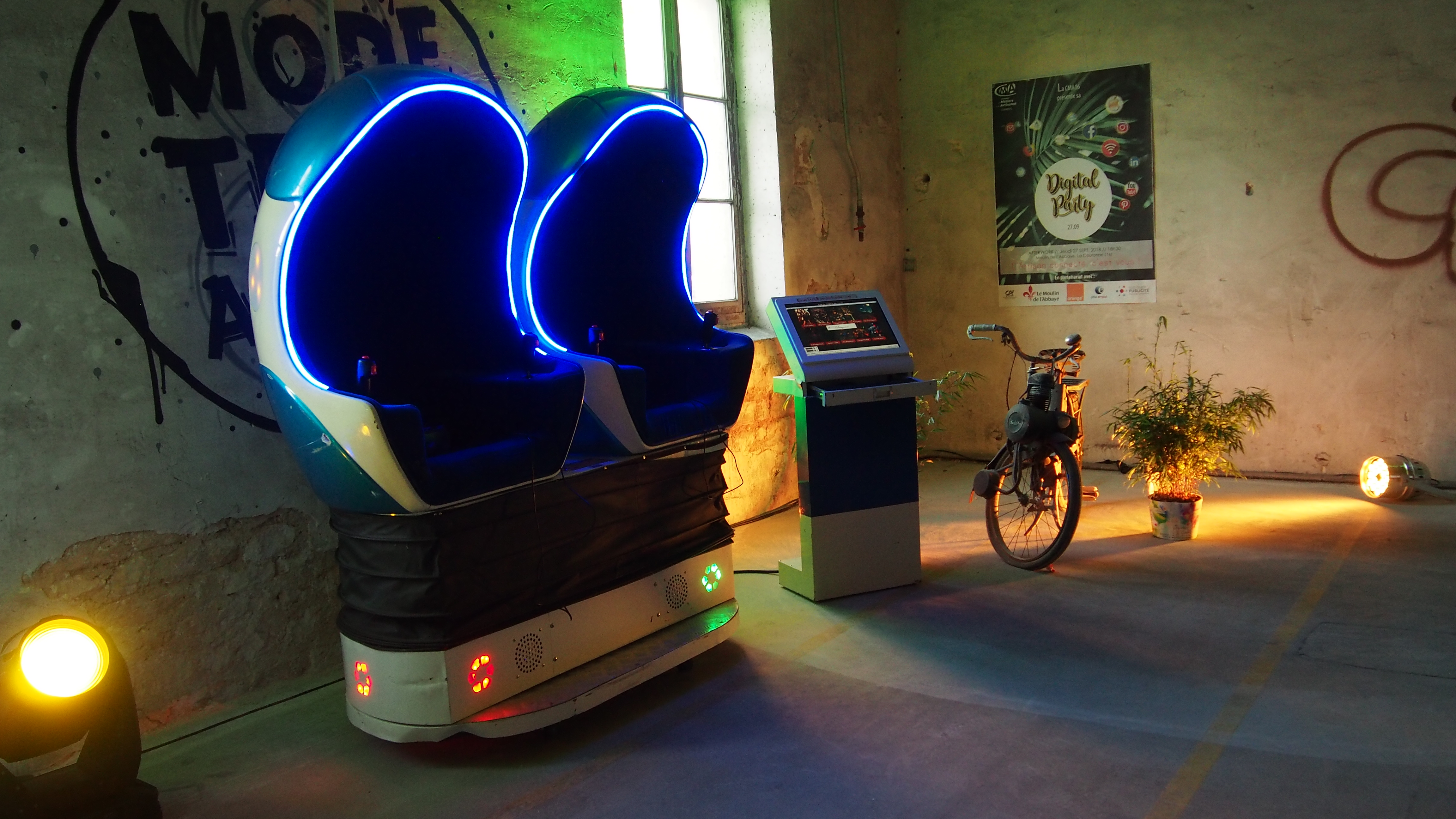
Vluchtsimulator in Brussel for corporate events that need impact and control
INNOV'events delivers Vluchtsimulator in Brussel activations for executive events, HR moments and communication campaigns, typically from 30 to 600 attendees depending on format. We handle venue checks, technical constraints, staffing, timing, and on-site flow so the experience stays premium and punctual.
Whether you need a single cockpit as an engagement pillar or a multi-station setup to absorb large guest volumes, we design the operational plan and run it on event day with clear KPIs: throughput, wait time, and participant satisfaction.
Sommaire
In Brussels-based corporate events, entertainment is not “extra”: it is often the most efficient lever to create attention, break silos, and make a message stick without stretching the agenda. A well-run Vluchtsimulator gives you a concrete narrative about decision-making under pressure, coordination, and leadership—topics executives already care about.
Organizations in Brussel expect precise timing, bilingual facilitation when needed, a discreet premium look-and-feel, and zero disruption to speakers, catering, or venue operations. They also expect a partner who can manage compliance, insurance, and safety in venues with strict access rules and limited loading bays.
INNOV'events is based in Brussel. We know the local venues’ constraints, typical loading slots, and the reality of mixed audiences (headquarters, EU stakeholders, international teams). Our role is to translate your communication objective into a simulator format that is credible, brand-safe, and operationally tight.
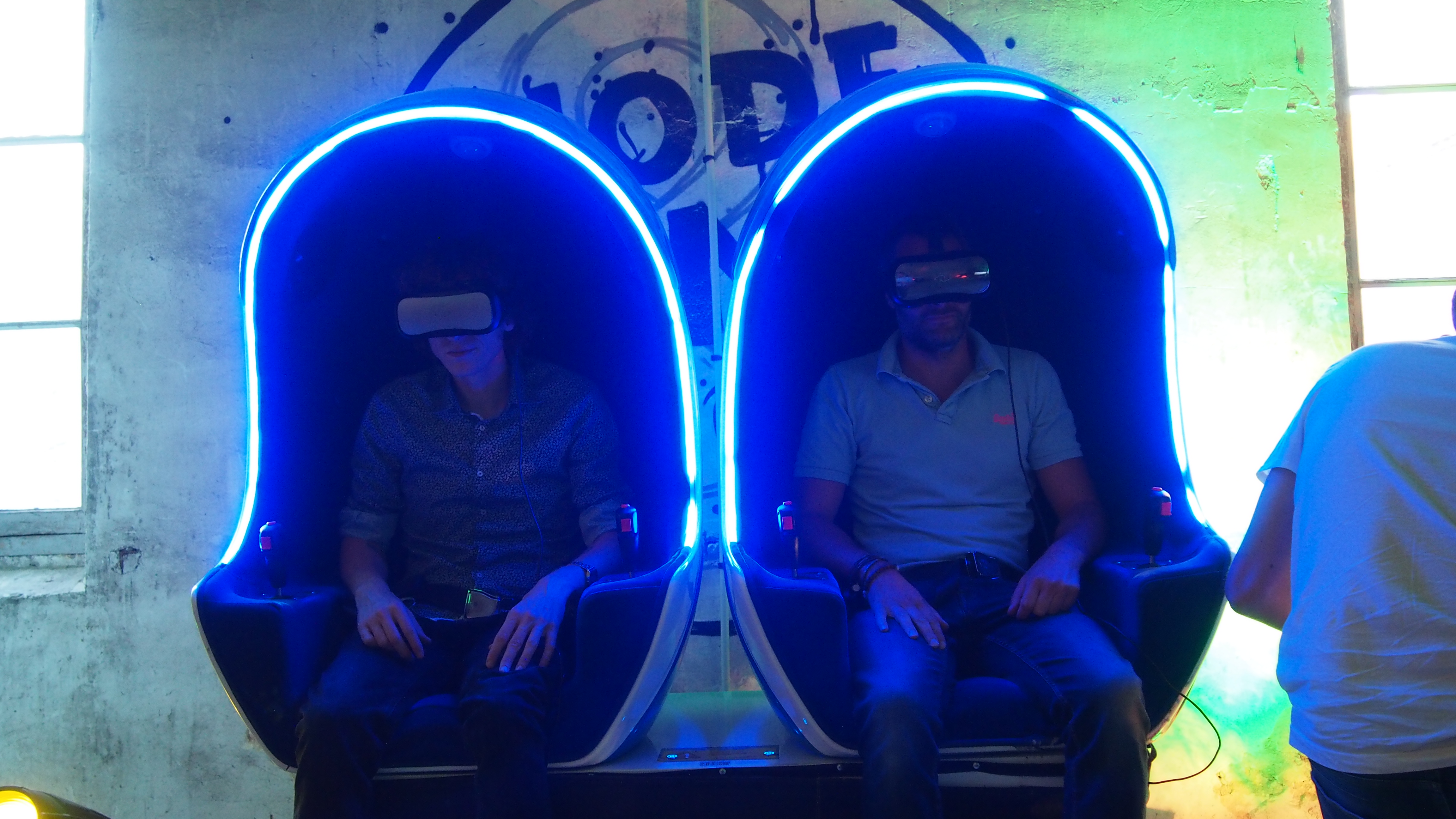
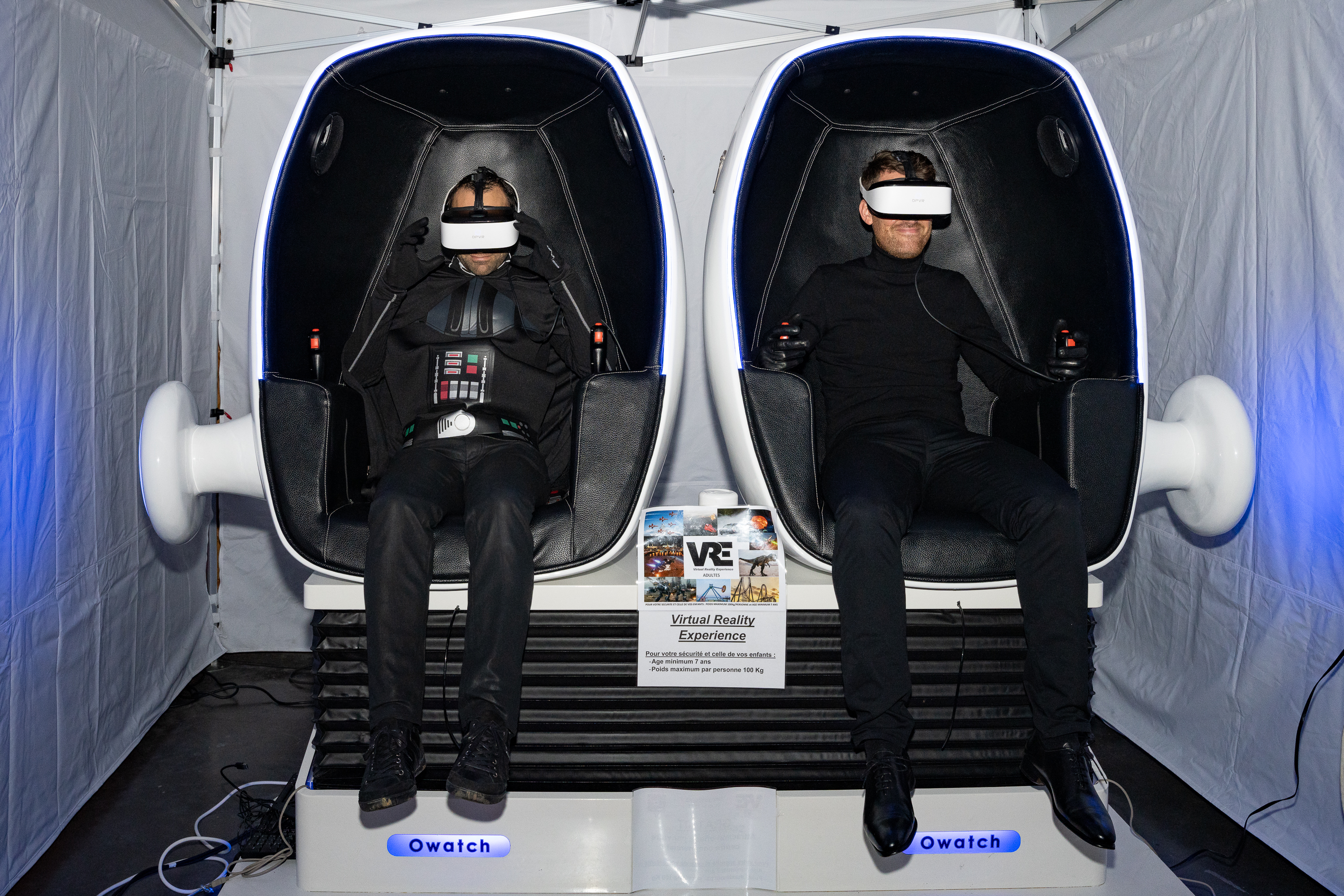
Operational figures that reassure Brussels decision-makers
10+ years coordinating corporate entertainment and event operations across Belgium, with recurring programs in Brussels.
30–600 participants handled on simulator-based formats through queue engineering, timed slots, and multiple stations.
1 single project lead accountable from site visit to event day, supported by a vetted network of technicians, hosts, and H&S partners.
On-site KPIs tracked in real time: average wait time, participants/hour, and incident-free operation.
Companies we support in Brussel year after year
We regularly support organizations active in Brussel and the wider capital region—headquarters teams, Belgian entities of international groups, and institutions with multilingual audiences. Many collaborations are renewed year after year because the operational fundamentals remain the same: predictability, brand compliance, and a smooth guest journey.
Typical profiles include firms with tight agendas (executive townhalls, investor visits), HR teams running engagement initiatives (onboarding, leadership programs), and communication departments that must protect brand image while still offering something that feels modern. In practice, this means we are used to last-minute speaker changes, security check-ins, restricted access times, and venues where sound, power, and floor load need validation before you can even confirm the concept.
If you share the company names you want us to mention as references, we will integrate them in this section in a compliant way (e.g., “activation delivered for a global consulting firm in the European Quarter” or with explicit naming if approved).
 Besoin d’un devis rapide ?
Nous vous envoyons une première proposition sous 24h.
Why book a Vluchtsimulator for a corporate event in Brussel
For leadership teams, HR, and communication departments, a Vluchtsimulator is interesting when you need a serious engagement mechanism—one that attracts attention fast, is measurable, and can be linked to concrete messages (safety culture, decision-making, performance, or collaboration).
In Brussels, where guest lists are often cross-functional and international, you need an activity that works without long explanations and without cultural bias. Aviation scenarios are universally understood: pre-flight checks, clear roles, and structured communication.
Executive attention without killing the agenda: a 6–12 minute flight slot fits between plenaries, workshops, or cocktail moments. We plan throughput so it never becomes a 45-minute queue problem.
HR value you can justify: the experience becomes a conversation starter about leadership styles, listening, and calm decision-making. We can add an optional short debrief script for managers (2–4 questions) to turn “fun” into learning.
Communication impact with brand safety: aviation has a premium, technical aura. With the right booth design and briefing, it elevates your event without risky content or uncontrolled behavior.
Inclusive engagement for mixed audiences: unlike athletic challenges, a simulator is accessible to a wide range of guests. We manage comfort, motion sensitivity, and clear opt-out paths.
Measurable participation: we can track participants/hour, completion rate, and satisfaction score (simple post-flight QR survey), useful for internal reporting.
Networking catalyst: when the queue is engineered properly, it becomes a structured social zone rather than a bottleneck—especially useful in Brussels cocktail formats where guests arrive in waves.
Brussel is a decision hub: many events are about alignment, trust, and credibility rather than pure celebration. A well-produced Vluchtsimulator in Brussel supports that culture—precise, professional, and results-oriented.
What Brussel venues and corporate audiences expect from simulator entertainment
Running a Vluchtsimulator in Brussel is not only about bringing a cockpit. The local reality is operational: access windows, parking restrictions, unionized or in-house technical teams in certain venues, strict fire lanes, and power availability that is not always where you need it.
From the audience side, Brussels events often mix internal staff with external stakeholders (partners, institutions, international colleagues). That changes how you brief the experience: the tone must stay professional, the visual identity must align with brand guidelines, and any competitive element must remain optional. We frequently see communication teams request “no gimmicks” and a clean, premium footprint.
Finally, timing pressure is real. A common Brussels scenario: guests arrive from EU meetings and traffic peaks, meaning the first wave can be late. The simulator setup must remain flexible: we plan buffer slots, a standby host script, and a quick re-sequencing method so VIPs can participate without disrupting the general flow.
What to pair with a Vluchtsimulator in Brussel for higher engagement
A Vluchtsimulator in Brussel performs best when it is integrated into an engagement ecosystem: the simulator draws attention, and complementary activations keep people moving and talking while preserving the premium tone. The goal is to avoid one single “magnet” that creates congestion.
Animations Interactives à Brussel
Timed challenge flights: short routes (6–8 minutes) with clear objectives (smooth landing, fuel management). Ideal for internal engagement—optional leaderboard to avoid excluding non-competitive guests.
Decision-making mini-scenarios: guests choose between 2–3 flight conditions (crosswind, low visibility). A host links choices to leadership behaviors—useful for HR programs.
Live event data wall: anonymized stats such as average landing score, number of flights completed, or “most improved team.” Works well in Brussels conferences where people like tangible metrics.
Animations Artistiques à Brussel
Audio branding and sound design: subtle aviation ambience matched to your brand tone, avoiding loud arcade effects that clash with corporate venues.
Photo angle with controlled backdrop: a clean branded wall and proper lighting to get comms-friendly visuals (no messy cables, no clutter). Particularly valuable for Brussels-based organizations with strict brand governance.
Animations Innovantes à Brussel
“Crew briefing” coffee station: high-quality espresso bar near the simulator to turn the waiting zone into a social hub, reducing the perception of queuing.
Premium bite-size catering alignment: small portions that can be held with one hand so participants can alternate between networking and simulator slots without logistical friction.
Animations Gourmandes à Brussel
Executive slot management: discreet VIP scheduling via QR codes or a host-managed list, avoiding visible “priority lines” that can create internal tension.
Safety and comfort protocol: clear screening questions (motion sensitivity, pregnancy, recent injury), plus a visible opt-out path that preserves dignity—important for inclusive corporate culture.
Hybrid storytelling: link the simulator to your event theme (e.g., transformation, resilience) via short on-screen prompts and a closing “key take-away” card given by the host.
Whatever you add, alignment with brand image is non-negotiable. In Brussels, guests often include external stakeholders; the activation must look intentional, not improvised. We ensure the simulator footprint, host tone, signage, and any competitive layer match your company’s positioning and internal culture.
Which Brussel venue types work best for a Vluchtsimulator setup
The venue strongly influences perceived quality. A simulator activation needs enough ceiling height, reliable power, controlled acoustics, and a load-in route that doesn’t fight the venue’s peak times. In Brussel, we also plan around city traffic, limited parking, and strict delivery slots.
| Venue type | For which objective? | Main strengths | Possible constraints |
|---|---|---|---|
Conference venue / auditorium foyer | Drive engagement during plenary breaks and keep attendees on-site | Clear guest flow, professional infrastructure, easy integration into run-of-show | Noise management near plenary rooms; strict load-in windows |
Hotel ballroom or large meeting floor | Corporate gala, end-of-year event, leadership offsite | Premium perception, strong catering logistics, controlled access | Door widths/lifts for large modules; coordination with hotel AV exclusivity |
Industrial or contemporary event space | Brand activation, product launch, innovation theme | Visual impact, flexible zoning for queue + networking, creative staging | Power distribution to be checked; acoustic reverberation can require treatment |
We recommend a site visit before confirming the simulator model. It avoids the classic Brussels pitfalls: a beautiful venue with a narrow freight lift, a loading bay booked by another event, or power that requires last-minute rerouting. A 45-minute technical walkthrough often saves hours—and prevents reputational risk on event day.
What a Vluchtsimulator costs in Brussel and what drives the price
Budget for a Vluchtsimulator in Brussel depends on the simulator type, throughput objectives, staffing level, and venue constraints. The relevant question is not only “how much,” but “how many participants do you need to process per hour without degrading experience.”
In corporate contexts, the hidden cost is queue time: if 150 people wait too long, the overall event perception drops. We therefore build budgets around operational performance, not just equipment rental.
Simulator type and realism: fixed-base cockpit vs motion-capable setup; visual system and controls quality; realism directly impacts perceived value for executive audiences.
Duration and schedule: half-day vs full-day vs multi-day; evening-only setups can be more complex due to load-in restrictions in Brussels city venues.
Staffing and facilitation: number of hosts, bilingual requirements, technical operator presence, and VIP management.
Throughput design: single station with timed slots vs multiple stations; additional stations increase cost but reduce queue risk and improve overall satisfaction.
Branding and integration: branded backdrops, on-screen overlays, photo setup, data wall, or integration into your event theme.
Logistics in Brussel: access permits, parking solutions, load-in route complexity, and time windows imposed by the venue.
Insurance and safety: coverage levels, risk assessment, and compliance documentation requested by corporate procurement.
From an ROI perspective, the simulator often replaces several smaller “filler” activities while generating measurable engagement (participation rate, dwell time, content for internal comms). For leadership and HR, the best ROI usually comes from a format that protects the agenda and delivers predictable throughput rather than the most spectacular technical option.
Why choose a Brussel-based agency to manage simulator entertainment
In simulator activations, the difference between a good idea and a successful event is execution under local constraints. An agency established in Brussel brings operational advantages that matter to executives: faster site visits, real knowledge of access constraints, and reliable local staffing.
We also act as your “risk filter.” Many corporate event issues are not visible in a supplier quote: noise bleeding into plenary rooms, a queue blocking emergency routes, a forklift requirement the venue won’t provide, or a power circuit shared with catering. Our job is to anticipate and lock these points down before you commit.
As your event agency in Brussel, INNOV'events coordinates suppliers, aligns with venue management, and provides a single accountable project lead so your HR or communication team is not firefighting on event day.
- Short response loops: quick technical checks and adjustments without weeks of back-and-forth.
- Venue and supplier coordination: we speak the operational language of local venue teams and align schedules early.
- Realistic planning: we plan around Brussels traffic, security access, and typical corporate timing pressure.
- On-site authority: one accountable lead to make decisions fast and protect the event flow.
From an ROI perspective, the simulator often replaces several smaller “filler” activities while generating measurable engagement (participation rate, dwell time, content for internal comms). For leadership and HR, the best ROI usually comes from a format that protects the agenda and delivers predictable throughput rather than the most spectacular technical option.







Examples of corporate simulator formats delivered in Brussel
We deliver simulator activations across different corporate contexts in Brussel, adapting the setup to the event’s real objective rather than forcing a standard package.
Leadership offsite (80–120 guests): one primary cockpit plus a structured schedule of 10-minute slots, with a facilitator brief aligned to “calm decision-making.” The key operational focus is punctuality: executives cannot lose 30 minutes in a queue. We implement timed access, a VIP buffer, and a host script that keeps the tone professional.
Company townhall (250–400 guests): simulator positioned in the networking zone outside the plenary, running during breaks and post-plenary cocktail. Here the challenge is throughput and sound: we design a queue that doesn’t interfere with catering and ensure audio stays at a level that respects nearby rooms.
Employer branding / recruitment event: simulator used as an attraction to start conversations, with an optional “briefing card” connecting aviation roles (pilot, co-pilot, ATC) to job families. The focus is brand coherence: clean visuals, controlled messaging, and staff trained to avoid over-promising technical details.
Across these formats, our constant is operational discipline: access planning, safety protocol, and a guest journey that supports your agenda rather than competing with it.
Common pitfalls with a Vluchtsimulator in Brussel and how we avoid them
Underestimating throughput: a single cockpit can become a queue generator. We calculate realistic cycles and propose multi-station or timed-slot models.
Ignoring venue access constraints: narrow freight lifts, limited loading time, or no nearby parking in central Brussels. We validate route, timing, and permits early.
Noise and agenda conflicts: simulator audio or crowd noise leaking into conference sessions. We plan placement, sound direction, and operating times aligned to the run-of-show.
Weak briefing = poor experience: without a tight script, guests lose time and realism drops. We use a standardized corporate briefing that is fast and reassuring.
Brand image mismatch: “arcade vibe” equipment can feel off for executive audiences. We select setups with clean design and control the visual environment.
No comfort protocol: motion sensitivity or stress can create awkward situations. We implement clear opt-out rules and staff trained to handle discomfort discreetly.
Our role is to eliminate these risks before your stakeholders see them. In Brussels events, reputational impact travels fast internally—one visible operational issue can overshadow months of preparation. We plan to keep your event calm, controlled, and credible.
Why Brussel clients renew their simulator activations with INNOV'events
Repeat business is rarely about novelty; it is about confidence. HR and communication teams return when the event runs smoothly, internal stakeholders feel protected, and the reporting is clear.
We build loyalty by being rigorous on fundamentals: pre-event documentation, realistic timing, and on-site leadership. That is what reduces stress for directors who are accountable for the day.
Recurring collaborations: many Brussels-based clients rebook for annual moments (townhalls, end-of-year events, onboarding waves) because the operational model is proven.
Incident-free focus: our planning prioritizes safety, venue compliance, and predictable flow—key reasons procurement and facility teams are comfortable renewing.
Decision-ready reporting: post-event recap can include participation volume, throughput estimate, and feedback highlights to support internal justification.

Loyalty is the most reliable proof of quality in corporate events: it means the experience worked for guests, and the process worked for the internal team that carried the responsibility.
Our delivery process for simulator entertainment in Brussel
👉 Brussel scoping call and objective alignment
We start with a 20–30 minute call to align on your event format, audience profile (internal/external mix), and the non-negotiables: agenda constraints, brand rules, and venue shortlist. We also define success metrics: participation volume, average wait time target, and the desired tone (competitive vs collaborative).
👉 Throughput model and format recommendation
We model the cycle time (briefing + flight + reset) and propose the right configuration: single cockpit, multiple stations, or timed slots. For Brussels events with wave arrivals, we plan peak management and a VIP access method that stays discreet.
👉 Site visit and technical validation in Brussel
We check access routes, door widths, lifts, power availability, sound constraints, floor protection, and emergency circulation. We align with the venue’s technical manager on load-in/out timing and any exclusivity rules (AV, rigging, staffing).
👉 Operational plan and stakeholder coordination
We deliver a clear operational sheet: layout, staffing plan, run-of-show integration, safety/comfort protocol, and signage needs. We coordinate with your catering/AV teams so the simulator zone supports traffic rather than fighting it.
👉 Event day execution and live flow control
On-site, a lead coordinates installation, tests, and opening. Hosts manage briefing and guest comfort; the technical operator ensures stable performance. We monitor queue length and adjust slot handling when the agenda shifts (late arrivals, extended speeches, VIP requests).
👉 Post-event recap for HR and communication teams
Within an agreed timeframe, we provide a recap: estimated participants, peak times, issues encountered (if any) and solutions applied, plus recommendations for the next edition. If you ran an internal survey, we help interpret results for management reporting.
FAQ sur l'organisation Vluchtsimulator à Brussel
How many guests per hour can we run in Brussel?
Plan for 6–10 minutes per participant including briefing and reset. In practice, one station typically processes 6–9 people/hour at executive-quality pace. For 150–300 guests, we usually recommend timed slots or multiple stations to keep average wait times under control.
What space and power do we need in Brussel venues?
Most setups need a clear zone of roughly 12–25 m² including entry/exit and a small waiting area. Power depends on the simulator model; we confirm requirements during the technical check, but you should expect a dedicated circuit and safe cable routing compliant with venue rules in Brussel.
Can the simulator run during a conference in Brussel?
Yes, if placement and sound are controlled. We typically operate it during breaks and cocktail moments, and we validate acoustic impact with the venue. For sensitive plenary rooms, we use sound discipline (headsets where relevant) and layout planning to prevent disruption.
Is a Vluchtsimulator safe for corporate events in Brussel?
It is safe when managed professionally: clear briefing, comfort screening (motion sensitivity), supervised operation, and a defined opt-out path. We also ensure the setup respects venue circulation rules and that insurance and risk documentation meet corporate procurement expectations.
How far in advance should we book in Brussel?
For prime dates in Brussel (Q4, spring conference season), aim for 4–8 weeks to secure the right equipment and staffing and to complete a site visit. For complex venues or multi-day programs, 8–12 weeks is safer.
Request a quote for a Vluchtsimulator in Brussel
If you are comparing agencies, we can quickly validate feasibility and give you a quote that reflects operational reality (throughput, staffing, access, and brand constraints)—not just a rental price. Share your date, venue (or shortlist), guest count, and agenda structure, and we will propose a simulator format that fits your risk tolerance and your event objectives in Brussel.
Contact INNOV'events early: the difference between a smooth activation and a stressful one is almost always decided during site validation and flow planning, not on event day.
Agence INNOV'events Brussel
Justin JACOB est le responsable de l'agence événementielle Brussel. Contactez-le directement par mail via l'adresse belgique@innov-events.be ou par formulaire.
Contacter l'agence BrusselToutes nos prestations & animations Brussel, Belgique
Découvrez nos prestations événementielles
Découvrez nos animations événementielles disponibles au Belgique
- Hôtesse événementielle à Brussel
- Escape Game à Brussel
- Cours de cuisine type MasterChef à Brussel
- Magicien à Brussel
- Location de chapiteau à Brussel
- Atelier colorimétrie à Brussel
- Jeux gonflables à Brussel
- Service de voiturier à Brussel
- Simulateur de football à Brussel
- Location de mobilier lumineux à Brussel
- Flocage lumineux à Brussel
- Repas insolite à Brussel
- Light Painting à Brussel
- Murder Party à Brussel
- Jeu concours à Brussel
- PLV événementielle à Brussel
- Réalité virtuelle à Brussel
- Cuisine moléculaire à Brussel
- Animation Halloween à Brussel
- Feu d’artifice à Brussel
- Jeux géants à Brussel
- Animateur événementiel à Brussel
- Animation photo à Brussel
- Père Noël à Brussel
- Animation enfants à Brussel
- Visite guidée à Brussel
- Rallye urbain à Brussel
- Piscine à balles à Brussel
- Simulateur de vol à Brussel
- Location de food truck à Brussel
- Record du monde à Brussel
- Simulateur de surf à Brussel
- Casino du vin à Brussel
- Atelier relooking à Brussel
- Atelier création de parfum à Brussel
- Atelier acting à Brussel
- Animations RSE à Brussel
- Tir à l’arc à Brussel
- Agent de sécurité à Brussel
- Œnologie à Brussel
- Mime à Brussel
- Jeu télévisé à Brussel
- Fête foraine à Brussel
- Atelier gestion de crise à Brussel
- Atelier négociation de crise à Brussel
- Jeux d’arcade à Brussel
- Simulateur de chute libre à Brussel
- Simulateur de ski à Brussel
- Simulation circuit automobile à Brussel
- Baptême de l’air à Brussel
- Dégustation à Brussel
- Création de baby-foot à Brussel
- Rallye 2CV à Brussel
- Challenge LEGO à Brussel
- Animation casino à Brussel
- Interprète / traducteur à Brussel
- Goodies à Brussel
- Bus / transfert à Brussel