
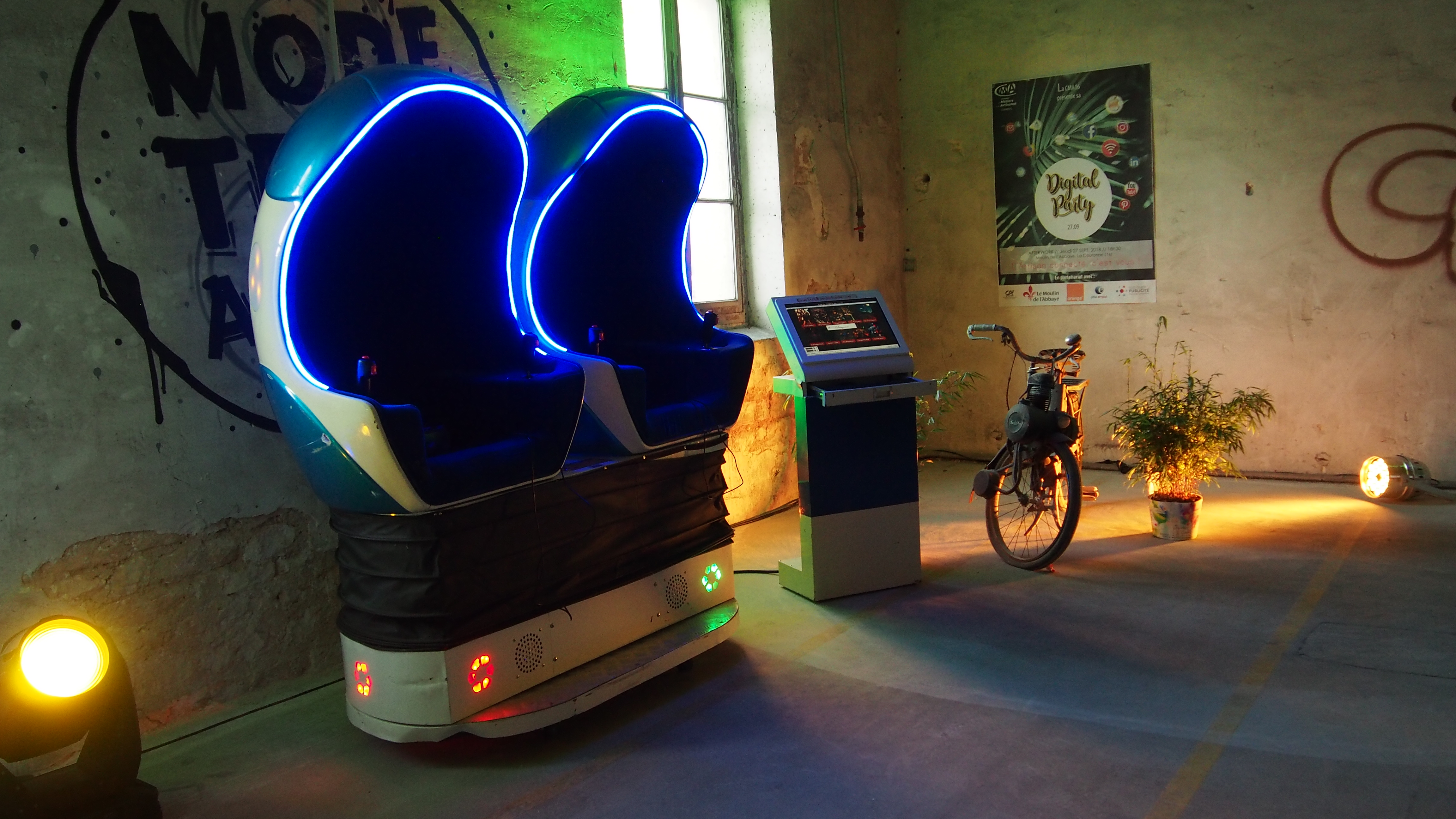
Vluchtsimulator in Luik for corporate events that need measurable impact
INNOV'events is a Brussels-based event agency deploying Vluchtsimulator activations in Luik for executive events, HR moments and brand-driven gatherings from 30 to 600 attendees. We handle the full operational chain: venue check, transport, power/internet, safety, staffing, guest flow and reporting. Your teams keep focus on stakeholders; we keep the experience running on time and on brand.
Sommaire
In a corporate agenda, entertainment is not “nice to have”: it is a tool to structure attention, create meaningful interactions between teams, and support leadership messages without forcing people into awkward networking. A well-run Vluchtsimulator creates a shared topic in minutes, which is exactly what you need when guests arrive tired after meetings or travel.
Organizations in Luik typically expect pragmatic, engineering-level execution: clear timing, robust technical set-up, bilingual facilitation when needed, and zero improvisation on safety. The activation must integrate smoothly with speeches, award moments, or product highlights—without blocking circulation or causing noise issues.
We bring field experience from complex corporate environments (tight schedules, VIP constraints, unionized sites, strict HSE rules) and adapt it to the realities of Luik: access/parking planning, venue load-in constraints, and supplier coordination. You get a single accountable partner with an operational plan—not a list of ideas.
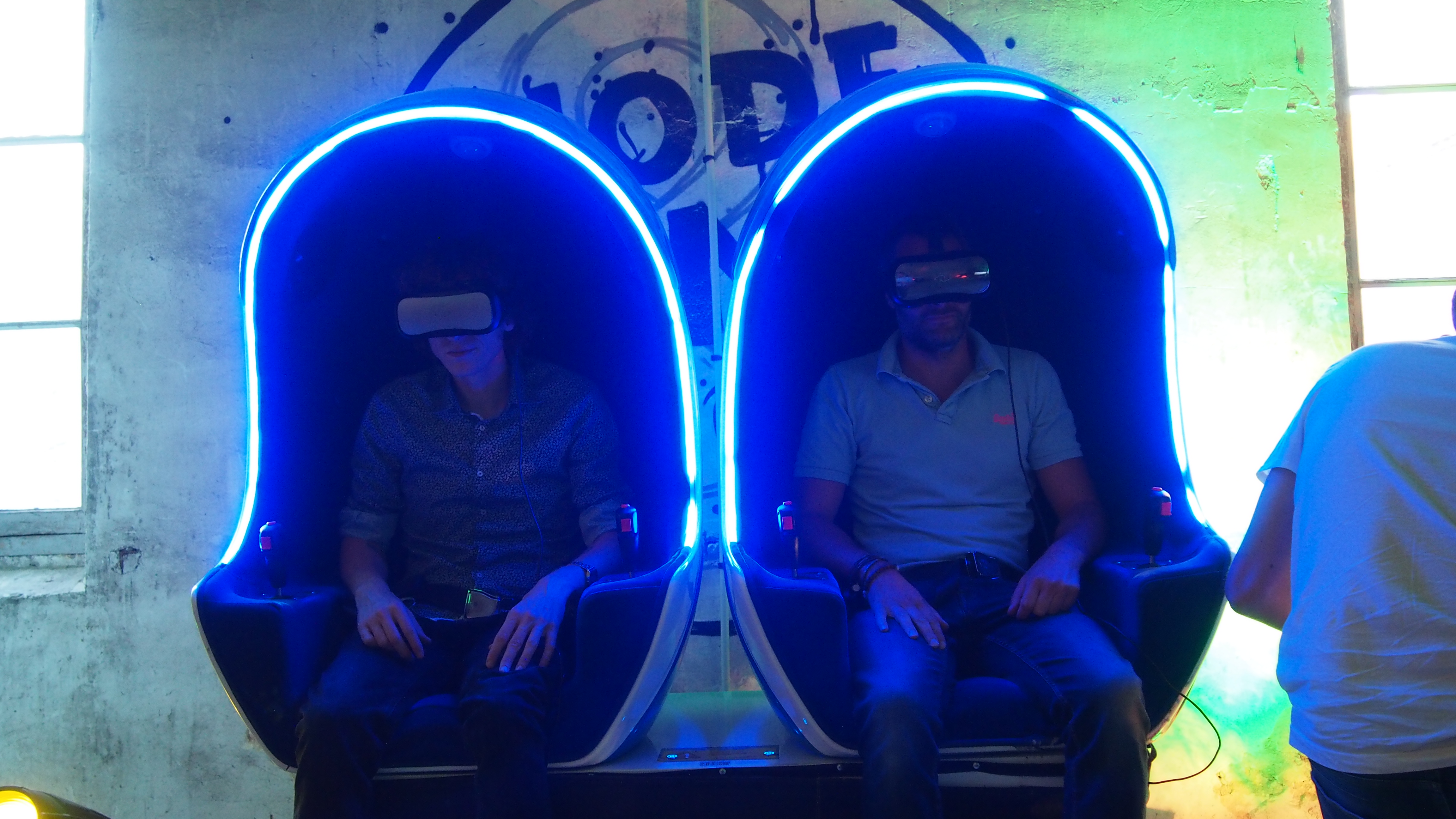
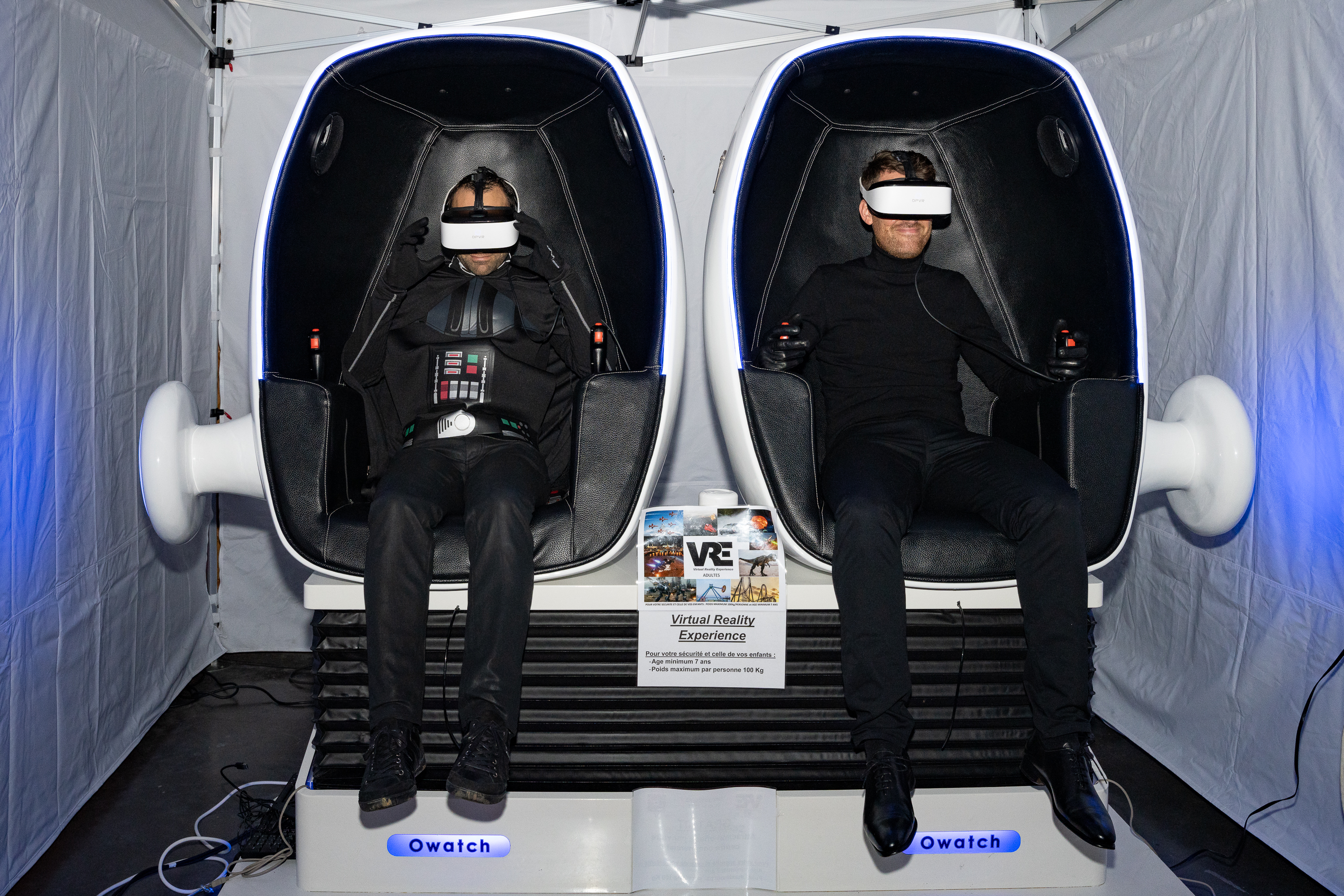
Key numbers that matter in Luik decision-making
10+ years of corporate event production across Belgium, with repeat clients in industry, services and public organizations.
Deployment capability from 30 to 600 participants on the same day, with scalable staffing (hosts, facilitators, technicians, safety).
Standard response time: 48 hours for a first budget range and feasibility assessment after a short briefing call.
Operational documentation provided on request: risk analysis, load-in plan, power needs sheet, and guest flow map (useful for internal approvals).
Corporate teams we support around Luik year after year
In and around Luik, we regularly support organizations that need reliable execution rather than flashy promises. Some teams come back year after year because the operational workload stays predictable: same quality of staff, the same discipline on timings, and the same clarity on what is included versus optional.
We frequently collaborate with local stakeholders such as venue managers, technical partners, caterers, and mobility providers in the Liège area to avoid last-minute surprises (access badges, unloading slots, noise restrictions, and emergency exits are addressed upstream). If you have internal references you want us to align with (preferred caterer, in-house AV, corporate procurement rules), we integrate them into the production plan rather than “fighting the system”.
If you share the company names you want cited as local references, we can integrate them here in a compliant way (e.g., “annual end-of-year events for X”, “employee onboarding days for Y”), while respecting confidentiality constraints.
 Besoin d’un devis rapide ?
Nous vous envoyons une première proposition sous 24h.
Why a Vluchtsimulator in Luik works for HR and leadership
A Vluchtsimulator is not only a fun device; it is a structured interaction format. It creates short, repeatable experiences (typically 4–8 minutes per session) that help people connect quickly, and it provides a natural bridge to themes like decision-making, communication under pressure, procedural discipline, and feedback loops—topics executives and HR teams actually care about.
Faster engagement at arrival: instead of guests staying on phones during the first 30 minutes, the simulator creates an immediate reason to move, watch, comment, and join a queue—useful when you need energy before a keynote.
Inclusive interaction: unlike some competitive games, a simulator allows mixed profiles to participate (age, physical condition). With the right facilitation, it becomes spectator-friendly and supports those who prefer to observe first.
Supports leadership messages: we can frame the experience around safety culture, coordination, or customer service. For example, we often brief facilitators to highlight “checklists” and “clear callouts” as behaviors that translate to operational excellence.
Provides a controlled networking catalyst: executives often want conversations to happen without forcing icebreakers. A simulator creates real talking points (“how did you approach landing?”) that feel natural and not HR-scripted.
Brand and employer image: when set with proper staging (lighting, branded backdrop, queue signage, staff dress code), it signals seriousness and investment—important for recruitment moments or stakeholder evenings.
Measurable participation: we can track number of sessions, average waiting time, peak periods, and provide a post-event snapshot that helps internal reporting and future planning.
Luik has a strong culture of engineering, operations and pragmatism. When the activation is executed with technical discipline (safety, timing, robustness), it resonates well with local audiences who quickly spot “gimmicks” but respect well-run systems.
What corporate audiences in Luik expect on event day
In Luik, many corporate events bring together mixed profiles: operational staff, engineering, support functions, and management—sometimes across multiple sites (industrial zones, logistics corridors, downtown offices). This has direct consequences for how we deploy a Vluchtsimulator:
- Operational reliability over novelty: if the simulator stops for 20 minutes, you lose trust instantly. We plan redundancy where sensible (backup PC, spare cables, pre-tested software profiles) and we build buffer time into the run-of-show.
- Clear guest flow: venues in Liège can have tight corridors, historic staircases, or limited elevator access. We map queue lines, ensure evacuation routes stay free, and keep the activation visible without blocking catering or plenary access.
- Language and tone: depending on your audience, facilitation may need French-first with Dutch or English capability. We avoid over-the-top “show” hosting when your culture is sober; we focus on confident, respectful guidance.
- HSE sensitivity: for industrial groups, safety rules are part of identity. We anticipate questions about motion sickness, accessibility, and equipment stability, and we bring clear usage rules for participants.
- Parking and timing discipline: if guests come from multiple sites around Liège, arrival waves can be sharp. We plan staffing peaks accordingly so the simulator does not become a bottleneck at check-in.
These are the details that determine whether the entertainment supports your objectives—or becomes a distraction you have to justify internally the next morning.
What to combine with a Vluchtsimulator for Luik corporate formats
Entertainment creates engagement when it is integrated into a broader experience design: arrival rhythm, content moments, and social interaction. In Luik, we often pair a Vluchtsimulator with formats that match professional audiences and avoid noisy, childish vibes.
Animations Interactives à Luik
Timed challenge with leaderboard: ideal for departments or mixed teams, with a clear rule set and moderated competitiveness. We recommend controlled visibility (screen on a side wall) to avoid crowding.
Team decision scenario: two participants fly while two “ground control” colleagues advise based on a short checklist. This creates collaboration without adding heavy facilitation.
Executive/VIP slots: pre-booked 5-minute windows to respect protocol. Particularly useful when you host external partners or public stakeholders in Luik.
Animations Artistiques à Luik
Ambient live music (jazz trio or acoustic set): keeps the room premium and supports conversation; we coordinate sound levels so the simulator briefing remains intelligible.
Corporate-ready MC: for multilingual transitions and schedule discipline, not for “hype”. This reduces pressure on internal comms teams.
Animations Innovantes à Luik
Local tasting corner: curated Liège-inspired selection (e.g., local syrups, chocolate, beer pairing when appropriate) positioned away from the simulator to prevent spill risk near equipment.
Service choreography alignment: we synchronize simulator peak moments with catering waves so queues do not compete (a common operational mistake).
Animations Gourmandes à Luik
Photo + data capture station: branded photo after the flight (optional). If you want consent-based lead capture for internal comms, we set clear GDPR-friendly signage and process.
Content integration: short “flight debrief cards” linked to your leadership themes (safety, customer experience, resilience). These can be used by managers as conversation starters.
Hybrid extension: if you have multiple sites around Liège, we can plan a roadshow variant (two half-days) to reach operational teams who cannot attend the main evening.
The key is alignment with your brand image: an industrial group may prefer a sober cockpit briefing and safety framing, while a tech employer brand event may emphasize innovation and recruitment messaging. We design staging, tone and staffing accordingly so the entertainment reinforces—not dilutes—your corporate identity in Luik.
Where to host a Vluchtsimulator in Luik without venue surprises
The venue shapes perception and also determines whether a Vluchtsimulator runs smoothly. In Luik, the main pitfalls are access (stairs, narrow doors), power distribution, and load-in timing. We recommend choosing a setting that matches both your audience and the technical reality of the equipment.
| Venue type | For which objective? | Main strengths | Possible constraints |
|---|---|---|---|
| Modern conference venue or business center in Luik | Townhall, leadership day, client seminar with strict timing | Predictable logistics, reliable power, AV integration, staff used to corporate pacing | Fixed load-in slots, union/house technical rules, branding limitations in shared spaces |
| Industrial or corporate site (on-site event) | Safety culture, internal pride, employer branding for operational teams | Authentic context, easy access for employees, strong managerial meaning | HSE approvals, restricted zones, noise rules, stricter insurance requirements |
| Hotel ballroom in the Liège area | Evening event with dinner + entertainment rotation | One-stop coordination (rooms, catering), guest comfort, parking management | Ceiling height/rigging limits, tighter corridors, competing flows with service staff |
We strongly recommend a site visit (or at minimum a technical video walkthrough) before confirming. It is the fastest way to validate door widths, power availability, and the exact placement that keeps emergency exits clear—details that protect your event day in Luik.
What budget to plan for a Vluchtsimulator in Luik (4000)
Pricing for a Vluchtsimulator in Luik depends less on the “device” and more on production parameters: duration, staffing, transport constraints, and the level of staging expected by your brand. We prefer to give decision-ready ranges after a feasibility call, because under-quoting leads to hidden costs and event-day compromises.
Format duration: a 2–3 hour activation during a reception is different from a full-day rotation for training or a multi-slot executive program.
Number of units and throughput: if you need to accommodate 150–300 guests with reasonable waiting time, you may need additional simulators or a strict timeboxing approach.
Staffing model: technician-only vs. technician + facilitator + host. For executive events, facilitation usually pays back by improving flow and guest experience.
Venue constraints: long carry from loading dock, stairs, narrow access, strict time windows, or overnight storage requirements can impact labor time.
Branding and staging: branded wall, lighting, queue signage, photo corner, and screen integration change the look from “equipment in a corner” to a controlled corporate activation.
Compliance: insurance level, risk documentation, and any additional safety measures requested by your internal prevention advisor.
From an ROI perspective, the right question is: what does it cost you when engagement is low, networking fails, or the event looks improvised in front of leadership and partners? In Luik, a simulator activation is justified when it reduces friction (arrival, interaction) and supports your internal narrative with operational credibility.
Why work with an event agency in Luik for this setup
Even if your headquarters is not in Liège, choosing a partner who can operate locally is a practical risk-reduction decision. For a Vluchtsimulator, the difference shows in logistics: pre-checking access, knowing which venues enforce strict load-in rules, and having realistic timing for transport and parking around Luik.
As INNOV'events, we operate nationally from Brussels while maintaining strong operational habits in Liège: local supplier coordination, venue technical alignment, and the ability to react quickly if a schedule or room allocation changes. If you are comparing agencies, ask who is accountable for the full chain on event day—because “the supplier manages it” is where issues usually start.
For broader support beyond the simulator activation itself, you can also consult our dedicated page for an event agency in Luik and see how we structure production, staffing and governance on complex programs.
- Shorter reaction loops when the venue changes constraints (timing, access, power).
- Better cost control through realistic planning (less overtime, fewer last-minute add-ons).
- Consistency with local standards in staffing tone, bilingual needs, and operational discipline.
- Higher credibility internally when procurement or HSE asks for documentation and accountability.
From an ROI perspective, the right question is: what does it cost you when engagement is low, networking fails, or the event looks improvised in front of leadership and partners? In Luik, a simulator activation is justified when it reduces friction (arrival, interaction) and supports your internal narrative with operational credibility.





Examples of corporate scenarios delivered around Luik
Our projects around Luik vary because the business stakes vary. We frequently adapt the Vluchtsimulator format to fit the agenda rather than forcing the agenda to fit the device.
- Leadership townhall: simulator placed in the foyer with strict time slots, so executives can participate without delaying plenary timing. We use a low-noise briefing and controlled queueing to keep the atmosphere professional.
- Employer branding evening: simulator combined with a short “skills translation” debrief (communication, procedure, decision-making). This helps HR justify the activation beyond entertainment and gives recruiters talking points with candidates.
- Client or partner reception: VIP-first scheduling and photo output aligned with brand guidelines. We focus on polish (lighting, staff dress code, signage) because external audiences read details as a proxy for operational maturity.
- Multi-site internal program: a roadshow approach when not everyone can attend a central event in Liège. We plan transport windows and on-site approvals per location to keep operations smooth.
In each case, success is less about “having a simulator” and more about governance: who decides, who validates, and who owns run-of-show decisions when reality hits on the day.
Common mistakes we prevent in Luik simulator activations
Underestimating throughput: a single unit with long sessions can create frustration. We set realistic session length and queue design to match your headcount and timing.
Ignoring access constraints: door widths, stairs, and load-in timing are frequent blockers in city-center venues in Luik. We verify before you commit.
Competing flows: placing the simulator near the bar or buffet causes congestion and spills near equipment. We design zoning so guest movement stays logical.
Unclear participation rules: motion sensitivity, alcohol consumption, and accessibility must be managed calmly and professionally to avoid incidents or uncomfortable moments.
Over-branding or under-branding: too much looks like a trade show; too little looks like an afterthought. We align staging with corporate identity and venue constraints.
No contingency plan: when a speech runs late or a room changes, someone must make fast decisions. We define decision rights and fallback options in advance.
Our role is to protect your team from these risks by owning the production details—so you are not firefighting in front of executives or guests in Luik.
Why Luik clients renew with INNOV'events
Repeat business is rarely about creativity; it is about predictability and trust. Clients return when they know the activation will start on time, look coherent with their brand, and be managed by people who understand corporate pressure.
High repeat rate driven by operational satisfaction: same process, clear documentation, and reliable staffing.
Most renewals happen when teams experience that we can operate under constraints: late agenda changes, VIP needs, tight load-in windows, and internal approval workflows.
Long-term clients often standardize “modules” with us (simulator + staging + facilitation), which reduces internal effort and procurement cycles.

Loyalty is a practical proof point: it means the event delivered, the internal workload stayed manageable, and the risk was contained—criteria that matter for decision-makers in Luik.
Our production process for Luik corporate events
👉 Luik briefing call and objective alignment
We start with a 20–30 minute call to clarify why the simulator is needed (engagement, networking, employer brand, client experience) and to map constraints: headcount, audience profile, language, agenda timing, venue shortlist, and internal approval steps. This prevents proposing a format that looks good on paper but fails in real conditions.
👉 Feasibility and venue technical validation
We validate footprint, access routes, ceiling height, power availability, and any venue restrictions in Luik (load-in time windows, in-house technicians, rigging rules). If needed, we propose alternative placement options so guest flow and emergency exits remain compliant.
👉 Budget range, options and decision-ready quote
You receive a structured offer: what is included (transport, set-up, staffing hours, facilitation, dismantling), what is optional (branding, photo output, extra unit), and the assumptions (venue access, session length). This makes internal validation easier for HR, procurement and communications.
👉 Run-of-show, staffing plan and safety rules
We produce a run plan with timing, roles, escalation contacts, and participant rules. We also define a queue system and signage needs, so on the day your staff is not improvising. For executive-heavy evenings in Luik, we add VIP slot planning.
👉 Event-day execution and post-event feedback
We deliver with a dedicated on-site lead. After the event, we can provide a short recap: participation volume, peak times, issues encountered and improvements for next edition—useful when reporting to leadership or planning a recurring program in Luik.
FAQ sur l'organisation Vluchtsimulator à Luik
How many people can use a simulator per hour in Luik?
Plan 6–10 participants per hour per unit for a smooth flow (briefing + run + exit). For 150–300 guests in one evening, we typically recommend either strict timeboxing or multiple units to keep queues reasonable.
What space do you need for a Vluchtsimulator in Luik venues?
As a rule of thumb, reserve 15–25 m² for the simulator zone plus a queue/observer area. Exact needs depend on the model and whether you add a screen, branding wall or photo corner; we confirm after a venue check.
Is a Vluchtsimulator suitable for a formal executive event in Luik?
Yes—if it is staged and facilitated properly. We use a sober briefing, controlled queueing, and integrate the activation into the run-of-show (VIP slots, low-noise facilitation, corporate lighting) so it supports the event rather than turning it into a fairground.
How far in advance should we book in Luik (4000)?
For peak periods (September–December), secure the date 4–8 weeks ahead. For smaller formats, 2–3 weeks can work if the venue access is straightforward and approvals are fast.
What are the main safety and comfort rules in Luik events?
We apply clear participation rules: no participation under strong alcohol influence, immediate stop on discomfort, and hygiene protocol for shared controls/headsets. We also keep the zone stable, cables secured, and evacuation routes clear; these points are usually essential for HSE-sensitive organizations in Luik.
Request a Luik quote and lock the right operational plan
If you are planning a corporate event in Luik and want a Vluchtsimulator that is executed with professional discipline (timing, safety, staffing, guest flow), send us your date, venue (or shortlist), headcount and agenda structure. We will come back within 48 hours with a feasibility view and a clear budget range, so you can decide quickly and secure availability before your internal deadlines.
Agence INNOV'events Luik
Justin JACOB est le responsable de l'agence événementielle Luik. Contactez-le directement par mail via l'adresse belgique@innov-events.be ou par formulaire.
Contacter l'agence LuikToutes nos prestations & animations Luik, Belgique
Découvrez nos prestations événementielles
Découvrez nos animations événementielles disponibles au Belgique
- Hôtesse événementielle à Luik
- Escape Game à Luik
- Cours de cuisine type MasterChef à Luik
- Magicien à Luik
- Location de chapiteau à Luik
- Atelier colorimétrie à Luik
- Jeux gonflables à Luik
- Service de voiturier à Luik
- Simulateur de football à Luik
- Location de mobilier lumineux à Luik
- Flocage lumineux à Luik
- Repas insolite à Luik
- Light Painting à Luik
- Murder Party à Luik
- Jeu concours à Luik
- PLV événementielle à Luik
- Réalité virtuelle à Luik
- Cuisine moléculaire à Luik
- Animation Halloween à Luik
- Feu d’artifice à Luik
- Jeux géants à Luik
- Animateur événementiel à Luik
- Animation photo à Luik
- Père Noël à Luik
- Animation enfants à Luik
- Visite guidée à Luik
- Rallye urbain à Luik
- Piscine à balles à Luik
- Simulateur de vol à Luik
- Location de food truck à Luik
- Record du monde à Luik
- Simulateur de surf à Luik
- Casino du vin à Luik
- Atelier relooking à Luik
- Atelier création de parfum à Luik
- Atelier acting à Luik
- Animations RSE à Luik
- Tir à l’arc à Luik
- Agent de sécurité à Luik
- Œnologie à Luik
- Mime à Luik
- Jeu télévisé à Luik
- Fête foraine à Luik
- Atelier gestion de crise à Luik
- Atelier négociation de crise à Luik
- Jeux d’arcade à Luik
- Simulateur de chute libre à Luik
- Simulateur de ski à Luik
- Simulation circuit automobile à Luik
- Baptême de l’air à Luik
- Dégustation à Luik
- Création de baby-foot à Luik
- Rallye 2CV à Luik
- Challenge LEGO à Luik
- Animation casino à Luik
- Interprète / traducteur à Luik
- Goodies à Luik
- Bus / transfert à Luik