
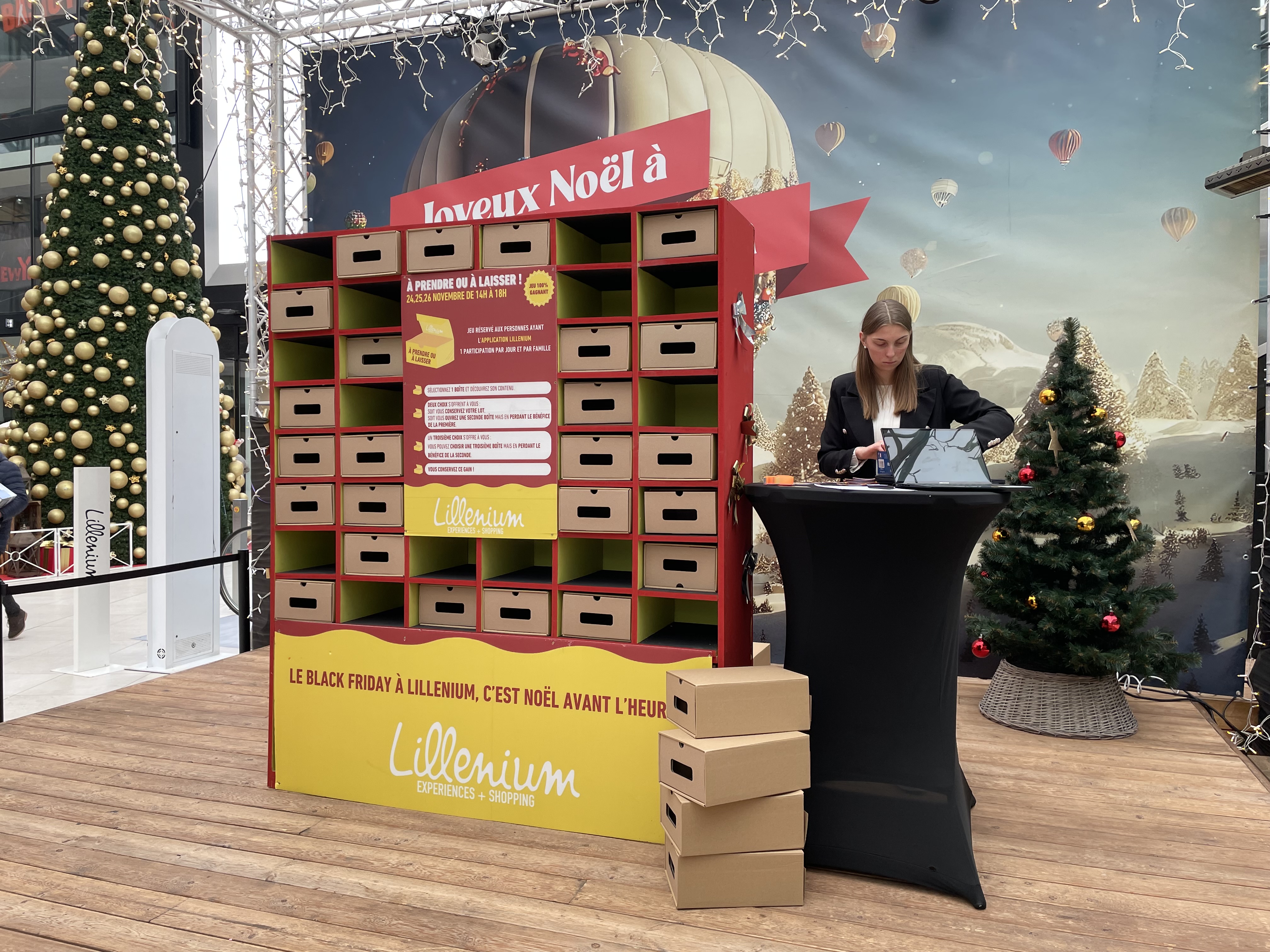
Wedstrijd / Winactie in Luik that drives measurable engagement
Sommaire
A Wedstrijd / Winactie is not “just a game”: in corporate settings it is a controlled mechanism to trigger action (sign-ups, product trials, footfall, internal adoption) while protecting brand reputation. In Luik, where audiences are both relationship-driven and demanding on clarity, the difference lies in execution discipline and the ability to prove results.
Executives and HR/Comms teams typically expect three things: participation that feels fair, a smooth participant journey on-site and online, and zero surprises on compliance and customer care. A well-structured activation in Luik can strengthen employer brand, retail performance, or internal engagement—provided the rules, tools, and field operations are aligned.
We operate with Brussels-level governance and local field pragmatism: clear regulations, robust draw processes, trained hosts, and logistics partners used to Wallonia. Our role is to make the activation reliable under real event pressure—queues, connectivity issues, last-minute VIP visits—while keeping the experience consistent with your brand.
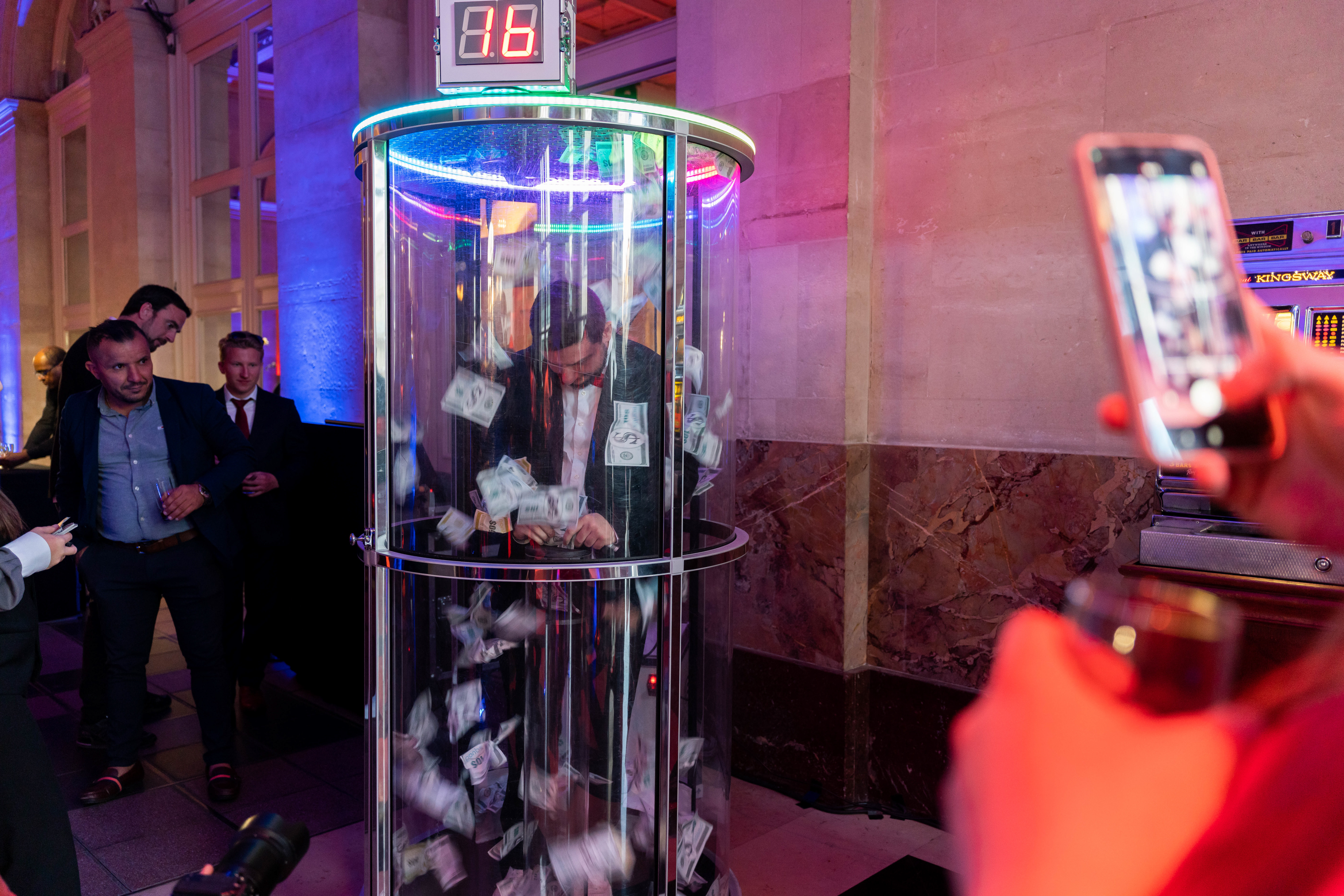
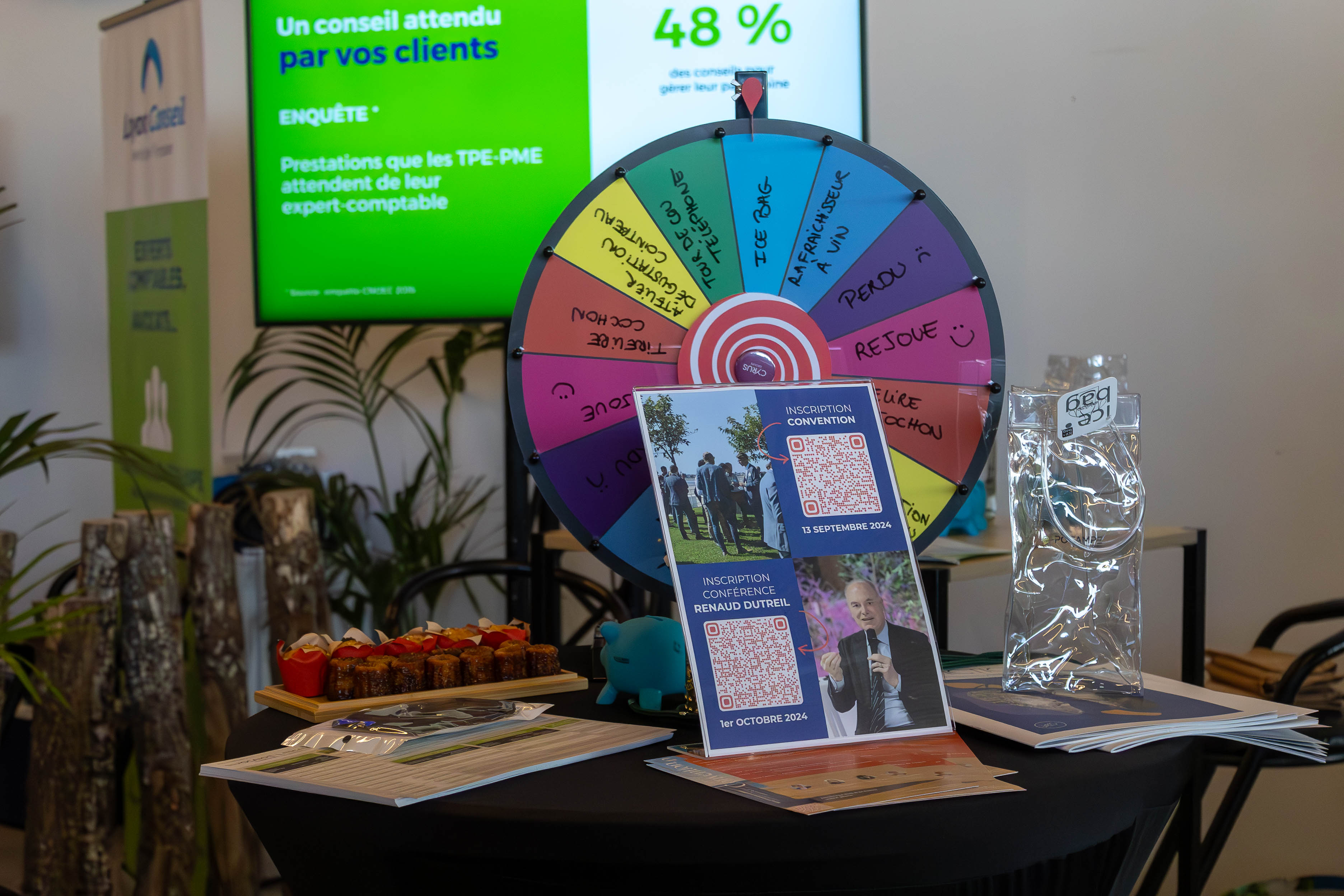
Proven delivery capacity for Luik activations
10+ years delivering corporate events and brand activations across Belgium, including Wallonia.
300+ projects managed with a structured production approach (timelines, risk logs, supplier control, reporting).
50–5,000+ participants handled on-site with scalable staffing plans and crowd-flow layouts.
1 single project lead accountable end-to-end (brief, suppliers, on-site, debrief), plus a back-office production team.
GDPR-ready participant data workflows (consent wording, retention logic, export-ready files) to support HR/Comms and legal comfort.
References and recurring collaborations around Luik
We regularly support organizations active in Luik and the wider province: industrial groups, service companies, public-facing brands, and institutions that need rigorous processes and a clean brand footprint. Several clients come back year after year because a Wedstrijd / Winactie in Luik is rarely a one-off: it is often a recurring lever for recruitment campaigns, retail peak moments, product launches, or internal engagement programs.
To keep this page accurate, we only cite client names once we have your authorization and the context is clear (scope, objectives, and what we actually delivered). In many companies, communications teams are understandably cautious with public case studies; we are used to handling references discreetly and can share relevant examples during a call or a pitch, including operational photos, risk plans, and reporting extracts.
 Besoin d’un devis rapide ?
Nous vous envoyons une première proposition sous 24h.
Why run a corporate contest in Luik for business impact?
A corporate Wedstrijd / Winactie becomes valuable when it is treated like a mini-program, not a gimmick. Done properly in Luik, it creates a measurable exchange: you ask participants to do something specific (register, test, attend, refer, complete training), and you give them a clear chance to win with transparent rules and an efficient experience.
Accelerate conversion without discounting: contests can create urgency and attention without eroding price positioning—useful for launches, new services, or employer brand campaigns.
Generate first-party data responsibly: structured capture (with explicit consent) allows HR/Comms/CRM teams to segment and nurture leads rather than collecting unusable “business cards in a bowl”.
Increase event footfall and dwell time: on-site mechanics (instant win, QR journeys, checkpoints) help manage flows and keep attendees engaged while you deliver key messages.
Strengthen internal engagement: for HR, a contest linked to wellbeing, safety, or training can increase completion rates when the rules are fair and the reward is meaningful.
Provide executive-level reassurance: when regulations, draw integrity, and documentation are clear, leaders avoid reputational risk and can stand behind the campaign.
Create content and PR material: a well-produced prize moment in Luik can deliver safe, brand-compliant visuals (with releases) for internal comms, LinkedIn, or recruitment pages.
Luik’s economic culture values directness and authenticity: people participate when the value exchange is clear and the process is respectful. That’s why we focus on mechanics, transparency, and field operations—not slogans.
What Luik audiences and venues expect from a Wedstrijd / Winactie
In Luik, your activation is often judged on operational details: can people participate quickly, do staff give consistent answers, and are the rules understandable without legal jargon? We design the participant journey with realistic constraints in mind: peak hours, mixed demographics, multilingual touchpoints (often French first, sometimes NL/EN depending on your audience), and variable connectivity inside venues or temporary structures.
For B2B audiences (conferences, employer events, trade gatherings), decision-makers expect discretion and brand alignment: no aggressive data capture, no noisy gimmicks that interfere with networking, and a draw process that feels professional. For public-facing activations (retail, festivals, city moments), the expectation is speed and fairness: clear instructions, visible eligibility criteria, and immediate confirmation of participation.
Local stakeholders also expect smooth collaboration with on-site teams: venue managers want predictable setups, security wants crowd-flow clarity, and your internal teams want minimal escalation during the day. That’s why we prepare checklists, signage plans, and staffing scripts that can be executed under pressure.
Which contest mechanics work best in Luik corporate events?
Entertainment is effective when it produces participation you can account for: number of entries, qualified leads, training completions, or footfall uplift. Below are contest formats we deploy in Luik, with operational implications so you can choose based on constraints—not trends.
Animations Interactives à Luik
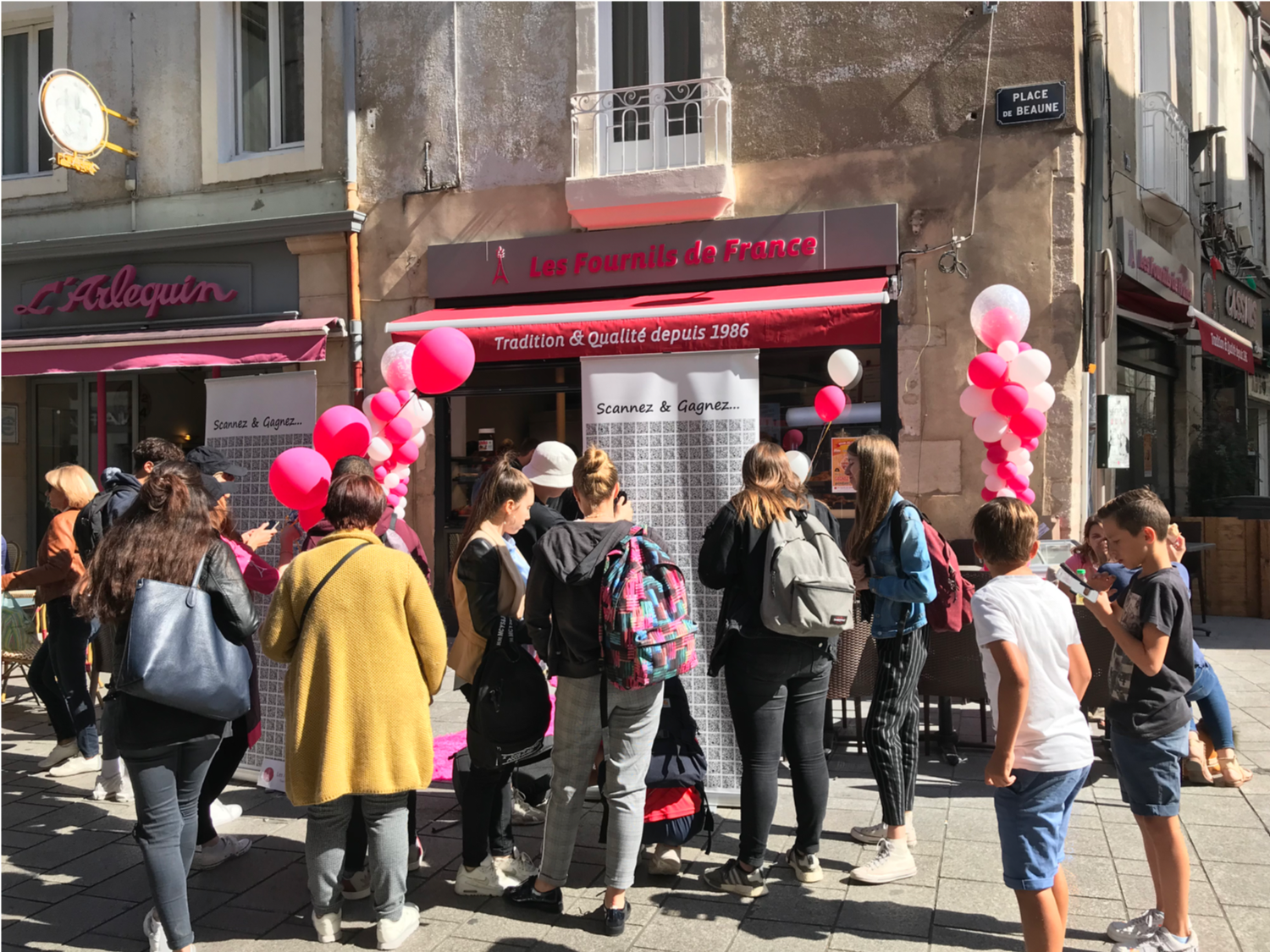
QR-based participation with instant confirmation: participants scan, answer 1–3 questions, and receive confirmation plus next steps. Works well in venues with controlled flows; we plan fallback options (paper or offline capture) if connectivity drops.
On-site “checkpoint challenge”: attendees collect stamps/QR validations across stands (partners, departments, safety points). This drives circulation without forcing salesy interactions and is useful for internal fairs or employer brand events in Luik.
Timed quiz with leaderboard: ideal for product knowledge or training reinforcement. We set clear anti-cheat rules and moderation, and we define how ties are handled to avoid disputes.
Business card draw—done professionally: still useful in B2B when data capture must be minimal. We make it compliant by clarifying purpose and providing a structured way to opt in for follow-up.
Animations Artistiques à Luik
Hosted draw moment with stage management: a short, scripted sequence (3–7 minutes) that respects the event agenda and includes brand messaging. We coordinate AV cues, winner call procedure, and photo protocol with approvals.
Illustration or caricature linked to participation: participants enter the contest and receive an on-the-spot branded visual asset. This creates tangible value and reduces the “I only came for the prize” effect.
Animations Innovantes à Luik
Tasting + contest code: distribute samples with a unique code to enter online later (useful when you want post-event engagement). We control stock, code distribution, and fraud prevention measures.
Local partner prize bundles: prizes sourced through Luik partners can increase perceived legitimacy and reduce logistics complexity. We ensure prize valuation and availability are documented to avoid last-minute substitutions.
Animations Gourmandes à Luik
NFC tap-to-enter at a branded totem: fast participation with a premium feel; good for high-throughput moments. We plan device compatibility and hygiene/queue flow.
Photo consent workflow integrated into entry: when comms teams need content, we integrate model releases and tagging permissions into the journey, separating contest eligibility from marketing opt-in to stay compliant.
Internal “micro-rewards” logic: for HR initiatives, we set up milestone rewards (e.g., weekly draws) to sustain engagement over time rather than one big prize that peaks and drops.
Whatever the format, we align the contest with your brand image: tone of voice, fairness signals, staff behavior, and prize relevance. A luxury or employer brand campaign in Luik requires a different participation design than a mass-retail traffic driver; we make those trade-offs explicit before production.
Where to host a contest activation in Luik without friction
The venue shapes participation rates and risk. In Luik, the best setting is the one that supports your flow (entry/exit), the technical needs (power, connectivity, AV), and the brand context (B2B vs public). We always validate access hours, loading constraints, and security rules early—because those details decide whether the activation feels smooth or improvised.
| Venue type | For which objective? | Main strengths | Possible constraints |
|---|---|---|---|
| Conference venue / auditorium | B2B lead capture, employer branding, partner engagement | Controlled agenda, clear stage moment for the draw, easier brand compliance | Limited time slots; noise restrictions; participant attention depends on program quality |
| Corporate site (HQ, plant, training center) | Internal HR contest (safety, onboarding, training completion) | High trust, easy alignment with internal messaging, reliable access control | Production constraints (space, safety rules), requires strong internal coordination |
| Public-facing retail or pop-up location | Footfall increase, product trial, data capture for CRM | High volume, immediate product proximity, fast participation possible | Queue management, permits/insurance, higher exposure to disputes if rules are unclear |
We strongly recommend a site visit (or a technical recce) in Luik before locking the mechanics. It allows us to validate real participant flows, power locations, signage visibility, and contingency plans—details that cannot be solved with a floorplan alone.
What does a corporate contest cost in Luik (and what drives it)?
A Wedstrijd / Winactie in Luik can range from a lean activation to a fully staffed multi-day operation. Pricing depends less on “creativity” and more on risk, compliance, and field execution requirements. We prefer to structure budgets transparently so procurement and management can arbitrate trade-offs.
Duration and opening hours: a 2-hour internal draw is not the same as a 2-day public activation; staffing and logistics scale accordingly.
Participation volume: higher throughput requires more devices, more hosts, queue infrastructure, and stricter incident handling.
Mechanics and technology: paper forms vs QR platform vs NFC totem; anti-fraud measures; multilingual interfaces.
Compliance and documentation: drafting/validating rules, draw protocol, winner management, and GDPR-ready data exports.
Prize strategy: value, number of prizes, sourcing, storage, delivery, and what happens if a prize becomes unavailable.
Branding and production: signage, totems, counters, print, AV cues for a stage moment, and brand approvals.
Staffing level: host profiles (bilingual, senior, technical), briefing time, uniforms, and on-site supervision.
ROI is evaluated on what you actually need: qualified leads, training completion rates, footfall uplift, or content outputs. We define those indicators upfront and report them after the event so the spend is defendable at executive level.
Why choose an event agency in Luik for your contest operation?
Even with strong internal teams, contest activations fail for very practical reasons: suppliers arrive late, the draw is challenged, devices don’t connect, staff improvise answers, or the participant journey creates friction. Working with a local partner in Luik reduces these risks because the agency is used to local venue habits, field staffing realities, and last-minute operational constraints.
INNOV'events is headquartered in Brussels and operates across Belgium; for Luik activations we mobilize trusted local teams and suppliers while keeping national-level governance (documentation, quality control, reporting). If you need broader support beyond this activation, you can also consult our event agency in Luik page to understand the full scope of our services.
- Faster troubleshooting on the day: short supply lines for reprints, replacement devices, additional staff, or logistics fixes.
- Better realism in planning: local knowledge helps avoid underestimating loading constraints, access rules, or peak flow patterns.
- Higher consistency in staff quality: we brief and supervise hosts with clear scripts, escalation rules, and brand behavior standards.
- Stronger stakeholder coordination: easier alignment with venue management, security, and technical teams in Luik.
ROI is evaluated on what you actually need: qualified leads, training completion rates, footfall uplift, or content outputs. We define those indicators upfront and report them after the event so the spend is defendable at executive level.





What we have delivered in Liège province contexts
Our contest work spans different business realities: internal HR programs, B2B conferences, retail activations, and partner events. The common denominator is production discipline: a contest is a small system with rules, data, people, and prizes—and each part must work even when the environment is noisy and time-constrained.
Examples of situations we routinely manage in the field around Luik include: a sudden influx of participants after a keynote ends (requiring rapid queue redesign); a venue with unstable mobile reception (requiring offline capture and later sync); last-minute changes in the prize lineup due to supplier delays (requiring documented substitutions and revised messaging); and executive requests to “announce the winner on stage” while the legal draw protocol must still be respected. Our job is to make these changes without compromising fairness or brand image.
We also adapt to internal governance: some companies require procurement-approved suppliers, others need strict brand validation cycles, and many have privacy officers who must sign off on data collection. We integrate those constraints early so delivery remains predictable.
Common contest mistakes we prevent in Luik operations
Unclear eligibility rules (age, residency, employee participation, timing), which leads to disputes and reputational friction.
Weak draw procedures: no logs, no defined roles, inconsistent winner contact process—making the outcome challengeable.
Over-collecting data: capturing fields “just in case” without a clear purpose increases GDPR risk and lowers completion rates.
Friction in the participant journey: long forms, unclear QR signage, no queue plan, or staff giving different instructions.
Underestimating staffing: one host handling entry, questions, queue, and prize distribution inevitably creates delays at peak times.
Prize logistics gaps: missing inventory tracking, unclear handover, damaged items, or no plan for delivery to winners.
Brand inconsistency: contest tone and visuals not aligned with the corporate environment (especially in B2B or HR contexts).
Our role is to design the mechanics, documentation, and field plan so these risks are handled before they reach your leadership team or the public. In Luik, where word-of-mouth travels fast, prevention is cheaper than damage control.
Why Luik clients renew contest activations with us
Recurring clients rarely come back for “ideas”. They come back because delivery is predictable: the activation starts on time, staff behave professionally, data is usable, and management receives a clean post-event picture. That is what reduces internal workload for HR and communication teams.
Recurring formats, improved each cycle: we keep the structure that works and optimize friction points (form length, signage placement, staffing ratios).
Documented learnings: incident logs and debrief notes become operational assets for your next Luik activation.
Single accountable owner: one project lead who knows your governance and can anticipate approvals and deadlines.

Loyalty is rarely emotional in corporate events—it is operational proof. If your teams can run the next campaign with less stress and more reliable metrics, you have a strong reason to renew.
How we run a Wedstrijd / Winactie project in Luik end-to-end
👉 Step 1 (Luik): objectives, constraints, and success metrics
We start with a short working session with comms/HR/marketing and, if relevant, legal/privacy. We clarify what the contest must achieve (e.g., 500 qualified entries, 20% training completion uplift, footfall increase), what is off-limits (data fields, messaging, prize types), and what the approval chain looks like. This prevents late redesign and protects timelines.
👉 Step 2 (4000): mechanics design and compliance-ready documentation
We propose 1–2 mechanics with operational implications: staffing, timing, technology, draw protocol, and prize handling. We prepare participant-facing rules and internal procedures (who does what, when, and how it is recorded). For GDPR, we align consent wording, retention, and export formats with your internal standards.
👉 Step 3 (Luik): production planning and supplier coordination
We build the run-of-show, logistics plan, and risk log. This includes signage and layout, device requirements, print production, prize procurement or handling, staffing plan with roles, and technical needs (power, Wi‑Fi, AV cues). We confirm load-in/out constraints with the venue and coordinate with security if flows require it.
👉 Step 4 (Luik): on-site execution and live supervision
On the day, we brief staff with scripts and escalation rules, test the full participant journey, and supervise operations. We monitor queue times, fix friction points, and keep the contest fair and consistent. If a draw is scheduled on stage, we coordinate timing, announce protocol, and documentation so the moment is clean and defensible.
👉 Step 5 (Liège province): winner management and post-event reporting
After the activation, we manage winner contacts (within defined timeframes), prize delivery tracking, and data exports for your teams. We deliver a concise report: participation volumes, conversion rates where measurable, incidents, recommendations, and what to adjust for the next cycle. This is typically what executives want to see to validate budget continuation.
FAQ sur l'organisation Wedstrijd / Winactie à Luik
How long does it take to set up a contest in Luik?
Plan 2–6 weeks depending on complexity. A simple on-site draw with basic data capture can be done in 2–3 weeks. Multi-day activations with tech platforms, branded structures, or strict internal approvals typically need 4–6 weeks.
What budget range for a corporate contest in Luik?
Typical ranges go from €3,000–€8,000 for a light internal or B2B draw (rules, basic setup, limited staffing) to €10,000–€35,000+ for public-facing activations with multiple staff, tech devices, branding, and prize logistics. Final cost depends mainly on duration, staffing, and technology.
Can you run a GDPR-compliant giveaway in Luik?
Yes. We set the data fields to the minimum needed, separate contest eligibility from marketing opt-in, document retention periods, and provide export-ready files. We also prepare participant wording and an internal procedure so your teams can answer questions consistently.
How do you ensure a fair draw for Luik participants?
We use a defined draw protocol: eligibility checks, timestamped entry list, roles (who runs the draw, who witnesses), and a logged result. For on-stage announcements, we keep the protocol intact and document the outcome immediately to prevent disputes.
Do you manage prizes and delivery from Luik events?
Yes. We can source prizes or manage client-provided prizes, track inventory on-site, document handovers, and coordinate delivery to winners. We define timelines (often 7–30 days depending on prize type) and include contingency rules for unreachable winners.
Request a quote for a Wedstrijd / Winactie in Luik
If you are comparing agencies, we suggest starting with a short briefing call: objective, audience volume, venue, desired data capture, and any internal compliance constraints. Based on that, we will propose a contest mechanic that is realistic for Luik, with a transparent budget and a production plan that your executives can sign off.
Contact INNOV'events to secure dates early—venues, staff, and production suppliers in Luik get booked quickly around peak business periods. The earlier we align on rules and flows, the more reliable the results and the lower the operational risk on event day.
Agence INNOV'events Luik
Justin JACOB est le responsable de l'agence événementielle Luik. Contactez-le directement par mail via l'adresse belgique@innov-events.be ou par formulaire.
Contacter l'agence LuikToutes nos prestations & animations Luik, Belgique
Découvrez nos prestations événementielles
Découvrez nos animations événementielles disponibles au Belgique
- Hôtesse événementielle à Luik
- Escape Game à Luik
- Cours de cuisine type MasterChef à Luik
- Magicien à Luik
- Location de chapiteau à Luik
- Atelier colorimétrie à Luik
- Jeux gonflables à Luik
- Service de voiturier à Luik
- Simulateur de football à Luik
- Location de mobilier lumineux à Luik
- Flocage lumineux à Luik
- Repas insolite à Luik
- Light Painting à Luik
- Murder Party à Luik
- Jeu concours à Luik
- PLV événementielle à Luik
- Réalité virtuelle à Luik
- Cuisine moléculaire à Luik
- Animation Halloween à Luik
- Feu d’artifice à Luik
- Jeux géants à Luik
- Animateur événementiel à Luik
- Animation photo à Luik
- Père Noël à Luik
- Animation enfants à Luik
- Visite guidée à Luik
- Rallye urbain à Luik
- Piscine à balles à Luik
- Simulateur de vol à Luik
- Location de food truck à Luik
- Record du monde à Luik
- Simulateur de surf à Luik
- Casino du vin à Luik
- Atelier relooking à Luik
- Atelier création de parfum à Luik
- Atelier acting à Luik
- Animations RSE à Luik
- Tir à l’arc à Luik
- Agent de sécurité à Luik
- Œnologie à Luik
- Mime à Luik
- Jeu télévisé à Luik
- Fête foraine à Luik
- Atelier gestion de crise à Luik
- Atelier négociation de crise à Luik
- Jeux d’arcade à Luik
- Simulateur de chute libre à Luik
- Simulateur de ski à Luik
- Simulation circuit automobile à Luik
- Baptême de l’air à Luik
- Dégustation à Luik
- Création de baby-foot à Luik
- Rallye 2CV à Luik
- Challenge LEGO à Luik
- Animation casino à Luik
- Interprète / traducteur à Luik
- Goodies à Luik
- Bus / transfert à Luik