
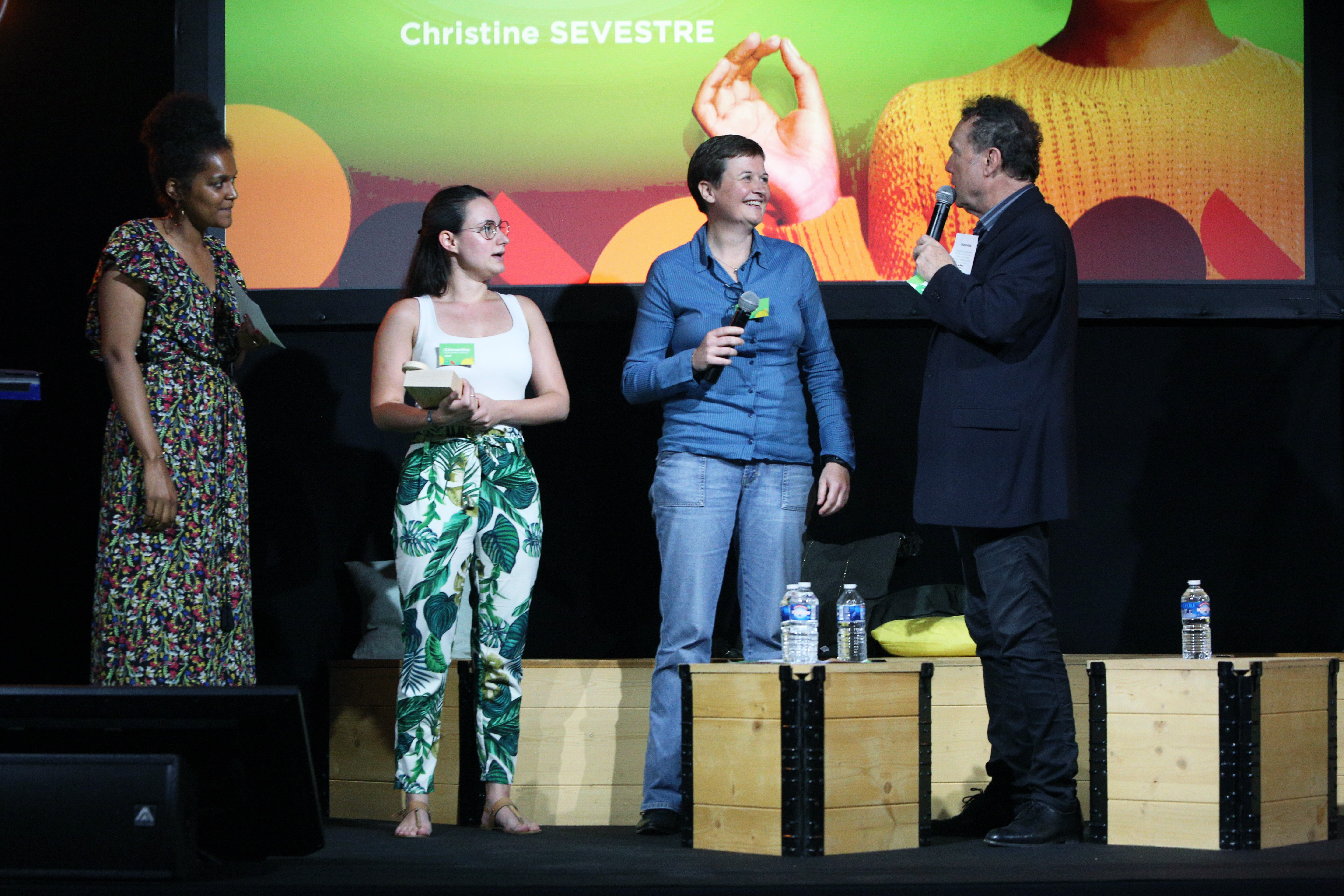
Eventpresentator / MC in Luik to keep your corporate agenda on track
Sommaire
In a corporate event, “entertainment” is rarely the real stake; control is. A strong Eventpresentator / MC protects your message by keeping speakers on time, securing smooth transitions, and preventing awkward silences or improvised remarks that can dilute leadership communication.
Organizations in Luik often expect a pragmatic, no-theatrics style: bilingual or internationally comfortable when needed, respectful of protocol, and able to manage technical constraints in older venues as well as modern congress spaces. The MC must be credible with executives and still approachable for employees.
From Brussels, INNOV'events supports events across Wallonia with frequent operations in Luik and the Meuse valley. Our MC work is integrated with stage management and production thinking: run-of-show, cueing, mic discipline, speaker coaching, and on-the-day decision-making under pressure.
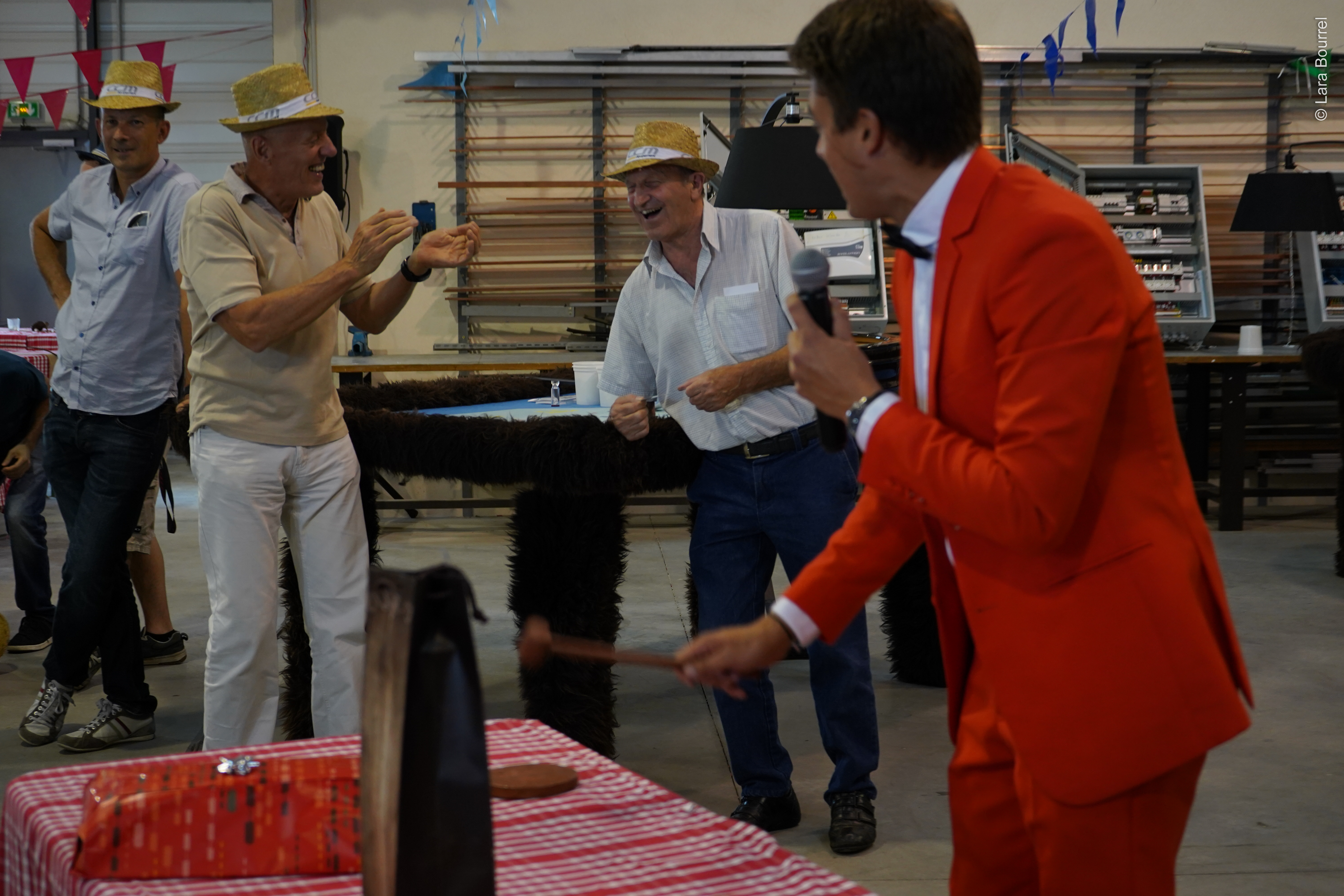
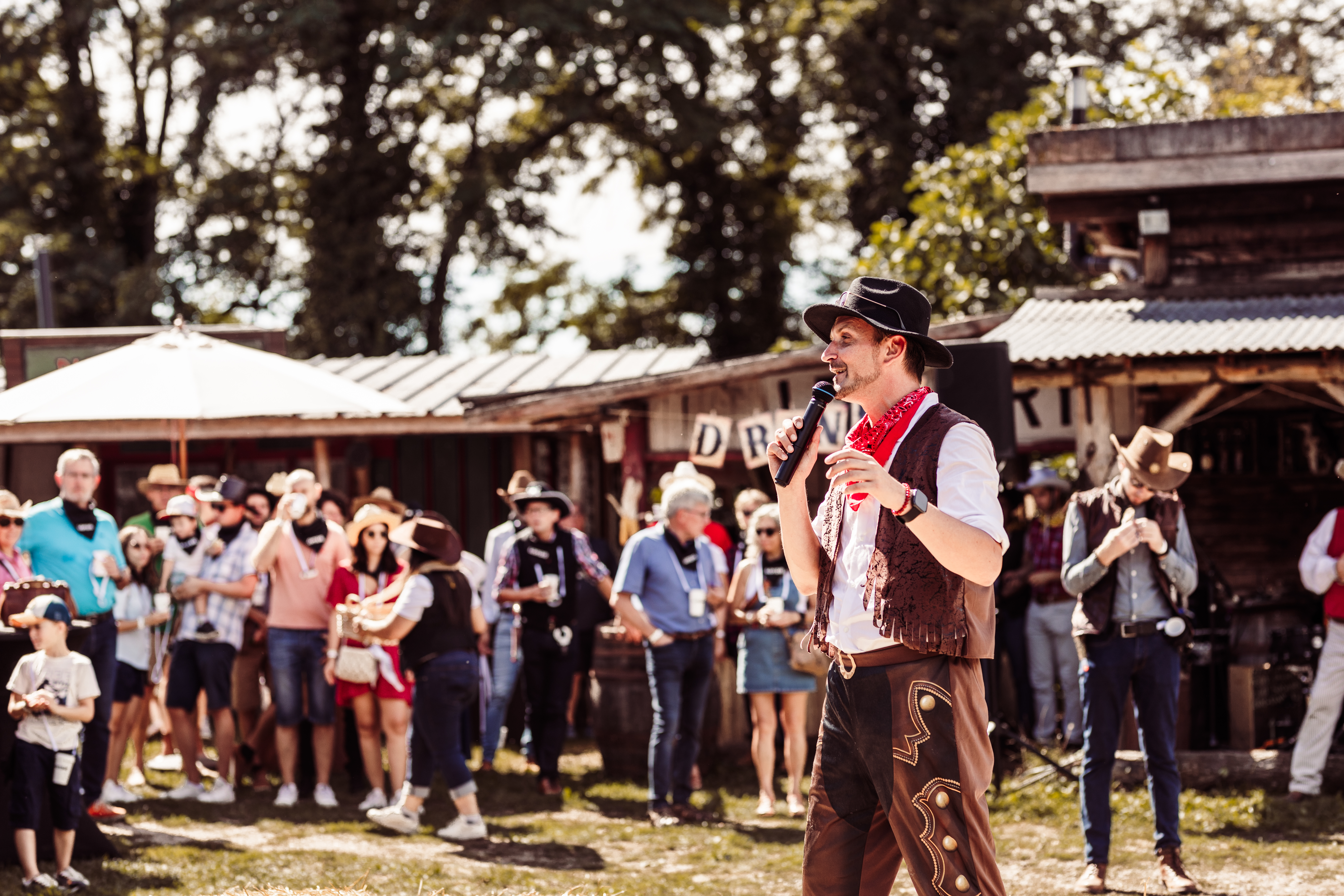
Proven delivery across Belgium, including Liège province
10+ years coordinating corporate events and stage flows in Belgium (internal meetings, client events, town halls, conferences).
Operational formats from 30 to 1,500+ attendees, with structured run-of-show management and speaker cueing.
Network of vetted partners (AV, simultaneous interpretation, stagehands, photographers) enabling fast scaling in Luik and across the province.
MC profiles available for different tones: boardroom-formal, innovation conference, awards night, or employee town hall—always aligned with your leadership style.
Local anchoring for companies active in Luik
We regularly support corporate teams that operate in and around Luik, including organizations with multi-site realities (Brussels HQ, production or R&D in Wallonia, international stakeholders passing through). Many clients come back year after year because an MC who already understands their internal vocabulary, governance rhythms, and sensitivities saves real time during preparation and reduces risk on event day.
If you share the company names you want us to mention (as per your internal reference list), we will integrate them precisely and responsibly (context, event type, and what the MC solved). In the meantime, our approach remains the same: we treat each Eventpresentator / MC in Luik assignment as a leadership communication deliverable, not as a “nice-to-have” animation.
 Besoin d’un devis rapide ?
Nous vous envoyons une première proposition sous 24h.
What a strong MC changes for your leadership event in Luik
When executives invest in a live event, they typically want one thing: alignment. A skilled Eventpresentator / MC is the operational layer that makes alignment measurable—because the agenda is respected, key messages land clearly, and the audience stays engaged without losing the room to side conversations or technical dead time.
Time discipline without frustration: keeping keynote speakers, panels and Q&A within hard limits (e.g., 12 minutes instead of “about 15”), while preserving speaker authority through elegant time cues.
Message consistency: bridging segments so the audience understands why the next topic matters (strategy → execution → recognition). This is critical when different departments present with different communication maturity.
Risk reduction for sensitive moments: handling workforce topics (reorg, safety, performance, ESG) with the right tone, avoiding “off-script” jokes or comments that could be misinterpreted internally or externally.
Higher participation in Q&A: structuring questions, rephrasing when unclear, balancing audience voices, and protecting executives from aggressive or off-topic interventions—without appearing defensive.
Better technical flow: coordinating mic handovers, on-stage movement, VT playback, interpretation cues, and stage entrances so that leadership looks in control even when the backstage is tight.
Improved stakeholder experience: sponsors, partners, and VIP guests feel looked after when the event is paced and coherent—especially important for client-facing formats in Luik.
Luik has a strong industrial and engineering culture: people value clarity, substance, and respect for time. An MC who understands that local expectation will avoid “over-showing” and instead deliver a confident, structured, business-first moderation style.
How Liège province audiences judge a corporate MC
In Luik and Liège province, audiences are often a mix of operational teams, technical experts, union-aware environments, and international visitors (suppliers, group leadership, or institutional stakeholders). That combination creates very specific expectations for an MC.
First, credibility matters more than hype. A presenter who tries to energize the room with generic “let’s make some noise” lines will lose engineers, plant managers, or senior staff in seconds. What works better is calm authority: clear introductions, correct pronunciation of names and projects, and the ability to summarize complex topics without oversimplifying.
Second, bilingual and cross-cultural ease is often required. Even when the event is officially in French, executives may switch to English for certain segments, or a speaker may be more comfortable in Dutch/English. A professional Eventpresentator / MC prepares bridging lines, confirms language expectations speaker by speaker, and aligns with interpretation teams when present.
Third, logistics can be unforgiving. In Luik, you may be dealing with a venue that has limited backstage space, strict sound restrictions, or constrained load-in times. The MC must adapt the stage plan: fewer on-stage chairs, tighter transitions, controlled audience movement, and clear instructions to avoid congestion.
Finally, institutional sensitivity can appear unexpectedly. When public partners, academia, or city stakeholders attend, protocol and tone become more formal. We brief the MC so that acknowledgements are accurate, titles are correct, and priority seating or speaking order is respected.
Which MC-led formats work best for corporate events in Luik
When you “modernize entertainment” for a corporate event, the goal is usually engagement with control: keeping attention high while protecting your agenda and brand tone. In Luik, the most effective formats are often those that respect substance and create structured interaction rather than pure spectacle.
Animations Interactives à Luik
Moderated executive Q&A with structured question intake: QR code or app-based questions, filtered by themes (strategy, HR, operations). The MC groups and rephrases questions to keep it fair and time-efficient.
Live pulse-check moments: short voting questions (3–5 max) during a town hall to measure sentiment on priorities. We advise on wording to avoid loaded questions and to keep results interpretable.
Panel moderation with “role clarity”: each panelist has a defined angle (customer, operations, talent, innovation). The MC prevents panel drift and avoids the common trap of 5 people answering the same question.
Awards with business framing: instead of long lists, the MC uses concise criteria and connects recognition to behaviors the company wants to scale (safety, customer centricity, continuous improvement).
Animations Artistiques à Luik
Short stage openings (2–4 minutes) with local cultural touchpoints: a light reference to Luik without clichés, used to set tone before leadership content. This works well for external client events and conferences.
Voice-of-customer interludes: a curated interview (live or recorded) introduced and debriefed by the MC to keep it professional and avoid testimonial drift.
Music cues as production tools: walk-in/out tracks and short stings that signal transitions and keep energy consistent. It is “artistic” but primarily operational: it reduces dead time.
Animations Innovantes à Luik
MC-guided tasting moments: when catering is a strategic part of the event (VIP reception, partner evening), the MC can introduce a short, timed tasting segment so service stays synchronized and speeches don’t collide with noise.
Networking prompts during breaks: two or three structured prompts announced by the MC (e.g., “find someone from another site” / “share one operational win”). This is simple but effective for cross-site groups in Liège province.
Animations Gourmandes à Luik
Hybrid moderation with remote speakers: the MC manages latency, handovers, and audience questions so remote interventions feel integrated. We plan fallback options (phone audio, local playback) in case a connection drops.
On-stage data storytelling: the MC introduces a short “numbers segment” where key KPIs are presented with strict timeboxing and clear interpretation, avoiding the common ‘slide overload’ scenario.
Audience microphone routing plan: for large rooms in Luik, we design mic positions and movement rules so Q&A does not become chaotic or time-wasting.
The deciding factor is always brand alignment: an MC format must reinforce how you want leadership to be perceived (serious, approachable, innovative, rigorous). We validate tone, vocabulary, and boundaries upfront so the Eventpresentator / MC supports your image rather than “adding a layer” that feels imported.
Which venue setups in Luik fit a professional MC format
The venue is not a backdrop; it determines how the MC can control the room. Sightlines, ceiling height, audio reflections, backstage access, and foyer layout directly impact timing and perceived professionalism. For Luik events, we pay special attention to load-in constraints and acoustic control, especially when you combine plenary content with catering.
| Venue type | For which objective? | Main strengths | Possible constraints |
|---|---|---|---|
| Congress / conference center | Plenary sessions, panels, bilingual conferences with tight timing | Professional AV infrastructure, backstage options, room scalability, easier cueing for an MC | Availability peaks, strict technical rules, costs can rise with staffing and extended hours |
| Industrial or company site (on-site hall) | Town halls, safety milestones, operational celebrations close to teams | Authenticity, easier access for operational staff, strong employer-brand signal in Liège province | Acoustics, power distribution, staging permissions, additional safety coordination |
| Hotel ballroom / event floor | Leadership offsites, partner evenings, awards dinners (200–600) | Integrated catering flow, guest convenience, predictable service rhythms for MC pacing | Noise during service, limited rigging points, room shape can reduce sightlines |
We insist on a site visit (or at minimum a technical walk-through with photos and measurements) because MC performance depends on details: where the confidence monitor sits, how speakers enter, whether the FOH position blocks sightlines, and how quickly the room can reset for a break. In Luik, these practical checks prevent last-minute compromises.
What does an Eventpresentator / MC cost in Liège province?
Pricing for a Eventpresentator / MC is driven by preparation effort and operational complexity—not only by stage time. A 60-minute stage presence can represent several days of scripting, stakeholder alignment, and technical coordination when the agenda is dense or sensitive.
Format and stakes: internal town hall, client conference, awards night, or public-facing event. External formats usually require higher protocol discipline and more rehearsal.
Duration and agenda density: half-day vs full-day, number of speakers, number of transitions, and whether there is a panel + audience Q&A.
Languages and interpretation: bilingual moderation or coordination with simultaneous interpretation adds preparation and cueing complexity.
Content work: writing introductions, bridging lines, and executive key-message framing; collecting speaker bios; aligning pronunciation and titles.
Technical environment: complexity of AV (VT playback, walk-in/out cues, teleprompter, hybrid connections). The more moving parts, the more stage management is required.
Rehearsal requirements: same-day technical rehearsal vs full rehearsal the day before; number of speakers available for run-through.
Travel and on-site time in Luik: call time, parking/load-in constraints, and whether the MC must be present for soundchecks, VIP welcome, and post-session networking.
From an ROI standpoint, the right MC protects the most expensive line items: executive time, audience attention, and brand risk. If a CEO segment overruns by 12 minutes, it can cascade into catering overtime, lost networking value, and frustrated participants. A disciplined Eventpresentator / MC in Luik prevents those hidden costs.
Why work with an event partner connected to Luik
For decision-makers, the question is rarely “can you find an MC?”—it is “can you guarantee delivery under real constraints?”. Working with a team that is operationally active in Luik reduces friction across venue coordination, technical sourcing, and last-minute changes.
As an agency, we do not drop an MC into your event and hope it works. We integrate moderation into the production plan: run-of-show ownership, AV alignment, speaker handling, and crisis-proofing. If you also need end-to-end support (venue, suppliers, registration, scenography), you can rely on our local capability via our event agency in Luik network approach—without multiplying intermediaries.
- Faster escalation paths: direct contact with local venue teams and technicians when the schedule shifts.
- Better supplier fit: choosing AV and staffing partners who match the room size and the audience profile, avoiding over- or under-specification.
- Realistic planning: call times and rehearsals built around local traffic patterns, parking realities, and load-in rules.
- Consistency for recurring events: if you run an annual town hall or client day in Luik, we keep the playbook and improve it each edition.
From an ROI standpoint, the right MC protects the most expensive line items: executive time, audience attention, and brand risk. If a CEO segment overruns by 12 minutes, it can cascade into catering overtime, lost networking value, and frustrated participants. A disciplined Eventpresentator / MC in Luik prevents those hidden costs.










What we have delivered with MC moderation in Luik
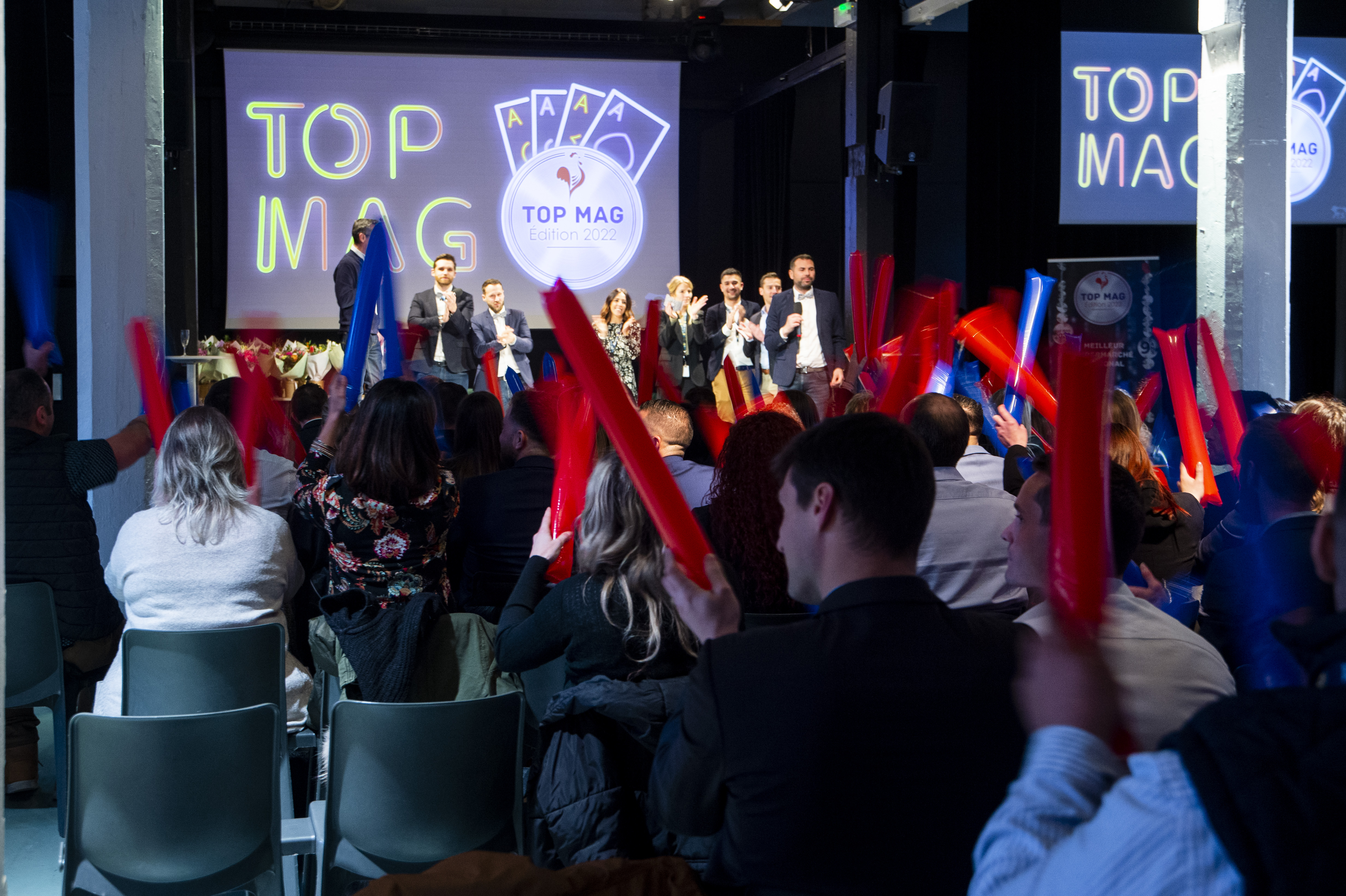
Our MC assignments span internal and external corporate formats, with different risk profiles and tones. In practice, the value of a professional Eventpresentator / MC is most visible in complex agendas: multiple speakers, mixed languages, hybrid interventions, and high expectations from leadership.
Examples of real situations we routinely manage in Luik and similar Belgian contexts include:
- Executive town hall with sensitive Q&A: we set up rules for questions, confirm escalation lines with HR and Comms, and keep the discussion open without letting it derail into individual cases.
- Client conference with panel + product moments: we ensure the MC bridges sales messaging with credibility, keeping demos on time and avoiding technical dead air during setup.
- Awards evening with strict pacing: we align trophy handovers, walk paths, photo moments, and sponsor acknowledgements while respecting dinner service constraints.
- Hybrid keynote with remote leadership: we time-check remote speakers, coordinate video playback locally as backup, and keep the audience engaged during connection switches.
Across these formats, our constant is operational discipline: we make sure the event looks controlled from the room, even when multiple changes happen backstage.
Common failures we prevent for MC-led events in Liège province
No clear run-of-show: the MC receives a “program” but no cueing document. Result: delays, awkward handovers, and constant improvisation with AV.
Underestimating transitions: moving from keynote to panel to awards sounds easy on paper; in the room, it adds 20–40 seconds each time—unless it is staged and rehearsed.
Speakers not briefed on timing: executives often “feel” they are on time while overrunning by 25–40%. Without a time signaling method agreed upfront, the MC cannot intervene cleanly.
Microphone chaos in Q&A: one roaming mic for 400 people creates dead time and frustration. Poor sound in a reflective room is even worse.
Mismatch of tone: a presenter who is too casual for a formal audience (or too formal for an internal culture) damages credibility more than a small technical glitch.
Script overload: writing everything word-for-word can make the MC sound artificial. We script critical transitions and risk points, leaving room for natural delivery.
Ignoring catering noise: speeches during plate service or coffee refill are not “minor details”; they can ruin audibility and attention.
Our role is to anticipate these points and lock them down early: structure, timings, cueing, and tone. That is how we protect your leadership objectives in Luik, not by adding “extra animation” but by making the event run professionally.
Why recurring clients in Luik keep the same MC partner
When companies rebook an MC, it is usually because the preparation burden drops significantly in year two. The MC already understands internal acronyms, leadership personalities, and the “red lines” in communication—so executives feel safer and comms teams spend less time correcting tone.
Typical planning lead time: 3–8 weeks for a well-structured corporate event; 10–12 weeks when multiple languages, many speakers, or hybrid production are involved.
Speaker touchpoints: expect 1 briefing per speaker (15–30 minutes) plus one consolidated alignment with Comms/HR; for panels, add a 30–45 minute panel-specific run-through.
Run-of-show iterations: usually 2–5 versions before final lock, depending on the number of stakeholders and approvals.

Loyalty is not about habit; it is about reduced risk. A trusted Eventpresentator / MC in Luik becomes part of your internal event governance: reliable timing, consistent tone, and predictable delivery under pressure.
How we prepare an MC assignment in Luik from briefing to show-call
👉 Define objectives and constraints for Luik audiences
We start with what executives and HR/Comms actually need: alignment goal, sensitive topics, target behaviors, and the audience profile (management vs frontline vs clients). We confirm constraints typical to Luik events: venue rules, bilingual expectations, union sensitivity, and executive availability for rehearsal.
👉 Build the run-of-show and stage logic in Liège province
We translate your program into a production document: cue list, timing by minute, speaker on-deck list, mic plan, VT filenames, and break management. We identify high-risk segments (panel, awards, hybrid) and assign responsibilities between MC, stage manager, AV lead, and client-side decision-maker.
👉 Write MC transitions and align leadership messaging
We draft introductions, context bridges, and close-out lines to ensure coherence. We validate titles, names, pronunciation, and sponsor/institution acknowledgements. For executive segments, we propose optional framing lines that strengthen clarity without rewriting leadership voice.
👉 Speaker briefing and rehearsal planning
Each speaker receives a concise brief: time target, how they are introduced, stage entry/exit, clicker discipline, and Q&A approach. We set a realistic rehearsal plan: at minimum a technical run-through; for high-stakes events in Luik, a partial rehearsal with key speakers and the panel.
👉 Show-day delivery and real-time control
On the day, the MC and stage management run the event from a single source of truth (the run-of-show). We manage timing signals, adapt to delays (late VIP arrival, extended networking, technical incidents), and protect your critical moments (CEO keynote, awards, announcements) so the event finishes on time and looks controlled to the audience.
FAQ sur l'organisation Eventpresentator / MC à Luik
How early should we book an MC in Luik?
For a standard corporate event in Luik, book 4–8 weeks ahead. For conferences with multiple speakers, bilingual segments or hybrid elements, plan 8–12 weeks to secure the right profile and allow scripting + rehearsal.
Can the MC manage a tough Q&A in Luik town halls?
Yes—if it is prepared. We set Q&A rules (time per question, themes, mic routing), align escalation with HR/Comms, and brief executives on answer structure. The MC moderates firmly but respectfully, keeping the room open while preventing derailment.
Do you provide bilingual MC services in Liège province?
Yes. We can deliver moderation in French/English and coordinate with interpreters when needed. We confirm language per segment and script bridges so switches feel intentional, not improvised.
What information do you need for an MC quote in Luik?
We need: date/venue area, audience size (30–1,500), event type (town hall, client event, awards), languages, number of speakers/panels, whether Q&A is planned, and your draft agenda. With that, we can scope preparation time and on-site requirements accurately.
How do you keep an event on time in Luik venues?
We use a minute-by-minute run-of-show, agreed time targets per speaker, and discreet time signaling. We also reduce transition time with stage blocking (where people enter/exit), mic plan, and pre-checked media cues. If something slips, the MC applies a pre-approved recovery plan (shortened transitions, adjusted breaks, or tightened Q&A).
Request an MC proposal for Luik and lock the agenda early
If you are comparing agencies, we suggest a practical next step: send us your draft agenda (even if incomplete), the venue shortlist in Luik, and your language requirements. We will respond with a clear MC scope (preparation, scripting, rehearsal, show-day coverage), the operational assumptions behind the quote, and the risks we would neutralize.
For executive events, the best results come when moderation is planned early—before speakers write slides and before the program is “set in stone.” Contact INNOV'events to secure the right Eventpresentator / MC in Luik and keep your event timing, tone, and stakeholder experience under control.
Agence INNOV'events Luik
Justin JACOB est le responsable de l'agence événementielle Luik. Contactez-le directement par mail via l'adresse belgique@innov-events.be ou par formulaire.
Contacter l'agence LuikToutes nos prestations & animations Luik, Belgique
Découvrez nos prestations événementielles
Découvrez nos animations événementielles disponibles au Belgique
- Hôtesse événementielle à Luik
- Escape Game à Luik
- Cours de cuisine type MasterChef à Luik
- Magicien à Luik
- Location de chapiteau à Luik
- Atelier colorimétrie à Luik
- Jeux gonflables à Luik
- Service de voiturier à Luik
- Simulateur de football à Luik
- Location de mobilier lumineux à Luik
- Flocage lumineux à Luik
- Repas insolite à Luik
- Light Painting à Luik
- Murder Party à Luik
- Jeu concours à Luik
- PLV événementielle à Luik
- Réalité virtuelle à Luik
- Cuisine moléculaire à Luik
- Animation Halloween à Luik
- Feu d’artifice à Luik
- Jeux géants à Luik
- Animateur événementiel à Luik
- Animation photo à Luik
- Père Noël à Luik
- Animation enfants à Luik
- Visite guidée à Luik
- Rallye urbain à Luik
- Piscine à balles à Luik
- Simulateur de vol à Luik
- Location de food truck à Luik
- Record du monde à Luik
- Simulateur de surf à Luik
- Casino du vin à Luik
- Atelier relooking à Luik
- Atelier création de parfum à Luik
- Atelier acting à Luik
- Animations RSE à Luik
- Tir à l’arc à Luik
- Agent de sécurité à Luik
- Œnologie à Luik
- Mime à Luik
- Jeu télévisé à Luik
- Fête foraine à Luik
- Atelier gestion de crise à Luik
- Atelier négociation de crise à Luik
- Jeux d’arcade à Luik
- Simulateur de chute libre à Luik
- Simulateur de ski à Luik
- Simulation circuit automobile à Luik
- Baptême de l’air à Luik
- Dégustation à Luik
- Création de baby-foot à Luik
- Rallye 2CV à Luik
- Challenge LEGO à Luik
- Animation casino à Luik
- Interprète / traducteur à Luik
- Goodies à Luik
- Bus / transfert à Luik