
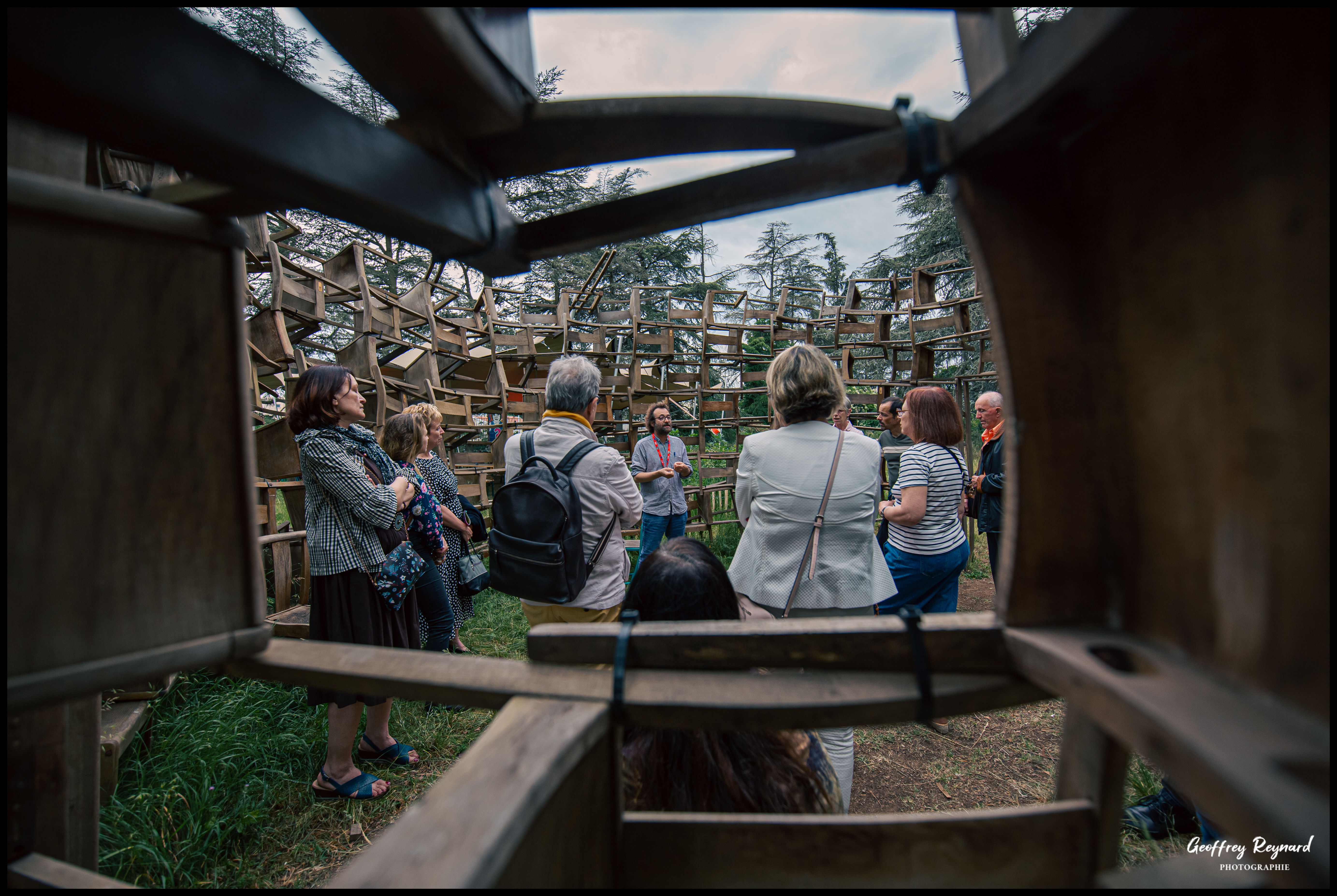
Geleide rondleiding in Brussel for corporate groups: structure, pacing, impact
INNOV'events is a Brussels-based agency organizing Geleide rondleiding formats for corporate groups of 10 to 300 attendees. We manage the full chain: route design, licensed guiding, group split, permits, transport, and contingency planning.
For executives, HR and Comms, the objective is simple: a visit that supports your message (culture, strategy, onboarding, client relations) while staying operationally tight in Brussel.
Sommaire
In a corporate agenda, entertainment is not “extra”: it is a management tool. A well-run Geleide rondleiding creates shared reference points, resets attention after meetings, and builds informal exchanges that you cannot force in a boardroom—while keeping the time discipline expected by executives.
Organizations in Brussel typically expect three things: bilingual delivery (NL/FR, often EN), predictable timing for VIP and speaker schedules, and a professional stance aligned with brand image (no improvisation, no folklore). We design routes and scripts to match that reality.
We operate from Brussels and work weekly with venues, guides, and local authorities. That local presence is what keeps a visit smooth when the city is busy (EU summit traffic, demonstrations, museum time slots, coach parking restrictions) and you still need to deliver on the minute.
Operational references in Brussel you can verify
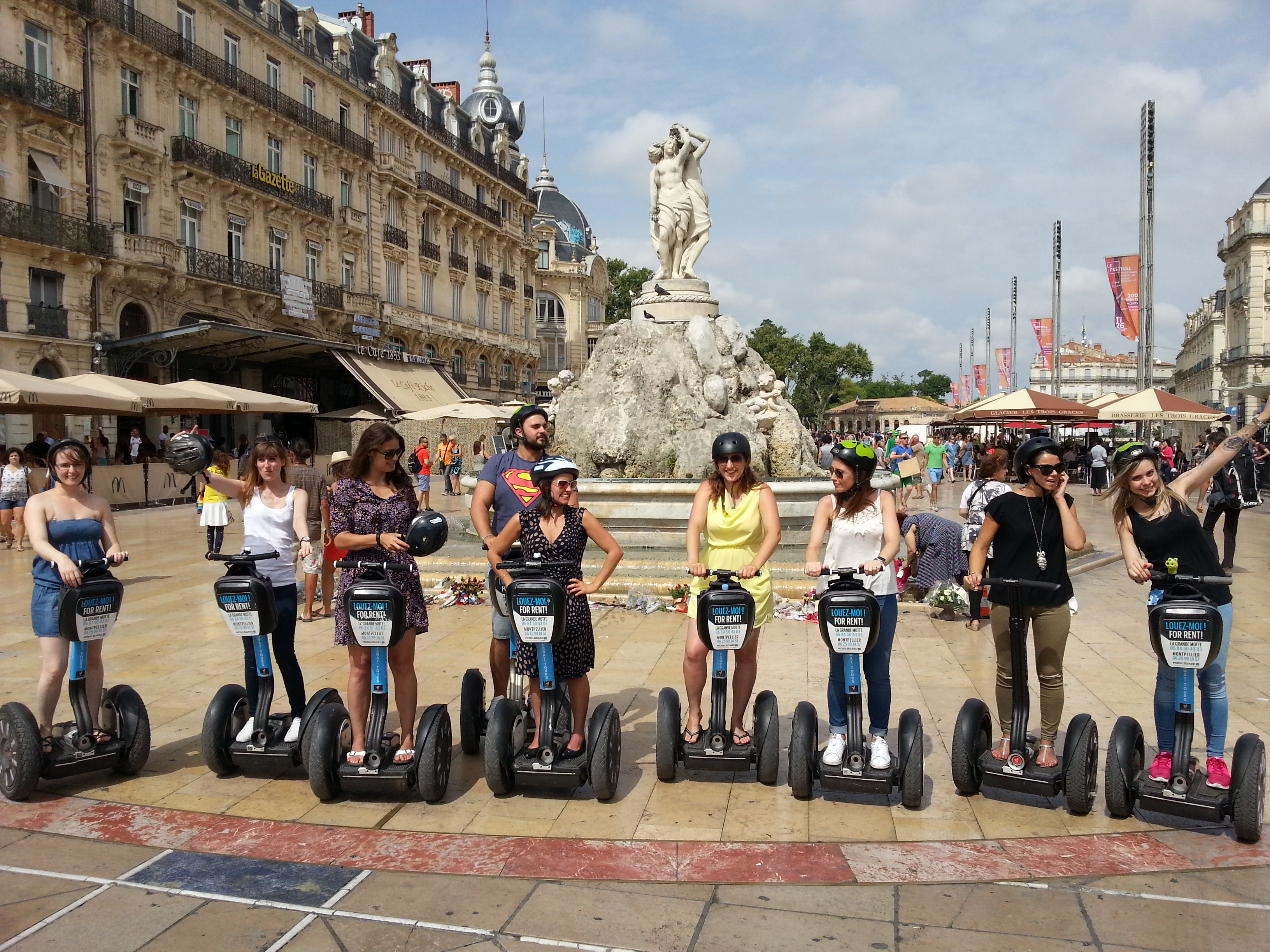
10–300 participants handled regularly on guided formats by splitting groups with synchronized start points and timed crossings.
48 hours typical turnaround for a first proposal (route + guide languages + logistics options) once we have your constraints.
2–6 guide teams deployed in parallel for corporate groups, with one lead coordinator on site.
15–45 minutes average buffer we plan for mobility in central Brussel (coach access, pedestrian density, security checks).
NL/FR/EN delivery available, with consistent messaging across groups through a shared briefing and written narrative.
Corporate guiding in Brussel with recurring teams
We support companies and institutions active in Brussel and the wider capital region, including headquarters teams, EU-facing departments, and international branches visiting Belgium for leadership offsites. Many clients come back year after year because they want the same reliability: punctual starts, consistent guide quality, and a route that remains coherent even when the city’s context changes.
In practice, this means we build “repeatable” formats: a core narrative aligned with your corporate story (innovation, governance, sustainability, employer brand), plus modular stops depending on season, crowd levels, and access. For example, an HR team can keep the same onboarding storyline while rotating the physical itinerary between Marolles, the Royal Quarter, or the European District based on group size and museum availability.
If you share your internal stakeholders and sensitivities (VIP presence, media risk, compliance requirements, or union representation), we adapt the tone and the operational setup. The goal is that your leadership team experiences the city as a controlled, professional environment—not as a logistical uncertainty.
 Besoin d’un devis rapide ?
Nous vous envoyons une première proposition sous 24h.
Why choose a guided tour in Brussel for executives and teams
A corporate Geleide rondleiding in Brussel works when it serves a managerial objective. We see it used as a “pressure release valve” after workshops, a culture lever for newly merged teams, or a client-relations moment where you need content and conversation starters without turning it into a formal presentation.
Stronger cross-team connections without forced networking: a well-paced walking format creates natural pair rotations. We design short “micro-briefing” moments (2–3 minutes) so leaders can steer conversations without dominating them.
Message retention through context: instead of a slide deck, we anchor key messages in places (governance near institutions, transformation near redevelopment zones). Comms teams appreciate this because it creates photos and stories that remain factual and brand-safe.
Inclusive participation in multilingual groups: we split by language (NL/FR/EN) or run bilingual guiding with disciplined handovers. This prevents the classic Brussels pitfall: one language group feels like an afterthought.
Time control and predictability: we work backwards from your non-negotiables (train times, dinner reservations, keynote start) and build a route with fixed checkpoints and buffer zones. This is essential for executive schedules.
Employer branding and onboarding: for new joiners, Brussels can feel abstract (institutions, neighborhoods, mobility). A guided narrative makes the city readable and reduces friction for international hires.
Client hospitality without “hard selling”: a tour offers neutral ground where clients can discuss projects informally. We can integrate discreet touchpoints (short stops near your office, or a coffee moment in a venue matching your positioning).
Brussel is a capital of decision-making, regulation, and multilingual collaboration. Using the city as a backdrop supports corporate culture: structured dialogue, respect for diversity, and pragmatic coordination—exactly what most leadership teams try to reinforce internally.
What corporate groups expect in Brussel (and what goes wrong)
Brussels is compact, but operationally complex. Corporate groups quickly notice when an agency is not local: they lose time at crossings, arrive too early at museums that require slot control, or get blocked by coach restrictions around the historic center. Your participants will not complain loudly; they will quietly disengage. HR and Comms will see it in low energy during the next session.
Typical expectations we manage in Brussel:
- Language discipline: NL/FR is often mandatory, with EN for international leadership. We align the narrative so each group receives the same key messages and timing, not three different tours.
- Mobility realism: “20 minutes walking” in a map can become 35 minutes with a group of 60, traffic lights, and photo stops. We plan with corporate walking speed, not tourist speed.
- Security and reputation: executives ask: “Is this area appropriate for our guests?” We consider visibility, protests, pickpocketing hotspots, and the optics of certain streets depending on your brand.
- Weather resilience: Brussels weather shifts fast. We prepare sheltered alternatives and plan indoor pivots (galleries, covered passages, cafés with group capacity) without scrambling.
- Accessibility: if you have participants with reduced mobility, we adapt routes and transport. It is not enough to say “wheelchair friendly”—we check curb cuts, surface quality, and accessible toilets.
We design tours like an event run, not like a leisure activity. That difference is what executives feel: calm pacing, clear instructions, and no awkward “where is everyone?” moments.
How to make a Brussel guided tour engaging without gimmicks
Engagement during a guided tour comes from rhythm and relevance, not from trying to turn it into a stage show. We add interaction only where it supports your objective: onboarding, client relationship, internal culture, or leadership alignment.
Animations Interactives à Brussel
Decision-point scenarios: at 2–3 stops, the guide presents a short dilemma linked to Brussels (urban planning, governance, mobility). Small groups choose an option and justify it in 60 seconds. This creates participation without putting anyone on the spot.
“Two truths and a myth” about Brussel: quick fact-check moments that keep attention high and help multilingual groups stay aligned. Useful when you need to re-energize people after a long workshop.
Executive micro-dialogues: for leadership groups, we design 3 short prompts aligned with your strategy (customer centricity, compliance, growth). Participants discuss while walking; the guide manages timing rather than “teaching”.
Animations Artistiques à Brussel
Architecture and design focus: Brussels offers strong material for a corporate narrative: Art Nouveau, institutional architecture, and contemporary redevelopment. This is especially effective for real estate, consulting, and tech clients hosting international guests.
Urban photography brief: a lightweight photo mission (5 shots) that supports internal communication: “collaboration”, “transformation”, “sustainability”, etc. We define clear boundaries (no faces without consent, no sensitive sites).
Animations Innovantes à Brussel
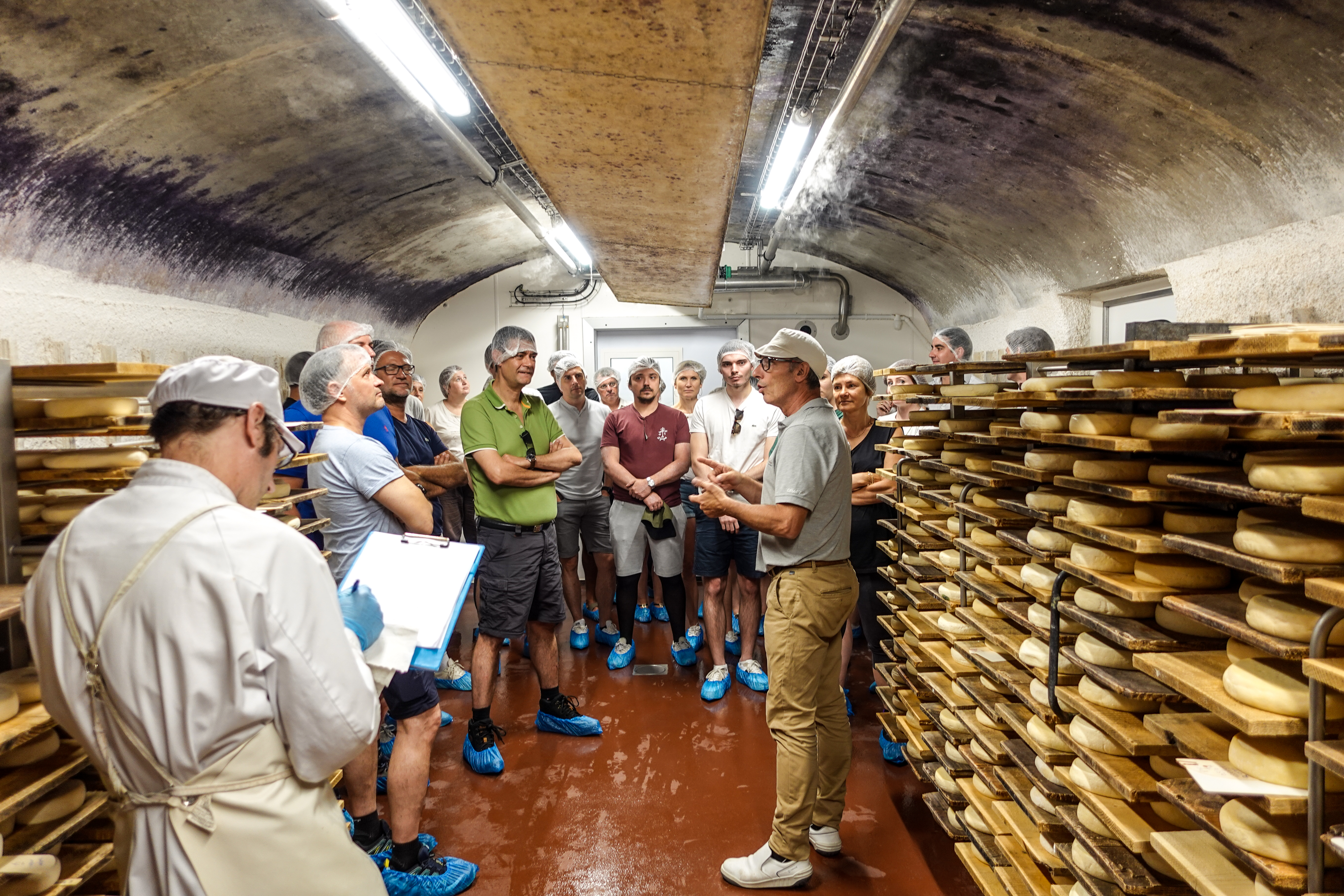
Structured tasting stops: rather than random snacks, we pre-book a time slot and define a strict tasting duration (15–25 minutes) to protect the schedule. Options can be adapted for allergies and dietary preferences.
Corporate-friendly Brussels classics: we select partners that can handle groups and invoicing cleanly (single invoice, clear VAT lines), which matters for finance teams.
Animations Gourmandes à Brussel
Silent tour (headsets): ideal in noisy areas of Brussel. It improves comprehension for multilingual groups and reduces the “crowd effect”. It also keeps you compliant with noise constraints near certain sites.
QR-based micro-content: optional, discreet links to short audio clips or maps for participants who want more depth without slowing the group. Useful for Comms teams who want post-event engagement.
Every added element must align with your brand image and internal culture. A regulated sector may prioritize discretion and accuracy; a creative company may allow more playful formats. Our role is to calibrate the engagement level so it supports your positioning and does not create reputational risk in Brussel.
Which areas in Brussel work best for a corporate guided tour
The route is your “venue” in a Geleide rondleiding. In Brussels, choosing the wrong setting can create noise, crowd density, and timing issues that undermine the experience. We select areas based on group size, narrative fit, and logistics (coach access, indoor pivots, toilets, and proximity to your meeting venue).
| Venue type | For which objective? | Main strengths | Possible constraints |
|---|---|---|---|
| Historic center (Grand-Place / Îlot Sacré edges) | Welcome of international guests, “Brussels essentials” in limited time | High perceived value, iconic backdrops for Comms, dense storytelling | Very crowded; timing risk; pickpocketing; difficult for large groups without headsets |
| European Quarter (Schuman / institutions perimeter) | Governance, regulation, public affairs, corporate responsibility themes | Direct link to decision-making ecosystem; credible for executive narratives | Security perimeters and demonstrations can alter access; less charm for leisure expectations |
| Royal Quarter / Mont des Arts | Premium client hosting, leadership offsites, culture positioning | Elegant routes, museum proximity, good photo spots, manageable pacing | Stairs and slopes; requires accessibility checks; time slots needed for museums |
We strongly recommend a site visit (or at minimum a route audit) before confirming. In Brussel, roadworks, events, and security constraints change quickly; a 30-minute reconnaissance can prevent a day-of schedule drift that impacts your whole program.
Brussel pricing: what drives the cost of a guided tour
Pricing for a corporate Geleide rondleiding in Brussel depends on operational parameters more than on “creativity”. The biggest cost drivers are staffing (number of guides and coordinators), duration, language setup, and mobility requirements.
Group size and split: beyond 25–30 people, splitting improves quality and safety but increases guide staffing. For 80 participants, for example, you may need 3–4 guides plus one lead coordinator.
Languages (NL/FR/EN): bilingual or parallel-language groups require additional guides or disciplined bilingual delivery with headsets.
Duration: common corporate formats are 60–90 minutes (between meetings) or 2–3 hours (offsite module). Longer durations require more buffer and comfort stops.
Headsets / silent tour: recommended in busy areas; adds rental logistics, distribution, and collection time—often worth it for comprehension and professionalism.
Transport: coach shuttles, tram integration, or a mixed plan (walking + short transfer) impacts coordination and permissions. Coach parking near the center is a known constraint in Brussel.
Stops with paid entry: museums or private locations require time slots, group conditions, and sometimes security screening.
Timing pressure: if your program has tight links (train departures, dinner slot), we add more coordination resources to protect the schedule.
We frame budget with an ROI lens: fewer minutes lost, higher comprehension (especially multilingual), and reduced internal workload for HR/Comms on the day. For executive programs, paying for coordination is often cheaper than absorbing the cost of schedule disruption.
Why a Brussel-based agency reduces operational risk
A Geleide rondleiding in Brussel looks simple until you run it with 60 employees, two languages, a tight dinner booking, and a city center that is partially blocked due to an institutional event. The advantage of working with a local agency is not “local charm”; it is operational predictability.
As an event agency in Brussel, we know which meeting points actually work, which streets become saturated at specific hours, how long it takes a corporate group to cross certain junctions, and which partners can handle corporate invoicing and group discipline.
- Faster decision-making: we can validate routes and alternatives quickly because we know the terrain and the partner constraints.
- Reliable partner network: guides who are comfortable with corporate audiences, venues used to group slots, and transport partners who understand Brussels access rules.
- On-site reactivity: if conditions change (rain, protests, delays), we can pivot without improvising.
- Brand and compliance awareness: we brief guides on your reputational constraints and ensure a tone appropriate for leadership and client groups.
We frame budget with an ROI lens: fewer minutes lost, higher comprehension (especially multilingual), and reduced internal workload for HR/Comms on the day. For executive programs, paying for coordination is often cheaper than absorbing the cost of schedule disruption.





Examples of guided tours delivered in Brussel for companies
We deliver guided formats across different corporate contexts, because the operational design changes depending on the audience and stakes.
- Leadership offsite (25–40 pax): a 90-minute walk used as a transition between strategy workshops and dinner. Requirement: strict timing and discreet tone. Our setup typically includes one senior guide, one coordinator, and a pre-booked indoor stop to secure comfort and conversation quality.
- Onboarding day for international hires (40–120 pax): split into language groups (EN + FR/NL). Requirement: consistent narrative and inclusive participation. We run parallel teams with synchronized checkpoints and a shared script so each group receives the same “Brussels decoded” content.
- Client hospitality (10–25 pax): premium route selection with controlled photo moments, minimal crowd friction, and a short tasting stop with guaranteed seating. Requirement: protect brand optics and avoid chaotic street moments.
- Internal culture week (80–300 pax across time slots): multiple departures over a day, repeated with identical standards. Requirement: repeatability and reliability. We use standardized briefings, clear signage at meeting points, and a coordinator-led flow to avoid bottlenecks.
Across these cases, the constant is the same: we engineer the tour as part of your program, not as a standalone leisure activity.
Common pitfalls in Brussel corporate guided tours (and how we prevent them)
Underestimating walking time: corporate groups move slower than tourists. We plan realistic pacing and include buffers tied to your fixed schedule.
Too-large single group: above 25–30 people, audibility and safety drop quickly. We propose splits, headsets, and clear regroup points.
Language handled as an afterthought: switching languages ad hoc creates frustration. We decide upfront: parallel groups, bilingual guide, or headsets with structured translation.
Risky meeting points: some iconic spots are operationally poor (crowds, noise, limited space). We choose meeting points that look professional and allow clean headcounts.
No weather plan: rain changes everything in Brussel. We pre-validate sheltered alternatives and indoor pivots.
Missing corporate tone: a great tourist guide is not always a great corporate guide. We staff based on audience sensitivity and brief guides on reputational boundaries.
Our role is to remove these risks before event day, so your internal teams can focus on stakeholders—not on operational firefighting in Brussel.
Why Brussels clients renew year after year
Client loyalty in corporate events is rarely about novelty. It is about predictability, stakeholder comfort, and reduced workload for internal teams. In Brussels, where schedules are tight and audiences are often international, those factors matter even more.
2 planning cycles are typical with our recurring clients: one light cycle for repeat formats, one deeper cycle when leadership messages change.
1 single point of contact on our side from brief to delivery, to avoid information loss across departments.
0 surprises on invoicing: we structure proposals with clear options (headsets, tastings, transport) and transparent assumptions.

Loyalty is the most reliable proof point in our sector: it indicates that the experience held up under real pressure—late arrivals, last-minute VIP changes, and the operational reality of Brussel.
How we run a Geleide rondleiding project in Brussel from brief to delivery
👉 Step 1 — Executive brief and constraint mapping (Brussel)
We collect the non-negotiables: purpose, audience profile, languages, timing dependencies, risk tolerance, and mobility constraints. We also confirm success criteria: what HR/Comms wants participants to say or do afterwards. This step typically takes 30–45 minutes and prevents misalignment later.
👉 Step 2 — Route proposal with operational assumptions (1000)
We send a proposal that is readable for decision-makers: route logic, duration, meeting point, group split, languages, and clear options (headsets, indoor stop, tasting, transport). We explicitly state assumptions: expected walking pace, buffer time, and what happens if the city is saturated.
👉 Step 3 — Guide staffing and narrative calibration (Brussel)
We assign guides based on language and corporate fit, then align them with your messages. If needed, we create a short written “guide brief” including do/don’t topics, preferred vocabulary, and a consistent storyline across parallel groups. This is where Comms teams typically add value.
👉 Step 4 — Logistics lock and risk plan (1000)
We secure time slots (if any), validate transport constraints, and finalize the run-of-show: assembly time, start time, checkpoints, indoor pivot options, and end point handover. For groups above 60 pax, we add signage and a coordinator-led flow to reduce confusion.
👉 Step 5 — Event day delivery and stakeholder comfort (Brussel)
On the day, our coordinator manages arrivals, headcounts, latecomers, and transitions. Guides focus on content and participant experience. If timing shifts, we compress or branch the route using pre-agreed levers so your dinner, keynote, or transport connections remain protected.
👉 Step 6 — Debrief and reuse for future teams (1000)
We close with a short debrief: what worked, what to adjust, and which parts can be reused for future cohorts (onboarding, client visits, culture weeks). This is how guided tours become a repeatable internal asset rather than a one-off activity.
FAQ sur l'organisation Geleide rondleiding à Brussel
How long should a corporate guided tour be in Brussel?
Most corporate formats in Brussel work best at 60–90 minutes between meetings, or 2–3 hours as an offsite module with one indoor stop. Beyond 3 hours, attention drops unless you add a seated break and strict pacing.
How many participants per guide for Brussel walking tours?
For corporate comfort and audibility in Brussel, plan 15–25 participants per guide. If you use headsets, you can go up to 25–30, but we still recommend splitting to keep street crossings safe and timing predictable.
Can you run a bilingual NL/FR tour in Brussel?
Yes. We can run parallel NL and FR groups with synchronized timing, or a bilingual delivery for smaller groups. For 30+ participants, parallel groups are usually more comfortable; for 10–20 participants, bilingual can work if the script is structured and the pace is managed.
Do we need permits for a guided tour in Brussel?
For standard walking routes, permits are not always required, but constraints apply: group size, use of amplification, and access rules near certain buildings or during public events. If you add a coach drop-off, a museum visit, or reserved spaces, we manage the required authorizations and time slots.
What budget range for a corporate guided tour in Brussel?
As an order of magnitude in Brussel, expect €650–€1,200 for a single guide with coordination for a small group, and €1,500–€4,500+ for multi-guide setups (60–200 pax) depending on languages, headsets, duration, and transport. We quote after confirming your constraints and success criteria.
Plan your Geleide rondleiding in Brussel with clear constraints
If your program includes leadership, clients, or multilingual teams, the value comes from control: timing, language consistency, and a route engineered for the real conditions of Brussel. Share your date, group size, languages, and the fixed moments of your agenda (meeting start/end, dinner, transport), and we will come back with a structured proposal and options.
To secure the best guide teams and indoor pivots, we recommend confirming key parameters 2–4 weeks in advance (earlier for peak periods and large groups). Contact INNOV'events to request a quote and a practical routing recommendation.
Agence INNOV'events Brussel
Justin JACOB est le responsable de l'agence événementielle Brussel. Contactez-le directement par mail via l'adresse belgique@innov-events.be ou par formulaire.
Contacter l'agence BrusselToutes nos prestations & animations Brussel, Belgique
Découvrez nos prestations événementielles
Découvrez nos animations événementielles disponibles au Belgique
- Hôtesse événementielle à Brussel
- Escape Game à Brussel
- Cours de cuisine type MasterChef à Brussel
- Magicien à Brussel
- Location de chapiteau à Brussel
- Atelier colorimétrie à Brussel
- Jeux gonflables à Brussel
- Service de voiturier à Brussel
- Simulateur de football à Brussel
- Location de mobilier lumineux à Brussel
- Flocage lumineux à Brussel
- Repas insolite à Brussel
- Light Painting à Brussel
- Murder Party à Brussel
- Jeu concours à Brussel
- PLV événementielle à Brussel
- Réalité virtuelle à Brussel
- Cuisine moléculaire à Brussel
- Animation Halloween à Brussel
- Feu d’artifice à Brussel
- Jeux géants à Brussel
- Animateur événementiel à Brussel
- Animation photo à Brussel
- Père Noël à Brussel
- Animation enfants à Brussel
- Visite guidée à Brussel
- Rallye urbain à Brussel
- Piscine à balles à Brussel
- Simulateur de vol à Brussel
- Location de food truck à Brussel
- Record du monde à Brussel
- Simulateur de surf à Brussel
- Casino du vin à Brussel
- Atelier relooking à Brussel
- Atelier création de parfum à Brussel
- Atelier acting à Brussel
- Animations RSE à Brussel
- Tir à l’arc à Brussel
- Agent de sécurité à Brussel
- Œnologie à Brussel
- Mime à Brussel
- Jeu télévisé à Brussel
- Fête foraine à Brussel
- Atelier gestion de crise à Brussel
- Atelier négociation de crise à Brussel
- Jeux d’arcade à Brussel
- Simulateur de chute libre à Brussel
- Simulateur de ski à Brussel
- Simulation circuit automobile à Brussel
- Baptême de l’air à Brussel
- Dégustation à Brussel
- Création de baby-foot à Brussel
- Rallye 2CV à Brussel
- Challenge LEGO à Brussel
- Animation casino à Brussel
- Interprète / traducteur à Brussel
- Goodies à Brussel
- Bus / transfert à Brussel