
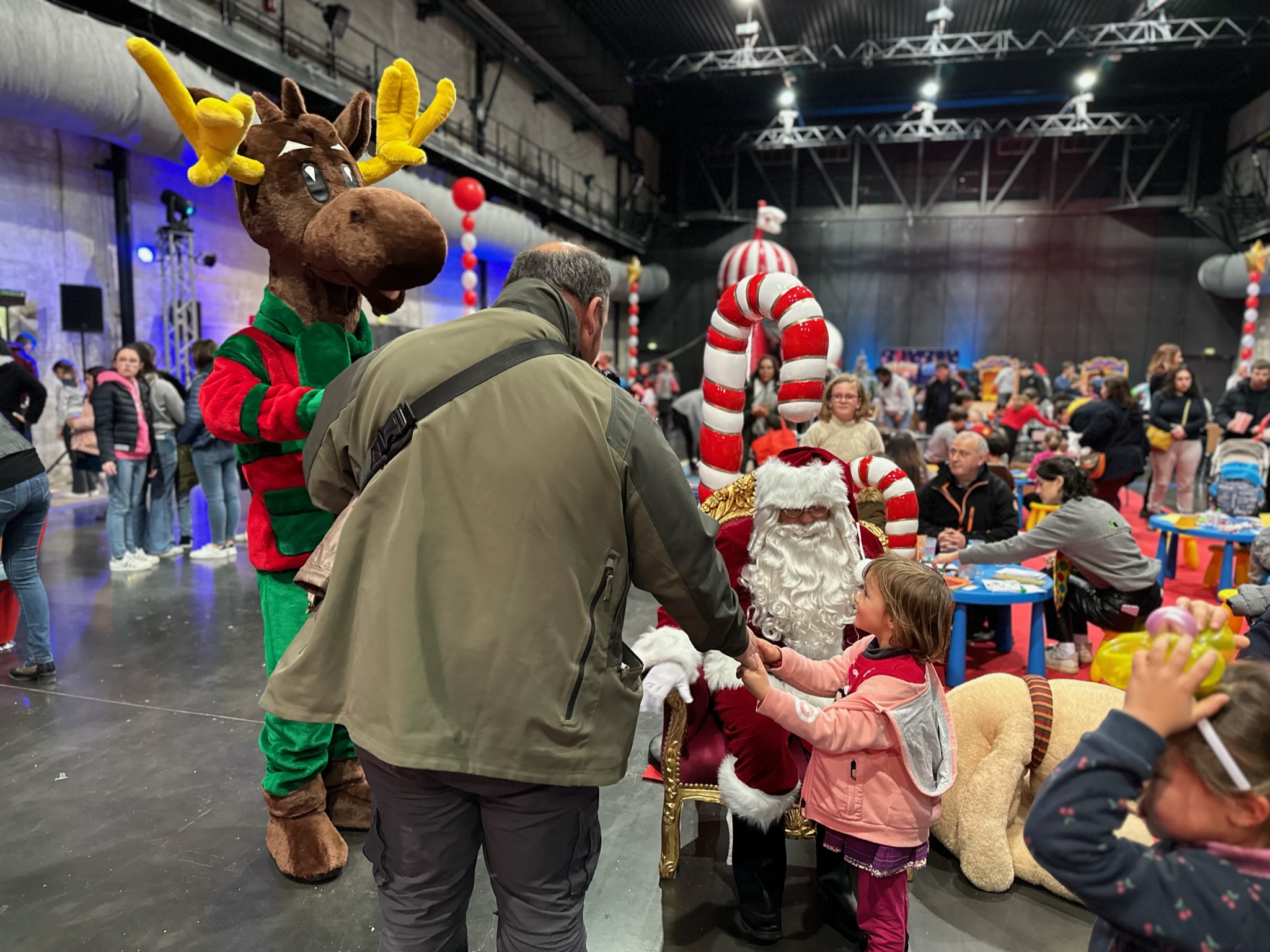
Kinderanimatie in Brussel that protects your event flow
INNOV'events delivers Kinderanimatie for corporate events in Brussel, typically from 20 to 400 children alongside adult audiences. We design the kids’ zone, recruit and brief the animators, manage timing, safety, check-in/out, and on-site coordination so your program stays on schedule.
Whether you run a family day, an opening event, a staff celebration or a client-facing moment, we keep children engaged while preserving the brand and operational requirements expected by executive teams.
Sommaire
In a corporate event, children’s entertainment is not “nice to have”: it is a risk-control and experience lever. If kids are bored or overstimulated, adults disengage, speeches get disrupted, and the venue team gets pulled into unplanned firefighting.
Organizations in Brussel expect a solution that is discreet, multilingual when needed (FR/NL/EN), compatible with strict venues, and able to handle last-minute attendance shifts without compromising supervision ratios.
We are a Brussels-based team used to real event-day pressure: tight loading slots, shared buildings, security checks, and demanding internal stakeholders. Our Kinderanimatie in Brussel approach is built around planning, compliance, and on-site control.

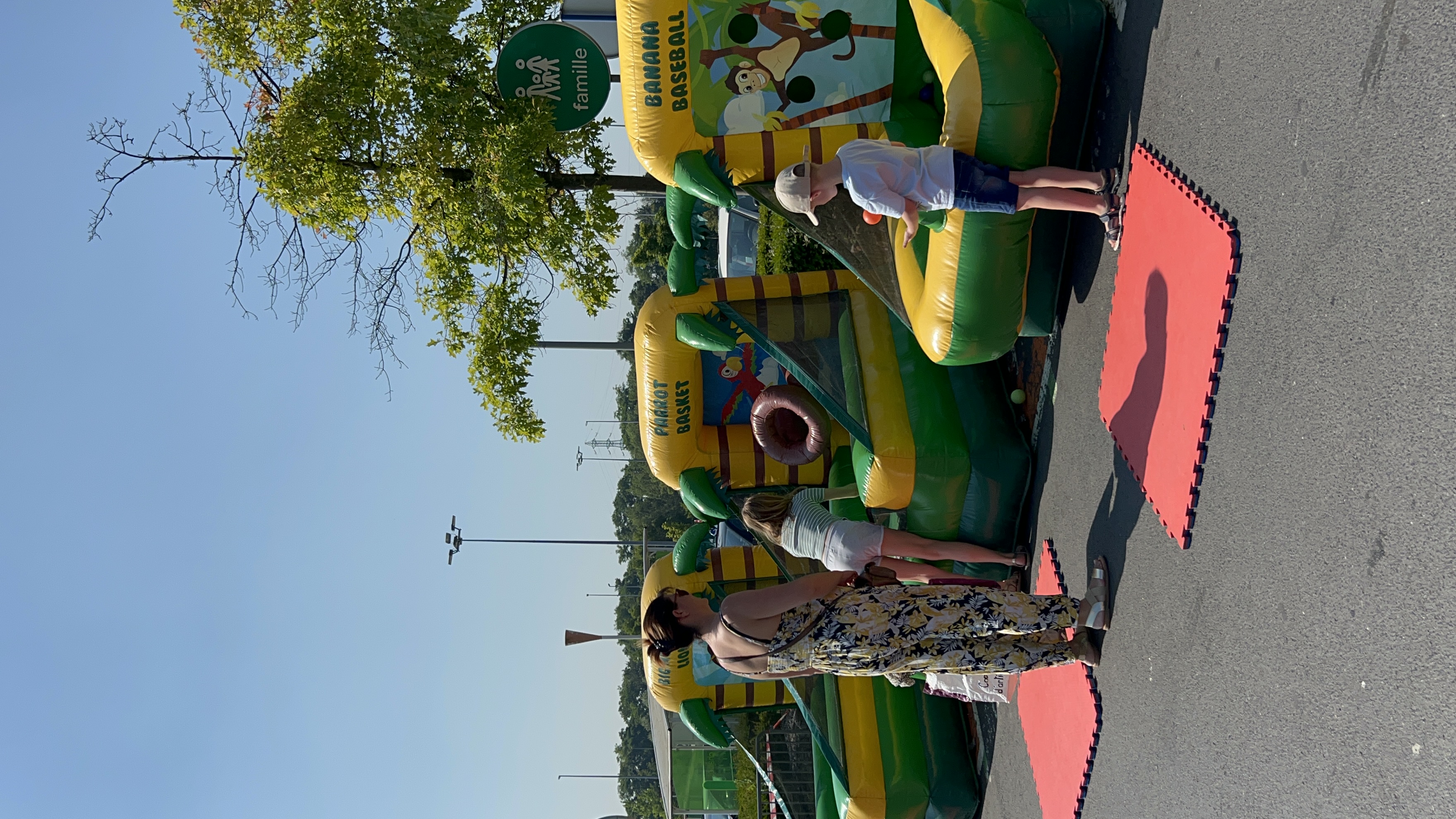
Brussel numbers that help you qualify an agency fast
10+ years delivering corporate entertainment and family formats across Belgium, with recurring annual programs for HR and Comms teams.
Operational capacity up to 400 children on a single site with structured zoning (toddlers/6–9/10–12/teens) and dedicated lead supervisors.
Typical staffing baseline: 1 animator per 8–10 children (adjusted by age, activities, and venue constraints), plus one zone lead per area.
Response time: first proposal within 48 hours with clear options and line items (staffing, material, timing, safety).
Brussel corporate realities we work with (and why clients renew)
In Brussel, many corporate events happen in mixed-use buildings, iconic venues with strict technical rules, or company offices where security and reception procedures are non-negotiable. We support HR and communication teams who need their event to run like a business operation: clear responsibilities, predictable timing, and a kids’ zone that does not spill over into plenary moments.
We regularly work with local and international organizations with Brussels operations, including EU-facing ecosystems, federations, and headquarters teams who bring colleagues from different regions. A recurring pattern: once a family format is stable (good child flow, calm parents, reliable animators), clients often repeat it year after year because it reduces internal workload and reputational risk.
If you share your venue, audience profile (ages, languages), and internal constraints (security, brand guidelines, allergen rules), we will reference relevant similar cases and propose a supervision and zoning plan that matches Brussels venue realities.
 Besoin d’un devis rapide ?
Nous vous envoyons une première proposition sous 24h.
Why schedule Kinderanimatie in Brussel for a corporate family event?
For executives, a family-oriented event is less about “fun” and more about employer reputation, retention signals, and operational control. Kinderanimatie becomes the mechanism that protects adult attention and gives parents the psychological safety to participate in conversations, speeches, and networking.
Protect adult attendance and attention: when children are engaged in structured zones, parents stay longer, attend key moments, and are more present in internal communications activities (town hall, awards, product showcases).
Reduce operational disruption: planned transitions (snack time, showtime, calm corner) reduce noise peaks and uncontrolled movement near catering, stairs, backstage areas, or fragile installations.
Strengthen employer brand with concrete proof: a well-run kids’ program signals organization, care, and inclusiveness—especially relevant in Brussels where many households manage bilingual schooling and complex schedules.
Improve safety and liability posture: check-in/out procedures, supervision ratios, and incident logging reduce exposure. This matters when events are held in offices, museums, or venues with shared public access.
Support internal communications goals: you can plan a moment where children create a “message wall”, a group photo, or a small exhibition that aligns with your corporate narrative—without turning it into forced branding.
Brussel is a compact city with high stakeholder visibility: colleagues, partners, and sometimes public-facing venues overlap. A family event that runs smoothly builds trust internally and externally; a chaotic one travels fast through conversations and social channels. Our job is to make the outcome predictable.
What Brussels HR teams expect from Kinderanimatie on event day
Brussels corporate events frequently combine several constraints at once: multilingual guests, tight venue access windows, strict fire and evacuation rules, and high expectations around inclusion and safety. In practice, HR and Comms teams ask for corporate event entertainment in Brussel that is controlled, discreet, and documented.
Typical Brussels-specific expectations we address:
- Multilingual communication (FR/NL, often EN): simple signage, short briefing scripts, and animator profiles that match your audience to avoid confusion at check-in and during transitions.
- Venue discipline: many venues in Brussel require pre-approved floor plans, restricted tape/attachments, sound level limits, and protection of floors or walls. Kids’ zones must be designed with low-impact materials and clear boundaries.
- Mobility and timing pressure: guests arrive in waves influenced by ring road traffic, public transport, and parking constraints. We plan flexible start windows and “buffer activities” so late arrivals do not destabilize the program.
- Security and access control: corporate sites often require badges, escorted movement, or limited elevator use. We integrate security steps into the children’s check-in/out process, including a parent contact protocol.
- Allergen and dietary sensitivity: if snacks are included, we plan ingredient lists, separation (nuts, lactose), and hand hygiene—especially important when children return to shared spaces.
These are not theoretical points; they are the elements that decide whether your event feels professionally managed or improvised.
Which Kinderanimatie in Brussel fits a corporate brand and venue?
Entertainment creates engagement when it is designed as a service to the event—not as a parallel show competing for attention. For corporate audiences in Brussel, the best formats are those that are visually clean, operationally controlled, and adaptable to mixed age groups and mixed languages.
Animations Interactives à Brussel
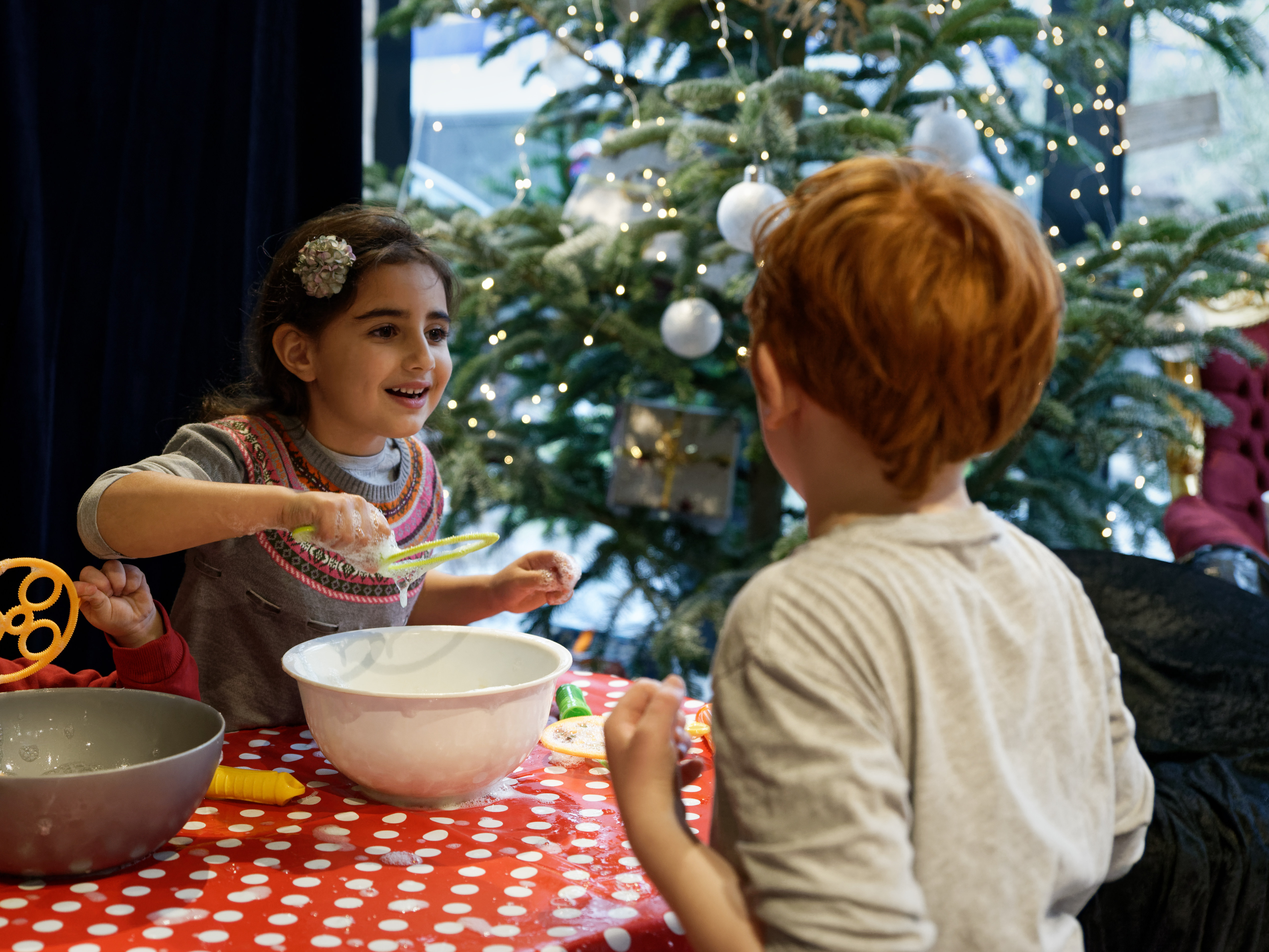
Structured game circuits (ages 6–12): timed stations (team relay, cooperative puzzle, mini-sport) with clear rules and quick resets. Works well in corporate atriums or courtyard spaces where you need predictable movement.
Family challenge card: children and parents complete short missions around the venue (photo scavenger, “find the values” icons). This supports internal communications without heavy branding and helps distribute crowds.
Mini science lab with safe materials: short experiments with visible outcomes. Useful for companies in tech, pharma, engineering—credible, calm, and compatible with Brussels venues that dislike messy activities.
Animations Artistiques à Brussel
Creative workshop with production output: children create a collective mural, paper city of Brussel, or a “future workplace” collage. The output can be displayed near reception, giving parents a reason to circulate.
Close-up magic in small groups: lower sound impact than stage shows, easier to place in lounges or side rooms. We plan rotations to avoid crowd compression.
Balloon and face-painting with queue control: we only recommend it when space allows and when you accept queue management. We implement numbered tickets to prevent frustration and reduce parent pressure on staff.
Animations Innovantes à Brussel
Kids mocktail bar: controlled, low-risk “catering” moment with allergen-aware syrups and fruit options. Works well when adults have a cocktail moment and you want children to feel included.
Waffle or pancake decoration station: ideal in Belgium, but only if the venue allows food handling and you can manage hygiene. We provide gloves, hand gel points, and a clean-up plan to protect floors.
Chocolate workshop (no heat on site): pre-tempered chocolate and molds to avoid kitchen risks. High perceived value with low operational complexity when properly prepared.
Animations Gourmandes à Brussel
Digital graffiti wall (projection-based): visually impressive without paint damage—useful in premium venues in Brussel with strict wall/floor protection requirements.
LEGO serious play “kids edition”: guided builds around themes like teamwork or “my city”. Calm, structured, and compatible with conference-style environments.
AR treasure hunt with geofenced indoor play: works in larger venues; we manage device hygiene and ensure the game does not push children into restricted areas.
Whatever the activity, we align it with your brand image through practical decisions: staff dress code, language level, signage tone, color palette, and the degree of visibility near VIP areas. In corporate environments, the difference is not the idea—it is the control.
Which Brussels venue types work best for corporate kids zones?
The venue dictates what is realistically possible: acoustics, surfaces, evacuation paths, access to water, and the ability to separate children from adult flows. In Brussel, we often recommend choosing the venue based on zoning potential first, and aesthetics second—because a beautiful venue becomes a problem if it cannot host a controlled kids’ area.
| Venue type | For which objective? | Main strengths | Possible constraints |
|---|---|---|---|
Corporate HQ / office floors in Brussel | Employer-brand family day with strong internal control | Security already in place; familiar setting; easy alignment with internal comms | Strict access; sensitive areas (IT, confidential spaces); limited “messy” activities |
Event venue with multiple break-out rooms (Brussels conference style) | Separate age zones + adult plenary moments | Clear zoning; sound separation; professional technical support | Loading slots; rules on decoration; costs for extra rooms and security |
Museum / cultural venue in Brussel | Premium client-facing family event with strong image value | High perceived value; natural storytelling opportunities | Very strict supervision; no running/noise areas; constraints on materials and food |
We strongly recommend a site visit (or at minimum a technical walk-through) before locking the children’s program. A 30-minute on-site check often prevents the classic issues: blocked fire exits, poor acoustic separation, or a kids’ zone placed on the main catering route.
What does Kinderanimatie in Brussel cost for corporate events?
Budget depends on staffing, duration, age mix, venue constraints, and the level of structure (simple play corner vs. multi-zone program with check-in/out). In Brussel, venue rules and access timings also affect costs because they determine setup time and required supervision.
Number of children and age distribution: toddlers require higher supervision and calmer, safer setups. A mixed group (2–12) often needs separate zones and additional leads.
Duration on site: typical corporate formats run 3 to 6 hours including setup/pack-down. Longer formats may require staff breaks and rotation planning.
Supervision ratio and compliance level: as a baseline, plan 1 animator per 8–10 children, adjusted for activities (e.g., cooking workshops require tighter control than crafts).
Material intensity: inflatable structures, projection systems, or digital walls change logistics, transport, and power requirements.
Venue access and restrictions: limited elevators, protected floors, noise constraints, and strict loading times increase setup complexity.
Optional services: registration desk, signage, multilingual staff, first-aid presence, snack management with allergen documentation, or extended security coordination.
Executives usually evaluate ROI in two ways: (1) participation and time-on-site (parents stay longer and are more available), and (2) risk avoidance (fewer incidents, fewer complaints, less disruption). A well-budgeted children’s program often costs less than the reputational and operational impact of a poorly controlled one.
Why choose a Brussels team for corporate child entertainment?
Using an agency established in Brussel is primarily an operational advantage. We know the access constraints, typical venue rules, traffic patterns, and the service culture expected by Brussels-based headquarters and institutions. That knowledge translates into fewer assumptions and faster on-site decisions.
For many clients, the key value is that we manage the “invisible” work: floor plan validation, staffing backups, transport timing, venue coordination, and calm escalation when something changes at the last minute. If you are comparing providers, ask who will be your on-site lead and how they document safety and responsibilities.
As an event agency in Brussel, we can also integrate the kids’ zone into the broader event production (host flow, catering, timing, signage), which reduces interface risk between multiple suppliers.
- Faster site responsiveness: last-minute site checks, extra material runs, and staff reinforcement are realistic when your partner is local.
- Better venue negotiation: knowing what venues typically accept (noise levels, floor protection, setup windows) helps avoid late surprises and additional fees.
- Network of reliable profiles: local, vetted animators and artists with corporate discipline (punctuality, dress code, child-safe behavior, discretion).
- Coordination culture: Brussels events often involve security desks, building managers, and multi-tenant rules—local teams are used to those interfaces.
Executives usually evaluate ROI in two ways: (1) participation and time-on-site (parents stay longer and are more available), and (2) risk avoidance (fewer incidents, fewer complaints, less disruption). A well-budgeted children’s program often costs less than the reputational and operational impact of a poorly controlled one.





Brussel cases: what we actually deliver on corporate family days
Our projects vary from compact office celebrations to large family days hosted in venues with multiple rooms and strict technical riders. A typical Brussels corporate case: a Saturday family event with 120–180 children, adults attending a short CEO moment, and catering running in two waves. The success factor is not the activity list—it is the flow: check-in that does not create queues in the lobby, a kids’ program that peaks while adults are in plenary, and a calm-down block before departure so parents can collect children without stress.
Another recurring scenario in Brussel: a client-facing event where partners and employees attend together. In such cases, we design the children’s zone to be visually clean and brand-compatible, with controlled sound and a clear perimeter. We brief animators to interact warmly but discreetly, avoiding “over-performing” in front of executives and clients.
We also handle high-constraint sites: limited loading access, protected floors, shared public spaces, and restricted back-of-house. That is where field experience matters: knowing what to bring (floor protection, cable covers, signage), how to stage material off-site, and how to keep the kids’ zone safe even when adult traffic increases.
Brussel pitfalls to avoid when booking Kinderanimatie
Underestimating supervision ratios: the fastest way to create incidents is to treat all ages the same. Toddlers, 6–9, and 10–12 need different pacing and boundaries.
No real check-in/out process: even in “informal” family days, you need a minimal system (parent contact, allergy notes, authorized pick-up) to avoid stressful situations.
Kids’ zone placed on the catering route: it increases spills, conflicts, and noise during key moments. Zoning must protect adult flow.
Activities that ignore venue rules: face paint without queue control, confetti in protected venues, or loud shows next to plenary rooms create operational friction and reputational damage.
Single point of failure supplier: one performer with no backup plan is risky. We plan redundancy (extra staff, alternative activities) for Brussels traffic and access delays.
Vague responsibility lines: if it is unclear who coordinates with security, who decides on stopping an activity, or who handles a minor injury, you lose time and credibility.
Our role is to design the children’s entertainment as a controlled operational module: clear responsibilities, realistic ratios, and a program that supports your agenda. That is how we prevent these predictable risks in Brussel contexts.
Why Brussels companies renew their kids entertainment supplier
Loyalty in corporate events is rarely emotional; it is earned through predictability. HR and Comms teams return to the same partner when the kids’ zone reduces their workload, avoids complaints, and integrates smoothly with the venue and security environment.
Most recurring clients keep the same core format year to year (zoning + staffing logic) and adjust only the activity layer based on theme and ages.
When a client renews, it is usually because incident rate stays low, timing is respected, and parents explicitly report they could actually participate in the adult program.
In Brussels multi-language audiences, renewals also correlate with clear communication on site and staff able to manage FR/NL/EN interactions without friction.

Repeat business is the strongest proof in this category: if an organization invites families again the next year, it means the first edition met executive expectations on safety, reputation, and operational control in Brussel.
Our Brussels process to deliver controlled Kinderanimatie
👉 Brussels scoping call and constraint mapping
We start with a short call focused on non-negotiables: venue type, expected number of children, age ranges, languages, security rules, and your run-of-show. We clarify what “success” means for you (quiet during speeches, high participation, premium look, or minimal footprint). Output: a written summary with key assumptions and risk points.
👉 Program design with zoning and ratios
We build a children’s program that matches your agenda: activity blocks aligned with adult peaks, separate zones by age, and realistic supervision ratios. We propose 2–3 options (from simple to structured) with clear inclusions: staff count, material list, setup time, and any venue requirements (power, water, room sizes).
👉 Staff selection, briefing, and safety protocol
We select animators based on corporate discipline and child-facing skills, then run a structured briefing: venue rules, emergency exits, escalation chain, language expectations, dress code, and behavior standards. We prepare check-in/out procedure, allergy handling approach, and incident reporting logic adapted to your internal policies.
👉 Venue coordination and technical validation in Brussel
We coordinate with the venue and your internal stakeholders on access times, loading, floor protection, noise constraints, and room layouts. If needed, we do a site visit to validate sightlines, boundaries, and evacuation paths. Output: a final floor plan and timing sheet that your team can approve.
👉 Event-day execution with on-site lead
On the day, a lead supervisor arrives early, confirms the setup, briefs the team, and becomes the single point of contact for your event manager. We manage flows (arrivals, rotations, snack moments, calm-down) and handle adjustments without involving your executives unless decision-making is required.
👉 Post-event debrief and improvements for next edition
After the event, we share a debrief focusing on actionable points: actual attendance vs forecast, activities that worked by age group, timing pressure points, and recommendations for next year. This is especially useful for Brussels clients running annual family days.
FAQ sur l'organisation Kinderanimatie à Brussel
How many animators do we need in Brussel?
As a baseline, plan 1 animator per 8–10 children. For toddlers (2–4), we often tighten to 1 per 5–6 depending on the setup. If you have multiple age groups, add at least 1 lead supervisor to coordinate and interface with your event manager.
What is the typical duration for Kinderanimatie in Brussel?
Most corporate formats run 3–6 hours on site. Add setup/pack-down time (often 60–120 minutes) depending on material intensity and venue access constraints in Brussel.
Can you handle multilingual kids entertainment in Brussel?
Yes. We staff bilingual profiles (FR/NL) and can add English-speaking animators when needed. We also use simple signage and briefing scripts to avoid confusion at check-in/out and during activity rotations.
What safety setup is recommended for Brussels venues?
We recommend a defined kids perimeter, a check-in/out point, parent contact capture, and clear escalation to the client’s on-site lead. For higher-traffic venues in Brussel, we add wristband matching or a pick-up code, plus cable covers and floor protection where needed.
How early should we book Kinderanimatie in Brussel?
For standard formats, book 4–8 weeks ahead. For large family days (150+ children) or premium venues with strict rules, plan 8–12 weeks to secure staff, validate floor plans, and align with venue access windows in Brussel.
Plan your Kinderanimatie in Brussel with operational clarity
If you want a children’s program that protects timing, safety, and brand perception, we should review your venue and run-of-show early. Send us your date, venue (or shortlist), expected number of children with age ranges, and any security constraints. INNOV'events will return a structured proposal within 48 hours, including staffing ratios, zoning plan, and clear options to fit your budget.
For corporate family days in Brussel, early planning is not about decoration—it is about controlling flows and preventing predictable risks. Contact us to secure your team and time slot.
Agence INNOV'events Brussel
Justin JACOB est le responsable de l'agence événementielle Brussel. Contactez-le directement par mail via l'adresse belgique@innov-events.be ou par formulaire.
Contacter l'agence BrusselToutes nos prestations & animations Brussel, Belgique
Découvrez nos prestations événementielles
Découvrez nos animations événementielles disponibles au Belgique
- Hôtesse événementielle à Brussel
- Escape Game à Brussel
- Cours de cuisine type MasterChef à Brussel
- Magicien à Brussel
- Location de chapiteau à Brussel
- Atelier colorimétrie à Brussel
- Jeux gonflables à Brussel
- Service de voiturier à Brussel
- Simulateur de football à Brussel
- Location de mobilier lumineux à Brussel
- Flocage lumineux à Brussel
- Repas insolite à Brussel
- Light Painting à Brussel
- Murder Party à Brussel
- Jeu concours à Brussel
- PLV événementielle à Brussel
- Réalité virtuelle à Brussel
- Cuisine moléculaire à Brussel
- Animation Halloween à Brussel
- Feu d’artifice à Brussel
- Jeux géants à Brussel
- Animateur événementiel à Brussel
- Animation photo à Brussel
- Père Noël à Brussel
- Animation enfants à Brussel
- Visite guidée à Brussel
- Rallye urbain à Brussel
- Piscine à balles à Brussel
- Simulateur de vol à Brussel
- Location de food truck à Brussel
- Record du monde à Brussel
- Simulateur de surf à Brussel
- Casino du vin à Brussel
- Atelier relooking à Brussel
- Atelier création de parfum à Brussel
- Atelier acting à Brussel
- Animations RSE à Brussel
- Tir à l’arc à Brussel
- Agent de sécurité à Brussel
- Œnologie à Brussel
- Mime à Brussel
- Jeu télévisé à Brussel
- Fête foraine à Brussel
- Atelier gestion de crise à Brussel
- Atelier négociation de crise à Brussel
- Jeux d’arcade à Brussel
- Simulateur de chute libre à Brussel
- Simulateur de ski à Brussel
- Simulation circuit automobile à Brussel
- Baptême de l’air à Brussel
- Dégustation à Brussel
- Création de baby-foot à Brussel
- Rallye 2CV à Brussel
- Challenge LEGO à Brussel
- Animation casino à Brussel
- Interprète / traducteur à Brussel
- Goodies à Brussel
- Bus / transfert à Brussel