
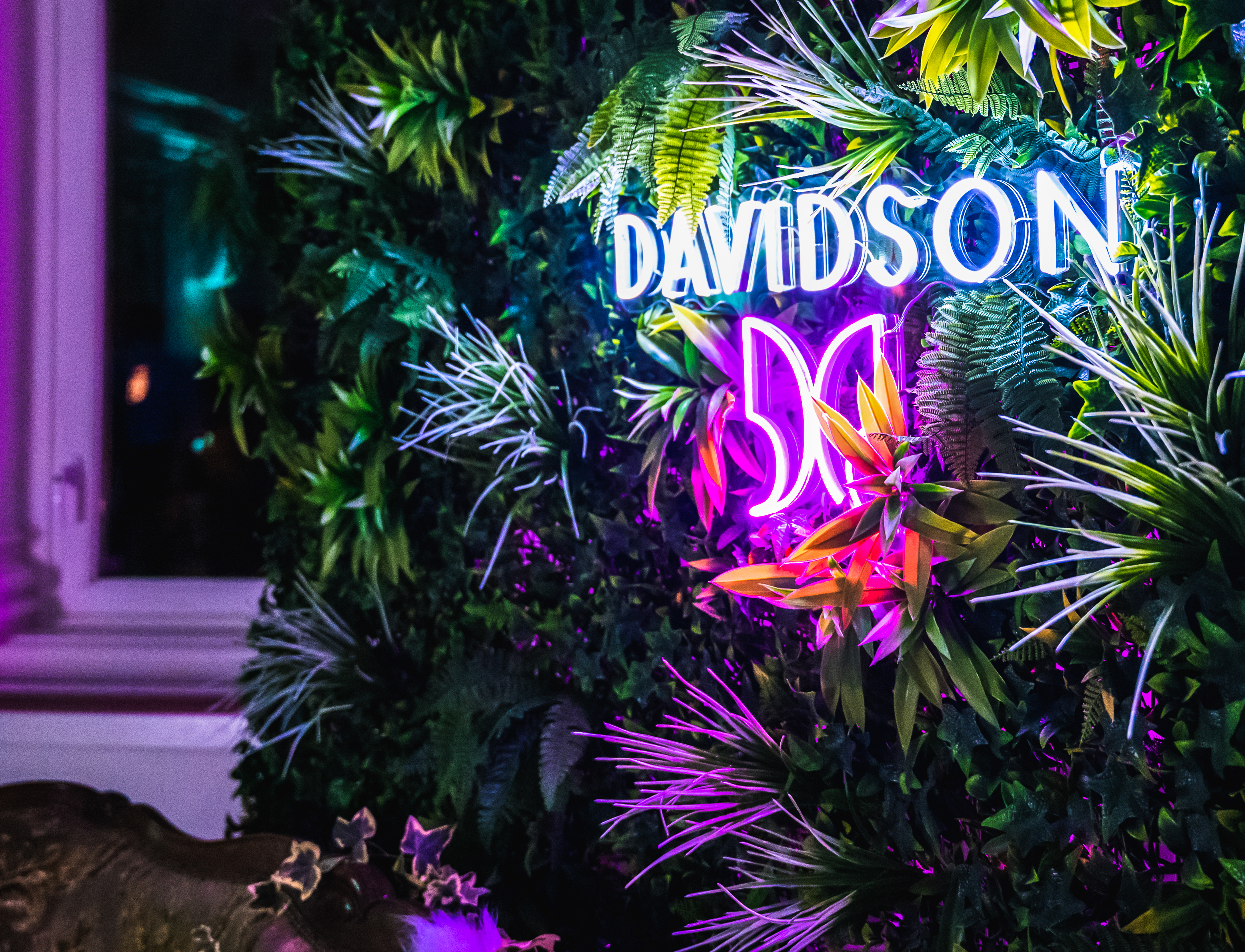
Lichtbranding in Brussel that protects your brand and your schedule
INNOV'events is a Brussels-based team delivering Lichtbranding for corporate events from 40 to 1,200 guests. We design, produce, and run the lighting plan: creative direction, technical drawings, power distribution, rigging safety, rehearsals, and show calling.
For executives, HR, and communication teams, the goal is simple: a branded atmosphere that looks premium on-site and on camera, without operational stress.
Sommaire
In a corporate event, entertainment is rarely “extra”: it is a lever to control attention, energy, and perception. With Lichtbranding, you can turn a neutral venue into a coherent brand environment, guide guest flows, and ensure your key messages land during speeches, awards, or product moments.
In Brussel, organisations expect speed, multilingual hosting, and a clean technical execution that fits strict venues, union rules, and city logistics. They also need a setup that photographs well for internal comms, social media, and employer branding—without blinding speakers or flattening faces on camera.
INNOV'events operates on the ground in Brussel: we know the typical constraints of local venues, loading docks, noise limits, security briefings, and last-minute stakeholder changes. Our value is operational control: a lighting concept that remains stable when reality happens.
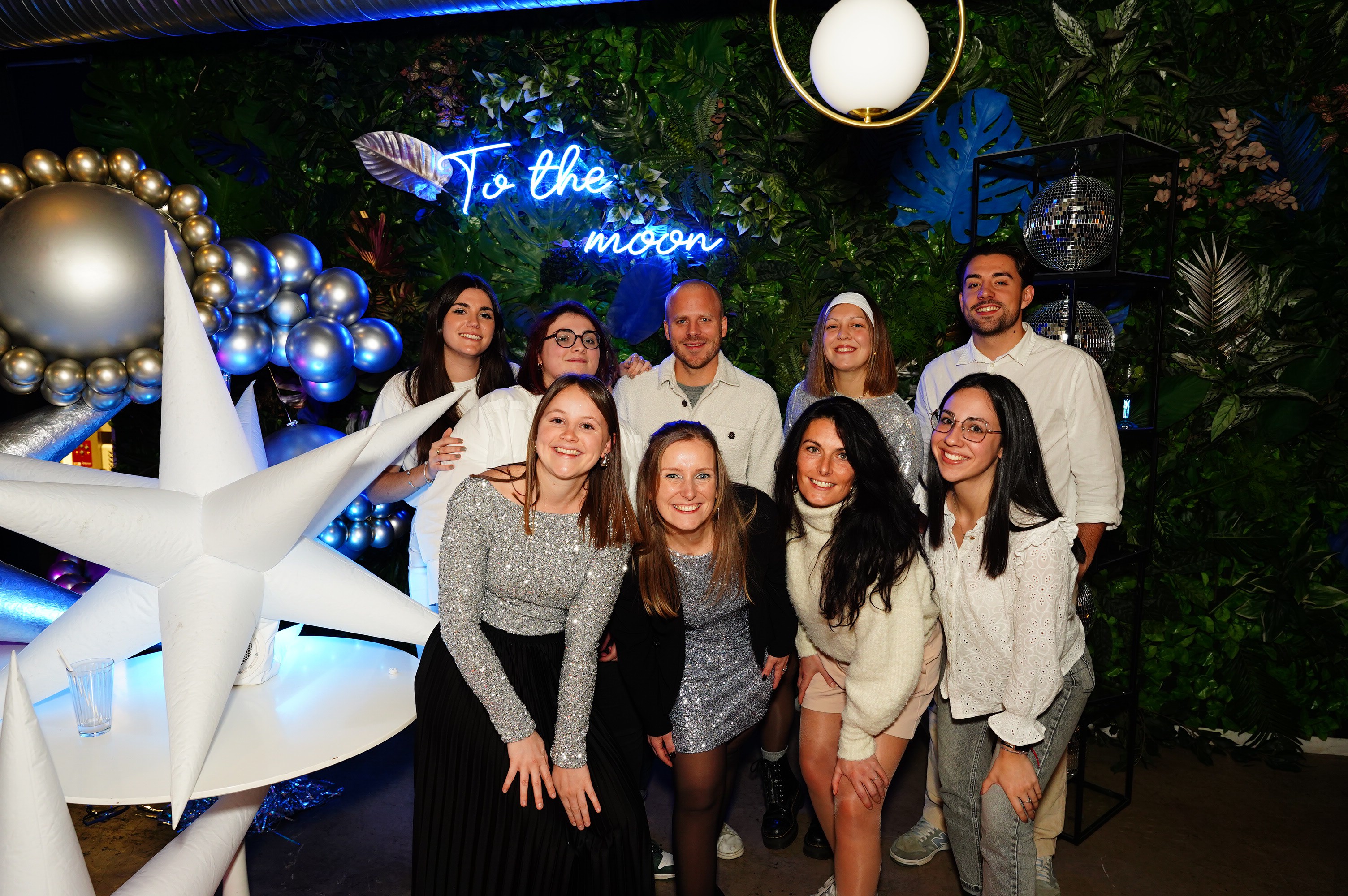
Brussels lighting production credibility in a few numbers
10+ years coordinating corporate event production across Belgium, with recurring delivery in Brussel for HQs, institutions, and scale-ups.
40–1,200 attendees: typical range where Lichtbranding in Brussel must work for both intimate leadership moments and high-traffic receptions.
2 levels of technical validation before event day: (1) venue feasibility and load-in plan, (2) on-site focus and cue rehearsal with show caller.
1 accountable producer on-site: one decision point for client, venue, AV, caterer, and security—critical when timing compresses.
Companies in Brussel that rely on consistent delivery
We support organisations that need their events to run like internal operations: clear responsibilities, controlled timing, and predictable results. In Brussel, we regularly work with corporate HQ teams, HR departments, communication managers, and executive assistants who organise multiple moments per year (town halls, leadership kick-offs, client evenings, end-of-year receptions).
Many of these teams come back year after year for a practical reason: they don’t want to re-explain their brand standards, their security constraints, or their preferred “tone” every time. Once the visual vocabulary is defined (colour temperatures, gobo use, stage mood, photo zones), it becomes a repeatable system—adapted to each venue and guest count.
If you share the company names you want referenced, we can integrate them here in a compliant way (e.g., “selected references” or “case examples”), aligned with your internal validation process.
 Besoin d’un devis rapide ?
Nous vous envoyons une première proposition sous 24h.
Why invest in Lichtbranding for an executive event in Brussel
Lichtbranding is one of the few production elements that impacts every guest, every minute, without requiring active participation. In executive and HR contexts, that matters: you need engagement without friction, and a premium feel without forcing a “show”. In Brussel, where audiences are often international and attention is fragmented, lighting helps you structure the experience.
Protect brand consistency across venues: your colours, tone, and atmosphere remain coherent whether you are in a heritage building, a modern conference space, or a rooftop. This is especially valuable when comms teams need photos that match the brand book.
Support leadership messaging: lighting cues can create focus during speeches, panel discussions, or award moments—reducing side conversations and improving perceived “production quality” without adding runtime.
Improve employee experience without “forced fun”: HR teams often want a warm, inclusive mood rather than spectacle. Thoughtful lighting (warm front light, comfortable intensities, clear wayfinding) is felt immediately.
Make content usable: if you film a CEO message or capture testimonials, a lighting plan can prevent harsh shadows, mixed colour temperatures, and dark backgrounds—saving time in post-production and protecting reputations.
Control guest flow and safety: practical lighting for entrances, cloakroom, stairs, and outdoor transitions reduces bottlenecks and incidents—an operational KPI that is rarely visible until it fails.
Brussel has a strong “reputation economy”: institutions, federations, consultancies, and international teams compare quality signals quickly. A disciplined lighting approach is a credible way to match that culture—without overspending on elements that don’t move the needle.
What Brussel venues and stakeholders typically require
Delivering Lichtbranding in Brussel is not only about choosing colours and fixtures. Local execution is shaped by venue rules, city logistics, and the diversity of stakeholders around the table.
Venue constraints are real and non-negotiable. Many Brussels locations have strict policies on rigging points, ceiling loads, wall projections, fog/haze, and cable routing. Some spaces require working with in-house technical teams or approved suppliers. We plan around these realities early: a lighting design that ignores them will collapse during load-in or force expensive last-minute substitutions.
Multilingual and mixed audiences change the pacing. When a program alternates languages (FR/NL/EN) or includes interpretation, lighting must support clarity: strong but comfortable speaker light, controlled ambience, and no “party mood” during serious segments. The goal is to match content intensity—without creating visual noise.
Loading, parking, and security add friction. In Brussel, access windows can be short and security checks can be strict (guest lists, badges, deliveries). We build schedules that include buffer for checks, elevator limitations, and limited docks. Operationally, this is often what separates a calm client experience from a stressful one.
Comms teams expect camera-ready results. Corporate events today are measured through internal and external visibility. We plan for photo angles, brand backdrops, and consistent skin tones, avoiding the common pitfall of mixing warm architectural lighting with cold LED stage lighting.
Which Lichtbranding options work best for corporate events in Brussel
Entertainment engagement does not always require performers. Often, the strongest lever is an environment that encourages people to stay, talk, and share. Lichtbranding creates that environment by shaping mood, focus, and photo quality—while remaining compatible with corporate standards and venue rules in Brussel.
Animations Interactives à Brussel
Branded arrival tunnel (light + sound bed): a controlled entry sequence using colour gradients and subtle movement, designed for quick throughput. Practical benefit: it creates an immediate “we are in the right place” signal and reduces entrance confusion.
Executive photo zone with controlled key light: not a gimmick booth—rather a clean, well-lit backdrop with company colours and flattering light. It gives HR and comms usable portraits without chasing guests around the room.
Live polling moments supported by lighting cues: when results appear on screen, lighting shifts to drive attention. This helps keep participation high in multilingual rooms where energy can drop during transitions.
Animations Artistiques à Brussel
Architectural uplighting for heritage spaces: ideal in Brussels venues with character. We use warm/cool contrast to respect the building while integrating brand colours subtly (e.g., in columns or niches) rather than washing everything in one saturated tone.
Stage mood design for panels and awards: a clean front light with brand accents and controlled backlight. It improves authority on stage and delivers better photos for leadership communication.
Gobo projections with governance: logo gobos can look premium if scaled correctly and placed intentionally (floor at entry, or backdrop behind reception). We validate surface materials and avoid distorted placement that can cheapen perception.
Animations Innovantes à Brussel
Lighting that supports food credibility: dining zones need warmer, stable light so dishes look appealing. We frequently separate “networking energy” areas from “dining comfort” areas to avoid the common issue of cold, flat banquet lighting.
Bar highlight lighting: a strong visual anchor reduces guest dispersion and helps service efficiency. In Brussel, where venues can have multiple rooms, this is a practical way to keep the crowd where the program needs them.
Animations Gourmandes à Brussel
Timecoded lighting for product or strategy reveals: synchronised cues with sound and content. Useful for executives who want impact without adding speakers or extending the agenda.
Low-noise kinetic light elements: small-scale moving features above a lounge or central area, used carefully so they feel corporate-appropriate. We assess ceiling height, safety, and sightlines before proposing this.
Sustainable lighting approach: using efficient LED fixtures, optimised power distribution, and a reduced inventory when the venue already has strong architectural lighting. This is not “greenwashing”: it is about designing with what exists and documenting energy needs.
The key is alignment with brand image: a law firm, a public institution, and a fast-growing tech scale-up do not need the same intensity or colour language. In Brussel, where audiences can include regulators, partners, and international teams, we ensure the lighting supports your credibility first—and entertainment second.
Which Brussel venue types fit Lichtbranding best
The venue determines what kind of Lichtbranding is possible: rigging points, ceiling height, ambient daylight, wall colours, and power access directly affect results. In Brussel, the same lighting concept can look premium in one space and mediocre in another if the room fights the design.
| Venue type | For which objective? | Main strengths | Possible constraints |
|---|---|---|---|
| Conference centre / auditorium | Town hall, leadership kick-off, panel, award moment | Stage infrastructure, controlled acoustics, predictable seating sightlines | Fixed rigging points, in-house technical rules, limited creative freedom in some spaces |
| Industrial or contemporary event hall | Brand immersion, product reveal, large networking reception | High ceilings, strong transformation potential with Lichtbranding | Power distribution planning, longer load-in/out, heating/cooling variability |
| Heritage building / prestigious venue | Executive client evening, institutional reception, employer branding | Instant perceived value, photogenic architecture enhanced by lighting | Strict protection rules, limited rigging, sensitive surfaces for projections |
| Hotel ballroom in the EU district area | International audience, multi-language program, strong service needs | Turnkey logistics, accommodation options, staff used to corporate cadence | Ambient décor may clash with brand colours, restrictions on external suppliers |
We insist on a site visit (or a detailed technical recce when time is short). It is the fastest way to verify rigging, power, ceiling restrictions, and photo angles—and to avoid last-minute compromises that weaken Lichtbranding in Brussel.
What Lichtbranding budgets look like in Brussel
Pricing depends on venue constraints, creative ambition, and technical complexity. A realistic budget discussion starts with the zones you need to transform (arrival, stage, dining, networking) and the operational plan (access hours, rigging limits, rehearsal time).
Guest count and room size: lighting is not linear; a 400-guest venue can require significantly more fixtures than a 200-guest room if ceilings are higher or zones are more fragmented.
Venue restrictions in Brussel: if rigging is limited, we may need ground support structures or alternative positioning, which affects cost and load-in time.
Program requirements: static ambience is different from cue-based shows (walk-ons, awards, reveals). Show control and rehearsal time matter.
Brand assets: gobos, branded scenic elements, and projection surfaces require design and fabrication time. We validate quality standards so logos don’t look pixelated or warped.
Access windows and staffing: short load-in windows, night work, or complex security checks can increase labour. We plan staffing to protect the schedule rather than gamble on “best case”.
We frame ROI in operational terms: fewer last-minute changes, improved content usability (photos/video), higher perceived quality for partners and employees, and reduced on-day stress for your internal team. For many Brussel organisations, that stability is the real return.
Why choosing a Brussel agency reduces risk on event day
When you run an executive event, the cost of failure is reputational: late doors, technical glitches during speeches, or a room that looks “cheap” on camera. Working with an event agency in Brussel reduces these risks because we can validate venues quickly, mobilise reliable technicians, and adapt fast when access, security, or timing changes.
Local presence also improves coordination with Brussels-specific realities: traffic patterns, delivery constraints, parking limitations, and the practical differences between venue districts. This is not about convenience; it is about controlling variables that typically cause overruns and stress.
- Faster technical recce and feasibility checks: we can verify rigging and power before you commit to creative choices.
- Stable local supplier network: technicians, AV partners, and logistics teams who know Brussels venues and their rules.
- On-site accountability: one producer empowered to decide and solve issues in real time.
- Better contingency planning: alternative access routes, backup equipment options, and realistic buffers for security procedures.
We frame ROI in operational terms: fewer last-minute changes, improved content usability (photos/video), higher perceived quality for partners and employees, and reduced on-day stress for your internal team. For many Brussel organisations, that stability is the real return.



What we deliver in Brussel across different corporate formats
Our projects in Brussel range from board-level evenings to large internal gatherings. The common denominator is production discipline: a clear brief, a feasible technical plan, and reliable execution.
Leadership town halls: we often work in auditorium formats where the priority is clarity and authority. The lighting plan focuses on speaker visibility, screen readability, and consistent colour temperature for recording. We build cues that support walk-ons, Q&A, and transitions without over-dramatising.
Client and partner receptions: here, Lichtbranding is mainly architectural: entrances, feature walls, bar anchors, and comfortable networking ambience. In practice, we manage intensity so guests can talk, and we avoid harsh colour washes that can look dated or distort faces in photos.
End-of-year and celebration formats: we separate phases—welcome, speeches, dinner, then after-dinner energy—so the mood evolves with the agenda. This avoids the common error of starting “too strong” and leaving no room to build.
Hybrid or recorded moments: Brussels corporate events increasingly require short, usable clips. We coordinate lighting with sound and video so your internal team can publish content quickly without spending weeks correcting colour issues.
Common Lichtbranding mistakes we prevent in Brussel
Designing without a venue reality check: ignoring rigging, power, or projection distances leads to last-minute downgrades that are visible to guests.
Over-saturating brand colours: heavy colour washes can make skin tones look unhealthy and photos unusable. We typically use brand colours as accents, not as full-room dominance—unless the venue and agenda support it.
No lighting plan for arrival and wayfinding: the first 10 minutes shape perception. Poorly lit registration and cloakroom zones create queues and frustration.
Inadequate speaker light: executives presenting in half-shadow is a credibility issue. We ensure front light is flattering and consistent, and we avoid glare.
Underestimating rehearsal needs: when cues are not rehearsed, the show caller is forced into improvisation during key moments.
Not planning for mixed ambient light: many Brussels venues have strong architectural lighting. If not balanced, it creates colour clashes and uneven photos.
Our role is to de-risk the day: anticipate constraints, lock decisions early, and keep enough flexibility for the inevitable late changes—without compromising the visual result.
Why Brussel clients keep the same production partner
In corporate environments, loyalty is rarely emotional; it is operational. Teams return when they know the agency will protect their internal credibility, respect governance, and deliver predictable outcomes under pressure.
Year-on-year repeat formats: many Brussels organisations run the same pillars annually (kick-off, summer moment, end-of-year). A defined lighting playbook reduces briefing time and avoids re-learning.
Fewer internal stakeholders to manage: once trust is established, comms and HR teams spend less time mediating between venue, AV, and leadership.
Decision traceability: we document choices (plans, cue lists, power needs) so your procurement and governance processes stay clean.

When clients in Brussel come back, it is usually because they experienced an event day that felt controlled: punctual doors, smooth transitions, and a visual atmosphere aligned with their brand—not because of promises on a slide.
How INNOV'events runs Lichtbranding projects in Brussel
👉 Brussels brief alignment and non-negotiables
We start with a short working session: objectives, audience, brand constraints, political sensitivities, photo/video needs, and what absolutely cannot go wrong. We also identify decision-makers for approvals (brand, legal, venue, security) to avoid late vetoes.
👉 Concept and zone-by-zone lighting intent
We translate the brief into a lighting intent per zone (arrival, plenary, dining, networking, photo point). You receive a clear description of what guests should feel and what the lighting must achieve operationally (visibility, focus, flow).
👉 Technical feasibility for Brussel venues
We confirm rigging, power, access windows, and restrictions (projections, haze, cable paths). We adjust the plan to match the venue reality rather than forcing a generic setup.
👉 Production plan, cue list, and staffing
We build a timeline with load-in/out, soundcheck, cue rehearsal, and buffer time for security or delayed arrivals. For cue-based programs, we prepare a show script and assign responsibilities (show caller, lighting operator, stage manager).
👉 On-site delivery and executive-grade show calling
On the day, we run the production as one team: coordination with AV, venue, catering, and security. We keep the client interface simple: one producer, clear updates, and rapid decision-making. After the event, we debrief on what to reuse and what to improve for the next Brussels edition.
FAQ sur l'organisation Lichtbranding à Brussel
How much does Lichtbranding in Brussel typically cost?
For corporate events in Brussel, a realistic range is often €1,500–€6,000 for clean architectural ambience in one main space, and €6,000–€20,000+ when you add multiple zones, stage cueing, rigging constraints, and rehearsal time. The venue’s technical rules and access hours can shift the budget significantly.
How early should we book Lichtbranding in Brussel?
Plan 6–10 weeks ahead for standard corporate formats in Brussel. For large venues, complex rigging, or peak season dates, 10–16 weeks is safer. If your venue is already confirmed, we can sometimes deliver faster, but feasibility and supplier availability become the limiting factors.
Can Lichtbranding work in Brussels heritage venues safely?
Yes, if designed around restrictions: no invasive rigging, careful cable routing, protected surfaces, and controlled projection placement. We validate ceiling loads, approved fixing points, and the venue’s preservation rules before confirming any design.
Will Lichtbranding in Brussel improve photos and video?
Yes—if the plan includes speaker key light, consistent colour temperature, and controlled background contrast. We typically coordinate with your video team to avoid flicker and mixed lighting, which are common reasons corporate footage looks “amateur” even in premium venues.
What information do you need to quote a Brussels project?
We need: date(s), venue (or 2–3 options), guest count, agenda phases (speeches/dinner/party), brand guidelines (colours/logo use), any filming needs, access hours for load-in/out, and whether the venue has an in-house technical supplier. With that, we can provide a budget range quickly, then refine after a recce.
Request a Lichtbranding quote in Brussel with a realistic plan
If you are comparing agencies, we suggest starting with a practical conversation: venue reality, program pressure points, and where lighting will create measurable value (focus, flow, photo quality, brand consistency). Share your date, venue, and agenda draft, and we will come back with a clear proposal, options by budget tier, and the operational plan to deliver safely in Brussel.
The earlier we align on constraints (rigging rules, access windows, security), the less you pay for last-minute fixes—and the calmer your event day will be.
Agence INNOV'events Brussel
Justin JACOB est le responsable de l'agence événementielle Brussel. Contactez-le directement par mail via l'adresse belgique@innov-events.be ou par formulaire.
Contacter l'agence BrusselToutes nos prestations & animations Brussel, Belgique
Découvrez nos prestations événementielles
Découvrez nos animations événementielles disponibles au Belgique
- Hôtesse événementielle à Brussel
- Escape Game à Brussel
- Cours de cuisine type MasterChef à Brussel
- Magicien à Brussel
- Location de chapiteau à Brussel
- Atelier colorimétrie à Brussel
- Jeux gonflables à Brussel
- Service de voiturier à Brussel
- Simulateur de football à Brussel
- Location de mobilier lumineux à Brussel
- Flocage lumineux à Brussel
- Repas insolite à Brussel
- Light Painting à Brussel
- Murder Party à Brussel
- Jeu concours à Brussel
- PLV événementielle à Brussel
- Réalité virtuelle à Brussel
- Cuisine moléculaire à Brussel
- Animation Halloween à Brussel
- Feu d’artifice à Brussel
- Jeux géants à Brussel
- Animateur événementiel à Brussel
- Animation photo à Brussel
- Père Noël à Brussel
- Animation enfants à Brussel
- Visite guidée à Brussel
- Rallye urbain à Brussel
- Piscine à balles à Brussel
- Simulateur de vol à Brussel
- Location de food truck à Brussel
- Record du monde à Brussel
- Simulateur de surf à Brussel
- Casino du vin à Brussel
- Atelier relooking à Brussel
- Atelier création de parfum à Brussel
- Atelier acting à Brussel
- Animations RSE à Brussel
- Tir à l’arc à Brussel
- Agent de sécurité à Brussel
- Œnologie à Brussel
- Mime à Brussel
- Jeu télévisé à Brussel
- Fête foraine à Brussel
- Atelier gestion de crise à Brussel
- Atelier négociation de crise à Brussel
- Jeux d’arcade à Brussel
- Simulateur de chute libre à Brussel
- Simulateur de ski à Brussel
- Simulation circuit automobile à Brussel
- Baptême de l’air à Brussel
- Dégustation à Brussel
- Création de baby-foot à Brussel
- Rallye 2CV à Brussel
- Challenge LEGO à Brussel
- Animation casino à Brussel
- Interprète / traducteur à Brussel
- Goodies à Brussel
- Bus / transfert à Brussel