
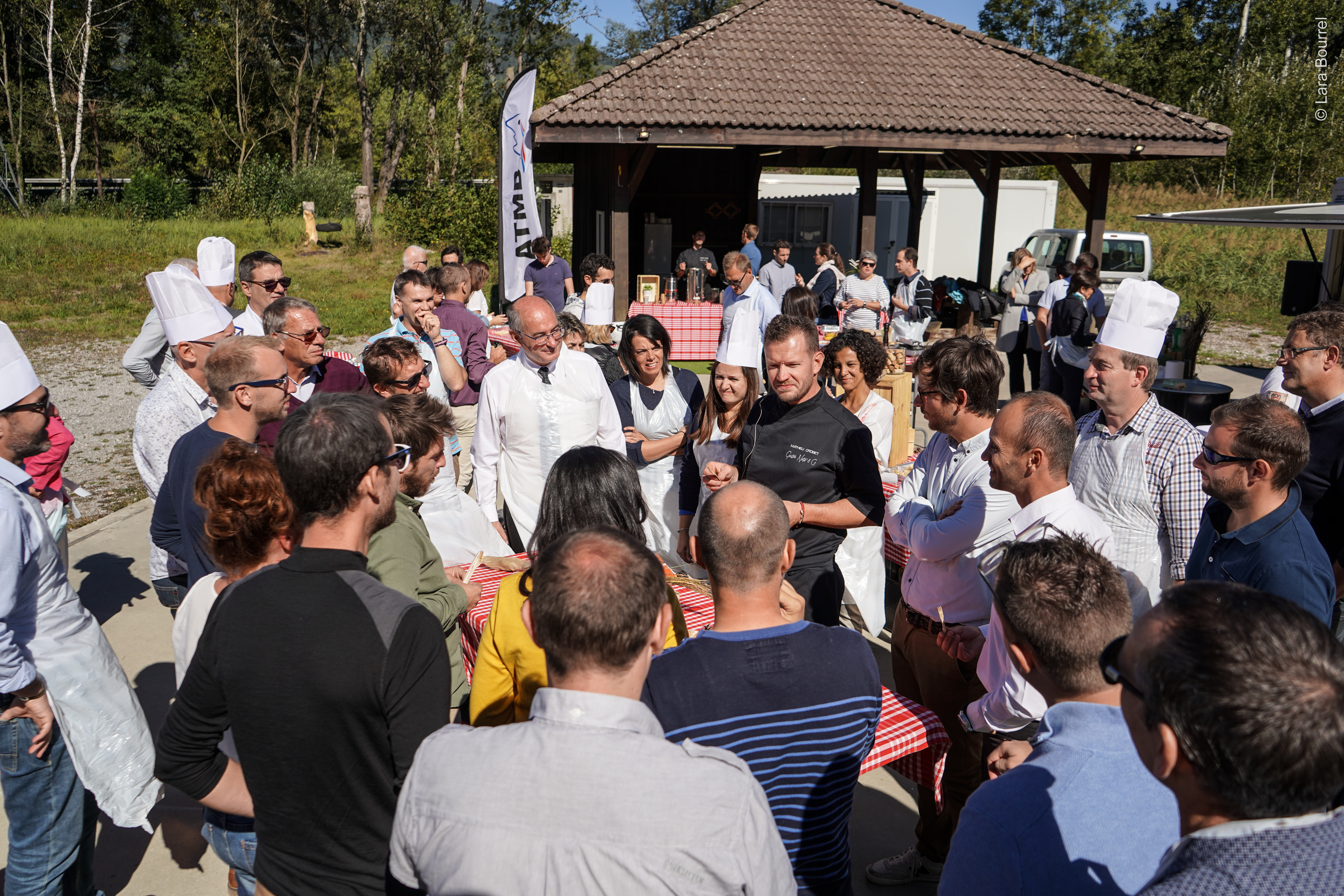
Proeverij in Brussel that strengthens culture and stakeholder ties
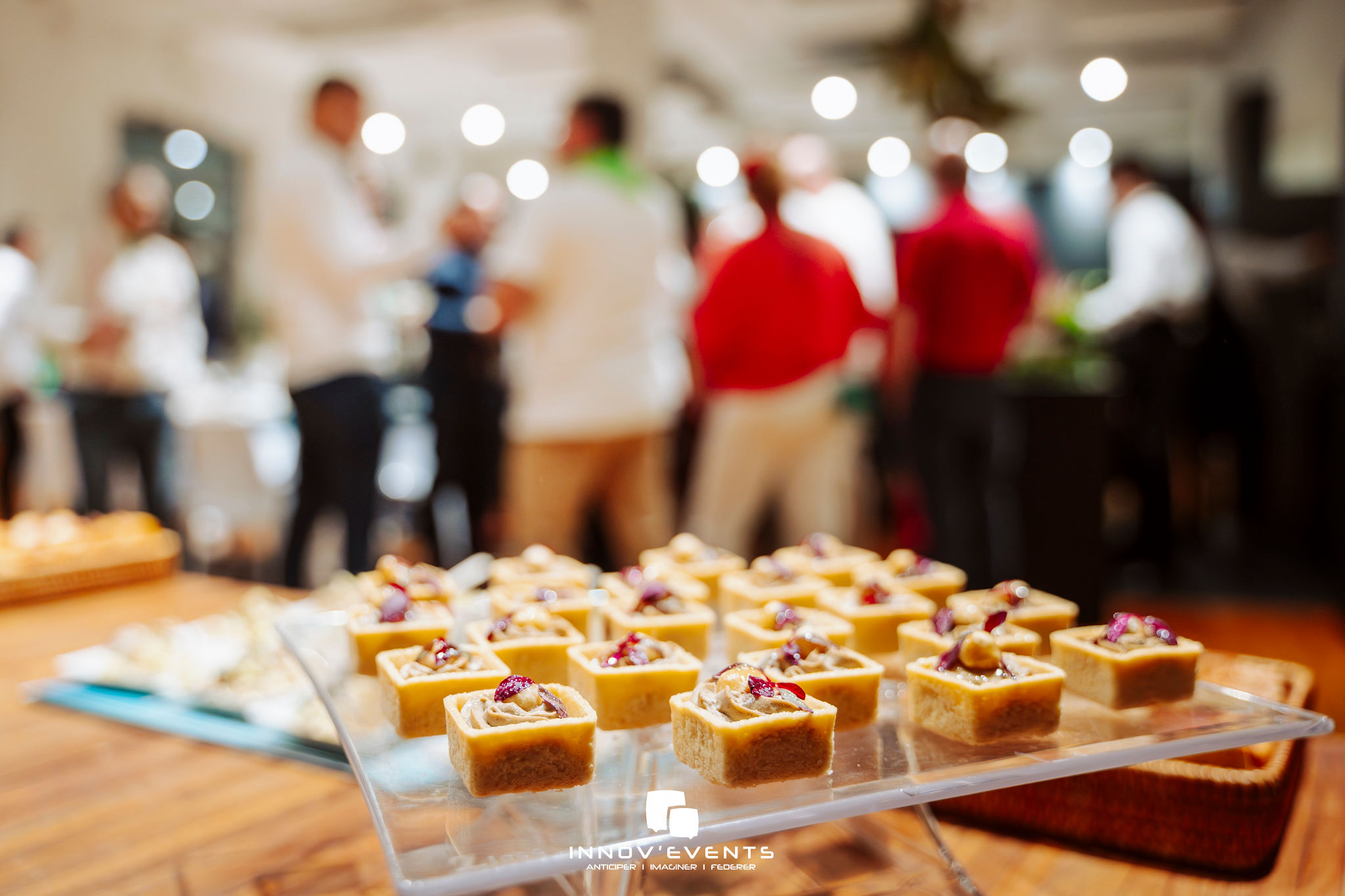
INNOV'events designs and delivers Proeverij formats in Brussel for executives, HR and communication teams, typically from 30 to 800 attendees. We manage venue fit, supplier selection, tasting scenarios, staffing, logistics, and on-site coordination so your teams can host—not firefight. Expect a controlled run-of-show, measurable participation, and an experience aligned with your employer brand and stakeholder standards.
Sommaire
In a corporate setting, a Proeverij in Brussel is not “just a nice moment”: it is a structured interaction tool. It improves informal networking density, accelerates cross-team conversations after reorganisations, and helps leadership create proximity without forcing speeches or top-down messaging.
Organisations in Brussel typically expect multilingual hosting (NL/FR/EN), careful supplier compliance (insurance, food safety, invoicing), and a format that works in office buildings, venues, or mixed-use spaces—often with strict access rules and tight time windows.
Based in Brussels, INNOV'events works with a vetted network of sommeliers, zythologists, roasters, chocolatiers, and caterers who can operate at executive-level standards. We build tasting experiences with clear objectives, realistic production plans, and predictable budgets—because the pressure is highest on event day.
Key figures clients request in Brussel before shortlisting
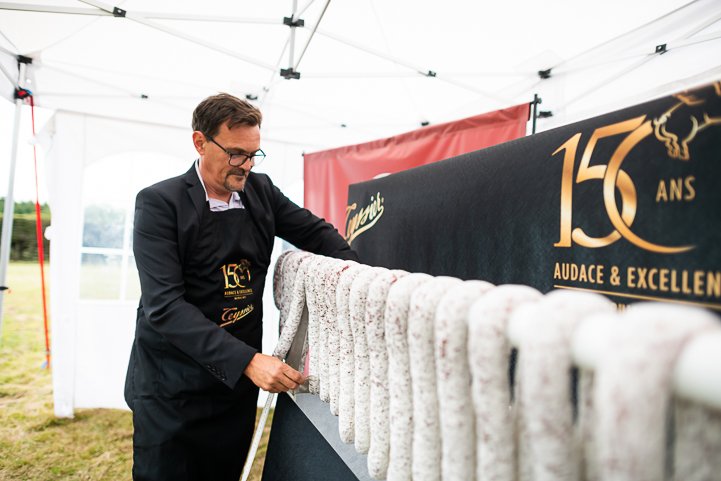
10+ years of corporate event delivery across Belgium, including recurring programs in Brussel (team moments, client evenings, executive roundtables).
30–800 participants handled on Proeverij formats with scalable staffing models (1 lead producer, floor managers, and tasting hosts depending on flow).
48-hour turnaround for a first structured proposal (format + venue short list + budget ranges + planning assumptions) once objectives and constraints are clarified.
Multi-supplier coordination: typically 3 to 8 vendors (venue, tasting partners, catering, furniture, AV, branding, security) managed under one operational plan.
Brussel delivery reality: what recurring clients actually value
In Brussel, many corporate events happen under real constraints: limited load-in, building security procedures, last-minute guest list changes, and multilingual audiences with different expectations. That’s why several organisations renew with the same partners year after year: they want operational continuity and fewer surprises.
At INNOV'events, we regularly support Brussels-based teams and Belgian headquarters that host international colleagues. When a client repeats, it is rarely because the concept was “flashy”; it is because the timing held, the suppliers respected the venue rules, the flow avoided queues, and leadership felt comfortable inviting external stakeholders. In practice, recurring collaborations often start with one Proeverij (for a product milestone or internal celebration) and evolve into a yearly rhythm: onboarding evenings, client appreciation sessions, or end-of-year team moments.
If you have internal compliance requirements (approved supplier lists, purchase order flows, badge access, sustainability reporting), we integrate them early so the program remains realistic for a Brussels corporate environment.
 Besoin d’un devis rapide ?
Nous vous envoyons une première proposition sous 24h.
What a Proeverij in Brussel solves for executives and HR
A well-designed Proeverij is a management tool disguised as a social moment. It creates structured proximity between departments, reduces the “small talk barrier” in diverse groups, and gives communication teams an environment where messages land naturally—without a heavy stage format.
Culture reinforcement after change: after mergers, reorganisations, or policy changes (hybrid work, new leadership), tasting stations create short, repeatable conversations that rebuild trust faster than a seated dinner.
Cross-functional networking with measurable engagement: you can design a tasting path (e.g., 6 stations, 10 minutes each) and track participation via simple stamp cards or QR check-ins—useful for HR and internal comms reporting.
Client and partner hosting without “sales pressure”: a guided tasting frames discussions around expertise and craft; it’s particularly effective for regulated sectors (finance, pharma, public affairs) where aggressive entertainment can feel off-brand.
Inclusive by design: alcohol-free pairings, allergy-safe alternatives, and clear labeling allow participation across cultures and lifestyles—critical in Brussel audiences.
Operationally efficient: compared to a seated dinner, a well-managed tasting reduces speech dependency and accommodates late arrivals (common with Brussels traffic and last-minute calendar shifts).
Brussels has a strong institutional and international business culture: people value professionalism, discretion, and quality signals. A Proeverij in Brussel fits that culture when it is curated with the same rigor you apply to your stakeholder management.
How Brussel corporate constraints shape your tasting format
When directors plan an internal or client-facing event in Brussel, the first constraint is rarely “ideas”—it is operational feasibility. We frequently see three recurring realities.
1) Security and access rules. Many Brussels offices and venues require pre-registered names, badge scanning, restricted lift access, and fixed delivery slots. A tasting format must therefore be designed with predictable arrivals, simplified supplier load-in, and a floor plan that avoids crowding at reception.
2) Multilingual audiences. A single-language experience can exclude part of the room. In practice, we staff tastings with hosts comfortable switching between NL/FR/EN, and we prepare short bilingual tasting cards (not long speeches) so participants can self-navigate.
3) Time compression. Brussels calendars are dense, and many guests will join after meetings in the European quarter or the periphery. We plan a format that still works if 20–30% arrive late: rolling start, flexible tasting routes, and a run-of-show that does not collapse if a station is temporarily busy.
Finally, Brussels stakeholders are sensitive to image: a tasting must look intentional (signage, glassware, station design, lighting) while remaining compliant (age checks where relevant, allergy labels, responsible service). That balance is what distinguishes a corporate-grade Proeverij from a casual in-office drink.
Which Proeverij formats work best in Brussel offices and venues
Entertainment creates engagement when it gives people a reason to move, talk, and compare—without forcing them. A Proeverij in Brussel works particularly well because it structures interactions through short, repeatable experiences, while keeping the tone professional for clients and internal stakeholders.
Animations Interactives à Brussel
Guided tasting circuits (6–8 micro-stations): guests receive a simple route card; each station is designed for 7–10 minutes. This keeps energy high and prevents overcrowding at one point.
“Pairing challenge” teams: small groups match products (e.g., chocolate + coffee, cheese + beer, mocktail + bites). Works well for HR objectives like cross-department mixing, especially in multilingual groups where tasks are easier than speeches.
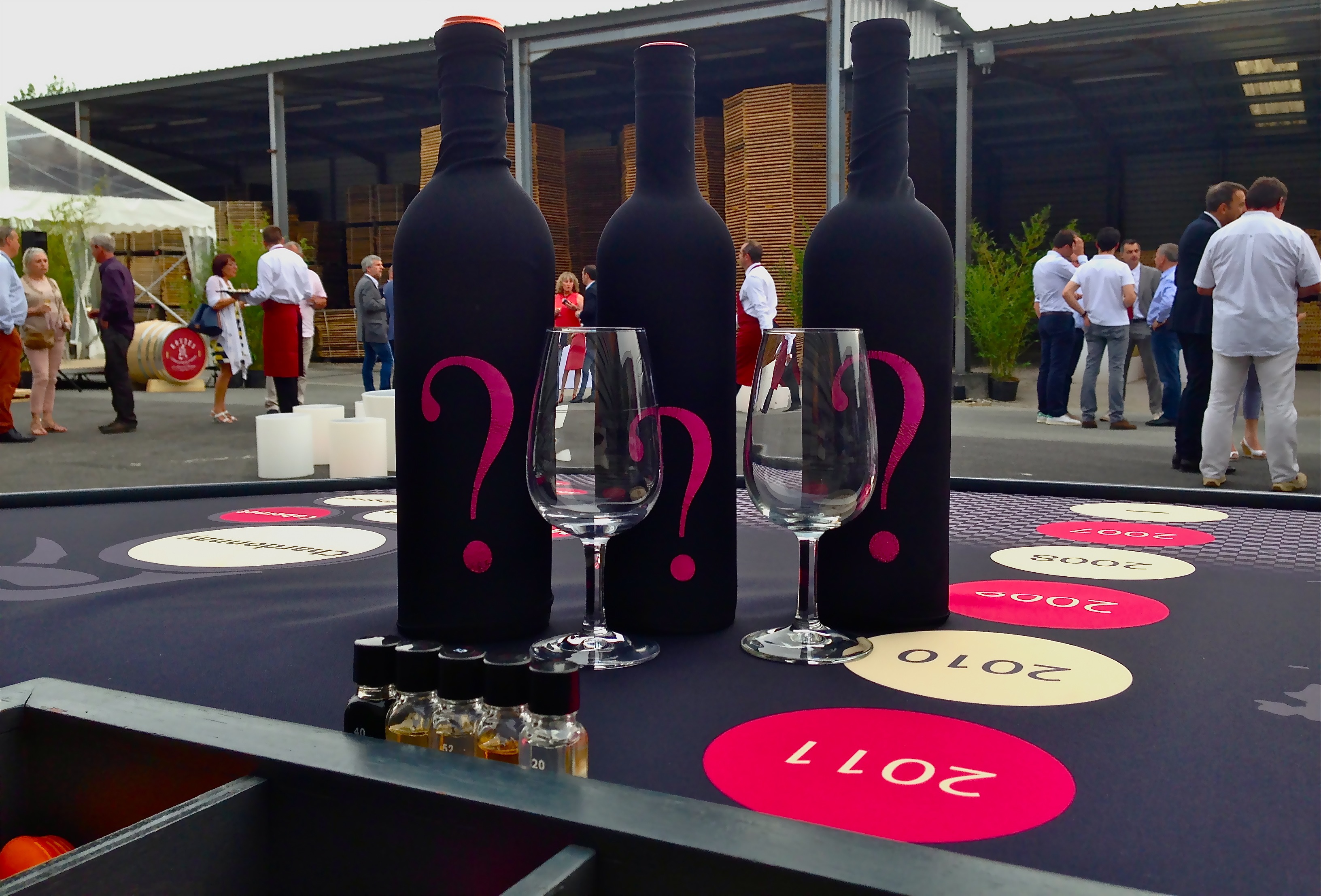
Blind tasting with confidence voting: participants vote via QR for aromas/flavours; the host reveals results with short explanations. It feels modern, generates conversation, and provides participation data for internal reporting.
Animations Artistiques à Brussel
Live illustration of tasting notes: an artist captures key flavours and brand cues in real time on a board or digital tablet. Useful when communication teams want content assets post-event without turning the evening into a photoshoot.
Ambient acoustic set with volume control: in Brussels corporate venues, the priority is conversation. We position musicians away from tasting stations, set clear decibel limits, and schedule short sets to avoid disrupting guided explanations.
Animations Innovantes à Brussel
Belgian craft beer and food pairing: led by a zythologist with a clear narrative (styles, aromas, production methods). We integrate alcohol-free craft options and responsible service—important for mixed corporate audiences.
Chocolate and praline tasting: structured around origin, percentage, texture, and pairing (coffee, tea, or fruit notes). Works well for client hosting where you want a premium Belgian signal without late-night party codes.
Cheese affineur selection with terroir mapping: highly effective for leadership dinners or board-level gatherings because it supports calm, high-quality conversation and a sense of curation.
Mocktail lab: a “zero-proof” tasting that feels premium. Particularly relevant for daytime events, employer branding, or audiences where alcohol is sensitive.
Animations Gourmandes à Brussel
Sensory stations (aroma kits, texture comparisons): designed like a short workshop. Useful for companies that want a learning angle without making it a training session.
Data-driven tasting wall: aggregated guest votes displayed live (top aromas, favourite pairing). It adds a modern layer and helps communication teams justify engagement outcomes.
Hybrid tasting kits for remote colleagues: if part of the team joins online, we can coordinate compliant delivery in Belgium and run a shared moment with a host—effective after reorganisations or for international departments.
Whatever the format, we align the Proeverij with your brand image: premium vs. approachable, educational vs. celebratory, discreet vs. expressive. In Brussel, that alignment matters because guests often include partners, regulators, and international colleagues who interpret details as signals of how your organisation operates.
Where to host a Proeverij in Brussel for the right impression
The venue is not a neutral container: it sets the tone, determines flow, and impacts your risk profile (access rules, noise limits, catering constraints). In Brussel, the best choice depends on whether you prioritise stakeholder discretion, team energy, or brand storytelling.
| Venue type | For which objective? | Main strengths | Possible constraints |
|---|---|---|---|
| Corporate office (HQ / regional office) | Internal cohesion, pragmatic budget control, easy attendance | Familiar environment; simplified travel; strong employer-brand proximity; can fit 30–250 with good zoning | Security access lists; limited load-in; kitchen limits; neighbour noise rules; requires tighter flow design |
| Hotel meeting & lounge spaces | Client hosting, executive-level comfort, international guests | Professional staff; reliable technical baseline; easier compliance; good for 50–400 | Cost per head; branding restrictions; limited supplier freedom; time slots can be rigid |
| Industrial/chic event venue (converted warehouse style) | Brand storytelling, product milestones, stronger “event” feel | Strong visual impact; flexible layouts; room for stations and content capture; good for 150–800 | Acoustic management needed; additional furniture/AV often required; stricter deposit and insurance demands |
We strongly recommend a site visit before locking the concept. In Brussels, small venue details—service elevator access, power distribution, ceiling height, and emergency exits—can determine whether your Proeverij in Brussel feels effortless or turns into visible improvisation.
How to budget a Proeverij in Brussel without unpleasant surprises
The cost of a Proeverij in Brussel is driven less by the “idea” and more by production parameters: guest count, product level, venue constraints, staffing, and how structured you want the experience to be. The best budgets are built with clear assumptions—and validated early with the venue.
Number of attendees: pricing typically scales in tiers (e.g., 30–80 / 80–200 / 200–800). Headcount drives product volumes, glassware, staffing, and space needs.
Tasting depth: a 3-item discovery vs. an 8-station circuit changes staffing intensity, content preparation, and the duration you must cover.
Product positioning: standard craft selection vs. premium cuvées, rare single-origin chocolate, or a named expert host. Premium products also increase risk management (temperature, serving, security).
Venue and technical constraints: if the venue requires extra furniture, power distribution, refrigeration, or acoustic treatment, this can be a significant line item.
Branding and communication: bilingual cards, signage, welcome desk setup, and discreet brand integration. These elements often matter most to communication teams in Brussels.
Compliance and insurance: certificates, responsible service measures, allergy labeling, and sometimes security staff depending on location and guest profile.
Timing: daytime formats with short windows may require higher crew intensity; evening formats may incur overtime and transport premiums.
We approach budget as a return-on-objective: if the goal is retention and engagement, we optimise for participation and flow; if the goal is client relations, we prioritise product quality, comfort, and discretion. This prevents over-spending on elements that do not move the needle for your stakeholders in Brussel.
Why choose an event partner based in Brussel
In Brussels, proximity is operational. A local agency reduces risk because it can visit sites quickly, adapt to building constraints, and coordinate suppliers who are used to the city’s realities (traffic, restricted zones, multilingual staffing, and strict venue requirements).
Working with an event agency in Brussel is also a procurement advantage: you typically get faster responses for last-minute changes, clearer accountability on delivery day, and a network already aligned with Belgian invoicing and compliance expectations.
Most importantly, local production experience helps avoid the common Brussels traps: underestimated setup times due to loading restrictions, insufficient host coverage at peak arrival, and mismatched tone for mixed internal/external audiences.
- Faster on-site decisions: we can validate room plans, power needs, and access routes before they become late-stage issues.
- Supplier reliability: partners who know Brussels venues and building management expectations reduce friction on the day.
- Realistic scheduling: we plan around Brussels mobility (peak traffic, public transport patterns) and typical late arrivals.
- Multilingual execution: staffing and materials designed for NL/FR/EN audiences without slowing down the guest experience.
We approach budget as a return-on-objective: if the goal is retention and engagement, we optimise for participation and flow; if the goal is client relations, we prioritise product quality, comfort, and discretion. This prevents over-spending on elements that do not move the needle for your stakeholders in Brussel.








What we deliver in Brussel beyond the concept
Our Brussels projects vary widely: internal celebrations after intense delivery periods, client evenings tied to product milestones, and HR moments designed to reconnect hybrid teams. The constant is the production approach: a clear scenario, a controlled floor plan, and suppliers briefed to corporate standards.
For example, in an office setting, we often build a “rolling” Proeverij that can absorb staggered arrivals: two mirrored tasting lines, a separate water point to reduce bar pressure, and a host positioned at the first station to distribute guests evenly. In venues with strict end times, we schedule a structured last call and a discreet breakdown plan to avoid visible teardown while guests are still networking.
We also adapt to executive sensitivities: discreet VIP corners for stakeholder conversations, controlled sound levels, and a run-of-show that keeps leadership flexible (no obligation to speak, but opportunities to appear at the right moment).
Common Proeverij pitfalls we prevent in Brussel
Underestimating arrival peaks: when 60% of guests arrive within 20 minutes, a single welcome desk or first station becomes a queue and sets the wrong tone.
Ignoring venue constraints: service elevator schedules, limited refrigeration, or strict cleaning rules can break the plan if not validated early.
Too few water and non-alcohol options: it creates discomfort and reputational risk, especially with mixed cultures and daytime formats.
Unclear allergen and dietary labeling: a frequent issue in corporate settings; it is avoidable with simple but strict signage and supplier discipline.
Entertainment that clashes with brand codes: loud music, overly casual hosts, or gimmicks can undermine a serious corporate image in Brussels stakeholder environments.
No contingency plan: product delays, missing glassware, or a station running out must be handled without leadership noticing.
Our role is to design the experience and also protect your day: we anticipate the operational points where Brussels events typically fail, and we build redundancies so your teams remain focused on guests and objectives.
Why Brussel teams renew INNOV'events year after year
Loyalty comes when an agency reduces effort for internal teams. HR and communication departments do not want to reinvent the wheel every quarter; they want predictable delivery, transparent budgets, and a partner who remembers what worked in the same building, for the same audiences.
Recurring formats: many clients keep a core tasting structure and refresh only the content (themes, pairings, stations) to maintain novelty without increasing risk.
Planning comfort: once a venue and flow model are validated, subsequent editions typically require fewer meetings and fewer internal approvals.
Operational continuity: the same supplier teams and floor procedures reduce variability—often the main concern of demanding directors.

Repeat business is the most credible indicator of quality in events. In Brussel, where reputational standards are high and calendars are tight, loyalty is earned through disciplined execution, not promises.
How we build your Proeverij project in Brussel from brief to delivery
👉 Brussel brief calibration and constraints audit
We start with a structured call (typically 30–45 minutes) with HR/Comms and, when relevant, an executive sponsor. We clarify the objective (culture, client relations, onboarding, celebration), audience profile, language mix, and success indicators. We also capture constraints: venue options, security rules, procurement steps, sustainability requirements, and timing. The output is a one-page decision brief used to avoid late-stage scope drift.
👉 Format design and scenario for a Proeverij in Brussel
We propose 1–2 tasting scenarios with clear mechanics: number of stations, duration, hosting style (guided vs. self-paced), and how we handle late arrivals. We define the tone and brand fit, and we identify which elements are optional vs. essential. This is where we prevent “concept inflation” that inflates budget without improving impact.
👉 Venue shortlist, site visit, and flow plan
We shortlist venues or validate your office space. We perform a site visit focusing on load-in routes, power, refrigeration, acoustics, and guest flow. We then produce a floor plan with station placement, welcome area, water points, seating pockets, and operational zones (storage, waste, staff). In Brussels, this step is often what saves the day.
👉 Supplier selection, compliance, and operational planning
We confirm tasting partners (sommeliers/zythologists/roasters/chocolatiers), catering, furniture, and any AV needs. We gather insurance certificates, define responsibilities, and validate service times with the venue. We build a detailed run-of-show including setup milestones, team call times, and contingency actions (backup stock, spare glassware, replacement staff if needed).
👉 On-site production and post-event feedback loop
On event day, a lead producer coordinates suppliers while a floor manager protects guest flow. We monitor queues, station refills, and timing. After the event, we debrief with your team: what worked, participation observations, and practical recommendations for the next edition. For HR/Comms, we can also provide a short operational report to support internal evaluation.
FAQ sur l'organisation Proeverij à Brussel
What is the ideal duration for a Proeverij in Brussel?
Most corporate formats in Brussel work best in 1.5 to 2.5 hours. For client hosting, 2 hours is a reliable standard; for internal celebrations with networking, plan 2.5 to 3 hours with a rolling start.
How many tasting stations should we plan in Brussel?
A practical range is 4 to 8 stations. With 30–80 guests, 4–6 stations is usually enough; with 150–400 guests, 6–8 stations (often mirrored) helps prevent queues and keeps the flow dynamic.
Can we run a Proeverij in a Brussel office building?
Yes, if we validate access, load-in, refrigeration, and waste management. We typically create a floor plan with separate welcome, water points, and at least two service lines. For many Brussels offices, the key success factor is coordinating deliveries with building security and setting up within a defined time slot.
Do you provide alcohol-free options for Brussel audiences?
Always. For corporate groups in Brussel, we recommend at least 30–50% of the tasting path to be alcohol-free (or an equivalent parallel path). This improves inclusivity and reduces reputational risk while keeping the experience premium.
What budget range is typical for a Proeverij in Brussel?
Budgets vary by venue and product level, but many corporate tastings in Brussel fall between €45 and €120 per person for a structured experience (products + hosts), with venue, furniture, and AV potentially adding additional costs. We confirm a realistic range after objectives, headcount, and venue constraints are defined.
Request a Brussel proposal with clear options and a controlled plan
If you are comparing agencies, we can work with your constraints rather than pushing a fixed package. Share your target date, estimated headcount, venue situation (office or external), and the objective (HR, client relations, internal comms). We will respond with a structured proposal for your Proeverij in Brussel: format options, staffing logic, production assumptions, and transparent budget ranges.
Brussels calendars and venues book quickly—especially for Thursday evenings and end-of-quarter periods. Contact INNOV'events early so we can secure the right partners and keep your internal workload light while protecting the execution quality on the day.
Agence INNOV'events Brussel
Justin JACOB est le responsable de l'agence événementielle Brussel. Contactez-le directement par mail via l'adresse belgique@innov-events.be ou par formulaire.
Contacter l'agence BrusselToutes nos prestations & animations Brussel, Belgique
Découvrez nos prestations événementielles
Découvrez nos animations événementielles disponibles au Belgique
- Hôtesse événementielle à Brussel
- Escape Game à Brussel
- Cours de cuisine type MasterChef à Brussel
- Magicien à Brussel
- Location de chapiteau à Brussel
- Atelier colorimétrie à Brussel
- Jeux gonflables à Brussel
- Service de voiturier à Brussel
- Simulateur de football à Brussel
- Location de mobilier lumineux à Brussel
- Flocage lumineux à Brussel
- Repas insolite à Brussel
- Light Painting à Brussel
- Murder Party à Brussel
- Jeu concours à Brussel
- PLV événementielle à Brussel
- Réalité virtuelle à Brussel
- Cuisine moléculaire à Brussel
- Animation Halloween à Brussel
- Feu d’artifice à Brussel
- Jeux géants à Brussel
- Animateur événementiel à Brussel
- Animation photo à Brussel
- Père Noël à Brussel
- Animation enfants à Brussel
- Visite guidée à Brussel
- Rallye urbain à Brussel
- Piscine à balles à Brussel
- Simulateur de vol à Brussel
- Location de food truck à Brussel
- Record du monde à Brussel
- Simulateur de surf à Brussel
- Casino du vin à Brussel
- Atelier relooking à Brussel
- Atelier création de parfum à Brussel
- Atelier acting à Brussel
- Animations RSE à Brussel
- Tir à l’arc à Brussel
- Agent de sécurité à Brussel
- Œnologie à Brussel
- Mime à Brussel
- Jeu télévisé à Brussel
- Fête foraine à Brussel
- Atelier gestion de crise à Brussel
- Atelier négociation de crise à Brussel
- Jeux d’arcade à Brussel
- Simulateur de chute libre à Brussel
- Simulateur de ski à Brussel
- Simulation circuit automobile à Brussel
- Baptême de l’air à Brussel
- Dégustation à Brussel
- Création de baby-foot à Brussel
- Rallye 2CV à Brussel
- Challenge LEGO à Brussel
- Animation casino à Brussel
- Interprète / traducteur à Brussel
- Goodies à Brussel
- Bus / transfert à Brussel