
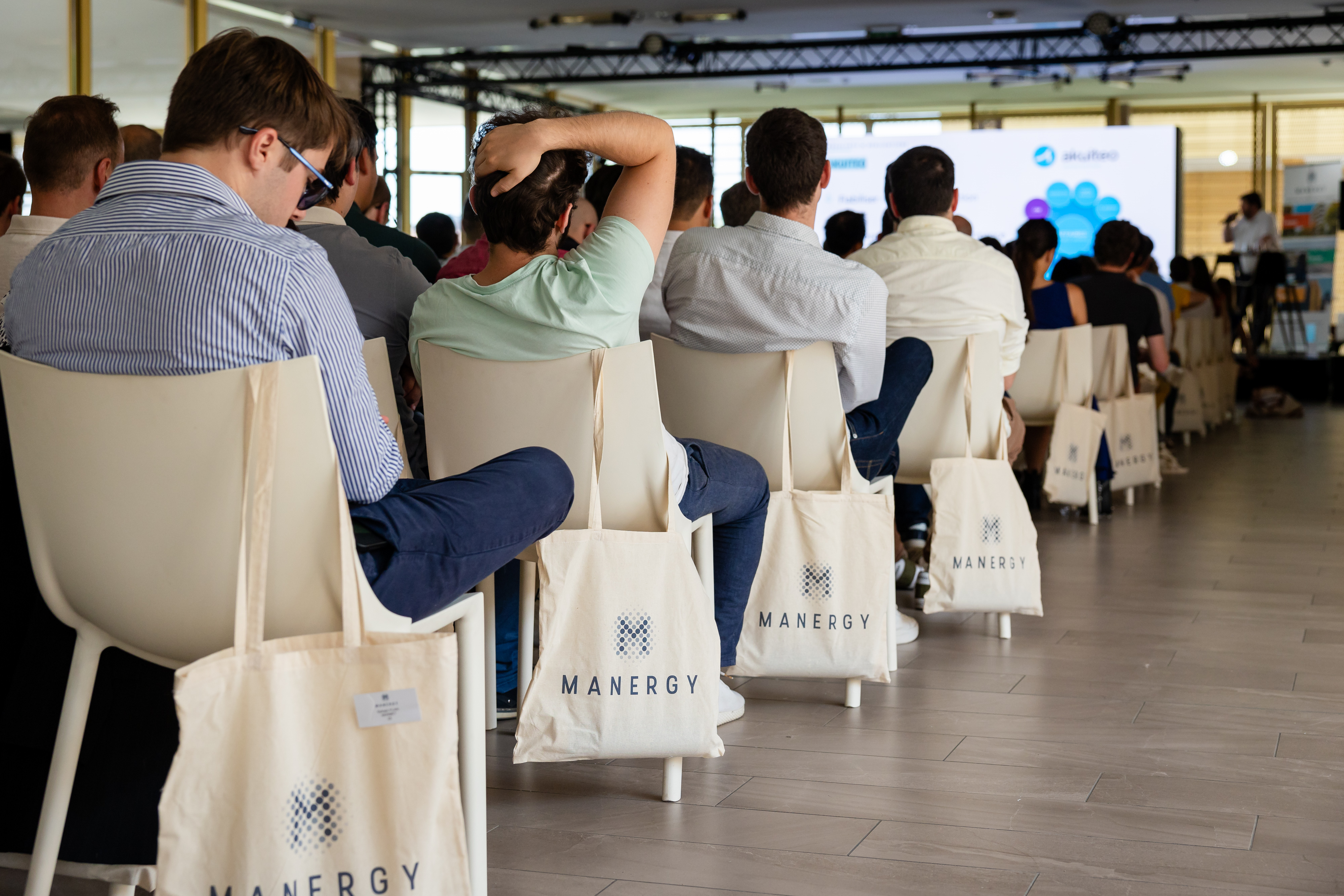
Promotionele gadgets in Brussel that support your event goals
INNOV'events supports executives, HR and communication teams with Promotionele gadgets for corporate events in Brussel, from concept to distribution on event day. We typically manage projects from 50 to 2,500 attendees, with clear lead times, quality control and full logistics. You keep brand control and internal time; we handle suppliers, proofs, packaging, delivery slots and on-site flow.
Sommaire
In a corporate event, Promotionele gadgets are not “nice-to-have items”: they are a tangible brand touchpoint that can reinforce a message, drive booth traffic, improve session attendance, and increase post-event recall—if they are selected and distributed with intent.
In Brussel, organizations expect fast turnaround, bilingual or multilingual messaging, and impeccable compliance (venues, security checks, delivery windows). A good gadget program anticipates these constraints instead of improvising on the day.
As a Brussels-based agency, INNOV'events coordinates local production and European sourcing, manages approvals and deadlines, and plans on-site distribution like an operational process—not a last-minute purchase.
Brussel numbers that de-risk your gadget program
10–15 working days is the typical safe lead time for branded items (proofs + production + transport); we also run “emergency” programs in 5–7 working days when specifications allow.
1 dedicated project lead + 1 logistics back-up per project: continuity matters when approvals arrive late and delivery slots are strict in Brussel.
2 quality checkpoints included: pre-production digital proof validation and reception control (count, print alignment, defect sampling) before distribution.
3 distribution formats managed regularly: welcome desk kits, session-based handouts, and “activation” giveaways (QR scan, mini-challenge, lead capture).
Brussel-based delivery for organizations that repeat every year
INNOV'events operates on the ground in Brussel and supports corporate teams that run recurring formats: annual kick-offs, recruitment events, internal townhalls, client breakfasts, partner days and trade-focused activations. A significant part of our work is repeat business because the real value is not the gadget itself—it is the reliability of the process: deadlines respected, visuals correct, quantities exact, and distribution planned to avoid bottlenecks.
If you want us to cite specific client names as references, share the list you want included (some companies have strict rules on public name usage). In practice, we often work with a mix of EU-facing institutions, consulting firms, corporate HQ teams, and scale-ups around the canal zone and the European Quarter, where last-minute changes and strict security/delivery rules are common.
Many organizations come back year after year because we document what worked (quantities by touchpoint, uptake rate, leftover rate, supplier performance) and we improve the next edition instead of restarting from scratch.
 Besoin d’un devis rapide ?
Nous vous envoyons une première proposition sous 24h.
Why use promotional gadgets for a corporate event in Brussel?
For executives and communication leaders, Promotionele gadgets in Brussel are only worth it when they serve a defined business objective: brand consistency, employer branding, sales enablement, community building, or operational onboarding. The strategic question is not “what is trendy?” but “what behavior do we want to encourage—and where in the attendee journey?”
We see two frequent scenarios in Brussels companies: (1) leadership wants a high-level, polished brand presence for international stakeholders; (2) HR needs practical items that support experience and retention for internal audiences. The right gadget plan can do both, without wasting budget on items people leave behind.
Increase message retention: a simple, useful object linked to your theme (“security”, “innovation”, “sustainability”, “wellbeing”) improves recall after the event—especially for multi-session days where attention is fragmented.
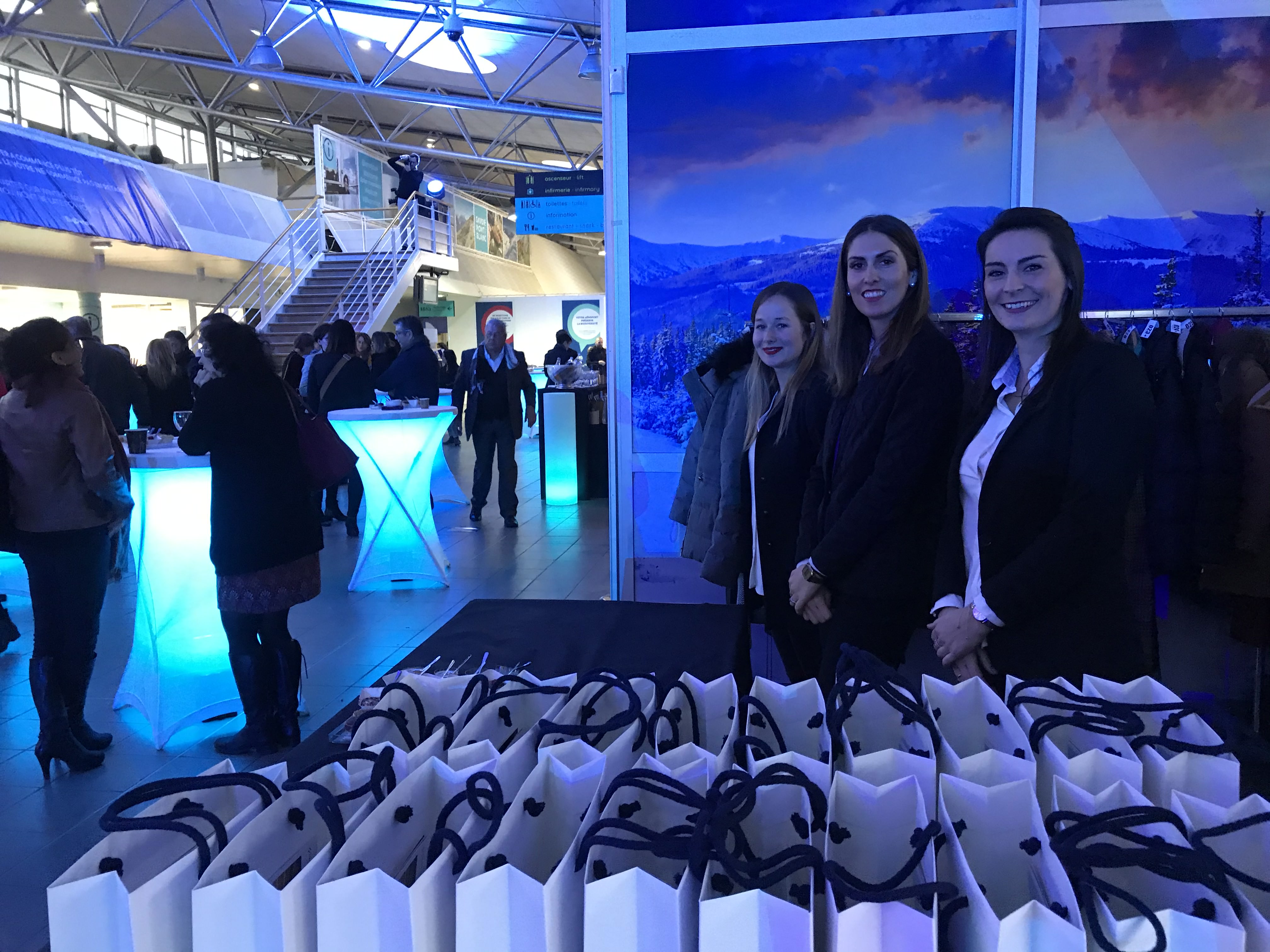
Reduce operational friction on event day: welcome kits (lanyard + badge holder + agenda card + drink voucher) shorten check-in times and make flows smoother at busy Brussels venues with limited lobby space.
Support HR and employer brand: onboarding packs or “team pride” items used internally (not just given away) strengthen belonging—especially in hybrid organizations with multiple offices.
Enable lead capture without being intrusive: “activation” giveaways tied to a QR scan, mini-survey, or demo booking can increase qualified contacts, if you plan stock, staff script, and privacy messaging.
Protect brand consistency: controlled color management, correct logo usage, and packaging standards avoid the classic risk of “cheap-looking” items undermining a premium brand position.
Make sustainability measurable: choosing durable items, FSC packaging, refill systems, or local EU-made production provides concrete proof points for ESG reporting—beyond vague claims.
In Brussel, where many audiences are international and comparison is immediate, promotional items quickly signal how serious an organization is about detail, consistency and respect for attendees’ time.
What Brussel organizations expect from promotional gadgets suppliers
Working in Brussel means managing constraints that are operational, reputational and often political. Decision-makers expect agencies to anticipate them, not discover them during delivery.
Multilingual context is the first reality: even when the event is “internal”, you often have a mix of French, Dutch and English speakers. That affects everything from packaging copy to size charts, care labels, and instructions (e.g., how to redeem a voucher or register a device warranty). We recommend keeping the core item language-neutral and moving text to a small insert card where translations are clean and controlled.
Venue delivery windows are tight in many Brussels locations: limited loading bays, time-slot booking, and strict security checks (names on delivery lists, badge requirements for drivers, no early storage). This is why we plan deliveries like a mini-project: confirmed time slots, buffer stock, clear labelling by zone (welcome desk / plenary / workshop rooms), and a contingency for “delivery refused” scenarios.
Audience quality expectations are high because Brussels hosts many high-level stakeholders. A gadget that looks inexpensive can damage credibility. We focus on “perceived value” drivers: material feel, print technique, color fidelity, packaging, and the practicality of the item.
Compliance and brand governance are non-negotiable for corporates: brand guidelines, procurement rules, and sometimes strict sustainability requirements. We integrate approvals into the schedule (visual proof, material sample if needed, and final production sign-off) to avoid late-stage surprises.
Which promotional gadgets work best for events in Brussel?
Engagement increases when the item is integrated into the experience rather than dropped on a table. In Brussel, where schedules are tight and audiences are selective, we prioritize items that are either immediately useful during the event or clearly valuable after it.
Animations Interactives à Brussel
Badge + lanyard systems designed for speed: color-coded by track (HR, Sales, Tech), with QR access for session scanning. Practical, and it improves flow and data capture without feeling invasive.
“Choose your kit” stations: attendees select one of three options (e.g., commuter kit, desk kit, wellness kit). This reduces waste, improves perceived value, and gives comms teams a story to tell internally.
Gamified giveaways: a small premium item unlocked after completing a route (visit 3 stands, attend 2 sessions, or answer 5 quiz questions). Works well for partner days and internal fairs in Brussels offices.
Animations Artistiques à Brussel
Limited-edition items tied to Brussels identity: subtle references (topographic lines, architectural patterns) rather than tourist clichés. Used carefully, it can create pride without diluting corporate branding.
Artist collaboration for premium audiences: a locally produced print, notebook cover, or packaging design. The point is governance: clear rights usage, production constraints, and brand alignment.
Animations Innovantes à Brussel
Branded edible gifts with controlled logistics: individually wrapped items for hygiene and easy distribution; allergen and language labeling considered. Ideal for welcome moments, client breakfasts, or late-afternoon energy dips.
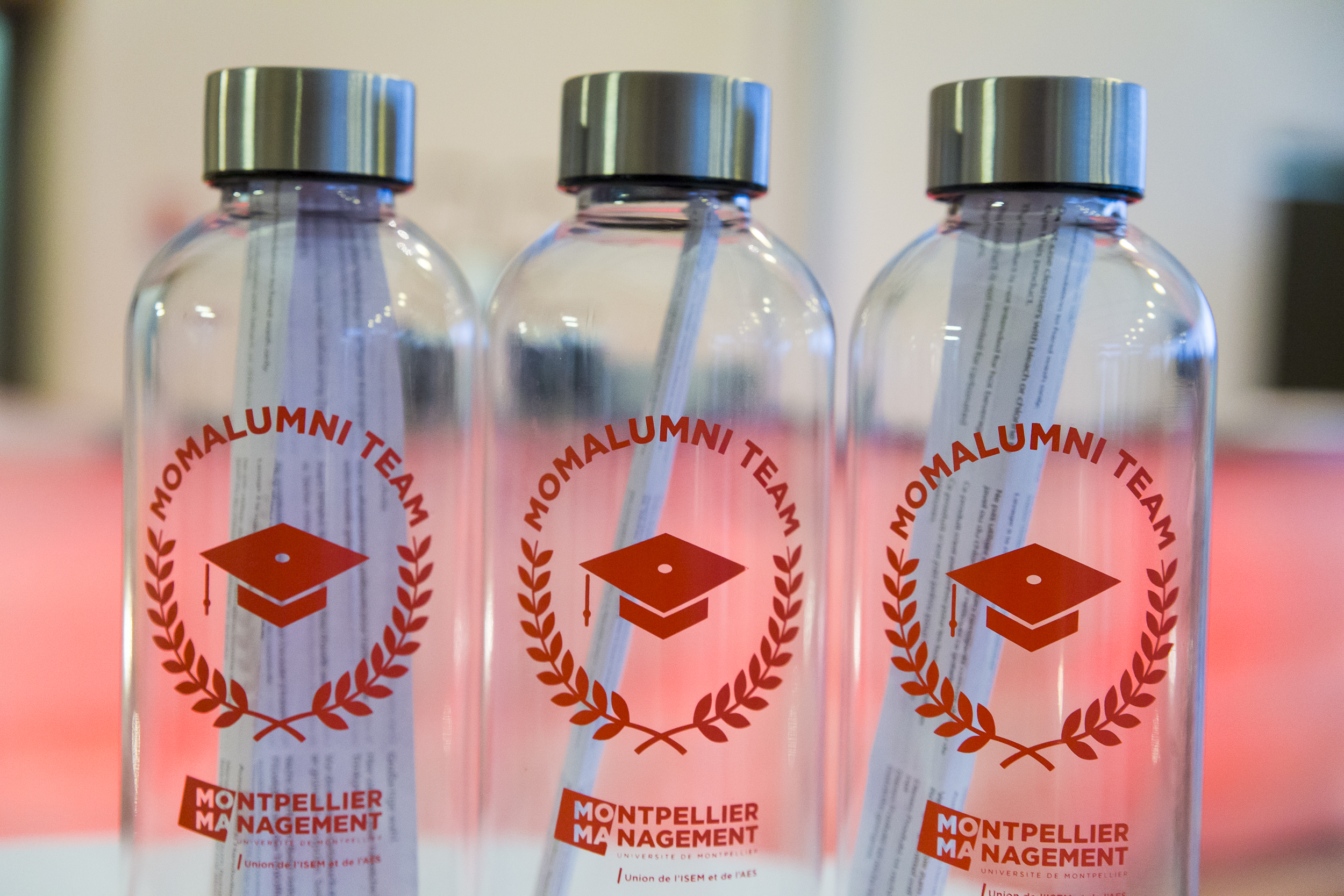
Reusable drinkware: cups or bottles that reduce single-use waste on-site. In Brussels venues, confirm washing/reuse rules and whether the venue already imposes a cup deposit system.
Animations Gourmandes à Brussel
Tech accessories with real utility: USB-C cables, webcam covers, phone stands—selected based on your attendee profile. Avoid outdated connectors; check compliance for corporate IT environments.
Sustainable materials with proof: FSC paper, recycled textiles, EU-made items, refill systems. The key is documenting claims (certificates, origin, material breakdown) so comms and procurement are comfortable.
Packaging engineered for distribution: flat-packed kits, pre-labeled sets per department, or “desk-drop” ready bags for internal events. This is often where efficiency is won in Brussels office settings.
Whatever you select, the rule is consistency: the item must match your brand position. A premium consultancy should not hand out flimsy plastics; a sustainability-driven organization should not distribute items with unclear origin. We help you align object, message, and context so Promotionele gadgets reinforce trust instead of creating doubts.
Where to distribute promotional gadgets in Brussel for maximum impact
The venue influences how Promotionele gadgets in Brussel are perceived and how smoothly they can be distributed. A tight lobby changes the entire strategy: you may need pre-packed welcome kits, staggered pick-up points, or in-room placement to avoid queues and clutter.
| Venue type | For which objective? | Main strengths | Possible constraints |
|---|---|---|---|
Corporate office (HQ or Brussels satellite) | Internal townhall, onboarding day, employer branding, department kick-off | Control of brand environment; easy “desk-drop” distribution; no external transport for most staff | Limited storage; strict internal security; delivery needs coordination with facilities and reception |
Conference venue / hotel meeting floors | Leadership events, client days, multi-session programs with plenary + breakouts | Professional infrastructure; clear participant flow; staff support for room set-up | Fixed delivery windows; handling fees; branding restrictions in common areas |
Exhibition hall / trade show setting | Partner day, innovation showcase, recruitment fair, product demo zone | High footfall; easy activation mechanics; strong visibility for “earned” giveaways | Stock disappears fast; higher risk of “freebie hunters”; on-site storage and replenishment planning needed |
We recommend a short site visit or at least a technical call with the venue in Brussel before finalizing quantities and packaging. Knowing where cartons can be stored, when lifts are available, and how check-in is configured prevents 80% of day-of issues.
Budgeting Promotionele gadgets in Brussel without surprises
Pricing for Promotionele gadgets in Brussel depends on specifications and risk drivers, not on “the category” alone. Two items that look similar online can land in very different total budgets once you include print technique, packaging, delivery constraints, and quality control.
From a decision-maker perspective, the right approach is to define a target range per attendee and then allocate more budget to high-visibility touchpoints (VIPs, speakers, onboarding kits) while keeping mass distribution efficient.
Quantity tiers: unit costs drop at certain breakpoints (often 100 / 250 / 500 / 1000), but storage and distribution become more complex. We size stock based on uptake assumptions, not optimistic estimates.
Branding technique: embroidery and engraving increase perceived value and durability; digital print is flexible but can look less premium on some materials. We advise based on your brand positioning and usage duration.
Lead time: rush production and express transport can add 15–40% depending on supplier and seasonality. Brussels calendars (EU peaks, end-of-year) increase pressure—planning early saves money.
Packaging and kitting: assembling sets (welcome kits, speaker kits) is often underestimated. Kitting can represent a meaningful cost, but it reduces on-site chaos and improves consistency.
Delivery and venue handling: multi-drop distribution (office + venue), time-slot constraints, or weekend deliveries can impact the total. Some venues charge handling fees—better to know upfront.
Quality control and sampling: requesting a physical sample or pre-production sample has a cost, but it is often cheaper than reprinting hundreds of units due to a brand color mismatch.
We frame budget discussions with ROI logic: what does it cost to improve check-in speed, to increase booth conversions, or to reinforce employer brand consistency across multiple Brussels teams? When the objective is clear, spend becomes a controlled investment rather than a “goodie bag expense”.
Why choose a local partner in Brussel for promotional gadgets
When you manage Promotionele gadgets for an event, the risk is rarely the purchase itself—it is the chain of execution. A partner established in Brussel reduces friction because we can coordinate quickly with venues, adapt to last-minute schedule changes, and physically verify deliveries when required.
We also understand Brussels-specific realities: delivery restrictions, bilingual expectations, and the pace of corporate calendars. If you are comparing agencies, ask how they manage proof approvals, what their contingency plan is if a shipment is delayed, and who is accountable on-site. That is where local presence changes outcomes.
For broader event production beyond gadgets, our team also operates as your event agency in Brussel, which means the gadget plan is integrated into the overall attendee journey (check-in, room flows, staffing, signage) instead of handled as a separate procurement task.
- Faster decision loops: shorter time from brief to supplier shortlist to proof validation.
- Operational reliability: coordination with Brussels venues, loading bay access, and delivery slot discipline.
- Better cost control: transparent options (local EU-made vs. imported), with trade-offs explained clearly.
- On-site accountability: one point of contact responsible for distribution, replenishment, and issue resolution.
We frame budget discussions with ROI logic: what does it cost to improve check-in speed, to increase booth conversions, or to reinforce employer brand consistency across multiple Brussels teams? When the objective is clear, spend becomes a controlled investment rather than a “goodie bag expense”.





Brussel use cases we handle in real corporate life
Our work on Promotionele gadgets in Brussel covers a wide range of contexts because the operational needs change drastically between a leadership offsite and a recruitment fair.
Example 1: Leadership day with strict brand governance. A Brussels HQ wanted premium speaker kits and a clean welcome experience for 300 attendees. The challenge was approval speed: the CEO office requested late copy changes and the brand team required exact colors. We built a proof calendar with hard cut-offs, proposed two print techniques to control color fidelity, and delivered pre-sorted kits per room. Result: no queues at check-in and consistent visuals across all touchpoints.
Example 2: HR recruitment activation. For a talent event, the goal was not volume but conversation quality. We avoided generic giveaways and used a two-step mechanic: a small “starter” item at first contact, and a more valuable item after a scheduled interview slot was booked via QR. This reduced waste and increased qualified leads while keeping the staff script simple.
Example 3: Multi-site internal distribution. For an internal campaign, gadgets had to reach teams across Brussels offices and remote workers. We planned a hybrid logistics model: on-site desk-drops for office days + individual shipping for remote staff, with address collection managed securely and packaging designed to protect the item and the brand image.
Common mistakes companies make with Brussel promotional gadgets
Buying items before defining the attendee journey: you end up with boxes of leftovers and no clear distribution logic.
Underestimating lead times: artwork approvals, production, and transport routinely take longer than expected—especially during peak Brussels event seasons.
Ignoring venue constraints: deliveries refused, no storage space, or handling fees appearing after the purchase.
Choosing the wrong branding technique: a logo that cracks, peels, or looks misaligned is a reputational issue, not a minor defect.
Wrong quantities per touchpoint: overstock for optional giveaways and shortage for essential items like lanyards or voucher cards.
“Sustainability” without proof: claims that cannot be backed with certificates or origin details create internal risk with procurement and comms.
Our role is to prevent these risks with a clear schedule, documented approvals, supplier selection based on reliability (not just price), and an on-site distribution plan adapted to your Brussel venue and audience.
Why Brussel clients renew their gadget programs with INNOV'events
Clients return because we treat Promotionele gadgets like an operational deliverable with measurable outcomes: uptake rate, distribution speed, defect rate, and stakeholder satisfaction. The goal is not to “change items every year”, but to improve relevance and execution each edition.
1 shared tracking file per project: quantities by touchpoint, supplier lead times, approval dates, delivery slot confirmation, and on-site distribution notes.
0 ambiguity on accountability: we define who approves artwork, who signs off production, and who validates reception in Brussel.
2–3 curated options per item, not 20 links: decision-makers get clear trade-offs (cost, lead time, perceived value, sustainability proof).

Loyalty is proof of quality because it means the gadget program survived real constraints: late approvals, tight delivery windows, budget pressure, and the reality of event-day execution in Brussel.
Our step-by-step process in Brussel to secure results
👉 Step 1 (Brussel): align objectives, audience, and touchpoints
We start with a short working session with HR/comms and an executive sponsor: what is the event objective, who attends, and what behaviors matter (check-in speed, session attendance, booth traffic, onboarding consistency). We map touchpoints and decide where Promotionele gadgets are essential versus optional, to avoid waste and protect brand relevance.
👉 Step 2 (1000): propose options with trade-offs and proof points
We present a short list of options with clear trade-offs: unit cost at your quantity, lead time, branding technique, origin, and sustainability documentation. For premium or high-risk items (textiles, special finishes), we recommend a physical sample or pre-production sample when timelines allow.
👉 Step 3 (Brussel): manage artwork, proofs, and approvals
We collect your brand guidelines, define the print area and constraints, and coordinate supplier proofs. We set approval deadlines and confirm exactly what is validated (colors, placement, packaging copy). This is where many projects fail internally; we bring structure so the final output matches what leadership expects.
👉 Step 4 (1000): production follow-up and quality control
During production we track milestones and confirm shipping dates. Upon reception (either at our controlled location or directly at venue/office), we perform quality checks: counts, defect sampling, and visual verification against proofs. If there is an issue, we escalate quickly while there is still time to correct.
👉 Step 5 (Brussel): logistics, kitting, and on-site distribution plan
We plan deliveries around Brussels constraints: time slots, access badges, lift availability, storage location, and replenishment routes. If kitting is needed, we assemble and label per zone (welcome desk, plenary, breakouts, VIP). On event day, we brief staff so distribution is smooth and consistent with your brand experience.
👉 Step 6 (1000): post-event review and optimization
After the event, we review what was consumed, what remained, and why. We document learnings for the next edition (quantities by touchpoint, best-performing items, supplier performance) and propose improvements to reduce waste and increase perceived value.
FAQ sur l'organisation Promotionele gadgets à Brussel
What lead time is safe for promotional gadgets in Brussel?
Plan 10–15 working days for most branded items (proofs + production + transport). For urgent needs, some selections can be done in 5–7 working days, but choices are narrower and rush costs may apply.
How many promotional gadgets should we order in Brussel?
Base it on touchpoints, not just attendee count. Welcome items usually require 85–100% coverage. Optional “activation” gifts often work at 25–60% uptake depending on the mechanic and staffing. We typically add 3–7% buffer for speakers, VIPs, and last-minute registrations.
What budget per attendee for gadgets in Brussel events?
Common planning ranges are €3–€8 per attendee for mass distribution, €10–€25 for speaker/VIP kits, and €25–€60+ for premium onboarding packs. Final cost depends on branding technique, packaging, and logistics constraints.
Can you handle bilingual FR/NL gadgets for Brussel?
Yes. We usually keep the object itself language-neutral and place FR/NL/EN text on an insert card or packaging sleeve to avoid clutter. We also manage proofreading and layout so both languages are treated equally and brand-compliant.
Do you deliver promotional gadgets directly to venues in Brussel?
Yes. We coordinate delivery slots with the venue, prepare labels by zone, and can arrange reception control and on-site distribution support. When venues impose handling rules or fees, we flag them early so there are no surprises.
Request a quote for Promotionele gadgets in Brussel
If you want Promotionele gadgets in Brussel that strengthen your brand and run smoothly on event day, we can scope it quickly. Share your event date, estimated headcount, audience profile, and the main objective (HR, client, partner, internal). We will come back with a short, decision-ready proposal: options, lead times, budget ranges, and a logistics/distribution plan that fits your venue constraints.
For Brussels events, early planning is the simplest way to protect quality and budget—especially when multiple stakeholders must approve visuals. Contact INNOV'events to secure production slots and avoid last-minute compromises.
Agence INNOV'events Brussel
Justin JACOB est le responsable de l'agence événementielle Brussel. Contactez-le directement par mail via l'adresse belgique@innov-events.be ou par formulaire.
Contacter l'agence BrusselToutes nos prestations & animations Brussel, Belgique
Découvrez nos prestations événementielles
Découvrez nos animations événementielles disponibles au Belgique
- Hôtesse événementielle à Brussel
- Escape Game à Brussel
- Cours de cuisine type MasterChef à Brussel
- Magicien à Brussel
- Location de chapiteau à Brussel
- Atelier colorimétrie à Brussel
- Jeux gonflables à Brussel
- Service de voiturier à Brussel
- Simulateur de football à Brussel
- Location de mobilier lumineux à Brussel
- Flocage lumineux à Brussel
- Repas insolite à Brussel
- Light Painting à Brussel
- Murder Party à Brussel
- Jeu concours à Brussel
- PLV événementielle à Brussel
- Réalité virtuelle à Brussel
- Cuisine moléculaire à Brussel
- Animation Halloween à Brussel
- Feu d’artifice à Brussel
- Jeux géants à Brussel
- Animateur événementiel à Brussel
- Animation photo à Brussel
- Père Noël à Brussel
- Animation enfants à Brussel
- Visite guidée à Brussel
- Rallye urbain à Brussel
- Piscine à balles à Brussel
- Simulateur de vol à Brussel
- Location de food truck à Brussel
- Record du monde à Brussel
- Simulateur de surf à Brussel
- Casino du vin à Brussel
- Atelier relooking à Brussel
- Atelier création de parfum à Brussel
- Atelier acting à Brussel
- Animations RSE à Brussel
- Tir à l’arc à Brussel
- Agent de sécurité à Brussel
- Œnologie à Brussel
- Mime à Brussel
- Jeu télévisé à Brussel
- Fête foraine à Brussel
- Atelier gestion de crise à Brussel
- Atelier négociation de crise à Brussel
- Jeux d’arcade à Brussel
- Simulateur de chute libre à Brussel
- Simulateur de ski à Brussel
- Simulation circuit automobile à Brussel
- Baptême de l’air à Brussel
- Dégustation à Brussel
- Création de baby-foot à Brussel
- Rallye 2CV à Brussel
- Challenge LEGO à Brussel
- Animation casino à Brussel
- Interprète / traducteur à Brussel
- Goodies à Brussel
- Bus / transfert à Brussel