
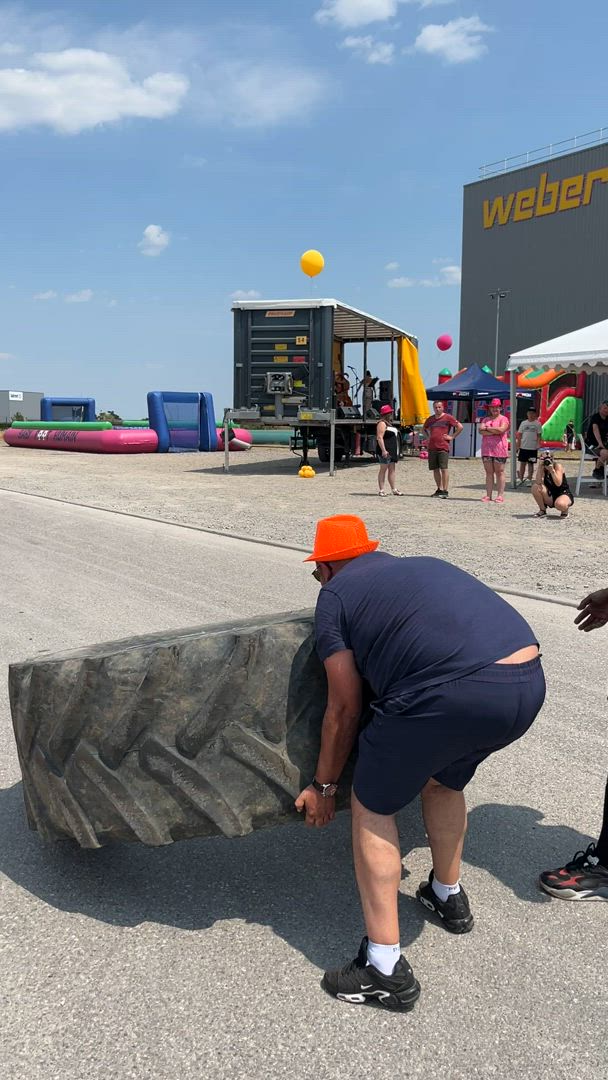
Wereldrecord challenge in Luik that aligns teams and delivers measurable energy
INNOV'events designs and runs Wereldrecord challenge formats in Luik for leadership teams, HR and internal communications—typically from 30 to 2,000 participants. We handle concept design, participant flow, safety, MC/facilitation, measurement, and the full run-of-show so your teams can focus on hosting.
Whether your goal is culture integration after a reorg, employer branding, or a multi-site kick-off, we turn the “record” into a credible operational project with clear rules, proof, and a smooth on-the-day experience.
Sommaire
In a corporate event, entertainment is not decoration: it is a controlled moment where people take a shared risk, coordinate, and succeed together—exactly what executives want to see when they talk about alignment and execution.
In Luik, organizations expect practicality: clear timing, multilingual facilitation (FR/NL/EN when needed), reliable suppliers, and an experience that works for mixed profiles—from technicians to management—without losing dignity or brand standards.
We are a Brussels-based agency with frequent operations in Luik; our producers know the local venue realities, access constraints, and how to secure strong production partners so the “record” remains a business tool, not a gimmick.
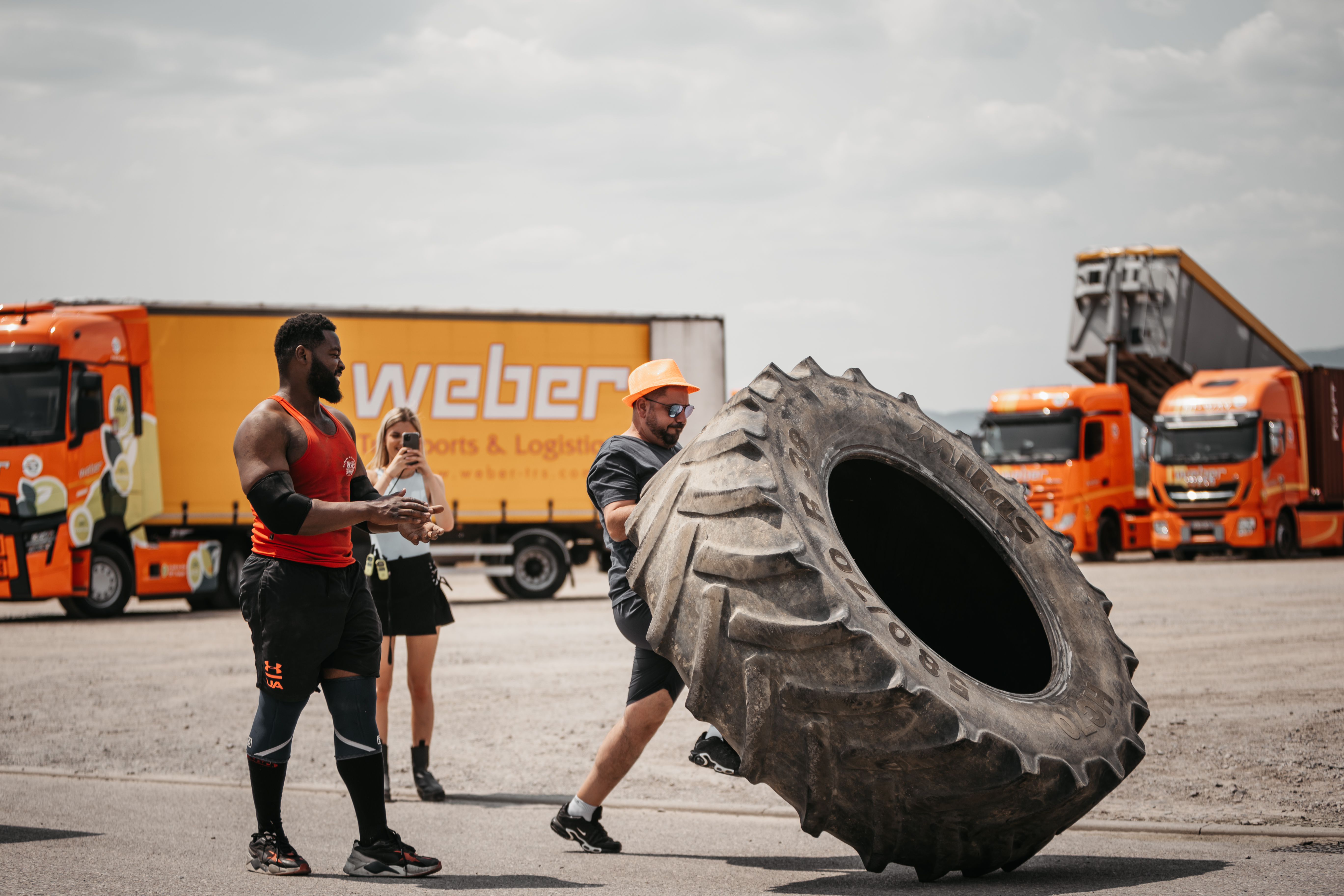
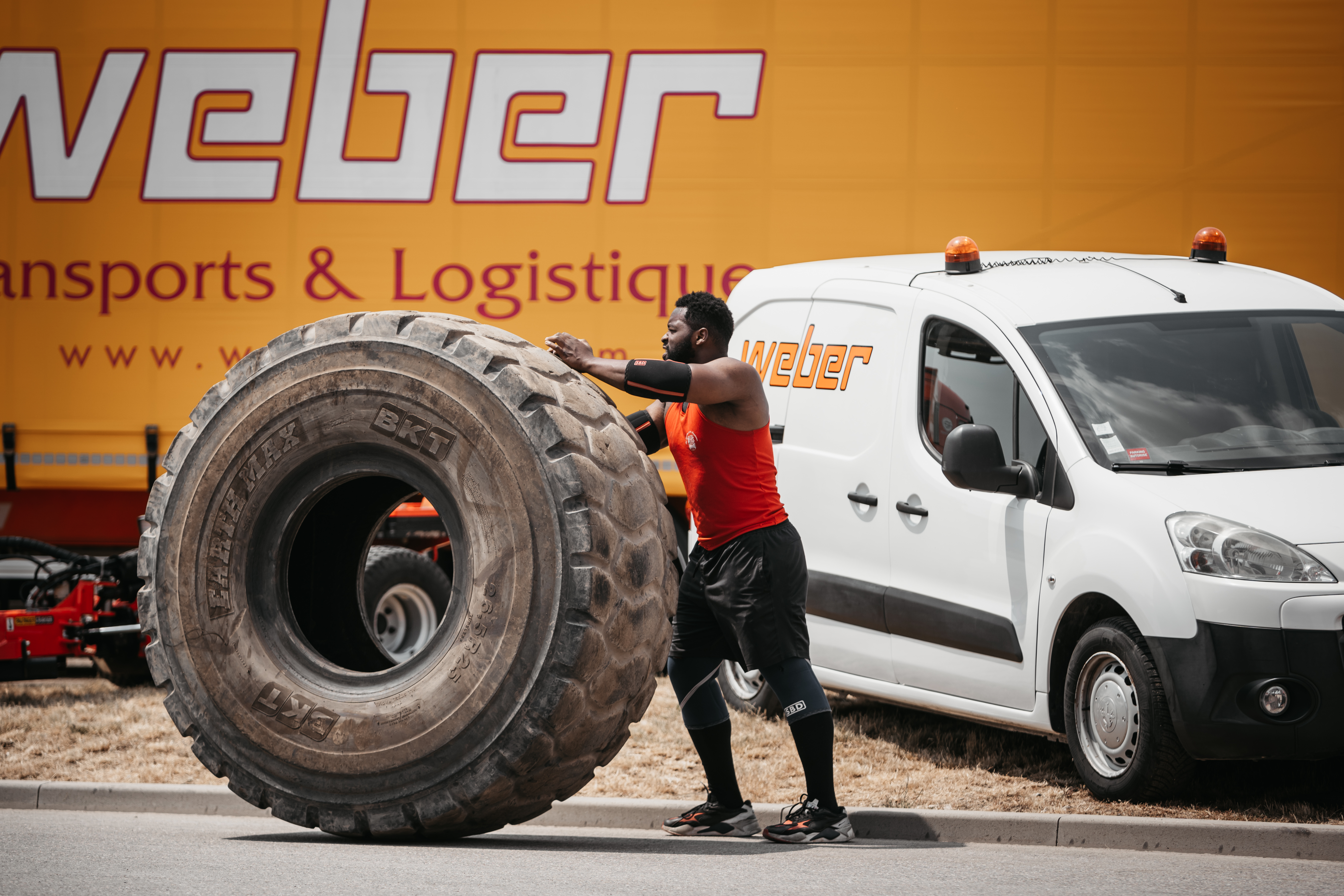
Operational proof points for Luik decision-makers
10+ years delivering corporate events across Belgium with repeat clients in industry, services, and public entities.
Projects delivered from 30 to 2,000+ participants, including plenary-compatible formats and multi-room rotations.
1 dedicated producer + 1 showcaller per event, plus trained facilitators sized to audience volume (typical ratio: 1 facilitator per 60–120 participants depending on complexity).
Standardized run-of-show documents: call sheet, cue list, risk register, and on-site escalation plan—so your leadership is not pulled into last-minute decisions.
Companies we support around Luik year after year
We regularly operate in Luik and the wider Liège area for corporate kick-offs, safety days, employer-branding moments, and internal milestones. Many of our clients renew because the value is not only creative: it is the reliability of production, the clarity of the participant journey, and the ability to protect their internal image when the room is full and the schedule is tight.
You mentioned providing company names as references; to keep this page accurate, we will insert your validated list (and, if required, the correct legal entity naming) before publication. In the meantime, what we can state transparently is the pattern we see with recurring clients: they come back when the activity supports a leadership message (strategy, quality, safety, customer focus) and when the event day runs with the same rigor as an operational shift.
If you want, we can share relevant case summaries under NDA (objectives, audience, constraints, and what was measured) for comparable organizations in the Luik ecosystem.
 Besoin d’un devis rapide ?
Nous vous envoyons une première proposition sous 24h.
What a Wereldrecord challenge changes inside a Luik company
A Wereldrecord challenge in Luik works when it is treated like a collective performance with a business purpose. The “record” mechanic creates urgency and focus; the corporate value comes from how you structure the rules, the roles, and the proof—so it becomes a shared success that people will reference afterward in meetings, onboarding, and internal comms.
For executives and HR, it is also a rare format that can combine high participation with a controlled risk profile: you can engineer intensity without improvisation, and you can deliver a visible outcome within a tight plenary window.
Accelerate alignment after change: after a merger, reorg, or new leadership, the challenge provides a neutral, shared objective. We often see departments that rarely collaborate suddenly coordinate naturally because the rules force interdependence.
Make culture tangible: instead of “values” slides, you operationalize behaviors (clear handoffs, safety-first execution, quality checks, escalation). The best challenges include micro-procedures mirroring how you want people to work.
Support internal communication with proof: you leave with measurable outputs (attempt count, success rate, participation, time-to-complete) and visual assets that are easy to justify internally—without exaggerating.
Connect leadership to the floor: when leaders participate under the same rules, it sends a strong signal. We design moments where executives contribute without hijacking, and where frontline expertise is valued.
Strengthen employer brand locally: in the Luik talent market, credibility matters. A well-run record attempt shows operational maturity and people-first planning—more convincing than generic “fun” activations.
Luik has a strong industrial and engineering culture: teams respond to goals that are concrete, measurable, and fairly assessed. A record challenge fits that mindset—provided the scoring, safety, and facilitation are professionally engineered.
How Luik stakeholders evaluate corporate entertainment choices
In Luik, we frequently meet three decision-makers around the table: a business sponsor (often a director), HR (engagement, wellbeing, inclusion), and communication (message coherence, image risk). A Wereldrecord challenge will be judged on whether it respects all three, not just on “wow effect”.
Typical local expectations we plan for:
- Operational realism: venues with strict access times, limited loading bays in the city, and union or site rules in industrial contexts. We build a production plan that survives these constraints, including alternative set-up sequences.
- Multilingual delivery: many audiences are mixed FR/NL/EN, especially with HQ visitors. We script short, unambiguous instructions and provide bilingual signage so the record attempt is not lost in translation.
- Reputational caution: organizations want engagement without childishness. We choose challenges that feel “serious-play”: everyone can participate without looking ridiculous on internal photos.
- Accessibility: we plan inclusive participation paths (mobility, sensory constraints, remote staff). A record attempt that excludes 15–20% of staff is rarely acceptable to HR today.
- Time discipline: many events in the area are pinned to shift changes or transport schedules. We design formats that can run in 20–45 minutes in plenary, or in rotations of 10–15 minutes per group.
This is why we start with a feasibility workshop: not to “sell an idea”, but to identify what must be true on the day (space, sound, timing, data capture, proof) for the attempt to be credible and safe.
Which Wereldrecord challenge formats work best in Luik venues
Engagement comes from clarity: people participate when they understand what success looks like and how they personally contribute. The strongest corporate event entertainment in Luik is designed like a short operational mission—simple rules, visible progress, and a fair validation process.
Animations Interactives à Luik
Mass coordination record (plenary): a synchronized action with clear cues (sound + visual countdown). Works well for 200–2,000 participants if sightlines are managed and the verification plan is strong.
Relay accuracy record (team-based): teams pass an item or complete micro-tasks under quality rules (e.g., “zero defects”). Good for organizations emphasizing process excellence; we can integrate quality checks that mirror your operational culture.
Human data visualization: participants create a live chart or message (values, strategy pillars) captured from above. It looks strong in internal comms because the output is directly linked to your narrative, not generic.
Animations Artistiques à Luik
Rhythm-based coordination record: a collective percussion or clapping pattern with strict tempo rules. Effective for mixed audiences because it is accessible, but it still requires discipline and listening—good metaphor for collaboration.
Light choreography using handheld LEDs: a record for “largest coordinated light sequence”. It delivers a premium visual without requiring dance skills; we control complexity via color groups and cueing.
Animations Innovantes à Luik
Assembly-line tasting record: “largest number of identical portions assembled in X minutes” with hygiene controls. Suitable when you want a hospitality angle, but it requires a serious food safety plan and a clear distribution process afterward.
Chocolate or waffle-themed precision challenge: a nod to Belgian identity that remains professional if framed around quality and standardization. We avoid messy formats in venues with strict cleaning constraints.
Animations Gourmandes à Luik
Digital timestamp + verification layer: QR check-ins per team, automated time capture, and real-time progress dashboard on screen. Particularly useful for executives who want transparency and for hybrid audiences.
Multi-site record attempt: if you have teams split between a Luik site and other Belgian sites, we can synchronize a record moment via streaming and standardize the proof protocol across locations.
ESG-linked record: e.g., a collective sorting/assembly action connected to a credible local partner. The key is not the “cause marketing”, but the traceability: what happens to the output after the event and who confirms it.
Whatever the format, we align the challenge with your brand image: the rulebook language, the visuals, the MC tone, and the validation method should feel consistent with how your organization operates—especially in front of managers and external guests.
Where to host a record attempt in Luik without production surprises
The venue affects perceived professionalism more than most teams expect: acoustics impact briefing clarity, ceiling height impacts camera angles, and access rules impact set-up time. For a Wereldrecord challenge in Luik, we prioritize spaces that support crowd flow, proof capture, and reliable technical production.
| Venue type | For which objective? | Main strengths | Possible constraints |
|---|---|---|---|
Conference venue / auditorium | Plenary record attempt with leadership messaging | Controlled seating, built-in AV, strong sightlines for countdown cues | Limited floor space for props; strict schedules between sessions |
Industrial hall / logistics space | High-volume participation and “operations-first” symbolism | Large clear span, flexible layouts, easy rigging for overhead cameras | Safety rules, temperature/noise, cleaning requirements, insurance scrutiny |
Hotel ballroom / event hall | Record + dinner or awards flow in one place | Hospitality integration, power distribution, staff support | Load-in constraints, pillars/low ceilings can complicate camera proof |
We insist on a site visit (or a technical recce) in Luik before locking the concept. It is the fastest way to confirm camera positions, audience flow, emergency exits, and where the “record moment” will actually look and feel credible.
What a Wereldrecord challenge costs in Luik and why
Pricing depends less on “the idea” and more on execution variables: audience size, proof requirements, technical production, and venue constraints. In Luik, budgets also shift based on access time (day-before set-up vs same-day), union/site rules, and the complexity of bilingual facilitation.
As a practical reference, corporate record attempts typically land in these bands:
- €6,000–€12,000: compact format for 30–150 people, limited technical needs, standard proof pack, 1–2 facilitators.
- €12,000–€25,000: 150–500 people, stronger AV, multiple facilitators, branded materials, structured counting/verification.
- €25,000–€60,000+: 500–2,000 people, full showcalling, multi-camera capture, complex crowd flow, rehearsal time, and robust proof/measurement layer.
Participant volume and density: it drives staffing, materials, and safety planning.
Technical production: sound clarity (especially in large halls), screens for cueing, lighting for camera proof, and backup systems.
Proof requirements: internal record vs externally witnessed validation; number of cameras; data capture method; documentation.
Branding and content: graphic design for rulebooks/signage, on-screen templates, and post-event video editing with timestamps.
Venue constraints in Luik: load-in hours, parking/loading, rigging points, ceiling height, and whether you need additional infrastructure.
Inclusion measures: adapted participation modes, accessibility signage, and additional facilitators for mixed audiences.
We treat budget as a governance tool: we propose options (good/better/best) with clear trade-offs. The ROI is not “fun”—it is the cost of achieving alignment, participation, and content outputs with a low risk profile on a day where your internal reputation is on display.
When an event agency in Luik makes the difference
For a record attempt, local execution matters. An agency that is used to producing in Luik will anticipate the practical friction points that impact timing and credibility: access routes, supplier reliability, last-minute venue constraints, and how to secure the right technicians for your chosen space. That is why many clients prefer to work with a partner that operates frequently as an event agency in Luik while keeping national-level standards in documentation and governance.
From our Brussels base, we deploy teams in Luik with a production approach that executives appreciate: decisions are documented, responsibilities are clear, and there is always a named escalation owner on site. This reduces the hidden cost of internal time and protects the leadership sponsor from being dragged into operational firefighting.
- Faster feasibility checks: quick venue recce, realistic crowd-flow planning, and early identification of technical constraints.
- Supplier ecosystem: proven technicians, AV, and build partners who can meet corporate compliance and timing.
- Better risk control: local knowledge of access, traffic, loading, and contingency options.
- More credible facilitation: understanding of local audience expectations and bilingual delivery norms.
We treat budget as a governance tool: we propose options (good/better/best) with clear trade-offs. The ROI is not “fun”—it is the cost of achieving alignment, participation, and content outputs with a low risk profile on a day where your internal reputation is on display.







Examples of record-style team challenges delivered from Brussels to Luik
Our record-style work spans different corporate realities: headquarters kick-offs, industrial safety days, retail leadership conventions, and internal anniversaries. The common point is operational design: we build a rulebook that stands up to scrutiny, a participant journey that avoids bottlenecks, and a proof system that your communication team can use without overclaiming.
In practice, this means we have delivered:
- Plenary record moments integrated into conference agendas, with strict time windows (often 25–35 minutes door-to-door) and immediate stage debrief by leadership.
- Rotation-based challenges where groups cycle through stations, allowing high participation even when the venue cannot host everyone on the floor at once.
- Multi-language facilitation with consistent cueing and signage, reducing the risk of invalid attempts due to misunderstanding.
- Proof-first video capture (wide shot + close-ups + timestamp), so internal and external communications remain credible.
We can adapt the concept to your constraints in Luik—but we will also say no when a target “record” cannot be validated properly in your venue or timeframe. That honesty is usually what protects the project internally.
Common failure points we prevent in Luik record attempts
Ambiguous rules: teams believe they succeeded, but the validation criteria are unclear. We prevent this with a written rulebook, rehearsed briefing, and a visible “what invalidates” section.
Underestimating transitions: the record moment may be 2 minutes, but distribution and positioning take 15. We plan crew roles, staging zones, and time buffers.
Sound not intelligible: in large rooms, instructions get lost and synchronization fails. We specify PA needs, delay towers if required, and a visual cue system.
No credible proof: a single smartphone video is not evidence for a “record” claim. We design camera angles, timestamps, counting logs, and witness roles.
Safety overlooked: crowd compression, trip hazards, and fatigue are real. We keep the challenge inherently low-risk and coordinate with venue safety.
Brand mismatch: an activity can feel childish in a serious corporate context. We choose mechanics that respect adult audiences and align with your tone of voice.
One-size-fits-all inclusion: if participation excludes people with mobility constraints, HR will be in damage control. We design parallel participation modes so everyone contributes.
Our role is to remove these risks before the event day—through feasibility checks, documented decisions, and on-site command structure—so your leadership team experiences a controlled success rather than an operational gamble in Luik.
Why Luik clients renew with INNOV'events
Renewal happens when the event performs under pressure: the room is ready on time, the rules are understood, stakeholders feel respected, and the sponsor is not exposed. That is what our recurring clients value most—because internal memory is long when an event goes wrong.
Typical planning lead time we recommend for Luik: 4–8 weeks for standard formats; 8–12 weeks for large plenary or multi-site attempts.
On-site staffing approach: a named producer, showcaller, and facilitator team sized to audience and complexity; plus dedicated roles for counting/proof capture.
Documentation delivered: run-of-show, risk register, cue list, technical sheet, signage pack, and post-event proof folder.

Loyalty is not a slogan; it is a consequence of predictable delivery. When clients in Luik come back, it is because the process is clear, the governance is solid, and the event day feels professionally managed from first truck to last participant.
How we build your Wereldrecord challenge in Luik step by step
👉 Step 1 — Define the business objective and non-negotiables in Luik
We start with a 45–60 minute scoping call with the sponsor, HR, and Comms. We clarify the objective (alignment, culture, employer brand, safety), the audience profile (mix of roles, languages), and constraints (venue, timing, brand tone, accessibility). Output: a one-page brief with success criteria and a decision timeline.
👉 Step 2 — Choose a record concept that can be proven
We propose 2–3 challenge mechanics with validation logic, staffing, and a first budget range. We explicitly show what can invalidate the record and how we prevent it. This is where we ensure the concept fits your Luik venue realities (ceiling height, acoustics, floor space, load-in rules).
👉 Step 3 — Technical recce and risk assessment in Luik
We conduct a site visit (or technical recce) with the venue and key suppliers. We lock camera positions for proof, sound distribution, participant flow, signage points, and emergency paths. Output: a risk register with mitigation actions and owners.
👉 Step 4 — Build the rulebook, scripts, and visual cueing
We write the rulebook in clear, operational language and prepare the MC script (with bilingual variants if required). We design cueing: countdown graphics, sound cues, and zone identifiers so the crowd can execute reliably. We also prepare the counting method and witness roles.
👉 Step 5 — Production planning and stakeholder alignment
We deliver the run-of-show, call sheet, cue list, and a production schedule including load-in/out. We align with your internal teams: security, prevention advisor, facility, and IT (if dashboards or QR check-ins are used). This step reduces last-minute escalations for your Luik host team.
👉 Step 6 — Event day delivery and proof handover
On the day, we run a showcall structure: one command point, clear radio communication, and predefined stop rules. After the attempt, we package the proof folder (video angles, timestamps, counting logs, witness statements) and deliver a post-event recap with KPIs and recommendations for internal communication.
FAQ sur l'organisation Wereldrecord challenge à Luik
How long does a Wereldrecord challenge take in Luik?
Plan 20–45 minutes in plenary from briefing to debrief. For rotations, count 10–15 minutes per group per station plus transitions. We confirm timing after venue flow and audience size are known.
What budget should we plan for in Luik (4000)?
Most corporate formats fall between €6,000 and €60,000+, driven by participant count, AV needs, and proof requirements. For 150–500 people, a common band is €12,000–€25,000.
Do we need an official Guinness record in Luik?
No. Many companies choose an internal or independently witnessed record with a documented proof pack. If you require an external official framework, we can advise on feasibility and the additional lead time and costs.
Can the challenge work for bilingual teams in Luik?
Yes. We use short scripted instructions, bilingual signage (FR/NL, or FR/EN), and visual cueing on screens. For larger groups, we add zone facilitators so instructions are consistent and the attempt is not invalidated by misunderstanding.
What participant number works best for a Luik record attempt?
We can design from 30 up to 2,000 participants. The sweet spot depends on venue: in plenary, 200–800 often delivers strong energy with manageable flow; above that, proof capture and crowd management become the main design drivers.
Plan your Luik record attempt with a realistic production approach
If you are comparing agencies, we suggest starting with a feasibility discussion: audience size, venue shortlist in Luik, timing constraints, and how you want to communicate the “record” internally. We will respond with 2–3 validated concepts, a transparent budget range, and the proof/safety approach—so you can make a decision with low uncertainty.
Contact INNOV'events early (ideally 6–10 weeks before your date for large groups) to secure the right venue slots, technicians, and rehearsal time. The sooner we lock the rulebook and verification method, the smoother the event day will be.
Agence INNOV'events Luik
Justin JACOB est le responsable de l'agence événementielle Luik. Contactez-le directement par mail via l'adresse belgique@innov-events.be ou par formulaire.
Contacter l'agence LuikToutes nos prestations & animations Luik, Belgique
Découvrez nos prestations événementielles
Découvrez nos animations événementielles disponibles au Belgique
- Hôtesse événementielle à Luik
- Escape Game à Luik
- Cours de cuisine type MasterChef à Luik
- Magicien à Luik
- Location de chapiteau à Luik
- Atelier colorimétrie à Luik
- Jeux gonflables à Luik
- Service de voiturier à Luik
- Simulateur de football à Luik
- Location de mobilier lumineux à Luik
- Flocage lumineux à Luik
- Repas insolite à Luik
- Light Painting à Luik
- Murder Party à Luik
- Jeu concours à Luik
- PLV événementielle à Luik
- Réalité virtuelle à Luik
- Cuisine moléculaire à Luik
- Animation Halloween à Luik
- Feu d’artifice à Luik
- Jeux géants à Luik
- Animateur événementiel à Luik
- Animation photo à Luik
- Père Noël à Luik
- Animation enfants à Luik
- Visite guidée à Luik
- Rallye urbain à Luik
- Piscine à balles à Luik
- Simulateur de vol à Luik
- Location de food truck à Luik
- Record du monde à Luik
- Simulateur de surf à Luik
- Casino du vin à Luik
- Atelier relooking à Luik
- Atelier création de parfum à Luik
- Atelier acting à Luik
- Animations RSE à Luik
- Tir à l’arc à Luik
- Agent de sécurité à Luik
- Œnologie à Luik
- Mime à Luik
- Jeu télévisé à Luik
- Fête foraine à Luik
- Atelier gestion de crise à Luik
- Atelier négociation de crise à Luik
- Jeux d’arcade à Luik
- Simulateur de chute libre à Luik
- Simulateur de ski à Luik
- Simulation circuit automobile à Luik
- Baptême de l’air à Luik
- Dégustation à Luik
- Création de baby-foot à Luik
- Rallye 2CV à Luik
- Challenge LEGO à Luik
- Animation casino à Luik
- Interprète / traducteur à Luik
- Goodies à Luik
- Bus / transfert à Luik