
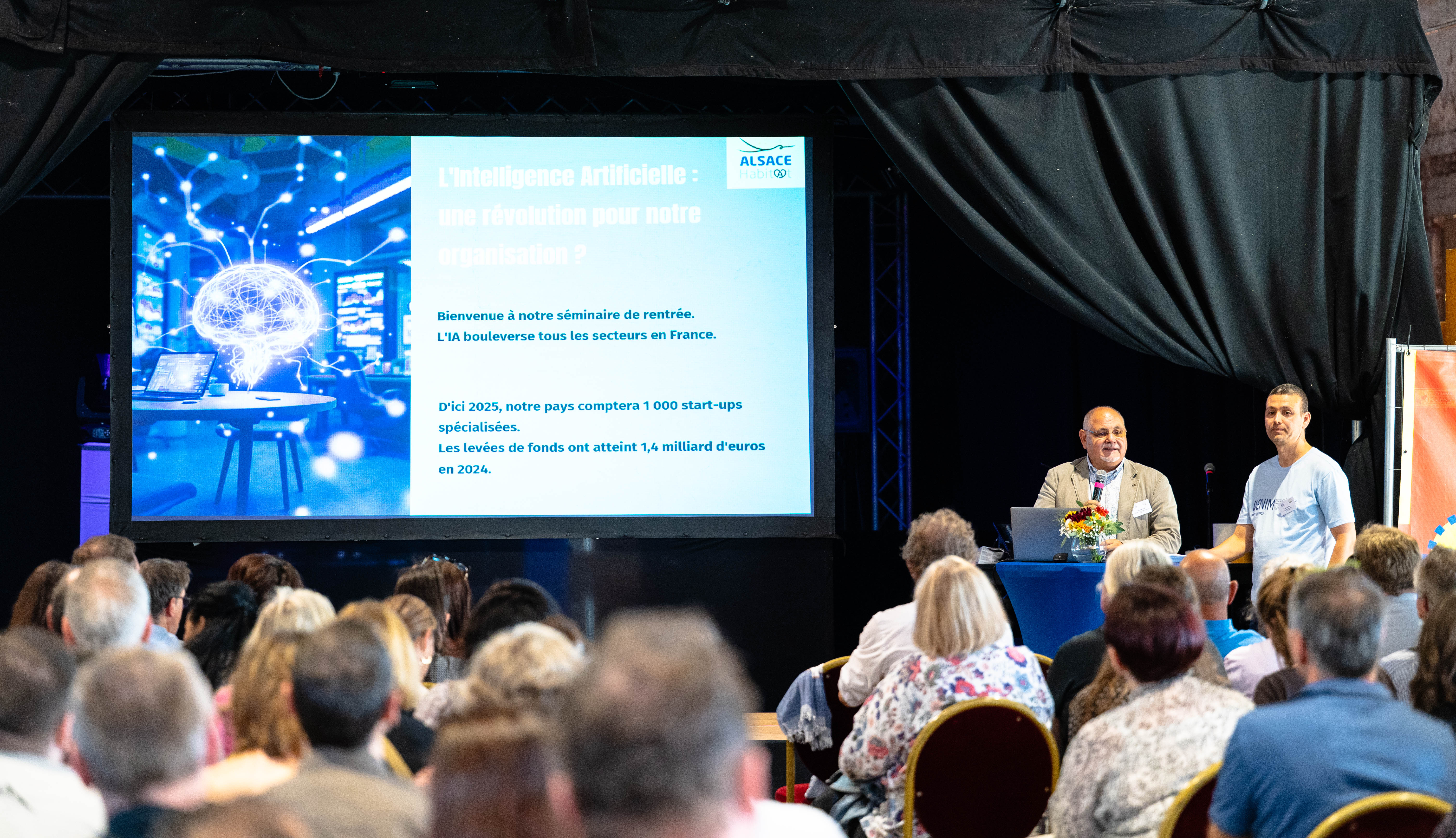
Corporate Seminar in Antwerp that keeps leaders on-message and teams engaged
INNOV'events is a Brussels-based agency delivering Corporate Seminar in Antwerp formats for 30 to 800 attendees. We manage venue sourcing, production (AV, staging, lighting), speaker logistics, participant flow, and a controlled engagement layer that supports your business objectives.
For executives, HR and Comms teams, our focus is simple: a seminar that runs on time, protects brand image, and drives clear next steps—without operational surprises on the day.
Table of contents
In a Corporate Seminar, “entertainment” is not a distraction; it is a tool to maintain attention, increase message retention, and reduce drop-off after lunch. In Antwerp, we see high expectations for pace, professionalism, and content that respects people’s time.
Local organizations typically ask for a seminar that feels operationally tight: fast registration, disciplined transitions, bilingual facilitation where needed (EN/NL), and interactive moments that are purposeful rather than gimmicky.
We bring Brussels-level production standards while working hands-on in Antwerp with a proven local supplier network for AV, hosts, catering, and transport. The result is a controlled setup, a clear run-of-show, and a confident experience for your leadership team.
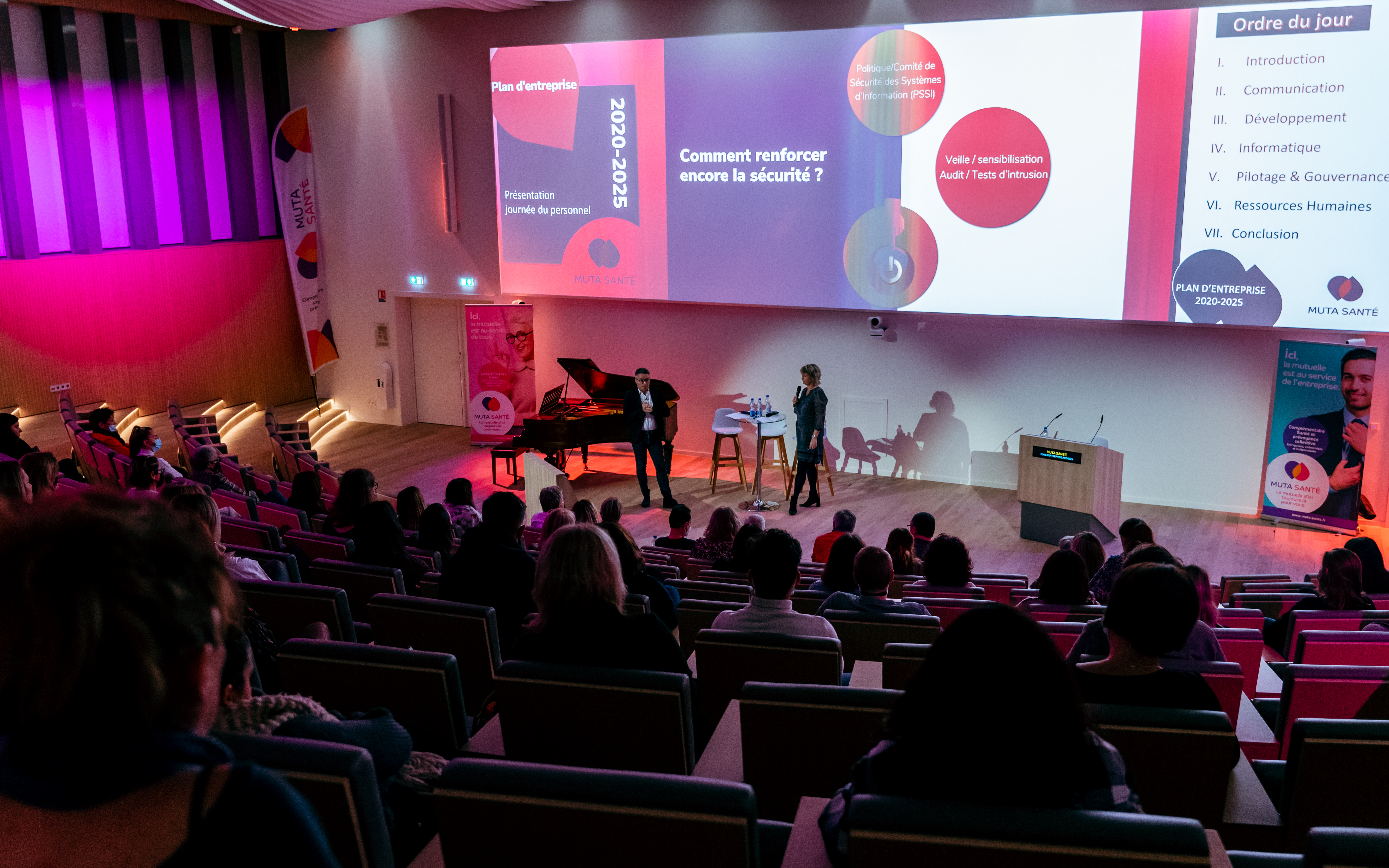
Numbers decision-makers in Antwerp usually ask for
10+ years delivering corporate events across Belgium, with repeat clients in finance, pharma, logistics and professional services.
30–800 attendees per seminar format, from leadership offsites to all-hands and sales kick-offs.
1 single project lead accountable from brief to show-calling, with documented sign-offs (budget, agenda, brand, H&S).
24–72 hours for first concept + budget range after an initial scoping call (depending on complexity).
How to organize a professional event in Antwerp?
- Define the objective (cohesion, announcement, fidelity, performance).
- Set date, format and size (20–1 000 people).
- Secure the venue and accommodation according to seasonality.
- Lock down technical, suppliers and logistics.
- Drive the day J (timing, scene, entrance, flow).
Who we support year after year in Antwerp
We work regularly with organizations that have a real operational footprint in Antwerp—HQ teams, plant leadership, and regional departments that need a seminar to land a message and move execution forward. Several clients renew the collaboration because they don’t want to re-live the same risks each year: unclear responsibilities, AV failures, or a run-of-show that collapses under real-life constraints.
You asked us to use the company names you provided as references; they were not included in your last message. If you share the exact list, we will integrate them here in a compliant way (e.g., “Antwerp-based logistics group”, “international pharma site”) or as named references if authorised.
In practice, our Antwerp references tend to come from sectors where the stakes are high: leadership communication, transformation roll-outs, safety culture, and commercial alignment. Those teams value the same things: predictable delivery, controlled budgets, and the ability to handle last-minute changes without compromising the experience.
We send you a first proposal within 24h.
Why plan a Corporate Seminar in Antwerp for leadership alignment
A Corporate Seminar in Antwerp becomes strategic when it is treated as a management tool: you are not “gathering people”, you are reducing ambiguity. Executives use seminars to align priorities, reset behaviours, and create a shared language across sites and departments.
In the Antwerp area, where international teams and operational environments often coexist (port-related activities, logistics, industrial sites, regional HQ functions), seminars are frequently the only moment where leadership can address everyone with one coherent narrative.
Faster execution after a strategy change: a well-structured seminar converts strategic pillars into concrete commitments (who does what by when), not just inspirational slides.
Manager enablement: we often build manager toolkits into the day (talking points, Q&A script, 30-day action plan) so the message doesn’t die after the event.
Risk-controlled communication: for Comms teams, the seminar is a live brand moment—stage visuals, tone of voice, video content and spokesperson coaching must be consistent.
Culture and engagement without losing credibility: short, intentional interaction sequences (live polling, case clinics, peer-to-peer commitments) outperform “random fun” and are acceptable to demanding audiences.
Cross-team trust: with the right seating plan and facilitation, you can reduce silo behaviour—especially between HQ functions and operational teams.
Antwerp is a pragmatic business environment: people respond to clarity, relevance, and operational discipline. A seminar that respects that culture will land stronger—and will be talked about for the right reasons.
What Antwerp stakeholders expect from a seminar partner
Seminars in Antwerp are often judged on execution, not on promises. Executives will notice whether the agenda is realistic, whether speakers are supported, and whether the room setup matches the communication intent.
Common local expectations we manage proactively:
- Timing discipline: Antwerp audiences, especially in operational sectors, are less tolerant of sessions running late. We build a run-of-show with hard cut points, timed breaks, and a stage manager who enforces transitions.
- Multilingual reality: English is frequently the working language, but you may have mixed EN/NL needs. We plan for bilingual host scripts, on-screen bilingual cues, and speaker coaching to avoid “half-translated” confusion.
- Access and mobility: the city centre, the ring, and port-related zones have different traffic patterns. We factor in realistic arrival curves, parking instructions, coach drop-off, and buffer times.
- Compliance mindset: many Antwerp companies require supplier documentation (insurance, risk assessment, safety briefings). We prepare the paperwork and clarify responsibilities with venue and suppliers.
- Brand sensitivity: Antwerp-based firms often care about how the event reflects their reputation with partners and talent. We align stage visuals, lighting, content tone, and filming angles with your brand guidelines.
These expectations are not “nice to haves”. They are the difference between an event that feels under control and one that creates internal friction the next day.
Which seminar engagement formats work best in Antwerp audiences
For a Corporate Seminar, engagement should serve the message. In Antwerp, participants typically respond well to formats that feel useful: they want to understand what changes, what stays, and how it affects their day-to-day work.
We select engagement tools based on your objective: alignment, behaviour change, knowledge transfer, or mobilisation. Below are proven formats we use, with practical implications for production and facilitation.
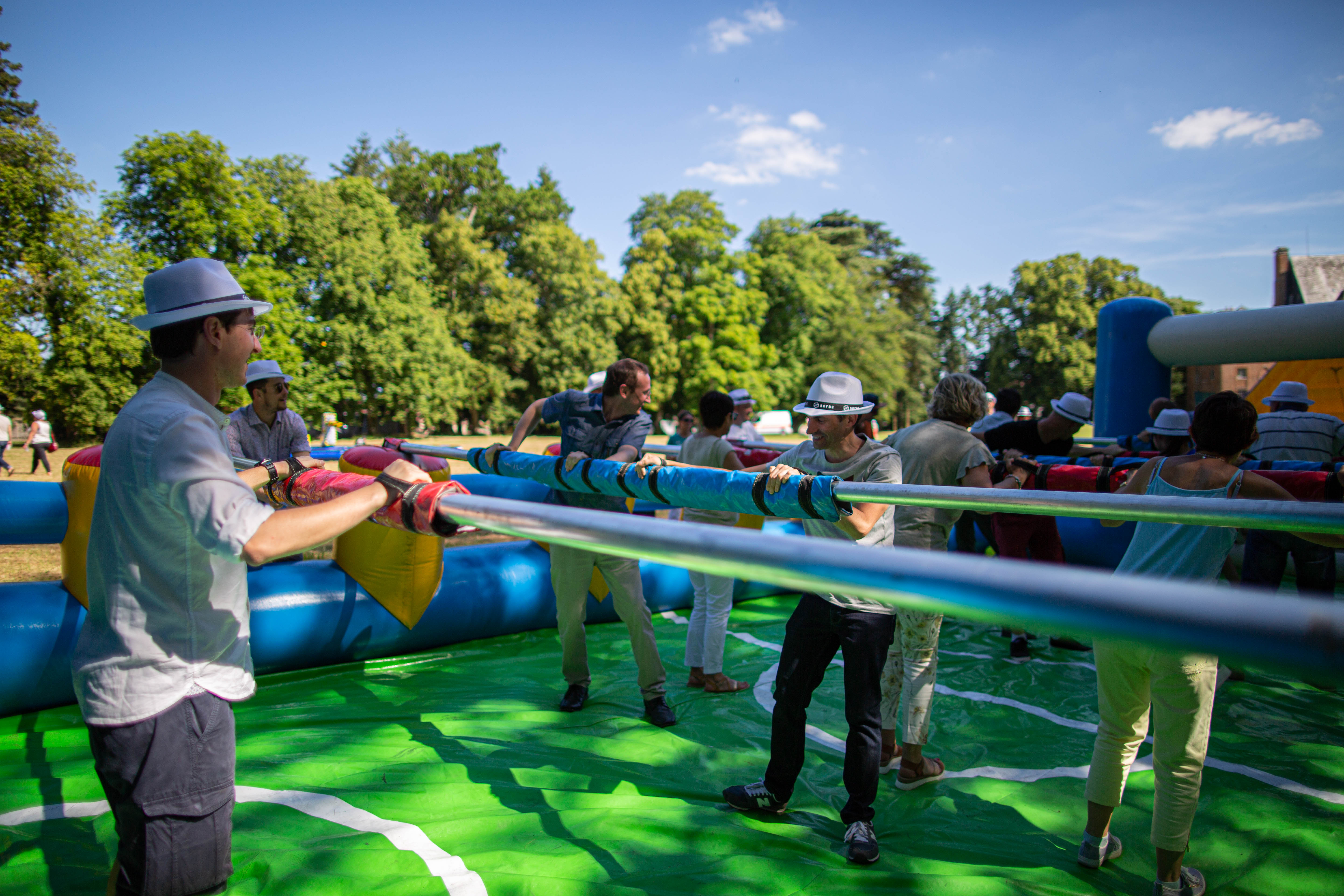
Interactive animations in Antwerp
Live pulse polling with decision capture: not just “how do you feel?”, but questions that drive management choices (e.g., top 3 blockers by function). We display results, then confirm actions on stage to show responsiveness.
Case clinics by department: small groups work on real business cases (customer escalation, quality issue, process change) and present a 2-minute output. This is effective for HR and operations because it reveals friction points quickly.
Leadership Q&A with pre-screening: we collect questions ahead of time and on-site, cluster themes, and brief the moderator. This keeps the conversation honest while reducing reputational risk.
Commitment walls (digital or physical): participants post one measurable commitment for the next 30 days. We can export it by team lead to support follow-up.
Art animations in Antwerp
Opening moment with a narrative host: instead of a “performer”, we use a professional host who translates strategy into plain language, sets tone, and maintains pace. This is often more credible for senior audiences.
Short visual interludes (60–120 seconds): a branded motion graphic or sound design cue can reset attention between heavy segments without diluting the corporate tone.
Live illustration (graphic recording): a visual artist captures key messages in real time. It’s particularly effective when you want a tangible output to share internally after the seminar.
Innovative animations in Antwerp
Structured networking coffee: we design “prompt cards” linked to your themes (safety, customer, innovation) so people don’t default to small talk. This improves cross-team interaction.
Working lunch with timed table rotations: a practical format when you need leaders to meet specific cohorts (new managers, high potentials, project teams) without adding extra meeting days.
Local Antwerp product integration: when appropriate, we can integrate local suppliers (e.g., dessert or tasting elements) as a short, controlled break—kept aligned with brand and dietary requirements.
Gourmand animations in Antwerp
Hybrid-ready production: if some teams can’t travel, we produce a clean stream with proper audio, slides-in-picture, and a remote Q&A channel. This prevents the “remote participants are second-class” effect.
Scenario-based learning modules: we use short video vignettes or role-play prompts tied to actual internal policies (compliance, customer service). This is more effective than a long policy presentation.
Data-driven engagement reporting: when you use an event app, we can provide participation rates, session drop-off, and top questions—useful for Comms and HR to measure impact.
Whatever the engagement layer, we align it with your brand image and internal culture. A Corporate Seminar in Antwerp should feel consistent with how you lead: serious when needed, human always, and never theatrical without purpose.
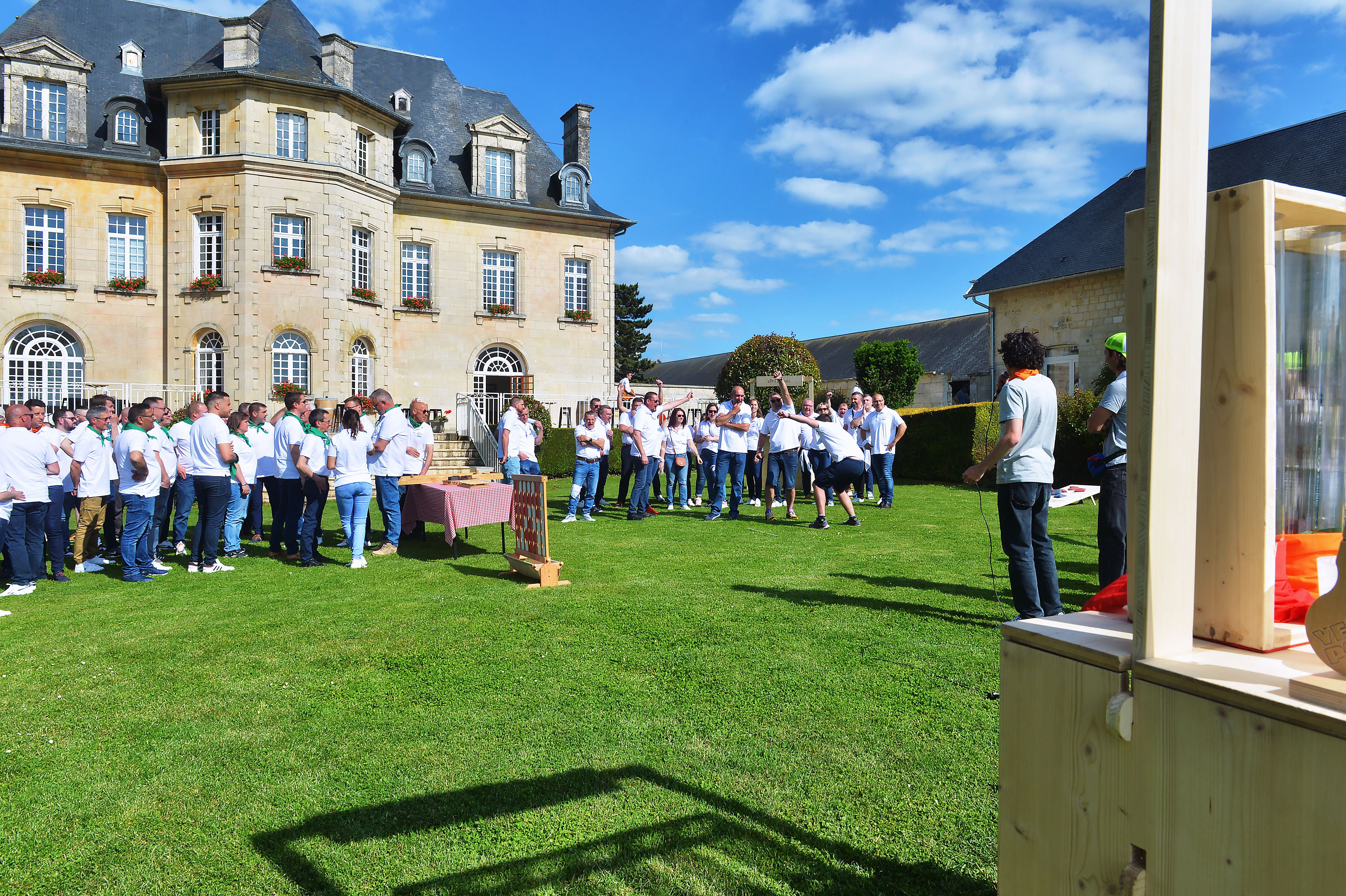
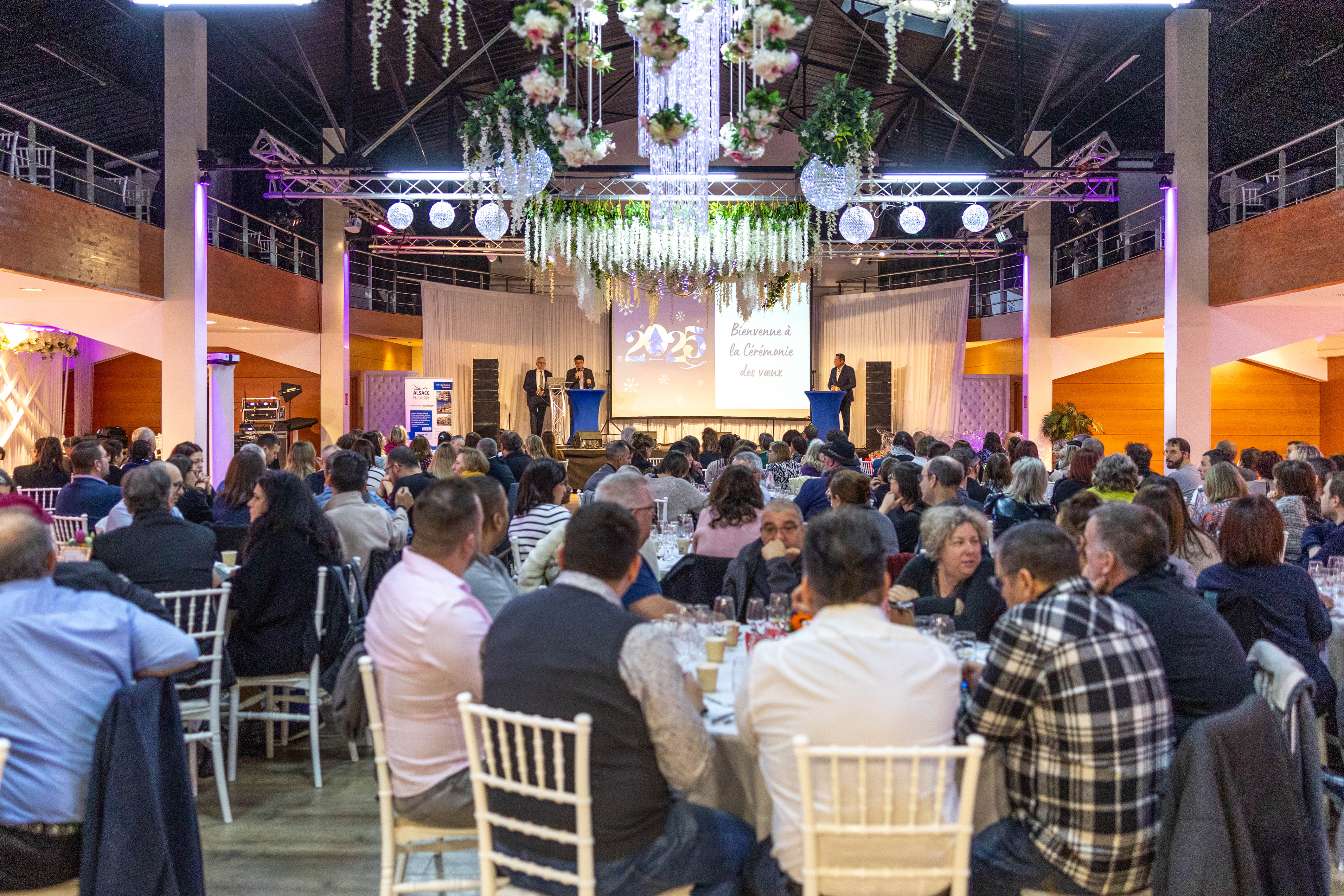
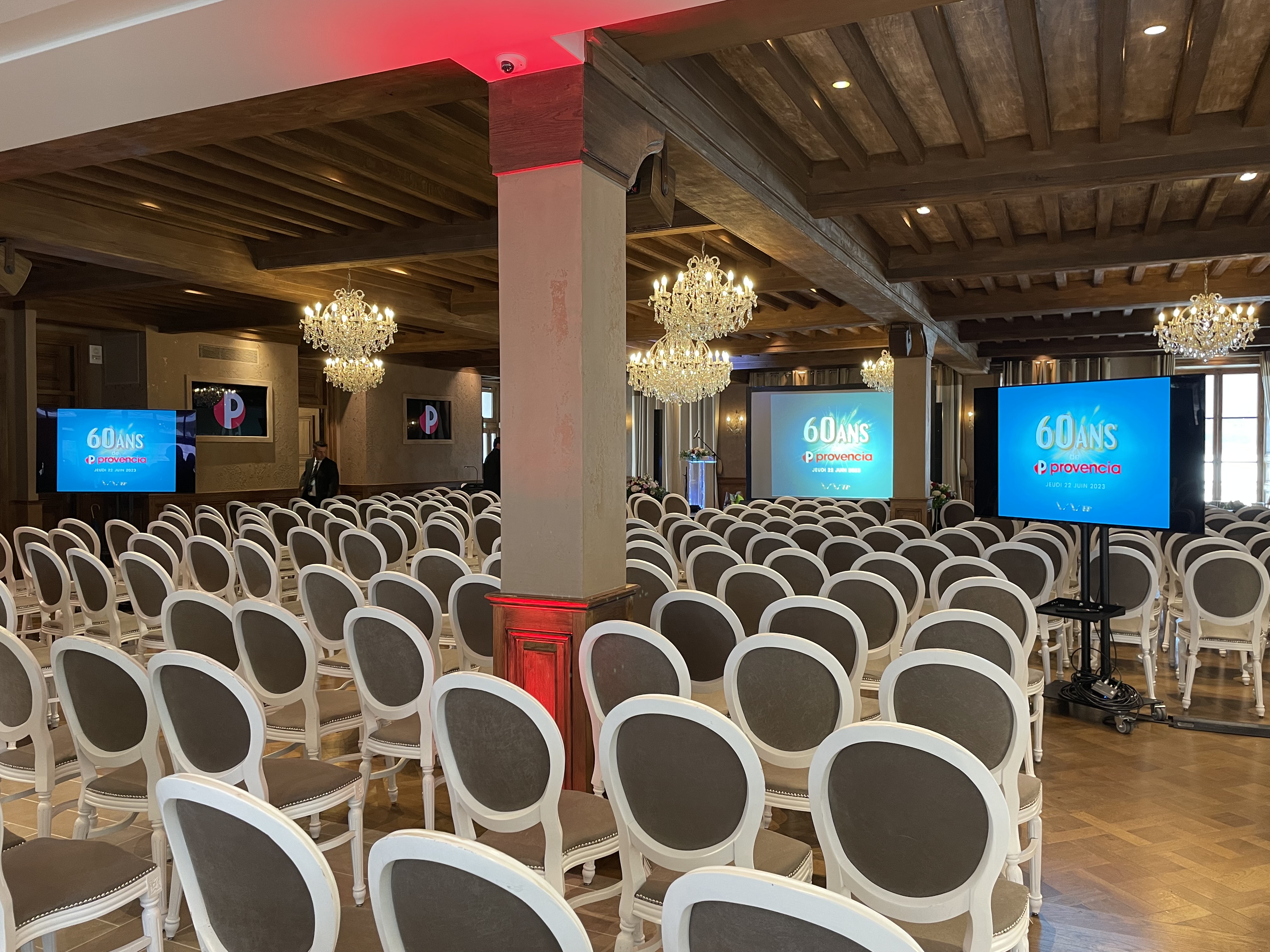
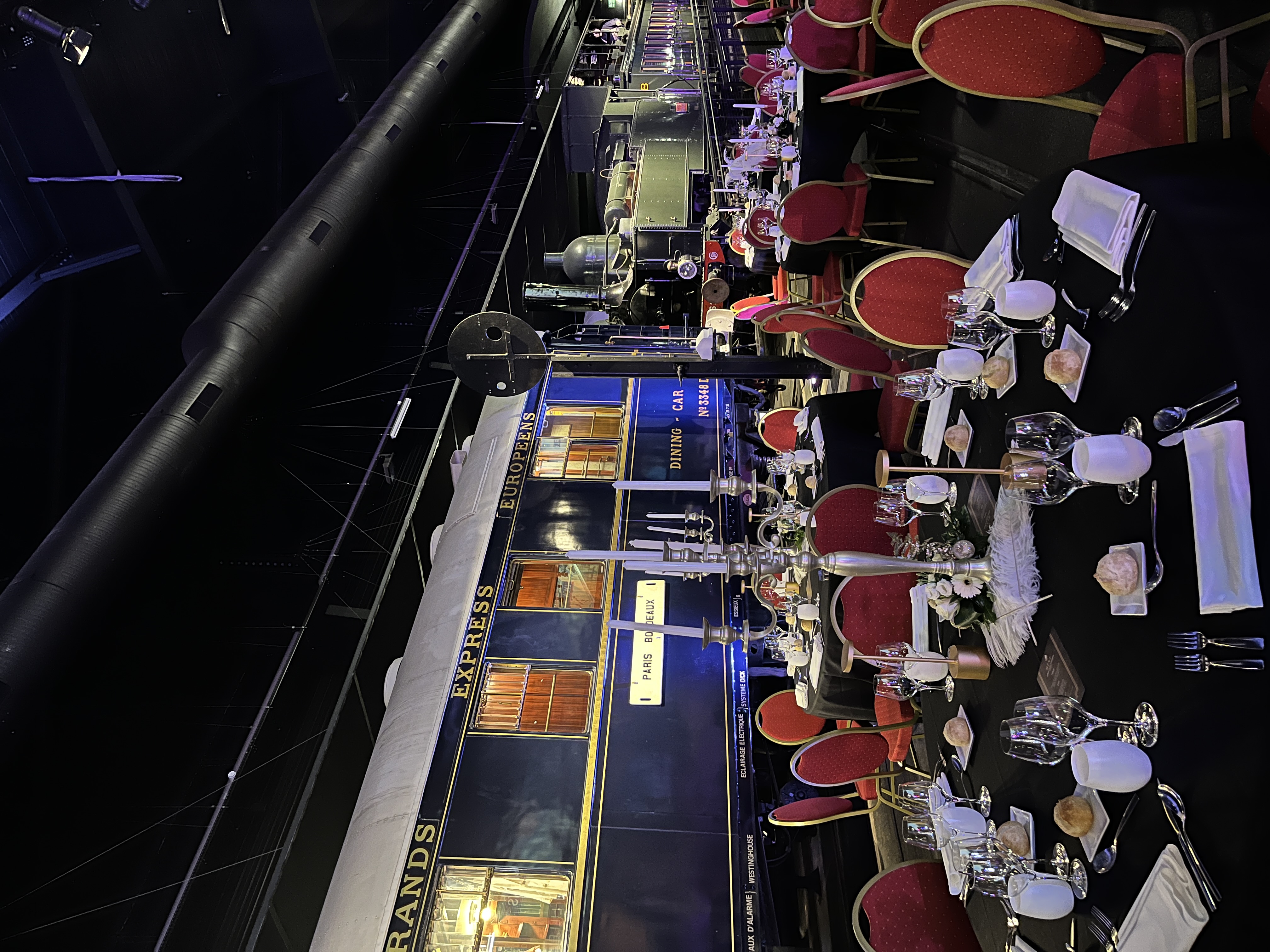
How to choose a venue in Antwerp for a Corporate Seminar
The venue is not just a backdrop; it directly affects attention, sound clarity, and perceived professionalism. In Antwerp, the right choice depends on your agenda: plenary-heavy leadership messaging, workshop breakouts, or a mixed format with networking.
We typically shortlist venues based on: sightlines, ceiling height (for lighting), rigging possibilities, backstage space, acoustic behaviour, and logistics for arrivals and breaks. Below are venue types that work well for seminars.
| Venue type | For which objective? | Main strengths | Possible constraints |
|---|---|---|---|
| Theatre-style conference venue | Leadership plenary, keynote delivery, high message clarity | Excellent sightlines and acoustics; controlled lighting; professional backstage | Limited space for workshops; catering flow can be tight if foyers are small |
| Hotel conference centre (Antwerp ring area) | One-day seminar with breakouts + overnight for leadership | All-in-one logistics; predictable catering; multiple rooms for parallel tracks | Less distinctive brand feel; AV upgrades sometimes needed for high-end staging |
| Industrial/warehouse-style space | Transformation narrative, innovation focus, brand repositioning | Strong visual impact; flexible layouts; room for demos and experience zones | Higher production needs (heating, power, acoustics); stricter safety planning |
We strongly recommend a site visit before final commitment—especially in Antwerp where access routes, loading constraints, and room acoustics can change your AV budget and your run-of-show.
What a Corporate Seminar budget looks like in Antwerp
Budget for a Corporate Seminar in Antwerp depends on format, production level, and risk tolerance. A seminar can be modest and efficient, or it can be a high-production leadership moment. The key is to set a budget that matches the objective and the audience expectation—then lock scope early to avoid last-minute cost spikes.
As a practical reference, Antwerp seminar budgets for 100–300 attendees often fall within a broad range of €25,000 to €120,000, depending on venue, AV complexity, catering level, and whether you add filming, an event app, or multiple breakouts.
Venue and minimum spends: room hire, catering obligations, staffing, and potential exclusivity fees.
AV and staging: screens, projectors/LED, audio, lighting, stage decks, confidence monitors, cueing, and technicians. Costs rise quickly when sightlines are challenging or when you need multiple rooms.
Content and creative production: motion graphics, opening videos, speaker coaching, scriptwriting support, and translation.
Engagement tools: live polling licences, event app, badge printing, access control, and data reporting.
People and governance: show caller, stage manager, hosts/moderators, registration staff, and security where needed.
Logistics: signage, transport coordination, green rooms, and contingency planning (backup equipment, additional rehearsal time).
We frame budget discussions around return on investment: clearer alignment reduces rework, improves execution speed, and protects leadership credibility. If the seminar prevents even a few weeks of misalignment across teams, it often pays for itself.
When to choose an event agency in Antwerp for seminar delivery
For a seminar, local presence is a risk reducer. An event agency in Antwerp (or an agency with strong operational habits in the city) can validate venues faster, anticipate access constraints, and mobilise reliable technicians and suppliers without guesswork. For leadership teams, that translates into fewer late surprises and fewer compromises on the day.
At INNOV'events, we combine Brussels-based strategic support with on-the-ground delivery in Antwerp. When you need deep local execution support, you can also consult our dedicated page for event agency in Antwerp to understand how we organise local sourcing and staffing.
- Faster site validation: we check loading docks, rigging points, acoustic risk, and evacuation routes—details that affect cost and timing.
- Supplier reliability: local AV and logistics partners with known response times and clear escalation paths.
- Realistic planning: arrival curves, parking capacity, and Antwerp traffic patterns integrated into the participant journey.
- More control on rehearsal day: easier access for speaker rehearsals, tech checks, and last-minute on-site decisions.
We frame budget discussions around return on investment: clearer alignment reduces rework, improves execution speed, and protects leadership credibility. If the seminar prevents even a few weeks of misalignment across teams, it often pays for itself.





What we have delivered for Antwerp seminars across sectors
Our seminar work spans leadership communication, HR mobilisation and commercial alignment. The common denominator is operational discipline: a seminar is only effective if the content lands and the execution stays invisible.
Examples of real-world situations we handle in Antwerp contexts:
- Change programme rollout: leadership needed to announce a new operating model while avoiding panic and rumours. We structured the day with a clear narrative arc, a moderated Q&A, and manager toolkits. Result: fewer “corridor interpretations” and a clearer cascade.
- Safety and operational excellence focus: mixed audience of office staff and site-based teams. We designed short scenario modules, kept language accessible, and ensured the room setup supported attention (no echo, readable screens).
- Sales kick-off with partner presence: brand image was critical. We ensured stage visuals aligned with guidelines, controlled sponsor visibility, and built rehearsals so keynote timing stayed tight.
- Hybrid seminar for distributed teams: we produced a stream with proper audio and slide integration, and built a remote Q&A channel so remote teams could participate meaningfully.
Across these projects, what clients value most is our ability to translate business objectives into a practical run-of-show and a production plan that holds under pressure.
Common mistakes that derail Corporate Seminars in Antwerp
Overpacked agendas: too many speakers, no buffer, and no time for transitions. We time every segment, including walking time, mic changes, and audience re-entry.
Underestimating acoustics: large rooms with reflective surfaces reduce comprehension. We do room sound checks and specify the right microphone plan (handheld vs headset) per speaker style.
“Entertainment” with no purpose: audiences disengage when it feels like filler. We tie engagement formats to decisions, commitments, or learning outcomes.
Late content changes without production impact assessment: one slide change can affect translations, videos, and on-screen cues. We implement cut-off times and version control.
Unclear ownership between HR, Comms and leadership: internal friction shows on stage. We set a governance model and ensure one final decision owner per topic.
Registration bottlenecks: not enough staff or unclear badge logic. We plan staffing ratios and arrival windows, especially when multiple Antwerp sites arrive in waves.
Our role is to prevent these risks with planning, documented responsibilities, rehearsals, and on-site show control—so your leadership team can focus on the message, not the mechanics.
Why Antwerp clients renew their seminar partner
Repeat business in seminars is rarely about creativity; it is about trust. When a director re-books the same partner, it’s because the event ran predictably and internal stakeholders felt protected—especially under time pressure and brand scrutiny.
In Antwerp, many organisations run annual moments: leadership kick-offs, compliance updates, strategy cascades, or milestone communications. The cost of switching partners can be high if the new team needs to relearn your internal governance and brand rules.
Most recurring seminar programmes are planned 4–8 months ahead to secure the right venue dates and production resources.
Rehearsal time typically ranges from 2 to 6 hours depending on speaker count, hybrid setup, and video cues.
Run-of-show precision often reduces overtime costs by 10–20% compared to loosely managed days (venue and technician overtime being common cost drivers).

Loyalty is a practical signal: the client has tested delivery under pressure and decided they want the same level of control again. That is the standard we aim for on every Corporate Seminar in Antwerp.
How we run a seminar project in Antwerp from brief to show-calling
👉 Step 1 (Antwerp): Scoping call and decision map
We start with a structured scoping call with the executive sponsor, HR and Comms: objective, audience profile, constraints, and “must-not-happen” risks. We clarify decision owners (content, brand, budget) and the internal validation timeline. Output: a written brief, a first agenda outline, and a decision map.
👉 Step 2: Venue shortlisting and technical feasibility
We shortlist venue options based on capacity, breakouts, accessibility, and technical feasibility. We check key points that affect cost: rigging, sound behaviour, screen visibility, loading, and backstage. Output: venue comparison with pros/cons and a first production approach.
👉 Step 3 (Antwerp): Budget build and scope locking
We build a transparent budget with clear line items (venue, AV, staffing, catering, content production, contingency). We propose options (good/better/best) so leadership can choose the right production level. Once scope is approved, we lock critical suppliers and define change-control rules.
👉 Step 4: Content support, speaker prep and run-of-show
We support Comms with stage narrative and flow, coordinate speaker needs, and schedule rehearsals. We produce the run-of-show down to the minute: cue list, slide versions, video triggers, mic plan, and room reset timing. Output: a production bible shared with all stakeholders.
👉 Step 5 (Antwerp): On-site build, rehearsal, and live delivery
We manage load-in, room setup, signage, and registration readiness. We run technical checks and rehearsals with speakers and moderators. During the event, we show-call and manage transitions, while a client liaison protects leadership from operational issues. Output: controlled delivery and a calm stage environment.
👉 Step 6: Post-event debrief and follow-up assets
Within days, we debrief what worked and what to improve (agenda timing, participation, Q&A themes). If applicable, we deliver edited videos, photo selections aligned with brand guidelines, and engagement reporting. Output: a practical improvement plan for the next Antwerp seminar cycle.
FAQ sur l'organisation Corporate Seminar à Antwerp
How far ahead should we book a seminar venue in Antwerp?
Plan for 4–8 months for popular dates (spring and September–November). For smaller formats (30–80 attendees), 6–10 weeks can work if you’re flexible on location and AV complexity.
What budget range is typical for a Corporate Seminar in Antwerp?
For 100–300 attendees, many projects land between €25,000 and €120,000. Key drivers are venue minimum spend, AV (single plenary vs multi-room), content production (videos/graphics), and whether you add hybrid streaming.
Do we need a rehearsal day for a seminar in Antwerp?
For leadership-heavy programmes, we recommend at least a 2–3 hour rehearsal on the same setup (screens, audio, clickers). If you have 8+ speakers, hybrid elements, or multiple videos, a half-day rehearsal significantly reduces on-stage risk.
How do you keep an Antwerp seminar engaging without gimmicks?
We use purposeful interaction: live polling tied to decisions, moderated Q&A with theme clustering, and short case clinics with concrete outputs. The rule is simple: every engagement moment must either clarify priorities, surface blockers, or create measurable commitments.
Can you support bilingual audiences in Antwerp (English and Dutch)?
Yes. We plan bilingual host scripts, on-screen bilingual cues, and speaker prep to avoid confusing “partial translations”. If simultaneous interpretation is needed, we coordinate booth requirements, headsets, and technician staffing, and we validate room acoustics early.
Request a quote for your Corporate Seminar in Antwerp
If you are comparing agencies, we can work from your existing agenda and constraints and come back with a clear production approach, a realistic run-of-show, and budget options that match your leadership objectives.
Contact INNOV'events early—especially if you target spring or autumn dates in Antwerp. The earlier we lock venue and key technical resources, the more control you keep over quality, cost, and risk on the day of your Corporate Seminar.
INNOV'events Antwerp Agency
Justin JACOB is the manager of the INNOV'events Antwerp office. Reach out directly by email at belgique@innov-events.be or via the contact form.
Contact the Antwerp agencyAll our services & entertainment Antwerp, Belgique
Discover our event services
Discover our event entertainment available in the Belgique
- Event Hostess in Antwerp
- Escape Game in Antwerp
- MasterChef Cooking Workshop in Antwerp
- Magician in Antwerp
- Marquee Rental in Antwerp
- Color Analysis Workshop in Antwerp
- Inflatable Games in Antwerp
- Valet Parking Service in Antwerp
- Football Simulator in Antwerp
- LED Furniture Rental in Antwerp
- Light Branding in Antwerp
- Unique Dining Experience in Antwerp
- Light Painting in Antwerp
- Murder Mystery Party in Antwerp
- Prize Contest in Antwerp
- Promotional Displays (POS) in Antwerp
- Virtual Reality in Antwerp
- Molecular Gastronomy Workshop in Antwerp
- Halloween Entertainment in Antwerp
- Fireworks Show in Antwerp
- Giant Games Challenge in Antwerp
- Event Host / MC in Antwerp
- Photo Booth Animation in Antwerp
- Santa Claus Entertainment in Antwerp
- Kids Entertainment in Antwerp
- Guided Tour in Antwerp
- Urban Rally in Antwerp
- Ball Pit in Antwerp
- Flight Simulator in Antwerp
- Food Truck Rental in Antwerp
- World Record Challenge in Antwerp
- Surf Simulator in Antwerp
- Wine Casino in Antwerp
- Makeover Workshop in Antwerp
- Perfume Creation Workshop in Antwerp
- Acting Workshop in Antwerp
- CSR Activities in Antwerp
- Archery in Antwerp
- Security Staff in Antwerp
- Wine Tasting in Antwerp
- Mime Performer in Antwerp
- TV Game Show in Antwerp
- Funfair in Antwerp
- Crisis Management Workshop in Antwerp
- Crisis Negotiation Workshop in Antwerp
- Arcade Games in Antwerp
- Indoor Skydiving Simulator in Antwerp
- Ski Simulator in Antwerp
- Racing Circuit Experience in Antwerp
- Introductory Flight Experience in Antwerp
- Tasting Experience in Antwerp
- Build Your Own Foosball Workshop in Antwerp
- 2CV Rally in Antwerp
- LEGO Challenge in Antwerp
- Casino Night in Antwerp
- Interpreter / Translator in Antwerp
- Promotional Giveaways in Antwerp
- Shuttle Transport in Antwerp