
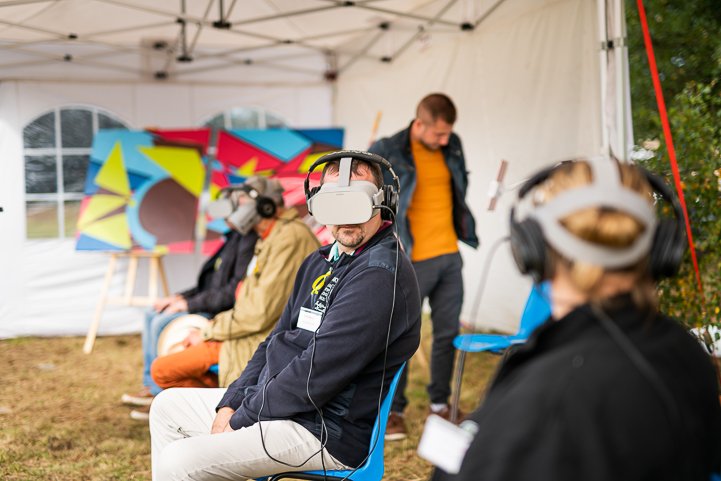
Virtual Reality Experience in Antwerp that delivers measurable engagement
INNOV'events is a Brussels-based corporate event agency delivering Virtual Reality Experience formats in Antwerp for 30 to 600+ attendees. We manage the full chain: content selection, hardware, staffing, venue coordination, safety, and on-site flow. Your teams get a professional activation that runs on time, protects your brand image, and produces clear participation data.
Sommaire
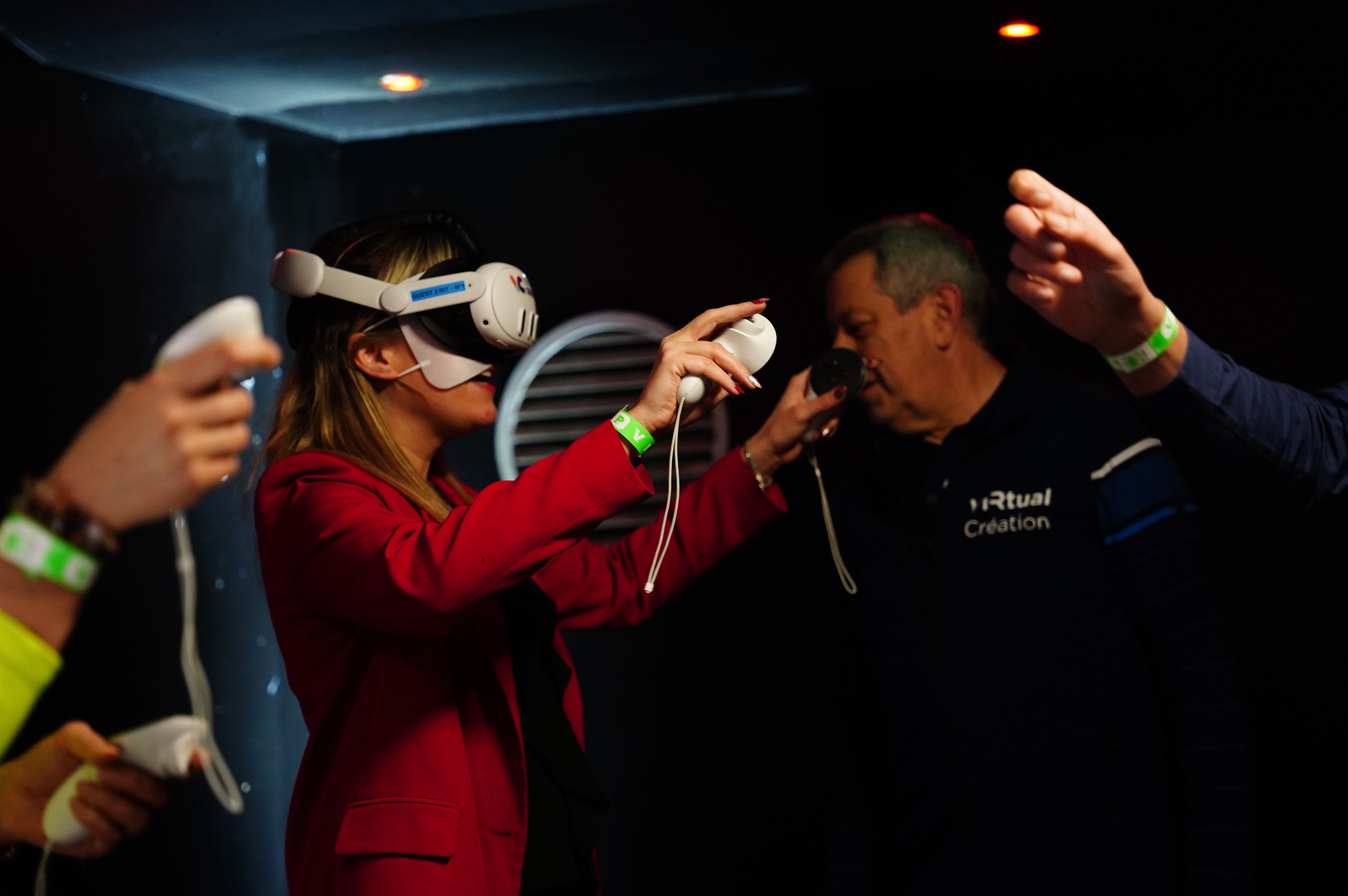
In corporate events, entertainment is not a “nice-to-have”: it is a lever to keep attention, stimulate participation, and create shared reference points that teams reuse after the event. A well-run Virtual Reality Experience can turn passive attendees into active contributors in under five minutes, which is exactly what executive audiences value when time is limited.
Organizations in Antwerp typically expect fast set-up windows, strict venue compliance, and a smooth bilingual experience (often English first, with Dutch and French touchpoints). They also expect clear crowd management: no long queues, no “tech demo” feeling, and a professional host team that can handle C-level guests and production staff with the same level of service.
We bring Brussels-level production standards to Antwerp with local coordination: pre-visit with venue ops, integrated risk assessment, and a run-of-show that matches your plenary agenda. Our role is to make VR look simple on the day—because the complexity is handled upstream.
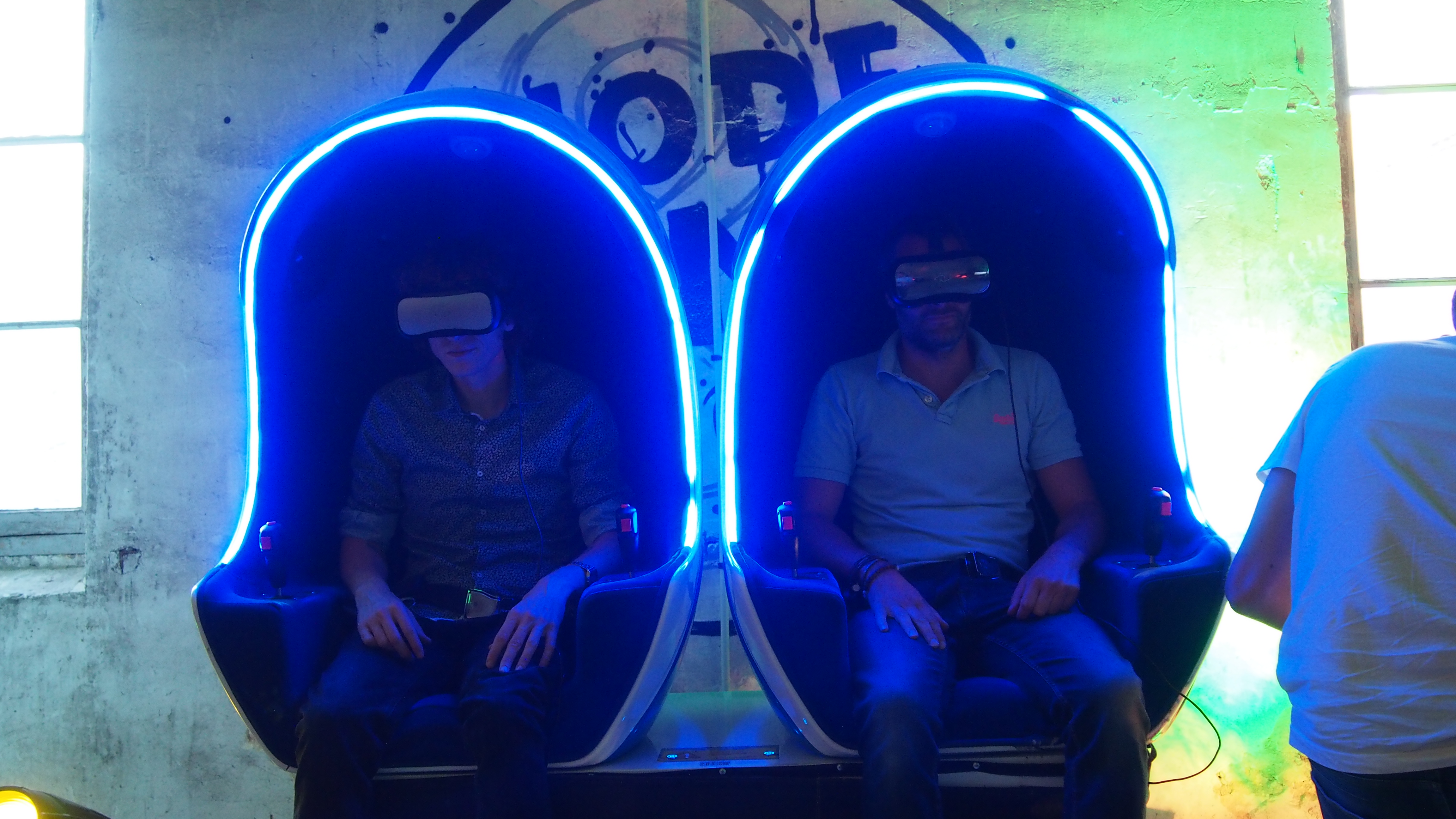
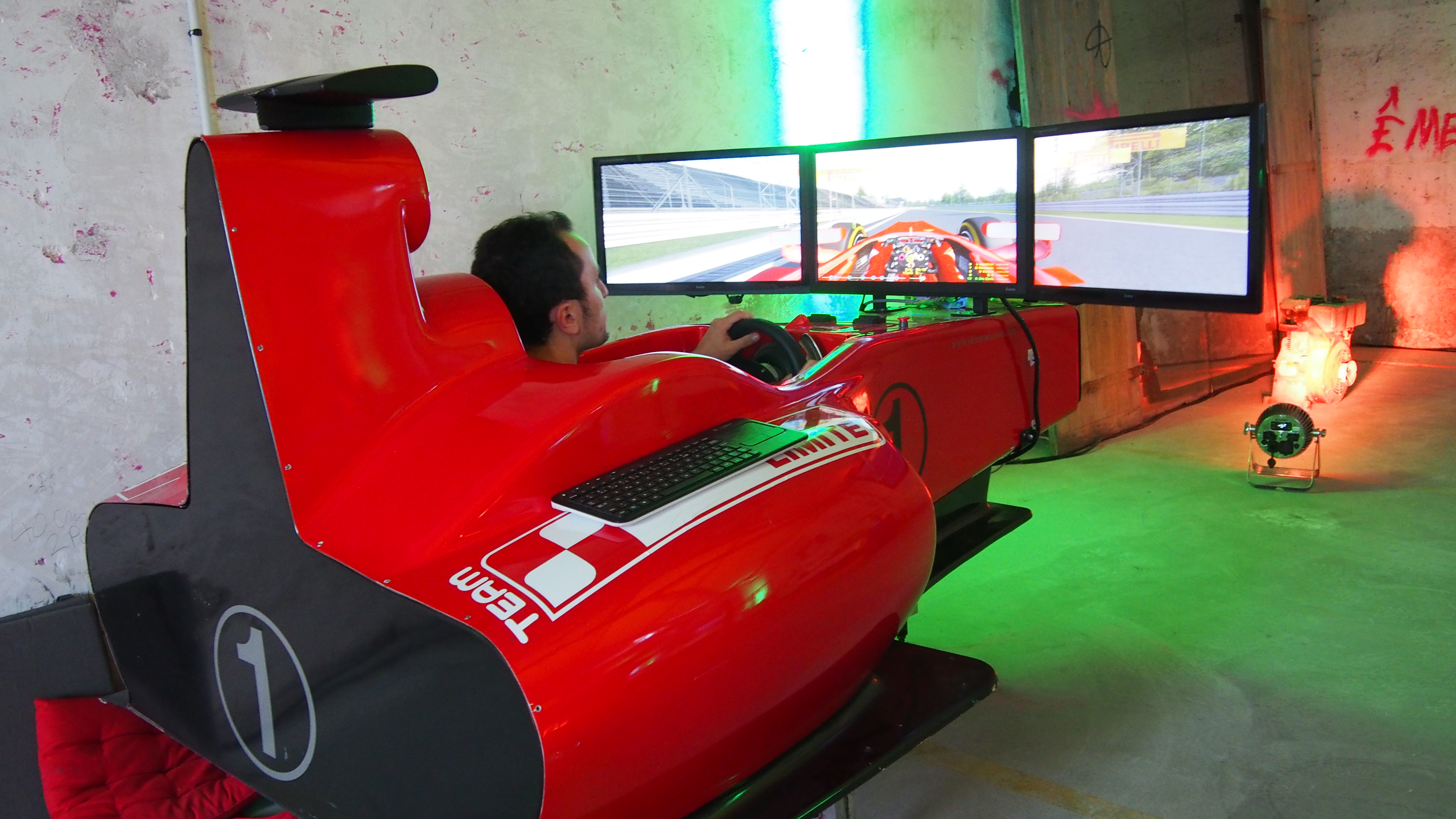
INNOV'events delivery capacity for Antwerp corporate activations
10+ years delivering corporate events across Belgium, with recurring programs for HR and internal communications teams.
Operational coverage: 2 to 12 VR stations deployed in parallel depending on attendance and time slots, with a dedicated floor manager and certified technicians.
Typical deployment timing: 90 to 180 minutes for installation + testing (depending on venue access and power/network constraints) and 30 to 60 minutes for safe de-rig.
Participation throughput guidance: 45–70 participants/hour per VR station for short scenarios (3–6 minutes) including hygiene reset and briefing.
Corporate VR projects delivered with Antwerp stakeholders
We regularly operate in Antwerp and the wider port-city ecosystem, where operational culture is pragmatic and expectations are high: on-time delivery, clear safety rules, and zero drama on event day. Many teams we support come back year after year because internal audiences quickly recognize when an activation is professionally engineered rather than improvised.
You mentioned providing company names as references; to keep this page accurate, we will integrate your exact reference list once received (and we can adapt the wording to the level of confidentiality required by your procurement/communications policies). In the meantime, we can share relevant case examples during a call: HR onboarding days, internal change programs, leadership offsites, and customer events where Virtual Reality Experience in Antwerp was used as a controlled engagement tool rather than a gadget.
Our approach is consistent: we align with your brand and your constraints first (venue, audience profile, IT/safety, timing), and only then select VR content and hardware that will perform reliably in a corporate setting.
 Besoin d’un devis rapide ?
Nous vous envoyons une première proposition sous 24h.
Why run a Virtual Reality Experience in Antwerp for your teams?
A Virtual Reality Experience in Antwerp is most effective when it serves a managerial objective: accelerating integration after a reorg, rebuilding cross-team trust after a difficult quarter, or bringing strategy to life in a way that slides cannot. Executives typically look for a format that is engaging but controlled—VR can do that if the operational design is solid.
Faster engagement at the start of the event: VR is a strong “first 30 minutes” tool. We often place it before a plenary to reduce late arrivals and create a shared talking point that helps networking.
Real participation data: depending on the scenario, we can provide attendance per slot, completion rates, and qualitative feedback collected at exit (1–3 questions). This helps HR and Comms teams report impact beyond “people liked it”.
Inclusive interaction: not everyone is comfortable speaking in a workshop. VR offers a low-pressure entry point—especially useful for mixed seniority groups or newly integrated teams.
Support for serious topics: safety culture, compliance, and customer empathy can be addressed through immersive scenarios with controlled messaging. We have seen better recall when VR is followed by a short debrief facilitated by leadership.
Brand and innovation positioning: for client-facing events in Antwerp, VR can demonstrate your product, process, or ESG story without heavy physical prototypes. This is particularly valuable when venue loading restrictions apply.
Antwerp has a strong execution-driven business culture (port, logistics, industry, and international headquarters). A VR activation works best here when it is planned like an operational process: throughput, safety, timing, and stakeholder coordination—exactly the approach we bring.
What Antwerp decision-makers expect from corporate VR entertainment
In Antwerp, the typical challenge is not finding a “cool VR demo”; it is making the experience compatible with corporate reality: tight agendas, mixed audiences, and venues that prioritize safety and flow. We design VR activations with constraints first.
Timeboxing is non-negotiable. On leadership days, we often get a window of 45–90 minutes between sessions. We therefore engineer throughput: ticketing by time slot, clear signage, and a staging area for briefing. If your agenda allows only 4 minutes per person, we will not propose a 10-minute experience that creates queues and frustration.
International and multilingual audiences are common. We prepare on-site scripts in English and Dutch (and French when needed), including a concise safety briefing. For executive audiences, the tone matters: we avoid a “gaming” vocabulary and position the experience with business framing.
Venue operations in Antwerp can be strict—especially around power distribution, cable management, and access times. We coordinate with the venue’s technical manager upfront, provide a technical rider, and adapt to loading constraints (e.g., freight elevator schedules, truck access limitations, protection of floors).
Brand protection is a major concern for communications teams. We plan the visual setup (staff dress code, signage, queue barriers, cleaning station), and we pre-validate what will be visible on-screen to prevent off-brand visuals or inappropriate content.
Which Virtual Reality Experience formats work best in Antwerp events?
Entertainment drives engagement when it is designed as a participation system: a clear invitation, short learning curve, and a debrief hook that connects to your message. Below are VR and VR-adjacent formats we deploy in Antwerp depending on your objective and audience profile.
Interactive animations in Antwerp
VR team rotations with timed slots: ideal for townhalls or offsites where you need predictable flow. We set up 4–8 minute scenarios, a queue lane, and a scoreboard if competition aligns with your culture.
Multi-user VR collaboration: for leadership and project teams (8–30 people per hour in smaller groups). This works well when you want to observe behaviors—communication, coordination, decision speed—followed by a facilitated debrief.
VR onboarding micro-journeys: short immersive modules that introduce a site, a process, or a customer situation. Often used during HR integration days in Antwerp to give new hires shared context without heavy presentations.
Art animations in Antwerp
Immersive art corner with VR + sound design: useful for brand events where you want a calmer, premium feel. We control the aesthetic: minimalistic setup, curated visuals, and guided narration rather than “arcade” energy.
Virtual gallery linked to your campaign: communications teams use this to translate brand assets into an immersive space. We ensure content rights, tone, and visual consistency are validated before production.
Innovative animations in Antwerp
VR pairing with structured tastings: for client evenings, we can synchronize a short VR sequence (e.g., origin story, sustainability journey) with a tasting moment. The key is timing: VR must not create delays that disrupt catering service.
“VR then networking” layout: we position VR near the bar or coffee area so the post-experience conversation happens naturally, which increases ROI for relationship-building events in Antwerp.
Gourmand animations in Antwerp
Safety and risk simulations: scenario-based training in a controlled environment (near-miss recognition, hazard spotting). Particularly relevant for industrial/logistics organizations around Antwerp where safety communication must be concrete.
Product or process demonstrations without prototypes: when bringing equipment on site is impossible, VR can show scale and function. We script the demo so sales teams can re-use it with a consistent narrative.
VR photo/video output for internal comms: we can create a branded “moment capture” (consent-managed) for your intranet/LinkedIn recap. This requires planning: signage, approvals, and an image selection workflow on the day.
Whatever the format, we align the corporate event entertainment in Antwerp with your brand codes: tone of voice, visual identity, inclusivity, and the level of “playfulness” that matches your leadership culture. This is where many VR activations fail—because they feel disconnected from the event’s purpose.
Where to host a VR activation in Antwerp without compromising flow
The venue impacts perceived quality more than most teams expect. VR needs controlled lighting, safe cabling, and enough circulation space so participants do not feel watched or rushed. In Antwerp, we typically validate not only the room, but also loading access, power distribution, and the proximity to plenary/catering areas to avoid bottlenecks.
| Venue type | For which objective? | Main strengths | Possible constraints |
|---|---|---|---|
| Conference hotels / meeting centers | Leadership days, townhalls, structured agendas | Professional ops, predictable power, easy coordination with AV and room schedules | Limited setup windows; strict rules for cable routing and noise near plenary rooms |
| Industrial venues / converted warehouses | Brand events, large-scale client evenings, innovation showcases | High ceiling, strong “tech” feel, room for multiple stations and staging | Power distribution may require additional planning; temperature/acoustics can impact comfort |
| Your office / HQ in Antwerp | Internal engagement, onboarding, employer branding | Convenient for attendees; strong authenticity; easy to link VR to your workplace story | Space constraints, IT/security policies, lift access and noise management in open offices |
We recommend a short site visit for any deployment beyond two stations. It is the fastest way to validate ceiling height, circulation, emergency exits, and where to place the briefing zone. That one hour in Antwerp typically saves multiple hours of troubleshooting on event day.
What does a Virtual Reality Experience in Antwerp cost?
Pricing depends on operational parameters more than the headset itself. A corporate-grade Virtual Reality Experience in Antwerp is priced on station count, duration, staffing, content type, and venue constraints. We quote transparently so procurement and stakeholders understand what drives cost and what drives risk.
Number of VR stations: a 2-station corner is not the same as a 8-station activation with queue management and VIP routing.
Event duration and access times: half-day vs. full-day vs. multi-day, plus early access requirements for testing.
Content complexity: off-the-shelf experiences (stable and fast to deploy) versus branded/custom scenarios (design, approvals, iterations, and QA).
Staffing model: professional facilitators, bilingual hosting, technical lead, and optional data capture or debrief facilitation.
Venue constraints in Antwerp: power distribution, loading distance, elevator access, security checks, and cable protection requirements.
Duty of care: hygiene management, seated alternatives, and safety barriers where needed.
From an ROI perspective, the right question is often not “How cheap can VR be?” but “How many meaningful interactions per hour can we guarantee without harming the agenda?” We design budgets to protect flow and brand image, because that is what determines whether your internal or client event in Antwerp is perceived as professionally executed.
Why work with an event agency in Antwerp for VR delivery?
VR activations succeed when operational details are managed like production, not like a gadget rental. Working with a partner who is used to delivering in Antwerp reduces risk: they know venue realities, access constraints, and local supplier reliability. At INNOV'events, we combine Brussels production discipline with hands-on local coordination, which is often what corporate teams need when multiple departments are involved.
When you collaborate with an event agency in Antwerp mindset—even if your HQ is elsewhere—you typically gain speed on approvals, smoother communication with venue technical teams, and better contingency planning for last-minute changes (speaker delays, agenda shifts, unexpected attendance peaks).
- Faster on-site problem solving: if a room layout changes or a power source is blocked, local coordination avoids escalations that distract your internal teams.
- More realistic planning assumptions: access times, loading routes, and venue rules are validated early, which reduces costly “day-of” improvisation.
- Consistency with local expectations: service level, language handling, and guest management that matches executive and client standards in Antwerp.
From an ROI perspective, the right question is often not “How cheap can VR be?” but “How many meaningful interactions per hour can we guarantee without harming the agenda?” We design budgets to protect flow and brand image, because that is what determines whether your internal or client event in Antwerp is perceived as professionally executed.






Examples of VR use-cases delivered for Antwerp-style audiences
Our VR projects are rarely “one-size-fits-all” because corporate contexts vary. We adapt the scenario length, facilitation style, and reporting depth to match your audience and your objective.
Leadership offsite: We deployed a structured rotation where each participant completed a short immersive module, followed by a 15-minute debrief in small groups. The key success factor was timing discipline: we aligned VR slots with coffee breaks so no one missed strategic content.
HR integration day: We used VR as an onboarding accelerator with clear learning outcomes: “what we do”, “who we serve”, and “how we work safely”. HR wanted inclusivity, so we provided seated options and a facilitator script that avoided jargon.
Client event: We positioned VR as a guided demonstration rather than self-service. Sales teams had a consistent narrative, and we designed the physical space to look premium: controlled queue, subtle branding, and an exit point that led directly to networking.
Across these formats, what stays constant is our attention to throughput, guest handling, and brand-safe delivery—especially important when you host in Antwerp with a mixed audience of internal stakeholders and external guests.
Common pitfalls to avoid for VR entertainment in Antwerp
Underestimating queue time: a 6-minute experience can easily become 10 minutes per person when you include briefing, fitting, and hygiene. Without flow design, the activation becomes a visible failure.
Choosing content that feels like a game when the audience expects business relevance. Executives disengage quickly if the link to strategy is unclear.
Ignoring venue constraints: insufficient power planning, unsafe cable runs, or no buffer for loading access can lead to delays and safety issues.
No contingency plan: devices can overheat, a controller can fail, or a speaker can shift the agenda. We plan redundancy and “pause modes” so the experience remains controlled.
Missing stakeholder alignment: IT/security, HSE, HR, and Comms often all have a say. If approvals are not clarified early, the last week becomes chaotic.
Our role is to prevent these risks by treating the Virtual Reality Experience as a production workstream: technical rider, flow plan, staffing, safety, and a realistic run-of-show validated with your team and the Antwerp venue.
Why Antwerp clients renew VR activations year after year
Recurring clients typically come back for one reason: predictability. They need partners who protect the agenda, the guest experience, and the brand—even when the room is full and a keynote runs late. That is what creates trust with HR, Communications, and executive sponsors.
24–48 hours: typical turnaround to provide a first structured proposal and budget ranges after a qualified briefing.
1 single point of contact: one project lead responsible for production, staffing, and on-site execution in Antwerp.
0-surprise principle: we document assumptions (access times, station count, scenario length, staffing) so the delivered experience matches what was approved internally.

Loyalty is not about discounts; it is proof that delivery is stable under pressure. In Antwerp, where events are often judged by operational smoothness, that stability is the real differentiator.
Our production process for a VR activation in Antwerp
👉 Step 1 — Briefing focused on objectives and constraints in Antwerp
We start with a short, structured call with the event owner (HR/Comms/Executive Assistant) and, when relevant, HSE or IT. We confirm: audience size, event purpose, agenda timing, venue short-list, languages, and the level of brand visibility. We also clarify what success looks like: participation volume, qualitative feedback, or a narrative linked to strategy.
👉 Step 2 — Scenario and station architecture for predictable throughput
We propose 1–3 scenario options with recommended duration and station count, based on your available time window. We model throughput (participants/hour) and propose a flow plan: check-in, briefing zone, station layout, and exit/debrief point. This is where we avoid the classic mistake: too few stations for too many people.
👉 Step 3 — Technical rider, venue coordination, and risk plan
Before confirmation, we share a clear technical rider: power needs, footprint per station, cable protection, lighting considerations, and access times. We coordinate with the Antwerp venue’s technical contact to validate loading, setup windows, and emergency circulation. For corporate environments, we also prepare a simple risk assessment (motion discomfort protocol, hygiene routine, barrier placement).
👉 Step 4 — On-site delivery with floor management and executive service level
On the day, we install, test, and run the activation with a defined chain of command: one floor manager, facilitators per station, and an optional host for queue/VIP management. We protect the event rhythm: we can pause the activation during keynotes, accelerate rotations if a session ends early, and maintain consistent guest communication.
👉 Step 5 — Post-event feedback and next-step recommendations
After the event, we provide participation numbers (depending on the setup) and a concise debrief: what worked, what caused friction, and what to adjust for a next edition in Antwerp. If the activation supports a broader internal program, we propose a scalable plan (multi-site roadshow, onboarding cycle, or quarterly engagement module).
FAQ sur l'organisation Virtual Reality Experience à Antwerp
How many VR stations do we need in Antwerp?
As a practical range: 2 stations work for 30–80 people over a long cocktail; 4 stations fit 120–250 people with time slots; 6–10 stations are recommended for 300–600+ attendees when you want high participation in a limited window. We confirm after modeling your agenda and scenario duration.
What space is required for VR in Antwerp venues?
Plan roughly 9–12 m² per station including safe circulation, plus a briefing/queue area. For 4 stations, a comfortable footprint is typically 50–80 m² depending on whether you run free-flow or timed slots.
Can VR run during a plenary in Antwerp without noise?
Yes, if we position the activation away from the plenary room and use silent briefings (headset-based audio) with controlled crowd flow. In tighter layouts, we schedule VR during breaks or in a separate room to protect executive attention and avoid sound spill.
Is a Virtual Reality Experience in Antwerp safe for all attendees?
Most participants can join, but we apply duty-of-care rules: clear opt-out, seated option, stop protocol for dizziness, and a short briefing. We also adapt for glasses wearers and provide hygiene resets between users. For sensitive audiences, we recommend scenarios with minimal motion and durations of 3–6 minutes.
How far in advance should we book VR in Antwerp?
For standard scenarios, 2–4 weeks is workable; for peak periods or large deployments, plan 6–10 weeks. For branded/custom VR content, expect 8–16 weeks depending on approvals and testing cycles.
Request a VR proposal for Antwerp with a clear operational plan
If you are comparing agencies, we suggest a quick working session: your agenda + venue + audience profile, and we will return a concrete recommendation (station count, scenario length, staffing, and budget ranges). That way you can validate feasibility internally before committing.
Contact INNOV'events to plan your Virtual Reality Experience in Antwerp: we will confirm the practical constraints (space, timing, power, flow) and build an activation that protects your brand and your schedule—without surprises on event day.
INNOV'events Antwerp Agency
Justin JACOB is the manager of the INNOV'events Antwerp office. Reach out directly by email at belgique@innov-events.be or via the contact form.
Contact the Antwerp agencyToutes nos prestations & animations Antwerp, Belgique
Découvrez nos prestations événementielles
Découvrez nos animations événementielles disponibles au Belgique
- Event Hostess in Antwerp
- Escape Game in Antwerp
- MasterChef Cooking Workshop in Antwerp
- Magician in Antwerp
- Marquee Rental in Antwerp
- Color Analysis Workshop in Antwerp
- Inflatable Games in Antwerp
- Valet Parking Service in Antwerp
- Football Simulator in Antwerp
- LED Furniture Rental in Antwerp
- Light Branding in Antwerp
- Unique Dining Experience in Antwerp
- Light Painting in Antwerp
- Murder Mystery Party in Antwerp
- Prize Contest in Antwerp
- Promotional Displays (POS) in Antwerp
- Virtual Reality in Antwerp
- Molecular Gastronomy Workshop in Antwerp
- Halloween Entertainment in Antwerp
- Fireworks Show in Antwerp
- Giant Games Challenge in Antwerp
- Event Host / MC in Antwerp
- Photo Booth Animation in Antwerp
- Santa Claus Entertainment in Antwerp
- Kids Entertainment in Antwerp
- Guided Tour in Antwerp
- Urban Rally in Antwerp
- Ball Pit in Antwerp
- Flight Simulator in Antwerp
- Food Truck Rental in Antwerp
- World Record Challenge in Antwerp
- Surf Simulator in Antwerp
- Wine Casino in Antwerp
- Makeover Workshop in Antwerp
- Perfume Creation Workshop in Antwerp
- Acting Workshop in Antwerp
- CSR Activities in Antwerp
- Archery in Antwerp
- Security Staff in Antwerp
- Wine Tasting in Antwerp
- Mime Performer in Antwerp
- TV Game Show in Antwerp
- Funfair in Antwerp
- Crisis Management Workshop in Antwerp
- Crisis Negotiation Workshop in Antwerp
- Arcade Games in Antwerp
- Indoor Skydiving Simulator in Antwerp
- Ski Simulator in Antwerp
- Racing Circuit Experience in Antwerp
- Introductory Flight Experience in Antwerp
- Tasting Experience in Antwerp
- Build Your Own Foosball Workshop in Antwerp
- 2CV Rally in Antwerp
- LEGO Challenge in Antwerp
- Casino Night in Antwerp
- Interpreter / Translator in Antwerp
- Promotional Giveaways in Antwerp
- Shuttle Transport in Antwerp