Indoor Skydiving Simulator in Antwerp for measurable team engagement
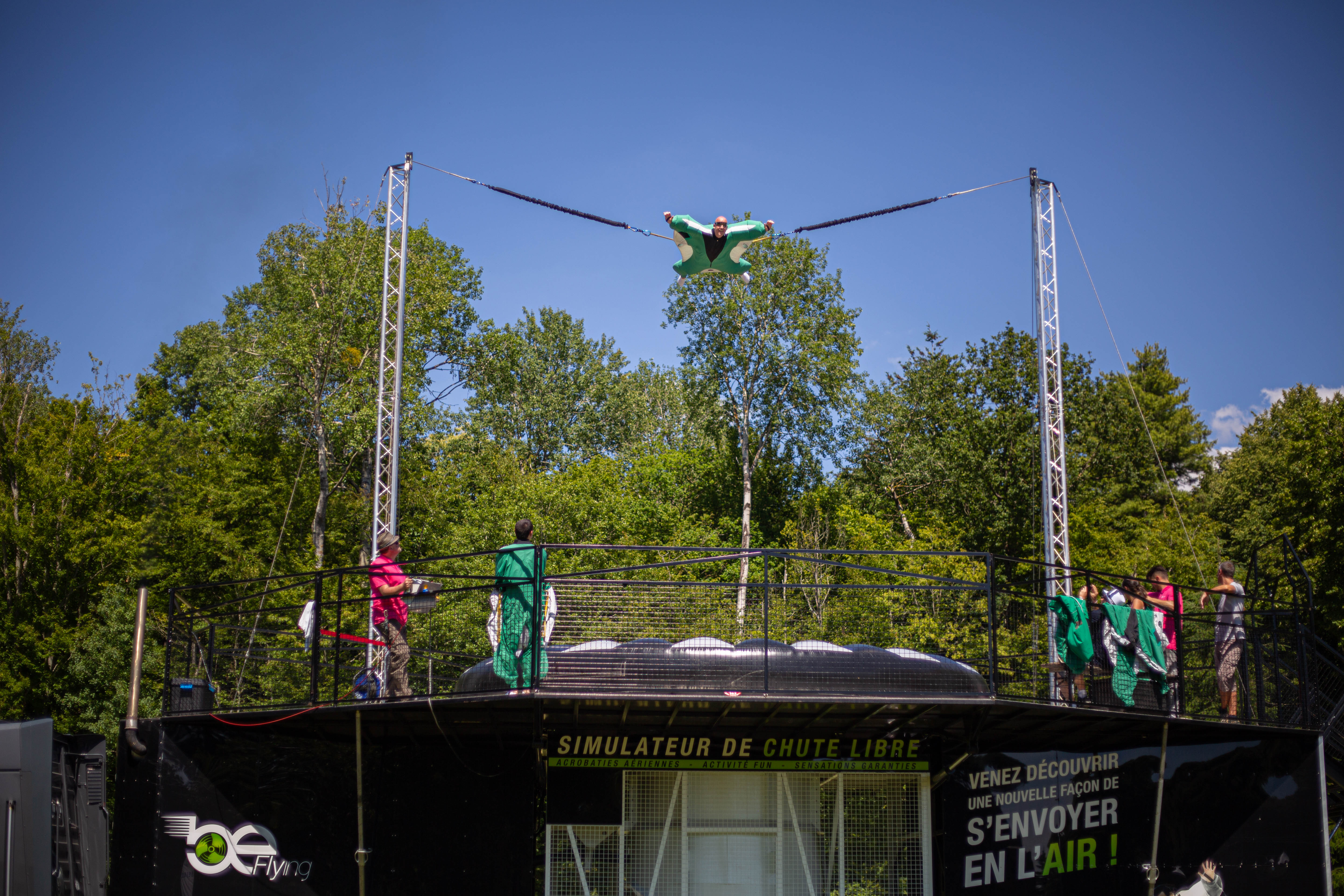
INNOV'events is a Brussels-based corporate event agency delivering Indoor Skydiving Simulator experiences in Antwerp for 30 to 600 participants. We manage feasibility, supplier contracting, staffing, safety documentation, and on-site operations so your leadership team can focus on the message and the people. Expect a controlled, time-slot-based flow that keeps queues short and energy high.
Sommaire
In a corporate agenda, entertainment is not a “nice-to-have”: it is a lever to increase attendance, improve cross-team interactions, and create a shared talking point that supports your internal communication objectives. A well-run Indoor Skydiving Simulator is particularly effective because it delivers a high-adrenaline experience in a controlled environment, which helps break silos without turning the event into a “party”.
In Antwerp, organizations typically expect tight timing, high production standards, and a guest journey that feels premium from check-in to closing remarks. Executives want clear ROI (participation rate, engagement, employer branding), HR wants inclusivity and safety, and communication teams want strong visuals that match brand guidelines and can be reused internally.
We bring field experience from corporate launches, offsites, and client events across Belgium, with operational capacity to run multi-wave rotations, handle multilingual briefing (NL/FR/EN), and integrate the simulator into a broader program. Our role is to make the experience look simple for your guests while we manage the complex logistics behind the scenes in Antwerp.
INNOV'events performance indicators in Antwerp (2000) projects
10+ years delivering corporate events in Belgium, with repeat programs for HR and leadership teams.
30–600 guests typical capacity range for programs where the Indoor Skydiving Simulator in Antwerp is a central activation.
2–6 hours of operational window managed end-to-end (briefings, rotations, safety checks, reset times, contingency planning).
3 languages handled on-site when needed (NL/FR/EN) to match Antwerp’s business reality and international HQ structures.
Single point of contact on event day: one accountable production lead coordinating venue, simulator staff, AV, catering, and security.
Who we support around Antwerp (2000) and why they stay
We regularly work with organizations active in and around Antwerp—from port-related industries and logistics groups to professional services and fast-growing tech teams with European headquarters. Many of our clients come back year after year because the operational reality is consistent: leadership teams do not have time for “trial and error”, HR needs documented safety and inclusion measures, and communications teams need a reliable partner who understands brand risk.
If you share company names you want us to reference, we can integrate them into this page in a compliant way (case-format, sector context, and what was delivered). In the meantime, what we can state clearly is how we operate locally: we pre-check access constraints, we anticipate Antwerp traffic and loading restrictions, and we plan guest flows so your program stays on time even with late arrivals from meetings or the ring road.
In practice, repeat collaboration usually starts with one successful activation (often at a winter party, kick-off, or client appreciation night) and evolves into a yearly format with stronger KPIs: higher participation per hour, smoother check-in, better visual content capture, and fewer questions coming back to your internal teams.
 Besoin d’un devis rapide ?
Nous vous envoyons une première proposition sous 24h.
Why book an Indoor Skydiving Simulator in Antwerp (2000) for leadership goals
A corporate event is a management tool. In Antwerp, where many organizations operate under time pressure and performance culture, a well-designed shared experience helps leadership deliver a message that people actually remember. The Indoor Skydiving Simulator works because it creates a controlled challenge: participants step out of their comfort zone, receive coaching, and immediately feel progress—exactly the type of narrative many HR and transformation teams want to reinforce.
Engagement you can structure: the simulator runs on timed rotations, so you can combine it with speeches, awards, or a product reveal without losing control of the agenda.
Inclusive participation formats: we plan “fly / support / film” roles so people who prefer not to fly still feel part of the activation, which is often crucial for mixed seniority groups.
Employer branding content that looks premium: with the right lighting and capture angles, you obtain footage suitable for internal channels, recruitment, and post-event recap—without disrupting the experience.
Cross-team connection without forced icebreakers: queues become networking moments when managed properly (clear timing, comfortable waiting area, and a host who keeps the flow moving).
Safety and governance readiness: we help you document key points (briefing, waiver process when relevant, operational boundaries) so internal stakeholders feel comfortable approving the activation.
This approach fits the economic culture of Antwerp: pragmatic, quality-driven, and sensitive to reputation. When the program is cleanly executed, the activation supports performance culture rather than distracting from it.
What Antwerp (2000) companies expect from corporate entertainment vendors
Local decision-makers typically benchmark vendors on operational reliability more than on “concept”. In Antwerp, we often see three non-negotiables in procurement and approval loops: predictable timing, documented safety, and a guest experience aligned with brand positioning.
Timing discipline: many participants arrive from back-to-back meetings or from offices spread across the city and the port area. If check-in is slow or the rotation plan is unclear, queues form and senior stakeholders disengage. We therefore work with a slotting model (group sizes, minutes per flight, buffer, and changeover) and we publish a simple run-of-show that your internal hosts can trust.
Risk management: HR and HSE stakeholders may request clear constraints (age ranges, medical considerations, clothing requirements, supervision ratios). We do not wait for last-minute questions; we provide a practical information pack in advance so your invitation and pre-event email set expectations correctly.
Brand and comms requirements: comms teams want visual coherence (backdrop branding, staff dress code, tone of voice on signage, and what can/cannot be filmed). We integrate these items early, because changing them on-site is expensive and stressful. In Antwerp, where many firms are internationally visible, this matters more than people think.
What to combine with an Indoor Skydiving Simulator in Antwerp (2000) for a full program
The Indoor Skydiving Simulator works best when it is integrated into a wider narrative: performance, learning, collaboration, or celebration. In Antwerp, where guests often expect quality and relevance, we recommend pairing the simulator with supporting activations that manage flow and keep non-flyers engaged without making them feel “second class”.
Interactive animations in Antwerp
Timed challenge league (team scoring): participants earn points for posture, stability, and coach feedback. This keeps the focus on progress and coaching rather than pure adrenaline, which is often appreciated by HR.
Live content station: a small booth where guests select their best clip, add a branded frame, and send it to themselves. Comms teams like this because it reduces post-production effort and ensures brand-safe visuals.
Leadership Q&A corner: while rotations run, you can host a moderated Q&A or short talk in the same space. We plan audio and acoustics so the talk remains intelligible despite activation noise.
Art animations in Antwerp
Ambient host + professional MC: not a “hype” presenter, but a corporate-grade facilitator who keeps timing, explains the flow, and aligns with your tone of voice.
Brand-safe DJ set: curated volume and style to support energy without overpowering briefings. In practice, this avoids the classic conflict between the simulator team and the music team.
Micro-performances between waves: short, controlled-format acts (e.g., sax over lounge) that fill buffers when rotations shift, without pulling attention away from the main activation.
Innovative animations in Antwerp
Flow-friendly catering: stations that can be used quickly between slots (bite-size options, clear allergens, and fast service). We coordinate placement so food does not interfere with safety zones.
Zero-alcohol cocktail bar: useful when your policy discourages alcohol before participation. It keeps the experience inclusive and avoids uncomfortable conversations with guests.
Late snack for the second wave: in Antwerp evening schedules, late arrivals are common; we plan a food “second peak” so those guests are not left with empty counters.
Gourmand animations in Antwerp
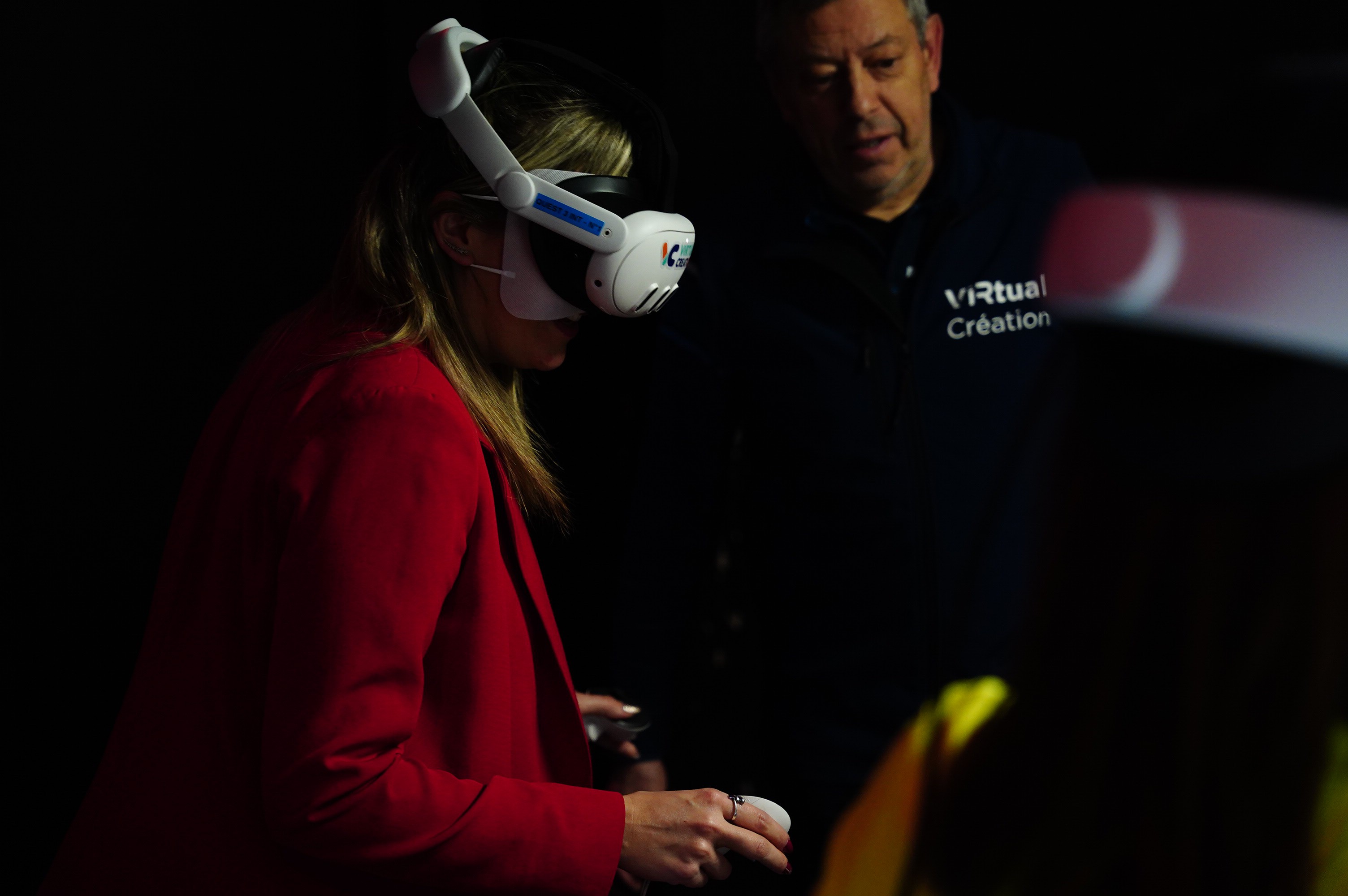
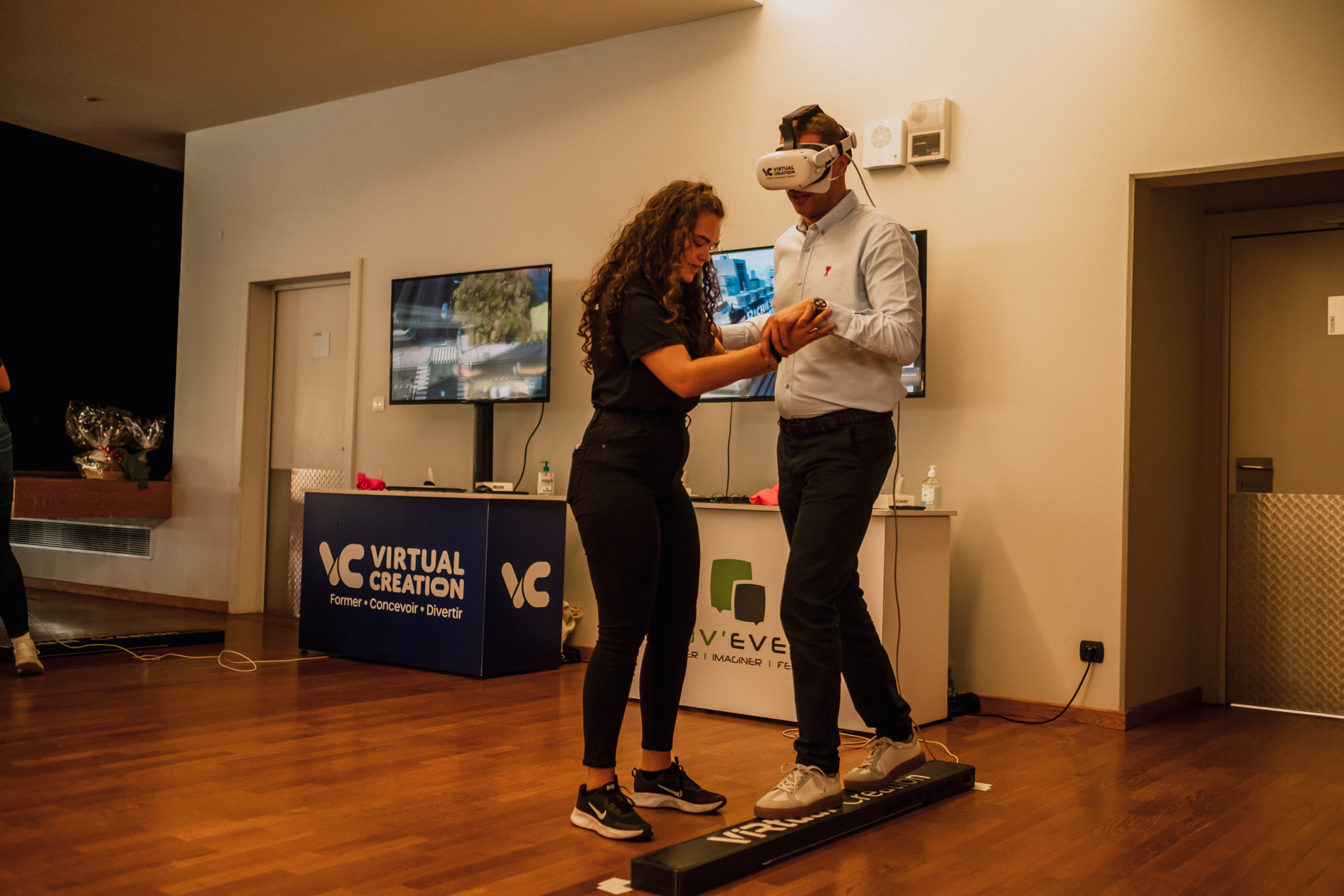
VR debrief corner (optional): not to replace the simulator, but to onboard anxious participants with a quick visual explanation. This can increase participation rate in cautious groups.
Real-time KPI dashboard: we can track sign-ups vs. completions, average wait time, and participation by department. Executives appreciate this because it turns entertainment into a measurable activation.
Photo + compliance workflow: pre-defined rules for filming, consent collection when needed, and asset delivery structure for communications teams (folders, naming conventions, deadlines).
Whatever you add, alignment with brand image is not a slogan; it is operational: staff appearance, signage wording, music level, lighting temperature, and content capture rules. In Antwerp, where many brands are visible beyond Belgium, this alignment protects reputation and makes approval easier internally.
Which Antwerp (2000) venues fit an Indoor Skydiving Simulator setup
The venue determines whether the activation feels premium and controlled or improvised. For a Indoor Skydiving Simulator in Antwerp, the key is space zoning (briefing, waiting, flight area), technical capacity (power, ceiling height), and access (loading, rigging time). We advise selecting the venue based on operational feasibility first, then aesthetics.
| Venue type | For which objective? | Main strengths | Possible constraints |
|---|---|---|---|
Conference hotel or large event hotel in Antwerp | Leadership offsite, annual meeting, mixed plenary + networking | Back-of-house logistics, professional security, predictable AV standards, good guest flow design | Ceiling height limitations in some ballrooms; strict loading windows; noise constraints near guest rooms |
Industrial venue / warehouse-style space (port area) | Brand activation, product launch, high-impact evening event | High ceilings, flexible zoning, strong visual identity, easier rigging | Heating/acoustics planning; additional catering and sanitary infrastructure may be needed |
Modern corporate HQ or office atrium in Antwerp | Employee engagement day, internal milestone, client open house | Brand immersion, easy participation for staff, cost control on venue hire | Strict building rules, floor protection, access and elevator constraints, required approvals from facility management |
Expo hall / large multi-purpose venue | Large-scale rotations, multi-activity fair format | Capacity, power availability, scalable staffing, strong crowd management options | May feel less “exclusive” without added production; requires clear signage and a strong scenography plan |
We recommend a site visit in Antwerp with the venue technician and the simulator operator before you confirm. It is the simplest way to avoid day-of surprises: access routes, power drops, ceiling obstacles, and guest circulation issues are rarely visible on floor plans alone.
Indoor Skydiving Simulator pricing in Antwerp (2000): what drives cost
Budgeting a Indoor Skydiving Simulator in Antwerp is straightforward once the operational parameters are defined. The price is not only the unit itself; it includes staffing, transport, technical requirements, timing, and the level of production expected by your audience.
Event duration and throughput: the difference between a 2-hour cocktail activation and a 5-hour rotation program impacts staffing and performance planning. Typical corporate formats target 40–120 participants per hour depending on briefing length and complexity.
Space and technical requirements: power, ceiling height, floor protection, and any required rigging. Venues in central Antwerp can add time costs due to loading constraints.
Staffing level: instructor/coaches, host/queue manager, safety supervisor, and production manager. For executive-heavy audiences, we often add a dedicated guest relations role to keep VIP flow smooth.
Branding and content: branded backdrops, lighting upgrades, professional videographer, and an asset delivery workflow for communications. This is where costs vary widely because expectations vary widely.
Insurance and compliance: depending on venue and corporate policy, you may need specific certificates or documentation. We anticipate these items during contracting to avoid last-minute premiums.
Timing constraints: night-time set-ups, tight turnarounds, or same-day builds increase crew and coordination needs.
From an ROI perspective, this activation is often justified when it increases attendance, improves engagement metrics (participation rate per hour), and produces reusable internal content. We can help you define simple KPIs upfront so the budget discussion stays anchored in outcomes, not in “entertainment spend”.
Why choose an event agency in Antwerp (2000) for this activation
A local footprint is not about proximity for its own sake; it reduces operational uncertainty. In Antwerp, traffic, loading rules, and venue-specific working methods can make or break timing. When executives are present, there is no tolerance for a late start caused by a preventable logistics issue.
As your partner, we coordinate all stakeholders under one production framework: venue technical team, simulator operator, AV, catering, and security. If you want a wider view of what we deliver locally, see our event agency in Antwerp approach and service coverage.
We also understand how internal approvals work: HR and HSE want documentation, finance wants cost transparency, and communications want brand control. Our job is to reduce the back-and-forth by providing the right information at the right time, and by showing up on event day with clear authority and a structured run-of-show.
- Faster feasibility checks: quicker site visits and realistic assessments of Antwerp venue constraints.
- Supplier accountability: we work with operators who can deliver on timing, staffing, and documentation standards expected by corporate procurement.
- Reduced day-of risk: local knowledge of access routes, parking/load-in, and contingency options.
- More predictable guest experience: better flow design, queue management, and on-site decision-making.
From an ROI perspective, this activation is often justified when it increases attendance, improves engagement metrics (participation rate per hour), and produces reusable internal content. We can help you define simple KPIs upfront so the budget discussion stays anchored in outcomes, not in “entertainment spend”.










What we have delivered in Antwerp (2000): formats that actually work
In the field, the same activation can succeed or fail depending on format design. We have delivered simulator-centered programs for different realities: a 300-guest end-of-year event where the activation had to run quietly alongside a CEO speech; a 120-person HR engagement day where inclusivity and participation rate were the main KPI; and a client event where brand-safe content capture was the priority.
What these projects have in common is operational discipline. We define arrival waves, keep briefing consistent, and assign roles: one person owns guest flow, one owns technical liaison, and one owns client communication. On-site, this prevents the classic corporate failure mode where everyone looks at the client team for decisions.
We also adapt to corporate constraints that are rarely mentioned in “concept decks”: privacy rules for filming, late changes to attendee lists, VIP time windows, and procurement requirements for documentation. This is exactly why executives choose an agency rather than managing multiple suppliers themselves.
Common Indoor Skydiving Simulator mistakes in Antwerp (2000) events
Underestimating throughput: promising “everyone will fly” without calculating briefing time, changeovers, and buffers leads to long queues and frustration.
Wrong zoning: placing the activation too close to speeches or dining creates noise conflicts and forces last-minute program changes.
Late safety alignment: waiting for HR/HSE questions a week before the event often triggers rushed documentation and unnecessary stress.
Access surprises: discovering on the day that the loading bay is blocked, the elevator is too small, or the venue allows load-in only at specific hours.
Comms chaos: filming without a clear consent and asset workflow results in unusable content or internal friction after the event.
No contingency plan: technical pauses happen; without a fallback activity or schedule buffer, the whole event mood drops.
Our role at INNOV'events is to prevent these risks with structured preparation, clear responsibilities, and on-site authority. In Antwerp, where stakeholders notice details, this is the difference between “it ran” and “it was professionally executed”.
Why Antwerp (2000) clients renew with INNOV'events
Client loyalty is rarely about novelty; it is about reduced risk and saved internal time. When we manage a simulator activation, your teams do not have to chase suppliers, re-explain brand constraints, or solve logistics on the day. Over time, we build a playbook specific to your organization: your approval process, your preferred tone of voice, and your operational constraints.
1 production lead accountable on-site, reducing stakeholder noise for executives and HR.
24–72 hours typical turnaround for updated run-of-show versions when agendas shift.
Clear KPI tracking available (participation rate, average wait time, completion rate) for internal reporting.

In practice, renewal happens when your post-event debrief is simple: no incidents, no vendor disputes, content delivered as expected, and clear internal feedback that the program supported your business objectives. That is what loyalty reflects.
Our production process for Antwerp (2000) simulator events
👉 Feasibility check in Antwerp (2000) before you commit
We start with a short discovery call (objectives, audience profile, constraints), then we validate feasibility: venue access, ceiling height, power, zoning, and noise considerations. You receive a clear go/no-go and a recommended format (duration, number of rotations, staffing level).
👉 Program design and run-of-show aligned with executives
We translate objectives into a schedule: arrival waves, briefing cadence, leadership time windows, and buffers. We define zones (check-in, briefing, waiting, flight, exit) and we confirm who says what, when. This is where we protect speeches and key messaging from operational noise.
👉 Supplier contracting and compliance pack for HR and procurement
We contract the simulator operator and any supporting services (AV, host, content capture). We centralize documentation (insurance, safety notes, staffing plan) and provide practical guest instructions for invitations (clothing, arrival time, participation conditions).
👉 Pre-event technical alignment with the Antwerp venue
We run a technical alignment with venue staff: load-in schedule, access routes, floor protection, power distribution, and any restrictions. This step prevents last-minute improvisation and ensures the venue team is comfortable with the plan.
👉 On-site delivery and real-time adjustments
On event day, our production lead manages timing, guest flow, and stakeholder communication. We monitor wait times and adjust wave sizes if needed. If something changes (late VIP arrival, delayed catering, technical pause), we implement the contingency plan without shifting pressure onto your internal teams.
👉 Post-event debrief and asset delivery
Within agreed timelines, we deliver content assets (if included), recap key KPIs, and capture improvement points. For recurring Antwerp programs, we update the playbook so the next edition is faster to approve and easier to run.
FAQ sur l'organisation Indoor Skydiving Simulator à Antwerp
How many participants per hour in Antwerp can realistically fly?
For a corporate setup in Antwerp, plan 40–120 participants/hour depending on briefing length, flight duration, and whether you run one or multiple lanes. We confirm a realistic throughput after venue and operator validation, then build your run-of-show accordingly.
What venue requirements matter most in Antwerp for setup?
The main requirements are ceiling height, power availability, and access/loading. In central Antwerp, loading windows and elevator dimensions are frequent constraints, so we validate them early and plan the build schedule with the venue technician.
Is the Indoor Skydiving Simulator safe for corporate guests in Antwerp?
Yes, when operated with proper briefing, supervision, and clear participation rules. We structure zones, keep a consistent briefing (NL/FR/EN if needed), and align documentation with HR/HSE expectations. We also plan an inclusive format for guests who prefer not to participate.
What budget range should we plan in Antwerp for corporate use?
Most corporate projects in Antwerp land in the mid four figures to low five figures (EUR) depending on duration, staffing, technical constraints, and branding/content. After a short scoping call, we provide a quote with clear line items so finance can validate quickly.
How early should we book in Antwerp for peak season dates?
For Q4 and popular Thursday/Friday dates in Antwerp, we recommend 6–10 weeks lead time. For complex venues (tight access, high branding requirements), 10–12 weeks is safer to secure operators, complete technical alignment, and avoid rush fees.
Request an Antwerp (2000) quote with a workable schedule and clear KPIs
If you are comparing agencies, we suggest starting with operational clarity: audience size, venue shortlist, desired duration, and what “success” means (participation rate, content deliverables, leadership messaging). INNOV'events will come back with a realistic throughput plan, zoning, staffing, and a transparent budget for your Indoor Skydiving Simulator in Antwerp.
Contact us early—especially for Q4—so we can secure the right operator team, validate venue constraints, and lock a run-of-show that protects your executive agenda. We can work from your existing venue or propose options based on access and technical feasibility in Antwerp.
INNOV'events Antwerp Agency
Justin JACOB is the manager of the INNOV'events Antwerp office. Reach out directly by email at belgique@innov-events.be or via the contact form.
Contact the Antwerp agencyToutes nos prestations & animations Antwerp, Belgique
Découvrez nos prestations événementielles
Découvrez nos animations événementielles disponibles au Belgique
- Event Hostess in Antwerp
- Escape Game in Antwerp
- MasterChef Cooking Workshop in Antwerp
- Magician in Antwerp
- Marquee Rental in Antwerp
- Color Analysis Workshop in Antwerp
- Inflatable Games in Antwerp
- Valet Parking Service in Antwerp
- Football Simulator in Antwerp
- LED Furniture Rental in Antwerp
- Light Branding in Antwerp
- Unique Dining Experience in Antwerp
- Light Painting in Antwerp
- Murder Mystery Party in Antwerp
- Prize Contest in Antwerp
- Promotional Displays (POS) in Antwerp
- Virtual Reality in Antwerp
- Molecular Gastronomy Workshop in Antwerp
- Halloween Entertainment in Antwerp
- Fireworks Show in Antwerp
- Giant Games Challenge in Antwerp
- Event Host / MC in Antwerp
- Photo Booth Animation in Antwerp
- Santa Claus Entertainment in Antwerp
- Kids Entertainment in Antwerp
- Guided Tour in Antwerp
- Urban Rally in Antwerp
- Ball Pit in Antwerp
- Flight Simulator in Antwerp
- Food Truck Rental in Antwerp
- World Record Challenge in Antwerp
- Surf Simulator in Antwerp
- Wine Casino in Antwerp
- Makeover Workshop in Antwerp
- Perfume Creation Workshop in Antwerp
- Acting Workshop in Antwerp
- CSR Activities in Antwerp
- Archery in Antwerp
- Security Staff in Antwerp
- Wine Tasting in Antwerp
- Mime Performer in Antwerp
- TV Game Show in Antwerp
- Funfair in Antwerp
- Crisis Management Workshop in Antwerp
- Crisis Negotiation Workshop in Antwerp
- Arcade Games in Antwerp
- Indoor Skydiving Simulator in Antwerp
- Ski Simulator in Antwerp
- Racing Circuit Experience in Antwerp
- Introductory Flight Experience in Antwerp
- Tasting Experience in Antwerp
- Build Your Own Foosball Workshop in Antwerp
- 2CV Rally in Antwerp
- LEGO Challenge in Antwerp
- Casino Night in Antwerp
- Interpreter / Translator in Antwerp
- Promotional Giveaways in Antwerp
- Shuttle Transport in Antwerp