
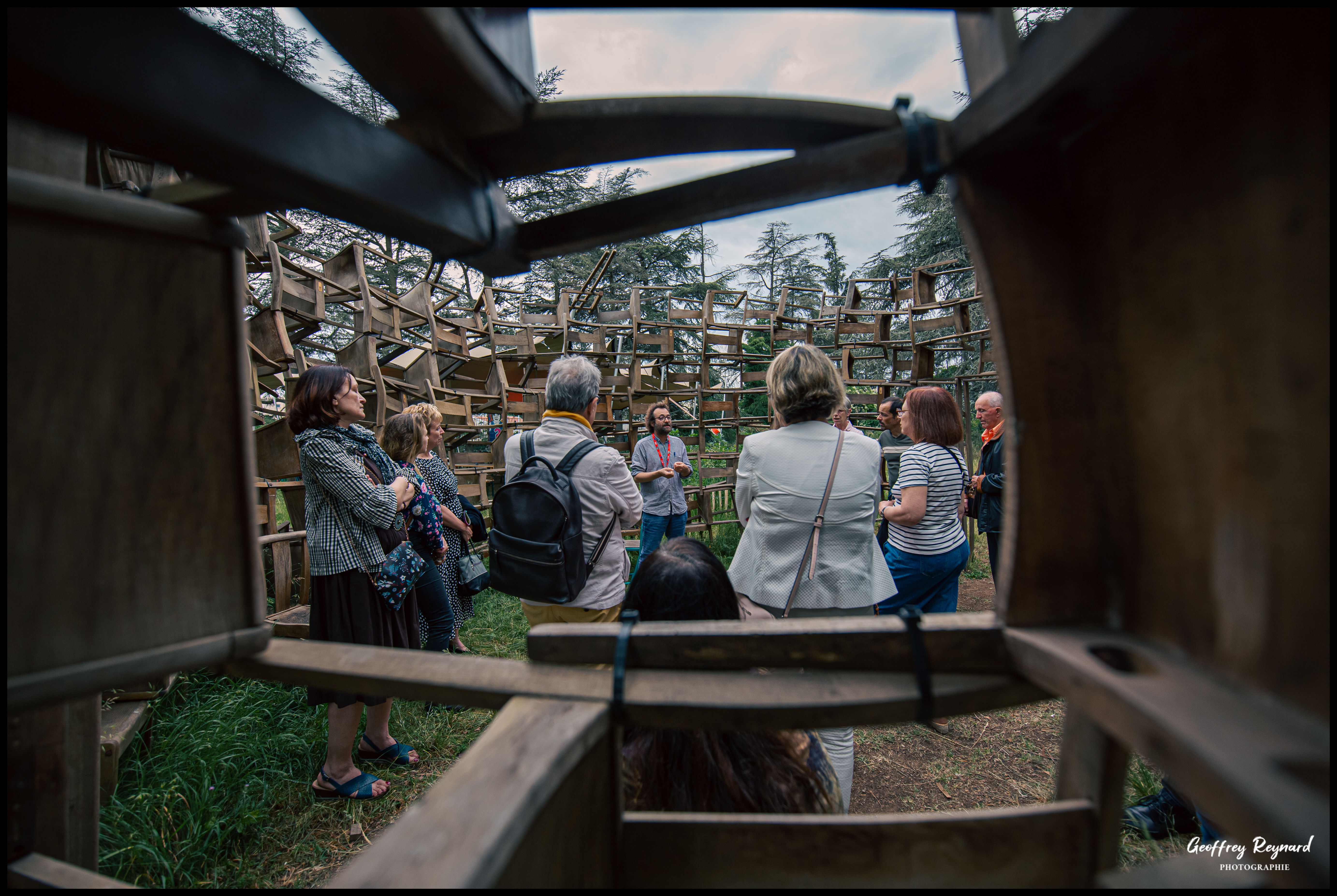
Guided Tour in Antwerp that fits your agenda, your brand and your teams
INNOV'events is a Brussels-based corporate event agency delivering Guided Tour programmes for leadership teams, HR and communication departments in Antwerp, typically for 10 to 250 participants. We handle the route design, guide sourcing, permits when needed, group flow, timing, and on-the-day coordination so your schedule stays intact.
Whether it is a client visit, an onboarding day, a management offsite or a team-building moment, we structure the tour like an operational runbook: clear meeting points, contingency plans, and messaging aligned with your internal narrative.
Sommaire
In a corporate agenda, “entertainment” is not a nice add-on; it is a managed lever for attention and cohesion. A well-run Guided Tour in Antwerp creates a shared reference point in under 90 to 180 minutes, without the fatigue and unpredictability of a free-form activity.
Organisations around Antwerp tend to expect tight timing, multilingual delivery (often EN/NL/FR), and a tone that remains professional even when the content is light. We plan tours that work for mixed seniority groups and visiting stakeholders who need both substance and comfort.
From Brussels, our team operates weekly in Antwerp and works with a roster of city-certified guides, museum docents and neighbourhood specialists. We also coordinate transport, badge lists, and security constraints when you host international guests or regulated teams.
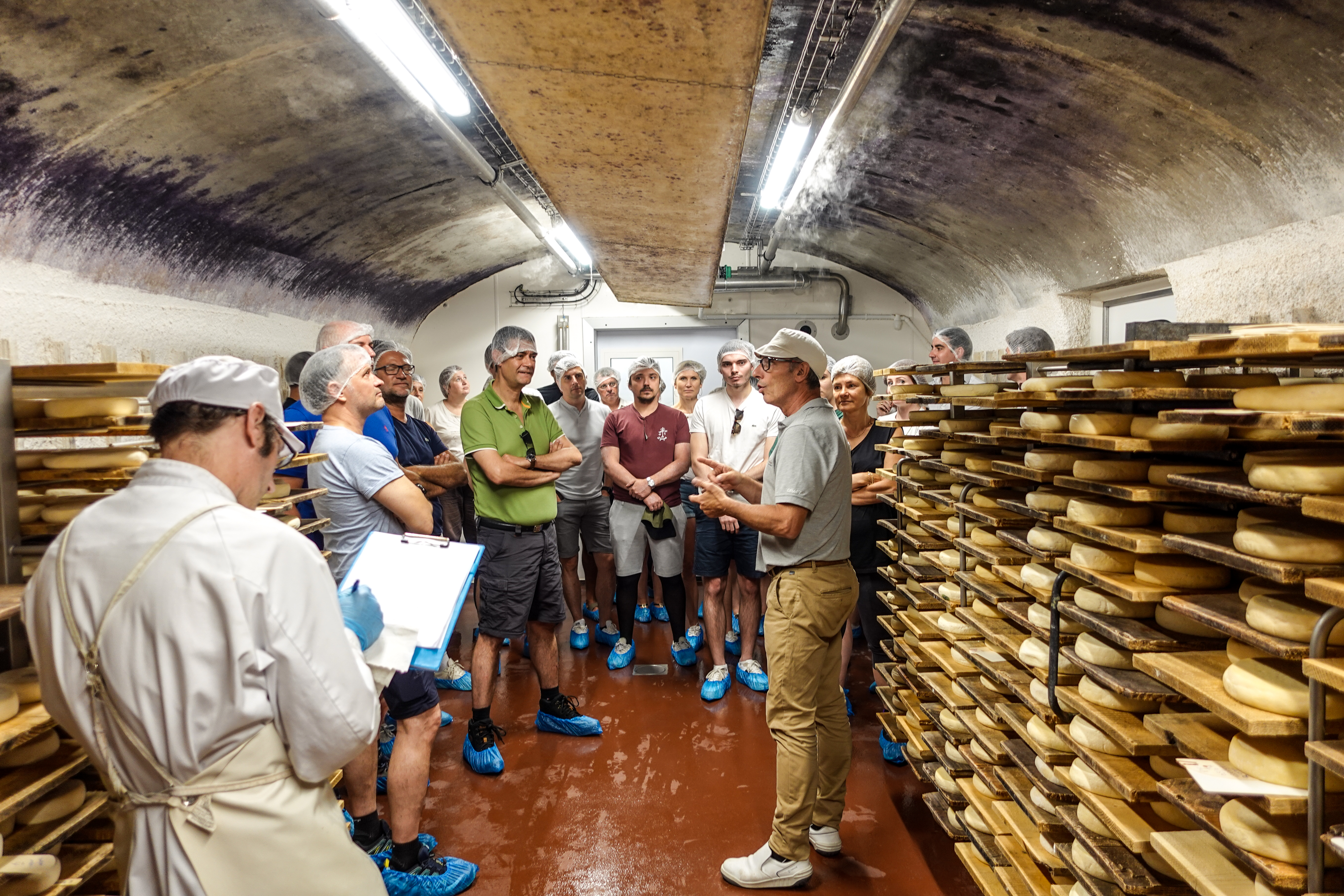
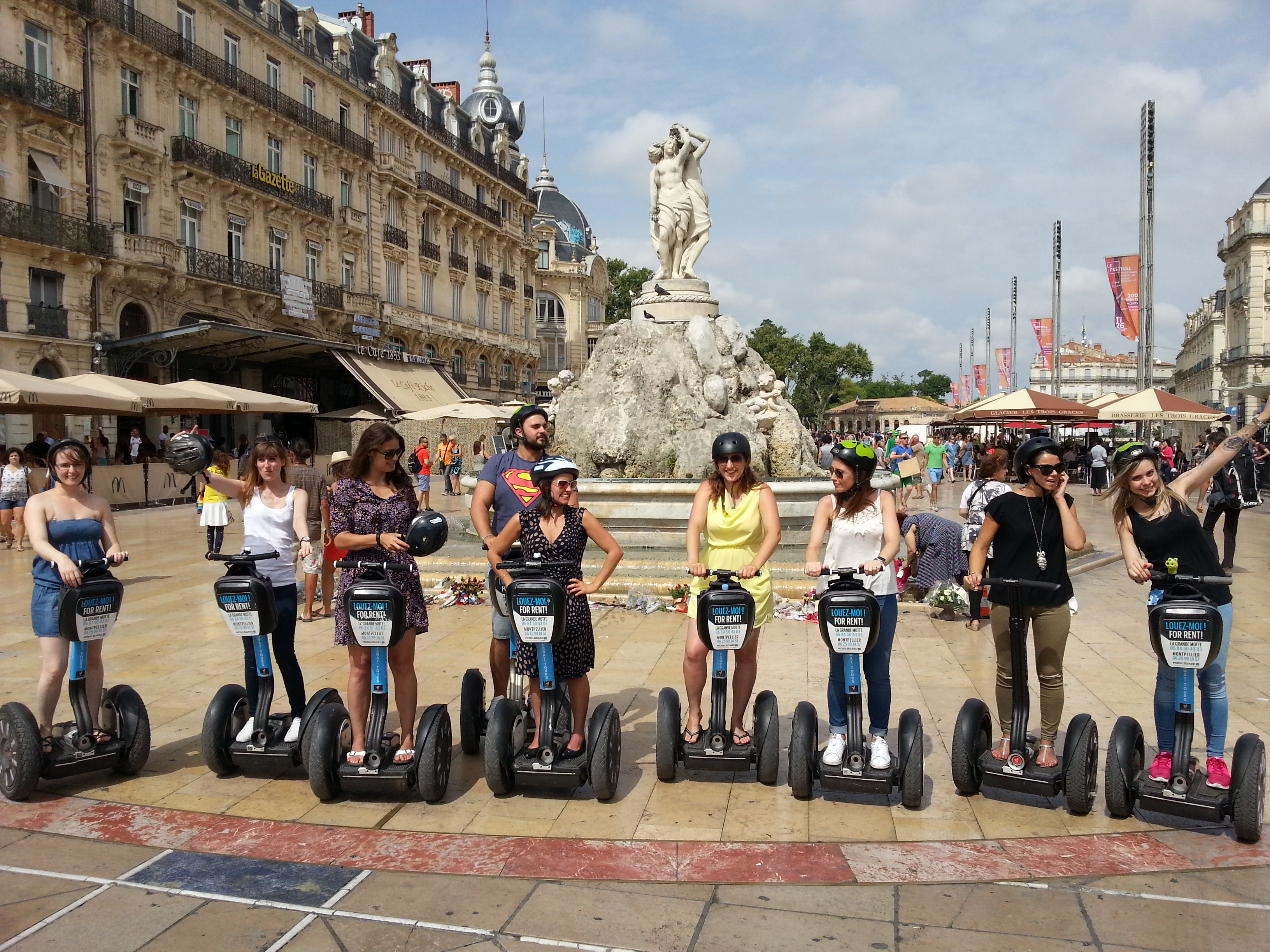
Operational track record for Antwerp corporate tours
10+ years delivering corporate events across Belgium, with recurring programmes in Antwerp, Brussels, Ghent and Leuven.
500+ corporate events produced within our network (small executive formats to large all-hands), with structured risk management and supplier due diligence.
3 languages delivered as standard for tours: English, Dutch, French (additional languages on request with longer lead times).
Typical tour formats: 90 min executive walk, 2–3 h team programme, half-day city + museum + dinner sequencing.
Who we support in Antwerp and why they renew
In Antwerp, we regularly support corporate groups coming from the port ecosystem, professional services, life sciences and headquarters teams who need an activity that is easy to approve internally: clear objective, predictable timing, and a consistent level of hospitality.
You mentioned “the company names I provided as references”; we can only publish client logos and names once we have written authorisation and an agreed wording (many HR and comms teams require compliance validation). In practice, we do work year after year with Belgian and international organisations that return for the same reason: reliable production, guides who can speak to senior audiences, and a tour that integrates smoothly between meetings, workshops and dinner.
If you want, we can share anonymised case summaries (sector, group size, timing, deliverables, and budget brackets) and, when permitted, put you in contact with a reference person for a quick peer-to-peer reassurance call.
 Besoin d’un devis rapide ?
Nous vous envoyons une première proposition sous 24h.
What a Guided Tour in Antwerp solves for executives
When you gather people who do not work together daily, the challenge is rarely “motivation”; it is alignment. Executives and HR teams need a format that creates conversation without forcing it, keeps hierarchy comfortable, and still respects the constraints of a business day in Antwerp.
A structured Guided Tour gives you a controlled environment: the city provides the content and the guide manages the rhythm. This reduces the pressure on your leaders to “carry” the moment while still creating a shared experience that teams can refer back to in workshops or townhalls.
Time discipline without feeling rushed: we build a route with fixed checkpoints and buffer times so you can start dinner at 19:00 or be back in the meeting room at 16:30—and actually make it.
High inclusivity for mixed profiles: we adapt tone and content for mixed groups (finance + operations, HQ + field, senior + junior). In practice, this prevents the common issue where half the group disengages because the narrative is either too academic or too superficial.
Controlled brand and reputational risk: in Antwerp, a tour can touch sensitive topics (heritage, trade history, religion, sustainability). We brief guides with your do’s and don’ts and define a neutral, business-appropriate framing.
Better engagement than a classic networking drink: walking side-by-side creates natural micro-conversations. For leadership teams, it often unlocks the “difficult colleague” conversation that never happens around a table.
Simple governance for HR and procurement: clear deliverables (route, duration, language, guide credentials, insurance, cancellation terms) make internal approval easier than many “team building” activities.
Immediate content for internal communication: we can integrate a photo moment, a short “city fact” handout, or a closing recap point for your comms team—useful for intranet or employer branding without overproducing.
Antwerp is a trade and innovation city: practical, international, and used to moving fast. When your event mirrors that culture—well-structured, multilingual, and respectful of people’s time—you get better participation and fewer organisational frictions.
What companies expect when they host in Antwerp
Corporate groups in Antwerp typically arrive with real operational constraints: late trains from Brussels, last-minute meeting overruns, VIP guests landing at Brussels Airport and transferring by car, and internal stakeholders who want the activity to “look easy” even when logistics are complex.
From experience, the main expectations are:
- Multilingual comfort: English is common, but Dutch is often expected for local teams; French remains important for Belgian HQ audiences. We plan language splits (two guides, two routes) when needed rather than trying to please everyone with one mixed-language delivery.
- Weather resilience: coastal winds and sudden rain are not rare. We build indoor fallback points (covered passages, museums, cafés with reserved space) so the programme remains professional without improvisation.
- Mobility realism: the historical centre is walkable, but group movement is not the same as individual movement. For 40+ participants we manage staggered departures, headcounts and “visual markers” (flags, discreet signage, WhatsApp broadcast) to avoid the classic delay cascade.
- Discretion: executive groups often do not want public attention. We select meeting points away from the busiest nodes and brief guides to keep stopping patterns efficient.
- Compliance and safety: some industries require vendor insurance documents, risk assessment notes, or an incident protocol. We can provide these elements and coordinate with your internal HSE contact.
Finally, many organisations want the tour to contribute to a narrative: sustainability, innovation, craftsmanship, or internationalisation. In Antwerp, you can credibly connect these themes to the port, fashion, diamonds, architecture and contemporary urban projects—if the route is curated with intent, not just “nice streets”.
Which Guided Tour formats work best in Antwerp for corporate groups
A Guided Tour becomes engaging when participants are not only listening, but also making choices and comparing perspectives. In Antwerp, we design formats that respect professional boundaries while still creating interaction—especially important for executive audiences who dislike forced “games”.
Interactive animations in Antwerp
Decision-point tour (leadership format): the guide proposes short dilemmas linked to the city (trade routes, urban development choices, heritage vs innovation). Small pairs discuss for 2 minutes, then the guide links back to your leadership theme (change management, risk appetite).
Micro-missions in teams (HR onboarding): teams receive 4–6 prompts (find a detail, capture a photo angle, identify an architectural feature). It stays light, but it creates cross-team collaboration without competitive pressure.
Client-hosting route with curated talking points: we provide a one-page “host brief” so your commercial team knows what to highlight and what to avoid, keeping the narrative consistent across hosts.
Art animations in Antwerp
Architecture and urbanism focus: ideal for innovation or transformation narratives. We choose viewpoints that allow a group to stop without blocking pedestrian flow, and we align commentary with business topics (planning, stakeholders, long-term investments).
Fashion district insight: works well for brand, creativity and employer branding. We keep it respectful and factual, and can add a short meet-the-expert moment when availability allows.
Diamond heritage, responsibly framed: when relevant, we handle the topic carefully (compliance, traceability, geopolitics) and avoid sensational angles that can create reputational discomfort.
Innovative animations in Antwerp
Structured tasting stops: instead of random sampling, we schedule 1–2 reserved stops with timed service so you do not lose 20 minutes in queues. This is often the difference between a relaxed dinner start and a stressed one.
Beer-and-business moderation: if alcohol is served, we set clear quantities and timing (e.g., 1 tasting beer, then water) to keep the tone corporate and avoid discomfort for non-drinkers.
Dietary management: we collect restrictions in advance and choose partners who can actually deliver gluten-free/halal/vegetarian options without improvisation on the day.
Gourmand animations in Antwerp
Audio-guided corporate layer: participants receive a short audio capsule between stops (via QR) that ties the city story to your internal theme (safety culture, customer centricity, ESG). This works well when you want consistent messaging without turning the tour into a presentation.
Photo narrative for communication teams: we define 6–8 “shot moments” and a light content plan so your comms team returns with usable assets (team shots, detail shots, leadership moments) without disrupting the flow.
Hybrid add-on for distributed teams: for companies with colleagues not travelling to Antwerp, we can set up a short live check-in from a key stop and a recap pack afterwards, keeping remote teams included.
Whatever the format, we align the corporate event entertainment in Antwerp with your brand posture: discreet and premium for executive hosting, energetic but structured for onboarding, or content-led for comms. Alignment is not a slogan—it's the difference between an activity that supports your message and one that dilutes it.
Which areas in Antwerp fit a corporate Guided Tour schedule
The “venue” for a Guided Tour in Antwerp is the route plus the meeting and finish points. For corporate groups, the right setting is the one that protects timing, comfort and perception. We design routes that match your dress code, mobility level, and the moment that follows (board meeting, dinner, cocktail, awards).
| Venue type | For which objective? | Main strengths | Possible constraints |
|---|---|---|---|
| Historic city centre walking loop | Executive hosting, first-time visitors, concise cultural context | High density of landmarks; easy to combine with restaurants and hotels; strong “Antwerp” identity | Crowds at peak times; noise; requires strict group flow and clear meeting point |
| Museum-led route (start or finish indoors) | Weather-proof programme, content depth, VIP comfort | Better acoustics; controlled entry; strong narrative structure; easier for mixed mobility | Ticketing/time slots; security checks; museum rules for groups |
| Neighbourhood theme route (fashion/architecture/port-related viewpoint) | Employer branding, innovation/transformation message, repeat visitors | More original angles; better for storytelling linked to business topics; less “touristy” feel | Longer transfers; fewer restrooms; requires careful stop selection for large groups |
We strongly recommend a site visit (or at least a route validation) when you have VIPs, tight timing, or 40+ attendees. In Antwerp, a small change in street works or crowd patterns can impact walking pace and therefore dinner timing—our job is to eliminate that uncertainty.
How to budget a Guided Tour in Antwerp for a corporate event
Pricing for a Guided Tour in Antwerp is driven by operational parameters more than by “creativity”. For decision-makers, the useful approach is to budget by format (duration + number of guides) and then add the optional layers that protect quality: audio, indoor stops, transport coordination, and on-site production.
To help you benchmark, most corporate tours fall into these ranges (excluding VAT): €450–€900 for a single certified guide (up to ~20–25 pax) for 90–120 minutes; €900–€2,500 for multi-guide formats with audio and coordination for 40–120 pax; and €2,500–€6,500+ when you add museums, private spaces, tastings, transport management and full on-site production.
Group size and guide ratio: for corporate comfort we plan roughly 1 guide per 20–25 participants, especially in busy areas of Antwerp.
Languages: one language is simplest; bilingual delivery often means two guides or split groups to avoid losing pace.
Duration and walking distance: a 90-minute executive tour is not the same production as a 3-hour tour with tasting stop(s) and transfers.
Audio headsets: recommended above 20–25; they add cost but reduce delays and complaints (“I couldn’t hear”).
Indoor content: museum tickets, private rooms, or reserved tastings require prepayment, time slots and stricter cancellation terms.
On-site staffing: a coordinator becomes valuable from 50+ pax, multiple start points, or when you have VIP constraints.
Timing risk: if your programme is between two fixed-time moments (train, dinner booking, keynote), we build more buffers and staffing to guarantee punctuality.
From a leadership perspective, the ROI is typically measured in reduced friction and better engagement: fewer no-shows, smoother transitions, and a moment that supports your narrative instead of creating last-minute stress. A well-budgeted tour is often cheaper than the hidden costs of a poorly controlled programme (late dinner, unhappy VIPs, internal credibility loss).
When choosing an event agency in Antwerp is the safer option
For corporate groups, local execution is less about “being nearby” and more about controlling variables that remote planning misses. In Antwerp, the difference shows up in crowd patterns, practical meeting points, and the ability to secure partners who are reliable with business groups (punctuality, invoicing, compliance documents).
Even if INNOV'events is headquartered in Brussels, we operate frequently in Antwerp and can mobilise local resources quickly. If your procurement or governance prefers a local supplier footprint, we can also position the project through our dedicated page for an event agency in Antwerp while keeping one accountable production lead.
- Guide and supplier quality control: we work with guides who are used to senior groups (pace, discretion, Q&A handling) and not only leisure tourism.
- Faster problem-solving on the day: last-minute street closures, transport re-routing, or an earlier finish request are easier to handle with local operational knowledge.
- More accurate timing: local routing reduces the risk of unrealistic walking times and “Google Maps planning” that fails with 80 people.
- Better coordination with venues: restaurants and museums in Antwerp have specific group rules; we plan around their cut-off times to avoid service delays.
From a leadership perspective, the ROI is typically measured in reduced friction and better engagement: fewer no-shows, smoother transitions, and a moment that supports your narrative instead of creating last-minute stress. A well-budgeted tour is often cheaper than the hidden costs of a poorly controlled programme (late dinner, unhappy VIPs, internal credibility loss).




What we have delivered in Antwerp for corporate teams
Our Antwerp projects range from compact executive formats to larger HR and communication programmes. Typical scenarios we manage:
- Executive client hosting: a 90-minute city walk ending at a private dinner, with a strict “doors open” time. We plan silent regrouping points, headset audio, and a route that supports conversation rather than constant stopping.
- Onboarding day: split groups across 2–4 guides, rotating routes to prevent congestion and ending at a single finish point for a plenary moment. HR gets a clear attendance confirmation process and a reliable end time.
- Communication and employer branding: a narrative-driven tour with planned photo moments and pre-approved messaging. We ensure the guide’s tone and facts match the company’s positioning (no improvised controversial anecdotes).
- International leadership offsite: multilingual delivery, transport coordination from Brussels, and contingency planning for late arrivals. The goal is to keep the programme smooth so leadership can focus on content and decisions.
What these projects have in common is not “creativity”; it is controlled execution. We build tours that you can confidently place between two high-stakes moments on the agenda.
Common mistakes with Guided Tours in Antwerp (and how we prevent them)
Underestimating group flow: a route that works for 12 people can fail with 60. We define guide ratios, regroup points and walking rules from the start.
Ignoring acoustics: without headsets, corporate participants disengage quickly in noisy areas. We recommend audio above 20–25 and test key stops.
Vague meeting points: “in front of the cathedral” is not operational. We provide GPS pins, photos of the exact spot, and a clear late-arrival protocol.
Overloading the content: too many facts kills conversation and pace. We brief guides to keep a business-friendly rhythm: short stories, clear transitions, space for questions.
No weather fallback: rain improvisation is where quality drops. We define indoor options and pre-reserve when necessary.
Poor link to the rest of the programme: the tour must end where your next moment starts (restaurant, coach, meeting room). We plan the “last 15 minutes” like a transfer, not like sightseeing.
Our role is to remove these risks before they reach your stakeholders. On the day, your team should be hosting—not solving logistics, negotiating with venues, or chasing late participants across Antwerp.
Why Antwerp companies keep INNOV'events on their supplier list
Repeat business is rarely about novelty; it is about trust under pressure. HR and communication teams come back when the agency makes them look organised internally: clear documents, predictable execution, and a partner who can handle last-minute changes without drama.
High repeat rate in our corporate client base through multi-year collaboration cycles (annual kick-offs, recurring onboarding, customer events).
Short response times for quote requests: typically 24–72 hours for a structured first proposal, depending on complexity and supplier availability.
Incident prevention: our production checklists cover timing, safety, supplier confirmations and participant comms—because most event issues are avoidable with discipline.

Loyalty is the most reliable proof point in corporate events: it means the project survived real constraints—budget, internal politics, and event-day pressure—and still delivered. That is the standard we apply in Antwerp.
Our production process for Antwerp Guided Tours
👉 Step 1 – Antwerp brief and constraints mapping
We start with a 30–45 minute call to capture your non-negotiables: start/end time, next agenda item, participant profile, languages, mobility constraints, VIP sensitivity, and your internal message. We also identify who signs off: HR, comms, procurement, or an executive sponsor.
👉 Step 2 – Route design and guide shortlisting in Antwerp
We propose 2–3 route options with duration, walking distance, indoor alternatives, and a clear content angle (heritage, innovation, fashion, port-related perspective). We shortlist guides based on your audience: some guides excel with public groups; we select those who can handle board-level questions and keep a corporate tone.
👉 Step 3 – Operational plan and participant communication
We deliver a run sheet: meeting point photo + GPS pin, timings by segment, guide contacts, headset distribution plan, restroom strategy, and a late-arrival procedure. For larger groups, we provide a simple participant message template (email/WhatsApp) so everyone arrives prepared and on time.
👉 Step 4 – Supplier confirmations and risk controls
We confirm all bookings in writing: guides, museums/tastings, transport, and any reserved spaces. We validate weather fallback, crowd-risk areas, and compliance documents if your company requires them (insurance, invoices, supplier registration).
👉 Step 5 – On-site coordination in Antwerp
For complex formats, an INNOV'events coordinator is on site to manage check-in, group split, headset distribution, timing discipline and escalation. Your internal host remains the face of the event; we run the mechanics in the background.
👉 Step 6 – Debrief and next-step improvements
After the tour, we capture what worked and what to adjust (pace, stop quality, dinner transfer). For recurring programmes in Antwerp, we build a “version 2” that becomes faster to deploy each year.
FAQ sur l'organisation Guided Tour à Antwerp
How long should a corporate Guided Tour in Antwerp be?
Most corporate groups choose 90 to 120 minutes for executives (fits between meetings) and 2 to 3 hours for team-building or onboarding. If you add a museum or tasting stop, plan 3 to 4 hours total to avoid rushing.
How many guides do we need for Antwerp group tours?
As a rule of thumb: 1 guide per 20–25 participants in central Antwerp. Above that, split groups to protect comfort and timing. For 80 participants, we typically plan 3–4 guides plus optional on-site coordination.
Do you provide multilingual tours in Antwerp for corporate visitors?
Yes—most requests are EN/NL/FR. For true multilingual comfort, we usually split groups by language with separate guides rather than mixing languages in one delivery, which slows down and reduces engagement.
What is the budget range for a Guided Tour in Antwerp?
For corporate formats, expect roughly €450–€900 (single guide, 90–120 min, small group), €900–€2,500 (multi-guide + audio + coordination), and €2,500–€6,500+ when adding museums, tastings, transport management and on-site staffing. Final pricing depends on group size, duration, languages and indoor components.
How early should we book an Antwerp Guided Tour?
For 10–25 participants, 2–4 weeks can be sufficient outside peak periods. For 40+ participants, multiple languages, museums or a fixed dinner slot, we recommend 6–10 weeks to secure the best guides and time slots.
Request a corporate Guided Tour proposal in Antwerp
If you are comparing agencies, we suggest starting with constraints, not concepts: date window, group size, languages, start/end times, and the next agenda item (dinner, meeting, coach transfer). Send us those elements and we will come back with 2–3 route options in Antwerp, clear timings, guide ratios, and a transparent budget structure.
For high-stakes programmes (VIPs, tight schedules, regulated teams), earlier planning gives you the best leverage on guide availability and indoor slots. Contact INNOV'events to secure your preferred timing and get a proposal you can circulate internally without rewriting.
INNOV'events Antwerp Agency
Justin JACOB is the manager of the INNOV'events Antwerp office. Reach out directly by email at belgique@innov-events.be or via the contact form.
Contact the Antwerp agencyToutes nos prestations & animations Antwerp, Belgique
Découvrez nos prestations événementielles
Découvrez nos animations événementielles disponibles au Belgique
- Event Hostess in Antwerp
- Escape Game in Antwerp
- MasterChef Cooking Workshop in Antwerp
- Magician in Antwerp
- Marquee Rental in Antwerp
- Color Analysis Workshop in Antwerp
- Inflatable Games in Antwerp
- Valet Parking Service in Antwerp
- Football Simulator in Antwerp
- LED Furniture Rental in Antwerp
- Light Branding in Antwerp
- Unique Dining Experience in Antwerp
- Light Painting in Antwerp
- Murder Mystery Party in Antwerp
- Prize Contest in Antwerp
- Promotional Displays (POS) in Antwerp
- Virtual Reality in Antwerp
- Molecular Gastronomy Workshop in Antwerp
- Halloween Entertainment in Antwerp
- Fireworks Show in Antwerp
- Giant Games Challenge in Antwerp
- Event Host / MC in Antwerp
- Photo Booth Animation in Antwerp
- Santa Claus Entertainment in Antwerp
- Kids Entertainment in Antwerp
- Guided Tour in Antwerp
- Urban Rally in Antwerp
- Ball Pit in Antwerp
- Flight Simulator in Antwerp
- Food Truck Rental in Antwerp
- World Record Challenge in Antwerp
- Surf Simulator in Antwerp
- Wine Casino in Antwerp
- Makeover Workshop in Antwerp
- Perfume Creation Workshop in Antwerp
- Acting Workshop in Antwerp
- CSR Activities in Antwerp
- Archery in Antwerp
- Security Staff in Antwerp
- Wine Tasting in Antwerp
- Mime Performer in Antwerp
- TV Game Show in Antwerp
- Funfair in Antwerp
- Crisis Management Workshop in Antwerp
- Crisis Negotiation Workshop in Antwerp
- Arcade Games in Antwerp
- Indoor Skydiving Simulator in Antwerp
- Ski Simulator in Antwerp
- Racing Circuit Experience in Antwerp
- Introductory Flight Experience in Antwerp
- Tasting Experience in Antwerp
- Build Your Own Foosball Workshop in Antwerp
- 2CV Rally in Antwerp
- LEGO Challenge in Antwerp
- Casino Night in Antwerp
- Interpreter / Translator in Antwerp
- Promotional Giveaways in Antwerp
- Shuttle Transport in Antwerp