Promotional Materials (POS) in Antwerp that actually hold up on event day
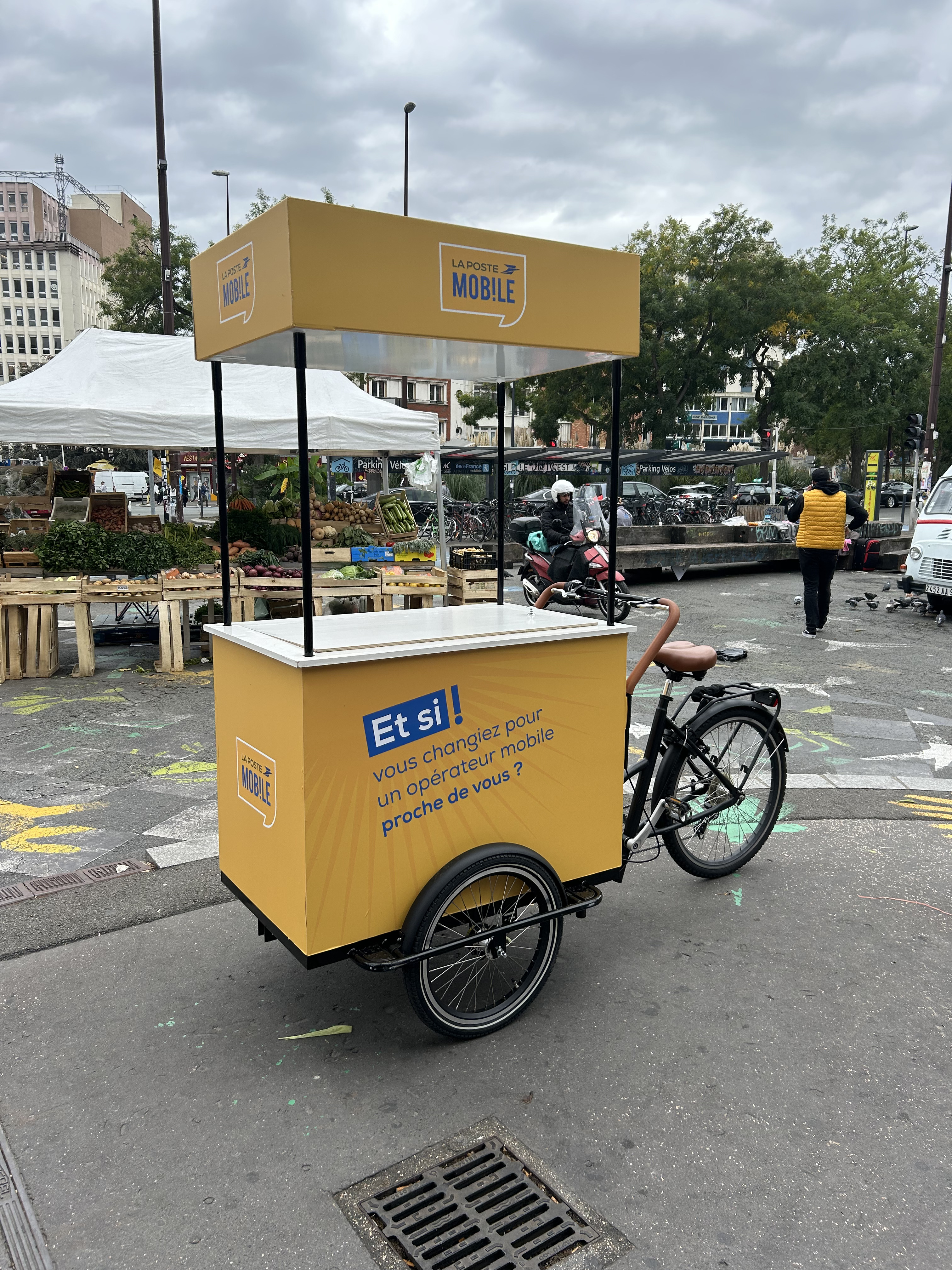
INNOV'events supports executives, HR and communication teams with Promotional Materials (POS) for corporate events in Antwerp, from first layout to on-site installation and dismantling. Typical formats: branded counters, backwalls, roll-ups, wayfinding, tabletop signage, giveaway displays and sponsor visibility for 50 to 3,000+ attendees. We handle vendor coordination, print specs, venue constraints, and last-minute contingencies so your team can focus on content and stakeholders.
Sommaire
In a corporate event, Promotional Materials (POS) are not “decor”: they are the physical layer of your message. When signage, counters and wayfinding are consistent and readable, people move faster, queues shorten, sales conversations start earlier, and brand perception stays controlled—especially when leadership is present.
In Antwerp, many events happen in multi-tenant venues, historic buildings, or logistics-heavy sites near the ring and the port area. Organizations expect POS that installs quickly, respects safety rules, looks premium under mixed lighting, and survives high footfall without looking tired after one hour.
We are a Brussels-based agency with frequent operational deployments in Antwerp (venues, suppliers, riggers, couriers). Our value is practical: correct print specs, realistic production lead times, and a field team that knows how to deliver and install without disrupting your agenda.
Antwerp decision-makers ask for proof, not promises
10+ years coordinating corporate event production in Belgium, including recurring deployments in Antwerp.
Operational capacity from 50 to 3,000+ attendees, with POS packs adapted to plenaries, breakouts, expo corners and networking zones.
1 single point of contact from brief to dismantling, plus an on-site production lead when installation requires coordination with venue staff and safety officers.
Most POS deliveries planned with a 48–72h contingency window (reprints, replacements, transport reroutes) because “print is never late until it is”.
Antwerp deployment experience that fits corporate realities
We support Belgian and international organizations that operate in and around Antwerp—from HQ teams to local business units—often on recurring formats (annual kick-offs, customer days, recruitment events, partner roadshows). When a company repeats the same event year after year, POS becomes a system: templates, color standards, hardware inventory, naming conventions, and a repeatable installation plan.
If you have internal brand teams in Brussels and operations in Antwerp, we are used to bridging the gap: translating brand guidelines into print-ready files, validating materials and finishing, and ensuring your local team has the right assets on the right day. For reference names, please share the list you want us to include and we will integrate them in this section in a compliant way.
What clients typically appreciate is not a “creative concept” but operational reliability: correct quantities per zone, signage placed where people actually look, and a plan for late agenda changes (room swap, speaker cancellation, extra sponsor, last-minute VIP flow).
 Besoin d’un devis rapide ?
Nous vous envoyons une première proposition sous 24h.
Why invest in POS for a corporate event in Antwerp
For leadership teams, Promotional Materials (POS) are a governance tool: they set the tone, protect the brand, and reduce friction on site. For HR and communication teams, they make the story visible and consistent across touchpoints—registration, stage, breakouts, catering, demo corners, and social content capture.
Control brand perception: consistent typography, logo clear space, and color accuracy prevent “home-made signage” from undermining executive messaging.
Shorten attendee confusion: wayfinding that respects human behavior (decision points, line of sight, multilingual cues) reduces late arrivals and session interruptions.
Increase engagement in key zones: well-positioned counters, demo cards and call-to-action signage create conversations where you need them (partners, recruitment, product adoption).
Support sponsor value: clean, contract-compliant visibility placements reduce friction with partners and help justify sponsorship pricing in the next cycle.
Enable better content capture: a correct step-and-repeat or branded interview corner produces usable photos and videos for internal comms, LinkedIn, press and recruitment.
Reduce operational stress: clear labels, storage signage, and backstage prints help staff and suppliers perform without constant verbal instructions.
Antwerp has a pragmatic business culture: people notice if something is “sloppy” or if it is engineered properly. Good POS signals preparation, seriousness and respect for stakeholders’ time—exactly what directors want to convey.
What Antwerp venues and stakeholders expect from POS
Local constraints are not theoretical. In Antwerp, you will often deal with strict loading/unloading slots, limited elevator access, and security procedures—especially in prominent venues or when your event shares infrastructure with other tenants. POS must be planned around these realities: modular formats, predictable packaging, and a clear installation sequence.
We also see strong expectations around bilingual or international audiences (English plus Dutch or French depending on company profile). This impacts layout and readability: font size, line length, and iconography. A roll-up that looks fine in a studio can become unreadable in a corridor with reflective flooring and backlight.
Another frequent local reality is the coexistence of “premium” and “industrial” aesthetics in the same city: historic venues, modern conference infrastructure, and port-adjacent spaces. Materials and finishing must match the setting. Foamboard can be perfect for a short internal town hall, while dibond, fabric frames or high-quality polypropylene may be required when you expect executives, customers, or press.
Finally, Antwerp audiences move fast. If registration is slow, or if the plenary entrance is not clearly signposted, your first 15 minutes are lost—and the perception sticks. Good POS is a time-management tool as much as a branding tool.
Which POS formats increase engagement at Antwerp corporate events
POS is often the silent driver of engagement: it tells people what to do next without staff repeating instructions. In Antwerp, where many corporate formats mix plenary content with partner corners or recruitment messaging, the right POS formats keep the event moving and reduce pressure on your teams.
Interactive animations in Antwerp
QR-driven journey signage: not just “scan me”, but structured calls-to-action (download the deck, book a demo slot, answer a pulse survey). We set QR size and placement to match scanning distance and light conditions, and we recommend a short URL fallback.
Live polling walls: a branded panel where teams see aggregated results in real time (on-screen) while the physical signage explains the process in 3 steps. Works well for leadership town halls where HR wants participation without slowing the agenda.
Workshop station packs: tabletop signage, session objectives, and role cards that make breakouts self-explanatory. This is practical when facilitators change last minute or when you rely on internal SMEs.
Art animations in Antwerp
Stage architecture and backwalls: fabric frames or modular walls that look clean on camera. We align stage POS with camera angles and ensure sponsor placement remains readable without dominating the leadership message.
Exhibit-style product storytelling: timeline panels, feature cards, and comparison tables printed for quick reading. Useful when sales teams want consistency across speakers and demo staff.
Corporate heritage corners: curated prints (not “museum style”, but concise) that make sense for anniversaries, acquisitions, or leadership transitions. Often used in Antwerp when inviting partners from the port ecosystem.
Innovative animations in Antwerp
Catering labelling that prevents friction: allergen signage, vegetarian/halal indicators, and queue guidance. This is a small POS investment that materially improves attendee experience and reduces complaints to HR/Comms.
Branded beverage points: discreet but premium signage on coffee stations and bars, avoiding clutter. We often recommend one strong hero element (header board) instead of multiple small prints that look messy.
Take-away packaging: sleeves, stickers or cards with a clear call-to-action (e.g., “book a follow-up”, “download the recap”). This turns catering into a communication channel without being intrusive.
Gourmand animations in Antwerp
Reusable modular POS systems: aluminum frames, magnetic panels, and interchangeable fabric skins. For companies with recurring events in Antwerp, this reduces waste and stabilizes budgets over 12–24 months.
Wayfinding designed like an airport: fewer signs, better placed—at decision points. We use consistent pictograms and color coding so attendees can navigate without reading paragraphs.
Hybrid-ready branding: a small “studio corner” with correct lighting guidance, mic flags, and a clean branded background to record internal interviews or customer testimonials during the event day.
The best POS choices are the ones that protect your brand image while supporting operations. We always validate: what does the CEO want to be seen next to, what does HR want to avoid (crowding, confusion), and what does Communications need for post-event content.
Which venue types in Antwerp work best for POS-heavy events
The venue determines what is possible with Promotional Materials (POS): wall permissions, rigging points, ceiling height, lighting, acoustics, load-in routes, and storage. In Antwerp, we recommend choosing the venue after you’ve clarified whether your event is mainly plenary-led, expo-led, or flow-led (many parallel touchpoints). That choice dictates the POS plan.
| Venue type | For which objective? | Main strengths | Possible constraints |
|---|---|---|---|
| Conference venue / business center | Leadership town halls, product updates, partner conferences with structured agenda | Built-in AV, predictable attendee flow, clear registration and breakout logistics; easier to deploy consistent wayfinding and stage branding | Branding restrictions on walls; strict load-in slots; limited “industrial” impact if you want a bold expo look |
| Industrial / port-adjacent spaces | Employer branding, innovation showcases, customer days requiring a strong “ecosystem” feel | Large surfaces for modular backwalls, demo islands, vehicle/product displays; strong visual impact for photo/video | Heating, acoustics, power distribution; additional safety signage and barrier needs; more complex transport and crew planning |
| Historic venues and city landmarks | Executive receptions, stakeholder evenings, premium networking formats | High perceived value; elegant backdrop for discreet POS (directional signage, menus, small brand moments) | Very strict attachment rules; limited back-of-house; careful material choices to avoid damage; fire safety requirements can be stricter |
We strongly recommend a site visit (or at least a technical recce) before finalizing print formats. A 2 cm miscalculation on a stage header or a wrong mounting assumption can force expensive last-minute fixes. Site visits also help us plan where to hide packaging and how to keep public areas clean.
What a POS budget looks like in Antwerp for corporate events
Pricing for Promotional Materials (POS) in Antwerp depends on scope and operational complexity—not only on “how many roll-ups”. The cost is driven by design workload, print substrates, finishing, transport, installation crew needs, and the level of contingency you want to secure.
Quantities and format mix: a small internal event may need 5–15 items (roll-ups, directional signs, stage banner). A conference with partner corners can easily reach 40–120+ individual elements including tabletop signage and labelling.
Substrates and durability: foamboard is cost-effective but dents fast; fabric frames look premium and travel well; dibond is durable but heavier and more expensive to transport.
Installation constraints: if the venue forbids tape or wall fixes, you need freestanding structures. If installation must happen outside business hours, crew rates and access costs increase.
Graphic production: adapting one master file is quick; building a full signage system with bilingual content, icons, maps, and session templates takes more time but prevents on-site confusion.
Logistics and risk buffer: courier costs, parking permits, lift access, and a planned reprint allowance can be the difference between a calm morning and a crisis.
From an ROI perspective, POS is one of the rare event lines that improves both brand control and operational efficiency. If your senior stakeholders are present, the real cost is not the print—it’s the reputational impact of inconsistent branding or poor on-site navigation.
When choosing an Antwerp partner for POS becomes a risk decision
On paper, POS is “just printing”. In reality, it is the intersection of brand governance, logistics, and on-site execution. Working with a team that is operationally familiar with Antwerp reduces risks: tighter coordination with local suppliers, faster troubleshooting, and fewer surprises related to access, timing and venue rules.
When you need a broader event scope (content flow, supplier coordination, staging, staff), it is often more efficient to centralize accountability with a single production lead. If you are comparing options, you can also evaluate the difference between a print shop and an agency: the agency owns the placement logic, the inventory list, and the on-site sign-off—so your internal teams are not stuck managing details under time pressure.
For organizations that want one partner accountable for the full on-site experience, we can integrate POS production into a complete event delivery via our event agency in Antwerp coordination model.
- Faster decision cycles: fewer back-and-forth loops between design, print, and venue approvals.
- Better contingency: local reprint options and short-notice delivery reduce the “single point of failure” risk.
- On-site accountability: one team validates placements, checks finishes, and solves issues without escalating everything to your Comms lead.
- Compliance and safety: awareness of fire-retardant requests, rigging constraints, and venue-specific branding rules.
From an ROI perspective, POS is one of the rare event lines that improves both brand control and operational efficiency. If your senior stakeholders are present, the real cost is not the print—it’s the reputational impact of inconsistent branding or poor on-site navigation.




Examples of POS projects delivered around Antwerp
In practice, our POS work in Antwerp ranges from compact executive events to complex multi-zone conferences. A common scenario: a leadership day with a plenary stage, 6–10 breakouts, and a partner corner. The POS pack typically includes a stage backwall (camera-friendly), session signage by room, a registration counter wrap, directional signs at decision points, tabletop cards for workshop instructions, and a branded photo/interview corner for Communications.
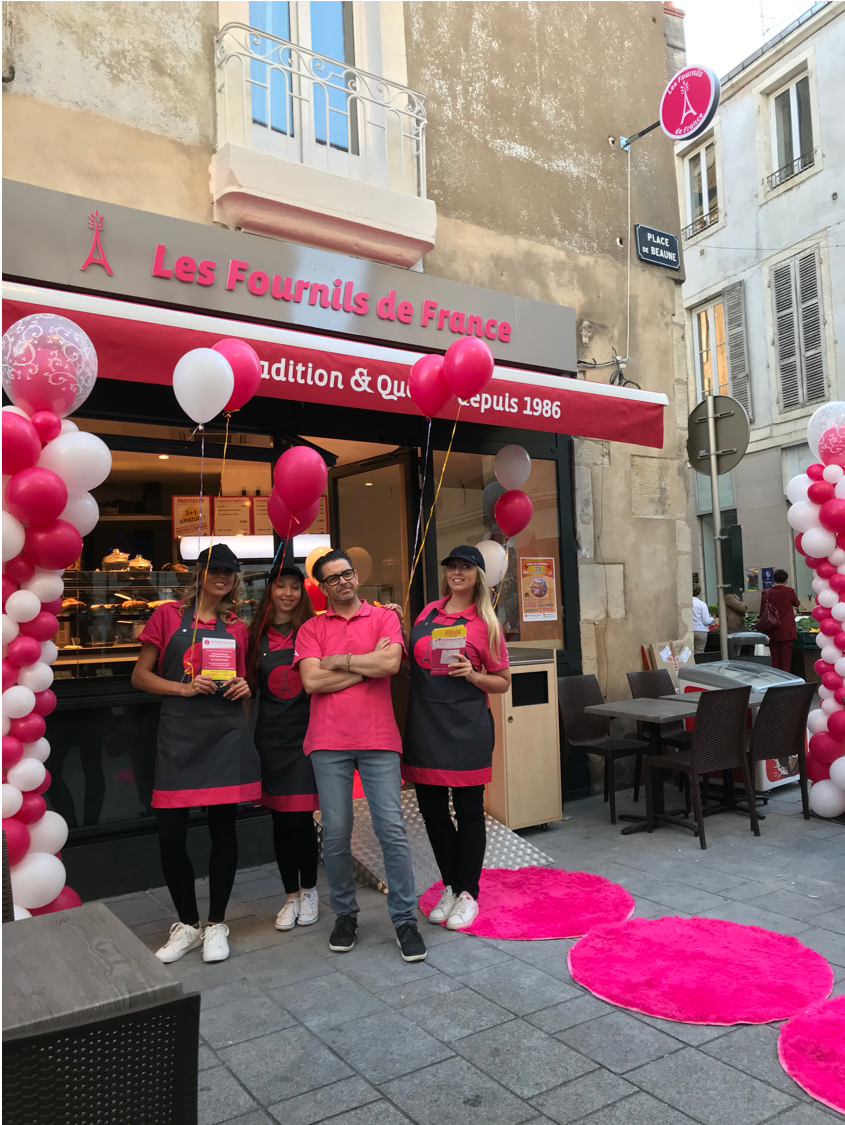
Another frequent situation is an HR-driven employer branding day: recruitment messages must be present without looking like a trade show. We structure the space with clear “zones” (welcome, culture, roles, applications, Q&A), each supported by consistent signage and a few hero elements. This reduces repetitive explanations by recruiters and keeps the flow smooth—even when there is a peak at opening time.
We also handle sponsor-heavy partner events where contract compliance matters: logo sizing, placement hierarchy, and minimum visibility obligations. Here, we build a sponsor matrix and map it to physical placements (stage, networking, digital screens, print) to avoid last-minute conflicts that your executive sponsor would rather not manage.
Common POS mistakes we prevent in Antwerp
Printing before confirming venue rules: adhesive bans, height limits, or “no branding in certain areas” can make finished prints unusable.
Underestimating installation time: a large backwall, multiple counters and wayfinding can take 2–6 hours depending on access and crew size.
Wrong readability assumptions: fonts too small, low contrast, or glossy finishes that reflect light and become unreadable from 3–10 meters.
Missing bilingual consistency: mixed language logic confuses attendees and looks unprofessional for international stakeholders.
No spares: one damaged roll-up or one wrong agenda print can create visible gaps at critical points (registration, plenary entrance).
Unmanaged sponsor hierarchy: logos placed without clear rules create internal escalation (“why are we smaller than them?”) on the worst possible day.
Our role is to remove these risks through a controlled list of deliverables, technical validation, and on-site checks. It is less about creativity and more about disciplined execution under real event conditions in Antwerp.
Why Antwerp clients keep the same POS partner year after year
Loyalty in corporate events is rarely emotional. Companies return because the partner reduces internal workload, protects the brand, and keeps event day stable even when the agenda changes. With Promotional Materials (POS), repeatability is a real asset: once your system works, you do not want to reinvent it every year.
Typical repeat-client pattern: a stable core pack (stage + wayfinding + registration) reused across 2–4 events/year, with only content skins updated.
Operational efficiency gain we aim for from year 1 to year 2: reduce POS decision time by 30–40% thanks to templates, inventory lists and validated formats.
Sustainability lever: shift from single-use boards to reusable frames can cut waste volume by 50–80% depending on the event format and storage options.

When a client renews, it is the clearest proof that the work was dependable under pressure. In Antwerp, where timelines are tight and stakeholders demanding, that reliability matters more than “new ideas” every time.
How we deliver POS in Antwerp without last-minute surprises
👉 Antwerp brief intake and stakeholder alignment
We start with a short, structured intake with HR/Comms and the executive sponsor: event objective, audience profile, sponsor obligations, brand rules, languages, and the “must-not-fail” areas (usually registration, stage, executive moments). We also define who approves content and who can make last-minute decisions on site.
👉 POS mapping by attendee journey in Antwerp
We map the attendee path and identify decision points. Then we propose a POS list by zone (arrival, registration, plenary, breakouts, catering, networking, exits) with quantities and recommended formats. This avoids the classic issue of having many assets but missing the two signs that would have prevented congestion.
👉 Design adaptation and print-ready validation for Antwerp venues
We adapt your brand assets into print-ready files with correct bleed, safe margins and contrast. We validate substrates, finishing and mounting methods against venue constraints (no tape, no drilling, fire-retardant requirements). Where relevant, we produce a proof or color reference to avoid surprises under event lighting.
👉 Production, logistics planning and contingency buffer for Antwerp
We coordinate production timelines and transport. For critical items (stage/backwall, primary wayfinding), we plan a contingency: spare prints or an alternate production path. If your agenda is not frozen, we prepare editable templates for quick reprints.
👉 On-site installation, sign-off and dismantling in Antwerp
We install according to an agreed placement plan, then walk the site with your point of contact for sign-off. We check readability, alignment, sponsor hierarchy, and safety. After the event, we dismantle, pack, and can store reusable elements (or coordinate your internal storage) to reduce future costs.
FAQ sur l'organisation Promotional Materials (POS) à Antwerp
How fast can you deliver POS for an event in Antwerp?
Standard lead time is 7–15 business days for design adaptation, production and logistics. For urgent needs, some items (roll-ups, simple boards) can be produced in 48–72 hours if content is approved and venue access is confirmed.
What is a realistic POS budget range in Antwerp?
For a small corporate event, a practical range is €800–€3,000 (core signage + a few branded elements). For a conference with multiple zones and sponsor visibility, it often lands between €4,000–€15,000+, depending on materials, quantities and installation constraints.
Do Antwerp venues allow wall branding and adhesive signage?
Many venues restrict adhesives, drilling or wall mounting—especially in premium or historic spaces. We assume restrictions by default and propose freestanding solutions (frames, bases, counters). We confirm rules during the technical recce to avoid unusable prints.
Can you manage bilingual POS content for Antwerp audiences?
Yes. We typically produce English + Dutch or English + French depending on audience. The key is not translation alone: we adjust layout to keep readability at distance (font size, line length, icon support) and we keep terminology consistent across all touchpoints.
Who installs and removes POS on the day in Antwerp?
We can provide an on-site production lead plus installation crew, or coordinate with the venue’s approved suppliers when required. Installation time is usually 1–2 hours for a small pack and 3–6 hours for a multi-zone setup with stage structures and extensive wayfinding.
Request a POS plan and quote for Antwerp
If you want Promotional Materials (POS) in Antwerp that are consistent, readable, and operationally safe, send us your event date, venue (or short list), attendee count, and brand guidelines. We will reply with a practical POS list by zone, a timeline, and a budget range—so you can decide quickly and avoid late production stress.
When possible, involve us early (ideally 3–6 weeks before the event). Early planning is what allows controlled design approvals, proper venue validation, and contingency options without inflating costs.
INNOV'events Antwerp Agency
Justin JACOB is the manager of the INNOV'events Antwerp office. Reach out directly by email at belgique@innov-events.be or via the contact form.
Contact the Antwerp agencyToutes nos prestations & animations Antwerp, Belgique
Découvrez nos prestations événementielles
Découvrez nos animations événementielles disponibles au Belgique
- Event Hostess in Antwerp
- Escape Game in Antwerp
- MasterChef Cooking Workshop in Antwerp
- Magician in Antwerp
- Marquee Rental in Antwerp
- Color Analysis Workshop in Antwerp
- Inflatable Games in Antwerp
- Valet Parking Service in Antwerp
- Football Simulator in Antwerp
- LED Furniture Rental in Antwerp
- Light Branding in Antwerp
- Unique Dining Experience in Antwerp
- Light Painting in Antwerp
- Murder Mystery Party in Antwerp
- Prize Contest in Antwerp
- Promotional Displays (POS) in Antwerp
- Virtual Reality in Antwerp
- Molecular Gastronomy Workshop in Antwerp
- Halloween Entertainment in Antwerp
- Fireworks Show in Antwerp
- Giant Games Challenge in Antwerp
- Event Host / MC in Antwerp
- Photo Booth Animation in Antwerp
- Santa Claus Entertainment in Antwerp
- Kids Entertainment in Antwerp
- Guided Tour in Antwerp
- Urban Rally in Antwerp
- Ball Pit in Antwerp
- Flight Simulator in Antwerp
- Food Truck Rental in Antwerp
- World Record Challenge in Antwerp
- Surf Simulator in Antwerp
- Wine Casino in Antwerp
- Makeover Workshop in Antwerp
- Perfume Creation Workshop in Antwerp
- Acting Workshop in Antwerp
- CSR Activities in Antwerp
- Archery in Antwerp
- Security Staff in Antwerp
- Wine Tasting in Antwerp
- Mime Performer in Antwerp
- TV Game Show in Antwerp
- Funfair in Antwerp
- Crisis Management Workshop in Antwerp
- Crisis Negotiation Workshop in Antwerp
- Arcade Games in Antwerp
- Indoor Skydiving Simulator in Antwerp
- Ski Simulator in Antwerp
- Racing Circuit Experience in Antwerp
- Introductory Flight Experience in Antwerp
- Tasting Experience in Antwerp
- Build Your Own Foosball Workshop in Antwerp
- 2CV Rally in Antwerp
- LEGO Challenge in Antwerp
- Casino Night in Antwerp
- Interpreter / Translator in Antwerp
- Promotional Giveaways in Antwerp
- Shuttle Transport in Antwerp