
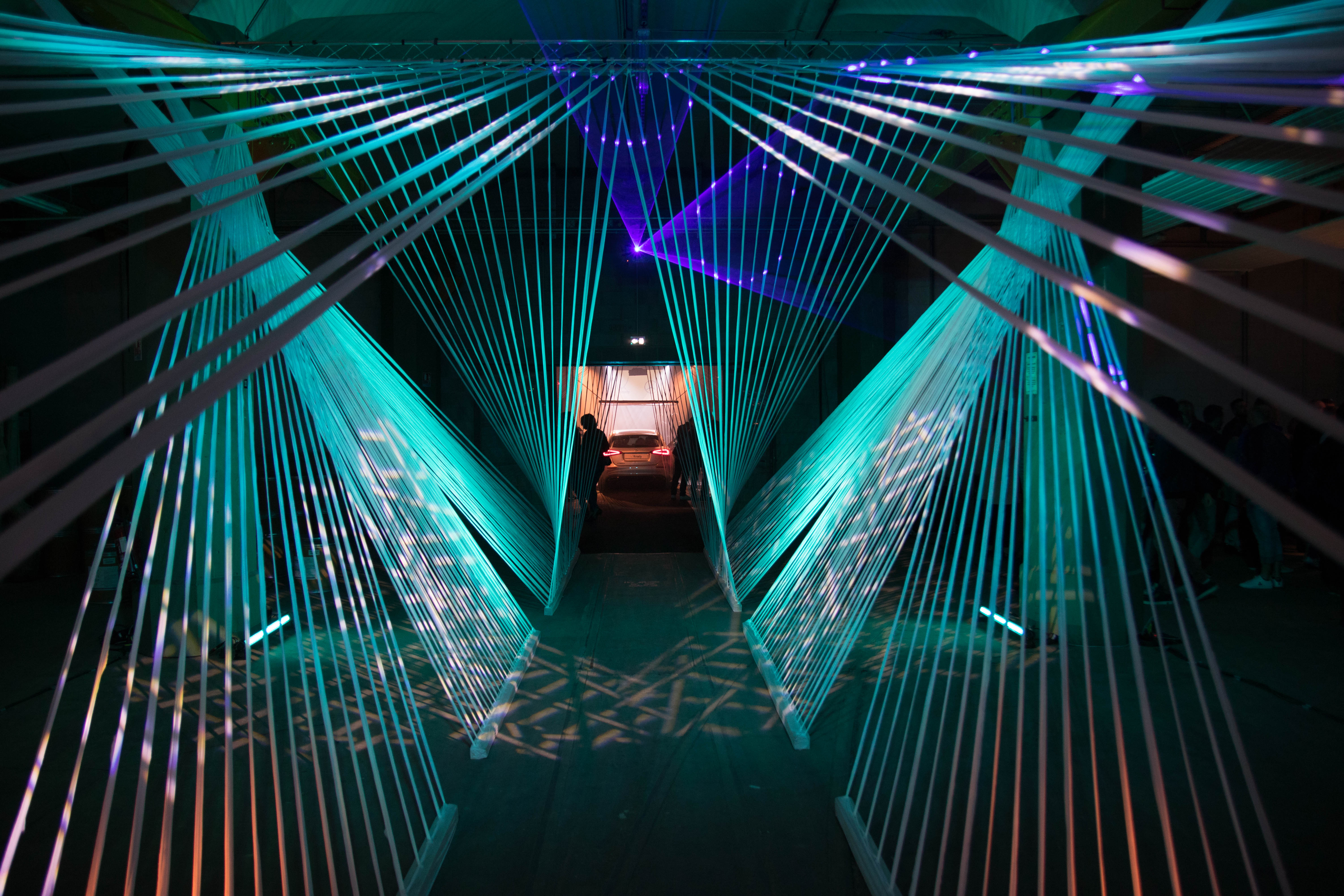
Event Scenography in Antwerp that protects your brand and timeline
INNOV'events is a Brussels-based agency delivering Event Scenography for corporate events in Antwerp, typically from 80 to 2,000+ attendees. We handle the full chain: creative concept, technical production, staging, supplier coordination, rehearsals, and on-site show-calling. Your team gets one accountable lead and a documented plan that holds up under executive scrutiny.
Table of contents
For leaders and communication teams, scenography is not “decor”: it’s the tool that controls what people understand in the room—your strategy, your culture, and your priorities. When the stage, screen content, lighting and room flow are coherent, the message lands faster and Q&A becomes constructive instead of chaotic.
In Antwerp, expectations are pragmatic: a premium look without wasted spend, a schedule that respects business hours, and technical reliability in venues with strict load-in rules. HR wants a set that feels inclusive and comfortable; Comms wants camera-ready angles; executives want zero surprises on the day.
We bring Brussels-level production discipline with local execution in Antwerp: vetted crews, realistic rigging plans, and supplier coordination that fits port-city logistics and venue constraints. You get clear drawings, run-of-show documents, and a production method designed for pressure.
Antwerp-ready production numbers you can validate
10–12 weeks: typical lead time for a conference scenography with custom scenic elements and multi-camera needs in Antwerp.
1 accountable project lead + 1 technical director assigned per event, from initial brief to strike, to avoid the “handover gap” that creates last-minute issues.
24–48 hours: turnaround for first concept directions (moodboards + spatial intent) after a qualified brief, including a realistic range budget.
0 unmanaged suppliers on show day: all technical and scenic partners work under one show-call and one version of the run sheet.
How to organize a professional event in Antwerp?
- Define the objective (cohesion, announcement, fidelity, performance).
- Set date, format and size (20–1 000 people).
- Secure the venue and accommodation according to seasonality.
- Lock down technical, suppliers and logistics.
- Drive the day J (timing, scene, entrance, flow).
How we support Antwerp teams year after year
We regularly work with organisations that have decision centres or major sites in Antwerp and the wider province, where consistency matters: recurring leadership town halls, annual client events, internal culture moments after restructurings, and partner conferences tied to international calendars.
In practice, repeat collaboration happens when an internal team is tired of reinventing the wheel: each year a new venue, new speakers, and different risk points—yet the same brand and the same expectations. We build reusable scenography assets (stage geometry, content templates, lighting looks, signage logic) so your event gets better every edition, not just different.
If you want us to reference specific local projects or sectors, we do it transparently: what the objective was, what constraints existed (access times, union rules, noise restrictions, camera lines), and what we delivered. For confidentiality reasons, we share identifiable client names only in a direct conversation under NDA when needed—common practice with executive events in Antwerp.
We send you a first proposal within 24h.
Why invest in Event Scenography for Antwerp leadership events
When you bring people together in person, you’re buying attention—one of the scarcest resources in any organisation. Event Scenography in Antwerp is what converts that attention into clarity: it structures the room, supports the narrative, and reduces friction for speakers and participants.
Executives often underestimate how much time is lost when the environment is not designed: delayed starts, awkward transitions, poor sightlines, sound fatigue, and “dead time” that drains energy. Scenography is the operational answer to those problems, not a cosmetic layer.
Message retention and decision speed: a stage that supports the story (opening, chapters, proof points, closing) shortens discussions afterwards because people share the same understanding.
Leadership presence without overproduction: correct camera angles, confident lighting, a lectern that doesn’t hide the speaker, and controlled walk-on music create authority without looking theatrical.
HR impact you can feel: seating comfort, accessibility paths, and legible wayfinding reduce cognitive load—participants are more available for workshops, onboarding moments or recognition sequences.
Risk management: a documented technical plan (rigging, power distribution, backup audio paths) reduces the chance that a single point of failure disrupts a key announcement.
Employer brand and client trust: in Antwerp, where many stakeholders are international, the room must look credible on camera and in recap content—especially for B2B relationships.
Antwerp is a city where industry, logistics and international trade meet fast-moving corporate realities. A well-designed scenography respects that culture: direct, efficient, and built to deliver outcomes on time.
What Antwerp stakeholders expect from corporate scenography partners
Working in Antwerp means planning for real constraints, not just creative ambitions. Load-in windows can be tight, especially in venues with shared schedules; parking and truck access can be restricted; and some locations require precise documentation (fire safety, hanging points, cable routing, maximum sound levels).
Local corporate teams typically ask for three things—often in the same sentence: a premium visual result, a robust technical backbone, and a budget that can be explained to procurement. That translates into disciplined choices: where custom scenic build creates impact, where rental is smarter, and how to avoid “hidden” costs such as extra crew hours, overtime, or last-minute content re-exports.
There is also a strong sensitivity to language and audience diversity. Many Antwerp events are bilingual or international. Scenography has to support this operationally: screen formats that keep subtitles readable, audio reinforcement that remains clear for non-native listeners, and stage blocking that works for panel discussions with mixed speaking styles.
Finally, Antwerp’s port and industrial ecosystem creates specific schedules: early starts, late finishes, or events aligned with shift changes. We design production plans that respect those rhythms while still leaving time for rehearsals—because the rehearsal is where executive confidence is built.
Which event entertainment works best in Antwerp corporate settings
Corporate event entertainment in Antwerp should never compete with the message—it should support attention, transitions and networking. We treat entertainment as a tool: it can reset energy after heavy content, facilitate interaction, and create a sense of progression across the agenda.
The right choice depends on your audience profile (executives vs mixed teams), the brand’s tone, and the venue’s technical possibilities. Below are options we implement regularly with scenography, so they feel integrated rather than “added on”.
Interactive animations in Antwerp
Guided audience interaction with live polling: useful during strategy updates or change programmes. We embed questions into the screen content and plan a moderator rhythm so results appear as a narrative device, not a gimmick.
Networking scenography zones: branded conversation corners with clear themes (innovation, HR benefits, client success). These zones work especially well for Antwerp events where guests arrive from different business units and need a reason to mix.
On-stage case interview formats: instead of a classic keynote, we design a talk-show set (chairs, side table, practical lighting) and coach transitions to keep discussions crisp and camera-friendly.
Art animations in Antwerp
Music accents for walk-ons and transitions: short, controlled cues aligned with your brand tone. The value is timing: we rehearse cues so no one is speaking over music and the room stays professional.
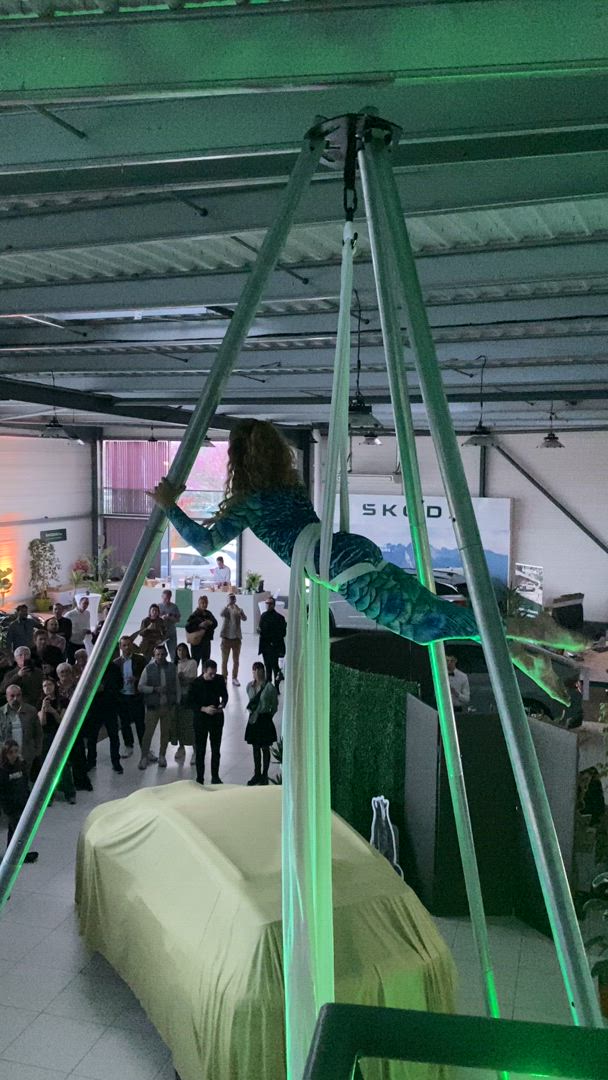
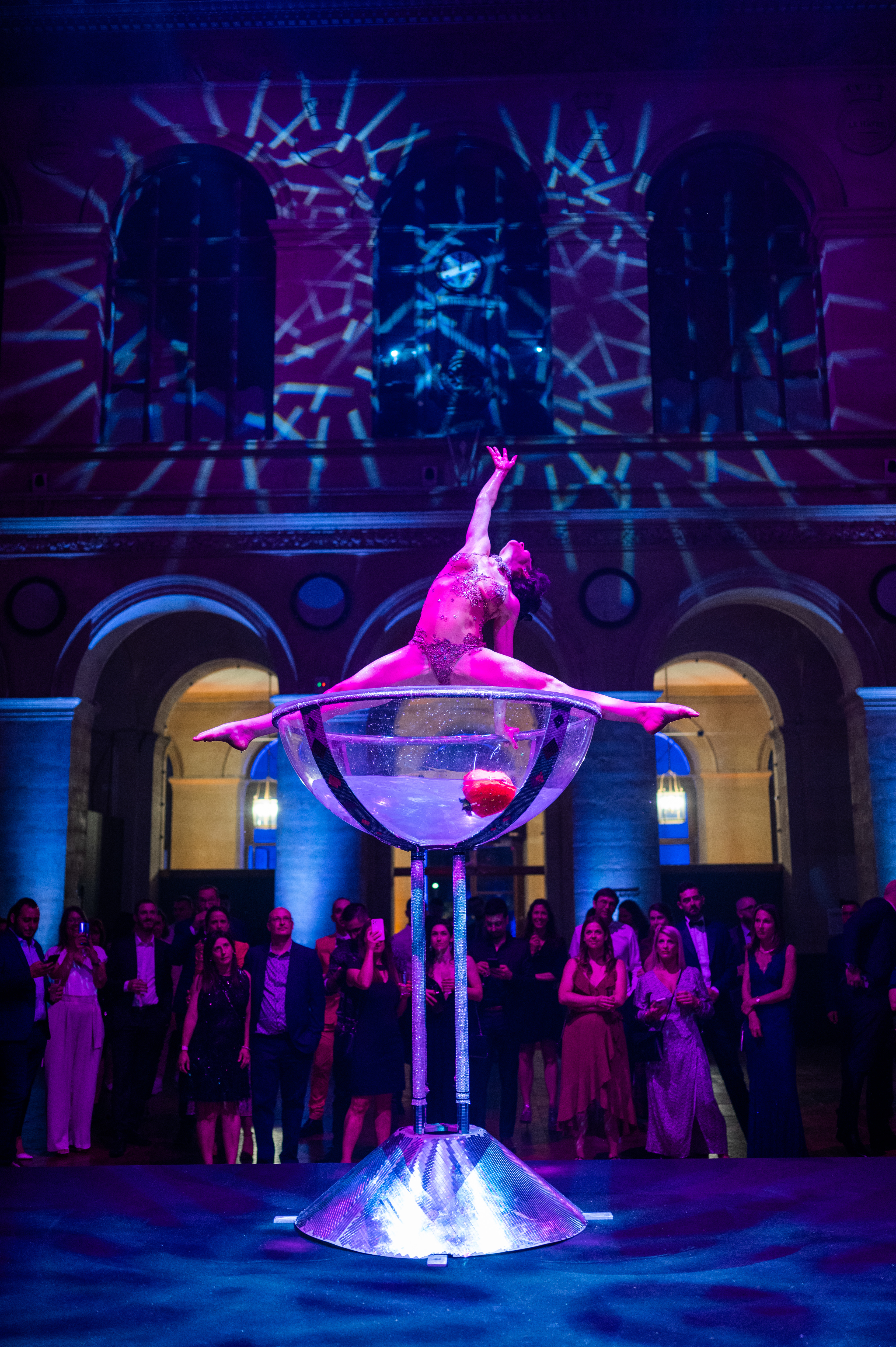
Visual performance as opening moment: when appropriate, we integrate a brief performance that ties to the theme (for example: “port to future”, “craft to technology”). The scenography is planned so it reads clearly from the back rows and on camera.
Corporate-friendly stage design for awards: we build a clean awards moment (step-and-repeat alternative, lighting marks, photo position) to avoid the typical congestion and awkward handovers.
Innovative animations in Antwerp
Scenographed tasting stations: rather than a buffet line, we design stations with signage and flow to reduce queues. In Antwerp, this is particularly appreciated in venues where breakout spaces are narrow.
Timing-based service cues: we coordinate lighting and audio cues with catering service so food moments don’t collide with key announcements or speeches.
Gourmand animations in Antwerp
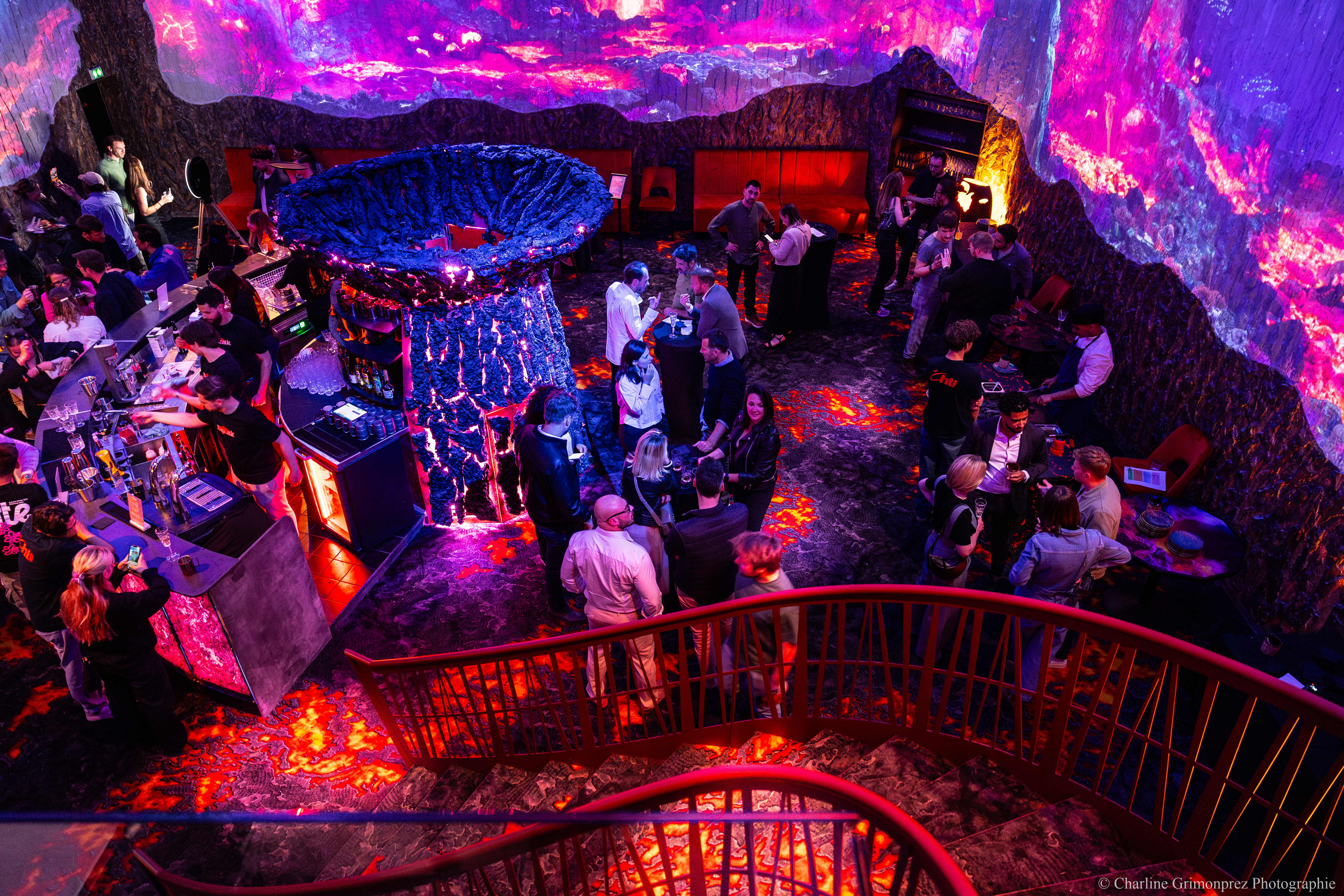
Immersive content on LED or projection: we create a “chapter” system—each agenda part has its own visual world. This keeps the room coherent and helps speakers anchor their story.
Hybrid-ready scenography: for audiences split between Antwerp and other sites, we design stage and lighting specifically for cameras (key light, back light, screen brightness control) so remote participants receive a professional signal.
Wayfinding and digital signage logic: not flashy screens everywhere—just the right touchpoints to move people efficiently and reduce staff workload.
Whatever the format, we align entertainment choices with your brand image and the business goal: client reassurance, internal mobilisation, or leadership clarity. In scenography, what you choose matters less than how well it is integrated into the run-of-show and the space.
How to choose a venue in Antwerp for scenography constraints
The venue determines what is physically possible: rigging points, ceiling height, power availability, loading access, acoustic behaviour, and rehearsal time. For Event Scenography in Antwerp, selecting the right type of space often saves more budget than negotiating supplier day rates—because it reduces labour time and technical workarounds.
| Venue type | For which objective? | Main strengths | Possible constraints |
|---|---|---|---|
Conference hotel in Antwerp | Leadership meeting, town hall, client seminar with tight agenda | Built-in AV options, predictable acoustics, catering logistics, easy guest journey | Limited rigging, restrictions on smoke/haze, ballrooms can feel generic without scenic build |
Industrial/warehouse-style space (port area) | Brand launch, partner event, product storytelling with strong visual identity | High ceilings, large-scale scenic possibilities, strong “Antwerp industry” feel | Higher technical costs (power, heating, acoustics), more safety documentation, longer build/strike |
Museum or cultural venue in the province | Executive dinner, keynote + reception, premium stakeholder moment | Immediate prestige, strong architecture, great for photography | Strict rules (sound level, floor protection, load-in), limited time on site, careful cable routing |
We strongly recommend a site visit before locking the concept. A 60–90 minute walkthrough in Antwerp with your lead stakeholder and our technical director typically surfaces the real constraints early: where the truck can park, which doors are usable, where FOH can sit, and what the ceiling can actually carry.
How much Event Scenography costs in Antwerp (real ranges)
Pricing for Event Scenography in Antwerp depends on scale, complexity and risk appetite. A clean, executive-grade result is less about “more gear” and more about correct engineering, sufficient crew hours, and the right scenic choices.
To help you benchmark, these ranges are common for corporate events in the Antwerp market (excluding VAT, subject to venue and scope):
- €15,000–€35,000: solid conference look (stage, basic scenic elements, professional lighting, sound reinforcement, single screen/projection, show-calling).
- €35,000–€85,000: premium scenography with custom scenic build, multi-screen/LED, advanced lighting looks, more rehearsal time, and stronger content integration.
- €85,000–€180,000+: large-scale plenary or brand moment with substantial scenic construction, multi-camera/hybrid readiness, complex rigging, and multiple spaces.
Venue technical baseline: built-in rigging, power, and acoustics can reduce or increase cost significantly.
Screen choice: LED walls offer punch and camera quality but require power, processing, and control; projection is lighter but depends on ambient light and throw distance.
Scenic build vs rental: custom carpentry increases impact and brand fit; modular rental can be smarter for recurring formats.
Rehearsal and content readiness: lack of rehearsal is a hidden risk cost. We budget time for speaker run-through and cue checks.
Labour and access windows: short load-in windows in Antwerp often mean more crew or night hours—this is where “cheap” quotes can become expensive.
Safety and compliance: fire-rated materials, certified rigging, and proper cable management are non-negotiable and must be budgeted transparently.
From an ROI perspective, the right budget is the one that protects the objective: a strategy message that lands, a client event that reassures, or an HR moment that retains talent. We can value-engineer without downgrading credibility—by prioritising sightlines, audio clarity, and show discipline first.
When to hire an event agency in Antwerp for scenography delivery
For scenography, local presence is operational, not symbolic. Working with a team that is active in Antwerp improves reliability because it reduces uncertainty around access, local crew availability, and venue-specific rules that rarely appear in brochures.
It also speeds up decision-making. When a venue proposes a different loading dock time or when your leadership changes the agenda late, local production teams can adapt faster—without adding unnecessary risk or cost.
If you’re comparing agencies, look for tangible indicators: who will be your day-of show caller, how many site visits are included, how supplier contracts are handled, and whether the agency can defend a rigging plan and a power plan in front of venue technical management.
When you need broader support beyond scenography, you can also rely on our local network as an event agency in Antwerp to consolidate production, logistics, and guest experience under one accountable structure.
- Faster troubleshooting: local crews and suppliers can intervene rapidly if an element fails or a delivery is delayed.
- Better cost control: fewer transport kilometres, less hotel accommodation, and more realistic labour planning in line with Antwerp access windows.
- Venue fluency: understanding practical constraints (noise curfews, floor protection, rigging limitations) before they become change orders.
- On-site continuity: one production method across build, rehearsal, show and strike—reducing the common “different teams, different info” problem.
From an ROI perspective, the right budget is the one that protects the objective: a strategy message that lands, a client event that reassures, or an HR moment that retains talent. We can value-engineer without downgrading credibility—by prioritising sightlines, audio clarity, and show discipline first.






What our Antwerp scenography projects look like in real life
Our projects range from focused executive events to complex multi-space experiences. The common point is not style—it’s control: documented decisions, tested technical pathways, and scenography that supports the narrative.
Examples of situations we handle frequently in Antwerp:
- Leadership town hall after a restructuring: the CEO and HR need trust, not spectacle. We design a calm, bright stage with high speech intelligibility, use a clear chapter system on screen, and build audience interaction that lets people be heard without letting the session drift.
- Client event with international guests: we build a bilingual content system, ensure subtitles remain readable from the back, and design camera angles that capture speakers and audience reactions for post-event communication.
- Product or innovation reveal: we stage a controlled reveal moment (lighting blackout discipline, music cue, screen sync), then move into a demo flow with clearly designed stations so guests don’t cluster in one corner.
- Awards or recognition night: we plan stage traffic, photo positions, mic handovers and timing so the event remains elegant and on schedule—especially when executives must leave at a fixed time.
Across these formats, our scenography choices are always tied to the business goal, the venue reality, and the audience’s practical comfort.
Common scenography mistakes we prevent in Antwerp venues
Underestimating rehearsals: teams assume speakers will “manage”. In reality, a 45–90 minute rehearsal prevents most timing and confidence issues, especially with panels.
Choosing visuals before room engineering: a beautiful render that ignores sightlines, FOH placement, or screen brightness leads to costly on-site compromises.
Ignoring load-in constraints: tight access windows in Antwerp can trigger overtime and rushed builds—risking safety and finish quality.
Weak content governance: multiple departments editing slides at the last minute creates file chaos. We enforce naming conventions, export settings and a final lock.
Audio treated as an afterthought: if people strain to hear, everything feels longer and less credible. We prioritise speech coverage and backup microphones.
No plan for the “in-between moments”: walk-ons, award handovers, audience Q&A, and breaks require cues and flow design, or the event loses momentum.
Our role is to remove these risks early—through site checks, technical design, realistic crew planning, and a show-call method that keeps the room under control.
Why Antwerp clients keep the same scenography partner
Loyalty in event production is rarely emotional; it’s operational. Clients come back when their internal workload decreases, budgets become predictable, and event days stop feeling like a gamble.
For recurring programmes in Antwerp, we build a production memory: what worked, what didn’t, what the venue allowed, and how stakeholders behave under pressure. That memory turns into measurable gains—less rebriefing, fewer approvals, and fewer last-minute costs.
1 shared playbook: run-of-show templates, cue sheets, content specs, and checklists adapted to your brand and recurring format.
2–3 concept routes per edition: enough choice for decision-makers, without wasting weeks on options that cannot be built in the venue.
15–30% time saved for internal teams on recurring events: fewer supplier meetings, fewer technical debates, faster approvals (typical when the process is established).

When teams return, it’s because the scenography delivered a consistent result under real constraints. In our world, loyalty is the most credible reference.
Our Antwerp process from first brief to show-calling
👉 Antwerp discovery call and constraint mapping
We start with a structured call with the event owner (Comms/HR/EA) and one executive stakeholder when possible. We confirm objective, audience profile, success criteria, and non-negotiables (brand rules, confidentiality, security). We also map constraints: venue status, access times, union rules if any, languages, and hybrid requirements.
Deliverables: a written summary, initial risk list, and a first budget range aligned with realistic production pathways in Antwerp.
👉 Concept directions and scenography architecture
We translate your narrative into space: stage layout, screen strategy, scenic elements, lighting approach, and audience flow (arrival, plenary, breakouts, networking). We propose 2–3 directions that are buildable in the chosen venue type, not just nice visuals.
Deliverables: moodboards, spatial intent, preliminary tech outline (audio/video/lighting), and value-engineering options.
👉 Technical design, supplier booking, and documentation
We lock the technical architecture: rigging plan, power distribution, FOH placement, screen sizes, audio coverage, and safety measures. We book suppliers and crews with clear scopes and responsibilities. In Antwerp venues, we pay attention to loading routes and floor protection requirements early.
Deliverables: production schedule, technical drawings as needed, supplier confirmations, and a first run-of-show structure.
👉 Content integration and rehearsal planning
We align slide templates, video exports, and speaker formats. We plan how content appears in the room (confidence monitors, teleprompter if required, clickers, panel mics). We schedule a rehearsal that fits executive calendars, even if it’s short and focused.
Deliverables: content specifications, file naming rules, cue list draft, and rehearsal agenda.
👉 Build, show-call, strike, and post-event debrief
On site in Antwerp, we manage build with a clear chain of command. We run a technical rehearsal, then show-call with disciplined cues and timing. After strike, we debrief quickly: what to improve next time, what to standardise, and what can be re-used for the next edition.
Deliverables: final run-of-show, cue sheets, incident log (if any), and a short improvement plan.
FAQ sur l'organisation Event Scenography à Antwerp
How far in advance should we book Antwerp scenography?
For a standard corporate plenary in Antwerp, plan 6–10 weeks. For custom scenic build, LED walls, or multi-room formats, plan 10–16 weeks. If your date is fixed and close, we can still deliver, but options and supplier availability narrow quickly.
What budget range is typical for Antwerp Event Scenography?
Most corporate scenography projects in Antwerp fall between €15,000 and €85,000 (excl. VAT). Below that, you can still do something clean, but you must simplify screens/scenic and protect rehearsal time. Above that, you’re usually in custom build, large LED, hybrid broadcast, or complex venue territory.
Can you manage venue technical rules in Antwerp for us?
Yes. We coordinate with the venue’s technical team on rigging approvals, power, access hours, fire lanes, and noise constraints. We also align supplier documentation so you’re not mediating between multiple technical parties during your workday.
Do you provide show-calling on event day in Antwerp?
Yes. We run a formal show-call with a cue list covering lighting, video, audio, music, speaker walk-ons, and transitions. This is what keeps an executive agenda on time and avoids the common “everyone improvises” problem.
What makes a scenography concept work for Antwerp executives?
Clarity and credibility. Practically: strong sightlines, highly intelligible speech, camera-ready lighting, and a visual system that supports the narrative (chapters, proof points, closing). Executives in Antwerp generally prefer a premium, controlled environment over visual complexity that introduces risk.
Request a scenography proposal for Antwerp
If you’re planning a leadership meeting, town hall, client event or conference in Antwerp, we can help you define a scenography that is buildable, safe, and aligned with your message—without budget surprises.
Send us your date, estimated attendance, venue (confirmed or shortlisted), and the objective of the event. We’ll come back with a clear first direction and a realistic budget range, then refine into a production plan your stakeholders can approve with confidence.
INNOV'events Antwerp Agency
Justin JACOB is the manager of the INNOV'events Antwerp office. Reach out directly by email at belgique@innov-events.be or via the contact form.
Contact the Antwerp agencyAll our services & entertainment Antwerp, Belgique
Discover our event services
Discover our event entertainment available in the Belgique
- Event Hostess in Antwerp
- Escape Game in Antwerp
- MasterChef Cooking Workshop in Antwerp
- Magician in Antwerp
- Marquee Rental in Antwerp
- Color Analysis Workshop in Antwerp
- Inflatable Games in Antwerp
- Valet Parking Service in Antwerp
- Football Simulator in Antwerp
- LED Furniture Rental in Antwerp
- Light Branding in Antwerp
- Unique Dining Experience in Antwerp
- Light Painting in Antwerp
- Murder Mystery Party in Antwerp
- Prize Contest in Antwerp
- Promotional Displays (POS) in Antwerp
- Virtual Reality in Antwerp
- Molecular Gastronomy Workshop in Antwerp
- Halloween Entertainment in Antwerp
- Fireworks Show in Antwerp
- Giant Games Challenge in Antwerp
- Event Host / MC in Antwerp
- Photo Booth Animation in Antwerp
- Santa Claus Entertainment in Antwerp
- Kids Entertainment in Antwerp
- Guided Tour in Antwerp
- Urban Rally in Antwerp
- Ball Pit in Antwerp
- Flight Simulator in Antwerp
- Food Truck Rental in Antwerp
- World Record Challenge in Antwerp
- Surf Simulator in Antwerp
- Wine Casino in Antwerp
- Makeover Workshop in Antwerp
- Perfume Creation Workshop in Antwerp
- Acting Workshop in Antwerp
- CSR Activities in Antwerp
- Archery in Antwerp
- Security Staff in Antwerp
- Wine Tasting in Antwerp
- Mime Performer in Antwerp
- TV Game Show in Antwerp
- Funfair in Antwerp
- Crisis Management Workshop in Antwerp
- Crisis Negotiation Workshop in Antwerp
- Arcade Games in Antwerp
- Indoor Skydiving Simulator in Antwerp
- Ski Simulator in Antwerp
- Racing Circuit Experience in Antwerp
- Introductory Flight Experience in Antwerp
- Tasting Experience in Antwerp
- Build Your Own Foosball Workshop in Antwerp
- 2CV Rally in Antwerp
- LEGO Challenge in Antwerp
- Casino Night in Antwerp
- Interpreter / Translator in Antwerp
- Promotional Giveaways in Antwerp
- Shuttle Transport in Antwerp