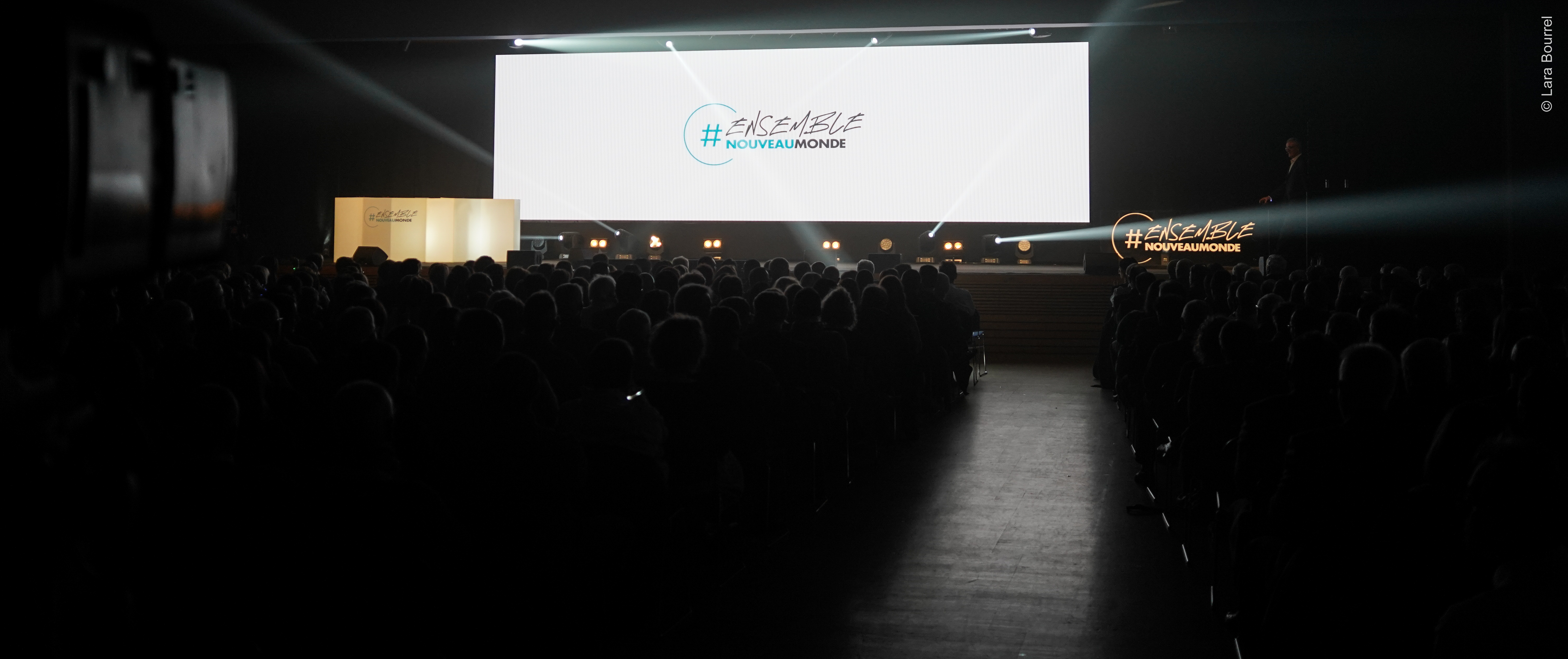
Annual General Meeting in Antwerp that stays compliant and on time
INNOV'events is a Brussels-based corporate event partner supporting Annual General Meeting productions in Antwerp, from 80 to 2,000+ attendees. We manage venue logistics, shareholder-facing flows, AV/streaming, scripting, and vendor coordination so your executive team can focus on decisions and messaging.
Whether you run a listed-company style AGM, a non-profit statutory meeting, or a group AGM with complex voting items, we build a controlled environment: clear agenda timing, reliable tech, and a professional experience for members, shareholders, and guests.
Table of contents
In an Annual General Meeting, “entertainment” is not a stage show add-on; it’s the set of engagement moments that keeps attention high while protecting the seriousness of governance. The right format reduces friction around waiting times, keeps Q&A constructive, and helps your message land without looking like spin.
Organizations in Antwerp typically expect operational discipline: punctual start, crisp transitions between statutory items, and a reception that respects senior stakeholders’ time. They also expect multilingual comfort (often Dutch-first, with French and English touchpoints) and a room setup that signals credibility, not spectacle.
We bring field-proven methods from complex corporate productions and apply them locally in Antwerp: detailed run-of-show, cue-based AV, controlled microphone flows, and vendor SLAs. You get a realistic plan, a team that can execute under pressure, and a clear point of accountability.
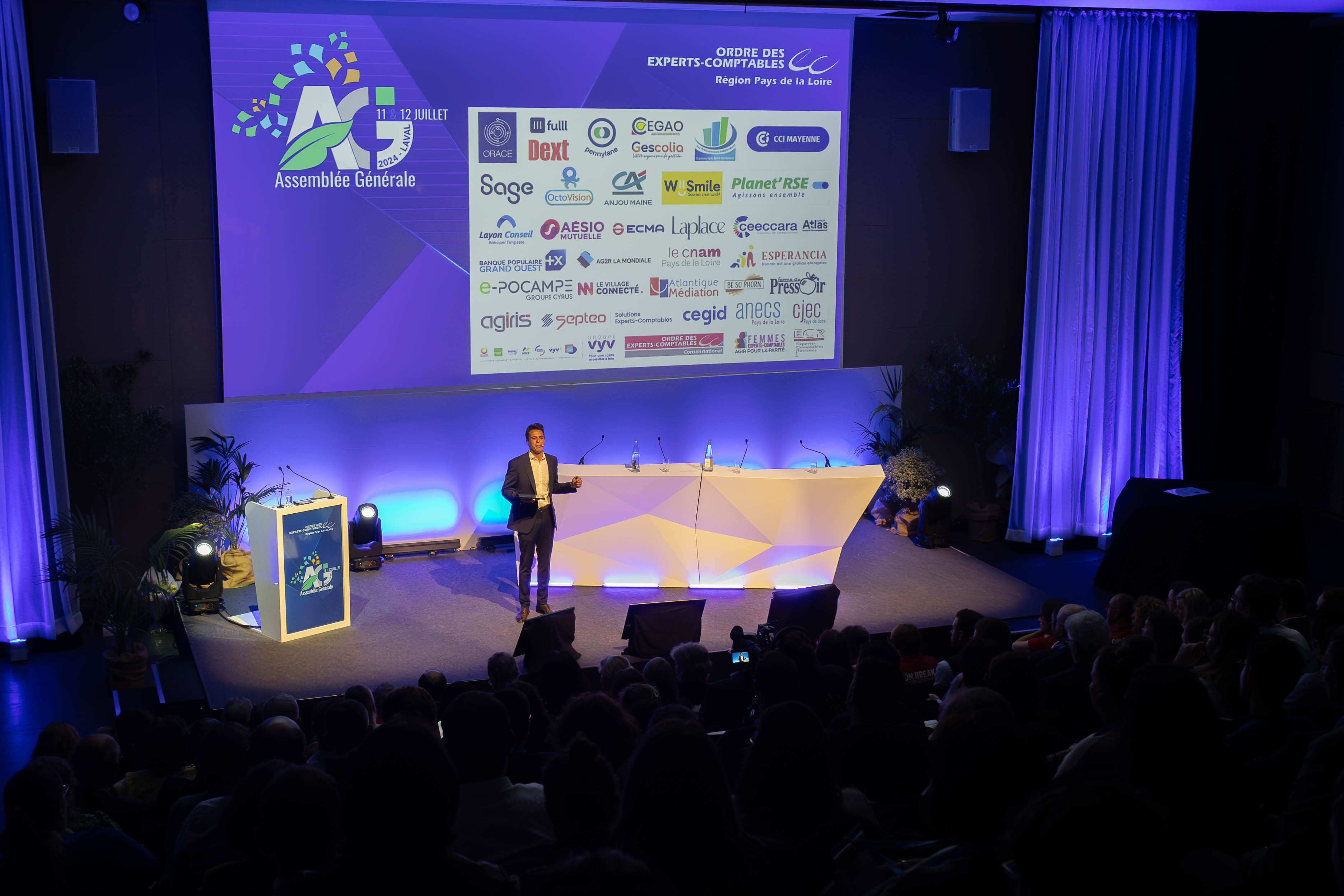
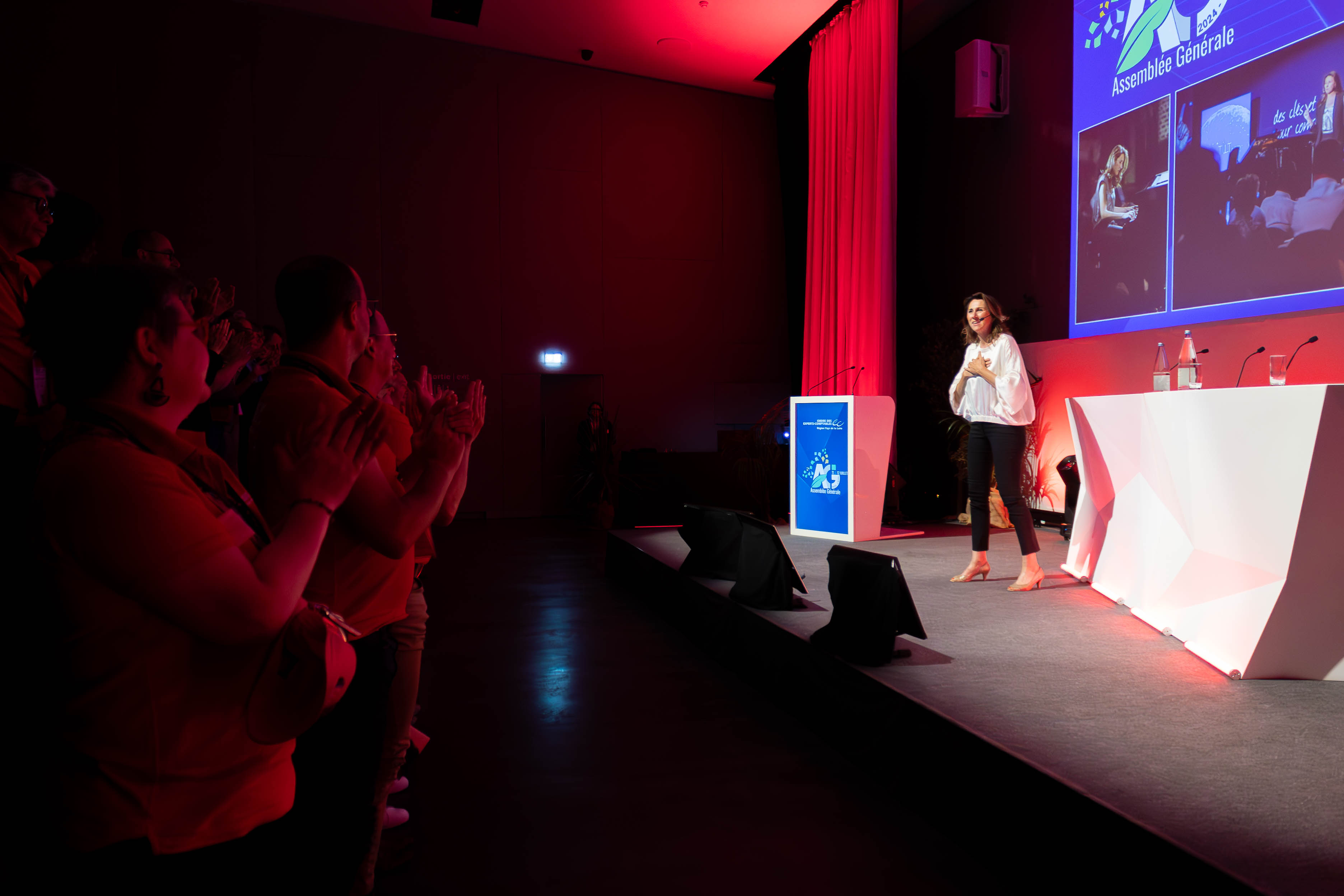
INNOV'events facts you can verify in Antwerp projects
10+ years supporting governance-heavy corporate events across Belgium, including Annual General Meeting in Antwerp formats with strict timing and formal voting steps.
30–80 individual production tasks tracked in a typical AGM (registration, seating plans, microphone routes, cue sheets, streaming tests, signage, catering timing, security briefings), all managed through a shared production checklist.
2 full technical rehearsals recommended for hybrid AGMs: a dry run (content + cues) and a live run (full AV + streaming + microphones), reducing day-of risk.
99% of “event-day surprises” are preventable with structured pre-production: site visits, power/network mapping, and supplier load-in planning.
How to organize a professional event in Antwerp?
- Define the objective (cohesion, announcement, fidelity, performance).
- Set date, format and size (20–1 000 people).
- Secure the venue and accommodation according to seasonality.
- Lock down technical, suppliers and logistics.
- Drive the day J (timing, scene, entrance, flow).
Antwerp references and recurring client habits we see every year
We regularly support organizations that operate in and around Antwerp, including headquarters teams that travel in for governance milestones and prefer a partner who can stabilize local execution. Many of our clients run similar formats year after year: same statutory agenda backbone, but changing business context, changing board members, and changing stakeholder sensitivities.
In practice, repeat clients come back for one main reason: they don’t want to “reinvent the wheel” each spring. They want institutional memory on what worked (room layout, audience flow, microphone positions, voting rhythm, catering timing) and what created stress (late speaker arrivals, slide versioning, network constraints, understaffed registration). We document those lessons so the next AGM becomes smoother, not just different.
If you share your past minutes, last year’s agenda timing, and your stakeholder map (shareholders/members, board, auditors, press, employees), we can immediately benchmark what will be sensitive in your next Annual General Meeting and propose a production plan aligned with Antwerp realities: access, parking, venue load-in constraints, and peak traffic around the ring.
We send you a first proposal within 24h.
Why run an Annual General Meeting in Antwerp this year
A well-produced Annual General Meeting is one of the few corporate moments where governance, trust, and employer brand meet in the same room. Executives need decisions validated; HR wants a tone that reflects culture; comms needs clarity and consistency; legal wants process integrity. The AGM is where those constraints either align—or collide.
In Antwerp, where many stakeholders are time-sensitive and business-driven, the quality of the experience is judged quickly: the start time, the sound quality, the visibility of votes, the professionalism of the chair’s pacing, and the way questions are handled. Those are operational details, but they shape perceived credibility.
Executive control of the narrative without overproducing: a disciplined run-of-show ensures strategy updates land after statutory items, with the right tone and duration so it doesn’t feel like a sales pitch to shareholders.
Risk reduction for legal and corporate secretary teams: tighter attendee identification, clear voting steps, and documented cue points reduce procedural disputes and post-meeting follow-up chaos.
Better Q&A outcomes: planned microphone routes, question intake options (floor + digital), and a moderator brief keep Q&A constructive and time-bound, even with sensitive topics (performance, restructuring, ESG, executive compensation).
Stronger stakeholder relationships: the reception and networking windows create a controlled environment for investor relations, board visibility, and key partner touchpoints—without compromising governance seriousness.
Operational predictability for HR and internal comms: clear arrival flows, signage, and seating prevent friction that can overshadow employee participation when AGMs are combined with internal town-hall elements.
The business culture around Antwerp is pragmatic: people accept formality when it’s efficient. When your AGM runs on time, sounds professional, and respects stakeholders, it signals competence beyond the meeting itself.
What Antwerp stakeholders expect from an AGM experience
Local expectations are shaped by how senior stakeholders move through the city and how venues operate day-to-day. In Antwerp, the difference between a smooth AGM and a frustrating one often comes down to three things: access, acoustics, and pace.
Access and arrival: many attendees will arrive from Brussels, Ghent, Mechelen, or the port area. If registration is slow or unclear, the first 15 minutes become noise—literally and figuratively. We plan staggered arrival windows, clear badge logic (shareholder/member, guest, press, staff), and a line-management setup that can handle peak arrivals without making VIPs feel “processed.”
Acoustics and intelligibility: Antwerp venues vary a lot: some boardroom-style spaces are acoustically forgiving; some large halls require a real sound design. If the chair, auditor, or CFO isn’t crystal clear, attention drops and questions multiply. We define microphone types per speaker role (chair, panel, floor, roaming), plus contingency units and battery management.
Pace and professional restraint: the “entertainment” layer must support governance, not distract from it. Typical Antwerp audiences respond well to practical touches: concise opening music for room settling, efficient walk-on cues, a calm visual identity, and catering moments placed where they reduce restlessness (after key votes, before Q&A, or during a controlled break).
Finally, many Antwerp-based organizations operate in multilingual contexts. We plan language comfort without turning the AGM into a translation show: bilingual signage where needed, multilingual host notes, and—if required—interpretation that’s tested and integrated into the agenda timing.
Which corporate event entertainment works for Antwerp AGMs
For an Annual General Meeting in Antwerp, the best “entertainment” is what improves attention, pacing, and stakeholder comfort while staying proportionate to the seriousness of the meeting. We focus on formats that reduce waiting time, support networking goals, and protect the authority of the chair.
Interactive animations in Antwerp
Structured Q&A facilitation: a moderator-supported system with floor microphones plus optional digital submission. This helps executives answer in themes, reduces repetition, and prevents a small group from dominating the room.
Real-time agenda timing display (back-of-house): not visible to the audience, but essential for the chair and speakers. It keeps statutory items on track and protects the planned break window.
Shareholder/member check-in optimisation: scanning + exception desk (name mismatch, proxy validation) prevents queue frustration. This is “entertainment” in the most operational sense: it removes friction that poisons the room.
Art animations in Antwerp
Discreet live music for arrival and transition: small-format (piano/duo) with controlled volume. It helps settle the room before the chair opens, and avoids the awkward silence that makes late arrivals disruptive.
Brand-consistent motion graphics: calm, readable on-screen visuals for breaks and voting transitions. It professionalises the room and reduces the perception of “dead time.”
Innovative animations in Antwerp
Timed coffee service designed around agenda pressure points: positioned to reduce restlessness after long statutory sequences. In Antwerp, we often plan one fast service point for volume plus one smaller point for VIP/board to avoid bottlenecks.
Reception with stakeholder segmentation: same catering quality, different zones (board/investors, employees, press if applicable). This supports conversation goals without making anyone feel excluded.
Gourmand animations in Antwerp
Hybrid participation that doesn’t slow the room: remote questions filtered and grouped, with a clear rule set announced at the start. The goal is fairness and speed, not novelty.
Privacy-aware recording workflow: if the AGM is recorded, we define what is captured, how consent is handled, and what is distributed afterwards—critical for listed-style governance and for internal comms reuse.
The right choice depends on your brand posture. A conservative financial institution and a fast-growing tech scale-up can both run an excellent Annual General Meeting, but the “engagement layer” must match how you want to be perceived in Antwerp: credible, calm, and in control.
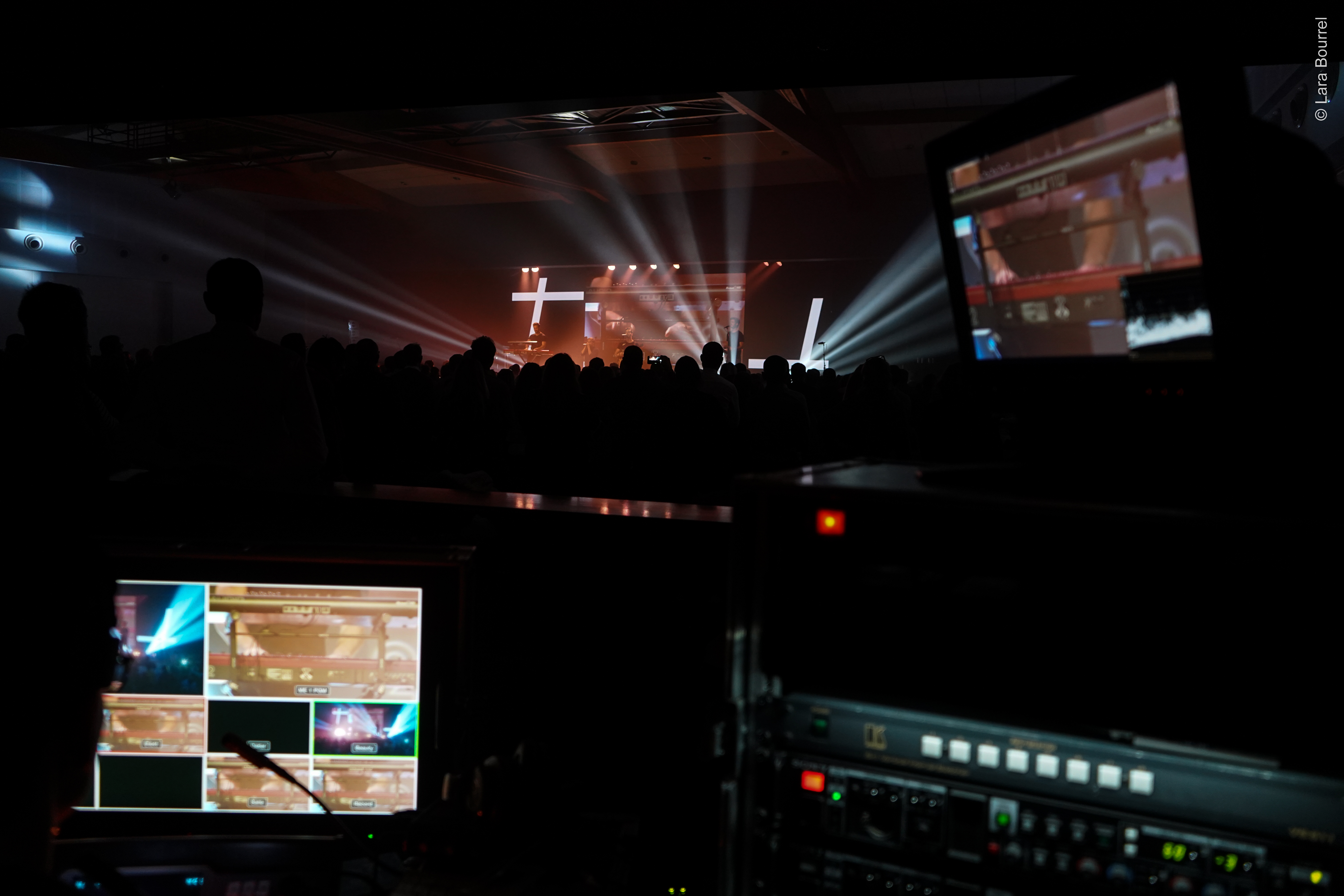
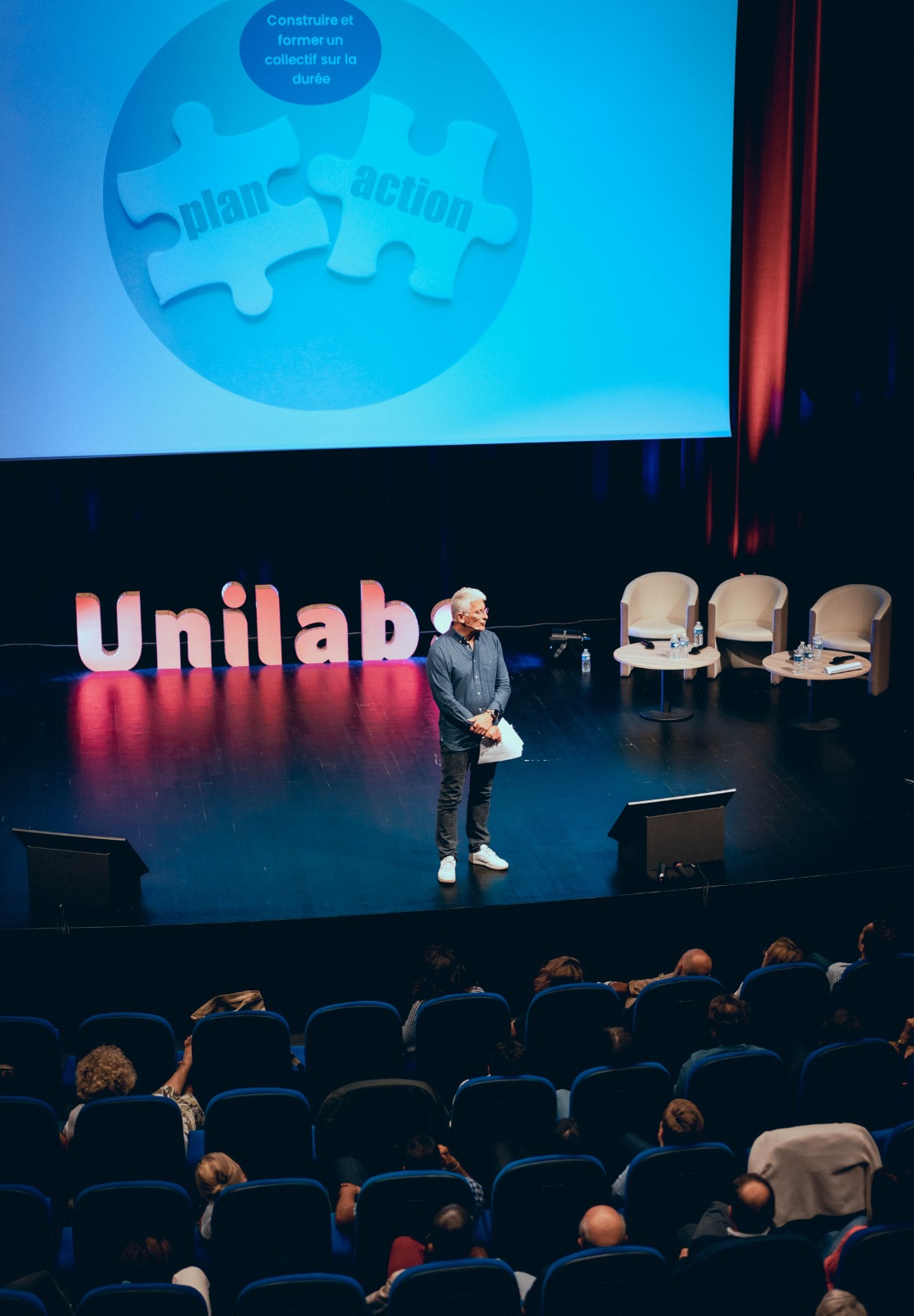
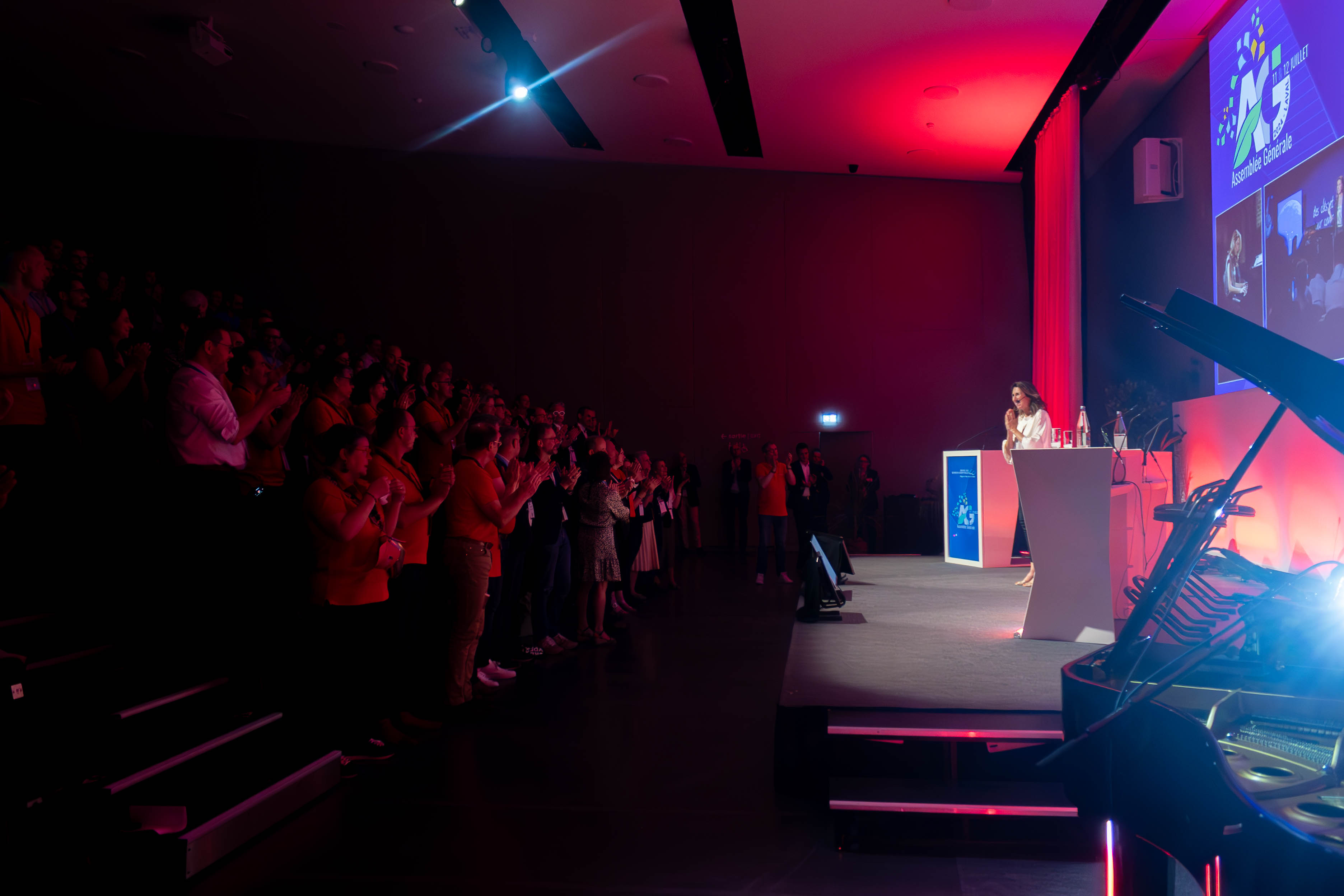
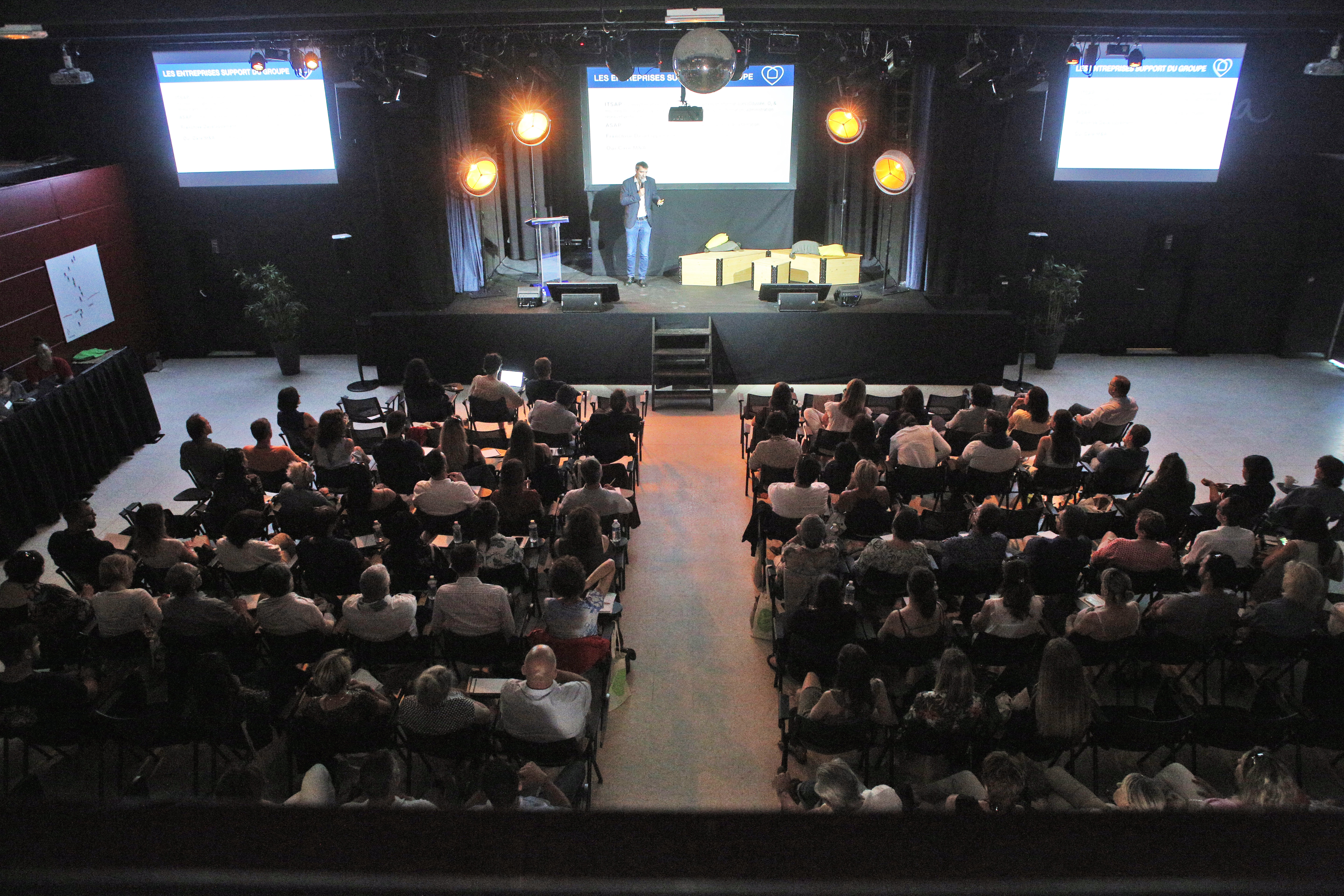
How to choose an Antwerp venue for an AGM
The venue sets the tone before a single word is spoken. For an AGM, you’re not only renting a room—you’re buying acoustic reliability, access control, backstage space, and a layout that makes voting and Q&A run smoothly. In Antwerp, we also factor in traffic patterns, public transport access, and realistic load-in windows for suppliers.
| Venue type | For which objective? | Main strengths | Possible constraints |
|---|---|---|---|
Conference hotel near Antwerp city centre | Efficient AGM with reception and breakouts in one place | On-site catering, experienced event staff, clear guest flow, reliable basic AV options | Load-in rules, limited customisation, potential noise spill if other events run in parallel |
Corporate auditorium / HQ meeting space in Antwerp | Governance-first AGM with strong brand control | High credibility for stakeholders, familiar environment for leadership, easier control of access | Capacity limitations, security requirements, sometimes weaker backstage/storage space |
Dedicated congress centre in Antwerp | Large attendance AGM (500–2,000+) with hybrid capacity | Professional rigging, strong sightlines, scalable staffing, better options for simultaneous translation | Higher base costs, longer booking lead times, more complex supplier coordination |
We strongly recommend at least one site visit with the chair’s representative and the AV lead. Walking the routes (registration to seating, floor mic paths, board entry, press positioning) surfaces issues that floorplans won’t show—and it’s often where we save you the most stress on the day.
What an Antwerp AGM costs and what drives pricing
AGM budgets in Antwerp vary because the cost drivers are operational, not cosmetic. The price depends on how many stakeholders you host, how formal the process is, and whether you need hybrid participation with governance-grade reliability.
As a working range, a professionally produced Annual General Meeting in Antwerp can start around €12,000–€25,000 for a smaller, mostly in-person setup (80–200 attendees) with standard AV and tight project management. Hybrid or larger formats with stronger technical requirements typically sit around €30,000–€90,000+, especially if you add interpretation, complex stage builds, multi-camera streaming, or significant security and access control.
Attendee volume and check-in complexity: badge printing, scanning, exception handling, and staffing scale up quickly when you add proxies, last-minute registrations, or shareholder verification.
Venue and technical infrastructure: built-in AV versus bring-in, rigging requirements, power availability, and network reliability (including redundancy for streaming).
Hybrid scope: platform licensing, moderation, remote Q&A workflow, recording, post-event replay editing, and data/privacy handling.
Content production: speaker coaching, slide clean-up, motion graphics, video playback reliability, and rehearsal time with executives.
Security and access control: especially relevant when sensitive resolutions, high-profile leadership, or press presence is expected.
Catering and reception design: timing, service points, and the need for separate zones (board/VIP/press) can add staffing and space requirements.
We frame budget decisions in ROI terms that matter to leadership: reduced reputational risk, fewer procedural disputes, better stakeholder perception, and a smoother internal workload. In an AGM, “cheap” becomes expensive the moment timing slips, audio fails, or the room becomes adversarial.
When you should choose an event agency in Antwerp
For an AGM, local execution is not a convenience—it’s risk control. A partner with real operational coverage in Antwerp can secure the right suppliers faster, validate venues in person, and handle last-minute changes without turning your internal team into a logistics desk.
At INNOV'events, we’re Brussels-based, and we operate frequently in Antwerp with trusted local technicians, hosts, and venue teams. When you need fast site checks, supplier substitutions, or extra staffing because registrations spike, being close to the field matters.
If you’re comparing providers, look for one capability above all: the agency’s ability to run governance events with a disciplined production approach. For local support and venue familiarity, you can also review our event agency in Antwerp resources and see how we structure delivery in the city.
- Faster troubleshooting: site revisits, quick measurements, and in-person coordination with venue teams reduce assumptions.
- Supplier reliability: local AV, staging, and staffing partners who know Antwerp load-in constraints and venue rules.
- Better cost control: fewer “surprise” transport and overtime charges because logistics are planned realistically.
- Stronger day-of coordination: a local run-of-show team that can respond to late speakers, room resets, and queue pressure.
We frame budget decisions in ROI terms that matter to leadership: reduced reputational risk, fewer procedural disputes, better stakeholder perception, and a smoother internal workload. In an AGM, “cheap” becomes expensive the moment timing slips, audio fails, or the room becomes adversarial.





Antwerp AGM delivery examples that prove operational depth
Our projects range from compact statutory meetings to hybrid corporate assemblies with multiple stakeholder types. The constant is the same: governance pressure, executive time constraints, and a narrow margin for technical error.
Example 1: Hybrid AGM with sensitive Q&A. A leadership team expected pointed questions on performance and future investment. We implemented a dual Q&A channel (floor + moderated digital), a clear rule set announced by the chair, and a back-of-house “theme grouping” workflow so answers stayed structured. The result was a calmer room, fewer repeated questions, and a Q&A that ended on time without appearing censored.
Example 2: AGM combined with internal update. A company wanted to keep formal votes strict, then transition into a culture and strategy segment for employees. We designed a two-phase room rhythm: statutory tone first (tight lighting, minimal visuals), then a controlled shift (visual identity update, different music bed, adjusted seating focus) while keeping the same technical backbone. This prevented the common failure case where the meeting feels neither formal enough for governance nor engaging enough for employees.
Example 3: Registration bottleneck solved by process, not promises. We’ve seen Antwerp events where 20 minutes of queues undermined the whole day. Our fix is practical: pre-event data cleanup, clear badge logic, a separate exception desk, and staffing aligned to arrival peaks. It’s not glamorous, but it’s what stakeholders remember.
Common Antwerp AGM mistakes—and how we prevent them
Underestimating rehearsal time: executives often assume slides “will be fine.” We lock a versioning deadline, run a cue-based rehearsal, and build a fallback if a file or clicker fails.
Choosing a venue on aesthetics, not function: a beautiful room with poor acoustics or limited backstage space creates constant friction. We validate sound, sightlines, and staff routes during the site visit.
Letting Q&A run the meeting: without a facilitation plan, a small number of participants can take control. We design mic routes, moderation rules, and escalation options for the chair.
Hybrid as an afterthought: “We’ll just stream it” leads to network failures and poor audio. We treat streaming as a full production layer with redundancy and tests.
Unclear ownership between internal teams and suppliers: when comms, legal, and HR each assume someone else is handling a detail, gaps appear. We assign owners and time stamps to every critical task.
Our job is to remove these risks before they appear in the room. That’s what professional AGM production looks like: fewer surprises, cleaner decisions, and a meeting your board will accept as properly run.
Why Antwerp clients renew their AGM partner
Repeat business in AGM production is earned through reliability, not novelty. Clients come back when the agency reduces internal workload, preserves institutional memory, and keeps governance moments controlled—especially when leadership changes or the business context becomes more sensitive.
Year-over-year continuity: we maintain an AGM “playbook” per client (vendor list, room plan, run-of-show timing benchmarks, lessons learned) so preparation time decreases each year.
Shorter decision cycles: once stakeholders trust the process, approvals become faster because the format is proven and risk-managed.
Lower internal stress: HR and comms teams stop firefighting logistics and can focus on people and messaging, while legal focuses on procedure.

Loyalty is a practical indicator: when the same organization chooses the same partner for multiple cycles, it’s because the event day feels predictable—and predictability is exactly what an Annual General Meeting requires.
Our Antwerp AGM production process from brief to minutes-ready wrap-up
👉 Step 1 — Antwerp scoping call and constraint mapping
We start with a working session with your executive sponsor, corporate secretary/legal, HR (if employees attend), and comms. We map non-negotiables: statutory agenda, voting method, quorum validation needs, stakeholder types, languages, press sensitivity, and timing constraints. Output: a written scope, first risk register, and a proposed run-of-show structure.
👉 Step 2 — Venue shortlist and functional site visit in Antwerp
We shortlist venues based on capacity, acoustics, accessibility, and technical infrastructure. During the site visit, we validate registration space, VIP routes, backstage capacity, power, rigging limits, and network options. Output: venue recommendation, layout options, and a realistic supplier load-in plan.
👉 Step 3 — Production design: run-of-show, staffing, and AV architecture
We build the full cue-based run-of-show (minute-by-minute), define staff roles (registration lead, floor manager, stage manager, AV lead), and design audio/video flows. Output: production schedule, equipment list, staffing plan, and an escalation matrix for decision-making on the day.
👉 Step 4 — Content and speaker readiness (chair’s pack)
We lock slide deadlines, clean up slide formatting for projection, and prepare speaker cues. For the chair and key speakers, we create a chair’s pack: opening/closing notes, voting transitions, timing marks, Q&A rules, and contingency scripts. Output: final show files, cue sheets, and speaker brief.
👉 Step 5 — Rehearsals, technical tests, and day-of execution
We run at least one full technical rehearsal; for hybrid formats, two rehearsals are recommended. On the day, our team manages supplier load-in, registration, floor flows, and all cues. Output: an executed event with clear accountability, plus a post-event debrief capturing improvements for next year.
FAQ sur l'organisation Annual General Meeting à Antwerp
How early should we book an AGM venue in Antwerp?
For Antwerp, plan 3–6 months ahead for standard venues and 6–9 months for large congress spaces or peak spring dates. If you need hybrid streaming, add 2–4 weeks for technical validation and rehearsals.
What budget range is typical for an Antwerp AGM?
Expect roughly €12,000–€25,000 for a smaller in-person AGM (80–200) with standard AV and project management. Hybrid or larger formats commonly fall in €30,000–€90,000+ depending on streaming complexity, interpretation, staging, and security.
Do we need entertainment for an AGM in Antwerp?
You don’t need a show. You do need engagement elements that support governance: efficient arrival music, clear transition visuals, and a paced reception. In Antwerp, stakeholders value restraint and efficiency—anything added must reduce friction or improve attention.
How do you keep AGM Q&A under control in Antwerp?
We combine a clear rule set (announced by the chair), structured microphone routes, and optional moderated written questions. We also brief the chair with escalation options and time boxes. This keeps the process fair while preventing agenda derailment.
Can you support hybrid AGMs in Antwerp with reliable streaming?
Yes. We plan a production-grade setup: tested audio routing, multi-camera options, network redundancy where possible, and rehearsals with real speakers and real devices. For hybrid in Antwerp, the key is treating streaming as a core governance channel, not an add-on.
Plan your Antwerp AGM early and avoid last-minute risk
If you’re preparing a Annual General Meeting in Antwerp, we can review your agenda, stakeholder profile, and last year’s timing to identify operational risks within a week. You’ll receive a clear production approach, a realistic budget range, and concrete recommendations on venue, AV, and audience flow.
Send us your target date, estimated attendance, and whether you need hybrid participation. The earlier we align on constraints, the more we can protect your executive team’s time—and the more controlled your AGM will feel for everyone in the room.
INNOV'events Antwerp Agency
Justin JACOB is the manager of the INNOV'events Antwerp office. Reach out directly by email at belgique@innov-events.be or via the contact form.
Contact the Antwerp agencyAll our services & entertainment Antwerp, Belgique
Discover our event services
Discover our event entertainment available in the Belgique
- Event Hostess in Antwerp
- Escape Game in Antwerp
- MasterChef Cooking Workshop in Antwerp
- Magician in Antwerp
- Marquee Rental in Antwerp
- Color Analysis Workshop in Antwerp
- Inflatable Games in Antwerp
- Valet Parking Service in Antwerp
- Football Simulator in Antwerp
- LED Furniture Rental in Antwerp
- Light Branding in Antwerp
- Unique Dining Experience in Antwerp
- Light Painting in Antwerp
- Murder Mystery Party in Antwerp
- Prize Contest in Antwerp
- Promotional Displays (POS) in Antwerp
- Virtual Reality in Antwerp
- Molecular Gastronomy Workshop in Antwerp
- Halloween Entertainment in Antwerp
- Fireworks Show in Antwerp
- Giant Games Challenge in Antwerp
- Event Host / MC in Antwerp
- Photo Booth Animation in Antwerp
- Santa Claus Entertainment in Antwerp
- Kids Entertainment in Antwerp
- Guided Tour in Antwerp
- Urban Rally in Antwerp
- Ball Pit in Antwerp
- Flight Simulator in Antwerp
- Food Truck Rental in Antwerp
- World Record Challenge in Antwerp
- Surf Simulator in Antwerp
- Wine Casino in Antwerp
- Makeover Workshop in Antwerp
- Perfume Creation Workshop in Antwerp
- Acting Workshop in Antwerp
- CSR Activities in Antwerp
- Archery in Antwerp
- Security Staff in Antwerp
- Wine Tasting in Antwerp
- Mime Performer in Antwerp
- TV Game Show in Antwerp
- Funfair in Antwerp
- Crisis Management Workshop in Antwerp
- Crisis Negotiation Workshop in Antwerp
- Arcade Games in Antwerp
- Indoor Skydiving Simulator in Antwerp
- Ski Simulator in Antwerp
- Racing Circuit Experience in Antwerp
- Introductory Flight Experience in Antwerp
- Tasting Experience in Antwerp
- Build Your Own Foosball Workshop in Antwerp
- 2CV Rally in Antwerp
- LEGO Challenge in Antwerp
- Casino Night in Antwerp
- Interpreter / Translator in Antwerp
- Promotional Giveaways in Antwerp
- Shuttle Transport in Antwerp