
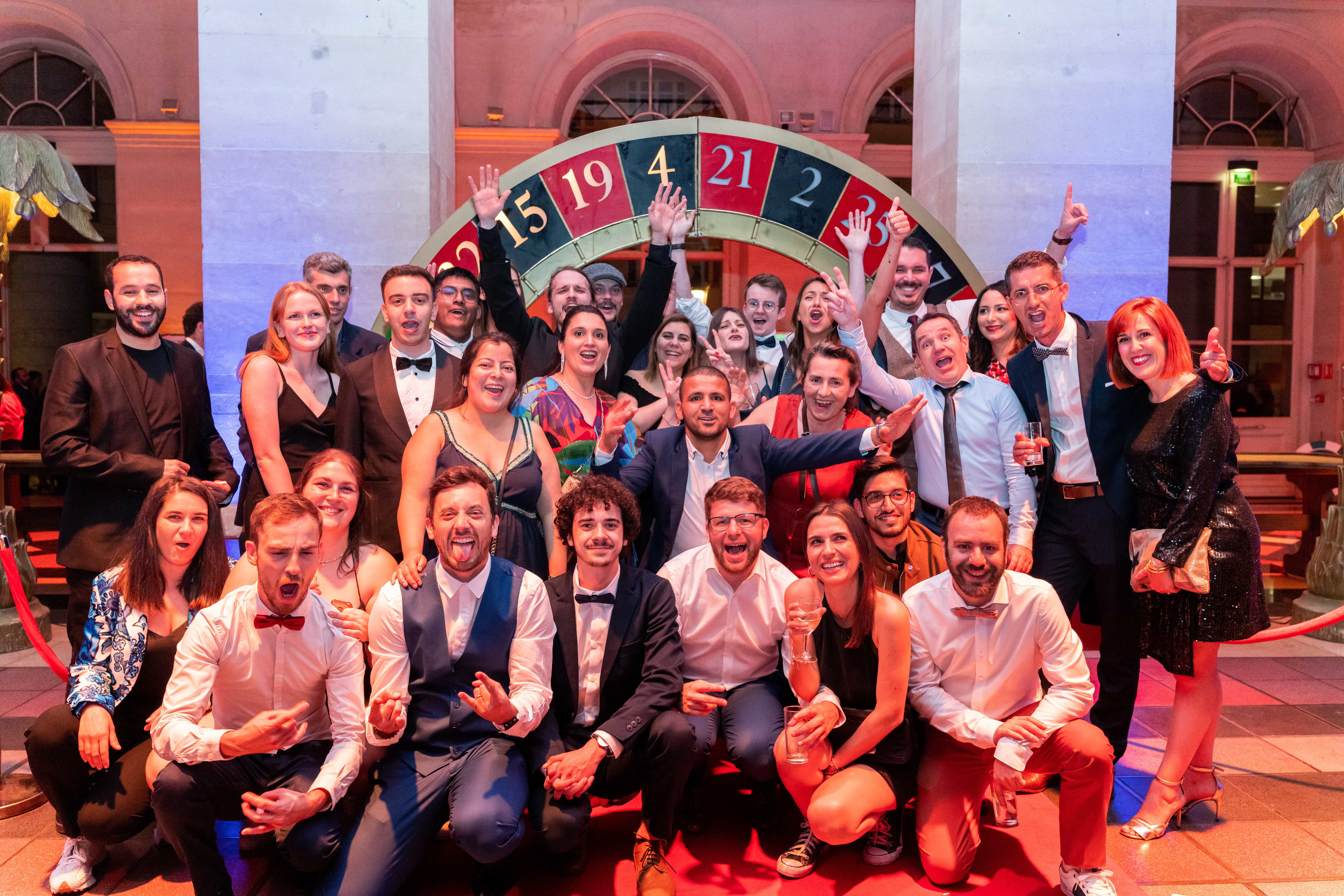
Cocktail & Gala in Antwerp that protects your brand and your agenda
INNOV'events (Brussels) plans and produces Cocktail & Gala formats in Antwerp for 80 to 800 guests. We manage the full chain: venue sourcing, catering brief, entertainment programming, technical production, and show-calling on the night.
You get a controlled guest journey, a realistic run-of-show, and one accountable production lead who keeps executives and speakers on time.
Table of contents
In a corporate Cocktail & Gala, entertainment is not “extra”: it’s the tool that sets pace, reinforces status, and prevents dead zones that dilute networking value. When leadership, clients, and talent are in the room, the programme must protect conversations while still creating energy.
In Antwerp, organizations typically expect polished hospitality, discreet security, bilingual guest handling (NL/EN, often with FR pockets), and a schedule that respects senior stakeholders. The bar, the sound level, and the transitions between cocktail, speeches, and dinner are where perception is won or lost.
We operate weekly between Brussels and Antwerp, with trusted local partners (AV, hostesses, caterers, venue teams). Our strength is operational: we design entertainment that fits the room, the audience profile, and the timing constraints—then we deliver it with tight production discipline.
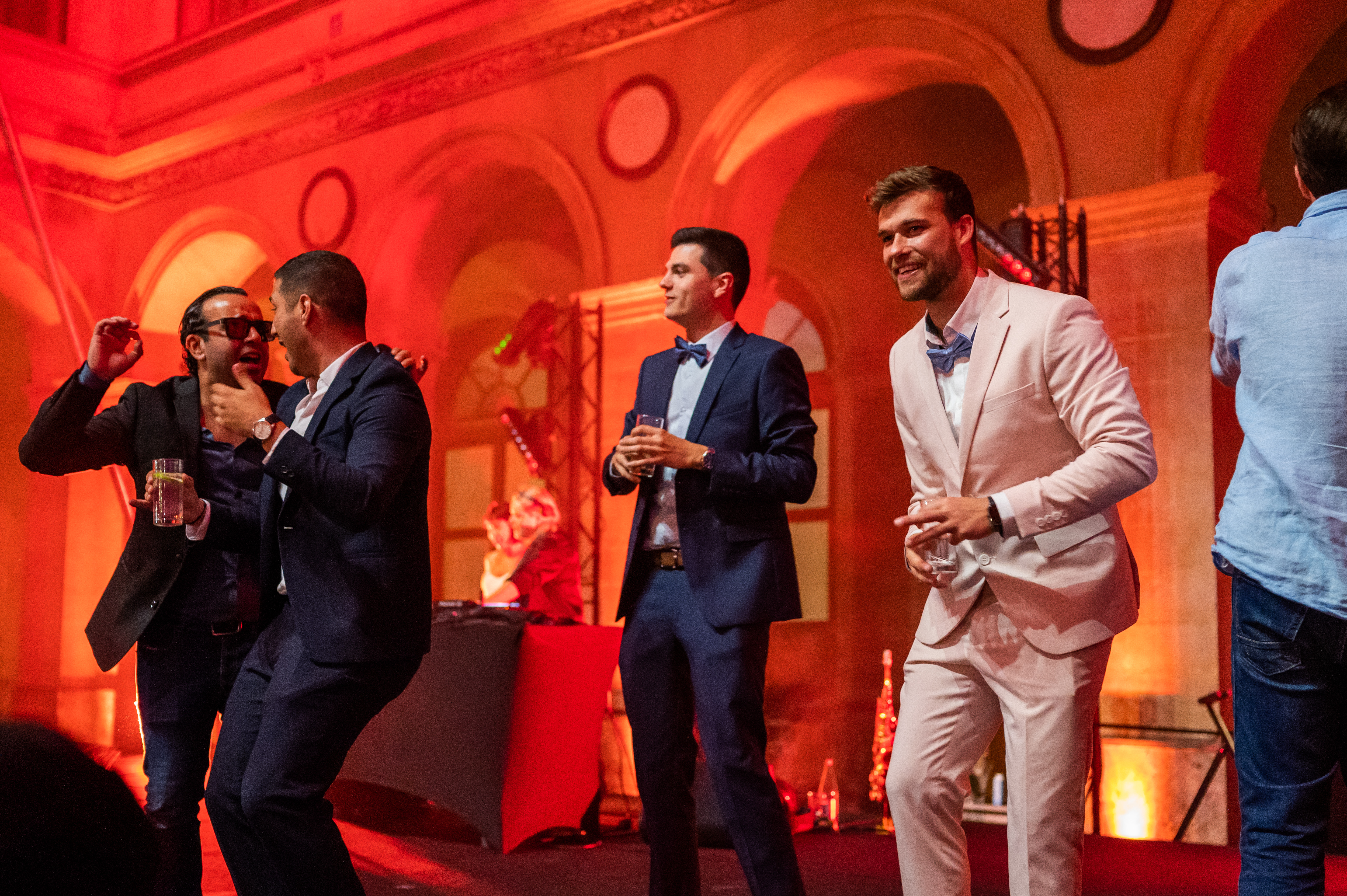
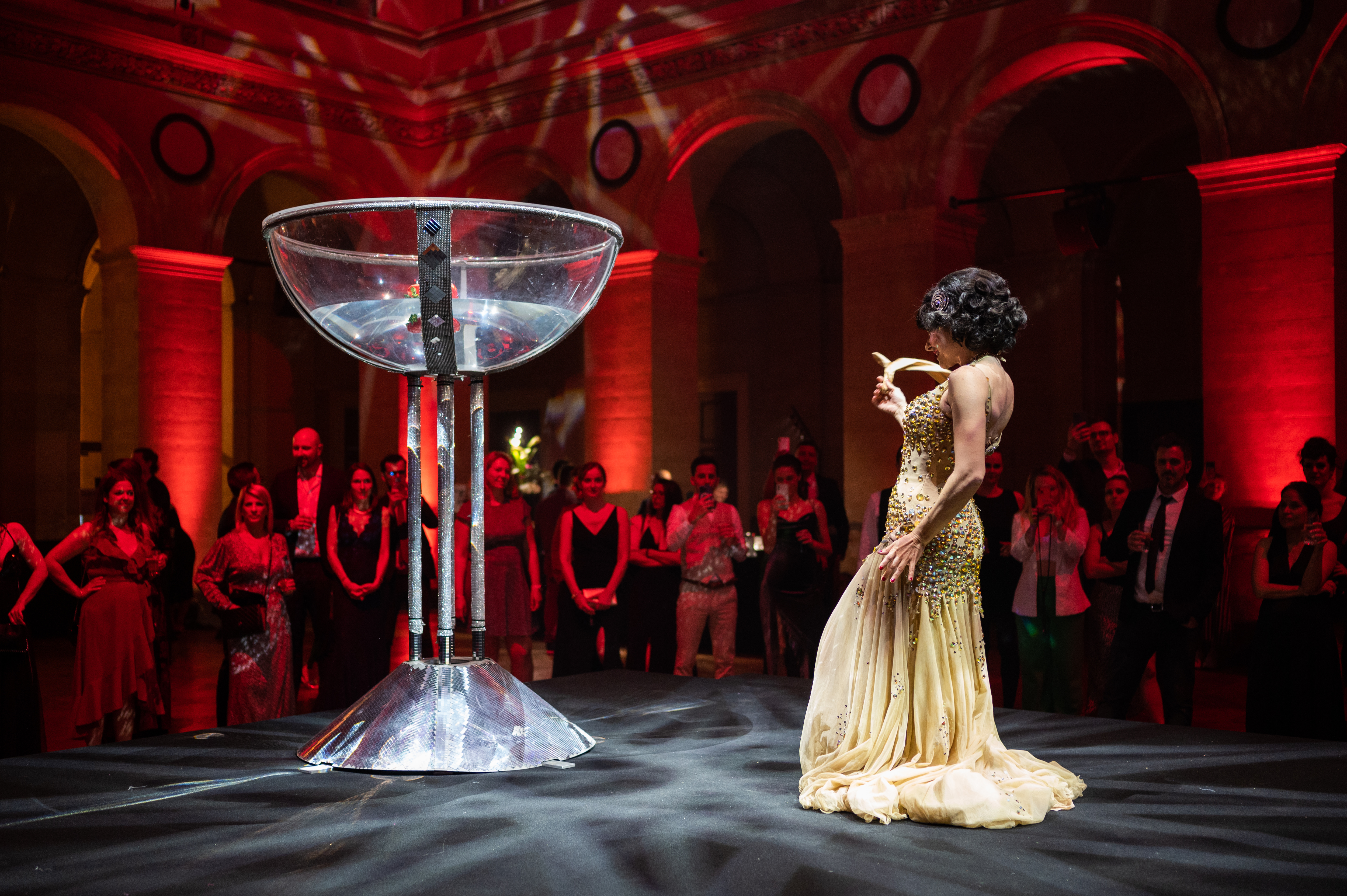
Performance indicators used by leadership teams in Antwerp
10+ years producing corporate events across Belgium, with repeat programmes for leadership communications and client hospitality.
80–800 attendees is our most frequent range for Cocktail & Gala in Antwerp; we also support smaller VIP dinners with the same production standards.
One production lead on site + a documented run-of-show (cue sheet) shared with venue, AV, catering, security, and protocol.
48-hour turnaround for a first scoped budget range after a qualification call (date, format, objectives, guest profile, constraints).
How to organize a professional event in Antwerp?
- Define the objective (cohesion, announcement, fidelity, performance).
- Set date, format and size (20–1 000 people).
- Secure the venue and accommodation according to seasonality.
- Lock down technical, suppliers and logistics.
- Drive the day J (timing, scene, entrance, flow).
Who we support year after year in Antwerp
We regularly work with national and international organizations that host stakeholders in Antwerp: executive committees on the road, HR teams celebrating milestones, and communications departments managing sensitive brand moments (awards, partnerships, investor or client hospitality).
You mentioned providing specific company names as references. Share the list and we will integrate them precisely, in the right tone and without over-claiming. In practice, many of our collaborations renew annually because the operational knowledge accumulates: preferred room configurations, known venue constraints, established approval workflows, and a shared understanding of what leadership expects on the night.
For recurring clients, we also maintain “event continuity files”: brand and protocol notes, preferred suppliers, sound level preferences during networking, dietary patterns observed previously, and post-event feedback. This is how year two becomes smoother—and why teams in Antwerp keep the same partner when the stakes are high.
We send you a first proposal within 24h.
Why run a Cocktail & Gala for your Antwerp stakeholders now
A Cocktail & Gala is one of the few corporate formats where leadership presence, brand posture, and relationship-building happen in the same evening. For executives, it’s a strategic tool—provided the experience is engineered, not improvised.
Executive visibility without losing control of the room: we design a flow that makes leadership accessible during cocktail, then protects speech moments with clear cues, lighting, and sound discipline—so you avoid the typical “half the room can’t hear” scenario.
Client hospitality that supports revenue conversations: seating logic, table captain briefs, and “quiet zones” for deal discussions reduce randomness. In practice, a well-managed gala increases the number of meaningful conversations per VIP because guests don’t spend the evening searching for people or waiting for service.
HR and internal culture leverage: awards and recognition segments can be structured to be credible (short, specific, supported by visuals) rather than awkward. This matters in Antwerp, where many teams expect professionalism over theatrics.
Communications impact: a gala gives you controlled visual assets (stage, branding, lighting temperatures, backdrop discipline). We plan camera angles and background elements so post-event content is usable for employer branding and partner communications.
Risk reduction: technical rehearsals, supplier alignment, and contingency planning prevent the classic failure points: late dinner service, poor acoustics, and program overruns that force guests to leave early.
Antwerp is a relationship-driven business ecosystem—port-related industries, international headquarters, fashion and creative sectors, and a dense SME network. A well-run Cocktail & Gala matches that culture: discreet, efficient, and designed to strengthen trust.
What Antwerp decision-makers expect from a gala supplier
When we produce a Cocktail & Gala in Antwerp, the expectations are usually clear—and demanding:
- Precision in timing: many guests come from Brussels, the airport corridor, or port operations with early starts. A 20-minute delay at speeches often becomes a 60-minute problem at dinner service.
- Sound management in challenging rooms: Antwerp has beautiful industrial and historical venues, but reverberation is real. We plan microphone strategy (headset vs handheld), speaker positioning, and speaker delay if needed—before you commit to a room layout.
- Service choreography: networking-only cocktails tolerate some queueing; gala dinners do not. We brief service ratios, bar placement, and tray routes so VIP tables are not “last served”.
- Multilingual reality: NL/EN is common; FR is often present. We design stage scripts and signage to avoid on-the-spot translation improvisation (which is where awkwardness starts).
- Neighbour and access constraints: city-centre load-in windows, parking limitations, and noise restrictions can affect entertainment choices. We plan load-in with the venue and AV team, and we validate what’s feasible (and what is not) early.
These are not theoretical points. They are the recurring operational reasons why executive teams in Antwerp switch agencies: they want fewer surprises and a calmer event day.
Which entertainment formats work best for Antwerp galas
Entertainment works when it solves a business problem: keeping energy up without damaging networking, providing structure to transitions, and giving the brand a credible stage presence. For corporate event entertainment in Antwerp, we favour formats that are controllable (timing, sound level, set-up needs) and that respect the audience’s attention span.
Interactive animations in Antwerp
Live guest illustration / digital caricature corner: a low-noise activation during cocktail. Guests receive a branded digital file by email (opt-in), which can support post-event follow-up for communications teams.
Table-based micro-challenges: 5–7 minute prompts between courses, designed for cross-department mixing. We keep it optional and professionally framed (no forced participation), which suits many Antwerp corporate audiences.
Moderated networking cues: an MC provides short “conversation bridges” (industry insights, quick recognitions) that reset energy without turning the event into a stage show.
Art animations in Antwerp
String trio or modern jazz with controlled amplification: ideal for early cocktail when you want atmosphere without forcing guests to raise their voices.
One headline act with a strict technical rider: 12–20 minutes is often the sweet spot after the main course. We manage stage plot, changeover time, and sound checks to avoid dinner delays.
Visual performance (LED / light-based) instead of high-volume acts: a strong option for venues with noise limits or reflective acoustics typical of industrial spaces.
Innovative animations in Antwerp
Signature bar with a measurable throughput: we calculate bar stations based on guest count (and consumption patterns) to prevent queues that kill networking. Common target: keep average waiting time under 3–5 minutes at peak.
Chef’s “short moments”: a 2–3 minute plated-course introduction or dessert reveal can create a gala highlight without extra staging.
Curated local pairings: we can integrate regional Belgian products with clear labelling for allergens and dietary needs—critical for international guests and corporate compliance.
Gourmand animations in Antwerp
Real-time content wall with moderation: we only recommend it when moderation and data/privacy rules are clear. Done properly, it supports employer branding; done poorly, it becomes a reputational risk.
Audio zoning: different sound levels per zone (networking vs stage focus) using directional speakers. This is particularly useful in large Antwerp venues where you want both conversation and a strong programme.
Executive-friendly “silent moments”: short structured pauses (lighting shift, subtle audio cue) that signal a transition. They reduce the need for repeated microphone announcements.
Whatever the format, the rule is alignment: the entertainment must fit your brand posture, your guest mix, and the venue realities in Antwerp. We will always explain the operational implications (sound, set-up, rehearsal time, staffing, and risk) before recommending an option.
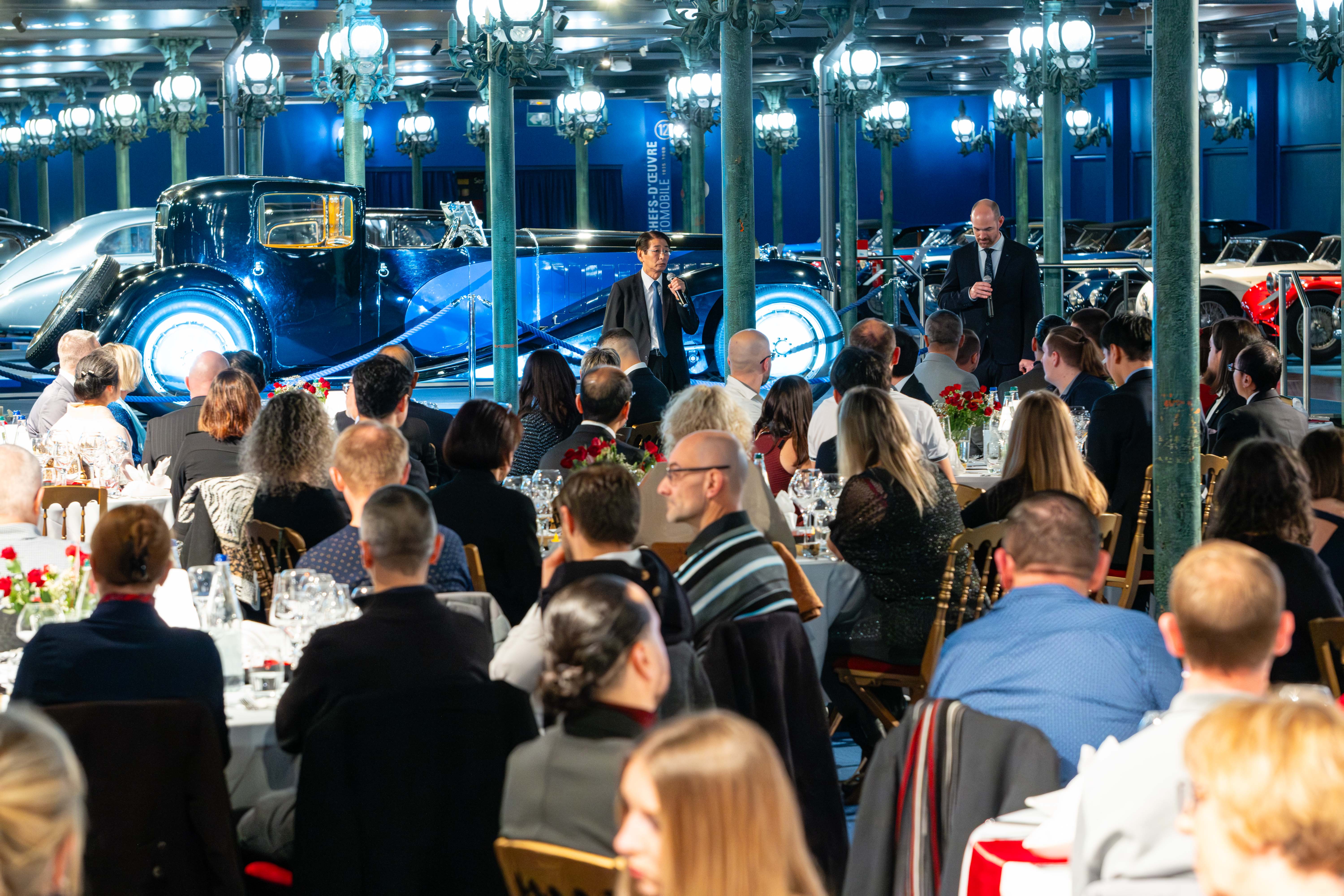
How to choose a venue in Antwerp for a Cocktail & Gala
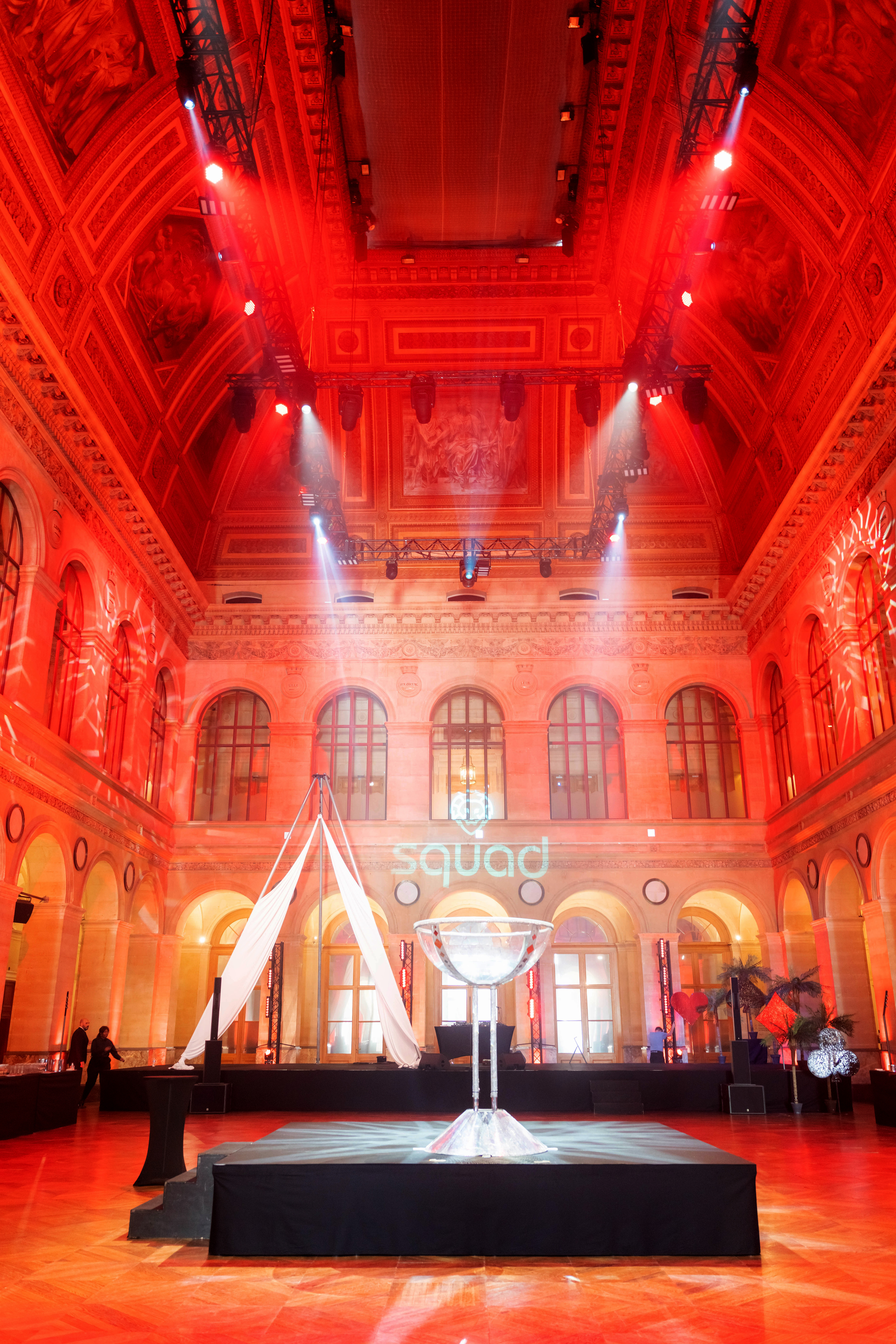
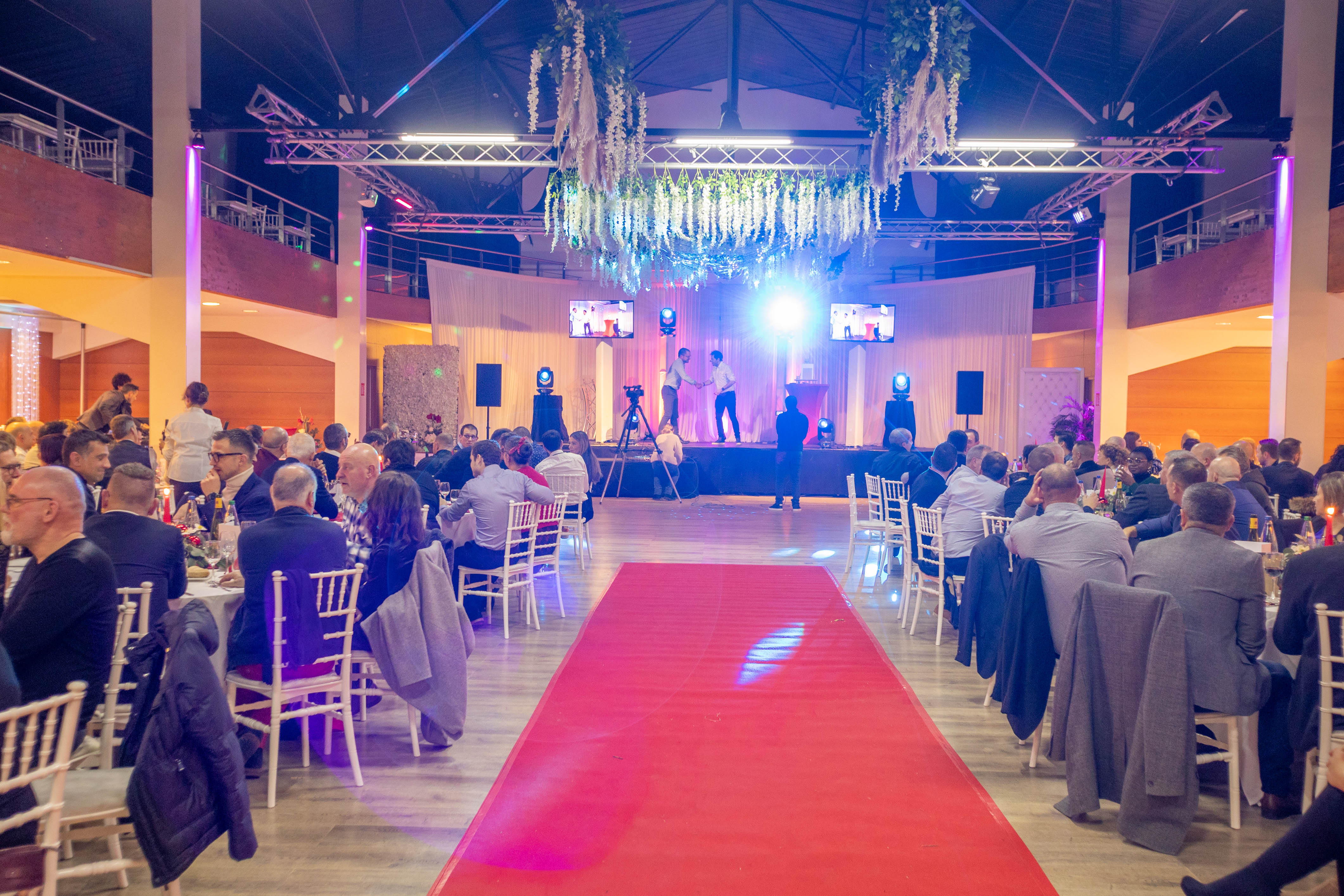
The venue is not a backdrop; it is a constraint system that affects acoustics, service speed, stage visibility, and guest comfort. In Antwerp, the most common issues are load-in restrictions, reverberation in heritage/industrial spaces, and circulation bottlenecks around cloakroom and restrooms.
We shortlist venues based on measurable criteria: ceiling height and rigging points, power availability, decibel constraints, kitchen access, service corridors, and the ability to separate cocktail from dinner (or at least reconfigure the same room quickly).
| Venue type | For which objective? | Main strengths | Possible constraints |
|---|---|---|---|
Heritage halls in central Antwerp | High-status client gala, awards, partner evening | Prestige, strong “arrival” effect, photo-ready architecture | Load-in windows, sound reverberation, strict protection rules, limited rigging |
Industrial/event warehouses near port zones | Large headcount gala, brand launches with staging | Capacity, flexible layouts, strong production potential | Requires full build (draping, heating, acoustics), higher technical budget |
Design hotels with ballroom and breakouts | Executive-friendly gala with accommodation and smooth logistics | Guest comfort, built-in service teams, reliable AV basics | Brand exclusivity limits, less “wow” architecture, package constraints |
We strongly recommend a site visit with your key internal stakeholders (Comms/HR + one executive sponsor) and our production lead. It’s the fastest way to validate sightlines, sound, and service routes—before you commit budget to a concept that the room cannot support.
What a Cocktail & Gala in Antwerp typically costs
Budget depends on headcount, venue type, service level, technical needs, and the ambition of the programme. A gala can look simple and still be expensive if the venue requires a full technical build, or if service standards are high (VIP protocol, multiple dietary streams, tight timing).
As a working reference for planning in Antwerp, many corporate Cocktail & Gala projects land between €180 and €450 per guest all-in, depending on production level. More complex builds (full scenic, high-end entertainment, heavy AV) can exceed that range.
Venue and fixed costs: room hire, security, cleaning, cloakroom, and sometimes mandatory venue suppliers. Heritage venues can add constraints that translate directly into labour hours.
Catering model: cocktail-only vs seated dinner; number of canapés; bar quality; staffing ratios; dietary complexity (halal/vegan/allergens). Service discipline is often the difference between a smooth gala and a frustrating one.
Technical production: sound (speech intelligibility), lighting (brand colours, stage focus), video (IMAG screens for visibility), power distribution, and a show caller. If you want leadership speeches to land, you budget for intelligibility and sightlines first.
Entertainment fees and riders: performance fee is only one part; riders can include additional backline, dressing rooms, travel, rehearsal time, and specific stage dimensions.
Staffing and guest management: hostesses, registration, VIP handling, security, and multilingual support. In Antwerp, we often plan a higher welcome staffing peak to avoid queueing at cloakroom and check-in.
Branding and content: stage visuals, motion design, awards content, photography/video with shot lists, and usage rights for employer branding.
We frame budget with ROI the way executives expect: what cost items protect the outcome (timing, intelligibility, service speed, safety), and what items are optional “nice-to-haves”. This helps you defend the spend internally and avoid last-minute cuts that damage the guest experience.
When an Antwerp-based partner makes the difference
Even when strategy is driven from headquarters, execution in Antwerp is local. Venue teams, city access rules, supplier availability, and last-minute logistics are solved faster by people who work the territory regularly.
INNOV'events is based in Brussels and operates frequently in Antwerp; for many clients, what matters is not the office address but the on-the-ground network and the ability to be present quickly for site checks, technical recce, and rehearsals. If you need a partner specifically positioned as an event agency in Antwerp, we can integrate that local operational approach while keeping national-level standards and governance.
In practice, “local advantage” means fewer assumptions: we validate parking and load-in, confirm noise limits, anticipate union or venue-specific rules, and know which suppliers consistently deliver under time pressure.
- Faster venue alignment: we can coordinate directly with Antwerp venue managers on layouts, service routes, and technical limitations without long email loops.
- More reliable supplier chain: proven AV technicians, stage managers, and hospitality staff who already know the venues and their constraints.
- Better risk control: local contingency options if a supplier has an issue (replacement DJ, extra hostess staffing, last-minute transport adjustments).
- Calmer event day: when executives arrive, the operation should already be in “cruise mode”—not troubleshooting basics.
We frame budget with ROI the way executives expect: what cost items protect the outcome (timing, intelligibility, service speed, safety), and what items are optional “nice-to-haves”. This helps you defend the spend internally and avoid last-minute cuts that damage the guest experience.









What we’ve delivered for Antwerp corporate audiences
Our portfolio covers different Cocktail & Gala use cases that executives recognize immediately:
- Client hospitality galas where the priority was relationship quality: quiet networking zones, controlled music levels, and a short stage segment with strong AV discipline to avoid losing the room.
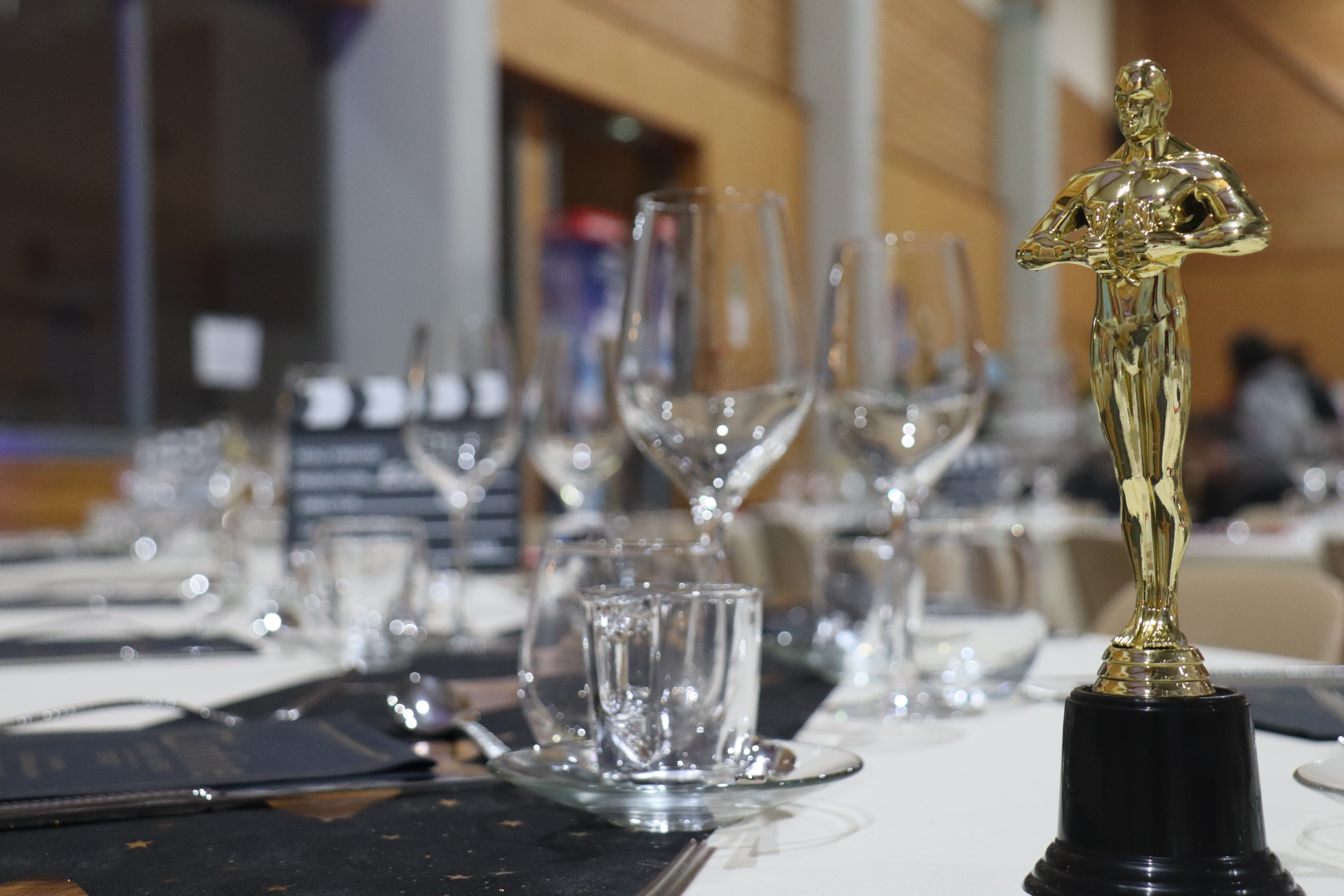
- Internal awards evenings with HR and leadership: credible recognition formats, tight pacing, and content production (nominee videos, stage visuals) that looks professional without becoming a TV show.
- Partner and sponsorship evenings in Antwerp where brand risk was central: speaker coaching, scripted transitions, and a communications plan for photography/video to ensure only approved backdrops and brand elements appear.
- International guest receptions linked to trade activity: multilingual signage, dietary mapping, and protocol support for VIP arrivals and hosting.
What these projects share is adaptability under real constraints: a delayed keynote speaker, a venue that changes access times, or a last-minute headcount shift. We plan for this with buffers, decision hierarchies, and a show-calling approach that avoids chaos.
Common Cocktail & Gala mistakes we prevent in Antwerp
Underestimating acoustics: beautiful rooms that turn speeches into noise. We test, plan speaker placement, and budget for the right microphones and tuning.
Programme overload: too many speeches, too long, too late. We help you keep total stage time typically within 20–35 minutes for most corporate galas, unless there is a strong reason.
Queueing at the worst moments: insufficient cloakroom and bar capacity at arrivals. We plan staffing peaks and physical placement to protect first impressions.
Entertainment that conflicts with objectives: acts that are too loud during networking, or too technically complex for the venue. We assess feasibility and propose alternatives with lower risk.
Undefined approvals: on the night, multiple stakeholders give contradictory instructions. We set a single decision owner and a clear escalation path.
Ignoring privacy and brand compliance: uncontrolled guest photos, unmoderated content walls, or sponsor visibility conflicts. We define rules and brief staff accordingly.
Our role is to absorb these risks before they touch your stakeholders. We do that with documented planning, technical recce, supplier alignment, and on-site leadership that keeps your team focused on hosting—not troubleshooting.
Why Antwerp clients keep INNOV'events as their gala partner
Repeat business is earned in the details: predictable delivery, transparent budgeting, and a team that can handle executive pressure without overpromising. Many clients come back because they can standardize their internal process with us—briefing, approvals, and post-event reporting.
Structured debrief within 5 business days: what worked, what to change, supplier performance, and a prioritized improvement list for the next edition.
Budget traceability: we separate fixed venue/technical costs from variable per-guest items, which helps finance teams forecast accurately.
Operational continuity: we maintain run-of-show templates, cue sheets, and venue-specific notes for recurring Antwerp events.

Loyalty is not about habit; it’s a proof point. When teams rebook, it’s usually because the event day felt controlled and the stakeholder feedback was consistent: easy arrivals, clear sound, good pacing, and a professional atmosphere.
Our production process for Antwerp Cocktail & Gala projects
👉 Antwerp discovery call and constraint mapping
We qualify objectives, audience, and non-negotiables: date windows, guest count range, dress code expectations, VIP protocol, compliance constraints, and desired tone. We also identify operational risks early (access times, union rules, noise constraints, multilingual requirements) and confirm who signs off internally.
👉 Concept and programme architecture for the department audience
We propose 1–2 programme structures (cocktail flow, stage moments, dinner pacing, optional after-dinner). Each structure includes timing logic, sound level strategy, and how entertainment supports networking rather than competes with it.
👉 Venue shortlisting and technical recce in Antwerp
We shortlist venues based on capacity, service routes, kitchen capability, AV feasibility, and guest comfort. During the recce we validate sightlines, rigging points, power, backstage space, and load-in. You receive a practical recommendation, not a generic list.
👉 Supplier contracting and production planning
We lock catering, AV, entertainment, hostesses, security, and photography/video. We issue a production schedule with deadlines, rehearsal windows, and a responsibility matrix (who does what). Budget is updated with clear assumptions and options.
👉 Run-of-show, scripting, and rehearsal
We build the cue sheet (lighting, sound, video cues), draft stage scripts, and plan speaker handling. For leadership speeches, we coordinate teleprompter or confidence monitors if needed, and we schedule a technical rehearsal to avoid on-the-night surprises.
👉 On-site show-calling and stakeholder handling in Antwerp
On event day, one lead calls the show and coordinates venue, AV, and catering. We manage VIP arrivals, keep speeches on time, and handle last-minute changes without exposing your internal team. After the event, we deliver a structured debrief and next-step recommendations.
FAQ sur l'organisation Cocktail & Gala à Antwerp
How far ahead should we book a gala venue in Antwerp?
For peak periods (September–December and May–June), plan 4–8 months ahead for strong Antwerp venues. For off-peak dates, 8–12 weeks can work, but AV and catering availability becomes the limiting factor.
What is a realistic per-guest budget in Antwerp for a gala?
Common all-in ranges are €180–€450 per guest depending on venue type, catering level, and technical build. A premium production with heavy AV/scenic and a headline act can exceed €500+ per guest.
How long should speeches last at a Antwerp Cocktail & Gala?
For most corporate audiences, keep total stage time to 20–35 minutes (including awards). If you need longer, plan a clear structure and use screens (IMAG) so the room stays engaged.
Can you manage multilingual hosting for Antwerp corporate guests?
Yes. We plan scripts, signage, and on-stage language choices based on your guest mix (typically NL/EN, with FR as needed). We also brief hostesses and registration staff so language handling is smooth at check-in and cloakroom.
What are the biggest operational risks in Antwerp venues?
The most frequent risks are load-in restrictions in city-centre venues, acoustic reverberation in heritage/industrial spaces, and service bottlenecks at arrivals. We mitigate these with a technical recce, a documented run-of-show, and staffing/bar placement calculations.
Request a practical quote for your Antwerp Cocktail & Gala
If you’re comparing agencies, we suggest starting with a 20-minute call to confirm your date, headcount range, objectives, and any venue preferences in Antwerp. We’ll then return a scoped proposal with a budget range, a programme structure, and the key risk points to manage.
For the best venue and supplier availability, involve us early—even if your internal approvals are still in progress. Send us your preferred dates, guest profile, and the type of stakeholders attending, and we’ll build a realistic plan you can take to leadership and procurement.
INNOV'events Antwerp Agency
Justin JACOB is the manager of the INNOV'events Antwerp office. Reach out directly by email at belgique@innov-events.be or via the contact form.
Contact the Antwerp agencyAll our services & entertainment Antwerp, Belgique
Discover our event services
Discover our event entertainment available in the Belgique
- Event Hostess in Antwerp
- Escape Game in Antwerp
- MasterChef Cooking Workshop in Antwerp
- Magician in Antwerp
- Marquee Rental in Antwerp
- Color Analysis Workshop in Antwerp
- Inflatable Games in Antwerp
- Valet Parking Service in Antwerp
- Football Simulator in Antwerp
- LED Furniture Rental in Antwerp
- Light Branding in Antwerp
- Unique Dining Experience in Antwerp
- Light Painting in Antwerp
- Murder Mystery Party in Antwerp
- Prize Contest in Antwerp
- Promotional Displays (POS) in Antwerp
- Virtual Reality in Antwerp
- Molecular Gastronomy Workshop in Antwerp
- Halloween Entertainment in Antwerp
- Fireworks Show in Antwerp
- Giant Games Challenge in Antwerp
- Event Host / MC in Antwerp
- Photo Booth Animation in Antwerp
- Santa Claus Entertainment in Antwerp
- Kids Entertainment in Antwerp
- Guided Tour in Antwerp
- Urban Rally in Antwerp
- Ball Pit in Antwerp
- Flight Simulator in Antwerp
- Food Truck Rental in Antwerp
- World Record Challenge in Antwerp
- Surf Simulator in Antwerp
- Wine Casino in Antwerp
- Makeover Workshop in Antwerp
- Perfume Creation Workshop in Antwerp
- Acting Workshop in Antwerp
- CSR Activities in Antwerp
- Archery in Antwerp
- Security Staff in Antwerp
- Wine Tasting in Antwerp
- Mime Performer in Antwerp
- TV Game Show in Antwerp
- Funfair in Antwerp
- Crisis Management Workshop in Antwerp
- Crisis Negotiation Workshop in Antwerp
- Arcade Games in Antwerp
- Indoor Skydiving Simulator in Antwerp
- Ski Simulator in Antwerp
- Racing Circuit Experience in Antwerp
- Introductory Flight Experience in Antwerp
- Tasting Experience in Antwerp
- Build Your Own Foosball Workshop in Antwerp
- 2CV Rally in Antwerp
- LEGO Challenge in Antwerp
- Casino Night in Antwerp
- Interpreter / Translator in Antwerp
- Promotional Giveaways in Antwerp
- Shuttle Transport in Antwerp