Product Launch in Antwerp that lands your message—without last-minute risk
INNOV'events (Brussels) plans and produces Product Launch events for Antwerp teams and international HQs—typically 80 to 600 guests, from press-and-partners previews to full-scale brand unveilings. We manage the end-to-end build: venue, technical production, guest journey, staffing, content timing, and on-site command.
You keep ownership of the narrative and stakeholders; we keep the delivery predictable, compliant, and on schedule.
Table of contents
In a corporate launch, entertainment isn’t “extra”—it’s the lever that keeps attention long enough for your value proposition to be understood, repeated, and remembered. When the room is engaged, your demo lands better, sales conversations start faster, and leadership isn’t forced to “sell the story” again the next morning.
In Antwerp, organisations expect production quality that matches a port-city, international mindset: sharp timing, multilingual touchpoints, and a guest experience that respects calendars. The bar is high, and the tolerance for improvisation is low—especially when executives, distributors, or press are present.
We bring Brussels-level rigour with local operational reflexes: reliable supplier coordination, realistic run-of-show planning, and an on-site team that anticipates bottlenecks (loading, soundchecks, guest flow). Our role is simple: protect your message by protecting the execution.
INNOV'events delivery benchmarks for Antwerp projects
10+ years producing corporate launches, conferences, and brand activations across Belgium.
150+ corporate events/year delivered via our Belgian network of AV, staging, catering, and staffing partners.
1 single project lead accountable from first brief to show call, supported by a technical producer on event day.
48-hour turnaround for a first indicative budget range after a structured discovery call and constraints review.
0-surprise approach: documented run-of-show, staffing plan, risk log, and a production schedule shared with your stakeholders.
How to organize a professional event in Antwerp?
- Define the objective (cohesion, announcement, fidelity, performance).
- Set date, format and size (20–1 000 people).
- Secure the venue and accommodation according to seasonality.
- Lock down technical, suppliers and logistics.
- Drive the day J (timing, scene, entrance, flow).
Who we support in Antwerp and surrounding area
We regularly support launch and communication teams working in and around Antwerp—from Belgian headquarters to EMEA offices that need a locally executable plan without losing global brand consistency. Many of these organisations come back year after year because they value two things: predictable delivery and a partner who can speak both “brand” and “operations”.
To keep this page accurate and compliant, we only publish client names with prior written approval. If you share your sector (FMCG, pharma, industrial, tech) and your audience type (press, distributors, internal, mixed), we can provide relevant, comparable case examples during a call—what the objective was, what the constraints were, the size of the room, and how we handled production.
Typical repeat collaborations include: annual product roadmaps, distributor kick-offs, internal enablement days, press previews, and executive briefings combined with a Product Launch in Antwerp. The common thread is not “big show”; it’s disciplined orchestration so leadership can focus on relationships, not logistics.
We send you a first proposal within 24h.
Why schedule a Product Launch in Antwerp instead of “just a webinar”?
A launch is a change-management moment disguised as a marketing event. If your product impacts pricing, sales scripts, service delivery, or partner incentives, you need alignment—not just awareness. A well-built Product Launch creates a shared storyline and a controlled environment where questions are handled live, objections surface early, and your teams leave with the same message.
Executive clarity and message discipline: We structure the show so leadership can deliver a concise narrative (problem → promise → proof → next steps) without getting dragged into technical tangents. A tight run-of-show is often what separates “inspiring” from “confusing”.
Sales acceleration: On-site demos and guided conversations reduce the gap between “interest” and “pipeline”. For partner launches, we plan explicit handoffs: demo → pricing/terms → lead capture → next meeting, with responsibilities assigned.
HR and internal enablement: When internal teams attend, the goal is adoption. We incorporate short, practical segments: objection-handling drills, FAQ capture, and clear “what changes Monday morning” messaging. This is where many launches fail if not designed intentionally.
Brand risk control: A launch is a high-visibility moment. We reduce risk with rehearsals, cue-to-cue checks, and a production timeline that prevents the common failure modes (late content, unclear speaker roles, unstable AV).
Stakeholder reassurance: Customers, investors, and strategic partners read the quality of execution as a signal of operational maturity. Your product may be strong; the event is where that confidence is either reinforced or undermined.
Antwerp has a pragmatic, international business culture shaped by trade, logistics, and global standards. Launches that work here are clear, efficient, and engineered for outcomes—less “spectacle”, more credibility.
What Antwerp audiences expect from a corporate launch
Audiences in Antwerp are used to international-level events—from port-related industries to global brands with Benelux or EMEA footprints. That creates very specific expectations that should influence your launch design.
Time discipline is non-negotiable. When senior guests arrive from Brussels, Rotterdam, or Schiphol connections, the agenda must start on time and move at a crisp pace. We typically build a program that respects 90 to 120 minutes for the core narrative (including demo), then opens into a controlled networking format with clear zones and staffing.
Multilingual reality. Many Antwerp launches are naturally mixed: Dutch-speaking local stakeholders, French-speaking colleagues from Brussels, and English-speaking international leadership. We plan language strategy early: MC language, slides language, on-screen captions where needed, and a speaker briefing to avoid last-minute confusion.
Operational constraints are real. In the city, loading windows, noise restrictions, and access for trucks can become the hidden critical path. We plan build and strike with the venue’s technical manager, and we validate supplier arrival sequences so you don’t end up with a show-ready room and no time for cues.
Credibility beats hype. Antwerp audiences respond to proof: product performance, data, certifications, pilot results, customer stories, and transparent next steps. Entertainment should support attention and memorability—not distract from the evidence.
Which entertainment formats work best for a Product Launch in Antwerp?
Entertainment is effective when it solves a business problem: attention, understanding, memorability, and conversation-starting. For a Product Launch in Antwerp, we prioritise formats that reinforce product proof, simplify complex messages, and support controlled networking—without turning the evening into a “show for the show’s sake”.
Interactive animations in Antwerp
Guided demo circuits with timed rotations: We create 3–5 demo zones, each with a clear script and a visible “what you’ll learn” line. Rotations every 8–12 minutes keep energy high and prevent bottlenecks around the most popular station.
Live polling tied to product claims: Short, structured questions (pre/post reveal) help validate message clarity. It also gives executives a real-time read on the room: what landed, what needs clarification, and where sales should focus after the keynote.
Ask-me-anything corner with moderation: Instead of open Q&A that derails timing, we run a moderated format with pre-collected questions, prioritised by theme (pricing, integration, delivery, support). It looks transparent while protecting the schedule.
Art animations in Antwerp
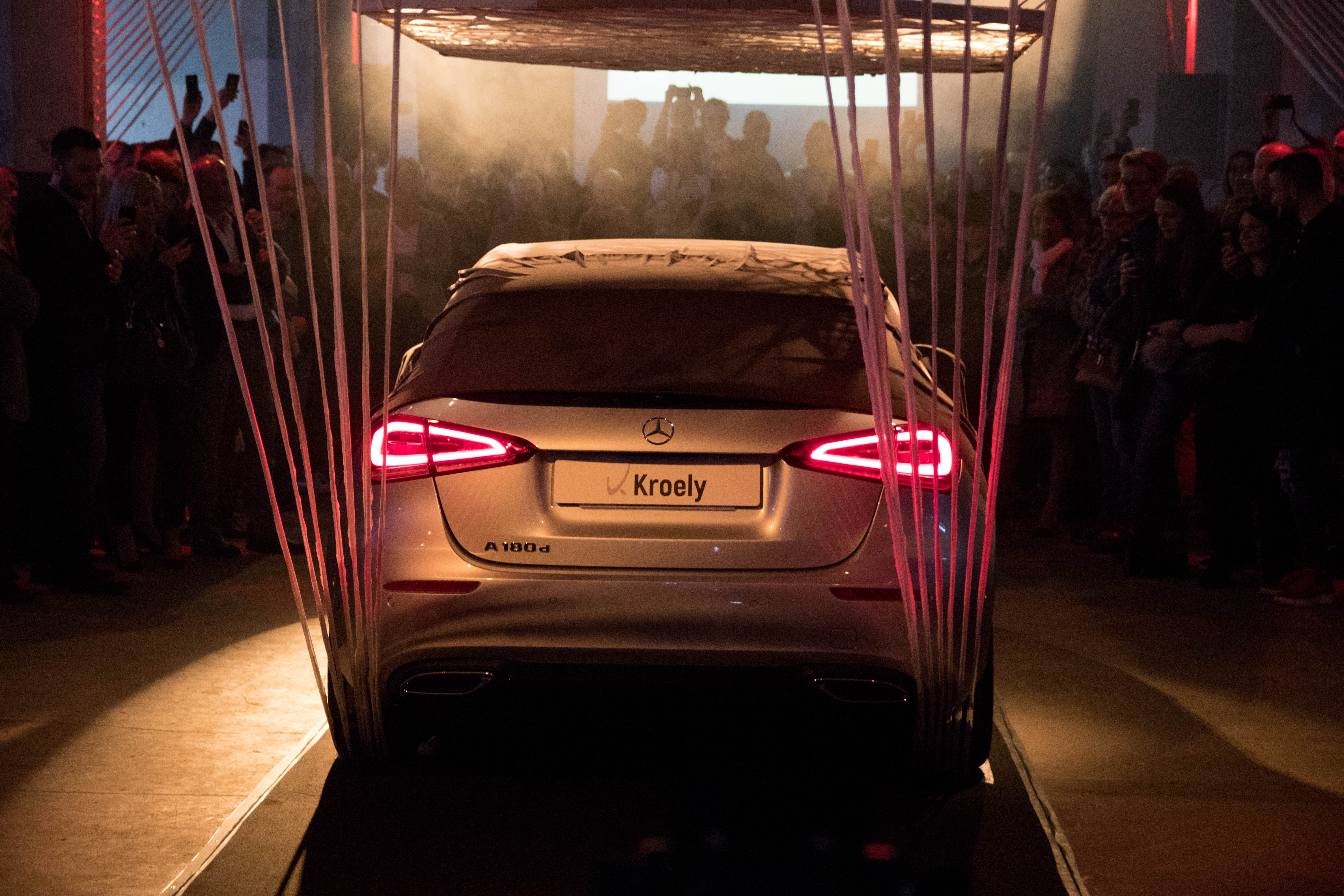
Branded reveal choreography: Light, sound, and staging cues synchronised with your reveal moment (product on stage, on-screen video, or unveiling). The point is not drama—it’s clarity: everyone sees the product at the same second, with no confusion.
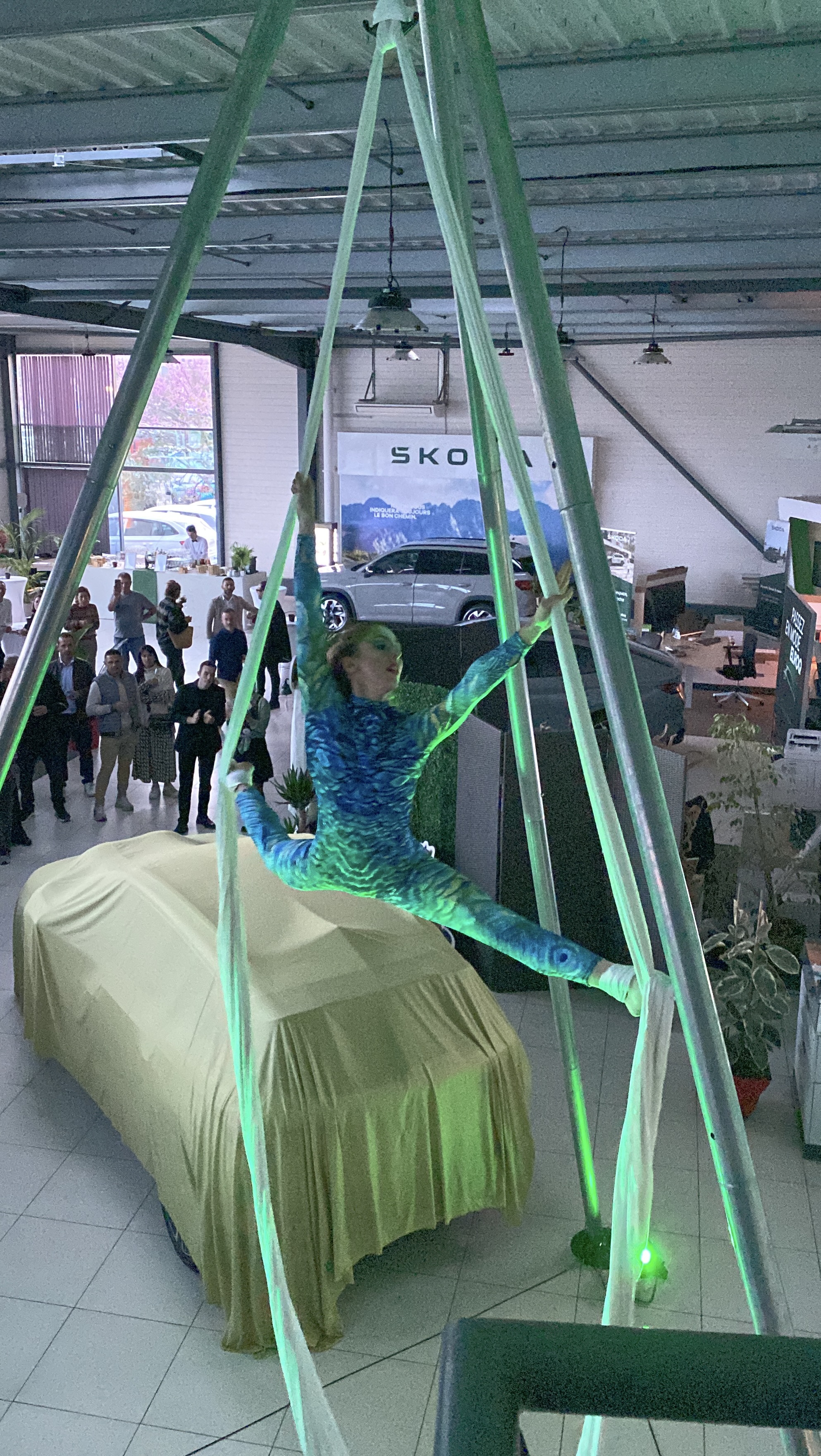
Short-form performance as a transition tool: A 5–8 minute act can reset attention between dense content blocks. We recommend acts that match your brand tone (premium, industrial, tech-forward) and that have proven reliability in corporate conditions.
Visual facilitation (live illustration): Particularly effective for complex solutions. A visual artist maps the narrative live, creating a summary your comms team can reuse internally the day after.
Innovative animations in Antwerp
Tasting stations that support conversation: In Antwerp, networking often starts faster around well-managed food moments. We recommend limited, high-throughput stations with clear signage and staffing so queues don’t damage the experience.
Pairing moments aligned with the product story: For example, a “before/after” tasting that mirrors an efficiency gain, or a structured sampling that supports a sustainability narrative (local sourcing, waste reduction). The point is to make the metaphor explicit, not implied.
VIP table service during key dialogues: When you need executive-level conversations (distributors, top accounts), we can design a quieter VIP area with service pacing that respects negotiation and avoids constant interruptions.
Gourmand animations in Antwerp
Immersive product walkthrough with AR layers: Useful when the product is too large, technical, or confidential to display fully. Guests explore a physical mock-up with AR overlays showing performance, components, or process steps.
Content capture studio on-site: A small interview corner lets your comms team capture customer reactions, partner testimonials, or leadership soundbites. We manage acoustics and lighting so the material is publishable immediately.
Data-driven personalisation: For invitation-only launches, we can tailor the guest path based on profile (press, partner tier, internal function). This is not “gimmick personalisation”; it’s a practical way to ensure the right people see the right proof points.
Whatever the format, we validate one thing with you upfront: does it strengthen your brand image and product credibility? If it doesn’t reinforce the narrative, it doesn’t belong in the room—no matter how impressive it looks on paper.
How to choose the right Antwerp venue for a product launch
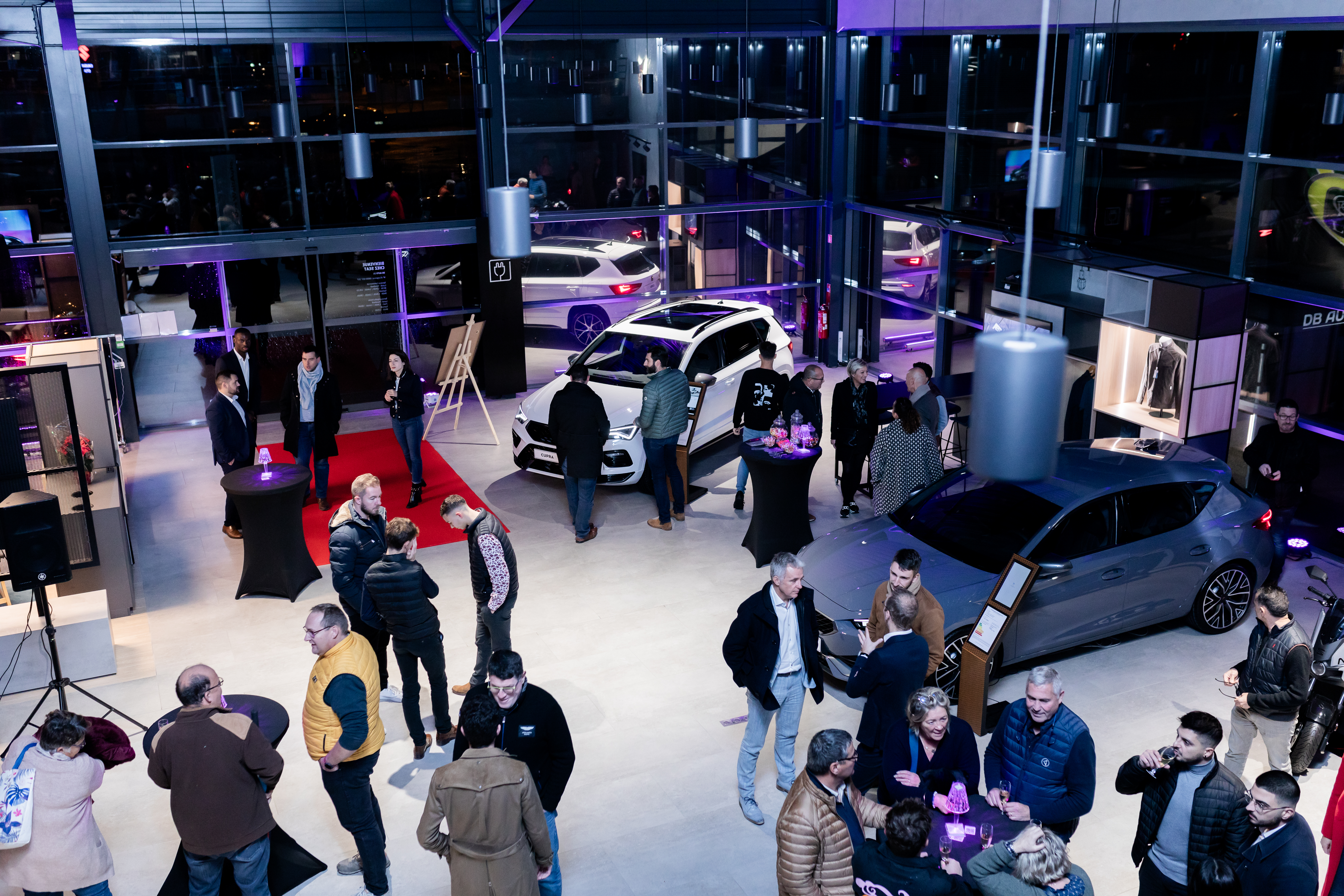
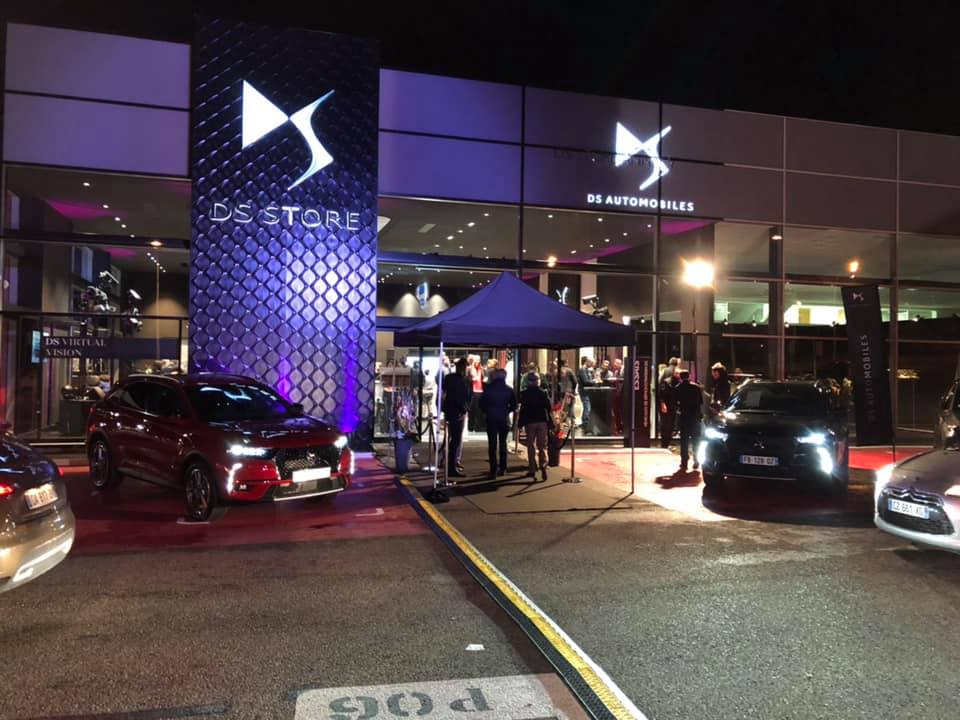
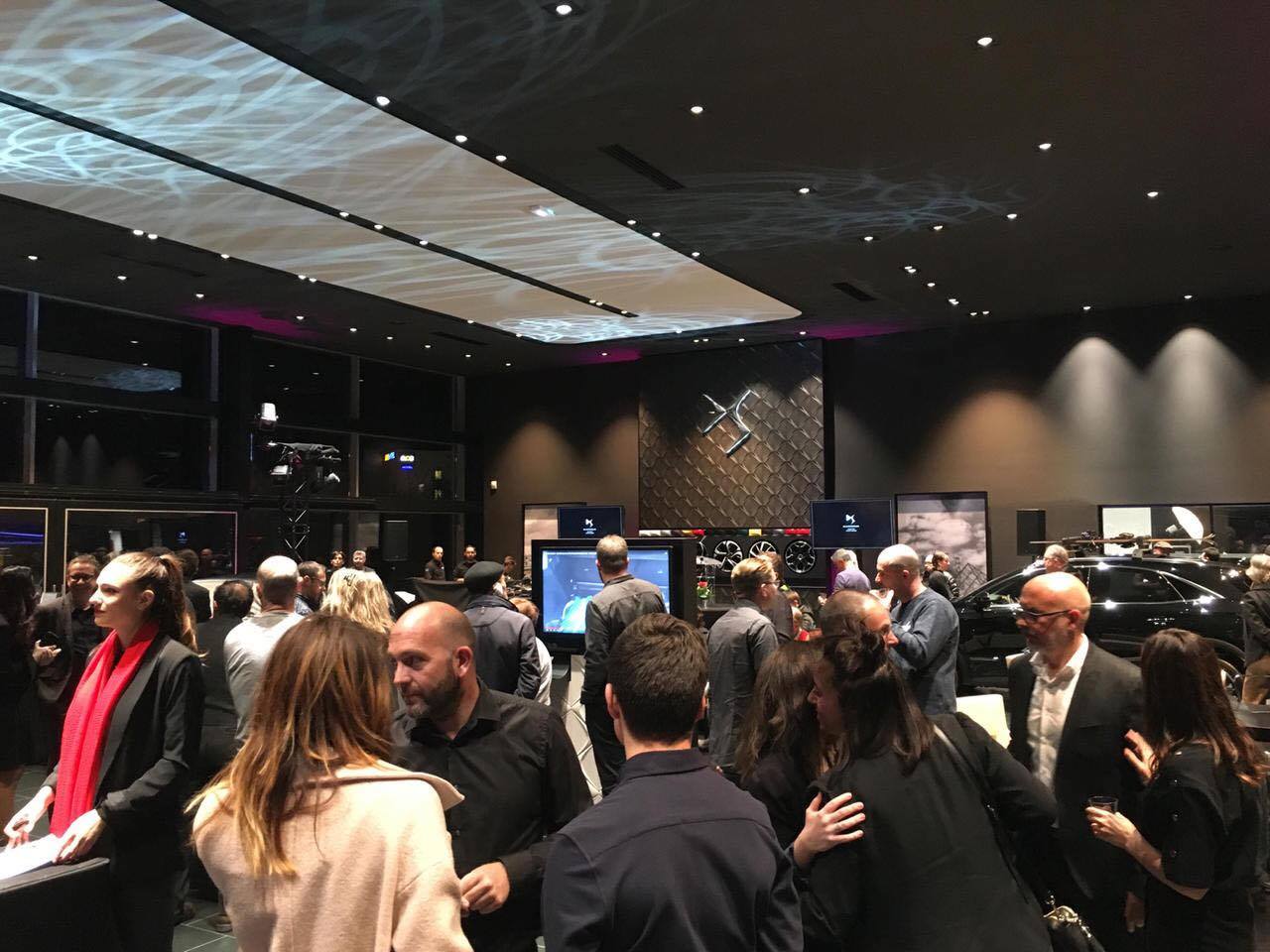
The venue is not a backdrop; it’s a production constraint and a brand signal. In Antwerp, venue choice affects technical possibilities (rigging, ceiling height, blackout), guest flow, and even the perceived maturity of your organisation. We help you shortlist based on audience, reveal format, and logistics—then we validate on site with the technical manager before anything is confirmed.
| Venue type | For which objective? | Main strengths | Possible constraints |
|---|---|---|---|
Industrial-chic event hall | High-impact reveal, large demo zones, partner evening | Flexible floorplan, strong brand staging potential, good for 200–800 guests | Acoustics and heating/cooling can require extra production; strict loading windows |
Hotel conference venue | Press preview + executive briefing + controlled networking | All-in services, easy guest access, reliable back-of-house | Less “wow” visually; rigging/lighting options may be limited |
Museum / cultural venue spaces | Premium positioning, brand storytelling, VIP audience | Strong perception and content backdrop, ideal for curated experiences | Strict rules (sound, catering, installation), limited build time, higher insurance requirements |
We insist on site visits because the decisive details are never in the brochure: power availability, cable paths, FOH placement, backstage space, and how quickly you can turn the room from plenary to networking. A Product Launch succeeds when the venue supports the show flow—not when it merely looks good in photos.
What a Product Launch in Antwerp typically costs (and what drives it)
Budgeting a Product Launch in Antwerp is less about a “price per head” and more about production complexity. A well-controlled budget starts with clarity on format (plenary, demo zones, dinner), audience (internal/external), and technical ambition (screens, lighting, capture). Once those are set, we can give reliable ranges and avoid late scope creep.
Venue and technical constraints: Some spaces require extra staging, drape, rigging points, or sound treatment. What looks affordable on paper can become expensive if the room needs heavy technical reinforcement.
AV and staging level: Screen size, camera needs (IMAG), lighting design for reveals, and audio redundancy. If your leadership is speaking to a mixed room, we prioritise intelligibility and visibility over “effects”.
Content production: Video, motion design, reveal sequences, speaker coaching, teleprompter, and rehearsal time. Many launches underestimate the cost of making content event-ready.
Staffing and guest management: Hosts, security, technicians, stage manager, registration tools, and VIP handling. Staffing scales with complexity more than with guest count.
Catering format: Seated dinner vs. high-end networking; number of service points; timing aligned to program. Food is often where timing issues show up if not designed with throughput in mind.
Capture and post-event assets: Photography, highlight film, interview corner, and rapid turnaround edits for internal and external communication.
From an ROI perspective, we look at measurable outcomes: qualified conversations, partner commitment, internal adoption, and media-ready content. A controlled, credible launch often costs less than the hidden cost of a confusing message—lost momentum, repeated explanations, and diminished confidence.
Why work with an event agency in Antwerp for a launch?
For launches, “local” is not a slogan—it’s operational speed and risk control. A team that knows Antwerp can anticipate access rules, supplier realities, and venue workflows that only become visible during build. It also reduces friction when decisions need to be made fast on-site.
Even though INNOV'events is based in Brussels, we operate frequently in Antwerp and mobilise a proven local network. When you need a partner that can execute with Antwerp-specific reflexes, you benefit from our structured production approach combined with on-the-ground coordination. If you want to understand how we organise that locally, see our page for event agency in Antwerp and the operational scope we typically cover.
The practical advantage for your leadership team is simple: fewer unknowns on event day, and faster resolution when something changes (speaker delay, late content, a demo that needs a different setup).
- Faster site coordination: We align early with the venue’s technical manager, security, and loading dock rules—often the true critical path in the city.
- Supplier reliability: We work with technicians and crew who are used to Antwerp venues and timing discipline.
- Realistic schedules: Build, soundcheck, rehearsals, and strike are planned with actual traffic and access constraints, not optimistic assumptions.
- On-site decision-making: A local-ready team can solve issues in minutes instead of escalating for hours.
From an ROI perspective, we look at measurable outcomes: qualified conversations, partner commitment, internal adoption, and media-ready content. A controlled, credible launch often costs less than the hidden cost of a confusing message—lost momentum, repeated explanations, and diminished confidence.





What we’ve delivered in Antwerp: examples of launch scenarios
Our work spans different launch realities because not every product needs the same level of spectacle—every product needs the same level of control. In Antwerp, we often see three recurring patterns.
1) Press + VIP preview (60–120 guests): A compact format where timing and message clarity matter more than volume. We build a tight keynote (15–20 minutes), a controlled Q&A, and guided demo pods. The operational focus is on media-friendly lighting, clean audio for quotes, and a guest flow that prevents journalists from missing the key proof points.
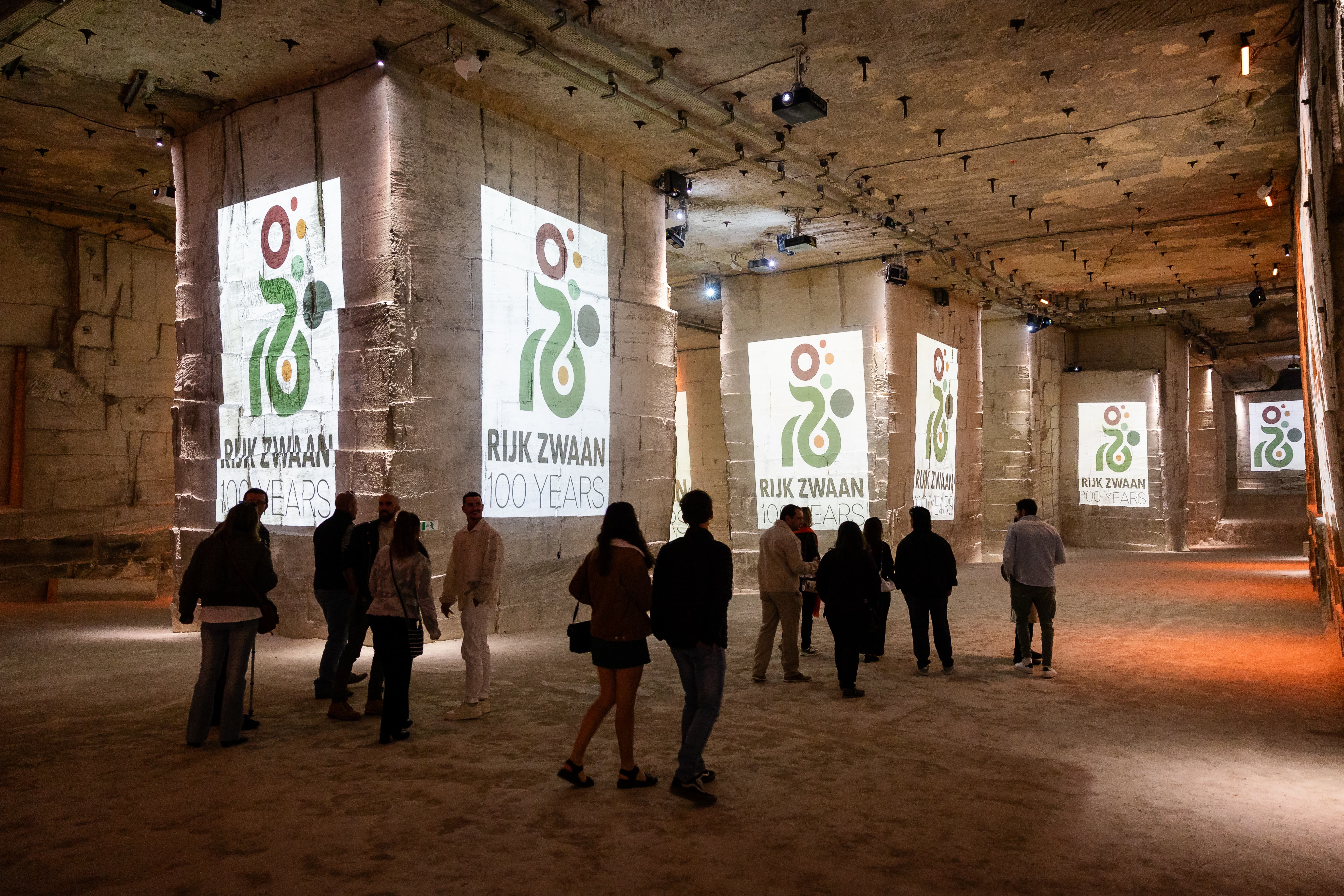
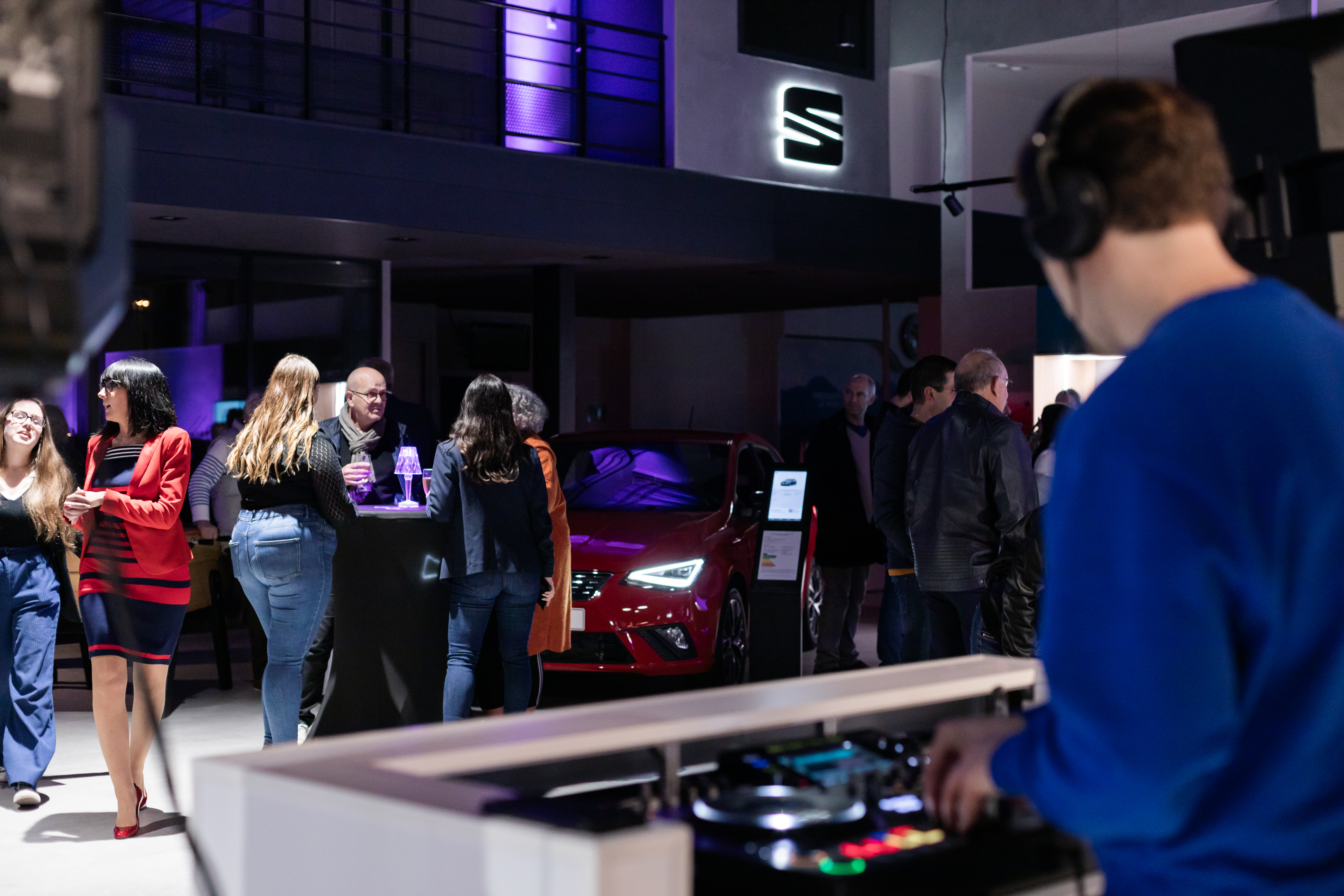
2) Partner launch evening (150–400 guests): Typically includes a reveal, product proof, then networking with commercial conversations. Here we engineer room zoning: a central plenary moment, then an opening into structured networking with demo points, a pricing/support corner, and leadership availability mapped to key accounts.
3) Internal enablement + external showcase (250–600 guests): Often required when a product changes how teams sell or deliver. We separate content into what leadership must say once (vision, positioning), what experts must demonstrate (capabilities), and what teams must practise (objections, next steps). This avoids the common trap of trying to “teach everything on stage”.
Across all scenarios, our consistency is in planning detail: show calling, cueing, rehearsals, and stakeholder alignment—because a great product story is fragile when production is improvised.
Common launch mistakes we prevent in Antwerp projects
No single owner of the run-of-show: When comms, sales, and product each “own a part”, nobody owns timing. We assign a stage manager/show caller and get sign-off on the final cue sheet.
Underestimating demo risk: Wi‑Fi instability, software updates, missing adapters, or a product that behaves differently under stage lights. We plan redundancy (offline mode, recorded demo, backup device) and do a focused demo rehearsal.
Choosing a venue for aesthetics, not logistics: Beautiful rooms can be hard to load into, too reflective for sound, or impossible to blackout. We validate constraints before contracting.
Content arrives too late: Last-minute slide changes are the number one cause of technical stress. We set content deadlines and a “freeze” window so the technical team can do proper checks.
Networking left to chance: If you need commercial outcomes, you need structure: zones, prompts, and staff who guide connections. Otherwise, your best prospects leave after the keynote.
Inconsistent brand cues: Stage design, host scripts, signage, and staff briefing must match your brand tone. We align details so the experience feels coherent and executive-ready.
Our job is to be the calm layer between your internal stakeholders and the realities of show day—anticipating failure points, documenting decisions, and making sure the plan holds when pressure hits.
Why teams rebook us for Antwerp launches
Repeat business in event production is rarely about “creativity”. It’s about trust under pressure: leaders want a partner who can run a room, protect the message, and handle last-minute changes without drama. That’s what drives long-term collaboration.
2–4 recurring touchpoints/year is common for our clients who use launches as part of a broader communication cadence (partner moments, internal updates, customer events).
3 stakeholder groups typically involved (Comms, Sales, Leadership). We structure governance so decisions don’t get stuck between departments.
1 consolidated production file (run-of-show, staffing, tech specs, risk log) shared with your core team to reduce internal back-and-forth.

Loyalty is proof of quality because the easiest supplier to replace is the one who only “looked good on the day”. The partner who comes back is the one who made the day predictable—and the outcomes measurable.
Our delivery process for a Product Launch in Antwerp
👉 Antwerp discovery call and constraint mapping
We start with a structured call with Comms/Marketing, Sales, and (when possible) a product owner. We clarify audience mix, success criteria, message hierarchy, confidentiality requirements, and decision-making. You receive a written summary with assumptions and open questions—so alignment is created early, not during build.
👉 Concept-to-run-of-show design (not just “ideas”)
We translate objectives into a show flow: arrival experience, reveal moment, proof points, demo logistics, Q&A structure, and the networking conversion plan. We define what needs to be on stage versus what belongs in stations. This is also where we align the role of entertainment: transitions, attention resets, and reinforcement of the narrative.
👉 Venue shortlist, site visit, and technical feasibility check
We propose a shortlist based on capacity, accessibility, and production constraints. Then we conduct a site visit with technical validation: power, rigging, FOH placement, backstage, loading sequence, storage, and any venue restrictions. This step prevents late surprises and keeps your budget realistic.
👉 Supplier sourcing and budget lock
We build a transparent budget with line items (venue, AV, staging, staffing, catering, content, security, capture). We confirm what is optional versus essential and identify cost levers (e.g., screen format choices, lighting packages, staffing ratios). Once approved, we lock suppliers and confirm production milestones.
👉 Content readiness and rehearsal planning
We set deadlines for slides, videos, and demo assets, then schedule rehearsals: a speaker run-through and a technical cue-to-cue. We also brief hosts, registration staff, and demo teams so the guest experience is consistent. If executives need support, we provide practical speaker guidance focused on timing and clarity.
👉 Show day production and on-site command
We run a structured call schedule: build supervision, soundcheck, rehearsal, doors, show calling, and strike. One point of contact manages your stakeholders while our production team handles technical and supplier coordination. You get real-time updates without being pulled into operational decisions unless needed.
👉 Post-event wrap-up and asset delivery
Within agreed timelines, we deliver photos/video assets and a debrief: what worked, what to improve, and practical recommendations for the next launch moment. For teams running a series of releases, we help standardise templates (run-of-show, briefing packs) to reduce future planning effort.
FAQ sur l'organisation Product Launch à Antwerp
How far ahead should we book a Product Launch in Antwerp?
Plan for 8–12 weeks for a standard corporate launch (venue, AV, catering, content). If you need a premium venue, international speakers, or heavy staging, target 12–16 weeks. For a smaller press preview, 4–6 weeks can work if content is ready early.
What budget range is typical for an Antwerp product launch?
For 100–200 guests, many launches fall between €25,000 and €75,000 depending on venue, AV, and catering. For 300–600 guests with stronger staging, capture, and multiple demo zones, it often ranges from €70,000 to €180,000+. We confirm a realistic range after understanding your show flow and technical requirements.
Which Antwerp venues work best for press and partners?
For press: venues with controllable acoustics, good lighting for filming, and easy access for quick in-and-out schedules (often hotel conference spaces or premium meeting venues). For partners: spaces that support a strong plenary reveal plus demo zones and networking throughput (often industrial-chic halls or larger event spaces). The right choice depends on your demo format and loading constraints.
How do you keep demos reliable on event day in Antwerp?
We treat the demo as a production element: dedicated rehearsal, defined network plan (often a separate demo network), backup devices, and a fallback option (recorded demo or staged scenario). We also plan camera/screen capture so the whole room can see, not only guests at the front.
Can you run a bilingual launch in Antwerp (English/Dutch/French)?
Yes. We define a language strategy early: MC language, slide language (often English), speaker briefing, and on-site scripts for hosts. For mixed audiences, we avoid switching languages randomly; we structure segments and provide clear cues so guests never feel lost.
Plan your Antwerp launch with clear timelines and controllable risks
If you’re comparing agencies, we can help you make a decision quickly: share your target date, guest count, audience mix, and what must be demonstrated live. We’ll respond with a realistic production approach, a first budget range, and the key decisions that will protect your launch.
For a Product Launch, the earlier we lock the venue and show flow, the more control you keep over content, approvals, and executive availability. Contact INNOV'events to schedule a working call focused on feasibility—not generic inspiration.
INNOV'events Antwerp Agency
Justin JACOB is the manager of the INNOV'events Antwerp office. Reach out directly by email at belgique@innov-events.be or via the contact form.
Contact the Antwerp agencyAll our services & entertainment Antwerp, Belgique
Discover our event services
Discover our event entertainment available in the Belgique
- Event Hostess in Antwerp
- Escape Game in Antwerp
- MasterChef Cooking Workshop in Antwerp
- Magician in Antwerp
- Marquee Rental in Antwerp
- Color Analysis Workshop in Antwerp
- Inflatable Games in Antwerp
- Valet Parking Service in Antwerp
- Football Simulator in Antwerp
- LED Furniture Rental in Antwerp
- Light Branding in Antwerp
- Unique Dining Experience in Antwerp
- Light Painting in Antwerp
- Murder Mystery Party in Antwerp
- Prize Contest in Antwerp
- Promotional Displays (POS) in Antwerp
- Virtual Reality in Antwerp
- Molecular Gastronomy Workshop in Antwerp
- Halloween Entertainment in Antwerp
- Fireworks Show in Antwerp
- Giant Games Challenge in Antwerp
- Event Host / MC in Antwerp
- Photo Booth Animation in Antwerp
- Santa Claus Entertainment in Antwerp
- Kids Entertainment in Antwerp
- Guided Tour in Antwerp
- Urban Rally in Antwerp
- Ball Pit in Antwerp
- Flight Simulator in Antwerp
- Food Truck Rental in Antwerp
- World Record Challenge in Antwerp
- Surf Simulator in Antwerp
- Wine Casino in Antwerp
- Makeover Workshop in Antwerp
- Perfume Creation Workshop in Antwerp
- Acting Workshop in Antwerp
- CSR Activities in Antwerp
- Archery in Antwerp
- Security Staff in Antwerp
- Wine Tasting in Antwerp
- Mime Performer in Antwerp
- TV Game Show in Antwerp
- Funfair in Antwerp
- Crisis Management Workshop in Antwerp
- Crisis Negotiation Workshop in Antwerp
- Arcade Games in Antwerp
- Indoor Skydiving Simulator in Antwerp
- Ski Simulator in Antwerp
- Racing Circuit Experience in Antwerp
- Introductory Flight Experience in Antwerp
- Tasting Experience in Antwerp
- Build Your Own Foosball Workshop in Antwerp
- 2CV Rally in Antwerp
- LEGO Challenge in Antwerp
- Casino Night in Antwerp
- Interpreter / Translator in Antwerp
- Promotional Giveaways in Antwerp
- Shuttle Transport in Antwerp