
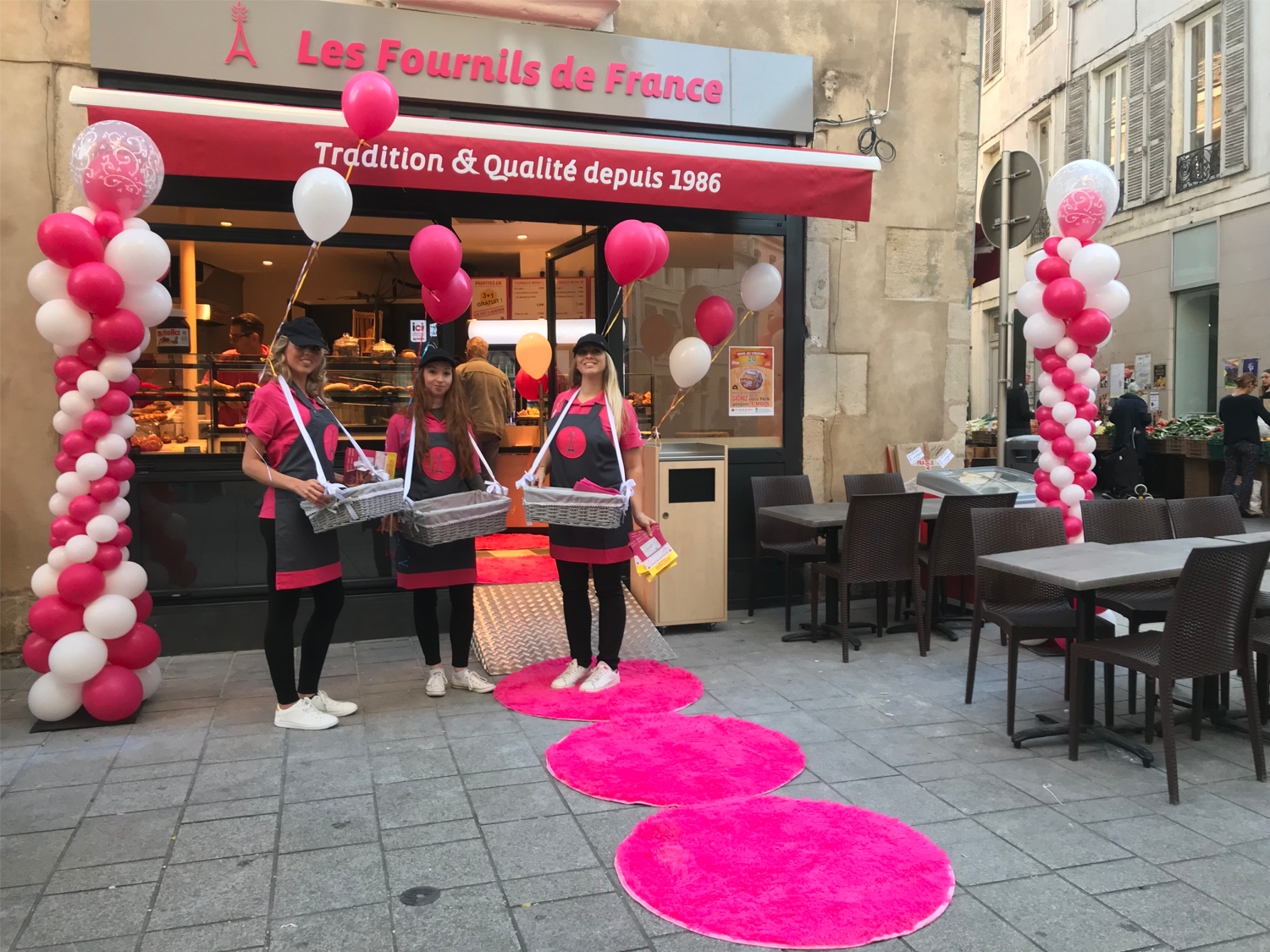
Street Marketing in Antwerp that drives footfall and protects your brand
INNOV'events (Brussels) delivers Street Marketing in Antwerp for corporate brands, HR teams, and comms departments—typically from 2 to 30 field staff per day. We handle concept, permits, staffing, training, logistics, and post-campaign reporting so your teams can stay focused on priorities.
Whether you need a one-day activation near Meir or a multi-week sampling route across Antwerp’s districts, we build operations that are safe, compliant, and measurable.
Table of contents
For a local company, entertainment in a corporate context is not “nice to have”: it is a controlled moment where attention is earned in public space, brand behaviour is observed in real time, and reputation can be strengthened—or damaged—within minutes. With Street Marketing, the “event” is your team’s behaviour on the street: the tone, the briefing quality, the queue management, and the way objections are handled.
Organisations operating in Antwerp typically expect three things from a street activation: predictable execution (no surprises on day one), clean compliance (permits, safety distances, waste handling), and measurable outcomes that can be presented internally. Communication and HR directors also expect brand-safe staffing: ambassadors who can represent the company with the same discipline as at a corporate reception.
We work from Brussels with frequent operations in Antwerp, using local partners where it adds speed (storage, last-mile logistics, print). Our strength is field structure: recruitment, training scripts, shift planning, incident escalation, and reporting that’s usable by executives—without inflating numbers or hiding friction points.
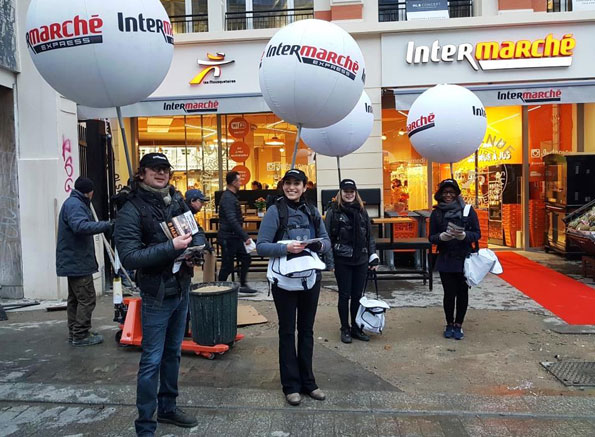
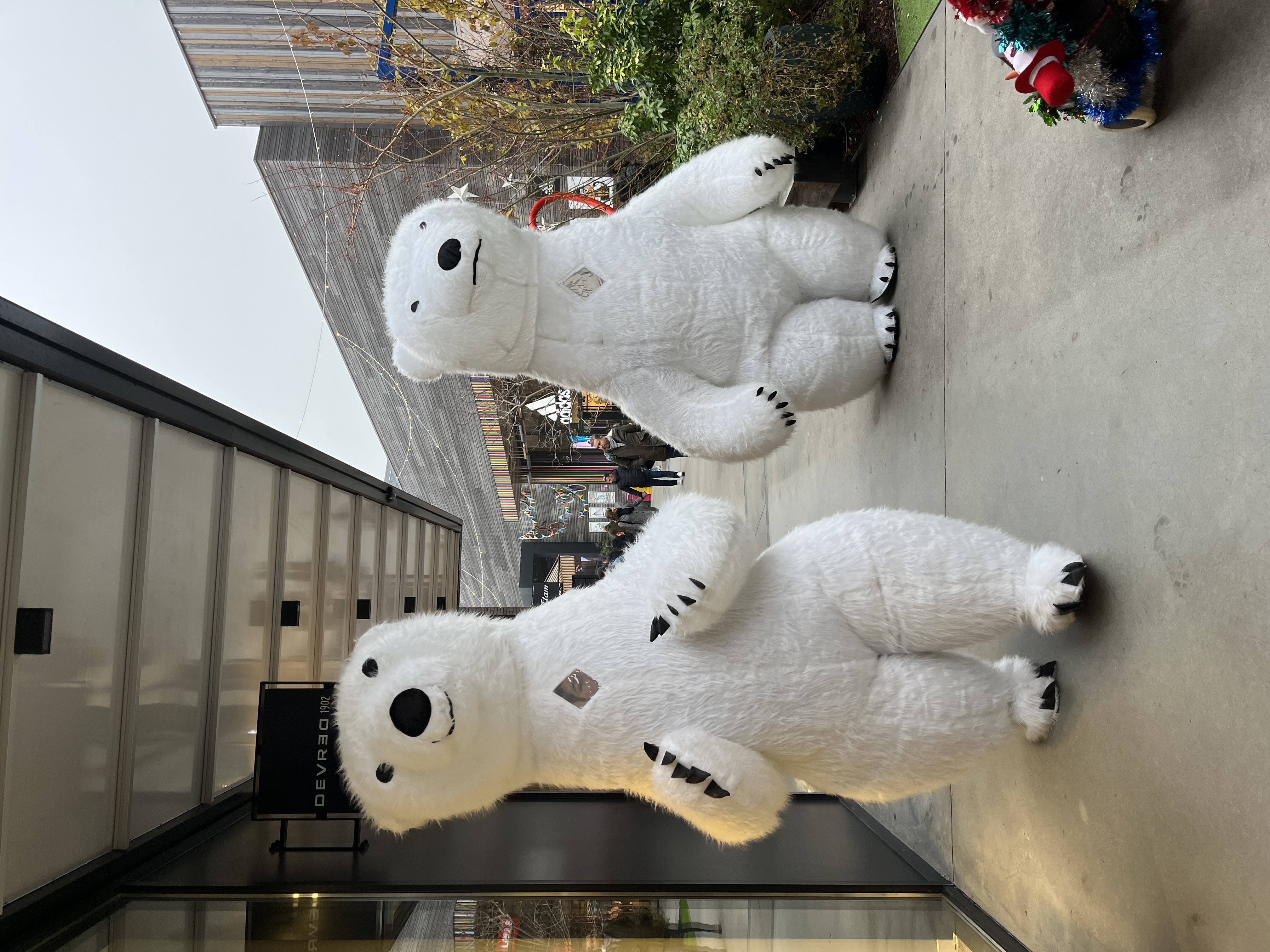
Street activation capacity you can rely on in Antwerp
10+ years delivering corporate activations and event operations across Belgium (Brussels base, frequent Antwerp deployments).
Field team sizing from 2 to 30 ambassadors per day depending on footprint, languages required, and contact volume targets.
Typical mobilisation lead time: 10 to 20 working days for staffed activations (faster is possible for light formats, but permits can be the critical path).
Operational coverage: briefing packs, route sheets, risk assessment, staffing, materials, waste plan, and same-week reporting with KPIs and observations.
How to organize a professional event in Antwerp?
- Define the objective (cohesion, announcement, fidelity, performance).
- Set date, format and size (20–1 000 people).
- Secure the venue and accommodation according to seasonality.
- Lock down technical, suppliers and logistics.
- Drive the day J (timing, scene, entrance, flow).
Antwerp references and recurring collaborations
We regularly support organisations active in Antwerp—from retail and FMCG brands looking for controlled sampling, to B2B companies who want a tangible presence around business districts, and employers running recruitment outreach.
You mentioned providing company names for references; to keep this page accurate and compliant, we only publish names once approved. In practice, several Antwerp-based clients collaborate with us year after year because they want continuity in staffing quality, predictable on-street behaviour, and reporting that stands up in internal steering meetings.
If you share the reference list, we can integrate it in a way that respects brand guidelines and the reality of what was delivered (scope, timing, neighbourhoods, and measurable results).
We send you a first proposal within 24h.
Why run Street Marketing in Antwerp for executive objectives
Street Marketing in Antwerp is a fast way to test messaging, build awareness, and generate qualified contacts in real environments—without waiting for long media cycles. For executives, the value is not “visibility”; it is decision-grade feedback and an operationally controlled brand presence in a high-traffic city.
Speed to market: launch a campaign in days/weeks rather than quarters, useful when you have a product release, an employer branding push, or a store opening that cannot move.
Real-world message validation: you hear objections and questions directly from people in Antwerp—what they misunderstand, what they repeat, what triggers interest—then you can adapt copy and offers quickly.
Controlled brand behaviour: trained ambassadors follow a script and escalation rules, which reduces reputation risk compared to ad-hoc street teams.
Measurable contact volume: track interactions, samples distributed, QR scans, opt-ins, and time slots that perform—so management gets more than anecdotes.
Cross-team alignment: HR, comms, sales, and operations can share one activation plan and one reporting set, instead of fragmented initiatives.
Local credibility: showing up consistently in Antwerp’s neighbourhoods signals commitment; this matters for employers and brands competing for attention with larger players.
Antwerp’s economic culture rewards organisations that are pragmatic, well-prepared, and respectful of public space. When the operation is clean—no clutter, no pressure tactics, no noise complaints—you gain trust faster than with broad messaging alone.
What Antwerp decision-makers expect from on-street campaigns
In Antwerp, street activations are judged quickly by the public and by stakeholders: the City, nearby businesses, and your own employees who may pass by. That creates specific expectations that executives recognise immediately.
First: compliance and discretion. If a stand blocks flow near shopping streets, or if a team becomes too aggressive with passers-by, you can trigger complaints and jeopardise future permits. We plan footprint, queuing behaviour, and “no-go” approaches (for example: no intercepting people at crossings, no crowding around tram/bus stops, and clear rules for approaching families or minors).
Second: bilingual reality. Antwerp is predominantly Dutch-speaking, but many locations have international footfall. We plan staffing based on language requirements (Dutch/English as a baseline; French when relevant for specific audiences) and we translate scripts so ambassadors don’t improvise on sensitive topics.
Third: operational continuity. Many organisations underestimate the fatigue curve. Day 1 looks great; day 3 the energy drops and the brand experience degrades. We manage rotation, breaks, and micro-coaching to keep quality consistent across shifts and districts.
Finally: executive-grade reporting. “We handed out flyers” is not reporting. Antwerp leadership teams typically want contact counts, conversion proxies (QR scans, form completions), peak hours, refusal reasons, and field observations that can be acted upon in the next sprint.
Which Street Marketing formats work best in Antwerp today
Engagement on the street comes from clarity and relevance, not from noise. The best-performing activations in Antwerp are the ones where the public understands in 3 to 5 seconds what you offer, why it matters, and what to do next. Below are formats we deploy with corporate standards: predictable staffing, compliance, and measurable outputs.
Interactive animations in Antwerp
QR-driven micro-challenges: a short action (scan, answer 2 questions, get a benefit) that creates measurable traffic. We set rules to avoid low-quality leads and ensure privacy compliance in sign-up flows.
Street interviews with a strict script: useful for employer branding or customer insight. We keep it short, avoid sensitive questions, and create a clear opt-in pathway. This works well when comms teams need real quotes and insights, not just impressions.
Guided “walk-to-store” handoffs: ambassadors escort small groups or individuals to a nearby point of sale or pop-up, improving conversion compared to handing out a map. Requires tight timing and clear rules to avoid blocking sidewalks.
Art animations in Antwerp
Live illustration or calligraphy with brand guidelines: produces a tangible takeaway while keeping the operation calm and premium. We control queue length and define what can/cannot be written to protect brand image.
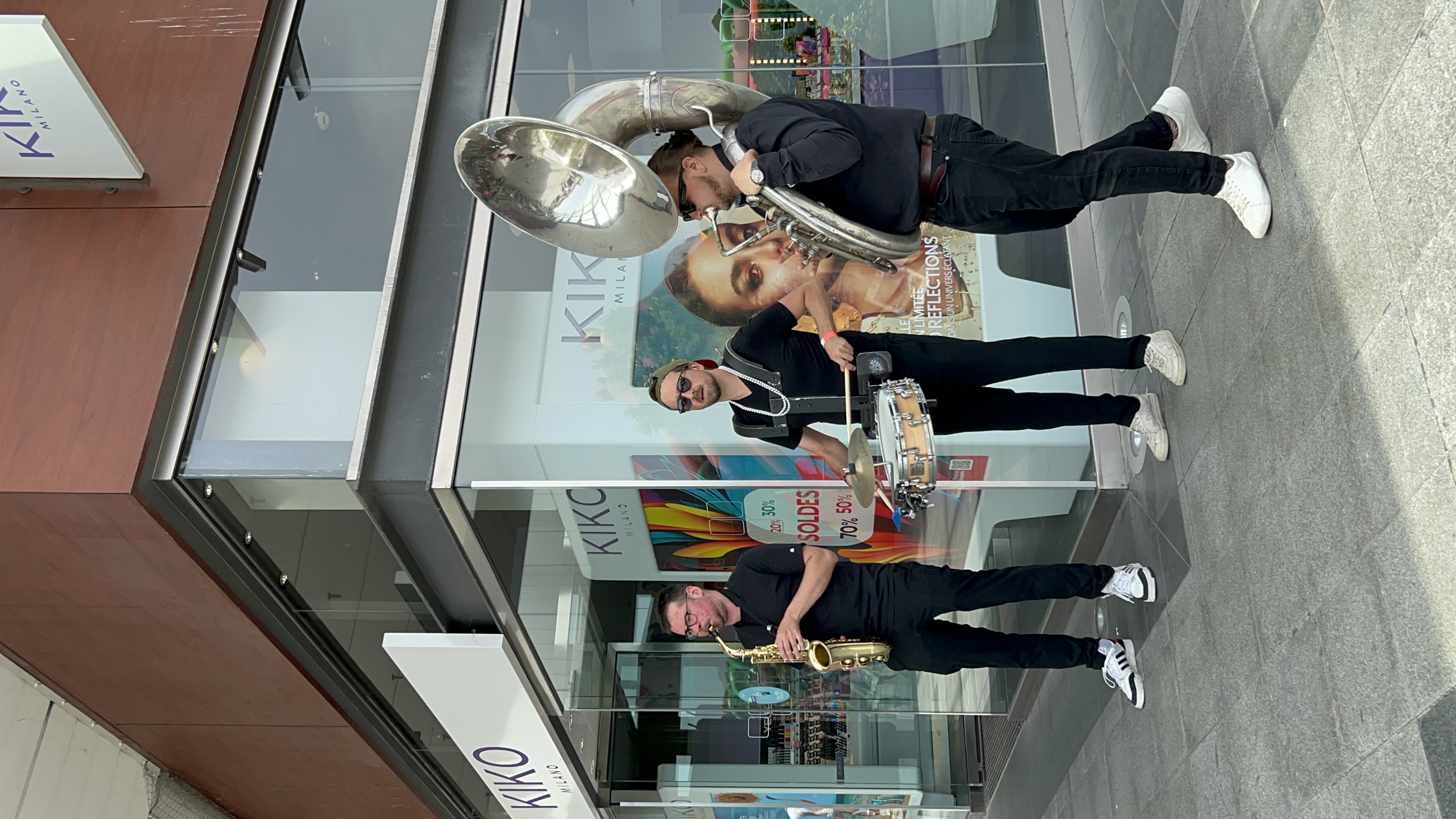
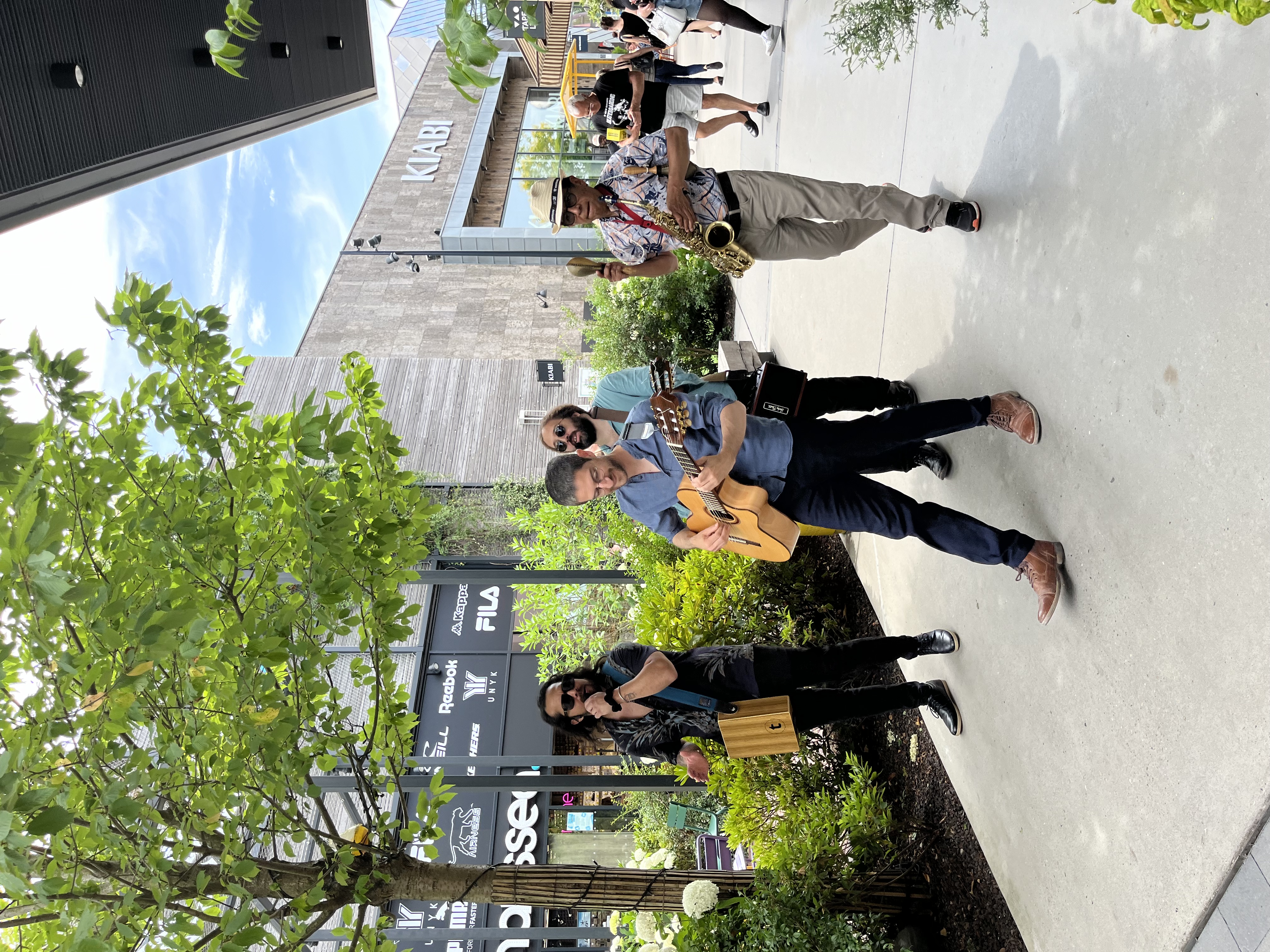
Small acoustic sets with sound discipline: only where permits and context allow. We work with decibel limits and time windows to avoid complaints—especially important in dense areas.
Innovative animations in Antwerp
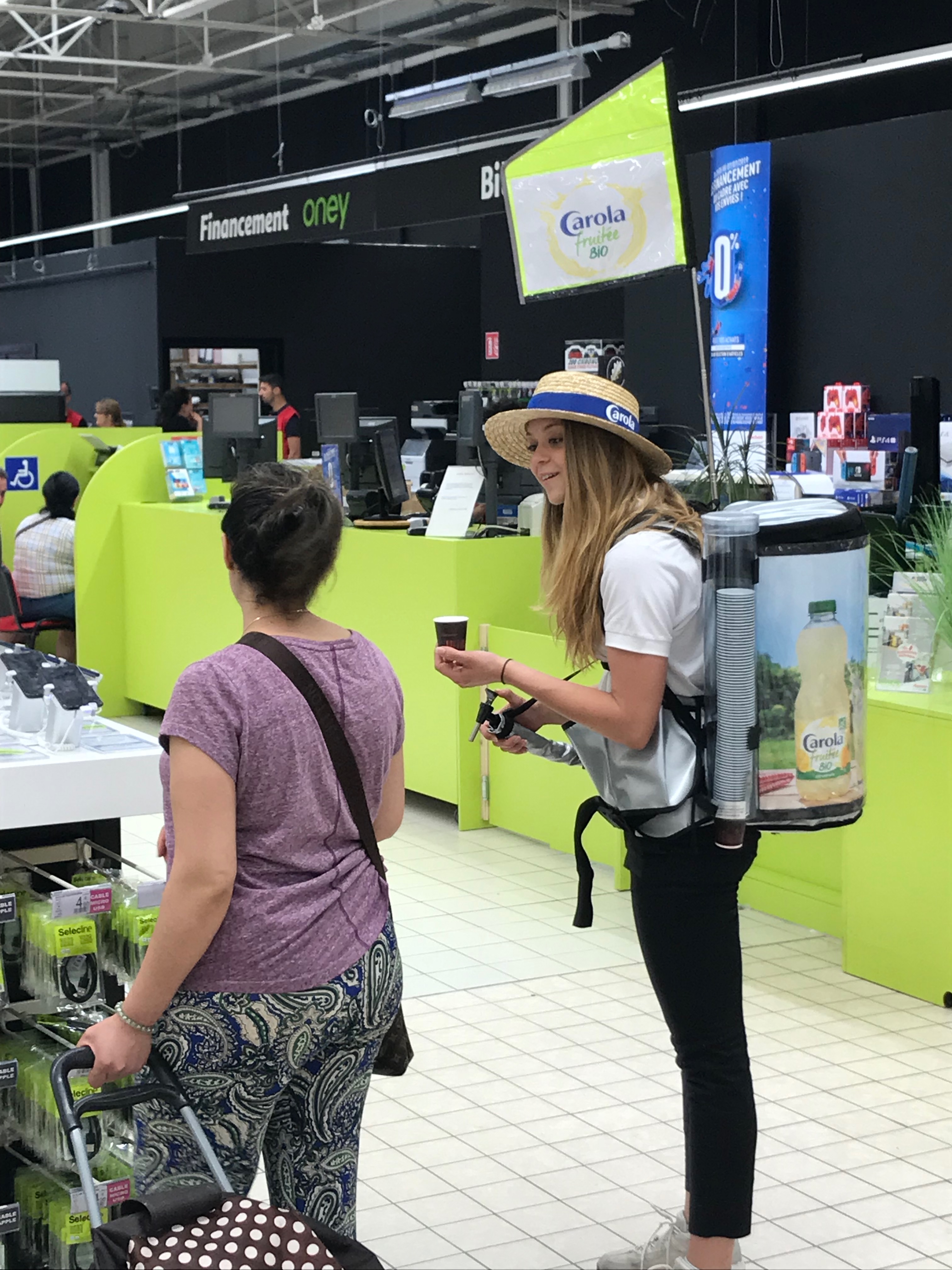
Sampling with hygiene and waste control: portioned, labelled, with clear allergen communication. We plan cleaning intervals and waste bags so the footprint stays acceptable for the City and nearby retailers.
Coffee/tea “value exchange”: a warm product for a scan, opt-in, or short interaction. Works in cooler months in Antwerp, but must be executed with strict flow and safety (hot liquids, spill management).
Gourmand animations in Antwerp
Geo-targeted reporting dashboards: interactions logged per district/time slot to identify where Antwerp audiences respond best. This is particularly useful when executives want to decide where to invest in the next quarter.
Hybrid street-to-internal engagement: for HR teams: combine on-street presence with an internal follow-up (employee referral push, recruitment webinar, or visit day). The street team becomes the top-of-funnel, HR owns conversion.
Retail partner co-activations: coordinate with local partners for co-branded visibility and better acceptance on the street. Requires clear agreements on who owns leads, stock, and brand safety rules.
Whatever the format, we align the tone and visuals with your brand image: premium brands need controlled pacing and discreet setup; mass brands can push volume but still need discipline. The goal is consistent behaviour across every ambassador so your presence in Antwerp looks like a corporate operation, not a pop-up improvisation.
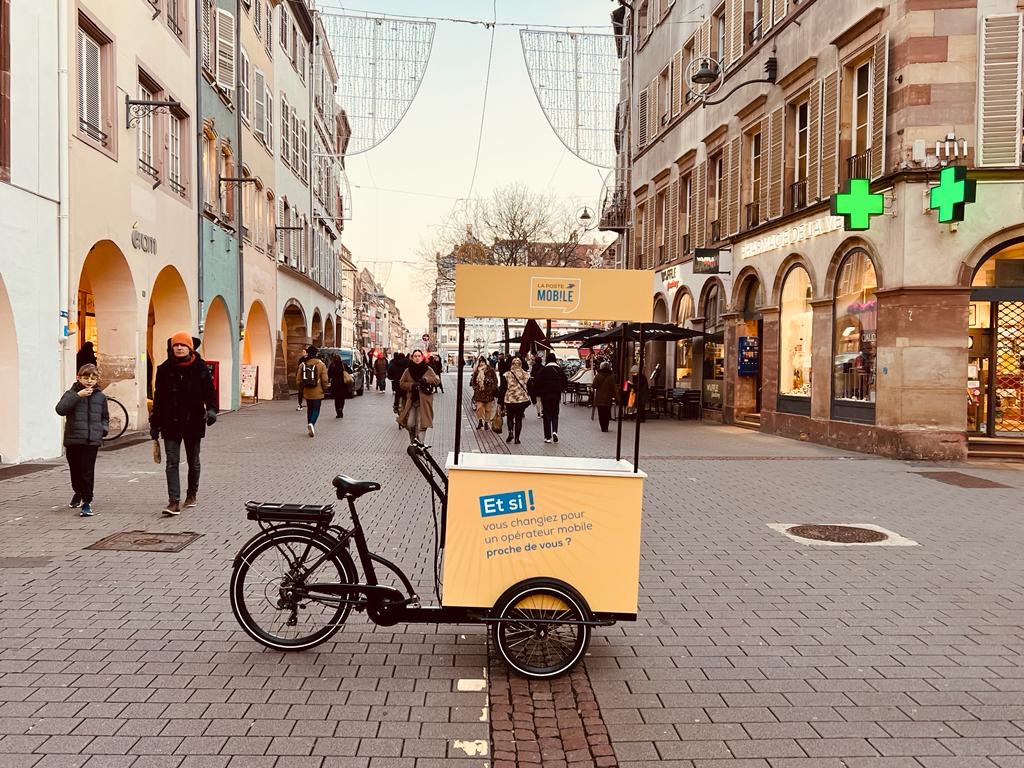
Where to position Street Marketing in Antwerp for maximum impact
The venue or location choice determines who you reach, how long they stay, and how much operational friction you will face. In Antwerp, a “great” spot can become a problem if pedestrian flow is too dense, if neighbouring businesses complain, or if the footprint is not compatible with permits and safety.
| Venue type | For which objective? | Main strengths | Possible constraints |
|---|---|---|---|
High-footfall shopping corridors (city centre) | Awareness, sampling, fast lead capture | Volume, broad demographics, strong visibility | Permits, crowding, strict footprint management, higher reputational exposure |
Mobility nodes (near stations, key tram/bus connections) | Commute-time reach, time-bound offers, recruitment awareness | Predictable peaks, repeat audiences across days | Safety constraints, no obstruction rules, short interaction windows |
Business districts and office clusters | B2B awareness, employer branding, event invitations | More qualified conversations, calmer pace, higher message retention | Lower raw volume, timing sensitivity (morning/lunch), permission from private property owners |
We strongly recommend site visits before finalising routes. A location that looks perfect on a map may have wind tunnels, construction work, or pedestrian bottlenecks that will reduce contact quality and create risk. A 30-minute walk-through can prevent a day of operational compromises.
What Street Marketing budgets look like for Antwerp
Pricing for Street Marketing in Antwerp depends on operational load, staffing, and compliance—not just on “how many flyers.” We structure budgets so you can see what you pay for: people, preparation, logistics, and measurement.
Team size and seniority: a campaign with 4 ambassadors + 1 field supervisor is not the same as 6 junior promoters. Supervision reduces risk and improves consistency, especially for premium brands.
Duration and schedule: a one-day push is cheaper but often less efficient than a 3–5 day plan with learning and optimisation. Early mornings, evenings, and weekends change staffing costs.
Permits and location constraints: depending on the footprint (stand, flags, sampling, sound), admin workload and lead times can increase. We plan this upfront to avoid last-minute downgrades.
Production and materials: branded outfit, signage, stand, sampling logistics, storage, and transport into Antwerp. Lightweight setups reduce cost and increase agility but may reduce visibility.
Measurement and tech: QR tracking, lead forms, consent capture, dashboards, and data hygiene. If your comms team needs board-ready reporting, this must be budgeted explicitly.
Risk management: insurance, safety measures, waste plan, and contingency stock for weather or higher-than-expected demand.
From an ROI perspective, we encourage clients to define one primary metric (qualified opt-ins, store visits, applications started, etc.) and two secondary metrics (contacts/hour, message recall, refusal reasons). This keeps the post-campaign discussion focused on business impact—not opinions about “how it felt on the street.”
When an event agency in Antwerp makes the difference
For on-street operations, local execution is not a comfort—it is risk control. Being close to the field means faster reactions, better location knowledge, and smoother coordination with suppliers and authorities. When timing is tight, local access often decides whether you launch on schedule or lose a week.
INNOV'events is Brussels-based but operates frequently in Antwerp; for campaigns where proximity is critical, we coordinate with our local network and can plug into an event agency in Antwerp ecosystem when it improves speed and reliability (storage, last-mile transport, printing, and rapid replacement staff).
- Faster troubleshooting: if weather, construction, or footfall changes the plan, local support reduces downtime.
- Local staffing realism: better understanding of language needs, commuting constraints, and shift reliability in Antwerp.
- Supplier agility: last-minute print runs, additional stock, or replacement equipment can be sourced quicker.
- Neighbourhood knowledge: knowing which streets saturate at which hours prevents “great idea, wrong time” mistakes.
From an ROI perspective, we encourage clients to define one primary metric (qualified opt-ins, store visits, applications started, etc.) and two secondary metrics (contacts/hour, message recall, refusal reasons). This keeps the post-campaign discussion focused on business impact—not opinions about “how it felt on the street.”






Examples of Antwerp-style Street Marketing projects we deliver
Our projects vary by sector, but the operational logic stays the same: define the objective, build a contact model, train staff, execute with supervision, and report with decision-ready insights.
Employer branding outreach: HR teams often ask for a presence that feels professional, not “promo.” We deploy ambassadors trained to answer basic employer questions, distribute a concise role flyer, and route candidates to a controlled application form. The key is setting expectations: ambassadors do not “screen”; they capture intent and reduce friction for the candidate while protecting HR from unqualified volume.
Retail footfall push: When a brand needs to drive people to a specific Antwerp location, we design a short path: street contact → simple benefit → clear walking directions → store team readiness. We coordinate with store staff so the in-store experience matches the promise made on the street. Without that alignment, street spend can backfire.
Product sampling with brand protection: For FMCG-style campaigns, we plan stock consumption per hour, hygiene rules, allergen communication, and waste handling. We also brief on what to do when demand spikes: cap distribution to keep conversation quality, avoid crowding, and protect the area.
B2B awareness near business clusters: For professional services or tech, we keep interactions short and respectful, focusing on a single value proposition and a high-quality follow-up mechanism (calendar link, event invite, downloadable briefing). In Antwerp, this works best at precise time windows rather than “all day.”
Common mistakes that damage Street Marketing results in Antwerp
Overbuilding the concept and underbuilding operations: impressive visuals with no clear script, no supervision, and no reporting. On the street, execution beats creativity.
Choosing a location based on assumptions: a spot that looks busy may have the wrong demographic or too much flow to stop people safely.
Underestimating permits and neighbours: skipping compliance can lead to complaints, forced relocation, or a stop order—especially painful when executives are expecting same-day results.
Not training objection handling: without role-play, ambassadors improvise, which can create brand and legal risk (pricing promises, HR statements, product claims).
No plan for bad weather: rain and wind impact contact rate, materials, and staff morale. A contingency plan is cheaper than losing a day.
Measuring vanity metrics only: counting flyers instead of tracking interactions, opt-ins, and message performance prevents learning and wastes budget.
Our role is to remove these risks before they appear on the street: we pressure-test locations, build training materials, supervise execution, and report transparently so you can defend decisions internally.
Why Antwerp clients renew Street Marketing programmes
Repeat business in street activations is earned by operational consistency. Directors come back when they know the team will show up on time, represent the brand correctly, and deliver measurable learning—not when the concept simply “looked nice.”
Same-week reporting after each activation day or wave, so internal stakeholders can adjust quickly.
Campaign continuity: keeping the same field supervisor across waves improves quality and reduces briefing time by 20–30% in practice.
Quality control: on-street coaching and spot checks reduce off-script behaviour and improve conversion consistency across shifts.

Loyalty is the most reliable indicator in this business because it reflects what happens when nobody is watching: punctuality, discipline, and problem-solving under pressure in real Antwerp conditions.
How we run Street Marketing projects for Antwerp organisations
👉 Step 1: Executive briefing and success metrics (Antwerp scope)
We start with a short decision-focused call: objective, target audience, brand constraints, and what “success” means internally. We agree on primary and secondary KPIs (for example: qualified opt-ins, QR scans, store visits, applications started) and define what data can be collected and how consent is captured.
👉 Step 2: Location strategy and permit pathway (city priorities)
We propose locations and time windows based on your audience and interaction type. We validate feasibility (space, flow, safety) and map the permit requirements and lead times. Where needed, we propose a lighter footprint to accelerate approval while keeping visibility acceptable.
👉 Step 3: Staffing, training, and brand safety (department-level rigour)
We recruit ambassadors with the right language mix and attitude, then train them with scripts, role-play, and “do not say” rules. We create a briefing pack: talking points, FAQs, escalation contacts, dress code, and behaviour guidelines. For higher-risk campaigns, a field supervisor is mandatory.
👉 Step 4: Production, logistics, and on-street execution (Antwerp deployment)
We plan materials, stock, transport, and on-site setup. On the day, we run check-in/out, supervise quality, manage stock consumption, and keep the footprint clean (waste plan, cleaning intervals). If conditions change, we adapt quickly within the approved rules.
👉 Step 5: Reporting and optimisation (city learnings)
You receive a clear report: contact counts, interaction quality notes, conversion proxies (QR scans/opt-ins), peak hours, and refusal reasons. We also include field observations executives can use: which message landed, which audience reacted, and what to adjust for the next Antwerp wave.
FAQ sur l'organisation Street Marketing à Antwerp
Do we need permits for Street Marketing in Antwerp?
Often yes. If you use a stand, signage, sampling, sound, or you occupy space in a fixed way, permits are typically required. Purely mobile distribution can still be restricted depending on location and behaviour. We confirm the permit pathway during planning and build a compliant footprint.
How many ambassadors do we need in Antwerp?
Most corporate activations run with 4 to 10 ambassadors, plus 1 field supervisor when brand risk is high or when you operate multiple positions. The right number depends on interaction length, location density, and the lead/traffic target for the day.
What budget range is typical for Antwerp street activations?
As a working range, corporate Street Marketing in Antwerp often starts around €2,500–€5,000 for a light, single-day staffed activation and can run €8,000–€25,000+ for multi-day waves with supervision, production, sampling logistics, and reporting. We quote after confirming footprint, staffing model, and measurement needs.
Which Antwerp neighbourhoods perform best for foot traffic?
It depends on who you need to reach and at what time. Shopping corridors deliver volume, mobility nodes deliver predictable peaks, and office clusters deliver calmer but often more qualified conversations. We recommend a short site visit and a contact model before committing.
How do you measure Street Marketing results in Antwerp?
We combine field counts (interactions, samples distributed), digital signals (QR scans, form completions, calendar clicks), and qualitative insights (top objections, message recall, audience fit). You receive a same-week report with KPIs and operational notes so leadership can decide next steps.
Plan your Antwerp Street Marketing campaign with a clear operational brief
If you’re comparing agencies, we recommend starting with a concrete scope: objective, target audience, preferred dates, and what your internal stakeholders need to see in the report. Send us those elements and we will respond with a practical proposal: staffing model, permit pathway, locations/time windows, and a transparent budget structure.
The earlier we lock the footprint and permit route, the more we can invest in what actually moves results in Antwerp: training quality, supervision, and measurement. Contact INNOV'events to book a planning call and receive a quote.
INNOV'events Antwerp Agency
Justin JACOB is the manager of the INNOV'events Antwerp office. Reach out directly by email at belgique@innov-events.be or via the contact form.
Contact the Antwerp agencyAll our services & entertainment Antwerp, Belgique
Discover our event services
Discover our event entertainment available in the Belgique
- Event Hostess in Antwerp
- Escape Game in Antwerp
- MasterChef Cooking Workshop in Antwerp
- Magician in Antwerp
- Marquee Rental in Antwerp
- Color Analysis Workshop in Antwerp
- Inflatable Games in Antwerp
- Valet Parking Service in Antwerp
- Football Simulator in Antwerp
- LED Furniture Rental in Antwerp
- Light Branding in Antwerp
- Unique Dining Experience in Antwerp
- Light Painting in Antwerp
- Murder Mystery Party in Antwerp
- Prize Contest in Antwerp
- Promotional Displays (POS) in Antwerp
- Virtual Reality in Antwerp
- Molecular Gastronomy Workshop in Antwerp
- Halloween Entertainment in Antwerp
- Fireworks Show in Antwerp
- Giant Games Challenge in Antwerp
- Event Host / MC in Antwerp
- Photo Booth Animation in Antwerp
- Santa Claus Entertainment in Antwerp
- Kids Entertainment in Antwerp
- Guided Tour in Antwerp
- Urban Rally in Antwerp
- Ball Pit in Antwerp
- Flight Simulator in Antwerp
- Food Truck Rental in Antwerp
- World Record Challenge in Antwerp
- Surf Simulator in Antwerp
- Wine Casino in Antwerp
- Makeover Workshop in Antwerp
- Perfume Creation Workshop in Antwerp
- Acting Workshop in Antwerp
- CSR Activities in Antwerp
- Archery in Antwerp
- Security Staff in Antwerp
- Wine Tasting in Antwerp
- Mime Performer in Antwerp
- TV Game Show in Antwerp
- Funfair in Antwerp
- Crisis Management Workshop in Antwerp
- Crisis Negotiation Workshop in Antwerp
- Arcade Games in Antwerp
- Indoor Skydiving Simulator in Antwerp
- Ski Simulator in Antwerp
- Racing Circuit Experience in Antwerp
- Introductory Flight Experience in Antwerp
- Tasting Experience in Antwerp
- Build Your Own Foosball Workshop in Antwerp
- 2CV Rally in Antwerp
- LEGO Challenge in Antwerp
- Casino Night in Antwerp
- Interpreter / Translator in Antwerp
- Promotional Giveaways in Antwerp
- Shuttle Transport in Antwerp