
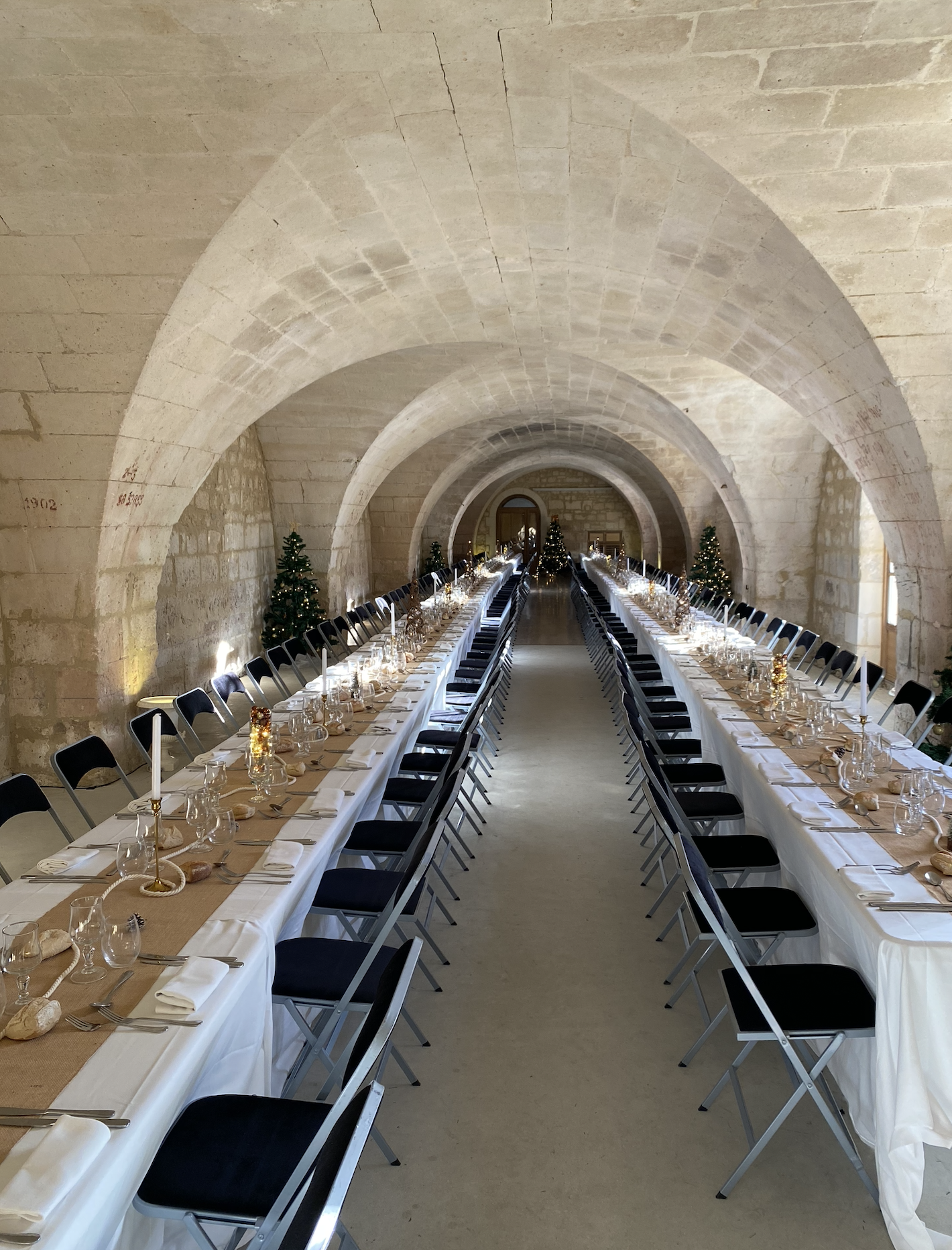
Seminar Venue Rental in Antwerp, handled like an executive project
INNOV'events supports executives, HR, and communications teams with Seminar Venue Rental and end-to-end seminar delivery in Antwerp, typically for 30 to 600 attendees. We secure the right venue, align suppliers, manage the run-of-show, and protect your time, your budget, and your brand on the day.
Table of contents
For a corporate seminar, “entertainment” isn’t a nice-to-have: it’s a lever to keep attention high, reduce post-lunch drop-off, and create the kind of informal moments where decisions and alignment actually happen. In practice, a well-designed energizer or evening format can improve workshop participation and shorten the time needed to land key messages.
Organizations in Antwerp tend to expect operational discipline: punctuality, clear signage, multilingual hosting when needed (NL/FR/EN), and a venue that matches their positioning—whether that’s a sober board-level setting or an innovation-forward environment. They also expect realistic planning: load-in times, parking constraints, and AV specs that work on the first try.
We are an event agency based in Brussels with recurring delivery in Antwerp and the surrounding area. Our value is pragmatic: venue shortlisting based on constraints, supplier control (AV, catering, staging), and on-site production that keeps leadership teams focused on content—not troubleshooting.
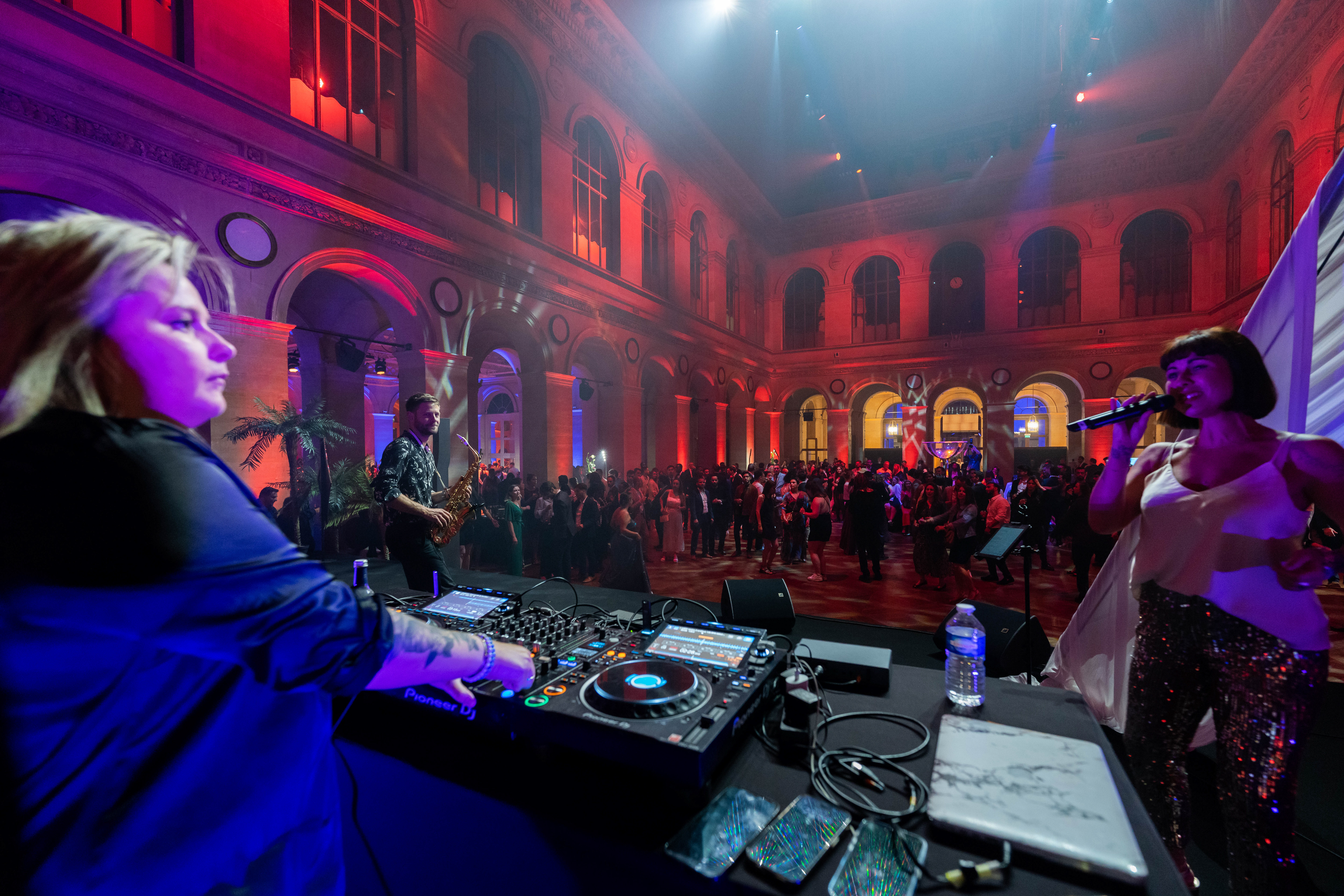
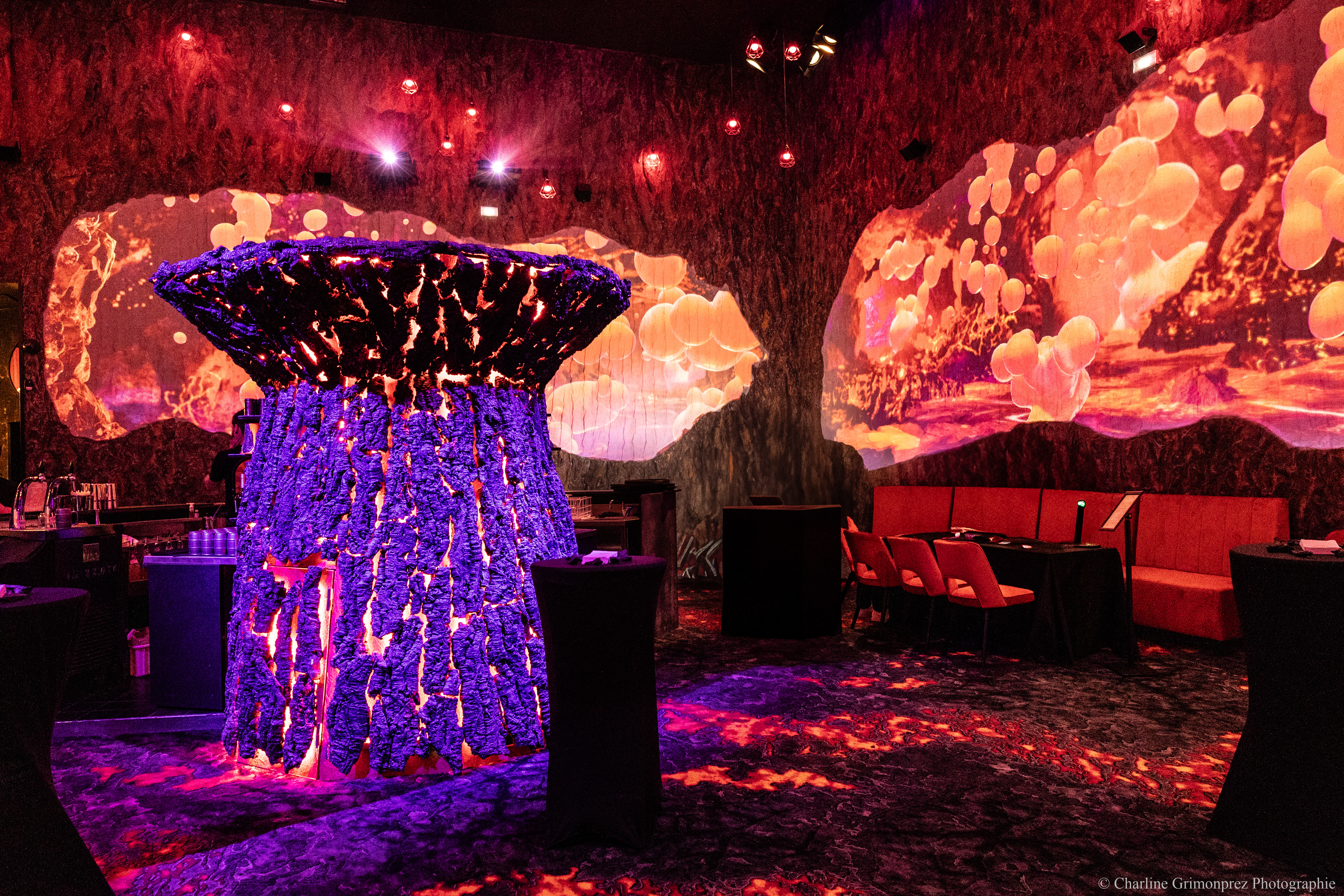
Antwerp delivery, backed by measurable operational capacity
10+ years supporting corporate seminars and leadership events across Belgium, including recurring projects in Antwerp.
Typical seminar formats we manage: 1/2 day, 1 day, or 2 days, with structured plenaries, breakouts, and networking blocks.
Coverage for 30–600 participants, with scalable staffing (production lead, stage manager, registration team, technical coordinator).
24–72 hours to deliver a first venue shortlist when the brief and budget range are clear.
How to organize a professional event in Antwerp?
- Define the objective (cohesion, announcement, fidelity, performance).
- Set date, format and size (20–1 000 people).
- Secure the venue and accommodation according to seasonality.
- Lock down technical, suppliers and logistics.
- Drive the day J (timing, scene, entrance, flow).
Who we support around Antwerp
We regularly work with organisations that operate in and around Antwerp—from headquarters teams to Benelux leadership groups that need a reliable seminar setup without internal overload. Many of our clients come back year after year because the basics are handled properly: venues that fit the agenda, AV that doesn’t fail, and suppliers aligned on timing.
You mentioned “the company names I provided as references”, but none were included in your message. If you share the names (and whether you want them public or anonymised), we’ll integrate them here in a compliant way. In the meantime, we can structure references by sector (port/logistics, pharma, professional services, retail) and by event type (leadership offsite, HR seminar, sales kick-off) to reflect what decision-makers in Antwerp typically benchmark.
We send you a first proposal within 24h.
Why run a leadership seminar in Antwerp now?
A seminar is one of the few moments where executives can reset priorities with the full management layer in the same room. In reality, the value is created less by the slides and more by the sequence: decision points, structured peer discussion, and the informal time that allows alignment to stick.
Faster alignment on strategy: a well-run plenary + breakouts format can replace weeks of fragmented meetings, especially when leadership needs to cascade a shift in priorities.
Better cross-functional execution: when sales, ops, HR, and communications work through scenarios together, you reduce downstream friction (and the “we didn’t understand the ask” effect).
Employer brand and retention impact: HR teams often use seminars to reinforce values and recognition—provided the experience feels professional, not improvised.
Management rhythm: quarterly or annual seminars create a cadence for KPIs, transformation programmes, and safety/quality updates—critical for multi-site operations.
Controlled messaging: communications teams benefit from a venue and production setup that protects confidentiality, supports recording when needed, and avoids reputational risk.
Antwerp is built on execution culture—port-driven logistics, industrial precision, and international business. A seminar that is tight on timing, clear on objectives, and consistent in production quality fits that local expectation and is typically better received by management teams.
What Antwerp-based teams expect from a seminar venue
When we source Seminar Venue Rental in Antwerp, the brief is rarely just “a nice room.” Decision-makers are balancing brand image, productivity, and the reality of getting 80, 150, or 300 people in and out efficiently. In Antwerp, a few recurring constraints show up in almost every project.
Access and mobility: ring road and city access can be unpredictable during peak hours, so we plan arrivals with buffer, staggered check-in, and clear parking instructions. If attendees come by train, we prioritise venues with straightforward connections from Antwerp Central and easy last-mile options.
Language and audience mix: many Antwerp seminars include HQ plus international colleagues. We look at acoustics, interpretation possibilities (if required), and signage that remains clean and consistent in NL/EN (and FR when relevant).
Operational realism: loading docks, lift sizes, rigging points, power distribution, and a real backstage area matter. A venue can look premium and still be a technical headache if there’s no clean path for equipment, or if the plenary room has fixed sightline issues for screens.
Food and timing discipline: executive audiences notice immediately when lunch queues eat into workshops. We plan catering flow (multiple stations, service speed, dietary capture during registration) so your agenda stays intact.
What seminar engagement formats work in Antwerp venues
Engagement formats should serve the agenda: keep energy stable, create structured interaction, and reinforce key messages. In a seminar context, we design “entertainment” as purposeful moments—short, controlled, and compatible with executive standards. When relevant, we can also integrate corporate event entertainment in Antwerp for evening networking without turning the event into a party.
Interactive animations in Antwerp
Moderated live polling with decision capture: beyond “fun questions,” we use polls to prioritise initiatives, test understanding of KPIs, or choose between scenarios. Output can be exported and shared with the PMO the next day.
Workshop rotations with timed facilitation: ideal for leadership offsites where cross-functional friction exists. We set clear questions per table, provide templates, and end with a controlled report-out to avoid endless debate.
Case-based breakouts (Antwerp market reality): for sales or operations teams, we build cases around realistic constraints—lead times, port congestion, regulatory change—so discussions remain grounded and relevant.
Art animations in Antwerp
Compact opening act (5–7 minutes) to mark the start: used when you need a clear “shift” into seminar mode. We keep it short, technically simple, and aligned with brand tone (no gimmicks).
Voice-of-customer reading or staged testimonials: for transformation programmes, we’ve seen leadership teams use anonymised customer quotes read by professional performers to create impact without exposing confidential data.
Innovative animations in Antwerp
Speed networking around tasting stations: reduces the awkwardness of open networking. Stations are designed for throughput (not queues), with dietary options managed through registration data.
Executive lunch flow design: not a “concept,” but a logistics win—multiple service points, pre-labeled dietary meals, and clear routing to protect workshop start times.
Gourmand animations in Antwerp
Speaker coaching + teleprompter for high-stakes keynotes: when a CEO or country director is delivering sensitive messaging, we add rehearsal time, stage marks, confidence monitor, and clean slide control.
Hybrid-ready setup without overproducing: for teams split between Antwerp and international sites, we plan a minimal-failure streaming approach: wired connections, dedicated audio feed, and a clear moderation plan for remote Q&A.
Whatever the format, we pressure-test alignment with brand image: does it fit your sector, your leadership style, and your internal culture? In Antwerp, audiences respond best to engagement that is polished, time-respectful, and clearly connected to business outcomes.
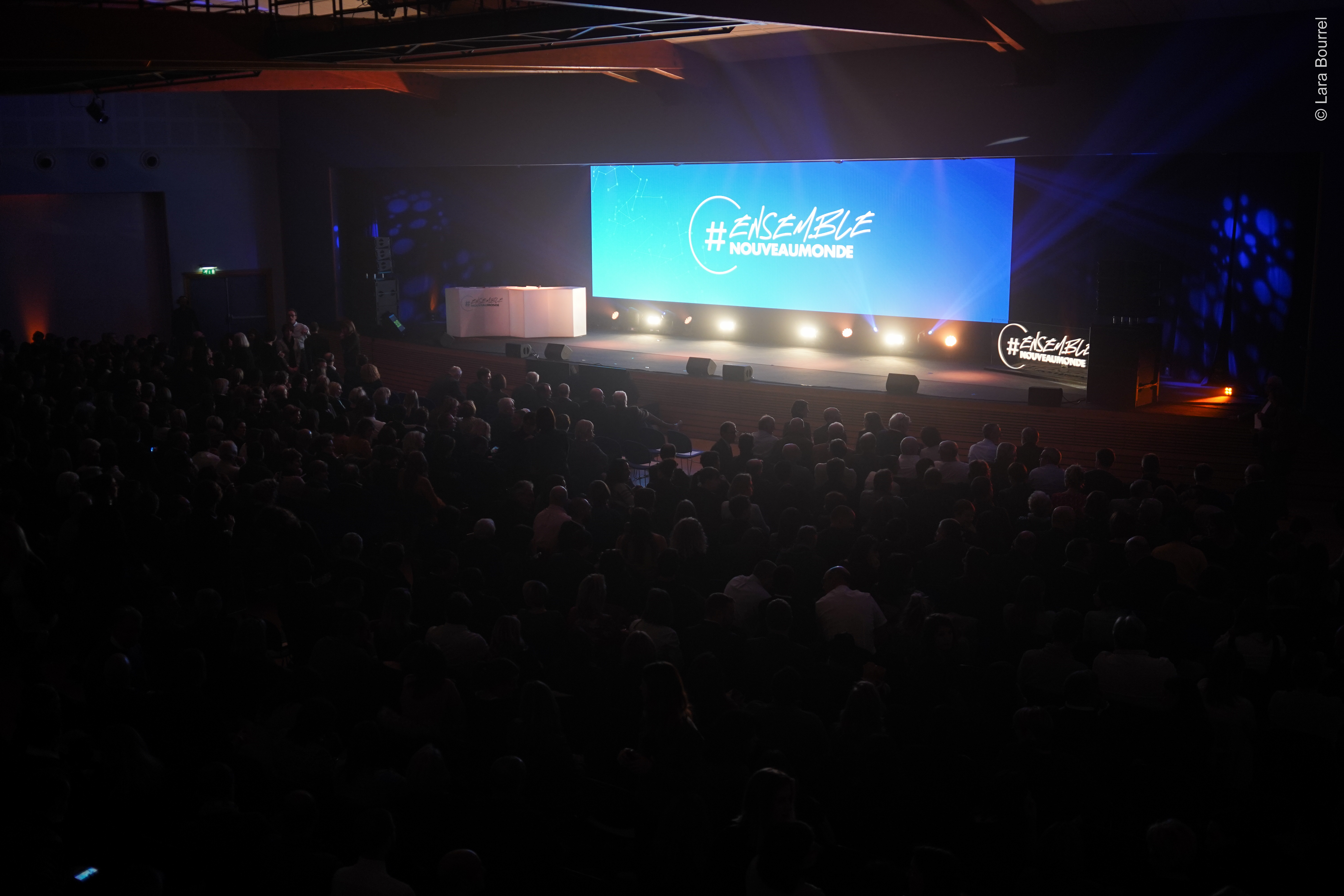
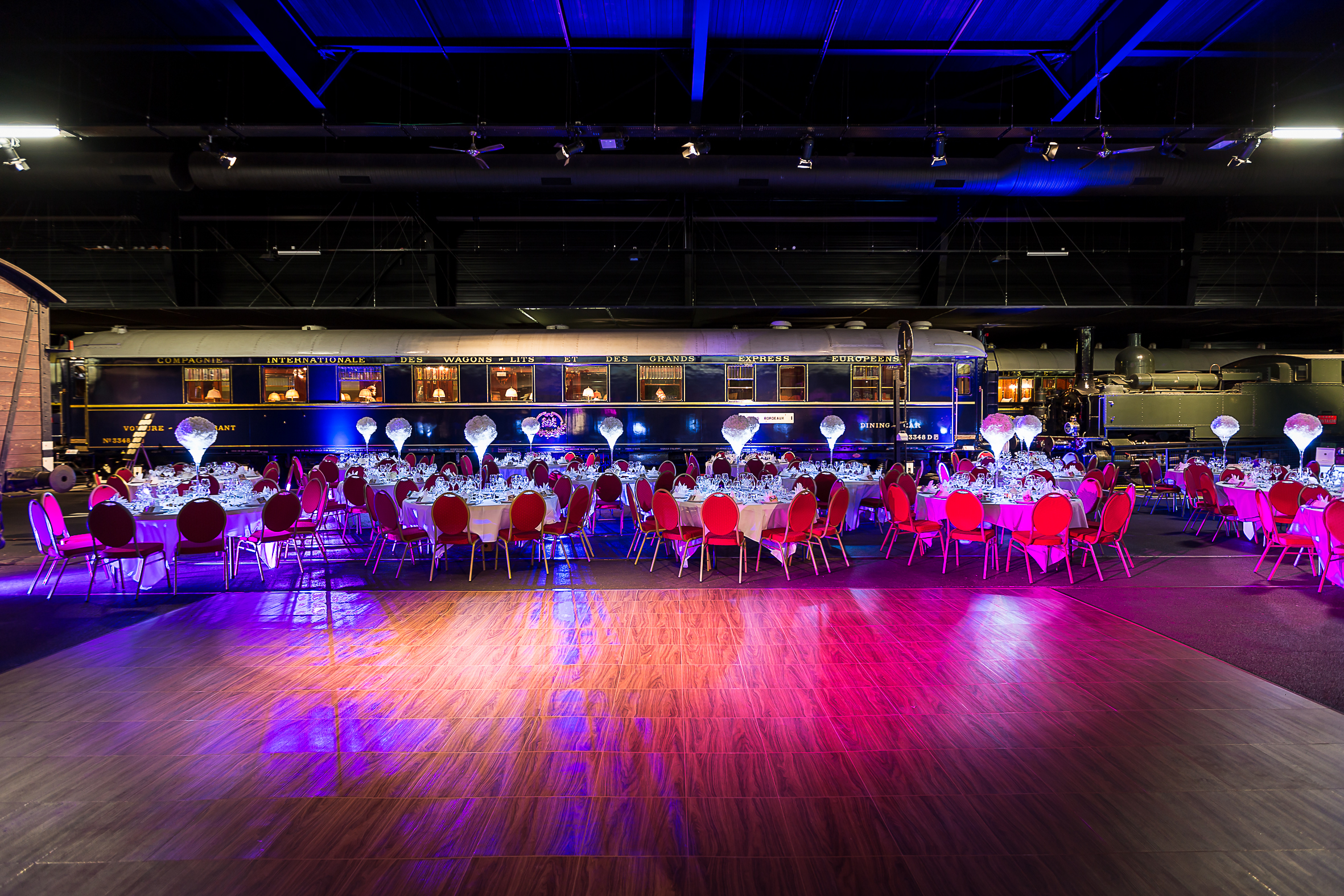
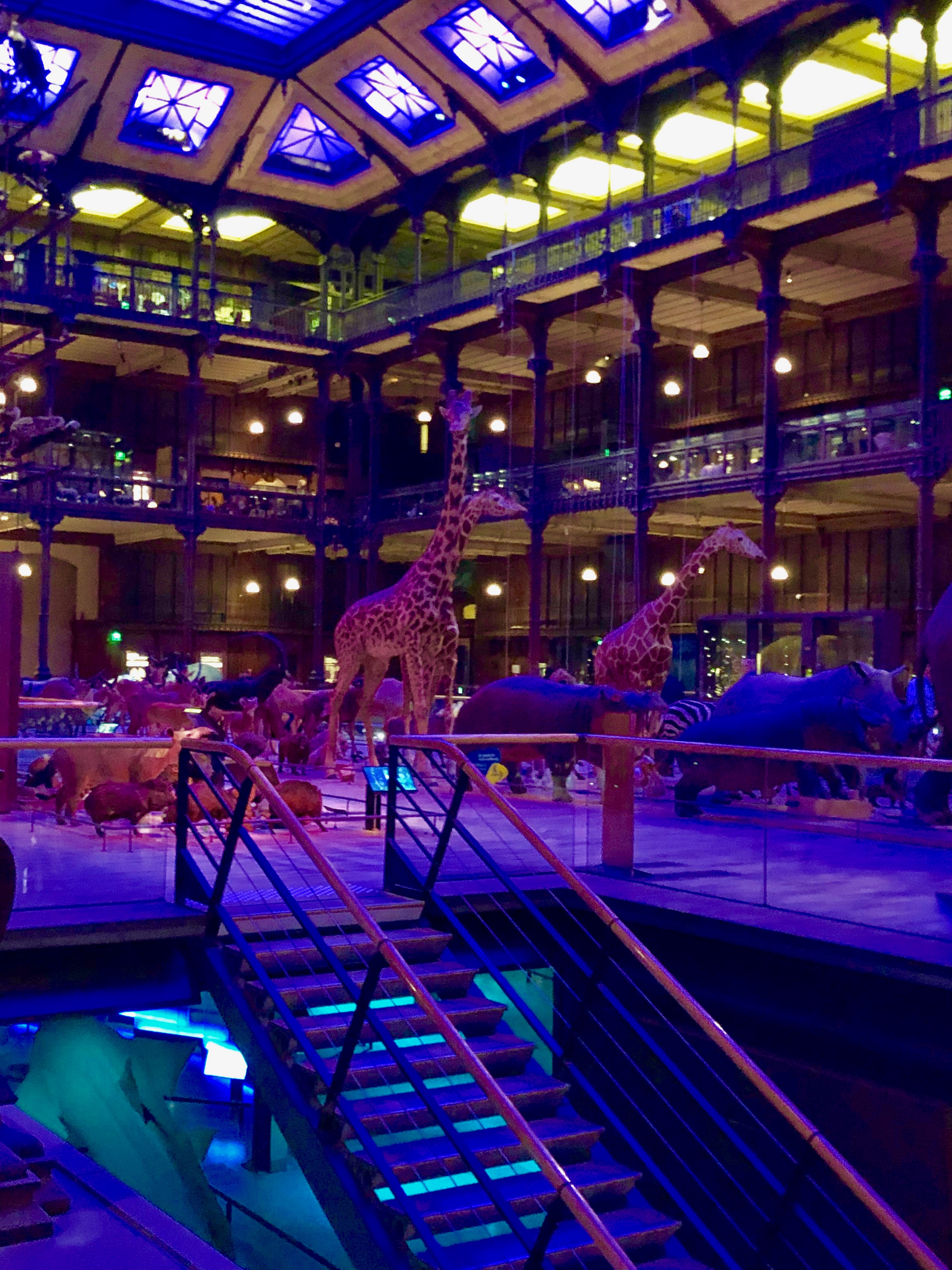
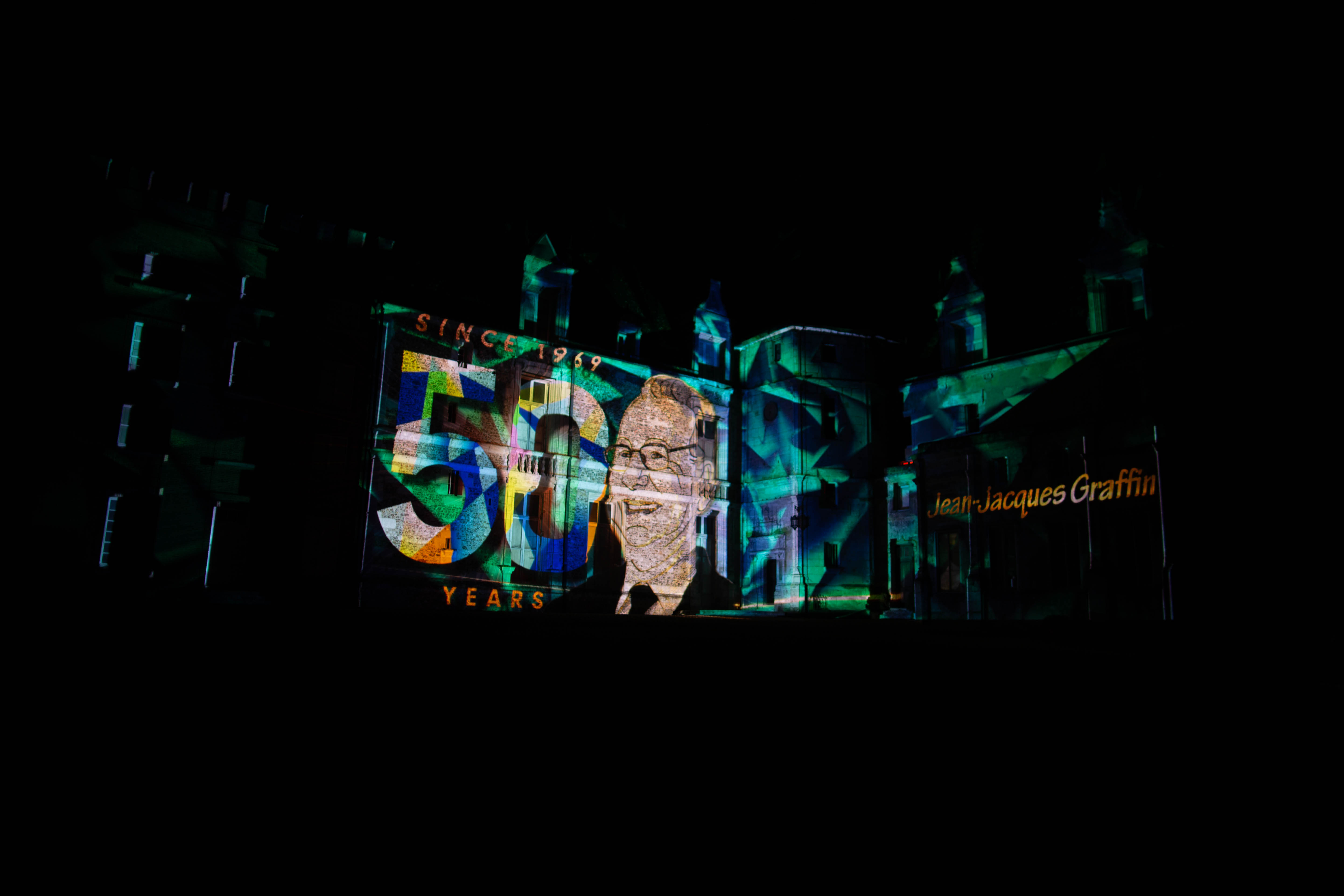
Which Antwerp venue type fits your seminar objectives?
The venue is a strategic choice: it sets the tone before the first slide, influences punctuality and energy, and directly impacts production risk. For Seminar Venue Rental in Antwerp, we shortlist based on your agenda mechanics (plenary + breakouts + networking) and the operational realities (access, AV, catering flow, confidentiality).
| Venue type | For which objective? | Main strengths | Possible constraints |
|---|---|---|---|
Conference hotel in Antwerp | All-in-one seminar with plenary + breakouts + overnight stays | Single contract, on-site catering, bedrooms, predictable technical infrastructure | Less brand differentiation; package pricing can limit flexibility; peak-date availability |
Industrial/warehouse-style venue (port area) | Innovation days, transformation launches, larger plenaries | Strong visual impact, flexible layouts, room for staging and scenography | Higher production load (heating, acoustics, rigging); stricter safety planning |
Corporate meeting centre or premium business venue | Board-level seminars, leadership offsites, confidential strategy sessions | Controlled environment, high-end service, quieter spaces for breakouts | Capacity limits; stricter rules on branding; sometimes limited load-in access |
We strongly recommend a site visit (or a technical recce) before signing. Photos rarely show sound spill between rooms, real registration space, or how quickly coffee service can be reset. A Seminar Venue Rental decision becomes much safer once you’ve seen attendee flow, backstage options, and the actual screen sightlines.
What does seminar venue rental cost in Antwerp (real ranges)?
In Antwerp, the price of Seminar Venue Rental depends less on the room itself and more on the full operating picture: date, duration, minimum spend on catering, and technical requirements. To keep budgets defendable internally, we separate venue costs from production and service costs—and we document assumptions.
Venue hire model: day rate vs. package (room + coffee + lunch) vs. minimum consumption. Packages can be efficient, but can also hide constraints (fixed break times, limited AV).
Seasonality and day of week: Tuesdays to Thursdays are typically the most in-demand for corporate seminars. Pricing and availability shift accordingly.
Capacity and room set: theatre for 200 is not the same operational load as cabaret for 200 with service, wider aisles, and power for laptops.
AV and production: screens, projectors, sound reinforcement, microphones, recording, streaming, stage risers, lighting, and a technician team. For high-stakes keynotes, we often recommend redundancy on critical audio.
Catering flow: number of breaks, lunch format (buffet vs. plated), dietary complexity, and service speed requirements. Queue management is a hidden cost that pays back in agenda discipline.
Staffing: registration desk headcount, stage manager, runner, security, and an on-site producer. This is where events become smooth—or stressful.
Branding and signage: from directional signage to stage backdrops. In regulated industries, we also plan content privacy and access control.
From an ROI perspective, leadership time is usually the largest cost line. A seminar that starts on time, avoids technical delays, and delivers clear next steps often justifies a stronger production baseline—because it protects decision-making and keeps teams aligned after they return to operations.
Why use an event agency in Antwerp for venue rental?
Working with a team that understands Antwerp reduces friction where it matters: venue availability, supplier responsiveness, and local operational constraints (access, delivery windows, city rules, and venue-specific ways of working). It also speeds up problem resolution on the day—because the right contacts are already in place.
If you need broader support beyond venue sourcing—agenda design, supplier management, on-site production—our dedicated page for an event agency in Antwerp explains how we structure delivery and governance for corporate teams.
- Faster shortlisting: realistic options based on what actually works for seminars (breakouts, acoustics, catering throughput), not just what looks good online.
- Supplier leverage: established working habits with local AV and venue teams improves reliability and keeps last-minute costs under control.
- On-site agility: when a room turn needs 10 extra minutes or a breakout needs a different layout, local coordination avoids escalation and keeps the agenda stable.
- Risk control: we know which venues are sensitive on noise, load-in, branding, or security, and we plan around those constraints early.
From an ROI perspective, leadership time is usually the largest cost line. A seminar that starts on time, avoids technical delays, and delivers clear next steps often justifies a stronger production baseline—because it protects decision-making and keeps teams aligned after they return to operations.









Examples of seminar delivery in Antwerp formats
We support a range of seminar formats, because executive needs vary: some teams need a strict decision-focused offsite, others need an HR-driven engagement day, and others need a high-production plenary to launch a programme. What stays constant is our production discipline and our focus on what can realistically be delivered in the chosen venue.
Leadership alignment day (80–120 people): typically a morning plenary, two breakout waves, and a closing keynote with Q&A. The common challenge is protecting discussion quality without letting time drift. We structure facilitation, room turns, and reporting templates so outputs are usable immediately (not “nice notes”).
Sales kick-off (150–300 people): high energy, but still corporate. The risk is overloading content and underestimating technical rehearsals. We plan speaker call times, a clean cueing system, and reliable show control so the pace remains sharp.
Transformation / change seminar (200–600 people): usually includes cross-functional workshops and a strong communications component. We pay special attention to confidentiality, audience segmentation, and message consistency across rooms—particularly when sensitive HR or restructuring topics are involved.
Hybrid seminar: when part of the audience joins remotely, the risk is a second-class experience for either side. We plan dedicated remote moderation, clean audio routing, and strict camera positioning so the content remains clear.
Common seminar venue rental mistakes in Antwerp (and how we prevent them)
Choosing a venue before locking the agenda mechanics: you end up with insufficient breakout capacity or weak sightlines. We map the agenda to space needs first.
Underestimating registration and coffee logistics: queues eat into sessions and annoy executives. We plan arrival waves, badge pick-up, and multi-point service.
Assuming venue AV is “included and enough”: included often means basic. We run an AV gap analysis against your run-of-show and speaker needs.
Not budgeting for staffing: without a stage manager and a floor lead, small issues become leadership distractions. We size staffing to attendee flow and venue complexity.
Skipping a technical recce: power, Wi‑Fi, acoustics, and load-in surprises appear on the day. We schedule a recce and document decisions.
Vague cancellation and option terms: finance teams get stuck with exposure. We clarify cut-off dates, attrition terms, and payment schedules before signature.
Our role is to absorb these risks and keep your internal teams out of firefighting mode—especially on the day when executives expect everything to run with calm, professional control.
Why teams renew their Antwerp seminar projects with us
Long-term relationships happen when delivery is consistent and predictable. For HR and communications teams, that means fewer surprises, cleaner internal approvals, and stakeholders who stop worrying about logistics and focus on outcomes.
Recurring annual seminars: many clients run the same leadership or all-hands cadence each year and expect continuous improvement (better flow, better AV reliability, cleaner speaker support).
Standardised toolset: briefing templates, production timelines, and risk logs that simplify internal governance and make procurement more comfortable.
Post-event reporting: consolidated feedback, budget reconciliation, and recommendations for the next edition to avoid repeating the same friction points.

Client loyalty is not about promises—it’s proof that planning, execution, and stakeholder management were solid enough to repeat under the same executive pressure.
Our Antwerp seminar venue rental process, step by step
👉 Step 1 — Define constraints and success criteria in Antwerp
We start with a short working session to lock scope: attendee count bands (min/likely/max), seating style, number of breakouts, required dates, access constraints, confidentiality, and budget range. We also identify internal decision-makers and approval timing so the venue option can be held without last-minute panic.
👉 Step 2 — Build and validate a venue shortlist
We provide a shortlist tailored to your constraints, not generic suggestions. For each venue, we confirm availability, pricing model, included services, and the operational details that affect delivery: room dimensions, acoustics, backstage space, load-in, parking, and catering flow.
👉 Step 3 — Technical concept and supplier alignment
Once a venue is selected, we map your run-of-show to the technical plan: screens, sound, microphones, lighting, recording/streaming if needed, and a cueing plan. We align venue teams, AV, and catering on one timeline and one point of accountability.
👉 Step 4 — Speaker support and content readiness
For leadership seminars, we plan speaker arrivals, rehearsals, slide collection deadlines, and a show-caller rhythm. If required, we support with moderation notes, Q&A capture, and stage confidence tools to reduce stress for senior speakers.
👉 Step 5 — On-site production and real-time control
On the day in Antwerp, we manage registration, room turns, technical cues, vendor coordination, and issue resolution. Your internal team gets a single point of contact and a clear escalation path, so decisions stay clean and fast.
👉 Step 6 — Wrap-up, budget reconciliation, and next steps
After the event, we close supplier invoices, reconcile the budget against the original assumptions, and share operational feedback (what worked, what to improve). For recurring seminars, we turn this into a practical action list for the next edition.
FAQ sur l'organisation Seminar Venue Rental à Antwerp
How early should we book a seminar venue in Antwerp?
For Antwerp corporate seminars, aim for 8–16 weeks in advance for standard dates, and 4–6 months for peak Tuesdays–Thursdays, larger capacities (200+), or if you need multiple breakouts and overnight rooms.
What attendee count changes the venue choice in Antwerp?
The main threshold is usually around 120–150 attendees: you often need a larger plenary with clear sightlines plus at least 3–5 breakout rooms. Above 250–300, parking, catering throughput, and load-in become decisive factors in Antwerp.
What does a seminar venue include in Antwerp packages?
Most packages include the room, basic furniture, coffee breaks, and lunch. AV is often limited to a projector/screen and a basic sound system. For executive seminars, plan add-ons for 2–6 wireless mics, a proper PA, a confidence monitor, and a technician—depending on your agenda.
How do we keep seminar costs controlled in Antwerp?
Lock your min/likely/max headcount early, choose a pricing model (day rate vs. minimum spend), and avoid late scope creep (extra rooms, last-minute streaming). We also recommend confirming cancellation/attrition terms before signature to protect your financial exposure in Antwerp.
Can you run a hybrid seminar from Antwerp reliably?
Yes—if the venue supports wired internet and you plan dedicated audio and moderation. For reliable hybrid delivery in Antwerp, we typically allocate 1 extra technician for the stream and schedule 60–90 minutes of rehearsal to test sound, slides, and remote Q&A.
Request a venue shortlist for Antwerp
If you’re comparing options for Seminar Venue Rental in Antwerp, send us three inputs—target date(s), attendee range, and agenda structure (plenary/breakouts/overnight yes-no). We’ll respond with a realistic shortlist and a budget framework you can defend internally.
Early planning gives you leverage: better venue availability, better supplier rates, and enough time for a technical recce. Contact INNOV'events to secure your Antwerp seminar setup with controlled risk and clear ownership.
INNOV'events Antwerp Agency
Justin JACOB is the manager of the INNOV'events Antwerp office. Reach out directly by email at belgique@innov-events.be or via the contact form.
Contact the Antwerp agencyAll our services & entertainment Antwerp, Belgique
Discover our event services
Discover our event entertainment available in the Belgique
- Event Hostess in Antwerp
- Escape Game in Antwerp
- MasterChef Cooking Workshop in Antwerp
- Magician in Antwerp
- Marquee Rental in Antwerp
- Color Analysis Workshop in Antwerp
- Inflatable Games in Antwerp
- Valet Parking Service in Antwerp
- Football Simulator in Antwerp
- LED Furniture Rental in Antwerp
- Light Branding in Antwerp
- Unique Dining Experience in Antwerp
- Light Painting in Antwerp
- Murder Mystery Party in Antwerp
- Prize Contest in Antwerp
- Promotional Displays (POS) in Antwerp
- Virtual Reality in Antwerp
- Molecular Gastronomy Workshop in Antwerp
- Halloween Entertainment in Antwerp
- Fireworks Show in Antwerp
- Giant Games Challenge in Antwerp
- Event Host / MC in Antwerp
- Photo Booth Animation in Antwerp
- Santa Claus Entertainment in Antwerp
- Kids Entertainment in Antwerp
- Guided Tour in Antwerp
- Urban Rally in Antwerp
- Ball Pit in Antwerp
- Flight Simulator in Antwerp
- Food Truck Rental in Antwerp
- World Record Challenge in Antwerp
- Surf Simulator in Antwerp
- Wine Casino in Antwerp
- Makeover Workshop in Antwerp
- Perfume Creation Workshop in Antwerp
- Acting Workshop in Antwerp
- CSR Activities in Antwerp
- Archery in Antwerp
- Security Staff in Antwerp
- Wine Tasting in Antwerp
- Mime Performer in Antwerp
- TV Game Show in Antwerp
- Funfair in Antwerp
- Crisis Management Workshop in Antwerp
- Crisis Negotiation Workshop in Antwerp
- Arcade Games in Antwerp
- Indoor Skydiving Simulator in Antwerp
- Ski Simulator in Antwerp
- Racing Circuit Experience in Antwerp
- Introductory Flight Experience in Antwerp
- Tasting Experience in Antwerp
- Build Your Own Foosball Workshop in Antwerp
- 2CV Rally in Antwerp
- LEGO Challenge in Antwerp
- Casino Night in Antwerp
- Interpreter / Translator in Antwerp
- Promotional Giveaways in Antwerp
- Shuttle Transport in Antwerp