
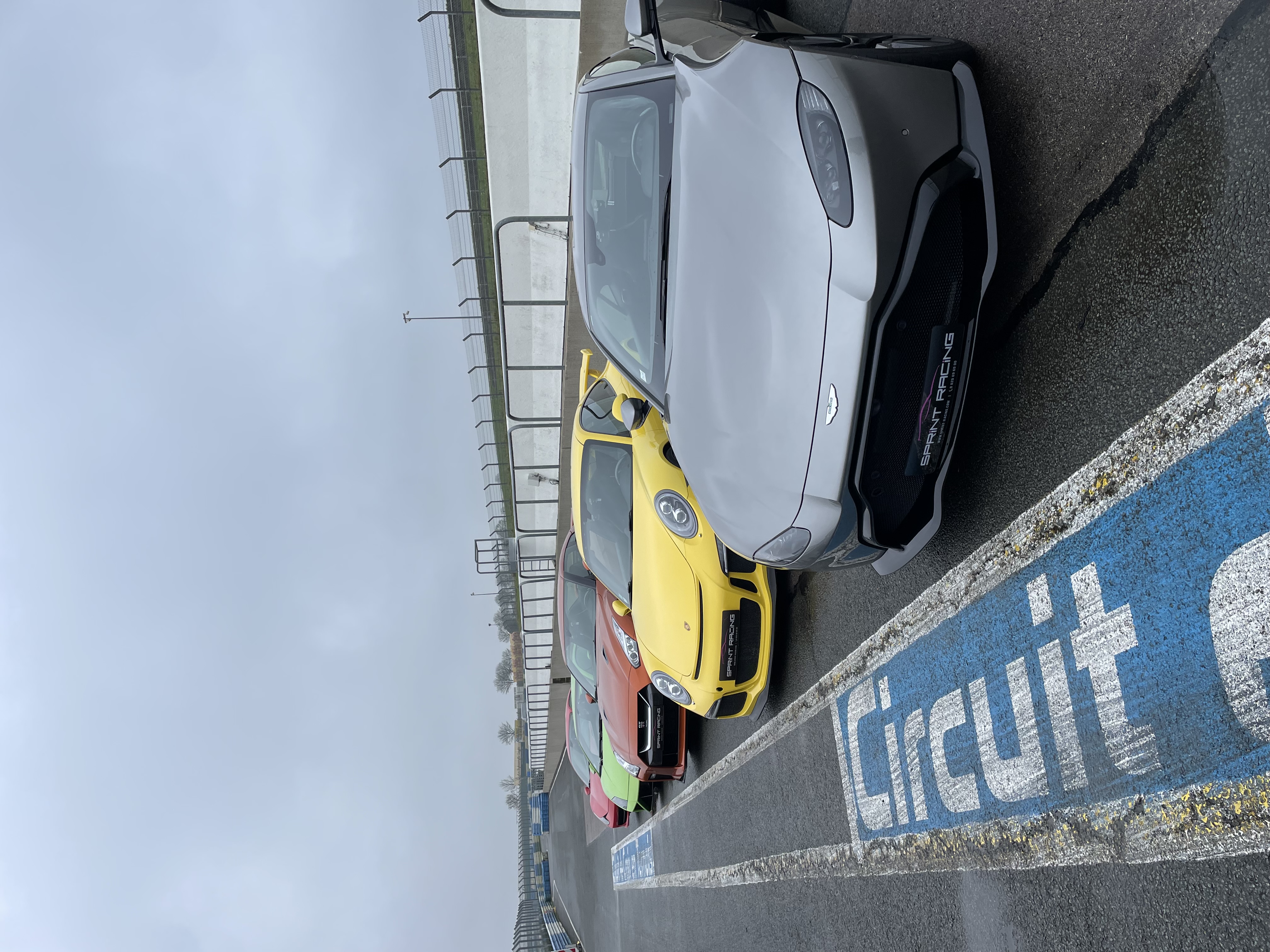
Valet Service in Antwerp that keeps arrivals smooth and your brand protected
INNOV’events delivers Valet Service for corporate events in Antwerp, typically from 50 to 1,200 guests. We manage the full arrival chain: signage, curbside control, key handling, parking logistics, driver staffing, and incident procedures. Your team stays focused on hosting—while we keep the entrance calm, safe, and on schedule.
Sommaire
At executive level, the first three minutes set the tone: late arrivals, congestion, or confusion at drop-off can undermine the credibility of an otherwise well-prepared event. A professional Valet Service in Antwerp protects timing, perception, and VIP handling—especially when multiple stakeholders arrive within the same narrow window.
Organizations in Antwerp expect operational discipline: clear traffic flow, predictable waiting times, and discreet treatment of VIPs and board members. They also expect compliance: insured drivers, traceable key custody, and a documented plan if a vehicle cannot be parked as planned due to last-minute street restrictions or capacity changes.
From Brussels, INNOV’events operates across Belgium with a strong on-the-ground network in Antwerp (venues, parking operators, security partners). We plan your arrival logistics like a production: site walk, flow mapping, staffing ratios, radio communications, and contingency routes—so your entrance remains controlled even at peak pressure.
Operational credentials for Antwerp events
10+ years delivering corporate event operations in Belgium, including high-pressure arrival management.
National partner network covering Antwerp, Brussels, Ghent and Liège: parking operators, venue teams, and licensed security coordination.
50–1,200 guests: typical event attendance ranges we plan for, with scalable staffing and traffic-flow designs.
15–45 minutes: standard peak-arrival windows we model for (conference kick-offs, award nights, executive dinners).
Valet Service references in Antwerp you can verify internally
We support international groups, Belgian headquarters, and fast-growing scale-ups with recurring event needs in Antwerp—often several times per year (townhalls, client receptions, leadership offsites, product launches). Many of our collaborations renew year after year because arrival logistics is one of those details that only gets noticed when it fails.
You mentioned providing company names to be used as references; we can integrate them here exactly as you prefer (legal name, brand name, or “group” naming conventions) and align with your internal approval process. In the meantime, our approach remains consistent: we document the flow plan, define responsibilities with the venue, and provide a clear run-of-show for the curbside—so your comms and HR teams are not left “managing cars” on event day.
If your event includes sensitive guests (board, regulators, key clients), we can also propose a confidentiality-minded setup: pre-registered license plates, VIP lanes, and a dedicated lead for VIP arrival coordination.
 Besoin d’un devis rapide ?
Nous vous envoyons une première proposition sous 24h.
Why add Valet Service to a corporate event in Antwerp?
Valet Service is not a “nice-to-have” when you manage senior stakeholders, tight schedules, and brand standards. It is a practical tool to control the first impression, reduce friction for guests, and remove operational burden from internal teams.
Protect punctuality: when 200 guests arrive between 18:00 and 18:25, uncontrolled parking creates late seating and delayed speeches. Valet turns parking into a managed queue with predictable cycle times.
Increase guest comfort and safety: in rain, winter, or dark conditions around industrial zones or waterfront venues, valet reduces walking distance and exposure to poorly lit streets.
Upgrade VIP handling without overexposure: a discreet curbside protocol avoids visible “special treatment” while still ensuring board members and keynote speakers are routed and greeted correctly.
Reduce internal workload: HR and Comms should not be solving parking issues at 18:10. We take ownership of signage, flow, radios, and on-site decisions under a pre-approved framework.
Lower reputational risk: badly parked cars, blocked residents’ access, or conflict with local enforcement can overshadow a corporate announcement. We plan around local rules and capacity realities.
Improve accessibility: valet supports guests with reduced mobility and creates clearer pathways for taxis, chauffeur services, and ride-hailing drop-offs.
Antwerp is a business city where efficiency and discretion matter—port-related logistics culture, international visitors, and strong expectations from executive audiences. A controlled arrival is aligned with that reality: pragmatic, quiet, and professional.
What Antwerp executives expect from a valet setup
In Antwerp, arrival logistics is rarely “simple.” You can have a venue that looks perfect on paper but sits on a street with limited stopping space, strict enforcement, or high local traffic at peak hours. We see the same patterns repeatedly: waterfront sites with narrow access points, city venues where double-parking triggers immediate complaints, and corporate sites where visitor parking is available—but only if you manage it in waves.
Decision-makers typically ask for three things:
- Predictability: clear arrival windows, expected wait time per car, and a plan that still works if 30% more guests decide to drive.
- Compliance and traceability: who drives, who holds keys, how incidents are reported, and how responsibilities are defined with the venue and the parking operator.
- Discretion: no shouting, no improvisation at the curb, and a team that understands executive audiences (tone, posture, and confidentiality).
We also factor in realistic Antwerp constraints: concurrent events (sport, cultural venues), roadworks that change routing two days before the event, and the simple fact that international attendees often arrive with rental cars or chauffeur services—each requiring a different handling procedure at the same curb.
How to combine valet logistics with corporate event entertainment in Antwerp
Valet is a service layer, but it interacts directly with guest experience. If you plan corporate event entertainment in Antwerp, the entrance is where you can set the tone—without creating clutter or slowing down arrivals. The best formats are those that respect flow: they enhance welcome while keeping curbside throughput high.
Interactive animations in Antwerp
Check-in + welcome concierge: integrate valet handover with guest registration so the first touchpoint is coordinated. Practical impact: fewer queues and less “where do I go?” stress.
Brand-safe photo moment inside (not at curb): we often move photo activation 20–30 meters after the entrance to keep the drop-off zone clean. Guests who want it engage; everyone else flows through.
Live event updates: for conferences, a screen or host inside the foyer can remind guests of agenda timing, coat check, and room directions—reducing staff interruptions.
Art animations in Antwerp
Discrete live music indoors: a duo or soft instrumental set in the lobby creates atmosphere without interfering with operational communication outside.
Host/MC for directional welcome: not “show,” but a trained corporate host who can guide guests smoothly, especially when you have mixed audiences (employees + clients + partners).
Innovative animations in Antwerp
Fast welcome drink station: positioned after the flow split (registration/coat check) to avoid bottlenecks. In Antwerp, where guests often arrive straight from offices, this immediately improves comfort.
Premium coffee bar for morning arrivals: works particularly well for executive breakfasts and seminars; it also absorbs early arrivals without crowding the entrance.
Gourmand animations in Antwerp
Pre-registered arrival lanes: QR-based or plate-based pre-registration for VIPs and speakers. Practical benefit: fewer questions at curbside and faster throughput.
Hybrid mobility coordination: a combined plan for valet + taxis + chauffeur services + shuttles, with clear signage and separate holding points.
Whatever you add, we align it with your brand image and operational constraints: if your positioning is premium and discreet, the welcome must feel controlled; if you are celebrating a milestone, we still keep curbside clean and shift the “moment” slightly inside. Experience starts at arrival—but logistics must remain the priority.
Which Antwerp venues work best with Valet Service access?
The venue determines what valet can realistically achieve. In Antwerp, the difference between a smooth valet operation and a messy one is often the curbside geometry: stopping space, turning radius, pedestrian safety, and distance to parking capacity. We evaluate venues not only by look and feel, but by whether the arrival chain can be controlled.
| Venue type | For which objective? | Main strengths | Possible constraints |
|---|---|---|---|
| Hotel with a dedicated drop-off zone | Executive dinners, client hospitality, board-level meetings | Clear curbside, experienced front-of-house teams, easy guest orientation | Limited parking capacity on-site; strict rules on where keys can be stored; peak times overlap with other hotel guests |
| Industrial/port-adjacent event space | Product launches, large staff events, brand activations | Often more space for traffic flow and overflow; easier to separate VIP and general arrivals | Wayfinding required; lighting and pedestrian safety must be managed; may need additional security coordination |
| City-center venue with nearby paid parking | Conferences, award evenings, press events | Prestige location; good public transport options; works well with mixed mobility (taxi + car) | Street restrictions; limited stopping time; higher risk of congestion—requires tight timing and clear signage |
We strongly recommend a site visit (or a joint technical walk-through) before you confirm valet. Photos do not show curbside pressure points: delivery bays, resident access, or how taxis behave at the same entrance. A 45-minute site check often prevents the most expensive type of problem: an arrival crisis in the first 20 minutes.
What does Valet Service in Antwerp cost in practice?
Pricing for Valet Service in Antwerp depends on operational parameters more than on “hours.” Two events with the same guest count can have very different costs if one has a tight 20-minute peak arrival and long cycling time to parking, while another has staggered arrivals and on-site capacity.
Guest volume and peak window: 50 cars arriving over 90 minutes is easier than 150 cars arriving in 25 minutes. Staffing scales with peak intensity.
Parking distance and cycling time: if the parking is a 2-minute walk vs. a 7-minute drive, the number of drivers required changes materially.
Street constraints and permits: some locations require additional traffic control measures, coordination with venue security, or formalized procedures that increase prep and staffing.
Service level: standard valet vs. VIP lane, pre-registration, dedicated host, additional signage and wayfinding staff.
Operating hours and break rules: early set-up, late retrieval waves, and compliance with work schedules all affect the production plan.
Risk management: incident procedures, insurance requirements, and whether your internal policy demands additional documentation or reporting.
From an ROI perspective, valet is often justified by what it prevents: delayed program starts, VIP dissatisfaction, internal team overload, and reputational damage at the entrance. For executive audiences, that risk mitigation has a direct value—even if it is not line-itemed on your P&L.
Why use an event agency in Antwerp for valet coordination?
Even when valet staffing is outsourced, the success of the operation depends on local coordination: where cars can wait, how the venue manages deliveries, which parking options are realistic on that specific day, and how quickly you can adapt if the street situation changes. That is why working with a team that knows Antwerp operationally is an advantage.
At INNOV’events, we bring national production discipline and local execution capacity. When valet is part of a broader event, we integrate it into the full run-of-show (guest journey, security, signage, registration). If you need a wider scope beyond arrivals, you can also leverage our local coordination as your event agency in Antwerp—with one accountable partner instead of multiple disconnected suppliers.
- Faster problem-solving on the ground: local partners and known venue practices reduce improvisation.
- More accurate staffing plans: based on real Antwerp traffic patterns and venue access constraints—not assumptions.
- Better stakeholder alignment: we coordinate with venue management, security, and parking operators so your internal team does not have to chase confirmations.
- Single accountability: one lead responsible for arrival performance, incident reporting, and post-event debrief.
From an ROI perspective, valet is often justified by what it prevents: delayed program starts, VIP dissatisfaction, internal team overload, and reputational damage at the entrance. For executive audiences, that risk mitigation has a direct value—even if it is not line-itemed on your P&L.











Examples of Antwerp valet scenarios we routinely manage
Our assignments vary, but the operational challenges are consistent. Here are typical real-world scenarios we handle in Antwerp corporate contexts:
- Leadership dinner with VIP concentration: 80 guests, but 25 are senior executives arriving within 15 minutes. Solution: VIP lane, pre-briefed curbside protocol, and a dedicated lead to keep the entrance silent and fluid.
- Client reception after office hours: guests arrive directly from meetings across the city and ring road. Solution: extended arrival window with dynamic staffing (more drivers early, fewer later) and clear separation between valet, taxis, and ride-hailing drop-offs.
- Townhall in a large venue: 600+ attendees with mixed mobility (cars, coaches, public transport). Solution: multi-channel arrival plan: valet for executives/speakers, marshalled parking for general staff, and a signage plan that avoids staff “asking ten questions” at curbside.
- Press event with timing pressure: live start time, cameras present, zero tolerance for chaos at entrance. Solution: rehearsal of arrival flow, controlled holding point for early vehicles, and a “no-block” rule enforced by the curbside lead.
What these have in common is not luxury—it is governance: clear roles, measurable flow targets, and readiness for last-minute changes.
Common valet mistakes we prevent in Antwerp corporate events
Underestimating peak arrival intensity: a plan built on total guest count fails when arrivals concentrate in 20 minutes. We staff based on peak, not average.
Choosing parking based on availability, not cycling time: a “cheap” lot that is too far creates delays and angry guests at retrieval. We validate distance and route in real conditions.
No clear curbside authority: without a single lead empowered to make decisions, small issues escalate fast. We assign a lead with a defined escalation path.
Poor key custody process: missing traceability creates stress and liability. We implement a robust handover and storage system.
Ignoring mixed mobility: taxis and ride-hailing compete for the same space unless planned. We separate flows and add signage and staff where needed.
No contingency for street changes: Antwerp roadworks or enforcement changes can impact the plan last-minute. We prepare alternate routes and overflow solutions.
Our role is to absorb these risks before they reach your guests. On event day, you need your leadership team focused on people and messages—not on cars and curbs.
Why Antwerp clients renew their valet partner
Valet is often rebooked for one simple reason: the internal team remembers the stress of arrival day. When the entrance runs smoothly, directors and event owners see immediate value—because fewer issues reach them. Renewals happen when the service is consistent, documented, and easy to manage from the client side.
24–48 hours: typical timeframe for delivering a post-event debrief (flow observations, incident log if any, improvement actions).
1 lead + scalable crew: we keep a stable leadership layer and adapt the staffing size to the event, which improves reliability across repeated editions.
0 tolerance for curbside chaos: we measure success by queue length, wait time, and guest feedback—not by “effort.”

Loyalty is the most concrete proof in event operations: clients come back when they know the same standards will be applied again in Antwerp, even with a different venue or a new internal stakeholder.
Our Antwerp valet process from first call to event day
👉 Scope the Antwerp arrival reality in one working call
We confirm attendance range, guest profile (VIP ratio), mobility mix (cars vs. taxis vs. shuttles), arrival peak windows, and brand constraints (discretion level, dress code, language requirements). We also identify non-negotiables: start time, speaker arrival needs, and any internal compliance requirements for key handling and insurance.
👉 Site check and flow mapping in Antwerp
We validate curbside geometry, signage placement, turning points, safe pedestrian paths, and parking options. If the venue has security, we align responsibilities early. Output: a practical flow map and staffing model based on cycling time, not guesswork.
👉 Operational plan, staffing, and risk controls
We finalize crew size, roles (curb lead, key desk, runners/drivers, wayfinding), radio comms, and escalation rules. We set procedures for incidents (late guest complaints, blocked access, vehicle retrieval priority). We also align with your event run-of-show so arrivals support the program timing.
👉 Guest communication inputs for Antwerp arrivals
When needed, we provide short, usable text blocks for invitations or reminder emails: recommended arrival times, drop-off address, alternatives (public transport/taxi), and what to do if guests arrive early. This reduces confusion and improves throughput without additional staff.
👉 On-site execution and post-event debrief
We arrive early to mark zones, brief the team, test radios, and align with venue/security. During arrivals, the lead manages decisions and keeps the curb calm. After the event, we deliver a concise debrief: what worked, what to adjust, and recommendations for the next edition in Antwerp.
FAQ sur l'organisation Valet Service à Antwerp
How many valet staff do we need in Antwerp?
It depends on peak arrivals and parking cycling time. As a working range: 1 lead + 2–6 drivers for 50–150 guests, and 1 lead + 6–14 drivers for 150–500 guests. Final staffing is calculated after we confirm parking distance and the expected 15–45 minute arrival peak.
Can valet work in Antwerp city centre with restrictions?
Yes, if the drop-off zone is designed for short stops and you separate taxi/ride-hailing flow. We typically set a strict “stop-and-go” protocol, add clear signage, and define an alternate drop-off point within 50–150 meters if enforcement or congestion changes the situation.
What is the typical valet time window for Antwerp events?
Most corporate events have a concentrated arrival window of 20–35 minutes, then a slower tail. We plan staffing for the peak and keep a leaner crew for the remaining 60–180 minutes depending on your format (dinner vs. conference vs. reception).
Is Valet Service insured for corporate events in Antwerp?
It should be—always verify. We work with insured operations and define responsibilities in writing: who drives, key custody method, incident reporting, and how claims are handled. If your company has specific compliance requirements, we align the documentation before confirmation.
How early should we book Valet Service in Antwerp?
For standard corporate dates, 3–6 weeks is usually workable. For peak periods (end-of-year, major trade fair weeks, or when venues are fully booked), plan 8–12 weeks to secure the right crew and parking options—especially if you need VIP lanes or complex traffic control.
Request a quote for Valet Service in Antwerp
If your event has senior stakeholders, tight timing, or a venue with limited curb space, it is worth planning valet early. Share your date, venue (or shortlist), expected attendance range, and start time, and we will come back with a concrete operational proposal for Valet Service in Antwerp: flow plan, staffing model, and clear cost drivers.
INNOV’events is built for directors who want predictable execution. When you are ready, we can schedule a short working call and—if relevant—an Antwerp site check to lock the arrival plan before invitations go out.
INNOV'events Antwerp Agency
Justin JACOB is the manager of the INNOV'events Antwerp office. Reach out directly by email at belgique@innov-events.be or via the contact form.
Contact the Antwerp agencyToutes nos prestations & animations Antwerp, Belgique
Découvrez nos prestations événementielles
Découvrez nos animations événementielles disponibles au Belgique
- Event Hostess in Antwerp
- Escape Game in Antwerp
- MasterChef Cooking Workshop in Antwerp
- Magician in Antwerp
- Marquee Rental in Antwerp
- Color Analysis Workshop in Antwerp
- Inflatable Games in Antwerp
- Valet Parking Service in Antwerp
- Football Simulator in Antwerp
- LED Furniture Rental in Antwerp
- Light Branding in Antwerp
- Unique Dining Experience in Antwerp
- Light Painting in Antwerp
- Murder Mystery Party in Antwerp
- Prize Contest in Antwerp
- Promotional Displays (POS) in Antwerp
- Virtual Reality in Antwerp
- Molecular Gastronomy Workshop in Antwerp
- Halloween Entertainment in Antwerp
- Fireworks Show in Antwerp
- Giant Games Challenge in Antwerp
- Event Host / MC in Antwerp
- Photo Booth Animation in Antwerp
- Santa Claus Entertainment in Antwerp
- Kids Entertainment in Antwerp
- Guided Tour in Antwerp
- Urban Rally in Antwerp
- Ball Pit in Antwerp
- Flight Simulator in Antwerp
- Food Truck Rental in Antwerp
- World Record Challenge in Antwerp
- Surf Simulator in Antwerp
- Wine Casino in Antwerp
- Makeover Workshop in Antwerp
- Perfume Creation Workshop in Antwerp
- Acting Workshop in Antwerp
- CSR Activities in Antwerp
- Archery in Antwerp
- Security Staff in Antwerp
- Wine Tasting in Antwerp
- Mime Performer in Antwerp
- TV Game Show in Antwerp
- Funfair in Antwerp
- Crisis Management Workshop in Antwerp
- Crisis Negotiation Workshop in Antwerp
- Arcade Games in Antwerp
- Indoor Skydiving Simulator in Antwerp
- Ski Simulator in Antwerp
- Racing Circuit Experience in Antwerp
- Introductory Flight Experience in Antwerp
- Tasting Experience in Antwerp
- Build Your Own Foosball Workshop in Antwerp
- 2CV Rally in Antwerp
- LEGO Challenge in Antwerp
- Casino Night in Antwerp
- Interpreter / Translator in Antwerp
- Promotional Giveaways in Antwerp
- Shuttle Transport in Antwerp