
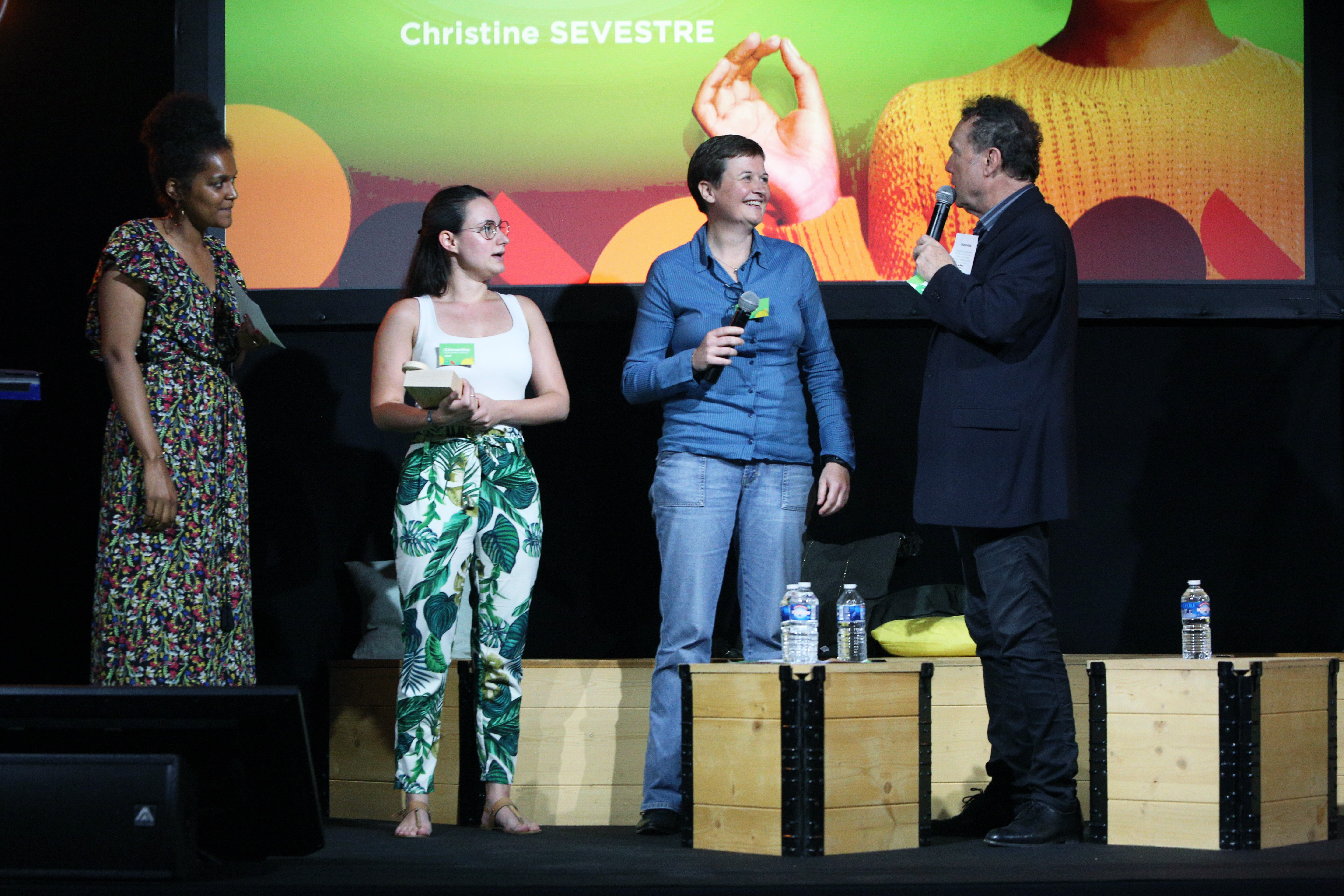
Professional Event Host in Antwerp for events that stay on schedule
INNOV'events provides a Professional Event Host for corporate events in Antwerp, from 40 to 1,500+ attendees. We handle speaker prep, run-of-show, transitions, audience engagement and on-stage risk management—so your leadership can focus on the message, not the mic.
Whether it’s a town hall, client conference, awards night or product launch, our hosts work as an extension of your HR and Comms teams: aligned tone, controlled timing, and clear outcomes.
Sommaire
In a corporate event, “entertainment” is not a nice-to-have: it is the discipline that keeps attention, protects the agenda, and ensures your strategic messages land. A strong host prevents long speaker overruns, awkward stage moments, and the loss of energy that kills Q&A participation and post-event feedback.
In Antwerp, organisations expect a polished, bilingual (NL/EN and often FR) stage presence, strict timekeeping, and a host who can handle senior leadership, regulators, unions, and international guests without improvising blindly. The bar is high: you’re often representing the brand to partners coming from Brussels, the Port, the Kempen and across borders.
INNOV'events is a Brussels-based agency operating weekly in Antwerp venues and corporate sites. We bring production habits (cueing, comms, rehearsals, backup plans) and real event-day reflexes—because the host is part of the operational chain, not just a voice on stage.
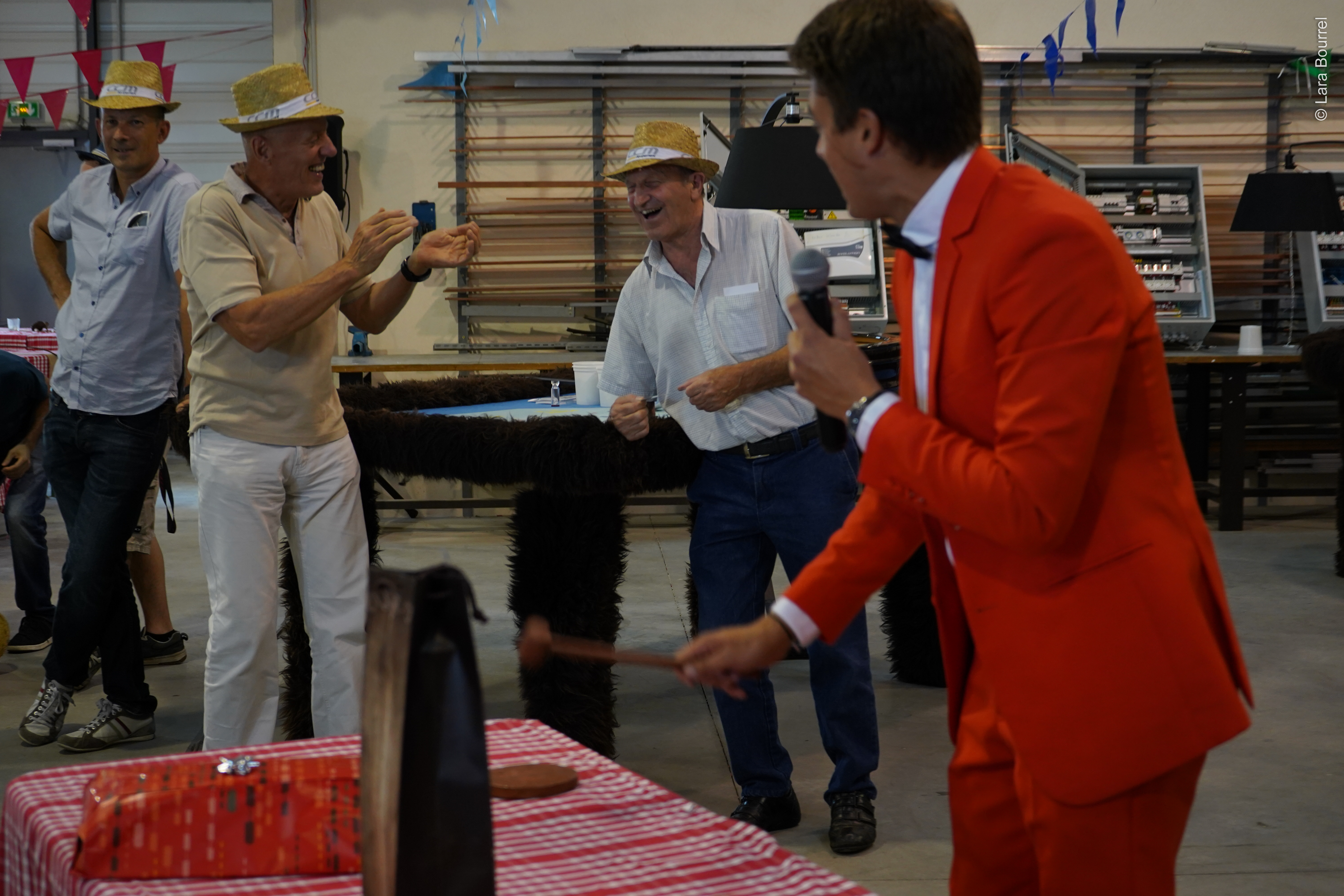
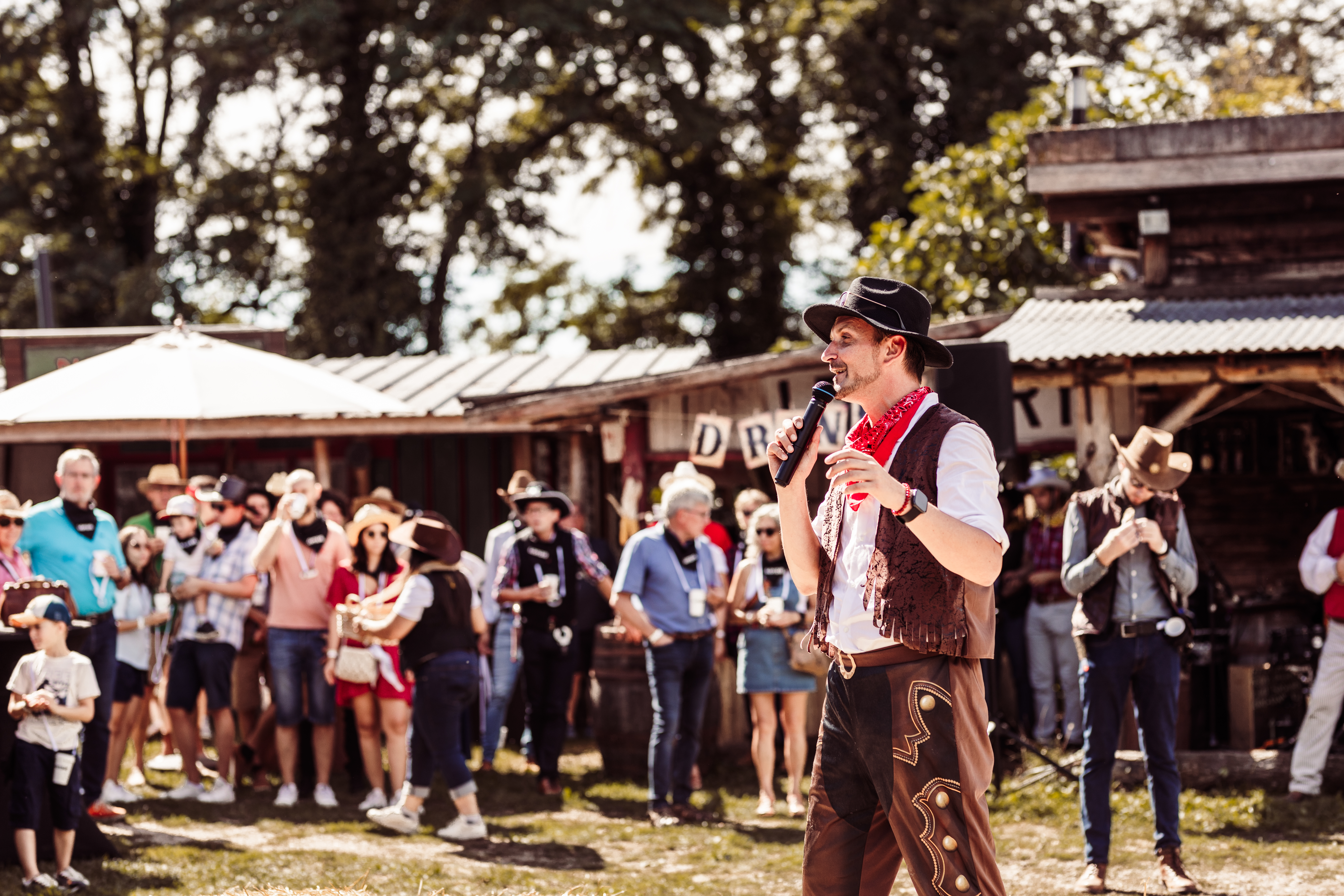
Event hosting credibility in Antwerp: the numbers decision-makers ask for
12+ years of corporate event operations in Belgium, with hosts trained to work with show callers, AV teams and executive assistants.
150+ hosted corporate sessions per year across Belgium (town halls, leadership kick-offs, conferences, award ceremonies), including recurring programs in Antwerp.
40 to 1,500+ participants covered, from boardroom-style leadership updates to multi-breakout conferences.
NL/EN hosting available as standard; FR available when your stakeholder mix requires it (Belgian HQ + international audience).
48-hour turnaround for a first structured proposal (scope, hosting profile, preparation steps, and budget range) when the brief is complete.
Working with Antwerp companies that need repeatable quality
We support organisations in Antwerp and the wider province that run events as part of a yearly rhythm: quarterly town halls, safety days, client briefings, employer branding evenings, and leadership kick-offs. These clients don’t need “a good vibe”; they need consistency, message discipline and smooth stage management across editions.
In practice, that means we often collaborate year after year with the same HR and Communication teams—because once you’ve built a reliable run-of-show template, a speaker coaching method, and the right tone for the brand, you don’t restart from scratch every time.
If you share the company names you want referenced on this page, we will integrate them here in a compliant way (without overclaiming and with the right positioning: client, partner venue, or supplier ecosystem), as we do in Belgian procurement contexts.
 Besoin d’un devis rapide ?
Nous vous envoyons une première proposition sous 24h.
Why hire a Professional Event Host in Antwerp for internal alignment
Most corporate events fail for one reason: leadership has something important to say, but the room does not stay attentive long enough for the message to be understood and repeated. A Professional Event Host in Antwerp is a managerial tool: they structure attention, pace, and the “right moments” for emotion, facts and participation.
Protect executive time and authority: the host enforces timing without putting the CEO or HR Director in the uncomfortable role of cutting people off. We use stage cues, planned transitions and clear timeboxing so leaders remain “above the agenda” instead of fighting it.
Increase message retention: we reframe key points at the right moments (open/close, after complex segments like financials or strategy) so the room leaves with 3–5 clear takeaways—useful for managers who must cascade the message in the weeks after.
Enable real dialogue without chaos: well-moderated Q&A reduces reputational risk. We set rules, manage microphones, filter repetitions, and make sure sensitive topics are handled respectfully—especially relevant in Belgium where social climate questions can surface quickly.
Reduce operational risk on the day: when AV is late, a speaker is missing, or a panel is unbalanced, the host buys time and keeps credibility intact. This is where experience shows: you need solutions in seconds, not excuses.
Support HR and employer branding: for recruitment and retention events, the host can integrate employee voices, highlight culture points, and keep tone aligned—professional without being cold, engaging without being performative.
Antwerp is pragmatic and results-driven: participants quickly detect when an event is “for show”. A disciplined host helps you deliver substance with an efficient rhythm—matching the city’s business culture from the Port ecosystem to headquarters environments.
What Antwerp audiences expect from a corporate host
Audiences in Antwerp are often mixed: local teams, international colleagues, suppliers, and partners who may arrive straight from operations. Expectations are concrete: start on time, keep it clear, and don’t waste attention.
We frequently see three local constraints shaping the hosting approach:
- Language reality: even within one organisation, the room may include Dutch-speaking teams, French-speaking HQ stakeholders and English-speaking visitors. Hosting must manage language transitions without creating “dead time” or excluding parts of the audience. We plan bilingual structures: how slides are handled, how questions are repeated, and when summaries are delivered.
- High standard for professionalism: Antwerp clients are used to well-run events; many have internal project management cultures. They expect an MC who is comfortable with cues, teleprompters, stage managers, and corporate protocol (who is seated where, who speaks when, who is introduced with which title).
- Operational schedules: especially when teams come from logistics, retail, or production, breaks and end times matter. A host must be strict with timing so shift constraints and transport are respected.
Our role is to translate these constraints into a run-of-show that works in real conditions, not only on paper.
Which corporate event entertainment works best in Antwerp settings?
Corporate event entertainment in Antwerp works when it supports your objective: attention, pride, learning, celebration or networking. We select formats that respect corporate tone and compliance, and we build them into the run-of-show so they don’t feel like filler.
Interactive animations in Antwerp
Moderated leadership Q&A with structured intake: ideal for town halls and transformation programs. We gather questions via Slido or QR forms, cluster them by theme (strategy, people, operations), and the host ensures balanced airtime. This avoids the common pitfall: one questioner taking the stage hostage.
Panel moderation with “decision points”: for client events or partner summits. Instead of generic discussion, we define 3–4 decisions or insights the audience must leave with, and the host drives the panel back to those points when it drifts.
Interactive scenario moments: the host runs short business cases (3–5 minutes) where the audience votes on priorities (safety, customer response, crisis comms). This is effective in Antwerp organisations with operational realities—people engage because it mirrors their day-to-day.
Art animations in Antwerp
Short, curated live music sets between segments: used to reset attention during long conferences. We keep it 3–7 minutes, coordinate soundchecks with venue constraints, and ensure licensing and volume are adapted for corporate environments.
Spoken-word or corporate storytelling performed with your content: not “random poetry”, but a structured performance built from your themes (innovation, safety culture, customer promise). We validate tone and wording with Comms beforehand to avoid reputational surprises.
Innovative animations in Antwerp
Hosted tasting moments tied to networking: for evening receptions. The host introduces short, timed “tasting stations” (beer/zero-proof, chocolate, local bites) as conversation starters, with clear flow so the room does not bottleneck. This works well when you want controlled networking rather than a crowded bar line.
Chef-led micro-demonstrations: a 8–12 minute stage segment between awards or speeches, coordinated with venue kitchen constraints. The host translates the demo into business-relevant language (teamwork, precision, process), keeping it corporate rather than purely culinary.
Gourmand animations in Antwerp
Real-time content capture for internal comms: the host works with a filming crew to produce short “message capsules” on-site (executive soundbites, employee reactions). This is useful when Antwerp teams cannot all attend and you need a coherent recap within 24–72 hours.
Hybrid moderation (room + remote sites): for organisations with distributed teams. The host manages speaking order across locations, avoids the “remote audience forgotten” effect, and collaborates with AV on delay, sound return and remote Q&A etiquette.
Whatever the format, we align it with brand image and risk profile: industry context, stakeholder mix, and your internal culture. The best entertainment is the one that supports your message and respects your audience’s time.
How to choose the right event venue type in Antwerp
The venue strongly influences how your event is perceived: credibility, comfort, punctuality, and even how confident speakers feel on stage. In Antwerp, venue choice also impacts logistics (traffic patterns, parking, public transport) and technical feasibility (rigging, sound restrictions, loading access).
| Venue type | For which objective? | Main strengths | Possible constraints |
|---|---|---|---|
Conference hotel near key access routes | Town halls, client conferences, leadership kick-offs | Built-in AV basics, breakout rooms, catering flow, predictable staffing | Less brand differentiation; strict time slots; sometimes limited rigging options |
Industrial/port-adjacent event spaces | Innovation launches, partner summits, employer branding with “real economy” feel | Strong Antwerp identity, impressive volumes, good for staging and scenic design | Logistics (loading, permits), acoustic treatment, heating/cooling considerations |
Corporate HQ / on-site auditorium | Internal comms, safety days, strategy updates with confidential content | Control and privacy, easy for employees, secure IT environment | Limited seating, fixed tech, tighter rehearsal windows due to daily operations |
Museum or cultural venue in the city | Executive dinners, award ceremonies, VIP stakeholder evenings | Prestige, curated atmosphere, strong guest experience | Noise limits, catering restrictions, stricter supplier rules and timelines |
We strongly recommend a site visit (even a short one) before locking the script: stage dimensions, backstage routes, acoustic reality, and audience flow are the difference between a smooth hosted show and a stressful one.
What does a Professional Event Host cost in Antwerp?
Budgeting a Professional Event Host in Antwerp depends on more than stage time. The real cost driver is preparation level and complexity: number of speakers, languages, rehearsals, and the risk level of the agenda (Q&A, sensitive topics, hybrid, VIP protocol).
Event format and duration: a 60-minute town hall is not comparable to a full-day conference with panels, awards and networking. Hosting scope often ranges from half-day to multi-day.
Preparation workload: scriptwriting, briefings, speaker interviews, agenda alignment and rehearsal time. In real corporate life, last-minute updates are common—so we plan an approval process and a final cut-off.
Languages: bilingual or trilingual hosting requires a specific profile and often extra scripting to keep transitions short and clear.
Technical environment: teleprompter, confidence screens, live stream, translation booths, stage management. The host must integrate with the show-calling structure; more tech usually means more coordination time.
Travel and logistics in Antwerp: call times, parking, loading constraints, and rehearsal scheduling influence staffing and time on site.
Content sensitivity: restructuring topics, financial results, crisis comms, union context. When the risk is higher, we implement stronger moderation and tighter scripting.
We treat budget as an ROI topic: if your event is meant to align 200 managers or reassure key clients, the host’s job is to protect that investment by keeping content clear, timed, and credible. We provide budget ranges early, then refine once the run-of-show and languages are confirmed.
Why work with an event agency in Antwerp for hosting support?
A host performs on stage, but the quality is built off stage. Working with a team that knows Antwerp reduces friction: venue rules, local supplier habits, realistic schedules, and contingency planning. If you need broader production support, we coordinate seamlessly with our local partners via our event agency in Antwerp network to secure the right crew and timing.
For executive stakeholders, the advantage is simple: fewer surprises, faster decisions, and a team that can step in when something changes on the day.
- Faster on-site problem solving: when a room layout changes, a mic fails, or a speaker arrives late, local coordination shortens the loop between venue, AV and client.
- Supplier quality control: we work with AV and stage crews who understand corporate standards: clean cabling, professional comms, punctual rehearsals, and discreet backstage behaviour.
- Logistics realism: Antwerp traffic, parking access, loading slots and unionised venue rules can impact timelines. Local experience protects your schedule.
- Consistency across editions: for recurring events, we build a repeatable hosting framework that improves year after year instead of reinventing the wheel.
We treat budget as an ROI topic: if your event is meant to align 200 managers or reassure key clients, the host’s job is to protect that investment by keeping content clear, timed, and credible. We provide budget ranges early, then refine once the run-of-show and languages are confirmed.






Examples of hosted corporate formats delivered in Antwerp
Our hosting work in Antwerp typically spans four categories, each with different pressure points:
- Internal town halls: tight timing, sensitive Q&A, and the need to keep managers engaged. We structure the narrative (context → decisions → what changes next Monday), and we manage questions to keep them representative, not dominated by one topic.
- Client and partner conferences: brand image and credibility are central. The host ensures each speaker is introduced with the right positioning, keeps transitions crisp, and protects your agenda from “salesy drift” so content stays valuable.
- Awards and recognition nights: pacing is everything. We script announcements, cue music and visuals, and manage stage traffic so winners are celebrated without turning the ceremony into a slow queue.
- Hybrid events: the most underestimated complexity. We keep remote participants included, coordinate delays, and avoid the common issue where the room laughs and remote viewers feel lost.
Across these formats, the same principle applies: the host is accountable for rhythm, clarity and on-stage safety—so your leaders can deliver substance with confidence.
Common hosting mistakes we prevent in Antwerp corporate events
Uncontrolled timing: one speaker overruns, then breaks disappear and the whole schedule collapses. We implement timeboxing, stage cues, and a clear escalation rule agreed with you (e.g., “at -2 minutes, host intervenes”).
Vague introductions and wrong titles: it damages credibility immediately, especially with VIPs and external stakeholders. We validate names, roles, pronunciation and intro wording before the event.
Q&A turning into a complaint session: without rules and moderation, a town hall can derail. We set the format, repeat questions for clarity, cluster topics, and keep respect while protecting leadership time.
Host disconnected from AV: if the host doesn’t know cues and fallback plans, you get dead air and awkwardness. We integrate the host with the show caller and technical team.
Language confusion: switching languages without structure excludes part of the audience. We plan when to summarise, when to repeat, and how to manage bilingual questions smoothly.
No plan B for speaker absence: in real life, trains are delayed and meetings run over. We prepare filler segments that are still meaningful (short recap, audience pulse check, moderated networking prompt) and protect the event’s tone.
Our role is to remove these risks before they reach the stage. That is what organisations pay for: not “energy”, but operational control under pressure.
Why Antwerp clients book the same host again
When a company rebooks, it is usually because the internal event owner can finally breathe on the day. Loyalty comes from predictability: the host shows up prepared, respects stakeholders, and helps the event hit its objectives without drama.
Recurring formats supported: quarterly town halls, annual awards, yearly leadership kick-offs—where the host keeps continuity while refreshing the rhythm.
Typical planning windows: clients who rebook often confirm dates 6–12 weeks earlier, which allows better speaker prep and fewer last-minute costs.
Stable stakeholder satisfaction: rebooked hosts usually achieve fewer complaints about length and more positive feedback on clarity and flow—two metrics HR and Comms track closely.

In corporate events, loyalty is a stronger proof than slogans: teams come back because the hosting reduces workload, protects leadership image, and delivers a repeatable process.
Our hosting process for Antwerp: from brief to stage
👉 Step 1 — Antwerp brief and stakeholder map
We start with a working session (30–60 minutes) with HR/Comms and the sponsor: audience profile, languages, sensitivities, success criteria, and “non-negotiables” (end time, legal/compliance constraints, union context if relevant). We also map who decides what: the person who owns content is not always the person who owns production.
👉 Step 2 — Run-of-show and hosting concept
We build a timed agenda and a hosting approach: tone (formal vs conversational), interaction level, Q&A mechanics, and transition design. You receive a structured run-of-show including cue points, segment objectives and responsibility split (client vs host vs AV vs venue).
👉 Step 3 — Speaker alignment and script preparation
We collect speaker inputs, validate titles and pronunciations, and draft introductions and transitions. For leadership, we often propose a short prep call to align on timing, key messages, and how to handle difficult questions. If slides are involved, we agree a versioning process and a final delivery time.
👉 Step 4 — Technical coordination and rehearsal
We coordinate with AV on microphones, stage layout, confidence screens/teleprompter if used, and show calling. Rehearsal is focused: entrances, key cues, video playback, panel seating, and Q&A microphone routes. In Antwerp venues, we also check loading and access rules to avoid day-of delays.
👉 Step 5 — Event-day delivery and risk management
On the day, the host works with the show caller and client lead: keeping timing, reading the room, managing transitions, and adapting when something changes. If a segment runs long, we apply pre-agreed decisions (shorten break, trim a segment, or change Q&A format) to protect the end time and the audience experience.
👉 Step 6 — Debrief and improvements for the next Antwerp edition
Within 3–7 days, we debrief: what worked, where timing slipped, which segments created engagement, and what should change next time. For recurring events in Antwerp, this builds a stronger template every edition—less stress, better results.
FAQ sur l'organisation Professional Event Host à Antwerp
How early should I book a host in Antwerp?
For a standard corporate event in Antwerp, book 4–8 weeks ahead. For peak season (Sept–Dec) or bilingual formats with senior speakers, aim for 8–12 weeks. If you are inside 2 weeks, we can still help, but preparation scope will be tighter.
Can you host bilingual events in Antwerp (NL/EN)?
Yes. We regularly deliver NL/EN hosting in Antwerp. We structure language transitions (when to summarise, when to repeat questions) so it stays fast and inclusive. FR can be added when your stakeholder mix requires it.
What is the typical price range for Antwerp event hosting?
For corporate hosting in Antwerp, budgets commonly range from €900 to €2,500 for a half-day to full-day assignment, depending on preparation depth, languages and complexity. Multi-day conferences, heavy scripting, or hybrid moderation can go beyond that; we confirm a range after a short brief.
Do you moderate CEO Q&A safely for Antwerp town halls?
Yes. We set clear rules, manage microphones or digital questions, cluster themes, and keep timing controlled. If topics are sensitive, we agree upfront on escalation boundaries (e.g., what is answered live vs taken offline) so the session stays respectful and productive.
What do you need from our team before an Antwerp event?
At minimum: your objective, audience size, languages, venue, draft agenda, speaker list with titles, and any sensitive topics to anticipate. Ideally we also receive slide drafts 5–7 days prior and final versions 24–48 hours prior, so the host can integrate accurate wording and timing.
Get a clear hosting proposal for Antwerp within 48 hours
If you are planning a town hall, client conference, awards night or leadership event in Antwerp, we can propose the right Professional Event Host profile and a concrete preparation plan (run-of-show, rehearsal approach, language structure, and risk points).
Send us your date, venue, audience size, languages and a draft agenda. We’ll come back with a structured proposal and budget range so you can compare agencies on facts—not promises.
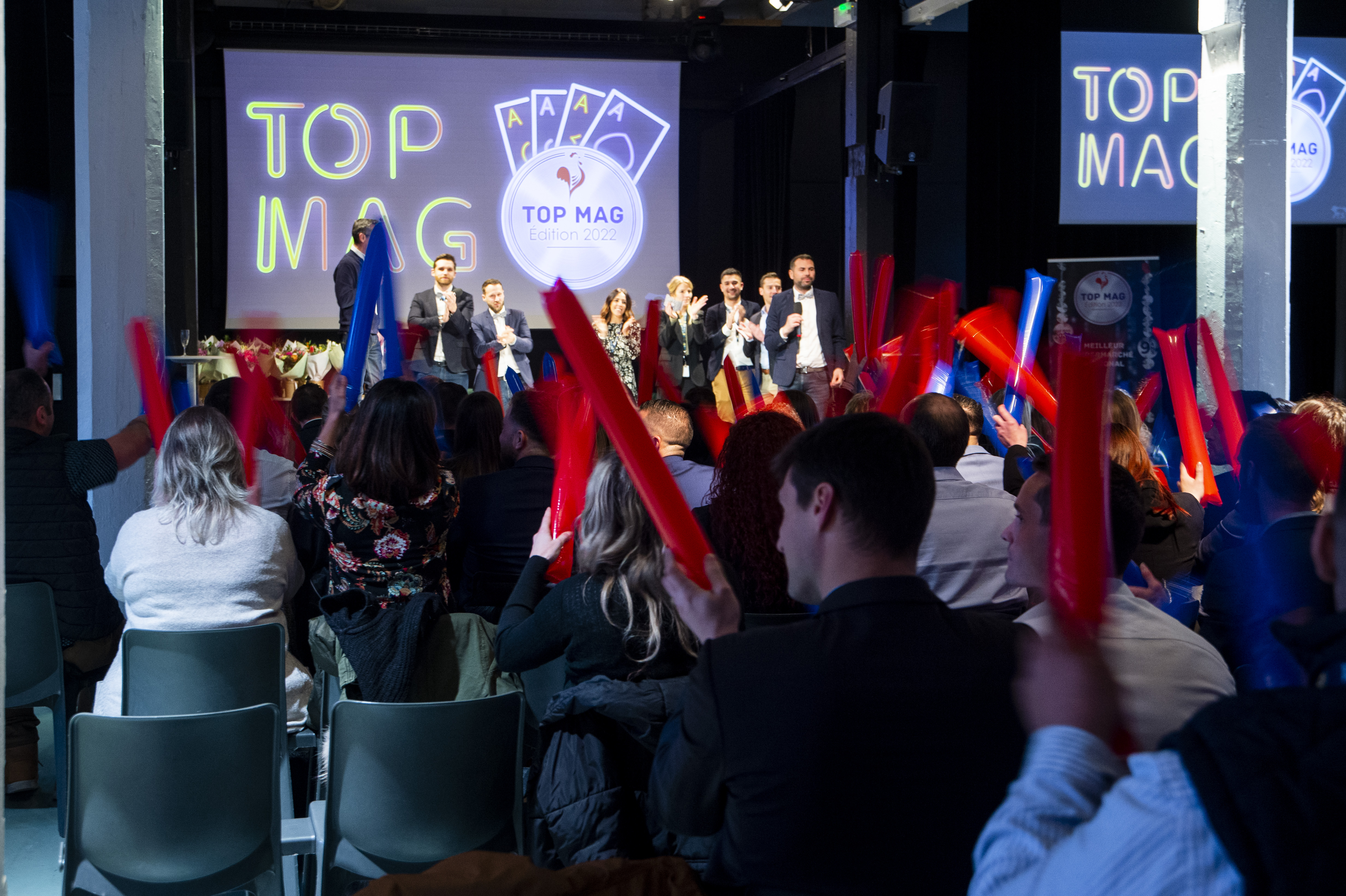
INNOV'events Antwerp Agency
Justin JACOB is the manager of the INNOV'events Antwerp office. Reach out directly by email at belgique@innov-events.be or via the contact form.
Contact the Antwerp agencyToutes nos prestations & animations Antwerp, Belgique
Découvrez nos prestations événementielles
Découvrez nos animations événementielles disponibles au Belgique
- Event Hostess in Antwerp
- Escape Game in Antwerp
- MasterChef Cooking Workshop in Antwerp
- Magician in Antwerp
- Marquee Rental in Antwerp
- Color Analysis Workshop in Antwerp
- Inflatable Games in Antwerp
- Valet Parking Service in Antwerp
- Football Simulator in Antwerp
- LED Furniture Rental in Antwerp
- Light Branding in Antwerp
- Unique Dining Experience in Antwerp
- Light Painting in Antwerp
- Murder Mystery Party in Antwerp
- Prize Contest in Antwerp
- Promotional Displays (POS) in Antwerp
- Virtual Reality in Antwerp
- Molecular Gastronomy Workshop in Antwerp
- Halloween Entertainment in Antwerp
- Fireworks Show in Antwerp
- Giant Games Challenge in Antwerp
- Event Host / MC in Antwerp
- Photo Booth Animation in Antwerp
- Santa Claus Entertainment in Antwerp
- Kids Entertainment in Antwerp
- Guided Tour in Antwerp
- Urban Rally in Antwerp
- Ball Pit in Antwerp
- Flight Simulator in Antwerp
- Food Truck Rental in Antwerp
- World Record Challenge in Antwerp
- Surf Simulator in Antwerp
- Wine Casino in Antwerp
- Makeover Workshop in Antwerp
- Perfume Creation Workshop in Antwerp
- Acting Workshop in Antwerp
- CSR Activities in Antwerp
- Archery in Antwerp
- Security Staff in Antwerp
- Wine Tasting in Antwerp
- Mime Performer in Antwerp
- TV Game Show in Antwerp
- Funfair in Antwerp
- Crisis Management Workshop in Antwerp
- Crisis Negotiation Workshop in Antwerp
- Arcade Games in Antwerp
- Indoor Skydiving Simulator in Antwerp
- Ski Simulator in Antwerp
- Racing Circuit Experience in Antwerp
- Introductory Flight Experience in Antwerp
- Tasting Experience in Antwerp
- Build Your Own Foosball Workshop in Antwerp
- 2CV Rally in Antwerp
- LEGO Challenge in Antwerp
- Casino Night in Antwerp
- Interpreter / Translator in Antwerp
- Promotional Giveaways in Antwerp
- Shuttle Transport in Antwerp