Kids Entertainment in Antwerp for corporate family days that run on time
INNOV'events is a Brussels-based event agency delivering Kids Entertainment for corporate events in Antwerp, from 30 to 3,000+ attendees. We handle the full operational chain: staffing, safety setup, timed rotations, materials, and on-site coordination so your teams can focus on employees and clients—not crowd control.
Whether you’re planning a family day at your HQ, an end-of-year celebration, or a community open day, we build children’s zones that are compliant, measurable, and aligned with your employer brand.
Sommaire
In a corporate event, children’s zones are not a “nice-to-have”: they directly affect flow, noise levels, queueing, catering rhythm, and the availability of parents for speeches, networking or client moments. When Kids Entertainment in Antwerp is structured properly, you reduce operational friction and elevate the perceived professionalism of the whole event.
Organizations in Antwerp typically expect predictable timing, multilingual facilitation (NL/FR/EN), and a setup that looks clean and branded—especially in venues where guests move between indoor and outdoor spaces. They also expect clear safety boundaries, checked equipment, and staff who can handle high peaks (arrival window, lunch, prize moments) without improvisation.
We operate regularly across Antwerp and the wider province, with a network of vetted performers, animators and technical partners. Our approach is field-driven: pre-event risk mapping, time-slot planning, and on-site event management—so the children’s experience stays smooth even when the corporate agenda shifts.
Antwerp delivery you can benchmark with numbers
12+ years delivering corporate entertainment formats across Belgium, with a stable network of performers and production partners.
250+ corporate events supported (family days, open days, end-of-year events, client days) with structured run-of-show and on-site coordination.
Capacity from 30 to 3,000+ attendees, with scalable children’s zones (multiple age groups, parallel workshops, timed rotations).
48h average turnaround for a first scoped proposal (budget range + staffing model + key options) after a short briefing call.
Antwerp references that reflect real corporate constraints
We support companies active in Antwerp and the port/economic belt where events must be operationally tight: staggered arrivals, shift-based teams, security checks, and limited access windows for build-up. Several organizations work with us year after year because we keep the same core methodology and documentation: zoning plan, staffing list, run-of-show, and contingency procedures.
You mentioned sharing company names as references—once you provide them, we can integrate them here in a compliant way (e.g., “global industrial group in Antwerp”, “retail HQ in Antwerp”), or as explicit logos/names if approved. In the meantime, we can also propose a reference call structure: what was delivered, headcount, age split, constraints, and what KPIs were used to evaluate success (queue times, incident rate, parent satisfaction, participation rate per workshop).
 Besoin d’un devis rapide ?
Nous vous envoyons une première proposition sous 24h.
Why run a corporate family day in Antwerp with kids zones?
For executives and HR teams, a family day is one of the few formats that touches employee engagement, retention, and corporate reputation in one single moment—especially in a market like Antwerp where competition for skilled profiles is tangible and word-of-mouth travels fast. The children’s program is the backbone: if it’s chaotic, the adult experience collapses; if it’s structured, it creates calm, time, and positive perception.
Higher employee participation rate: parents commit earlier when the children’s offer is clear (age segmentation, time slots, safety, indoor fallback). We typically structure invitations with “what your child will do by age group” rather than a generic list—this increases RSVP quality and reduces last-minute questions to HR.
More time for leadership messaging: when kids are engaged in supervised rotations, parents can actually attend a short CEO talk, a site tour, or a product demo. In practice, this is often where leadership struggles: speeches overlap with kids’ boredom. We solve that with synchronized activity blocks.
Reduced pressure on catering and queues: planned kids’ snack moments and staggered activities prevent the classic “everyone rushes to the food at once” effect. This matters in Antwerp venues where catering areas can bottleneck quickly (indoor historical buildings, industrial spaces, or constrained terraces).
Employer brand made tangible: a well-run children’s zone communicates care, organization and safety standards. It’s not about being “fun”; it’s about demonstrating operational maturity and values (inclusion, accessibility, sustainability, community).
Better stakeholder management: family days often include local partners, clients, or municipal stakeholders. A controlled kids program reduces noise and crowding near VIP areas and improves overall event rhythm.
Antwerp is pragmatic and logistics-driven. Corporate audiences here notice when an event is engineered properly. A structured Kids Entertainment in Antwerp plan signals that your organization is reliable—internally and externally.
What Antwerp companies expect from Kids Entertainment on event day
In Antwerp, we frequently work with organizations where operational reality shapes the event design: port-related businesses with shift changes, headquarters with strict access control, and multinationals where guests and partners arrive with different languages and expectations. This translates into specific requirements for corporate event entertainment in Antwerp:
- Multilingual facilitation: NL first, often with FR and EN. For kids activities, the difference is huge—clear instructions prevent frustration and safety issues (running, pushing, wrong use of materials).
- Clean zoning and crowd flow: many Antwerp venues mix indoor/outdoor areas. We design children’s zones with visible boundaries, one entry/exit when appropriate, and clear signage (age group icons, start times).
- Weather resilience: even in spring/summer, wind and rain can change the plan within minutes. We propose indoor fallback activities that are not “second choice” but equivalent in engagement (e.g., creative labs, STEM corners, compact stage acts).
- Noise management: not every venue tolerates loud music or amplified shows. We plan decibel-friendly formats (interactive workshops, close-up magic, silent disco for older kids) and align with venue rules and neighbors.
- Professional duty-of-care: corporate clients expect clear supervision ratios, check-in logic (especially if parents briefly step away), and incident procedures. We set those expectations upfront to protect both guests and your brand.
We also see a recurring executive concern: “We want children to enjoy themselves, but we cannot take reputational risks.” Our solution is to make the children’s program a managed operation, not an add-on: staffing plan, equipment checklist, emergency access, and a clear chain of command on site.
Which Kids Entertainment options work best in Antwerp corporate venues?
Entertainment creates engagement when it solves a practical problem: keeping children safely occupied while adults can network, listen, or simply breathe. Below are formats we deploy regularly for Kids Entertainment in Antwerp, selected for reliability, throughput, and brand-fit.
Interactive animations in Antwerp
Rotating workshop stations (high throughput): 3–6 stations with timed slots (10–20 minutes) prevent queues and help parents understand the rhythm. Examples: slime lab with controlled materials, LEGO engineering challenges, badge-making with company-themed icons, mini robotics demos for 9–12.
Digital-friendly corners with supervision: VR discovery for juniors/teens, green-screen photo booth with branded backgrounds, or “create your own comic strip” tablets. We recommend these when you need quiet engagement in indoor Antwerp venues.
Family quests adapted to the site: a scavenger hunt using venue landmarks (indoor/outdoor), with simple checkpoints and staff at critical nodes. Works well for corporate sites or larger venues where you want movement without losing control.
Art animations in Antwerp
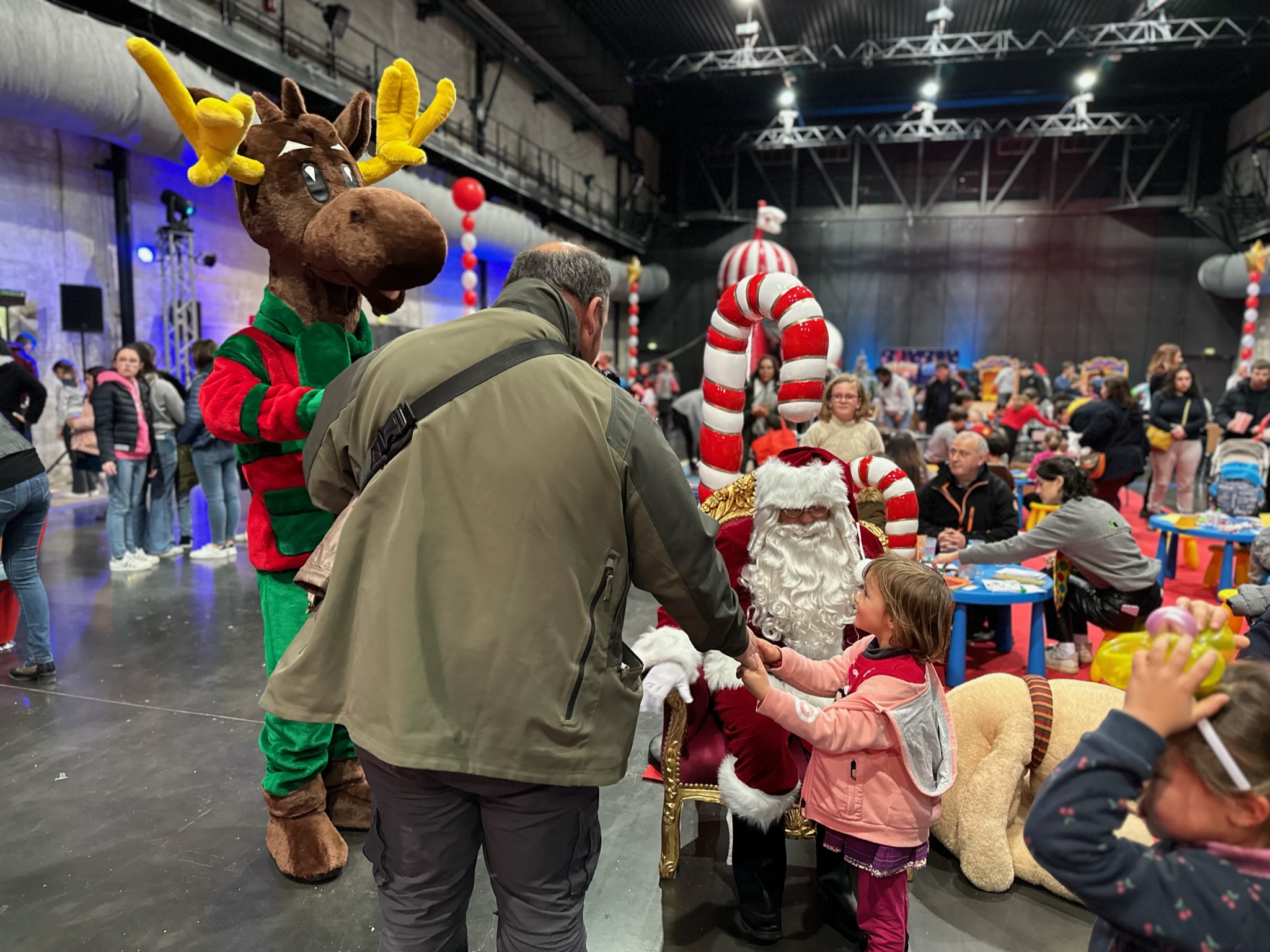
Close-up magic and roaming characters: ideal for mixed-age audiences and reception moments. It reduces the “waiting stress” at arrival and can be placed near key choke points to smooth the flow.
Mini stage sets with strict timing: short shows (15–25 minutes) scheduled around corporate moments. We keep sound levels and setup minimal when venues in Antwerp have restrictions.
Creative ateliers with a take-home output: mural painting on removable panels, eco-crafts, or animation drawing. For HR, the benefit is simple: children show parents what they made, reinforcing the positive memory without increasing operational risk.
Innovative animations in Antwerp
Kids-friendly culinary workshops: cupcake decorating, waffle topping bars, mocktail mixing for teens. These work well in Antwerp where food culture is a strong social connector, but we plan them with hygiene and allergy awareness (separate utensils, clear ingredient labels).
Timed snack distribution: rather than a permanent candy station that creates constant crowding, we schedule snack windows aligned with activity rotations. This reduces sticky surfaces, waste, and catering disruption.
Gourmand animations in Antwerp
Silent disco for 8+: a proven solution when noise restrictions apply. It creates high energy without disturbing speeches, neighbors, or venue policies.
STEM “micro-fair”: compact science demos (safe, supervised) with short cycles, ideal for companies wanting to align the kids program with innovation or engineering values—common in the Antwerp economic ecosystem.
Inclusive play setup: sensory corner, calm zone, and adapted activities so neurodiverse children can participate. For corporate events, this is often a brand and values question—and it must be planned, not improvised.
The best program is the one that matches your company image and constraints: if you’re a premium brand, we prioritize clean aesthetics and controlled interactions; if you’re industrial or logistics-based, we focus on throughput and robustness. In all cases, we align the tone of corporate event entertainment in Antwerp with your brand guidelines (visuals, vocabulary, staff dress code, photo policy).
Where to host Kids Entertainment in Antwerp without compromising flow
The venue dictates what is feasible: ceiling height for inflatables, noise tolerance for shows, floor type for crafts, and evacuation routes for children’s zones. In Antwerp, the most successful family days are those where the venue choice supports supervision and movement—rather than forcing you to “fight the space”.
| Venue type | For which objective? | Main strengths | Possible constraints |
|---|---|---|---|
| Corporate HQ / on-site facilities in Antwerp | Show culture, include site tours, control brand environment | Strong employer branding; easier logistics for staff; controlled access | Security rules; limited visitor parking; need clear zoning away from operational areas |
| Event halls / conference venues | Large family days with parallel kids zones and plenary moments | Predictable infrastructure (power, toilets, emergency exits); weather-proof | Cost per day; stricter load-in/out times; sound restrictions depending on neighborhood |
| Outdoor parks / private gardens around the city | Relaxed summer atmosphere with active play | Space for games; easier distancing between zones; natural flow | Weather risk; permits/noise; need robust contingency plan and additional sanitation |
We strongly recommend a site visit (or at minimum a technical walk-through with photos and measurements). For children’s zones, details matter: where prams will park, where queues will form, whether flooring protects against spills, and how staff can keep line-of-sight. A 45-minute visit in Antwerp often prevents hours of stress on event day.
How to budget Kids Entertainment in Antwerp realistically
Budgeting Kids Entertainment in Antwerp is mainly a question of scale, supervision level, and production complexity. A clear budget prevents last-minute cuts that create operational risk (too few staff, under-sized zones, no indoor fallback). We prefer to work with ranges early, then lock the scope after venue confirmation and RSVP maturity.
Headcount and age split: 80 kids aged 3–6 require a different staffing density than 80 kids aged 10–12. Age split also dictates material consumption and activity cycle length.
Supervision model: “parents stay responsible” vs. “supervised drop-in zone” changes staffing, check-in process, and liability expectations. We define this explicitly in the program wording to avoid misunderstandings on site.
Number of simultaneous zones: one large zone is cheaper but creates queues; multiple smaller zones reduce waiting and noise but require more staff and equipment.
Indoor fallback and weather mitigation: in Antwerp, we often price an indoor alternative (or tenting) from the start. It costs less than last-minute emergency changes and protects the event schedule.
Technical needs: power distribution, flooring protection, sound limitations, lighting for winter months, and load-in constraints can add real production costs.
Branding and content: custom backdrops, branded workshop outputs, photo policies, and multilingual signage improve experience and reduce questions—but require design/printing and approvals.
Executives often ask about ROI. For family days, ROI is not a ticket sales metric; it’s a combination of participation rate, internal perception, and reduced friction. A well-run children’s program reduces stress on HR and leadership on the day itself, and it improves the likelihood that employees will actually recommend your company—especially important in a competitive market like Antwerp.
When an event agency in Antwerp makes a real difference
For children’s entertainment, local execution matters: you need partners who can be on site early, adapt to municipal and venue rules, and replace a performer quickly if something changes. Working with an event agency in Antwerp is often a practical advantage because it reduces transport uncertainty, improves reactivity for last-minute venue constraints, and leverages local supplier knowledge (from AV to catering to security).
From our Brussels base, we operate with a stable Antwerp network and an on-site coordination mindset: we plan for real conditions (traffic, load-in windows, dock access, parking limitations, neighborhood noise rules). This is what decision-makers feel on the day: fewer surprises, clearer accountability, and faster resolution when something shifts.
- Shorter reaction time for site checks, last-minute signage, and replacement staff if needed.
- Better alignment with Antwerp venues: knowledge of typical constraints (sound policies, access routes, staffing requirements) helps avoid friction during setup.
- Supplier reliability: working repeatedly with the same local partners improves punctuality and reduces quality variance.
- Operational realism: local teams are used to corporate standards—timelines, dress codes, safety briefings, and stakeholder presence.
Executives often ask about ROI. For family days, ROI is not a ticket sales metric; it’s a combination of participation rate, internal perception, and reduced friction. A well-run children’s program reduces stress on HR and leadership on the day itself, and it improves the likelihood that employees will actually recommend your company—especially important in a competitive market like Antwerp.





What we’ve delivered around Antwerp: formats that scale
Our projects vary because corporate needs vary: an internal family day for a few hundred people is not managed like an open day with external guests, and not priced like an end-of-year event with strict indoor capacity. In and around Antwerp, we commonly deliver:
- Family days with timed rotations: check-in, wristbands by age group, 4–6 activity stations, scheduled mini-show, and snack windows to protect catering flow.
- Open days with brand zones: children’s activities positioned to support your storytelling (innovation corner, sustainability craft, “mini logistics” game) while keeping VIP and operational areas clear.
- Winter indoor events: compact activity design with strict floor protection, allergy-aware food workshops, and noise-controlled entertainment to fit conference-style venues.
- High-security sites: pre-registration lists, controlled entry, and entertainment setups that respect safety perimeters—common in industrial contexts near Antwerp.
We design each program with the same discipline: define supervision rules, size zones to expected peaks, and ensure the kids program supports (not competes with) the corporate agenda.
Common Kids Entertainment mistakes we prevent in Antwerp
Understaffing during peaks: arrival and lunch create predictable surges. We plan staffing and rotations so queues don’t explode when parents are also trying to get food or find colleagues.
No clear responsibility model: if parents assume “drop-off” but the program is “parent-supervised”, you get conflict and safety risk. We align wording, signage, and staff briefing so expectations are consistent.
Activities that don’t fit the space: crafts without floor protection, inflatables under low ceilings, or sound-heavy shows next to a plenary room. We validate feasibility with venue constraints before confirming options.
Ignoring weather as a budget line: in Antwerp, outdoor plans need a credible fallback. We include indoor alternatives or tenting scenarios early to avoid last-minute panic.
Over-complex program without coordination: many activities look good on paper but fail without a run-of-show, timekeeper, and zone leads. We provide on-site coordination to keep the promise.
Our role is to protect your event day: fewer operational risks, fewer questions landing on HR, and a children’s program that supports leadership objectives. That’s what professional Kids Entertainment in Antwerp looks like in practice.
Why Antwerp clients renew: consistency beats novelty
Many clients return because the pressure is real: leadership visibility, employee families, and a narrow window to deliver. Renewal is rarely about “new ideas” only—it’s about trust that the basics will be right every time: timing, staffing quality, safety, and calm problem-solving on site.
60–70% of our corporate clients rebook within 18 months for another internal or external event format (family day, end-of-year, open day).
Typical on-site structure includes 1 coordinator per children’s area cluster plus zone leads, to keep decisions fast and communication clean.
We plan for 1–2 contingency options per key activity (space swap, indoor replacement, timing adjustment) to protect the agenda.

Loyalty is a consequence of risk reduction: when your Antwerp event runs smoothly, you protect your internal credibility—and you keep a partner who already knows your culture, your site constraints, and your approval process.
Our Antwerp delivery process for Kids Entertainment
👉 Antwerp scoping call and constraint mapping
We start with a 20–30 minute call with HR/Comms/Operations to capture non-negotiables: date, venue shortlist, estimated headcount, age split, language needs, corporate agenda, security level, and any sensitivities (photo policy, VIP presence, inclusivity requirements). We then propose a first architecture: zones, staffing model, and a realistic budget range.
👉 Program design and supervision model confirmation
We confirm how supervision works: fully supervised drop-in vs. parent-present workshops vs. hybrid. This drives staffing ratios, check-in flow, signage wording, and liability expectations. We also define the run-of-show aligned with your corporate moments (speech, lunch, awards) so kids activities support your timing rather than compete with it.
👉 Venue technical check in Antwerp and zoning plan
We validate space, power, access routes, ceiling heights, and noise limitations. We produce a zoning plan (kids areas, quiet corner, pram parking, storage, staff base) and confirm what the venue provides vs. what we supply (tables, flooring protection, barriers, waste points).
👉 Production, staffing, and safety readiness
We lock suppliers and entertainers, brief them with the run-of-show and site rules, and prepare a practical pack: contact list, arrival times, load-in plan, equipment checklist, and incident procedures. We also align with your internal stakeholders (security, facilities, catering) to avoid on-the-day contradictions.
👉 On-site coordination and real-time adjustments
On the day, our coordinator manages setup, checks safety points (cables, barriers, materials), monitors queues and timing, and adjusts rotations based on real attendance. If weather or agenda changes, we switch to the contingency plan without impacting the corporate flow.
👉 Post-event debrief for Antwerp stakeholders
Within a few days, we debrief what worked and what to improve: participation by zone, peak times, any incidents, and recommendations for next edition. For HR and Comms, this turns an event into a repeatable format rather than a one-off stress.
FAQ sur l'organisation Kids Entertainment à Antwerp
What budget range for Kids Entertainment in Antwerp?
For corporate events in Antwerp, a structured kids program typically starts around €1,500–€3,000 for a small setup (1–2 animators, basic activities) and ranges to €6,000–€15,000+ for multi-zone rotations with shows, branded workshops, and on-site coordination. Final cost depends on headcount, supervision model, and technical needs.
How many animators do we need in Antwerp events?
As a working baseline: plan 1 animator per 10–15 kids for ages 3–6 (higher supervision), and 1 per 15–25 kids for ages 7–12 depending on activity type. Add a coordinator when you have multiple zones, timed rotations, or a mixed indoor/outdoor layout in Antwerp.
Can you manage bilingual kids activities in Antwerp?
Yes. We staff for NL/FR/EN as required. For Antwerp corporate audiences, we typically run Dutch-first facilitation with English support for international guests, and we ensure instructions and signage are clear to reduce safety and queueing issues.
What’s the safest setup for kids zones in Antwerp venues?
Use a clearly bounded area with visible entry/exit, age-group signage, floor protection for crafts, and a defined responsibility model (parent-present vs. supervised drop-in). We also plan an incident pathway (first aid point, emergency access) aligned with venue procedures in Antwerp.
How early should we book Kids Entertainment in Antwerp?
For spring/summer family days in Antwerp, book ideally 6–10 weeks in advance to secure top performers and venue-compatible options. For peak dates (June, early September, December), 10–14 weeks is safer—especially if you need multiple zones or specific bilingual staffing.
Request a Kids Entertainment quote in Antwerp
If you want a children’s program that protects your schedule, your brand image, and your teams on the day, we’ll scope it with you quickly. Share your date, venue (or shortlist), estimated headcount and age split, and whether you need supervised drop-in or parent-present activities.
We’ll come back with a structured proposal for Kids Entertainment in Antwerp: zoning concept, staffing plan, key options (with indoor fallback), and a transparent budget range. The earlier we align on supervision rules and venue constraints, the smoother your approvals—and your event day.
INNOV'events Antwerp Agency
Justin JACOB is the manager of the INNOV'events Antwerp office. Reach out directly by email at belgique@innov-events.be or via the contact form.
Contact the Antwerp agencyToutes nos prestations & animations Antwerp, Belgique
Découvrez nos prestations événementielles
Découvrez nos animations événementielles disponibles au Belgique
- Event Hostess in Antwerp
- Escape Game in Antwerp
- MasterChef Cooking Workshop in Antwerp
- Magician in Antwerp
- Marquee Rental in Antwerp
- Color Analysis Workshop in Antwerp
- Inflatable Games in Antwerp
- Valet Parking Service in Antwerp
- Football Simulator in Antwerp
- LED Furniture Rental in Antwerp
- Light Branding in Antwerp
- Unique Dining Experience in Antwerp
- Light Painting in Antwerp
- Murder Mystery Party in Antwerp
- Prize Contest in Antwerp
- Promotional Displays (POS) in Antwerp
- Virtual Reality in Antwerp
- Molecular Gastronomy Workshop in Antwerp
- Halloween Entertainment in Antwerp
- Fireworks Show in Antwerp
- Giant Games Challenge in Antwerp
- Event Host / MC in Antwerp
- Photo Booth Animation in Antwerp
- Santa Claus Entertainment in Antwerp
- Kids Entertainment in Antwerp
- Guided Tour in Antwerp
- Urban Rally in Antwerp
- Ball Pit in Antwerp
- Flight Simulator in Antwerp
- Food Truck Rental in Antwerp
- World Record Challenge in Antwerp
- Surf Simulator in Antwerp
- Wine Casino in Antwerp
- Makeover Workshop in Antwerp
- Perfume Creation Workshop in Antwerp
- Acting Workshop in Antwerp
- CSR Activities in Antwerp
- Archery in Antwerp
- Security Staff in Antwerp
- Wine Tasting in Antwerp
- Mime Performer in Antwerp
- TV Game Show in Antwerp
- Funfair in Antwerp
- Crisis Management Workshop in Antwerp
- Crisis Negotiation Workshop in Antwerp
- Arcade Games in Antwerp
- Indoor Skydiving Simulator in Antwerp
- Ski Simulator in Antwerp
- Racing Circuit Experience in Antwerp
- Introductory Flight Experience in Antwerp
- Tasting Experience in Antwerp
- Build Your Own Foosball Workshop in Antwerp
- 2CV Rally in Antwerp
- LEGO Challenge in Antwerp
- Casino Night in Antwerp
- Interpreter / Translator in Antwerp
- Promotional Giveaways in Antwerp
- Shuttle Transport in Antwerp