
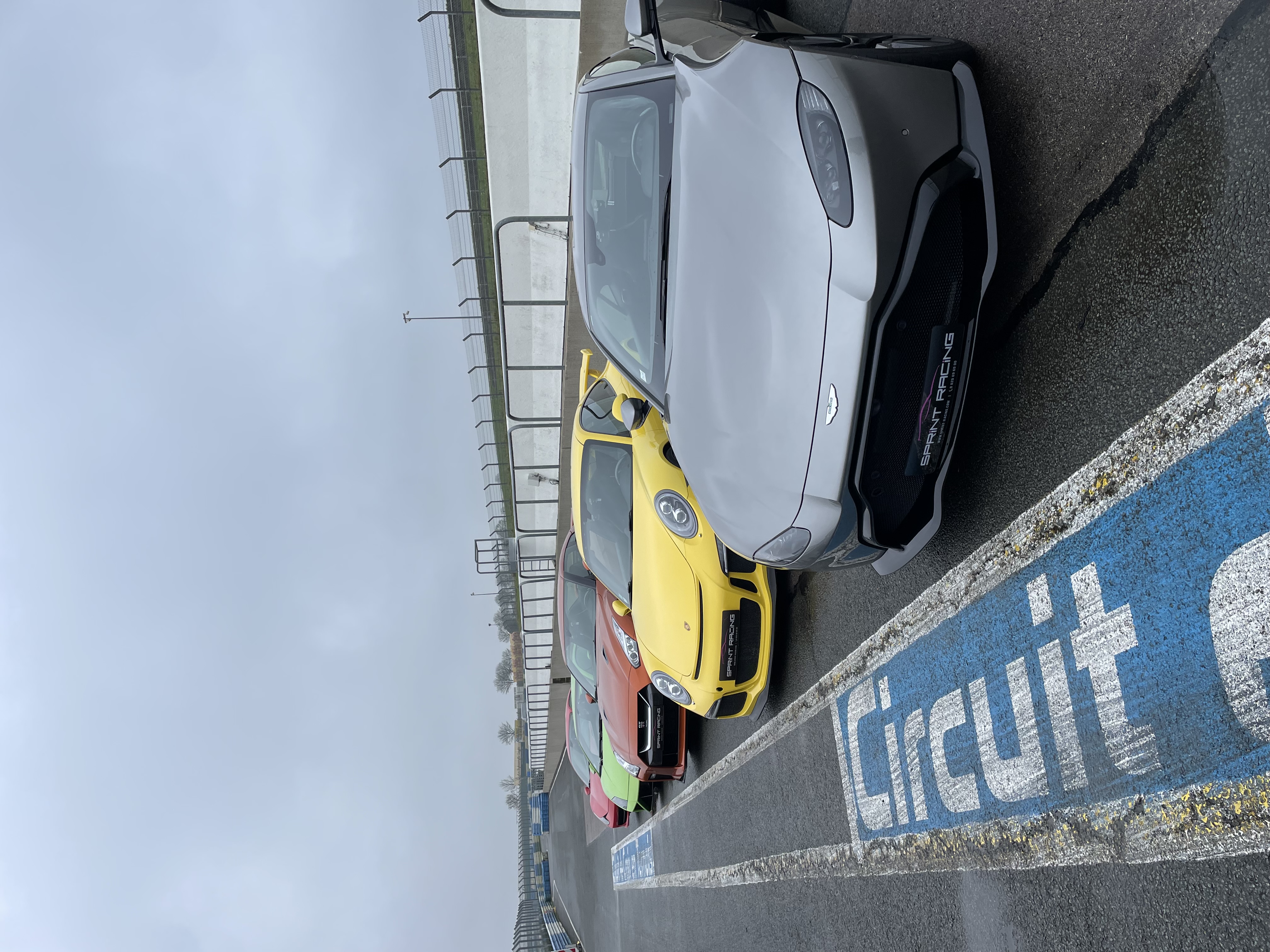
Racetrack Driving Experience in Antwerp for measurable team impact
INNOV'events is a Brussels-based corporate event agency delivering Racetrack Driving Experience formats around Antwerp for 20 to 300+ attendees. We manage the full operational chain: track booking, vehicles/coaches, safety, timing, catering, branding, guest flow, and on-site production. Your team gets a controlled, premium experience; you keep governance, compliance, and budget visibility.
Sommaire
In a corporate agenda, entertainment is not “nice-to-have”: it is a lever to reinforce leadership messages, recognition, and cross-team collaboration. A well-designed Racetrack Driving Experience gives you a high-intensity moment that can be translated into concrete HR outcomes (engagement, retention touchpoints, employer brand) if the format is structured and safe.
In Antwerp, executives and communication teams typically expect flawless logistics, discreet premium service, and strict risk management. Time on track is only a small part of the value; the real differentiator is how guests are briefed, paced, hosted, and debriefed to avoid downtime, frustration, or safety shortcuts.
Our role is to bring field discipline to a high-risk, high-expectation format: compliant safety set-up, credible instructors, realistic run-of-show, and contingency planning. We work frequently with companies operating in and around Antwerp and align the experience with your brand standards and internal policies.
Operational proof points for Antwerp decision-makers
12+ years delivering corporate events across Belgium, with repeat programs for leadership and sales teams.
150+ corporate driving / motorsport-style sessions produced (track days, incentive challenges, VIP customer days) with documented safety briefings and runbooks.
20–300+ participant formats, including mixed audiences (executives + clients + partners) with VIP routing and privacy management.
48 hours typical turnaround for a first budget range and scenario, once objectives and headcount are confirmed.
1 single project lead + on-site stage manager as standard, to avoid the “multiple suppliers, no owner” problem on event day.
Companies we support around Antwerp, year after year
We regularly support organizations with operations in Antwerp and the wider port and industrial ecosystem—often on a recurring basis because the format has to work every time, not only once. In practice, our assignments typically include leadership offsites for regional management, sales kick-offs for Benelux teams, and client hospitality days where brand image and confidentiality are non-negotiable.
When a company renews the program, the expectation rises: guests compare to last year, and internal stakeholders remember every friction point (registration bottlenecks, lunch delays, or instructor inconsistency). That’s why we build a repeatable production method: stable instructor pool, predefined safety and insurance checks, and a documented timing model that fits the realities of Antwerp mobility and corporate calendars.
If you share the company names you want us to reference, we will integrate them here in a compliant way (with your approval on wording and scope), and position the relevant learnings without disclosing sensitive details.
 Besoin d’un devis rapide ?
Nous vous envoyons une première proposition sous 24h.
What a Racetrack Driving Experience changes for teams in Antwerp
A Racetrack Driving Experience in Antwerp works when it is treated as a leadership and relationship tool, not as a thrill-only activity. The track environment creates immediate focus: people listen, follow process, and accept coaching—exactly the conditions many executives struggle to create in a meeting room.
Leadership visibility without a speech: a CEO or VP can open with a short briefing (5–7 minutes) tied to performance, safety culture, or decision-making under pressure. Done well, it lands stronger than a long plenary because the context is real and memorable.
Cross-silo collaboration: by mixing departments in heats and pairing participants as driver/co-driver/timekeeper, you create structured interaction between people who rarely work together (finance with operations, HQ with field teams). This is particularly effective for companies with multiple sites around Antwerp and the port area.
Recognition that feels earned: a podium moment based on measurable results (lap time improvement, consistency, safe driving score) is perceived as fair. HR teams often use this to complement annual recognition programs with something tangible and defensible.
Client hospitality with control: for key accounts, the track becomes a premium setting while still allowing you to control conversation time. We design “talk windows” (coffee briefing, lunch seating, debrief lounge) so commercial teams don’t lose networking time to pure activity.
Employer brand content: communication teams can capture high-quality visuals safely (fixed camera positions, pre-approved shot list, branded backdrops). The output is usable for recruitment and internal channels without showing unsafe behavior or unapproved logos.
Antwerp is a performance-driven business environment—logistics, port-related operations, industrial services, and international trade. A driving program resonates because it speaks the same language: precision, preparation, and accountability.
How Antwerp corporate constraints shape the format
Delivering a Racetrack Driving Experience for corporate groups around Antwerp requires pragmatic planning around real constraints that executives and HR teams face.
Mobility and timing are decisive. Antwerp ring traffic, port area access, and shifting schedules mean a strict arrival plan is required: staggered check-in slots, clear parking routing for coaches and VIP cars, and buffer time that does not inflate the day. We typically design a check-in window of 45–60 minutes with pre-filled waivers and badge scanning to avoid queues.
Safety and compliance are scrutinized more than people admit. Many companies in the region operate under strict HSE culture; even for an external event, they will ask for risk assessments, emergency procedures, and insurance confirmations. We provide structured documentation (participant briefing sheet, incident escalation chain, medical presence level, and track rules) so internal prevention advisors can sign off.
International audiences are common in Antwerp: HQ visitors, EMEA leadership, or clients flying via Brussels or arriving by Eurostar/Thalys connections. That changes the hosting standard—bilingual (often English-first) facilitation, clear dress code messaging, and a premium hospitality rhythm. We also plan around jetlag and limited availability: a half-day track module can outperform a full day if you optimize rotations.
Brand image matters. In a city with strong luxury and premium retail references, a “cheap” set-up is visible immediately: poor signage, generic catering, or noisy logistics. We align the experience with your brand codes: discreet branding, quality lounge areas, and staff who understand corporate etiquette.
Which add-ons work best in Antwerp around the track
A Racetrack Driving Experience in Antwerp becomes a corporate tool when the “between track sessions” moments are designed with intention. Engagement is created by pacing, meaningful challenges, and the right amount of information—not by adding noise.
Interactive animations in Antwerp
Team-based timing challenge: not only fastest lap, but improvement score (first lap vs coached lap) and consistency (variance). This levels the field for mixed seniority groups and avoids rewarding only experienced drivers.
Pit-wall strategy module: small groups analyze telemetry-lite data (braking points, cornering line) with an instructor. Executives like it because it mirrors performance management: diagnose, coach, re-test.
Safety culture mini-brief: for companies with HSE DNA, we integrate a short, credible segment on risk perception and decision-making under pressure. It makes the event defensible internally.
VIP co-driving laps: for clients or board members who do not want to drive, we plan high-quality passenger laps with a pro driver, in a controlled schedule that does not disrupt rotations.
Art animations in Antwerp
Branded photo and video set: a clean backdrop, controlled lighting, and a shot list approved by communications. This avoids random smartphone content and gives you usable assets for internal and external channels.
On-site host with corporate tone: a presenter who understands executive audiences—short, precise announcements; no forced hype; disciplined timekeeping. This is often underestimated and makes the day feel “corporate-grade.”
Innovative animations in Antwerp
Hospitality aligned with Antwerp standards: quality coffee reception, structured lunch service to protect timing, and a closing moment that supports networking (not a rushed buffet line). We can include local touches when relevant, without turning it into a folklore theme.
Non-alcohol policy options: many companies request alcohol-free daytime programs. We plan premium alternatives (mocktails, alcohol-free beer selection, quality softs) so the experience stays high-end and compliant.
Gourmand animations in Antwerp
Simulator as weather-proof backbone: a professional racing simulator zone gives you continuity if track slots are reduced. It also creates a parallel competition for non-drivers and late arrivals.
Brand-safe digital leaderboard: live scoring displayed in the lounge (with opt-out for privacy) increases engagement while keeping the competition friendly and structured.
Micro-learning content: short modules on focus, reaction time, and decision-making that can be repurposed internally. This helps HR justify the day as more than entertainment.
Whatever we add, we align it with your brand image and internal culture. A conservative financial institution in Antwerp will not be hosted like a high-growth tech scale-up; the operational skeleton can be similar, but the tone, visibility, and risk appetite must match.
How to choose a venue near Antwerp for track driving
The venue choice determines perceived quality, safety comfort, and how much you can control guest flow. For Antwerp-based companies, accessibility and on-site infrastructure often matter more than pure track prestige.
| Venue type | For which objective? | Main strengths | Possible constraints |
|---|---|---|---|
| Professional racetrack within 60–120 minutes of Antwerp | Executive incentive, client hospitality, sales performance reward | Proper run-off areas, established safety protocols, pit facilities, credible instructors; supports a premium brand narrative | Limited availability in peak season; strict noise/time regulations; higher base costs for track hire and marshals |
| Driver training center / skid pad (near Antwerp) | HSE-oriented programs, safer introduction to high-performance driving | Excellent for controlled exercises (wet skid, emergency braking), lower perceived risk, easier to justify internally | Less “glamour” than a full circuit; may require added hospitality production to match executive expectations |
| Multi-activity motorsport site with indoor spaces | Mixed audience, unpredictable weather, HR team-building with options | Allows parallel modules (simulators, workshops, karting), protects timing, easier for non-drivers | Brand dilution risk if too “leisure park”; requires strong curation to keep a corporate tone |
We strongly recommend a site visit (or at least a technical call with photos, maps, and safety documentation). In our experience, most event-day issues come from underestimating access routes, parking, pit-lane width, or the distance between hospitality and briefing rooms—details that become critical with executive groups coming from Antwerp.
What a Racetrack Driving Experience costs in Antwerp
Budgeting a Racetrack Driving Experience in Antwerp is about understanding the cost drivers that impact safety, guest comfort, and throughput. We prefer transparent ranges early, then tighten the budget once the timing model and venue are locked.
Headcount and rotation design: 20–40 people can run on a leaner set-up; 80–150 requires more vehicles, instructors, and a stronger hospitality footprint to avoid queues.
Track hire and mandatory staffing: many circuits require marshals, medical presence, and specific insurance coverage. These are not optional and vary widely by venue and day of week.
Vehicle fleet level: entry sports cars vs premium performance models change not only rental costs but also tire/brake wear, fuel, and technical crew requirements.
Instructor ratio and coaching depth: coaching is where perceived value lives. Typical ratios range from 1 instructor per 4–6 drivers for quality coaching, depending on the exercise design.
Hospitality standard: a corporate audience from Antwerp will notice if the lounge, seating, and catering are under-produced. Comfort is part of risk management (less fatigue, fewer incidents).
Branding and content production: signage, branded backdrops, photographer/videographer, and post-edit deliverables. For communication teams, having compliant, usable content often justifies the investment.
Transport and accommodation: coach transfers from Antwerp office locations, VIP transfers, or hotel blocks for multi-day programs.
As a working range, many corporate programs land between €250–€1,200 per person depending on vehicles, venue, and hospitality level (excluding VAT). The ROI is not only “fun”: it is the ability to move key relationships (clients, top performers, leadership teams) with a format that signals investment while staying controlled and professional.
Why working with an agency near Antwerp reduces event risk
For driving programs, “local” is not a slogan; it reduces operational uncertainty. A partner who is used to producing in and around Antwerp understands access patterns, supplier reliability, and how to react when the plan meets reality (late arrivals, weather shifts, VIP changes, last-minute branding approvals).
As an event agency in Antwerp networked with local venues and technical suppliers, we can secure the right crew profiles (motivated, bilingual, corporate-experienced), validate safety documentation quickly, and do pre-checks that remote agencies often skip.
Most importantly, local production shortens escalation loops. If a key element fails (vehicle substitution, catering delay, AV issue in the briefing room), you need someone who can mobilize alternatives within hours, not “tomorrow.” That is what protects your internal sponsor on event day.
- Faster site inspections and more realistic run-of-show planning based on actual spaces and distances.
- Supplier accountability: local relationships mean fewer surprises on staffing, punctuality, and quality control.
- Better contingency capacity for weather, traffic, or last-minute VIP requirements.
- Consistent corporate etiquette: crews used to executive audiences, confidentiality, and brand image constraints in Antwerp.
As a working range, many corporate programs land between €250–€1,200 per person depending on vehicles, venue, and hospitality level (excluding VAT). The ROI is not only “fun”: it is the ability to move key relationships (clients, top performers, leadership teams) with a format that signals investment while staying controlled and professional.






What we’ve delivered for Antwerp-style corporate audiences
Our driving and high-engagement corporate projects cover different realities: leadership teams who want a discreet premium day, sales teams who need competition and recognition, and client programs where the commercial objective is to create conversation time without forcing it.
Examples of formats we deliver (and adapt to your governance and brand):
Leadership half-day: morning arrival, short executive briefing, coached sessions in small groups, working lunch with structured seating, and a debrief that links driving learnings to leadership behaviors (focus, feedback, decision-making).
Client hospitality day: VIP routing, dedicated hosts, privacy zones, controlled photo policy, and a schedule that protects 90–120 minutes of quality conversation time for account teams.
Large-group incentive: parallel modules (track + simulator + pit workshop) so 120–250 guests stay active and informed rather than waiting; clear scoring model that avoids reckless driving incentives.
In all cases, the operational goal is consistent: guests feel the day is premium and safe; internal stakeholders feel the program is controlled, compliant, and on time.
Common mistakes we prevent on Antwerp driving events
Underestimating throughput: too few cars or instructors leads to long waits, frustration, and a perception of poor value—especially with executive audiences.
No clear safety governance: unclear rules, inconsistent instructor messaging, or missing documentation creates internal pushback from HR/HSE and increases incident risk.
Weather denial: not having a wet-track plan or indoor fallback causes schedule collapse and rushed decisions.
Brand exposure mistakes: uncontrolled sponsor logos, unsafe-looking photos, or unclear filming rules can create internal comms issues after the event.
Alcohol timing errors: serving alcohol before driving sessions is a frequent compliance red flag. We structure hospitality so it never conflicts with driving modules.
VIP experience not separated: mixing VIP clients with general participants without a routing plan often results in missed hosting time and poor relationship outcomes.
Our job is to protect your sponsor role. We anticipate these risks early, document decisions, and run the day with a disciplined command structure so you are not managing operational issues in front of your guests in Antwerp.
Why Antwerp clients renew with INNOV'events
Repeat business happens when the experience is not only appreciated by participants, but also easy to defend internally: clear budget logic, compliant safety, and predictable delivery. Many of our clients return because they know the event day will not become a personal risk for the internal sponsor.
70–80% of our corporate programs include at least one repeat element (same client, new cohort or annual edition), because we keep documentation and improve each cycle.
0-tolerance safety mindset: we maintain briefing scripts, incident protocols, and supplier checklists so quality does not depend on “who is available” that day.
Post-event debrief in 5 working days: run-of-show learnings, attendance and engagement insights, and recommendations for the next edition (useful for HR and communication reporting).

Loyalty is the most practical proof point in our industry: if procurement, HR, and executives accept to repeat a high-visibility format, it means the delivery was stable, compliant, and aligned with expectations in Antwerp.
Our step-by-step delivery process for Antwerp track events
👉 Step 1 (Antwerp): clarify objectives, constraints, and stakeholder map
We start with a structured call with the sponsor (executive, HR, or communications) and, if relevant, procurement/HSE. We validate: target audience, success criteria, budget frame, preferred date range, corporate policies (alcohol, filming, waivers), and any sensitive context (reorg, merger, key client negotiation). Output: a one-page brief and a risk/constraint map you can circulate internally.
👉 Step 2 (2000): propose 2–3 scenarios with timing and safety assumptions
We deliver scenario options (half-day, full day, mixed modules) with explicit assumptions: instructor ratio, number of vehicles, track time, hospitality level, and weather fallback. You get a clear comparison grid, not a single “take it or leave it” quote.
👉 Step 3 (Antwerp): secure venue, instructors, fleet, and documentation
Once a scenario is chosen, we confirm track availability, required staffing (marshals/medical), insurance, and vehicle fleet. We produce participant-facing documents (pre-event email, dress code, arrival plan) and internal documents (run-of-show, contact sheet, safety briefing outline, emergency procedure).
👉 Step 4 (2000): build the guest journey and brand layer
We design check-in, signage, lounge flow, briefing room set-up, and content capture plan. Communications teams receive a shot list, branding placement plan, and approval checkpoints to avoid last-minute confusion on event day.
👉 Step 5 (Antwerp): on-site production with a clear command chain
On the day, we run a production structure: project lead, stage manager, welcome desk lead, and liaison with track management. We manage time slots, VIP routing, catering cues, and instructor coordination. If conditions change (rain, delays), we activate the predefined fallback plan rather than improvising.
👉 Step 6 (2000): debrief, reporting, and next-edition improvements
Within days, we share a debrief: what worked, what to improve, attendance notes, content delivery status, and budget closure. If the event is annual, we store learnings and supplier settings so the next Antwerp edition starts with a proven baseline.
FAQ sur l'organisation Racetrack Driving Experience à Antwerp
How far from Antwerp should the racetrack be?
For corporate comfort, we recommend 45–90 minutes travel time from Antwerp. Beyond that, you either need a full-day format with strong hospitality, or you risk fatigue and late arrivals impacting track rotations.
What is a realistic group size for Antwerp track days?
Most smooth programs sit between 20 and 120 participants. For 150–300+, we build parallel modules (track + simulator + workshops) and reinforce staffing; otherwise you create waiting time and safety pressure.
What budget range should we plan in Antwerp?
Typical corporate ranges are €250–€1,200 per person (excl. VAT), driven by track hire, vehicle level, instructor ratio, and hospitality. We can frame a first budget in 48 hours once headcount and objectives are clear.
Can we run a Racetrack Driving Experience in Antwerp in rain?
Yes—Belgian weather is planned for. We implement wet-track rules, adjust speed/competition mechanics, and add indoor modules (simulators, briefings) so the experience remains safe and structured instead of being improvised.
How do you handle safety and liability near Antwerp?
We confirm venue insurance requirements, provide structured safety briefings, manage waivers where applicable, and ensure proper medical presence per venue rules. We also avoid incentives that push risky behavior by scoring on improvement/consistency, not only raw speed.
Request a quote for Antwerp and lock the right track date
If you are comparing agencies, we suggest starting with two concrete inputs: estimated headcount and your primary objective (HR engagement, client hospitality, leadership alignment, reward). From there, we will propose scenarios with clear assumptions, safety approach, and a transparent budget range for your Racetrack Driving Experience in Antwerp.
Track availability can tighten quickly in spring and early autumn. Contact INNOV'events early so we can secure the right venue, instructors, and vehicle fleet—and so your internal stakeholders (HR, HSE, communications) have enough time to validate the program without last-minute pressure.
INNOV'events Antwerp Agency
Justin JACOB is the manager of the INNOV'events Antwerp office. Reach out directly by email at belgique@innov-events.be or via the contact form.
Contact the Antwerp agencyToutes nos prestations & animations Antwerp, Belgique
Découvrez nos prestations événementielles
Découvrez nos animations événementielles disponibles au Belgique
- Event Hostess in Antwerp
- Escape Game in Antwerp
- MasterChef Cooking Workshop in Antwerp
- Magician in Antwerp
- Marquee Rental in Antwerp
- Color Analysis Workshop in Antwerp
- Inflatable Games in Antwerp
- Valet Parking Service in Antwerp
- Football Simulator in Antwerp
- LED Furniture Rental in Antwerp
- Light Branding in Antwerp
- Unique Dining Experience in Antwerp
- Light Painting in Antwerp
- Murder Mystery Party in Antwerp
- Prize Contest in Antwerp
- Promotional Displays (POS) in Antwerp
- Virtual Reality in Antwerp
- Molecular Gastronomy Workshop in Antwerp
- Halloween Entertainment in Antwerp
- Fireworks Show in Antwerp
- Giant Games Challenge in Antwerp
- Event Host / MC in Antwerp
- Photo Booth Animation in Antwerp
- Santa Claus Entertainment in Antwerp
- Kids Entertainment in Antwerp
- Guided Tour in Antwerp
- Urban Rally in Antwerp
- Ball Pit in Antwerp
- Flight Simulator in Antwerp
- Food Truck Rental in Antwerp
- World Record Challenge in Antwerp
- Surf Simulator in Antwerp
- Wine Casino in Antwerp
- Makeover Workshop in Antwerp
- Perfume Creation Workshop in Antwerp
- Acting Workshop in Antwerp
- CSR Activities in Antwerp
- Archery in Antwerp
- Security Staff in Antwerp
- Wine Tasting in Antwerp
- Mime Performer in Antwerp
- TV Game Show in Antwerp
- Funfair in Antwerp
- Crisis Management Workshop in Antwerp
- Crisis Negotiation Workshop in Antwerp
- Arcade Games in Antwerp
- Indoor Skydiving Simulator in Antwerp
- Ski Simulator in Antwerp
- Racing Circuit Experience in Antwerp
- Introductory Flight Experience in Antwerp
- Tasting Experience in Antwerp
- Build Your Own Foosball Workshop in Antwerp
- 2CV Rally in Antwerp
- LEGO Challenge in Antwerp
- Casino Night in Antwerp
- Interpreter / Translator in Antwerp
- Promotional Giveaways in Antwerp
- Shuttle Transport in Antwerp