Promotional Merchandise in Antwerp that lands on time and fits your brand
INNOV'events supports executive teams, HR and communication departments with Promotional Merchandise programs in Antwerp, from concept to delivery and on-site distribution.
Typical formats range from 50 to 5,000 attendees for townhalls, client events, job fairs, internal campaigns and product launches. We handle sourcing, compliance checks, artwork, proofs, storage, transport, and the last-mile coordination that usually causes stress.
Sommaire
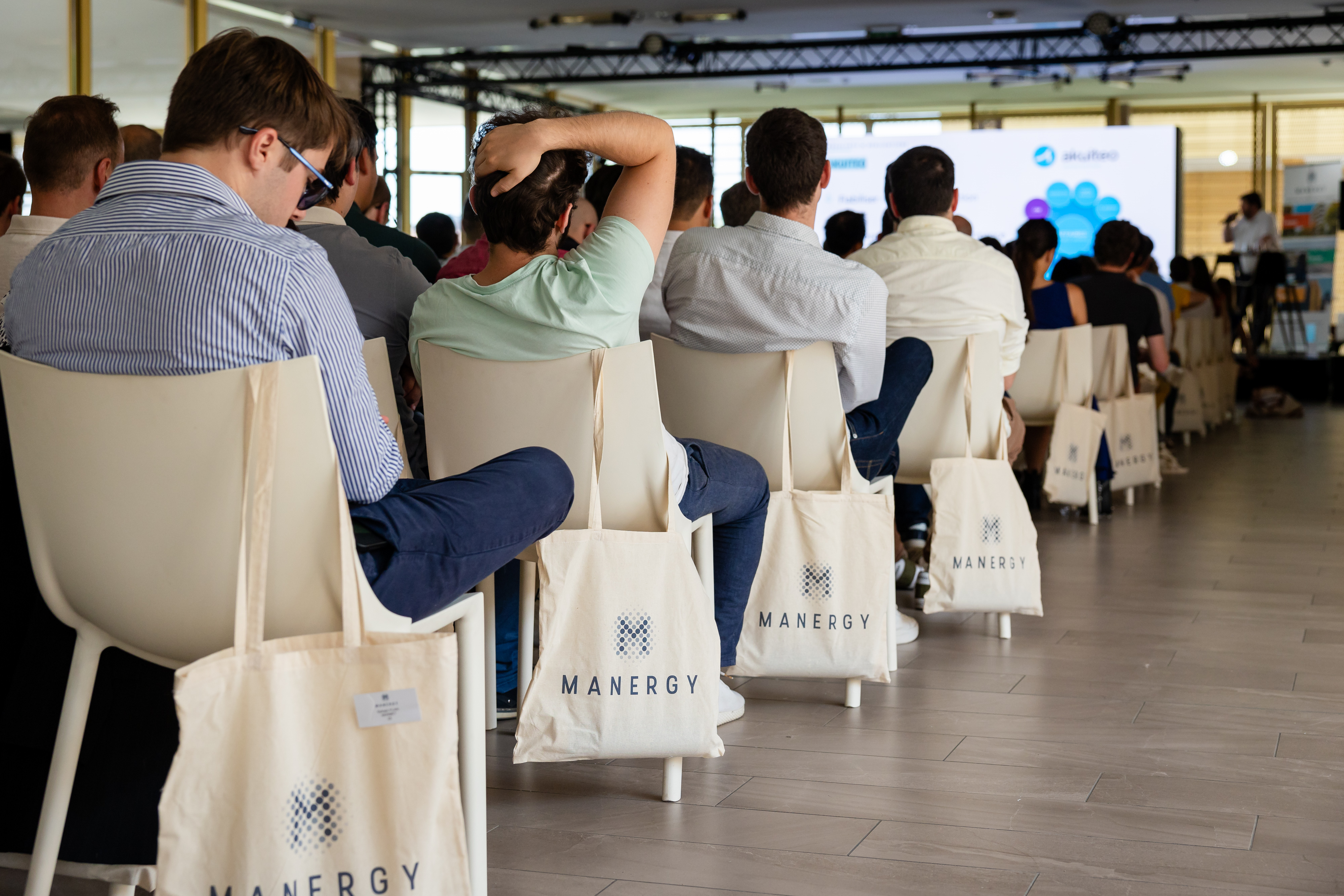
In a corporate event, merchandise is not “nice-to-have”. It is a physical touchpoint that extends the event’s message beyond the room: a well-chosen item can support adoption of an internal program, reinforce a client promise, or improve recruitment follow-up.
In practice, it is also a risk area: late deliveries, wrong Pantone, missing CE marks, or a poor distribution plan can damage the credibility of the organising team in minutes.
Organisations in Antwerp tend to be pragmatic: they expect items that are useful, durable and aligned with brand guidelines, not gimmicks. They also expect predictable logistics—especially around the port area, ring traffic, and venues with strict loading slots.
Communication teams often ask for measurable impact (opt-in scans, pickup rates, post-event usage) while HR focuses on employer branding consistency across multiple sites and languages.
From Brussels, INNOV'events operates weekly in Antwerp with a supplier network used to short lead times, multi-location drop-offs and on-site constraints. We work with corporate approval cycles (legal, procurement, brand) and can integrate your existing frameworks.
Our role is to reduce operational pressure for directors: one accountable partner, clear deadlines, and contingency plans when last-minute changes happen.
INNOV'events metrics used by procurement teams in Antwerp
10+ years coordinating corporate event operations across Belgium, including recurring programs in Antwerp.
150+ supplier references across EU production and Belgian finishing partners (printing, embroidery, kitting) to match timelines and compliance needs.
48–72h typical turnaround for shortlist + budget ranges once brand guidelines and quantities are confirmed.
1 single project lead accountable for artwork approvals, production follow-up, and delivery slots—avoiding the “five vendors, no owner” scenario.
Corporate teams we support in Antwerp year after year
We support organisations active in Antwerp and the wider Antwerp province, where consistency and reliability matter more than big promises. Several clients come back because they know we remember their constraints: internal brand portals, approval workflows, preferred carriers, and the reality of venue logistics.
We regularly collaborate with local and international companies present in the area (port-related businesses, life sciences, professional services, retail HQs) and we are used to working with multilingual communication requirements (EN/NL/FR) and group-level procurement rules.
If you share the company names you want us to mention as references, we will integrate them in this section in a compliant way (e.g., “selected projects for…”, “annual internal campaigns for…”) without overstating or disclosing confidential details.
 Besoin d’un devis rapide ?
Nous vous envoyons une première proposition sous 24h.
Why invest in Promotional Merchandise for Antwerp corporate events?
Merchandise is one of the few event elements that continues working after the lights are off. For directors, it is a lever to extend a message, standardise a brand experience across sites, and create a tangible reminder that supports business objectives.
In Antwerp, where many organisations operate with operational teams, shift schedules, and client-facing roles, the right item can be a practical tool—while still carrying your identity and values.
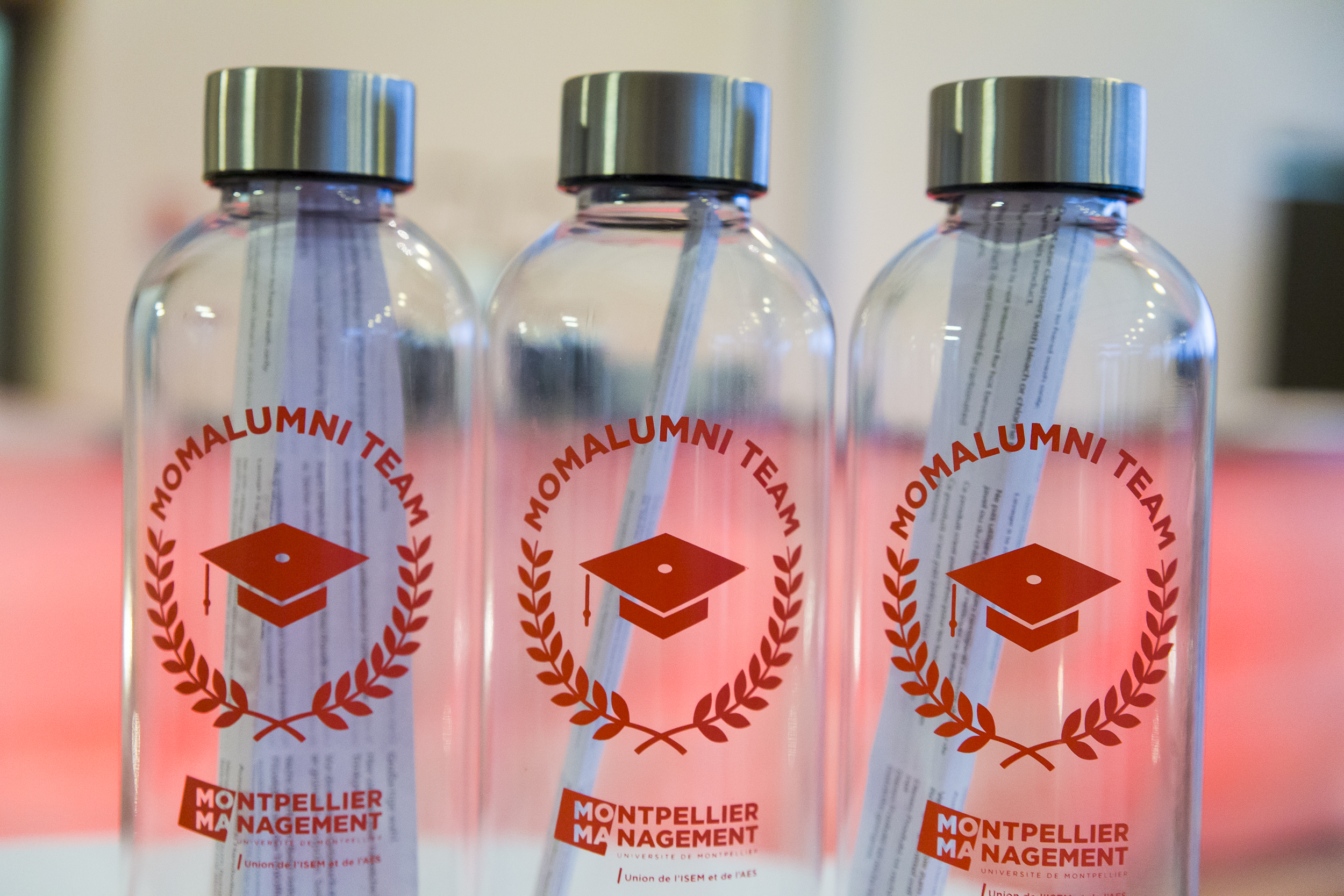
Reinforce leadership communication: when a townhall introduces a change program (new safety process, new customer promise, new CRM), an item used daily (lanyard, notebook, insulated bottle) keeps the message visible and reduces “initiative fatigue”.
Support HR and recruitment conversion: for job fairs or campus events, a high-utility item with clean branding improves follow-up. We often add a subtle QR code to a landing page, so HR can track traffic and applications by event.
Increase client retention at B2B moments: for account events, a curated kit (not random giveaways) can be aligned to your industry—e.g., durable worksite gear for technical audiences or desk items for office-based stakeholders.
Standardise brand execution across departments: communication teams avoid “local initiatives” ordering off-brand items. We create a controlled selection with approved artwork files and specifications, and we keep re-order references stable.
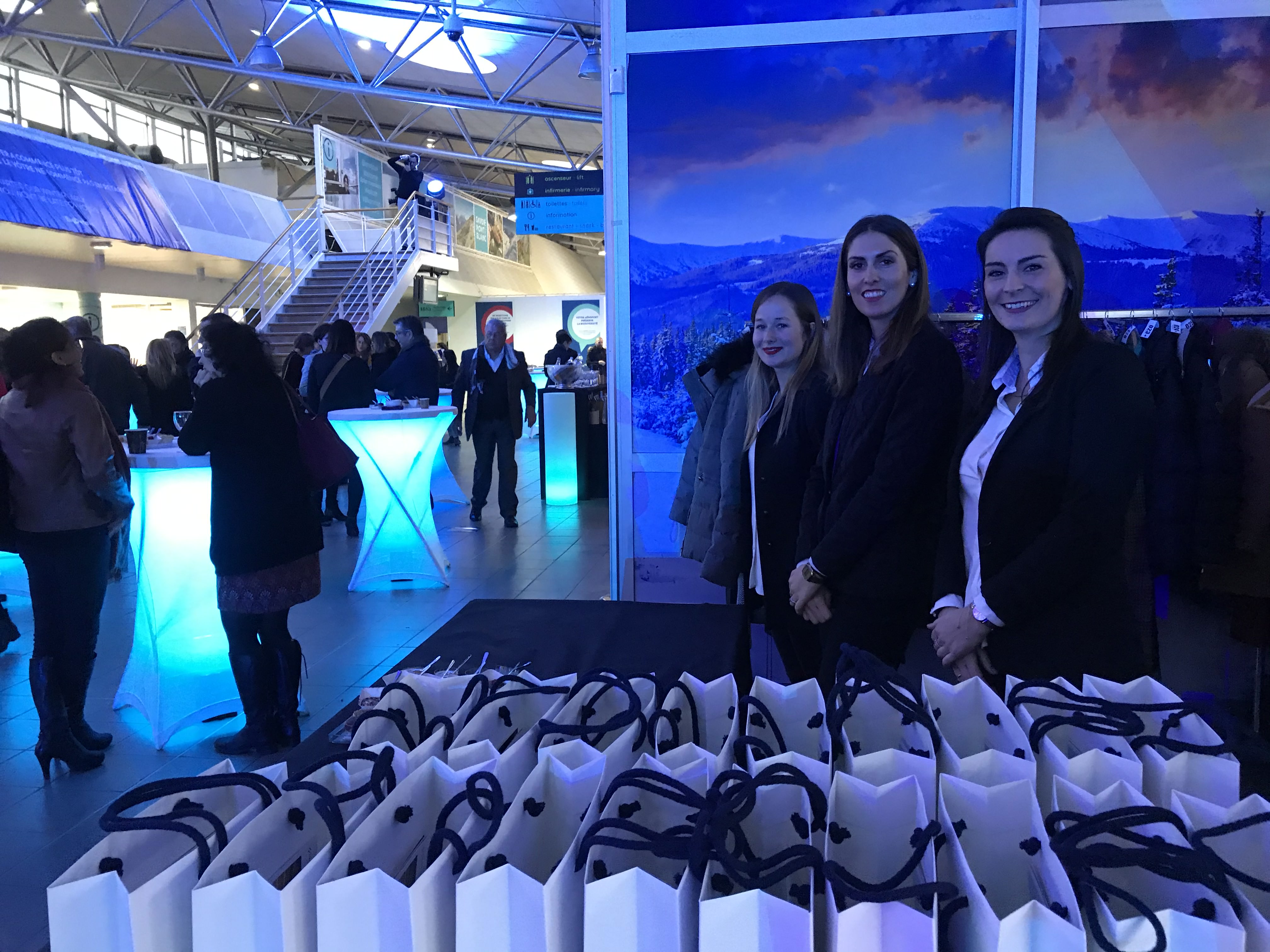
Reduce operational stress on event day: a distribution plan (quantities per entry point, staffing, last-mile timing, and overflow stock) prevents queues, missing sizes, or the classic “we ran out after 20 minutes”.
Demonstrate ESG credibility: instead of blanket “eco” claims, we propose items with documented materials, realistic lifespans, and transparent sourcing. For many executive teams, this protects reputation more than it “markets” sustainability.
Antwerp has a direct, performance-oriented business culture. When merchandise is planned like an operational deliverable—clear objectives, compliance, logistics, and measurement—it becomes an asset rather than a cost line.
What Antwerp decision-makers expect from Promotional Merchandise partners
In Antwerp, the constraints are rarely “creative”—they are operational. Directors expect you to anticipate them without being asked. The most frequent expectations we hear from HR and communication teams include:
- Brand consistency: correct colour management (Pantone or CMYK expectations), logo clear space, and avoiding “cheap-looking” finishes that undermine premium positioning.
- Lead time realism: not only production, but also artwork validation, sample approval, import checks, and delivery scheduling. A 3-week deadline is feasible for some items and unrealistic for others—our job is to tell you early.
- Compliance and safety: CE where relevant, REACH considerations for materials, and age-appropriate items. This matters in public-facing events and family days.
- Last-mile delivery in the city: Antwerp ring congestion, limited loading zones, venue slot restrictions, and the need for off-peak drops. We plan delivery windows like a production schedule, not like a “courier booking”.
- Multi-site distribution: many organisations need split deliveries (HQ + regional offices + event venue). Kitting and labelling per location prevents internal teams from re-sorting under time pressure.
We also see a growing demand for measurable outcomes: pickup rate, re-order rate, QR scans, and post-event internal feedback. This is especially relevant when budgets are scrutinised and communication needs to justify spend.
Which Promotional Merchandise activations work best in Antwerp?
Merchandise performs better when it is not “handed out” but earned or explained. In Antwerp, engagement increases when people understand why the item exists (campaign message, employer value, safety focus) and when distribution is integrated into a simple activation.
Interactive animations in Antwerp
Pick-your-kit stations: attendees choose 2 out of 5 approved items. This reduces waste and increases perceived value. We manage stock logic and signage so the flow stays fast.
QR-based claim system: ideal for high-value items (jackets, premium gifts). Attendees claim via QR, receive a confirmation, and pick up at a controlled counter—preventing duplicates and simplifying reporting.
Personalisation corner: on-site engraving or heat transfer for names/initials. Works well for internal recognition moments, but requires power, ventilation rules (if any), and a queue management plan.
Art animations in Antwerp
Live illustration on packaging: an illustrator customises sleeves or cards while keeping corporate guidelines. It turns a standard item into a keepsake without changing the product itself.
Branded photo + print station: the “output” is the merchandise (photo print in a branded frame, or a postcard). Useful for employer branding in recruitment events in Antwerp where social sharing is part of the objective.
Innovative animations in Antwerp
Local product pairing: combining corporate items with curated Belgian treats (allergen-labelled) works well for client events. The key is compliant packaging, temperature considerations, and realistic shelf-life for multi-day distribution.
Coffee ritual kits: for morning conferences—branded reusable cups or insulated mugs paired with a tasting bar. Practical for commuters and reduces disposable waste if the venue supports it.
Gourmand animations in Antwerp
Smart NFC cards: a premium “digital business card” linking to a campaign page. It’s particularly relevant for sales kick-offs and partner events; we ensure the landing page is tracked and aligned with GDPR expectations.
Modular welcome kits: pre-packed per attendee type (new hires, managers, speakers, VIP clients). We label and kit per list, which reduces check-in friction and avoids handing the wrong items to the wrong people.
Whatever the format, we insist on alignment with your brand image. A luxury brand will not use the same finishes as an industrial employer; a sustainability-led company must avoid items that contradict its messaging. The right Promotional Merchandise choice protects reputation as much as it builds engagement.
Where to distribute Promotional Merchandise in Antwerp without bottlenecks
The venue and access conditions dictate whether your merchandise program feels premium or chaotic. In Antwerp, the practical questions are: where can we unload, where do we store backup cartons, how do we manage queues, and how do we avoid blocking emergency routes?
We integrate merchandise constraints into the venue planning: check-in layout, cloakroom flow, staffing, and the timing of peak arrivals. This is also where we coordinate with security and facility managers—often underestimated until the last moment.
| Venue type | For which objective? | Main strengths | Possible constraints |
|---|---|---|---|
Conference centre / business venue in Antwerp | Townhalls, leadership events, client conferences with structured agenda | Clear attendee flow, reception desks, controlled access; easier to run QR-claim counters | Strict loading slots; storage space may be limited; branding rules can be tight |
Industrial site / port-area facility | Safety campaigns, operational recognition, shift-based engagement | High relevance for practical items; distribution can be aligned to shift changes | PPE requirements, access authorisations, parking constraints; must plan size curves carefully |
Hotel meeting space in Antwerp | Board meetings, VIP dinners, small client workshops | Premium perception; easy to integrate curated gift sets | Limited back-of-house space; delivery windows; discretion needed for VIP handling |
Site visits (or at least a structured venue walk-through with photos, access plans, and loading instructions) prevent most day-of issues. We treat this as a risk-reduction step, not an optional comfort.
How to budget Promotional Merchandise in Antwerp realistically
Budgeting Promotional Merchandise in Antwerp is not about finding the cheapest unit price—it is about matching the right product to the objective, then controlling total cost: production, branding, packaging, kitting, storage and delivery.
To help directors compare offers, we separate unit cost from program cost (including logistics and on-site handling). Many “cheap” options become expensive when you add rush production, split deliveries, or reprints due to unclear artwork specs.
Quantities and size curves: ordering 300 hoodies without mapping sizes leads to shortages in M/L and leftovers in XS/XXL. We recommend using past data or a quick pre-order form for internal audiences.
Branding technique: embroidery and laser engraving cost more but survive longer; certain print techniques can crack after washing. The right method depends on usage and lifecycle expectations.
Lead time: rush fees can add 10–30% depending on item and factory capacity. Planning earlier typically saves money more reliably than negotiating unit price.
Packaging and kitting: individual polybags, recycled kraft boxes, inserts, and labels are not “minor details” when you manage multi-site distribution. They drive labour and reduce handling errors.
Delivery complexity in Antwerp: timed delivery slots, city access, or multiple drop points can add fixed costs. Consolidation and buffer storage often reduce total spend.
Compliance/documentation: for some industries, you may require certificates, material declarations, or supplier codes—this impacts supplier choice and timeline.
From an ROI perspective, we look at cost per meaningful touchpoint: how long the item is used, how closely it supports your message, and whether it reduces other costs (e.g., fewer disposable cups, improved recruitment follow-up). We will propose options across tiers, with clear trade-offs, so you can decide confidently.
Why use an event agency in Antwerp for merchandise operations?
Even when the merchandise itself is produced elsewhere, execution succeeds locally. Working with a partner used to Antwerp operations means fewer surprises on delivery and distribution—especially when the venue imposes strict access rules or when you have multiple internal stakeholders.
INNOV'events brings structure: one timeline, one approval path, one logistics plan. When you need support beyond merchandise—registration flow, staffing, or broader event coordination—our team can integrate it with the rest of the production through our event agency in Antwerp operations.
- Faster problem-solving on-site: if cartons arrive with a labelling issue or a last-minute room change happens, a local operational presence avoids escalation loops.
- Supplier network suited to Belgian realities: finishing, rework, and short-run fixes are feasible when you know who can execute in-country.
- Venue and city logistics knowledge: timed access, unloading zones, and traffic constraints are planned into the schedule—not discovered on event morning.
- Procurement-grade documentation: clear quotes, options, and specifications that help you justify decisions internally.
From an ROI perspective, we look at cost per meaningful touchpoint: how long the item is used, how closely it supports your message, and whether it reduces other costs (e.g., fewer disposable cups, improved recruitment follow-up). We will propose options across tiers, with clear trade-offs, so you can decide confidently.




Examples of Promotional Merchandise projects delivered around Antwerp
Our projects in and around Antwerp range from simple, high-volume campaigns to premium VIP gifting with controlled distribution. The difference is rarely “design”; it is governance and execution.
Example situations we regularly manage:
- Internal campaign with strict brand control: communication teams ask for a limited catalogue of approved items for multiple departments. We standardise product references, lock artwork files, and manage re-orders without variations that dilute brand consistency.
- Safety and operations recognition: for industrial or logistics teams, we select items that survive real working conditions (durable bottles, high-quality beanies, robust bags). We ensure the branding method holds up to washing and handling.
- Client event with VIP tiering: different gift levels for speakers, key accounts, and general attendees. We kit and label by guest list, plan discreet distribution, and keep spare stock controlled.
- Recruitment event follow-up: we integrate QR tracking into a useful item, allowing HR to measure traffic and applications, while keeping design clean and corporate.
- Multi-location delivery: split shipments across HQ, satellite offices, and the event venue, with packing lists per site and buffer stock for late additions.
These are operationally “small” details, but they are what directors remember—because they prevent day-of friction and protect reputation.
What typically goes wrong with Promotional Merchandise in Antwerp
Artwork approved too late: the file is “almost OK” until someone checks the logo proportions or legal line. We set a sign-off deadline and provide ready-to-approve proofs.
Choosing items by catalogue picture only: the perceived quality can differ significantly. We recommend samples for anything visible on stage, on cameras, or given to clients.
Underestimating distribution flow: giving out items at one desk for 800 people creates queues and frustration. We design multiple pickup points and replenishment logic.
Wrong assumptions on sizes: apparel without a size curve plan leads to unhappy teams. We use pre-collection or conservative curves and bring swap stock.
Delivery scheduled without venue access validation: missed loading slots in Antwerp can mean delayed setup or additional fees. We validate access rules and contingency options.
No plan for leftovers: leftover stock becomes a hidden cost. We propose a post-event allocation (new hires, onboarding, internal store, next event) or controlled storage.
Our role is to prevent these risks with clear specs, realistic timelines, and logistics discipline. That is what makes Promotional Merchandise a reliable asset rather than a last-minute stress point.
Why Antwerp corporate clients keep the same partner for merchandise
Loyalty in this area is rarely emotional—it is operational. Teams return when they know the next edition will be easier: product references are stable, artwork is already validated, and the partner understands internal constraints.
For HR and communication departments, continuity also protects brand consistency. For executives, it reduces risk: fewer suppliers to coordinate, fewer last-minute escalations, and predictable outcomes.
30–40% of recurring programs typically save time on approval cycles after the first edition because specifications and proofs are already documented.
1–2 weeks can be saved on average when re-ordering the same validated items (depending on seasonality and factory capacity).
0 reprint objective: by using structured proofing and sign-off, we aim to avoid the costly “print error discovered on delivery” scenario.

In Antwerp, repeat business is a strong indicator: it means the partner delivered on time, handled constraints, and communicated transparently under pressure.
Our end-to-end process for Promotional Merchandise in Antwerp
👉 Step 1 (Antwerp): Define objectives, audience, and usage context
We start with a short working session with HR/Comms/Procurement: what is the message, who receives the items, and how will they use them (office, commute, warehouse, client site)? We confirm budget range, expected quantities, languages, and any internal policies (materials, suppliers, local sourcing preferences).
Output: a clear brief that avoids later debates and protects timelines.
👉 Step 2 (2000): Product shortlist with specifications and tiers
We propose a controlled shortlist (usually 6–12 options) with clear specs: materials, branding technique, estimated lifespan, lead time, and budget tiers. For executive teams, we highlight trade-offs (e.g., cost vs durability vs delivery risk).
Output: comparable options that support fast decision-making.
👉 Step 3 (Antwerp): Sampling, proofs, and brand compliance sign-off
We organise samples and/or digital proofs and manage a structured sign-off: correct logo files, colour expectations, placement, and any legal lines. We also align on packaging, inserts, and any QR tracking elements.
Output: documented approvals that prevent reprints.
👉 Step 4 (2000): Production follow-up and quality checkpoints
We place orders with validated specifications, monitor production, and schedule checkpoints (especially for larger quantities or multiple items). When feasible, we plan buffer stock and contingency options for critical pieces.
Output: predictable delivery and fewer surprises.
👉 Step 5 (Antwerp): Logistics, kitting, and venue delivery planning
We coordinate kitting, labelling, packing lists per location, and transport. For venue deliveries, we confirm access rules, unloading instructions, timing, and contact persons. For complex events, we can plan on-site storage and replenishment points.
Output: smooth setup and controlled distribution.
👉 Step 6 (2000): On-site distribution support and post-event recap
Depending on scope, we support the distribution plan (staff briefing, counters, signage, overflow stock). After the event, we provide a recap: quantities delivered and used, leftovers plan, and improvement points for the next edition.
Output: continuous improvement and easier next runs.
FAQ sur l'organisation Promotional Merchandise à Antwerp
What lead time do you need for Antwerp merchandise orders?
Plan 3–6 weeks for standard items with branding (including artwork approval and production). For premium items or complex kitting, expect 6–10 weeks. Rush options exist (sometimes 7–14 days), but choice and finishes are more limited and costs can increase.
What budget range per attendee in Antwerp is realistic?
For corporate events, we often see €3–€8 per attendee for high-volume practical items, €10–€25 for curated kits, and €30–€120+ for VIP gifting. Final cost depends on quantity, branding technique, packaging, and delivery complexity.
Can you handle split deliveries across Antwerp locations?
Yes. We plan quantities per site, label cartons by destination, and provide packing lists. For multi-site programs, we typically recommend 2–5% buffer stock to cover late additions or sizing swaps without disrupting operations.
How do you avoid wrong logo colours on Antwerp merchandise?
We work with your official logo files, define the target colour standard (Pantone or CMYK), and send proofs for sign-off. For sensitive colours, we recommend a pre-production sample. This is usually faster and cheaper than reprints after delivery.
Do you offer sustainable Promotional Merchandise options in Antwerp?
Yes, with documented choices (materials, certifications when relevant, and realistic lifespans). We typically prioritise durability and real usage over “green claims”. We can propose alternatives like recycled materials, long-life items, and reduced packaging—while keeping brand perception consistent.
Request a quote for Promotional Merchandise in Antwerp
If you are planning an event, an internal campaign, or a recruitment activation in Antwerp, involve us early—especially when multiple stakeholders must approve design, compliance, and budget. Early planning is the simplest way to avoid rush fees and compromises on quality.
Send us your date, audience size, and brand guidelines (or a link to your brand portal). We will come back with a shortlist, clear budget tiers, and a delivery plan that fits your venue constraints. For directors, that means fewer moving parts and a predictable outcome.
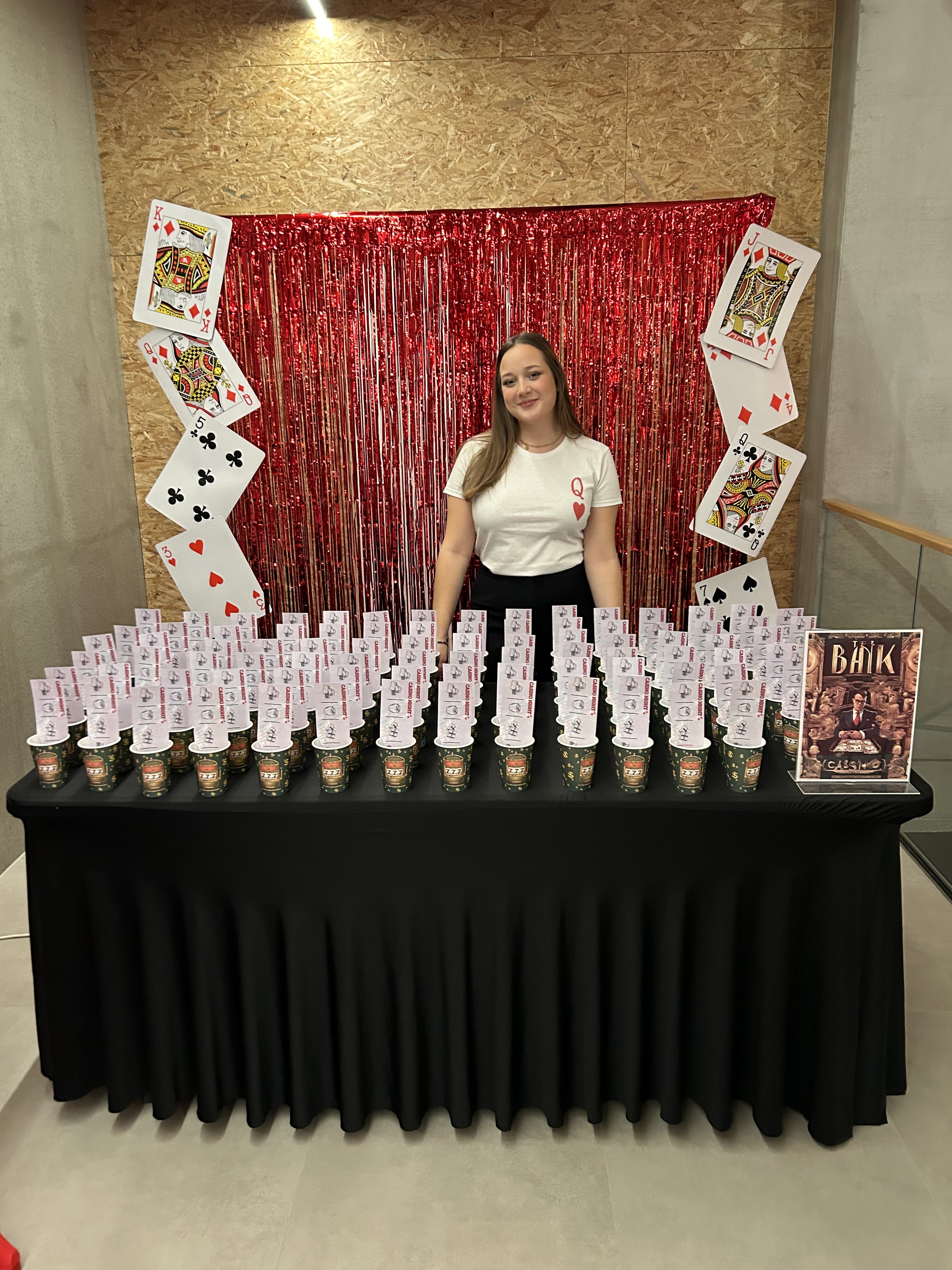
INNOV'events Antwerp Agency
Justin JACOB is the manager of the INNOV'events Antwerp office. Reach out directly by email at belgique@innov-events.be or via the contact form.
Contact the Antwerp agencyToutes nos prestations & animations Antwerp, Belgique
Découvrez nos prestations événementielles
Découvrez nos animations événementielles disponibles au Belgique
- Event Hostess in Antwerp
- Escape Game in Antwerp
- MasterChef Cooking Workshop in Antwerp
- Magician in Antwerp
- Marquee Rental in Antwerp
- Color Analysis Workshop in Antwerp
- Inflatable Games in Antwerp
- Valet Parking Service in Antwerp
- Football Simulator in Antwerp
- LED Furniture Rental in Antwerp
- Light Branding in Antwerp
- Unique Dining Experience in Antwerp
- Light Painting in Antwerp
- Murder Mystery Party in Antwerp
- Prize Contest in Antwerp
- Promotional Displays (POS) in Antwerp
- Virtual Reality in Antwerp
- Molecular Gastronomy Workshop in Antwerp
- Halloween Entertainment in Antwerp
- Fireworks Show in Antwerp
- Giant Games Challenge in Antwerp
- Event Host / MC in Antwerp
- Photo Booth Animation in Antwerp
- Santa Claus Entertainment in Antwerp
- Kids Entertainment in Antwerp
- Guided Tour in Antwerp
- Urban Rally in Antwerp
- Ball Pit in Antwerp
- Flight Simulator in Antwerp
- Food Truck Rental in Antwerp
- World Record Challenge in Antwerp
- Surf Simulator in Antwerp
- Wine Casino in Antwerp
- Makeover Workshop in Antwerp
- Perfume Creation Workshop in Antwerp
- Acting Workshop in Antwerp
- CSR Activities in Antwerp
- Archery in Antwerp
- Security Staff in Antwerp
- Wine Tasting in Antwerp
- Mime Performer in Antwerp
- TV Game Show in Antwerp
- Funfair in Antwerp
- Crisis Management Workshop in Antwerp
- Crisis Negotiation Workshop in Antwerp
- Arcade Games in Antwerp
- Indoor Skydiving Simulator in Antwerp
- Ski Simulator in Antwerp
- Racing Circuit Experience in Antwerp
- Introductory Flight Experience in Antwerp
- Tasting Experience in Antwerp
- Build Your Own Foosball Workshop in Antwerp
- 2CV Rally in Antwerp
- LEGO Challenge in Antwerp
- Casino Night in Antwerp
- Interpreter / Translator in Antwerp
- Promotional Giveaways in Antwerp
- Shuttle Transport in Antwerp