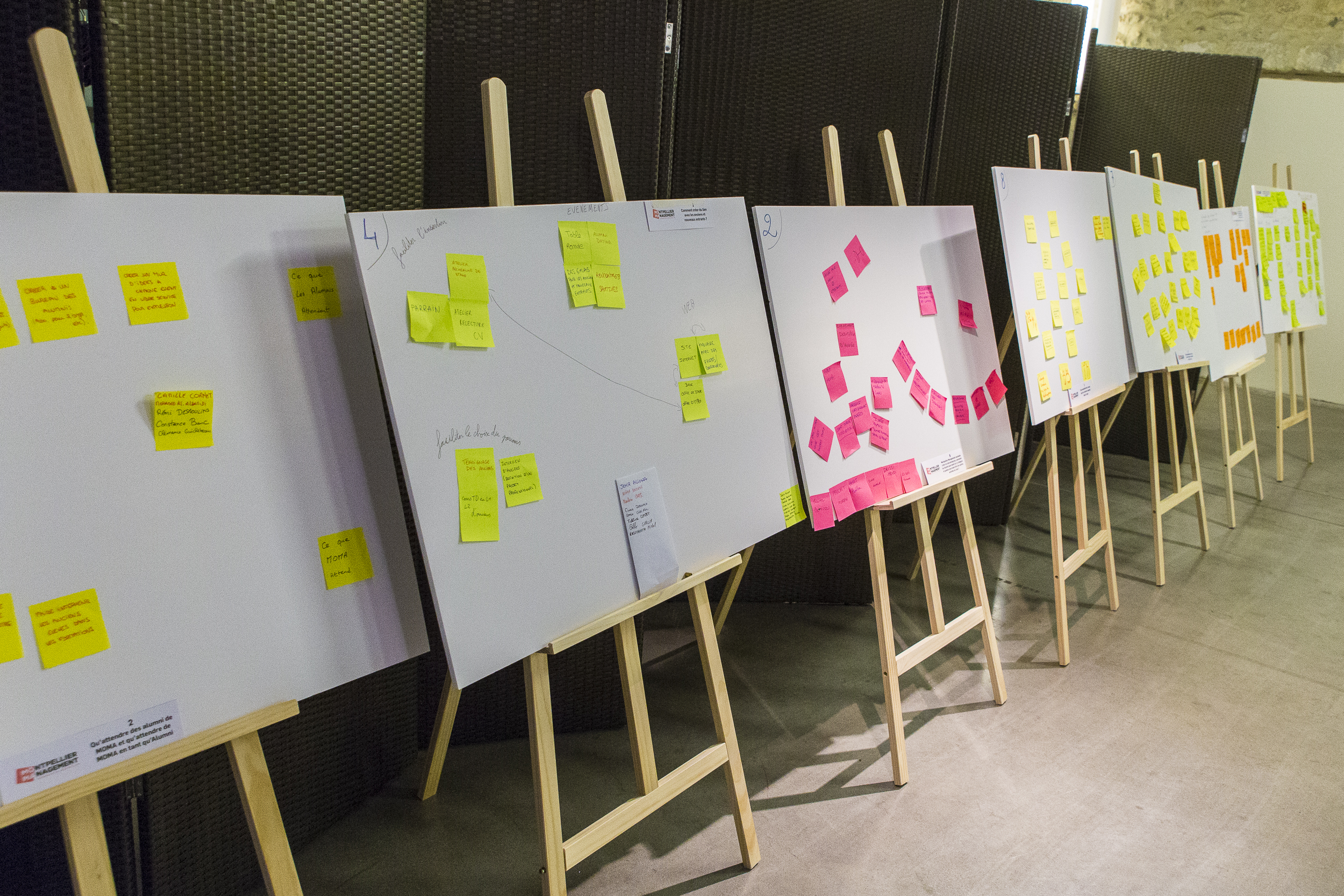
Crisis Management Workshop in Antwerp to rehearse decisions under pressure
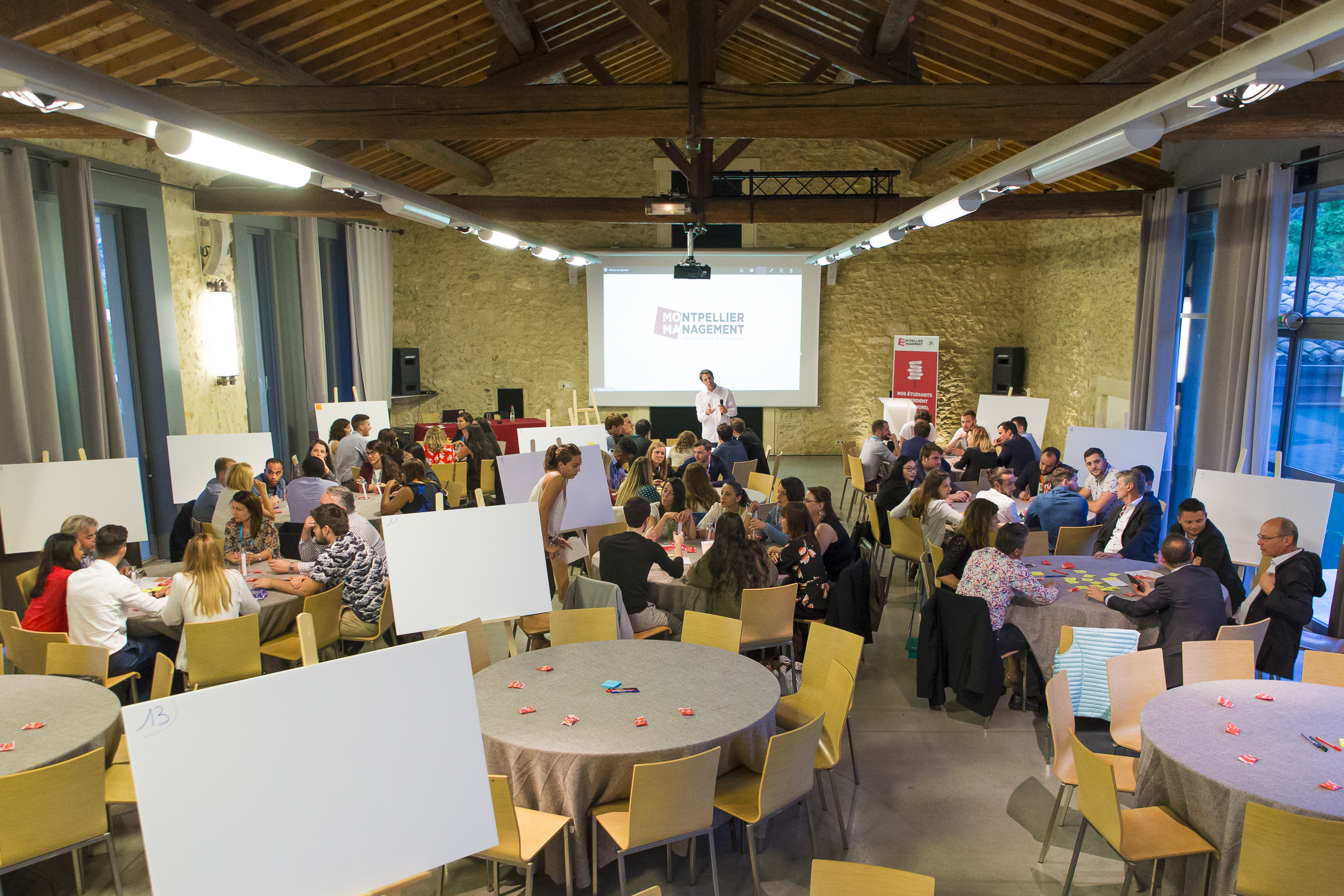
INNOV'events designs and delivers Crisis Management Workshop formats in Antwerp for executive teams, HR and communication departments. Typical groups range from 8 to 60 participants, from a compact crisis cell to a full cross-functional exercise. We manage the scenario design, facilitation, role-play actors, media simulation, room set-up, timing, and a debrief that turns the exercise into an actionable improvement plan.
Our approach is practical: we reproduce the pace, ambiguity and scrutiny of a real incident while keeping the environment safe, structured and measurable. You get clarity on decision rights, escalation, spokesperson readiness, and operational coordination—without losing a day to theory.
Sommaire
In a corporate setting, “entertainment” is not about a show; it is about creating the right level of engagement so people behave as they would on a real crisis day. A well-built simulation triggers stress, time pressure and competing priorities—exactly what reveals gaps in governance, communication and business continuity.
Organizations in Antwerp typically expect realism without chaos: clear facilitation, credible injects, and strict timing so executives can commit. They also want tangible outputs: an updated escalation tree, refined holding statements, and a list of operational fixes that can be implemented within 30 to 90 days.
Based in Brussels and on the ground in Antwerp week after week, INNOV'events works with local venues, AV partners and bilingual facilitators (EN/NL/FR) to deliver workshops that match the region’s business tempo—port logistics, international HQ requirements, and brand exposure in a highly connected city.
Key figures for Antwerp decision-makers who need reliability
12+ years delivering corporate workshops and executive simulations across Belgium, with repeat clients in regulated and high-visibility sectors.
150+ facilitated sessions combining crisis governance, media simulation and operational coordination (from tabletop to live role-play).
Operational capacity for 8–60 participants in one room, or 2 parallel rooms (crisis cell + operational team) with synchronized injects.
48h turnaround for a first scoping call + budget range, and 10 working days for a full scenario proposal once inputs are validated.
Crisis readiness projects we support around Antwerp
We regularly support organizations operating in and around Antwerp—from HQ teams to plant and terminal management—because crises rarely stay “departmental”. A product quality issue in a site outside the city can quickly become a reputational situation once it hits local media and LinkedIn, and a supply-chain incident can spread across borders in hours.
You mentioned providing company names as references; integrate those directly here to mirror your internal benchmarking and procurement expectations. In practice, our local clients include teams that come back year after year to run an annual exercise cycle: one year focused on leadership decision-making and external communications, the next on operational coordination and stakeholder management (authorities, unions, key customers, insurers).
What we see repeatedly with Antwerp-based groups is that the strongest value is continuity: the workshop is not a one-off. It becomes a measurable capability-building program with a baseline, a maturity roadmap, and a recurring test of the crisis organization—aligned with the realities of the city’s international business exposure.
 Besoin d’un devis rapide ?
Nous vous envoyons une première proposition sous 24h.
Why run a Crisis Management Workshop in Antwerp now
In many companies, crisis documentation exists—binders, SharePoint folders, templates—but it has never been tested under real timing and leadership pressure. A Crisis Management Workshop turns paper readiness into operational readiness by forcing decisions, trade-offs and messages in a controlled environment.
For executives, HR and communication leaders, the value is not only “learning”; it is validating governance: who decides what, when to escalate, what information is needed, and how to protect people, operations and brand at the same time.
Executive decision speed and role clarity: we stress-test the decision rights between CEO/MD, crisis manager, legal, HR, comms and operations, including what happens when key people are unavailable.
Communication discipline under scrutiny: participants practice holding statements, Q&A, and internal messaging while facing realistic pressure (fake media calls, stakeholder emails, social posts) so the team learns to avoid speculation and misalignment.
HR and people safety coordination: we include situations like employee injury, psychosocial risk, union questions, and family notifications—topics that are often absent from generic crisis playbooks.
Operational continuity: we map the minimum viable operations, supplier dependencies, and customer commitments, and we force prioritization when resources are constrained.
Audit-ready evidence: you leave with an exercise report, improvement actions, owners, and deadlines—useful for ISO-oriented environments, insurance discussions, and board reporting.
Cross-functional alignment: the exercise creates a shared vocabulary between leadership, comms, operations and HR—critical on day one of a real incident.
Antwerp is a city where operational incidents can become public fast: international stakeholders, dense supplier networks, and constant visibility. Running a workshop here is a pragmatic way to protect decision-making quality when the spotlight is on.
What Antwerp companies expect from a crisis workshop provider
In Antwerp, “credible” means grounded in operational reality. Leadership teams don’t want generic scenarios; they want situations that match how their business can actually fail: a supplier quality alert that turns into a recall, a cyber disruption that stops planning and dispatch, a labor issue that escalates on social media, or an incident impacting contractors on site.
We also see specific local expectations around language and stakeholders. Many Antwerp organizations operate with Dutch as the internal baseline while reporting to international HQ in English. A crisis creates additional translation risk: a message that sounds safe in one language can be ambiguous or too strong in another. We build bilingual message workflows so the crisis cell does not lose time rewriting statements repeatedly.
Finally, Antwerp-based teams want pragmatic logistics: start on time, no “icebreakers”, and a facilitation style that respects seniority while challenging assumptions. We plan the run-of-show minute-by-minute, define decision gates, and ensure the exercise produces usable outputs—not just “insights”.
Which simulation formats work best for Antwerp leadership teams
In a crisis workshop, “animations” are the simulation mechanics that make participants act realistically. The right mechanics create engagement and pressure while keeping the exercise safe and productive. We choose formats based on your maturity level, your sector, and the leadership behaviors you want to test.
Interactive animations in Antwerp
Tabletop with timed decision rounds: short bursts of information followed by a decision gate (e.g., activate crisis cell, notify authorities, inform employees). Works well for executive alignment in Antwerp HQ teams.
Two-room setup (crisis cell + operational team): tests how information flows and where it gets distorted. Particularly relevant when operations are on a site or terminal and leadership is elsewhere.
Digital inject platform: controlled streams of emails, “screenshots”, and stakeholder messages to replicate overload without relying on improvisation.
Art animations in Antwerp
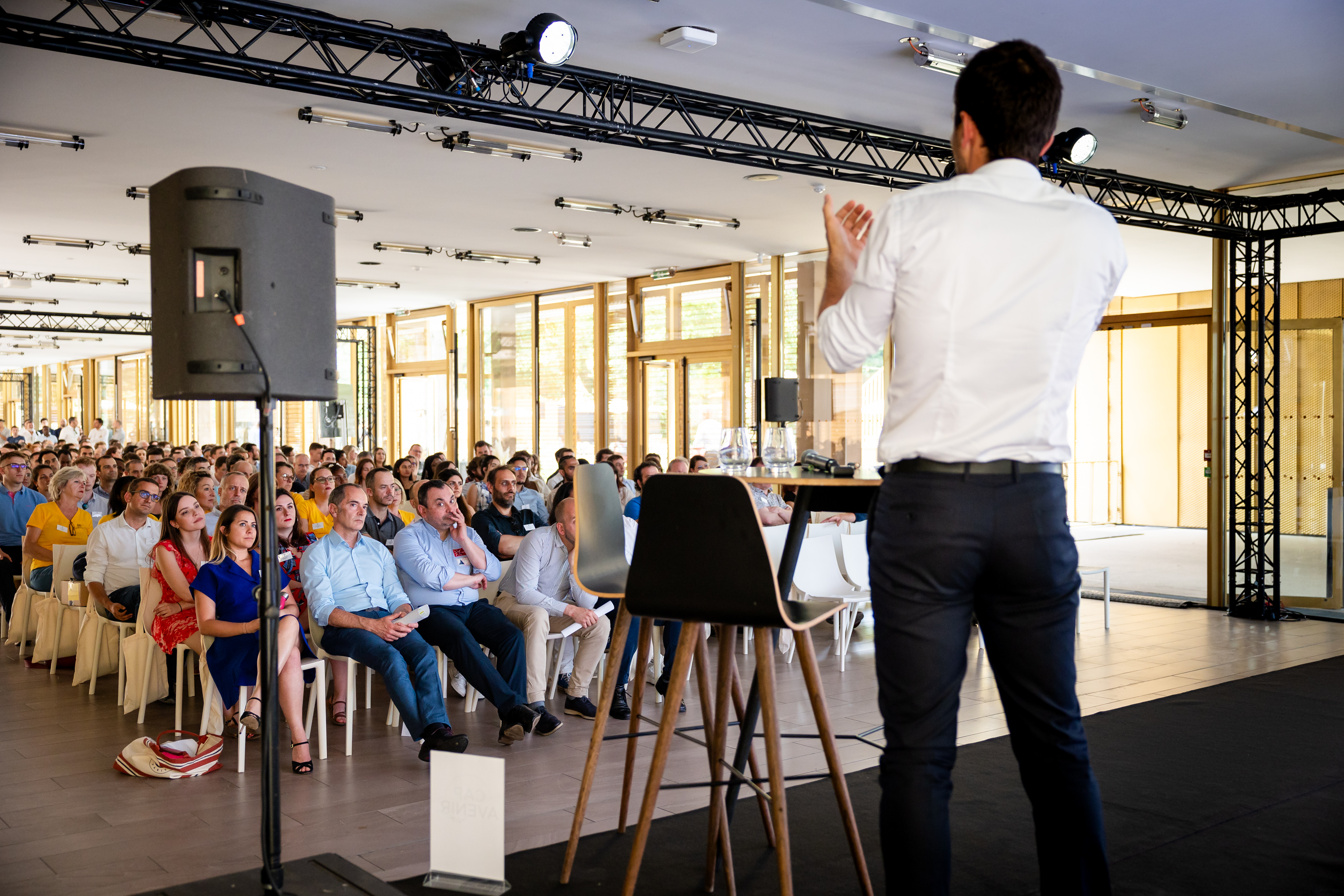
Professional role-play actors as journalists, regulators, or angry customers: this is not theatre for fun; it is to train spokesperson posture and message discipline. We brief actors with your context so questions feel familiar and uncomfortable in the right way.
Camera-on media simulation: short on-camera statements followed by a replay and coaching. Extremely effective for senior leaders who rarely practice under time pressure.
Innovative animations in Antwerp
Working lunch built into the simulation: in real incidents, people eat while working. We can integrate a practical catering setup that does not break momentum, with clear “pause rules” to keep decisions and messaging consistent.
Stakeholder hospitality drill: for scenarios involving VIP visits after an incident, we simulate how to host inspectors, customers or board members while the situation is still evolving.
Gourmand animations in Antwerp
Cyber + communication crossover: injects combine IT symptoms, operational disruption, and press pressure. Useful for Antwerp organizations where logistics and planning systems are mission-critical.
Social media escalation simulation: we emulate how a story spreads, including misinformation and employee posts, to force a clear internal comms cadence and a decision on when to go public.
Supplier chain shock exercise: rapid constraints on raw materials, transport or compliance documentation, requiring leadership to prioritize customers and negotiate commitments.
Whatever the format, we align the simulation with your brand and governance. A conservative listed company, a family-owned Antwerp group, and an international HQ do not communicate the same way—so the workshop must match your risk appetite, approval flows, and reputational standards.
Where to host a Crisis Management Workshop in Antwerp
The venue strongly influences behavior. A crisis simulation needs confidentiality, acoustic control, and the ability to run injects without disruption. In Antwerp, we often recommend venues that allow a separate control room (for facilitators), reliable connectivity, and flexible layouts for crisis cell seating, breakout rooms, and a press corner.
| Venue type | For which objective? | Main strengths | Possible constraints |
|---|---|---|---|
Meeting rooms in a business hotel (Antwerp city center) | Executive tabletop, media training, fast logistics | Confidential rooms, catering on site, predictable AV, easy access by train/taxi | Noise risk if rooms are not isolated; limited space for two-room simulations unless pre-booked |
Corporate venue or HQ boardroom in Antwerp | Test your real governance in your real environment | Realistic access to internal tools, familiarity, easier participation for busy leaders | Harder to create “safe distance”; interruptions from day-to-day operations; confidentiality protocols needed |
Conference center with multiple breakouts (Antwerp region) | Two-room or multi-team simulation with controlled injects | Space for crisis cell + ops + observers; can build a press corner and control room | Higher cost; requires stricter run-of-show to avoid participants dispersing |
We strongly recommend a site visit (or a technical check) before confirming. Small details—Wi‑Fi stability, room adjacency, where calls can happen, how observers enter—determine whether the simulation feels controlled and credible.
Budget ranges for a Crisis Management Workshop in Antwerp
Pricing depends on scenario complexity, the number of participants, the level of realism, and the deliverables expected after the session. A workshop that is purely tabletop with one facilitator is not the same as a two-room simulation with actors, media coaching, and a formal report for the board.
As a practical range in Antwerp, many corporate clients invest between €4,500 and €18,000 (excl. VAT) for a single-day workshop, depending on the factors below. Multi-session programs (baseline + follow-up after improvements) are usually more cost-efficient per session.
Participants and structure: 8–15 (single crisis cell) vs 20–60 (multi-team, observers, two-room setup).
Scenario design time: generic sector scenario vs your specific products, sites, stakeholders, and approval flows.
Simulation mechanics: simple injects vs multi-channel (email, calls, social simulation) and a dedicated control team.
Role-play and media: professional actors, on-camera coaching, replay equipment, and spokesperson feedback notes.
Deliverables: short memo vs full exercise report, action plan, updated checklists, and template holding statements in EN/NL (and FR if needed).
Venue and AV: your premises vs external venue; room count; acoustic needs; additional screens and microphones.
The ROI is measured in avoided hesitation and reduced reputational damage. In real incidents, the cost of one delayed escalation or one inconsistent message can exceed the entire workshop budget—especially for Antwerp-based organizations with international customers and high visibility.
Why work with a local partner in Antwerp for crisis simulations
A crisis workshop is operational by nature: it involves timing, rooms, injects, stakeholders, and senior people with tight agendas. A local partner reduces friction and increases realism. We can quickly check a venue, secure the right AV configuration, and bring facilitators who understand how Belgian leadership teams actually make decisions.
When you need a fast adjustment—adding a second breakout room, adapting the scenario to a real-world event in the news, or switching language balance—local presence matters. It also helps when confidentiality is critical: fewer intermediaries, tighter control over materials, and clearer accountability.
If you are looking for broader support beyond the workshop day, we can also connect the simulation to your wider event needs through our local network as an event agency in Antwerp—useful when crisis readiness is part of a leadership offsite or a multi-day internal program.
- Faster logistics: on-the-ground supplier coordination, quick site checks, and realistic timing.
- Better stakeholder realism: we build scenarios that reflect the Antwerp environment (media dynamics, multilingual internal comms, international HQ pressure).
- Lower operational risk: clear roles on the day, tested AV, and contingency planning if a room/technical element fails.
- More usable outputs: we translate workshop findings into concrete artifacts your teams can use on Monday morning.
The ROI is measured in avoided hesitation and reduced reputational damage. In real incidents, the cost of one delayed escalation or one inconsistent message can exceed the entire workshop budget—especially for Antwerp-based organizations with international customers and high visibility.





Examples of crisis situations we simulate in Antwerp contexts
Our workshops cover a wide variety of scenarios because “crisis” depends on your business model and exposure. In Antwerp, we often encounter complex ecosystems: multiple sites, contractors, international customers, and strong reputational sensitivity. We design scenarios that stress the interfaces—not only the event itself.
Operational incident with reputational escalation: a safety incident involving a contractor triggers a chain of questions—HR (duty of care), legal (liability), operations (shutdown decisions), and communications (employee messaging vs external statement). We test the first-hour checklist, who speaks, and how quickly the team can move from uncertainty to a coherent narrative.
Cyber disruption affecting planning and dispatch: systems go down, customers chase updates, and employees share rumors. We test the ability to communicate without overpromising, to separate facts from assumptions, and to maintain a single source of truth.
Product or quality alert: a customer reports a defect, social posts appear, and the commercial team wants to reassure quickly. We test how quality, legal and comms agree on a holding statement, how to inform employees, and when to notify authorities or insurers depending on the sector.
Labor and social climate scenario: a dispute escalates and becomes visible. We test HR leadership, manager alignment, and the communication guardrails to prevent messages from inflaming the situation while still respecting social dialogue.
The common thread is adaptability: we keep the exercise grounded in what your team can realistically do, while challenging the weak points that only appear under pressure.
Common failure points we prevent in Antwerp crisis workshops
Unclear activation and escalation: teams hesitate because nobody wants to “overreact”. We define triggers and run timed decision gates so escalation becomes a disciplined process.
Too many voices, no message owner: communications stalls because everyone edits. We clarify who drafts, who approves, and what can be released as a holding statement within 30 minutes.
Ignoring internal audiences: employees learn from outside sources. We build an internal comms cadence (first message, updates, manager brief) and test it during injects.
Operational and comms teams working in parallel: facts don’t match messages. We enforce a single incident timeline and a shared “known/unknown/assumptions” board.
Overconfidence in templates: playbooks exist but are not usable under pressure. We turn templates into checklists and test them live.
No post-exercise ownership: findings remain in a report. We deliver an action plan with owners and deadlines, and we can run a follow-up test session.
Our role is to create enough pressure to reveal these risks—then to convert them into practical fixes that fit your governance and workload. That is what makes a Crisis Management Workshop worth the time of senior leaders in Antwerp.
Why Antwerp clients renew crisis exercises with INNOV'events
Crisis readiness is not a one-time deliverable. Clients return because they see measurable progress: faster decision cycles, clearer spokesperson readiness, and fewer internal frictions during stressful events (including non-crisis “high pressure” moments like major customer complaints or regulatory inspections).
We also earn loyalty by being operationally dependable. Senior teams remember if the exercise starts late, if AV fails, or if scenarios feel unrealistic. We plan with the discipline of an event production team, but with the mindset of crisis governance advisors.
Most recurring clients run 1 workshop per year and add a second session after major changes (new CEO, acquisition, new plant, reorganization, or a real incident).
A typical maturity program runs over 6–18 months: baseline exercise, improvements, then a more demanding simulation to validate progress.
For spokesperson readiness, we often recommend 2–3 short coaching blocks per year (60–90 minutes each) rather than one long training every few years.

Repeat business is not a “nice to have”; it is proof that the workshop delivered operational value and that the client trusts us with sensitive leadership dynamics in Antwerp.
Our delivery process for Antwerp crisis workshops
👉 Antwerp scoping call and stakeholder mapping
We clarify objectives, participants, confidentiality level, and the crisis perimeter. We map stakeholders: employees, authorities, customers, suppliers, unions, community, and media. We also identify decision bottlenecks (HQ approvals, legal sign-off, spokesperson availability) and build the exercise around them.
👉 Scenario design and validation with your sponsor
We write the scenario storyline, timeline, and inject list. You validate realism and boundaries (what is in/out). We agree on the level of pressure and the “rules of play” (e.g., no real customer names, no recording, observers allowed or not). We also prepare draft holding statements that will be stress-tested during the session.
👉 Technical and logistical production in Antwerp
We confirm venue layout, AV needs, Wi‑Fi, room adjacency, and the control setup for inject delivery. We define participant materials (role cards, escalation tree, checklists) and prepare the simulation channels (emails, calls, printed documents). If role-play is included, actors are briefed on your context and escalation style.
👉 Facilitation on the day with timed decision gates
We run the exercise with strict time boxes, clear facilitation, and real-time capture of decisions, assumptions, and messages. We keep the environment safe but challenging. We manage energy and pace so executives remain engaged without feeling manipulated.
👉 Debrief, report and improvement plan
We conduct a structured debrief and provide a deliverable adapted to your needs: executive summary, detailed timeline, strengths/gaps, and a prioritized action plan. Where relevant, we update practical tools (first-hour checklist, stakeholder map, message templates) so your team can implement changes immediately.
FAQ sur l'organisation Crisis Management Workshop à Antwerp
How long is a crisis workshop day in Antwerp?
Most sessions run 3.5 to 7 hours on site in Antwerp. A common format is 4 hours simulation + 60–90 minutes debrief. For two-room simulations with role-play, plan a full day.
How many participants for a crisis workshop in Antwerp?
The most effective group size is 8–15 for an executive crisis cell. We can scale to 20–60 in Antwerp if you want parallel teams (operations, comms, HR, observers) with synchronized injects.
What budget should we plan in Antwerp for a workshop?
As a realistic range, companies typically invest €4,500–€18,000 excl. VAT in Antwerp, depending on scenario customization, number of rooms, role-play actors, media simulation, and reporting depth.
Can you run the workshop in English and Dutch in Antwerp?
Yes. In Antwerp, we often run bilingual sessions: facilitation in English with Dutch internal comms injects, or the reverse. We set clear language rules (drafting, approvals, spokesperson) to avoid delays and inconsistent statements.
How quickly can you organize a crisis workshop in Antwerp?
For a standard tabletop, we can deliver within 2 to 4 weeks in Antwerp once stakeholders confirm availability. For a high-realism simulation (actors, multi-room, formal report), plan 4 to 8 weeks to ensure scenario validation and technical preparation.
Request a quote for a Crisis Management Workshop in Antwerp
If you are comparing providers, we suggest a short call with your sponsor (HR, Comms, COO/Risk) to confirm scope and the level of realism you want. We will challenge the brief where needed—especially on decision rights, approval flows and spokesperson readiness—because that is where crisis exercises either create value or become a “nice workshop”.
Contact INNOV'events to plan your Crisis Management Workshop in Antwerp. With a few inputs (participant list, crisis plan if available, preferred language balance, and constraints), we can share a clear proposal, a recommended format, and a budget range within 48 hours.
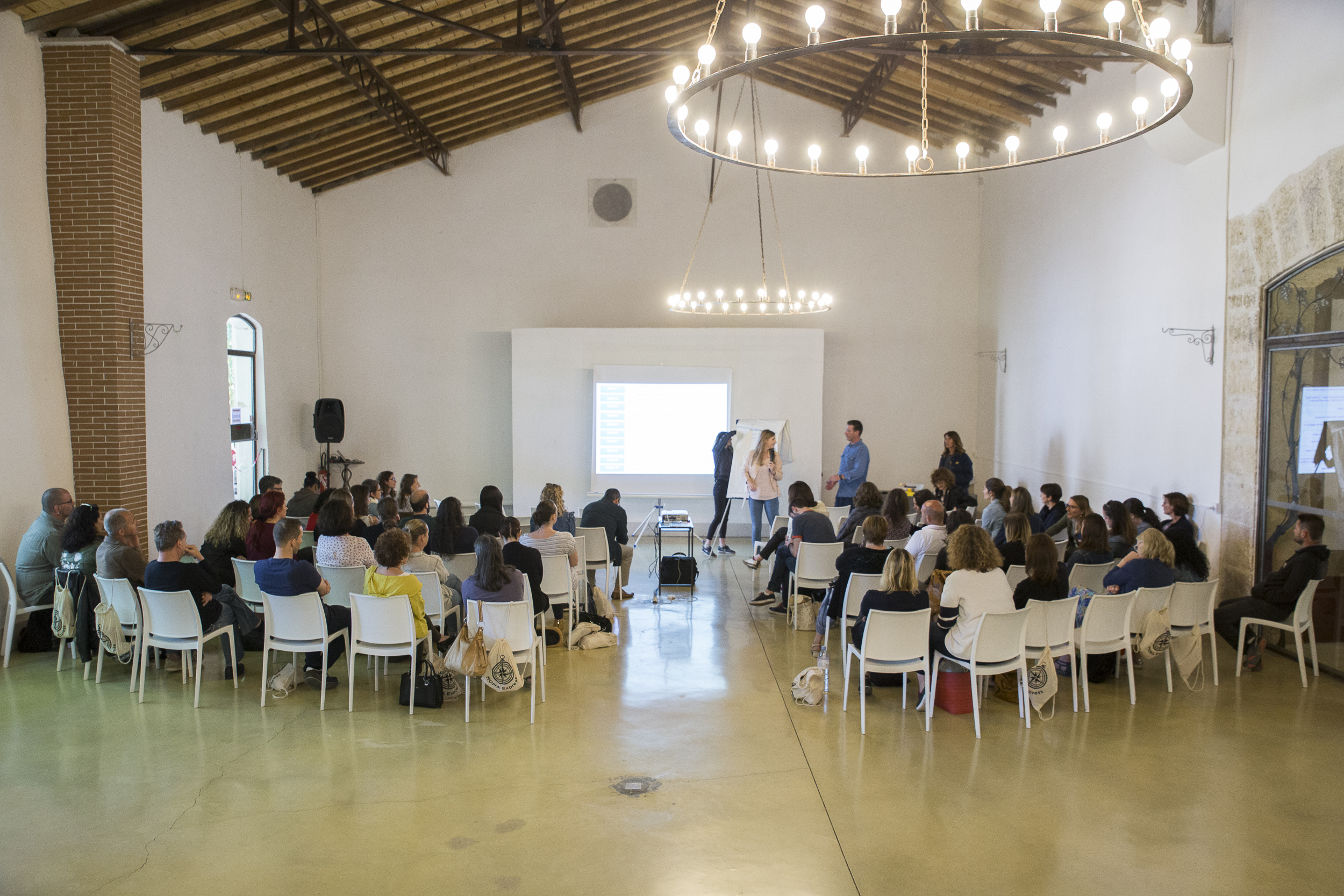
INNOV'events Antwerp Agency
Justin JACOB is the manager of the INNOV'events Antwerp office. Reach out directly by email at belgique@innov-events.be or via the contact form.
Contact the Antwerp agencyToutes nos prestations & animations Antwerp, Belgique
Découvrez nos prestations événementielles
Découvrez nos animations événementielles disponibles au Belgique
- Event Hostess in Antwerp
- Escape Game in Antwerp
- MasterChef Cooking Workshop in Antwerp
- Magician in Antwerp
- Marquee Rental in Antwerp
- Color Analysis Workshop in Antwerp
- Inflatable Games in Antwerp
- Valet Parking Service in Antwerp
- Football Simulator in Antwerp
- LED Furniture Rental in Antwerp
- Light Branding in Antwerp
- Unique Dining Experience in Antwerp
- Light Painting in Antwerp
- Murder Mystery Party in Antwerp
- Prize Contest in Antwerp
- Promotional Displays (POS) in Antwerp
- Virtual Reality in Antwerp
- Molecular Gastronomy Workshop in Antwerp
- Halloween Entertainment in Antwerp
- Fireworks Show in Antwerp
- Giant Games Challenge in Antwerp
- Event Host / MC in Antwerp
- Photo Booth Animation in Antwerp
- Santa Claus Entertainment in Antwerp
- Kids Entertainment in Antwerp
- Guided Tour in Antwerp
- Urban Rally in Antwerp
- Ball Pit in Antwerp
- Flight Simulator in Antwerp
- Food Truck Rental in Antwerp
- World Record Challenge in Antwerp
- Surf Simulator in Antwerp
- Wine Casino in Antwerp
- Makeover Workshop in Antwerp
- Perfume Creation Workshop in Antwerp
- Acting Workshop in Antwerp
- CSR Activities in Antwerp
- Archery in Antwerp
- Security Staff in Antwerp
- Wine Tasting in Antwerp
- Mime Performer in Antwerp
- TV Game Show in Antwerp
- Funfair in Antwerp
- Crisis Management Workshop in Antwerp
- Crisis Negotiation Workshop in Antwerp
- Arcade Games in Antwerp
- Indoor Skydiving Simulator in Antwerp
- Ski Simulator in Antwerp
- Racing Circuit Experience in Antwerp
- Introductory Flight Experience in Antwerp
- Tasting Experience in Antwerp
- Build Your Own Foosball Workshop in Antwerp
- 2CV Rally in Antwerp
- LEGO Challenge in Antwerp
- Casino Night in Antwerp
- Interpreter / Translator in Antwerp
- Promotional Giveaways in Antwerp
- Shuttle Transport in Antwerp